Weera Thai Kitchen
Weera Thai Kitchen on Spring Mountain Road sits inside Las Vegas's most concentrated corridor of Southeast Asian dining, where Thai restaurants compete on ingredient fidelity rather than tourist-facing presentation. The kitchen draws a local crowd that measures authenticity by heat calibration and regional specificity. It is the kind of address that appears on shortlists passed between residents rather than promoted through conventional channels.
Pearl is the En Primeur Club membership app — saves, bookings, and concierge access live there. Same editors, same standards.
- Address
- 4276 Spring Mountain Rd C-105, Las Vegas, NV 89102
- Phone
- (702) 485-1688
- Website
- weerathai.com
- Directions
- Get directions
 Saves & bookings on Pearl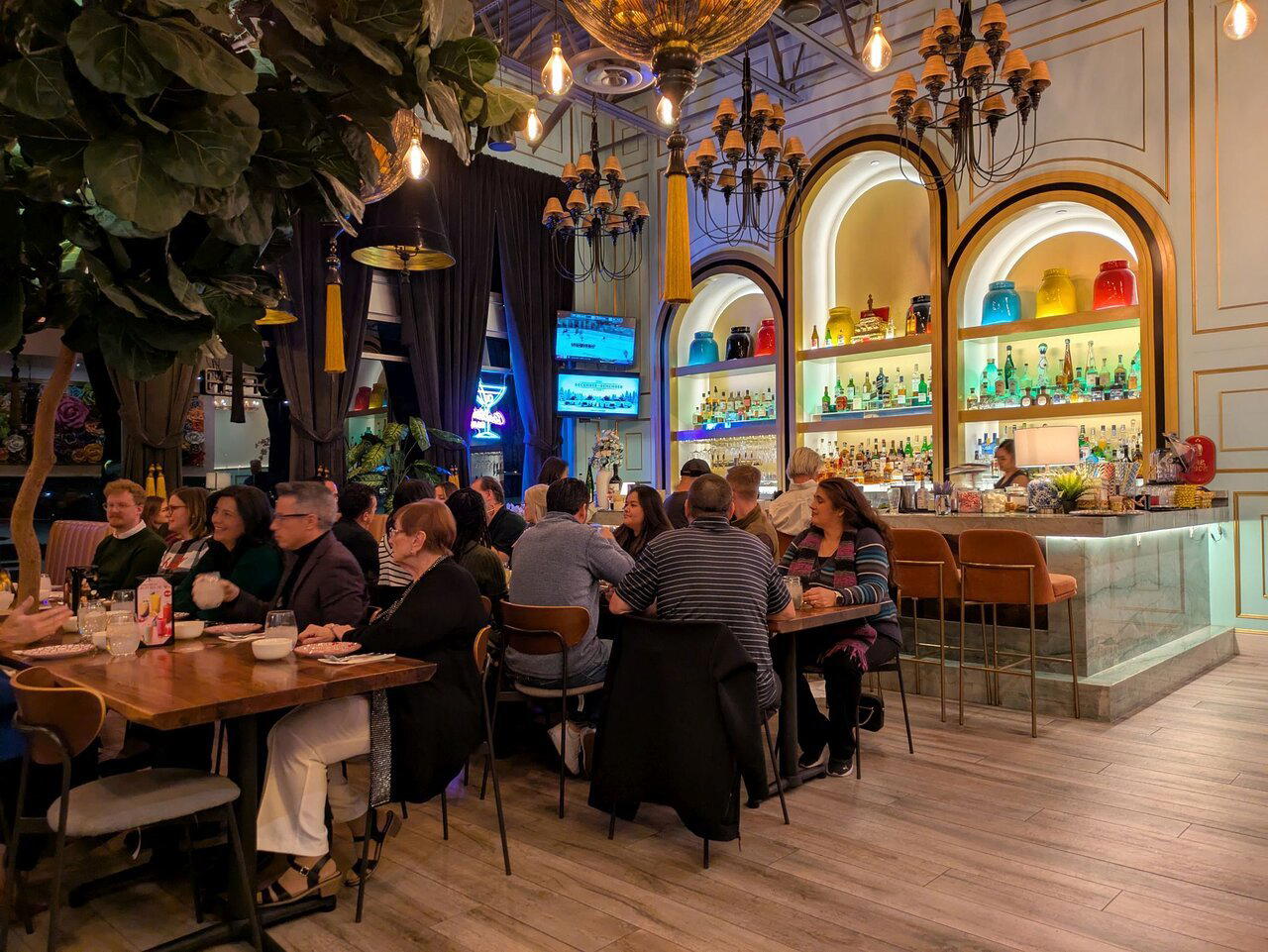
Spring Mountain Road and the Case for Neighbourhood Thai
Las Vegas has two distinct dining economies. The Strip operates on spectacle and celebrity attachment, where a recognizable name above the door often matters more than what arrives on the plate. Then there is Spring Mountain Road, a corridor running west from the Strip toward Chinatown, where the competitive logic reverses entirely. Thai, Vietnamese, Korean, and Japanese kitchens here compete against each other on cooking fundamentals, and the clientele is largely local, repeat, and informed. Weera Thai Kitchen, at 4276 Spring Mountain Road, sits inside that second economy.
The address places it among a density of Southeast Asian restaurants that has made this stretch one of the more seriously considered dining corridors in the American Southwest. Venues like 777 Korean Restaurant and 108 Eats operate on the same block logic: strip-mall positioning, low overhead signaling, and a customer base that treats the absence of design theater as a quality marker rather than a liability.
Thai Cooking in the American Southwest: What the Spring Mountain Corridor Represents
Thai cuisine in the United States has historically been simplified for a broad audience, with sweetness amplified and heat dialed back. The restaurants that have resisted that compression tend to cluster in areas with large Southeast Asian communities, where the customer base can register the difference between a fish sauce chosen for its fermentation depth and one chosen for its price point. Spring Mountain Road has developed that kind of critical mass in Las Vegas, making it a corridor where regional Thai specificity is commercially viable in a way it rarely is on the Strip.
That specificity matters when thinking about sustainability in kitchen practice. Thai cooking, at its traditional core, is built around a low-waste philosophy: fermented pastes made from ingredients that would otherwise spoil, curry bases that use every part of aromatics, and proteins that vary by what is fresh and available rather than what is standardized. This is the embedded efficiency of a cuisine that developed in conditions where waste was an economic problem. Neighbourhood Thai kitchens that maintain those practices are, in effect, preserving a cooking logic that more formally sustainability-branded restaurants at venues like Blue Hill at Stone Barns or Single Thread Farm in Healdsburg have built entire identities around articulating.
The difference is that the Spring Mountain kitchens rarely announce it. The practices are structural rather than promotional.
Ethical Sourcing and the Quiet Logic of Immigrant Kitchens
Across the American Thai dining category, there is a growing body of evidence that smaller, community-anchored kitchens maintain more consistent ingredient sourcing relationships than their larger, more PR-equipped counterparts. This is partly economics: a kitchen with a stable local customer base and a limited menu can build direct relationships with specific suppliers rather than rotating through broadline distributors. The result is a kind of informal traceability that precedes the formal farm-to-table movement by decades.
Thai herb sourcing is a useful case study. Galangal, kaffir lime leaf, Thai basil, and fresh turmeric are not commodities that travel well through conventional distribution. Kitchens that use them consistently either grow them locally, source from specialty growers, or maintain relationships with community-based suppliers who do. The presence of these ingredients in a dish, at the correct aromatic register, is itself a sourcing signal, even without a chalkboard announcing it.
This places Weera Thai Kitchen in a useful comparison set. The formal sustainability credentials at restaurants like Lazy Bear in San Francisco or Providence in Los Angeles are documented and audited. The sourcing discipline at a Spring Mountain Thai kitchen is structural and unannounced. Both represent real commitments to ingredient integrity; only one of them tends to appear in the relevant editorial coverage.
How Weera Thai Sits in Its Competitive Set
On Spring Mountain Road, the comparison set for a Thai kitchen includes venues operating across a range of price points and regional focuses. The corridor has enough volume that differentiation matters: a kitchen that cooks northern Thai dishes alongside central Thai standards occupies a different niche than one focused exclusively on Bangkok-style street food. Regional specificity, in this context, functions the same way terroir functions in wine, as the primary differentiator among technically competent producers.
The Spring Mountain corridor also attracts diners who have exhausted the tourist-facing Thai options on the Strip and are looking for something calibrated to a more experienced palate. That audience, once found, tends to be loyal in the way that neighbourhood regulars are loyal: high frequency, low price sensitivity within the category, and strong word-of-mouth behavior. For a kitchen operating at Weera Thai's scale, that customer dynamic is commercially durable.
For comparison, the Strip's more formal dining programs, from Craftsteak to A Different Beast, operate on fundamentally different economics. And the award-carrying tier nationally, places like Alinea in Chicago, Le Bernardin in New York City, or Addison in San Diego, represent a separate category of dining entirely. Weera Thai does not compete in those tiers. It competes within its corridor, and within that corridor, longevity and local reputation are the operative trust signals.
Planning Your Visit
Weera Thai Kitchen is located at 4276 Spring Mountain Road, Suite C-105, accessible by car from both the Strip and Chinatown. The Spring Mountain corridor is most active in the evenings, and the Thai kitchens along this stretch tend to fill with local diners after 7 p.m. on weekends. Arriving earlier in the evening on a weekday is the practical approach for those who prefer a quieter room. The restaurant is open daily from 11 AM to 10 PM, and reservations are recommended. Dress expectations are informal, consistent with the neighbourhood's general register.
Booking and Cost Snapshot
Comparable venues nearby, for context on price, style, and recognition.
| Venue | Cuisine | Price | Notes |
|---|---|---|---|
| Weera Thai KitchenThis venue — the venue you are viewing | The Asian District, Authentic Thai-Isaan | $$ | Not listed |
| Weera Thai Restaurant | Las Verdes Heights, Authentic Thai-Issan | $$ | Not listed |
| Settebello Pizzeria Napoletana | Summerlin, Authentic Neapolitan Pizza | $$ | Not listed |
| Tacos 1986 | Not listed | $$ | Angel Park Ranch, Tijuana-Style Street Tacos |
| Butterface | Not listed | $$ | Spring Valley, Italian-Inspired Brunch & Breakfast |
| Pronto by Giada | South Las Vegas, Italian Fast Casual | $$ | Not listed |
Continue exploring
More in Las Vegas
Restaurants in Las Vegas
Browse all →
Bars in Las Vegas
Browse all →
At a Glance
- Cozy
- Trendy
- Casual Hangout
- Group Dining
- Family
- Standalone
- Beer Program
Current opening hours
- Monday
- 11 AM–10 PM
- Tuesday
- 11 AM–10 PM
- Wednesday
- 11 AM–10 PM
- Thursday
- 11 AM–10 PM
- Friday
- 11 AM–10 PM
- Saturday
- 11 AM–10 PM
- Sunday
- 11 AM–10 PM
Hours can change for holidays and private events. Last verified .
Cozy and warmly decorated with colorful photo-friendly elements like flower walls, creating a comfortable and inviting atmosphere.