Wayne Gretzky Estates
Our verdict
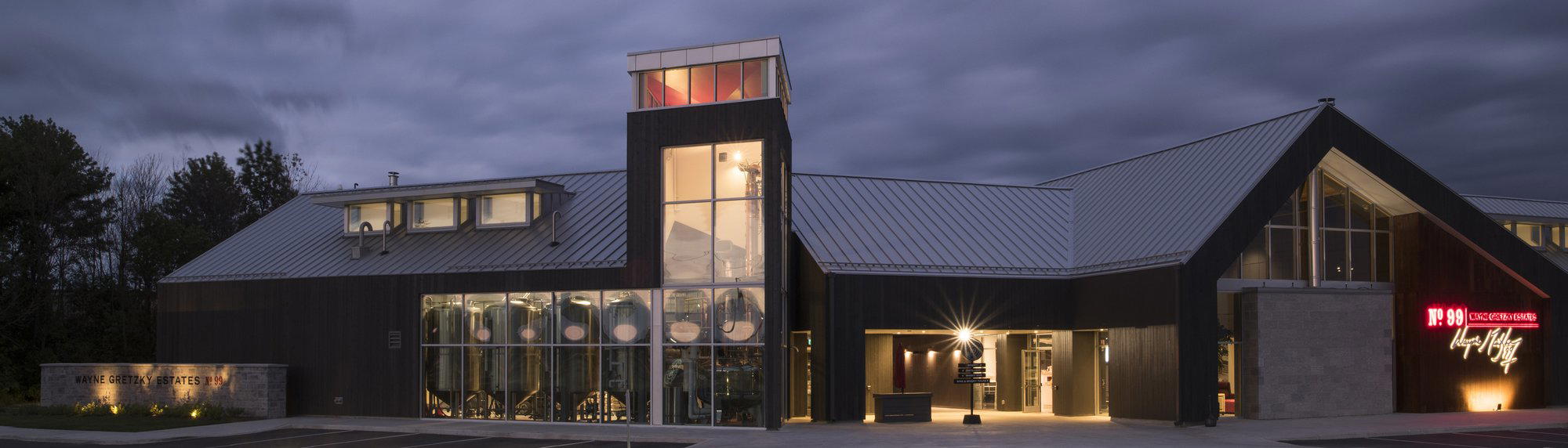
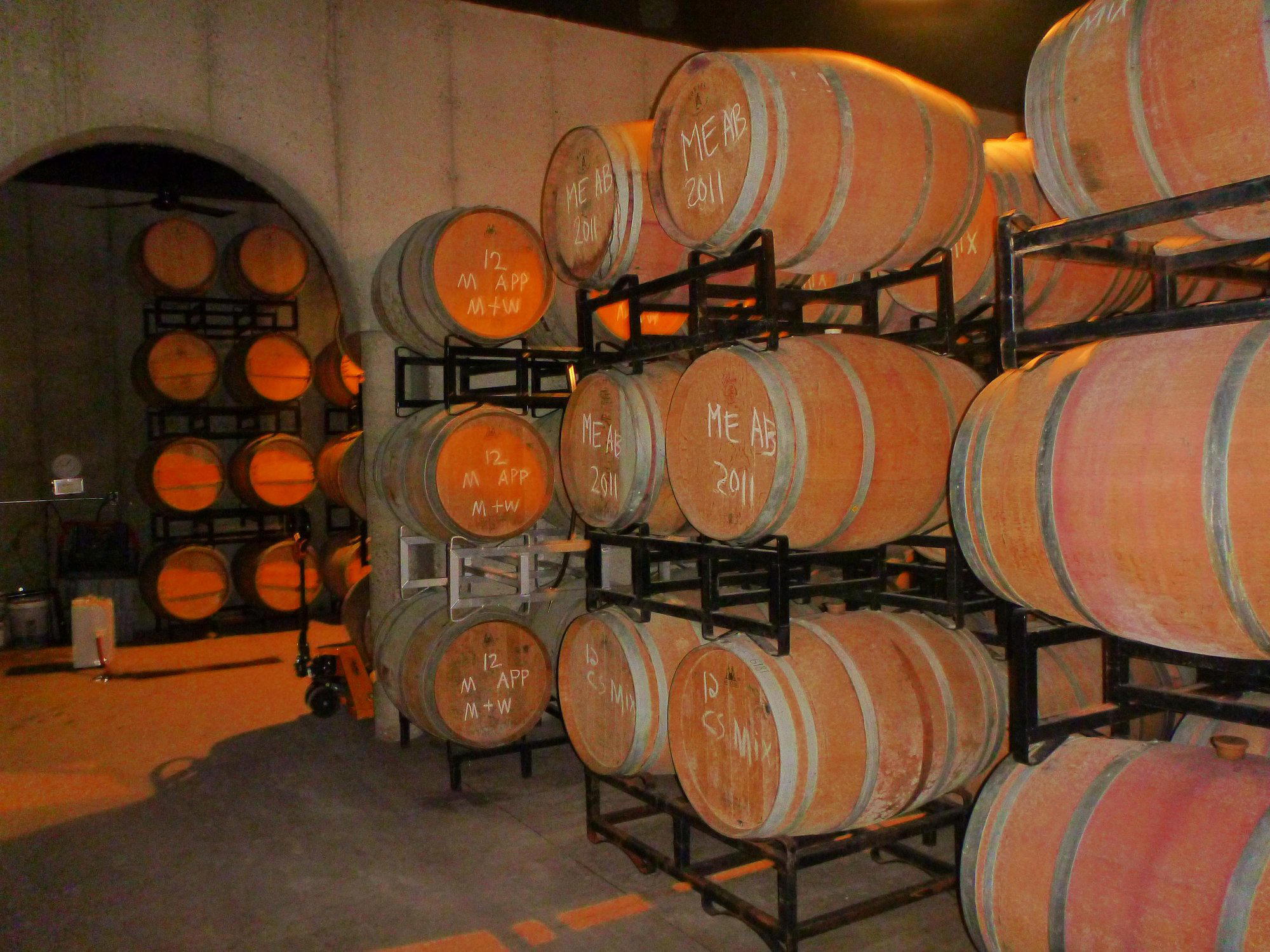
Wayne Gretzky Estates sits on Niagara Stone Road in the heart of Ontario's most visited wine corridor, where Niagara-on-the-Lake's estate winery tradition meets the kind of name recognition that draws visitors well beyond the usual wine-tour circuit. The property connects Canadian sporting heritage to the Niagara Peninsula's agricultural identity, placing it in a distinct tier among the region's winery destinations.

Pearl is the En Primeur Club membership app — saves, bookings, and concierge access live there. Same editors, same standards.
- Address
- 1219 Niagara Stone Rd, Niagara-on-the-Lake, ON L0S 1J0, Canada
- Phone
- (844) 643-7799
- Hours
- Mon–Thu 11 AM–7 PMFri–Sat 11 AM–9 PMSun 11 AM–7 PM
- Website
- gretzkyestateswines.com
- Directions
- Get directions
- Booking
- Book on OpenTable
The Niagara Wine Corridor and Where This Estate Fits
Niagara-on-the-Lake occupies a narrow climatic band between Lake Ontario and the Niagara Escarpment, a geography that has produced one of Canada's most commercially significant wine regions. The corridor along Niagara Stone Road (Regional Road 55) concentrates a high density of estate wineries, and the competitive set ranges from boutique operations with minimal output to larger visitor-facing properties with restaurants, retail floors, and event infrastructure. Wayne Gretzky Estates, at 1219 Niagara Stone Rd, belongs to the latter category: a property scaled for volume tourism without abandoning the agricultural setting that defines the region's identity.
That positioning matters more than the name on the gate. Niagara-on-the-Lake's winery dining scene has split in recent years between properties that treat the restaurant as a secondary function and those that have invested seriously in kitchen programs tied directly to regional sourcing. The most compelling entries in the latter group — including Kitchen76 at Two Sisters Vineyards and Benchmark — frame their menus through Niagara's short growing season and its unusually productive soft-fruit and tender-fruit belt. The editorial question for any winery property in this corridor is whether the food operation earns the same attention as the wine.
Sourcing as Context: What the Niagara Belt Produces
The Niagara Peninsula's tender-fruit corridor runs east of the Escarpment and is among the most productive agricultural zones in Canada by crop variety. Peaches, cherries, plums, and table grapes grow within a few kilometres of wine grapes, and the overlap between viticulture and truck farming gives chefs in this region access to ingredients that are simply not available at comparable scale elsewhere in Ontario. Icewine production, for which Niagara holds international recognition, depends on the same microclimate that ripens Vidal and Riesling grapes in autumn before freezing temperatures concentrate their sugars.
For a winery property operating in this environment, the sourcing argument writes itself, the harder editorial challenge is execution. Properties that follow through on regional sourcing produce menus that read differently from standard Ontario farm-to-table: stone fruit reductions appear alongside duck and pork, ice wine vinegar shows up in dressings, and the proximity of the kitchen to the vineyard allows for harvest-timing decisions that urban restaurants cannot replicate. Restaurant Pearl Morissette in Lincoln, a few kilometres west along the Escarpment, has demonstrated what genuine alignment between a wine program and a seasonal kitchen can look like in this region. It sets a reference point for what the corridor can produce at its most focused.
The Property and Its Setting
Approaching from Niagara Stone Road, the estate reads as a significant physical footprint relative to many of its neighbours. The scale positions it for the tourist traffic that moves through the old town of Niagara-on-the-Lake between May and October, a period when the region draws visitors for the Shaw Festival, winery tours, and leisure weekends from the Greater Toronto Area, roughly 130 kilometres to the northwest. That audience differs from the allocation-list followers who track smaller producers; they tend to be occasion-driven, looking for a full afternoon or evening anchored by a meal and a flight of wines.
This is a well-understood format in Niagara. Aura On The Lake and Cannery Restaurant serve similar visitor profiles, anchoring a meal to the surrounding landscape and seasonal produce. HOBNOB Restaurant takes a more neighbourhood-bistro approach within the same town. Each operates with a slightly different balance of wine-destination theatrics and food-forward credibility, and together they illustrate the range available to visitors spending a day or weekend in the corridor.
Canadian Winery Dining in Broader Context
The conversation about where winery dining sits in Canadian fine dining has become more pointed over the past decade. At the serious end of the spectrum, the expectation now includes kitchens that are genuinely engaged with the growing calendar around them, not simply using local suppliers as a marketing note, but building menus that shift when the harvest does. That standard has been raised by properties in British Columbia's Okanagan and by a handful of Ontario operations that have attracted national attention. Tanière³ in Quebec City and Alo in Toronto operate in a different register, urban fine dining with rigorous sourcing programs, but they mark the ceiling against which serious regional food programs are increasingly measured. AnnaLena in Vancouver and Jérôme Ferrer - Europea in Montréal each reflect how Canadian kitchens are building coherent culinary identities around place.
For rural and destination properties, the model looks more like Eigensinn Farm in Singhampton, which made farm-to-table a literal premise rather than a branding exercise, or The Pine in Creemore, which has built a loyal following in a small Ontario town through disciplined seasonal cooking. Narval in Rimouski demonstrates the same principle in Quebec's Lower St. Lawrence: that a strong regional identity, rigorously applied, creates a kitchen that cannot be transplanted elsewhere. Aux Anciens Canadiens in Quebec City takes a heritage-sourcing approach rather than a contemporary one, but it shares the same underlying logic. Even internationally, kitchens like Le Bernardin in New York City and Atomix in New York City demonstrate how a coherent sourcing philosophy, applied consistently, becomes the defining character of a dining program. Barra Fion in Burlington applies a similar discipline closer to the Niagara corridor's western edge.
Planning a Visit
Wayne Gretzky Estates sits on Niagara Stone Road in Niagara-on-the-Lake, Ontario, accessible by car from Toronto in approximately 90 minutes via the QEW. The town itself warrants at minimum a half-day, and visitors pairing a winery visit with the Shaw Festival or old-town exploration should plan for a full day. The peak tourist window runs May through October, with autumn harvest months bringing the highest concentration of winery visitors across the corridor. Booking ahead is advisable during summer weekends and the Shaw season, when accommodation and restaurant reservations along the strip tighten considerably. Our full Niagara-on-the-Lake restaurants guide covers the broader dining scene for visitors planning a longer stay.
Frequently asked questions
What's the address for Wayne Gretzky Estates?
Wayne Gretzky Estates is located at 1219 Niagara Stone Rd, Niagara-on-the-Lake, ON L0S 1J0, Canada, Niagara On The Lake.
Is Wayne Gretzky Estates worth visiting as a day trip from Toronto?
The estate sits on Niagara Stone Road in Niagara-on-the-Lake, approximately 90 minutes from Toronto via the QEW, making it a practical single-day destination. The combination of wine tasting, estate dining, and the broader Niagara wine corridor gives visitors enough to structure a full afternoon. Pairing a visit with neighbouring wineries along Niagara Stone Road is a straightforward way to maximise the drive time.
What dish is Wayne Gretzky Estates famous for?
The kitchen draws on Niagara's tender-fruit corridor and its concentration of produce growers, meaning the menu leans into regionally sourced ingredients rather than a single signature dish. The estate's position in Niagara-on-the-Lake, within one of Canada's most productive agricultural zones, shapes a menu that shifts with the growing season. Specific current dishes are best confirmed directly with the estate before visiting.
How hard is it to get a table at Wayne Gretzky Estates?
Demand at this address in Niagara-on-the-Lake follows the Niagara wine corridor's seasonal rhythm, with summer and harvest months drawing the heaviest traffic from Toronto visitors making the roughly 90-minute drive. Booking ahead is advisable from June through October. Current reservation availability is best checked through the estate's booking channel directly.
What's the signature at Wayne Gretzky Estates?
The estate's defining identity is the pairing of Ontario VQA wine production with on-site dining at a property scaled significantly larger than most of its Niagara Stone Road neighbours. The Wayne Gretzky name positions it as one of the more recognisable celebrity-associated wineries in Canadian wine tourism. That combination of brand recognition and physical footprint sets its character apart from the smaller, production-focused estates nearby.
Can Wayne Gretzky Estates accommodate dietary restrictions?
Winery dining operations in Niagara-on-the-Lake at this scale generally maintain the capacity to handle common dietary requirements, given the breadth of regional produce available from the surrounding tender-fruit corridor. For confirmed accommodations including allergen protocols, contacting the estate directly ahead of your visit is the most reliable approach, as menus shift seasonally.
How It Stacks Up
Comparable venues nearby, for context on price, style, and recognition.
| Venue | Cuisine | Price | Awards | Notes |
|---|---|---|---|---|
| Wayne Gretzky EstatesThis venue — the venue you are viewing | Canadian Smokehouse Grill | $20–30 | Not listed | Not listed |
| Peller Estates Winery And Restaurant | Farm-to-Table Niagara Fine Dining | $50–100 | Not listed | Niagara-on-the-Lake |
| HOBNOB Restaurant | Contemporary French with Regional Flair | $50–100 | Not listed | Niagara-on-the-Lake |
| Masaki | Modern Japanese Sushi & Sake | $50–100 | Not listed | Niagara-on-the-Lake |
| Treadwell Cuisine | Farm-to-Table Fine Dining | Not listed | Star Wine List · Wine Spectator Best of Award of Excellence | Old Town |
| LIV Restaurant | Contemporary Canadian Fine Dining | $50–100 | Wine Spectator Award of Excellence | Niagara-on-the-Lake |
Continue exploring
More in Niagara-on-the-Lake
Restaurants in Niagara-on-the-Lake
Browse all →
Bars in Niagara-on-the-Lake
Browse all →
Hotels in Niagara-on-the-Lake
Browse all →

Wayne Gretzky Estates
The wine
- Wine program
- Curated wine list
- Extensive wine list
- Craft cocktails
Details
- Lively
- Scenic
- Cozy
- Casual Hangout
- Group Dining
- Waterfront
- Terrace
- Craft Cocktails
- Extensive Wine List
- Local Sourcing
- Vineyard
- A La Carte
- Wine
- Whisky
- Cocktails
Current opening hours
- Monday
- 11 AM–7 PM
- Tuesday
- 11 AM–7 PM
- Wednesday
- 11 AM–7 PM
- Thursday
- 11 AM–7 PM
- Friday
- 11 AM–9 PM
- Saturday
- 11 AM–9 PM
- Sunday
- 11 AM–7 PM
Hours can change for holidays and private events. Last verified .
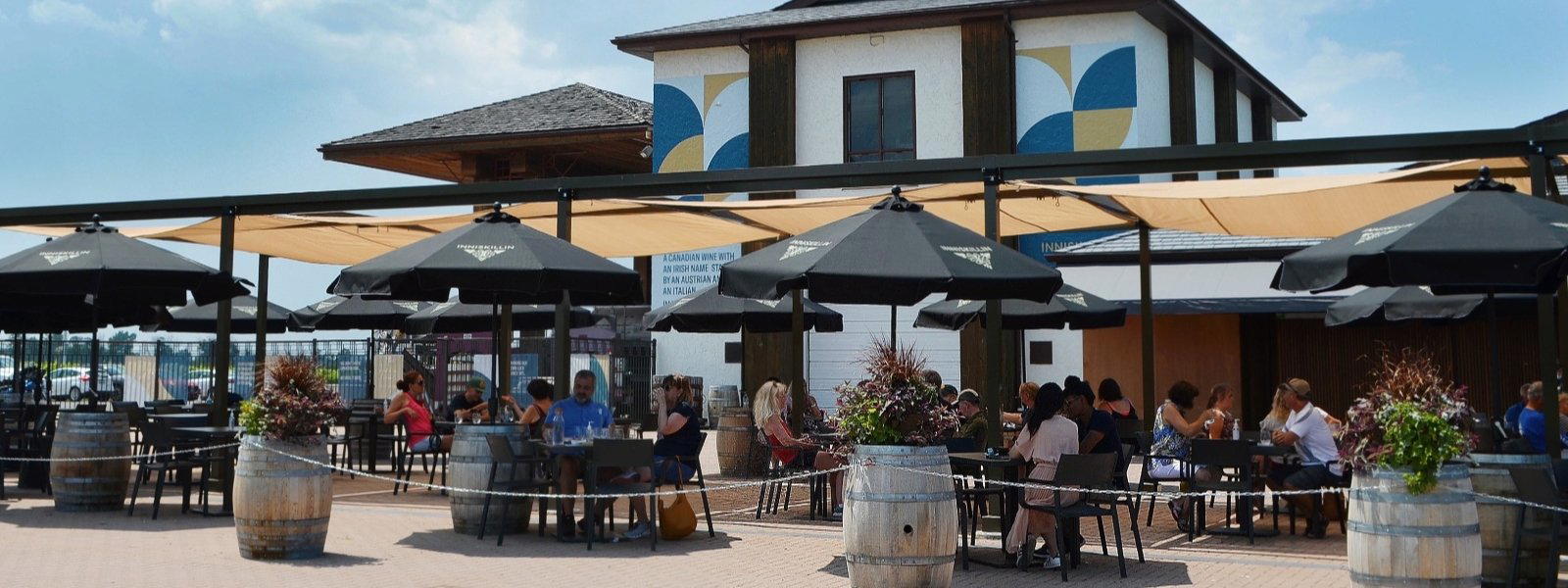
Welcoming and relaxed outdoor patio atmosphere with heaters for winter, well-suited for gathering with good food, handcrafted cocktails, and views of the estates and skating rink.