Our verdict
WAM by Karma arrives in Bodrum at a moment when the Aegean coast's dining conversation is shifting toward ingredient provenance and kitchen craft over waterfront spectacle. The restaurant operates within the Karma brand's approach to considered hospitality, placing it among a growing tier of Bodrum venues that compete on sourcing discipline and culinary precision rather than scale. Reservations are recommended, particularly across the summer season when Bodrum's premium tables fill quickly.

Pearl is the En Primeur Club membership app — saves, bookings, and concierge access live there. Same editors, same standards.
- Address
- Bodrum, Turkey
- Website
- wambykarma.com
- Directions
- Get directions
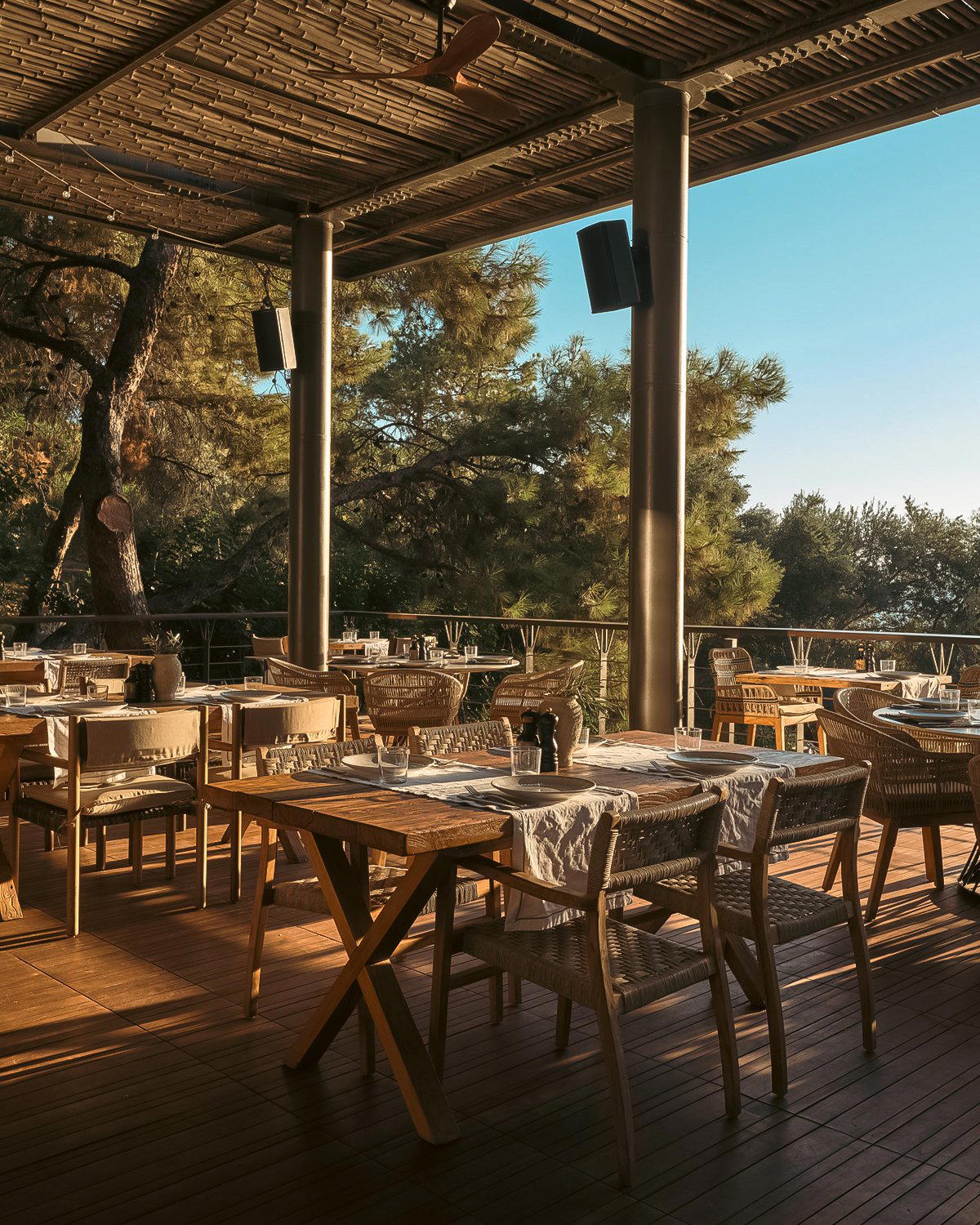
Where Bodrum's Ingredient Conversation Is Heading
The Aegean coast has always had access to some of Turkey's most compelling raw materials: Aegean herbs gathered from limestone hillsides, fish pulled from waters where the Aegean meets the Mediterranean, olive oil pressed from groves that predate most European vineyards, and produce grown in microclimates that run from the Bodrum peninsula's coastal edge inland to the Muğla highlands. For most of Bodrum's dining history, these ingredients served as background to the view. The shift happening now, across a small cohort of kitchens in the region, is that the sourcing itself has become the editorial point of the plate.
WAM by Karma sits inside that shift. The Karma brand's presence in Bodrum positions WAM at the intersection of considered hospitality and a kitchen approach that treats ingredient origin as a first-order decision rather than a garnish detail.
The Scene at the Table
Bodrum's premium dining tier has developed two recognisable poles in recent years. On one side sit the established waterfront addresses, where the setting does significant work and the kitchen supports an atmosphere already sold by the view. On the other, a smaller group of venues has built identity through kitchen discipline: tighter menus, sourcing relationships with specific producers, and a format that asks guests to pay attention to what's on the plate rather than what's behind it. Maçakızı, operating at the ₺₺₺₺ tier, anchors the best of that second group. Kitchen By Osman Sezener works a more accessible price point within modern cuisine. WAM by Karma enters this conversation with the Karma group's hospitality infrastructure behind it, which matters in a market where service consistency is often the variable that separates good nights from unreliable ones.
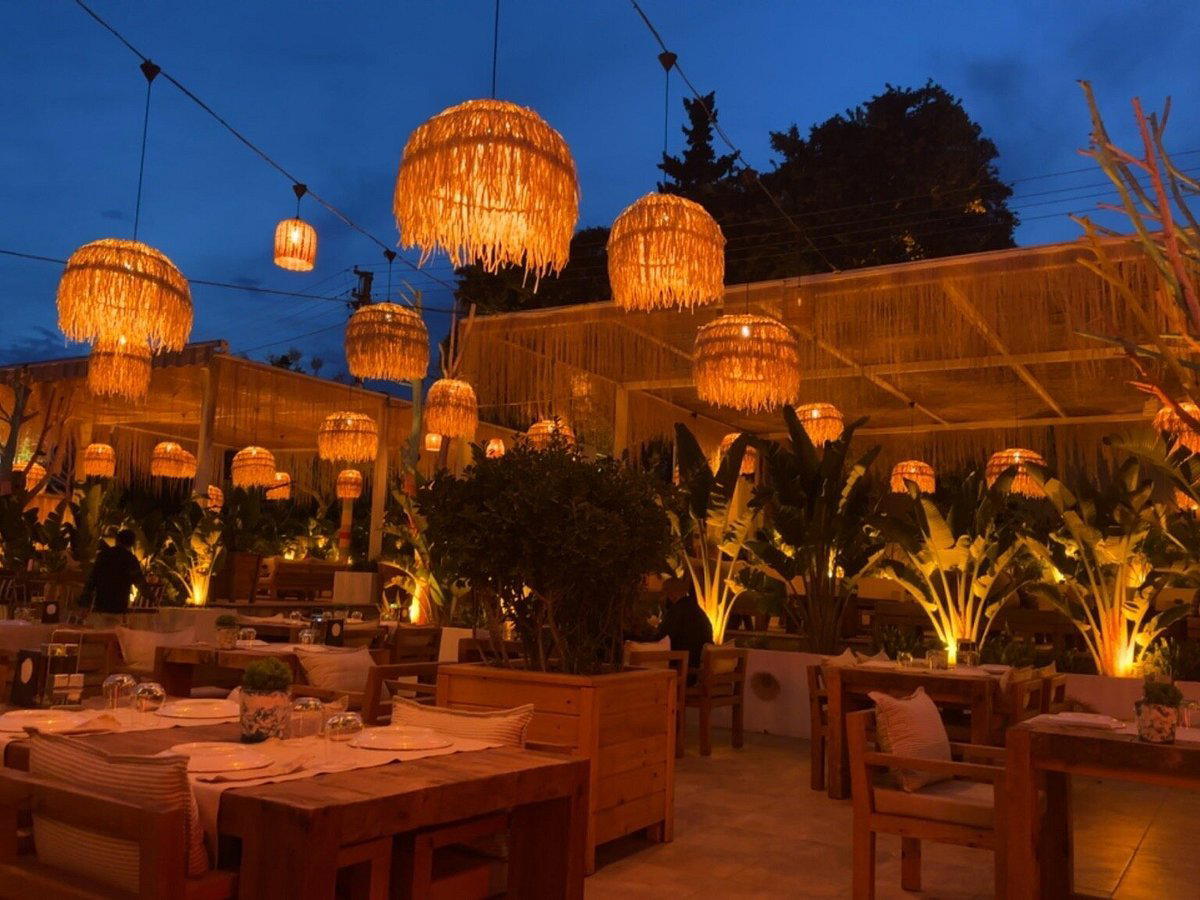
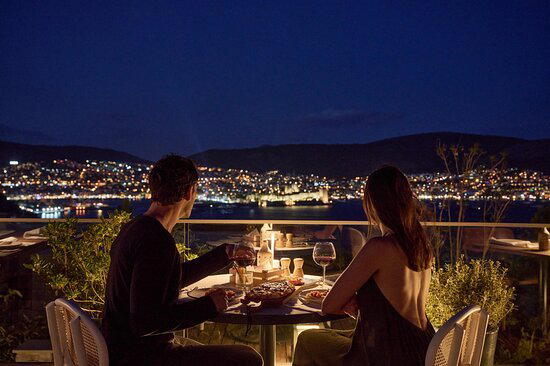
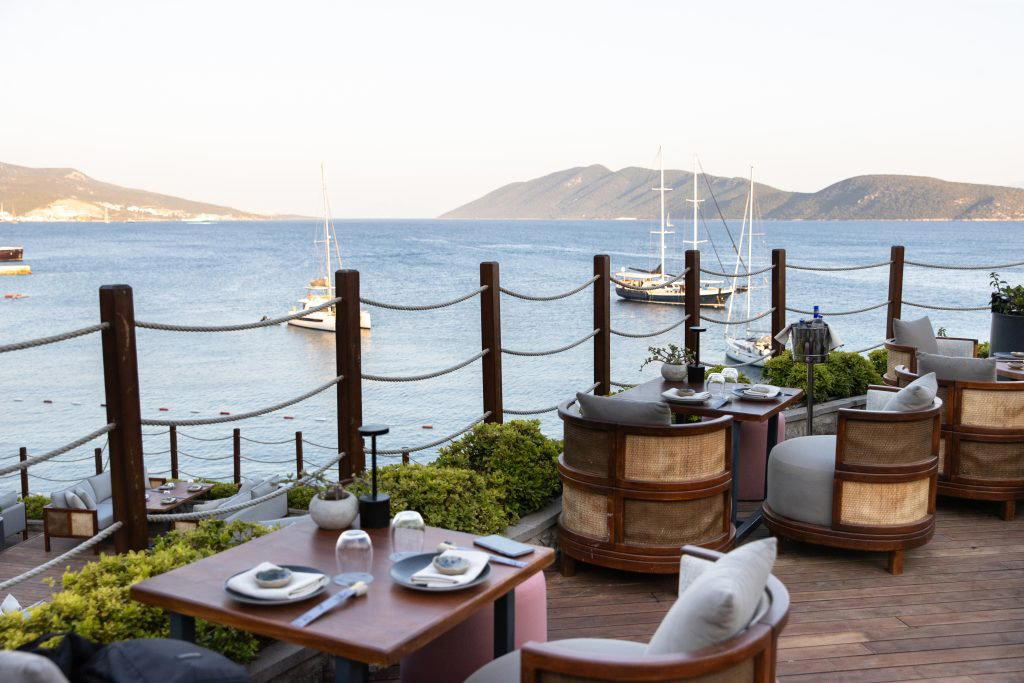
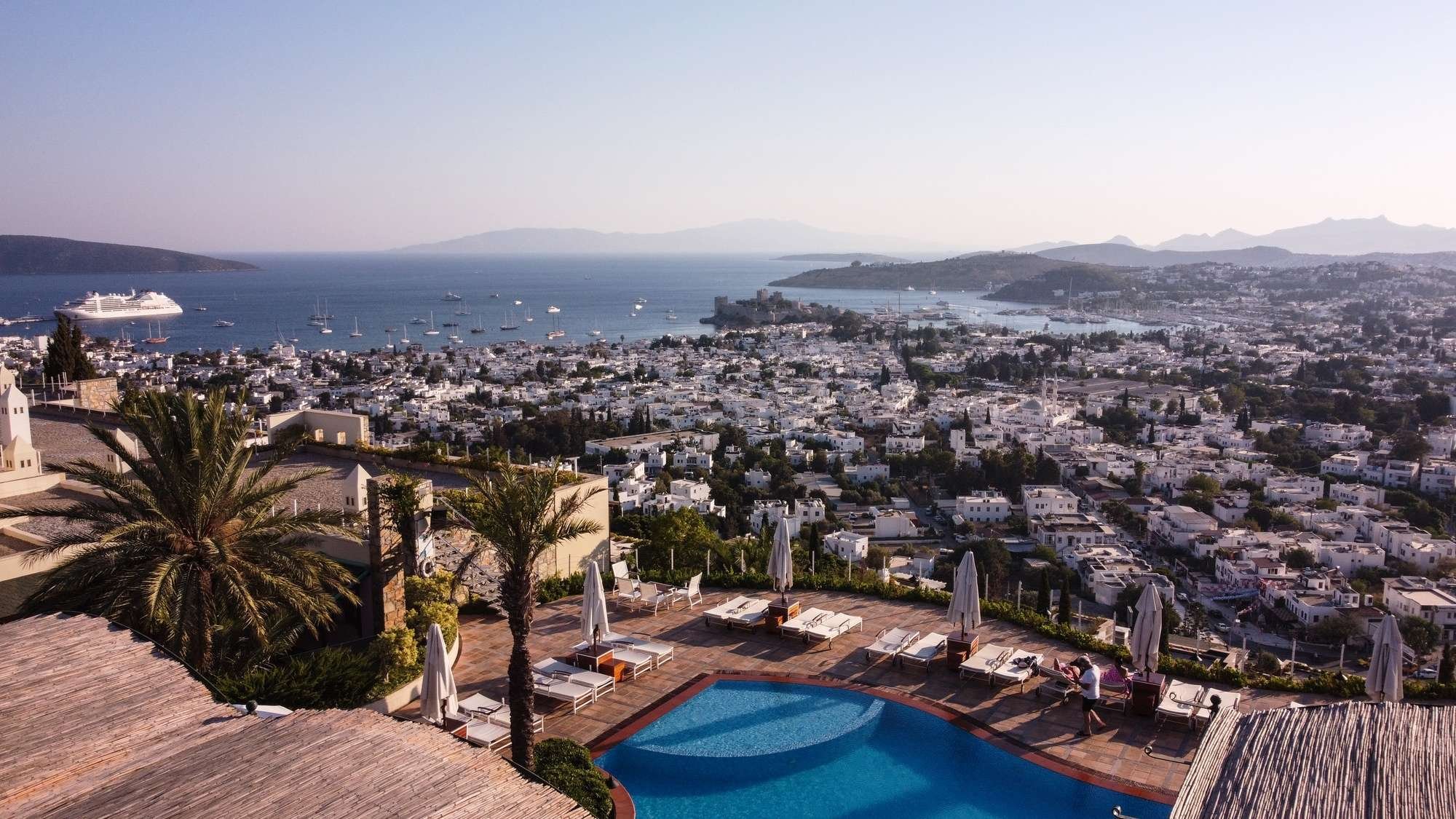
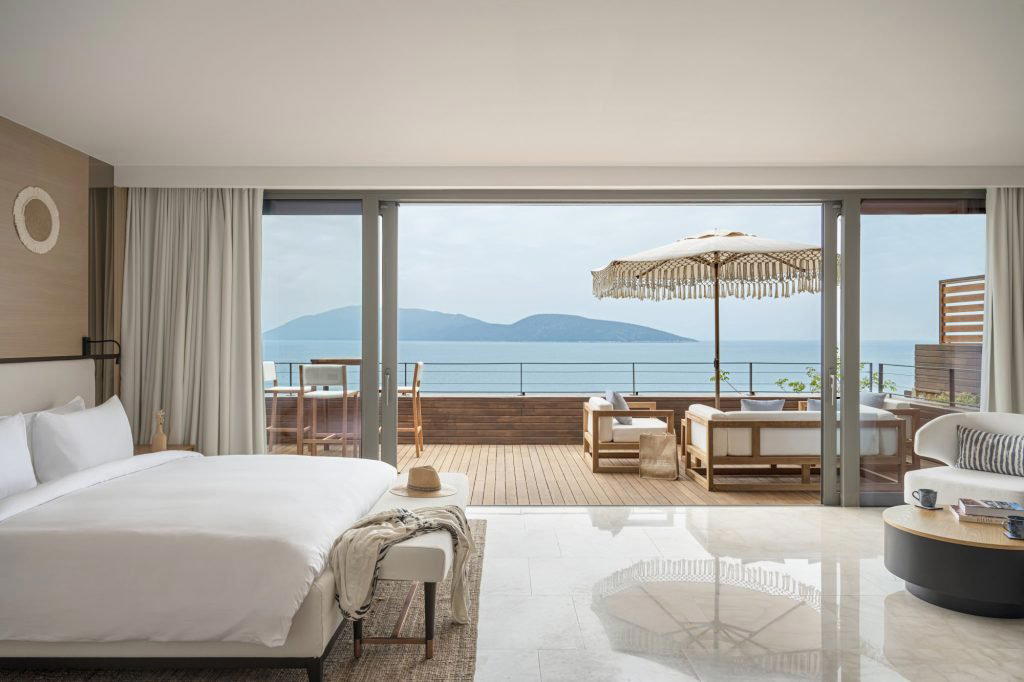
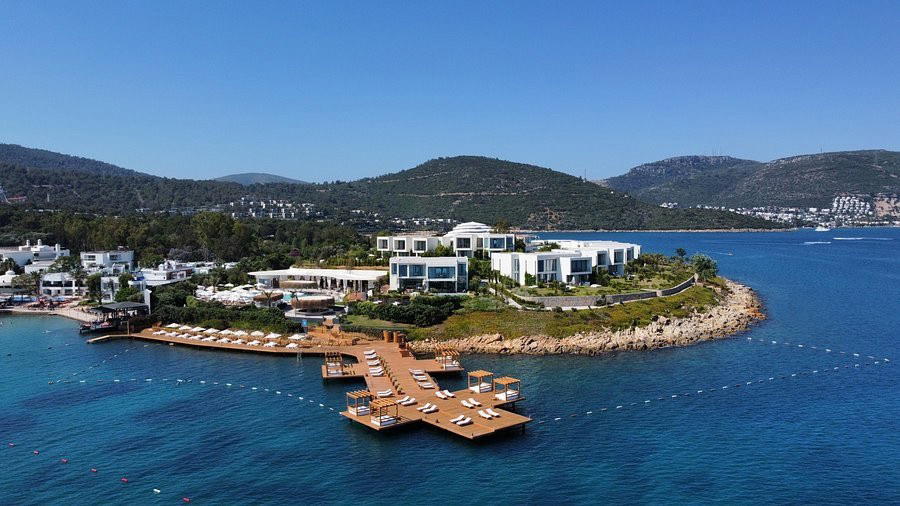
The physical approach to WAM carries the visual grammar common to the better Bodrum properties: whitewashed surfaces, the particular quality of Aegean afternoon light, and an architecture that frames rather than competes with its surroundings. What distinguishes a venue at this level is whether the kitchen can hold the attention once the setting has delivered its opening. In Bodrum's current moment, that question gets answered through the sourcing decisions made before service begins.
Ingredients as Argument
Turkey's Aegean region produces ingredients that have commanded serious international attention: Urla's artichokes and herbs, the olive oils of Ayvalık, seafood from the Aegean's cleaner northern reaches, and the cheeses and yogurts of small-scale producers across the Muğla province. The most rigorous kitchens on the coast have begun building relationships directly with these producers, moving away from the wholesale intermediaries that flatten ingredient provenance into generic quality. This is the direction that drives the most interesting plates currently emerging from Bodrum and its surrounds.
For context on how seriously Turkish kitchens at the top tier are engaging with this sourcing methodology, Turk Fatih Tutak in Istanbul has built a nationally recognised program around Anatolian ingredient archaeology. Narımor in Izmir operates within the same Aegean ingredient geography as Bodrum's leading kitchens, working closely with regional producers. These reference points matter because they establish what the best of the Turkish ingredient-focused dining conversation looks like, and they set the competitive frame against which Bodrum venues are increasingly measured by informed guests arriving from Istanbul and beyond.
The peninsula's fish supply deserves specific attention. Bodrum's proximity to the open Aegean means access to species and quality levels that urban fish markets can only approximate. Kitchens that build serious relationships with local fishermen, taking what comes rather than ordering to a fixed menu template, produce plates that reflect both season and condition in ways that pre-specified menus cannot. This is the structural advantage a well-sourced Bodrum kitchen holds over almost any landlocked competitor.
Bodrum's Wider Table
Placing any single venue in Bodrum requires understanding the range the town now covers. At the entry tier, addresses like Arka Ristorante Pizzeria serve consistent Italian cooking at the ₺ price point, while Barbarossa holds the Mediterranean middle ground. The operates within the Amanruya property's framework, where the hospitality standard is set by the hotel's overall positioning rather than by culinary ambition alone. These represent the town's existing range. WAM by Karma's entry into this set adds another data point in the ingredient-focused tier that Bodrum's most attentive visitors are actively seeking out.
For guests constructing a broader Turkish dining itinerary, the country's other serious regional tables offer useful comparison. Mezegi in Fethiye operates along the same Aegean coastline with its own take on local sourcing. Further afield, Asitane in Fatih reconstructs Ottoman culinary history from primary sources, a different kind of ingredient intelligence applied to a different archive. Old Greek House in Ürgüp and Cafe Old Turkish House in Avanos demonstrate how Cappadocia's kitchen tradition handles its own regional larder. The cumulative picture is of a Turkish dining scene increasingly defined by geographical specificity, with each region's leading tables competing on the distinctiveness of their local sourcing rather than on generic technical execution.
For the full range of Bodrum's current dining options across all price tiers and styles, our full Bodrum restaurants guide maps the town's table more completely.
Planning a Visit
Bodrum's operating calendar concentrates serious dining into the April-through-October window, with the peak weeks of July and August compressing demand significantly at the better tables. Venues operating within the Karma group's hospitality framework typically handle reservations through the property's central booking system. Approaching any Bodrum reservation at the premium tier with at least two to three weeks' lead time during shoulder season, and four to six weeks during peak summer, reflects the current booking reality across the peninsula's more sought-after kitchens. Arriving in late May or early September captures the full seasonal ingredient range with noticeably less pressure on availability. Dress codes at Bodrum's better venues run toward smart casual without the formality that Istanbul's top tier sometimes demands.
Frequently asked questions
Is WAM by Karma in Bodrum open year-round, and how does it fit into the town's dining scene?
Bodrum's premium dining tier operates on a strongly seasonal rhythm, and most serious addresses function within the April-to-October window. WAM by Karma sits within this pattern as part of the town's evolving upper dining tier, sitting alongside both established waterfront addresses and newer ingredient-focused rooms.
What's the must-try dish at WAM by Karma?
The kitchen's focus on Aegean coastal ingredients points toward dishes built around the region's fish and local produce, which the body of work at Bodrum's premium tier treats as the main argument on the plate. Specific menu details change with season and availability, so confirming the current rotation directly with the venue before visiting gives the clearest picture of what the kitchen is leading with.
How far ahead should I plan for WAM by Karma?
Bodrum's serious dining calendar compresses into April through October, with July and August creating the highest demand across the town's premium addresses. Booking two to four weeks ahead covers most shoulder-season visits, but peak summer weeks warrant a reservation as early as possible, ideally the moment travel dates are confirmed.
What's the signature at WAM by Karma?
WAM by Karma operates within Bodrum's ingredient-forward tier, where the Aegean coast's access to limestone-herb aromatics, day-boat fish, and regional olive oils shapes what the kitchen can credibly claim as its own. The Karma positioning suggests a dining framework with a considered point of view rather than a broad menu approach, though the specific format is best confirmed directly with the venue.
In Context: Similar Options
Comparable venues nearby, for context on price, style, and recognition.
| Venue | Cuisine | Price | Awards | Notes |
|---|---|---|---|---|
| WAM by KarmaThis venue — the venue you are viewing | Mediterranean | $30–50 | Not listed | Not listed |
| Moya Brasserie Restaurant | Mediterranean Brasserie with Turkish Influences | $30–50 | Not listed | Bodrum City |
| Karma Bodrum | Modern Aegean Mediterranean | $50–100 | Gault & Millau Türkiye 2 Toques | Bodrum City |
| Hodan Yalıkavak | Modern Turkish Seafood | Not listed | Michelin Plate · Gault & Millau Türkiye 1 Toque | Yalıkavak |
| Oro by Alfredo Russo | Contemporary Italian Fine Dining | Not listed | Michelin Plate | Gölköy |
| Isola Manzara | Modern Italian with Mediterranean Influences | $50–100 | Michelin Plate | Bodrum City |
Details
- Modern
- Scenic
- Elegant
- Family
- Waterfront
- Hotel Restaurant
- Waterfront
- A La Carte
- Vegetarian Friendly
Relaxed beachfront luxury with spa serenity