Our verdict
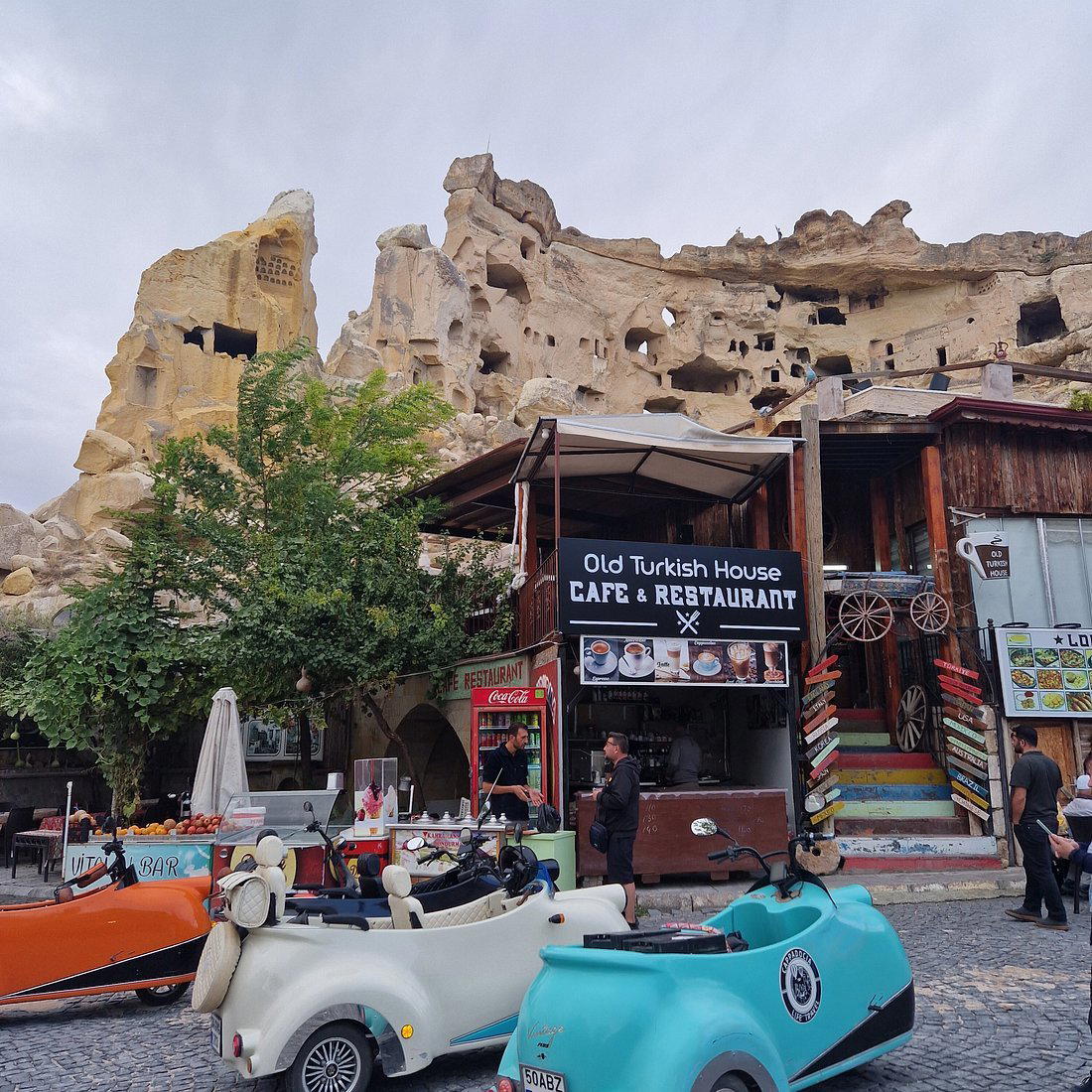
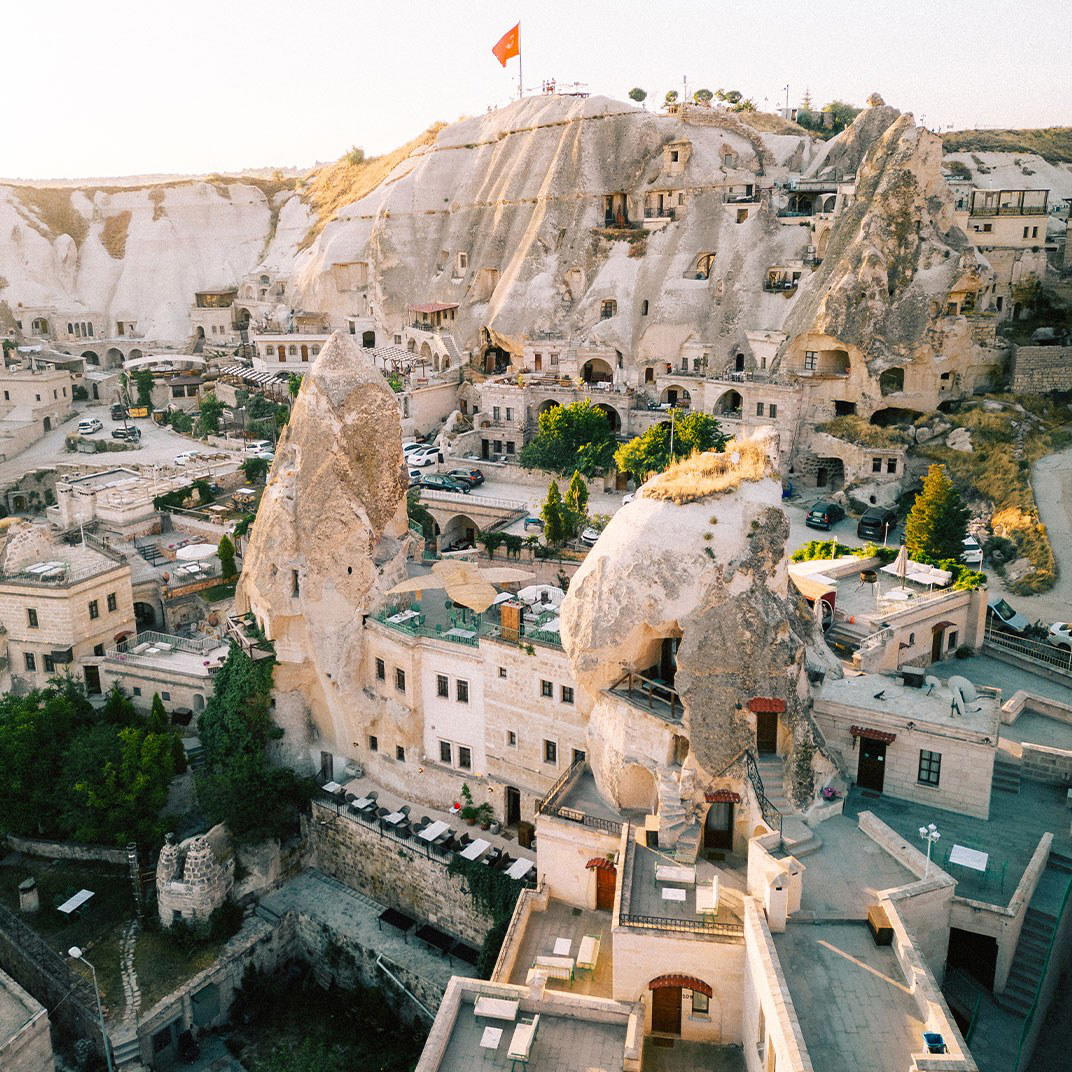
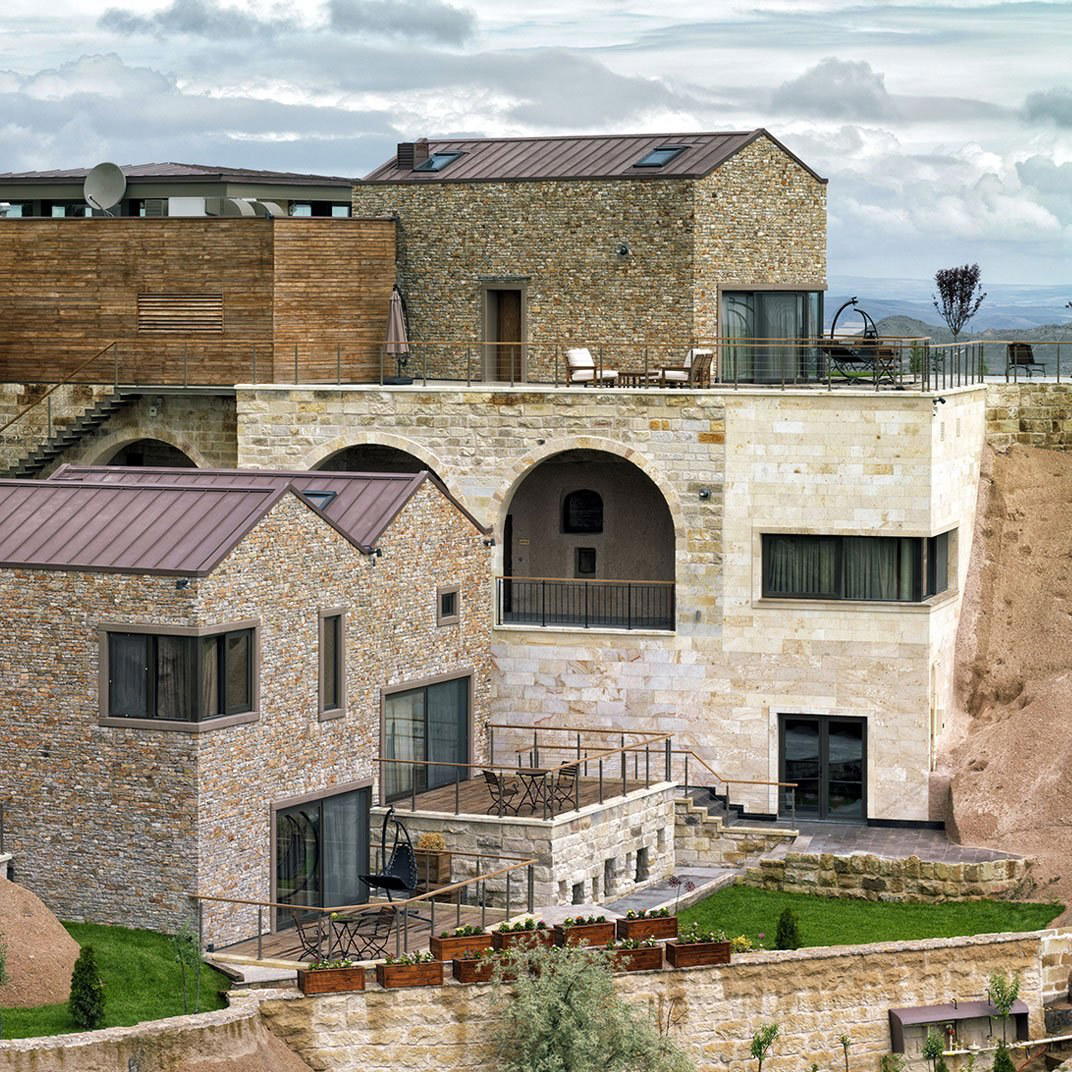
Set along the road toward Çavuşin village outside Avanos, Cafe Old Turkish House occupies a traditional stone structure that frames Cappadocia's agricultural character before a single dish arrives. The kitchen draws on the region's deep-rooted ingredient culture, where volcanic soil, dried pulses, and hand-milled grains have defined the table for centuries. For visitors moving through central Anatolia, it represents the kind of place where the food and the setting reinforce each other honestly.

Pearl is the En Primeur Club membership app — saves, bookings, and concierge access live there. Same editors, same standards.
- Address
- 2.KÜME MEVKİİ KÖY SK/Avanos Nevşehir TR, Çavuşin Köyü Yolu NO/4, 50500 Avanos, Türkiye
- Phone
- +905072363869
- Hours
- Daily 9 AM–12 AM
- Directions
- Get directions
The menu
What to order
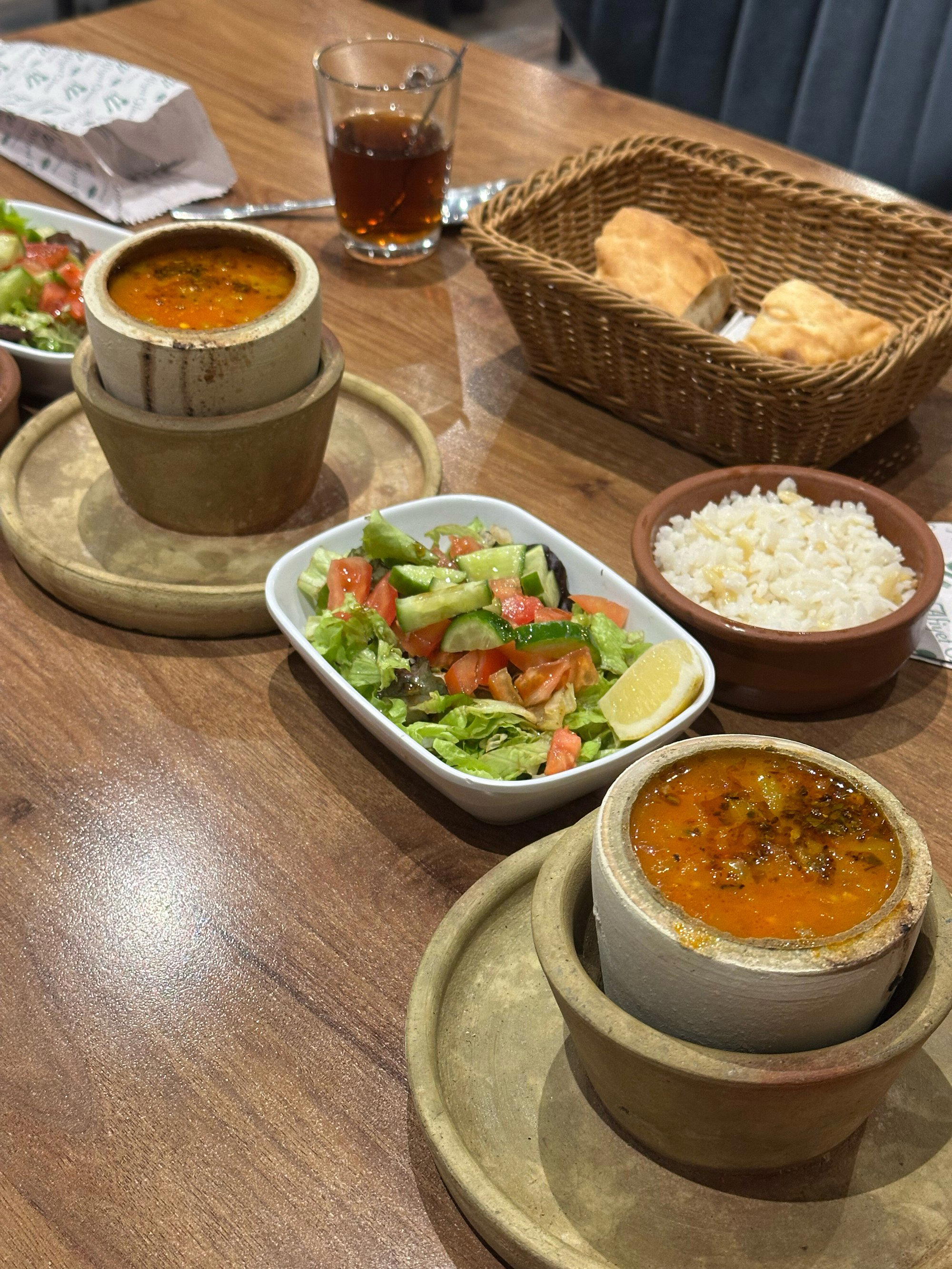
- Testi kebab
- Pistachio baklava
- Kayseri ravioli
Where the Cappadocian Table Begins
Before the food arrives, the building makes an argument. Stone-walled structures along the Çavuşin village road outside Avanos have housed generations of Anatolian domestic life, and Cafe Old Turkish House occupies that architectural tradition with the kind of worn-in presence that newer constructions in the region spend considerable money trying to imitate. The approach from Avanos town centre follows the Red River valley before climbing slightly toward the volcanic rock formations that define this corridor of central Anatolia. The journey is part of the context: this is not a restaurant that has been installed into a heritage shell for atmosphere. The shell and the food share the same roots.
Avanos itself sits at a particular intersection in Turkey's culinary geography. It is far enough from the coastal resorts and Istanbul's modern dining scene, represented at its furthest extreme by places like Turk Fatih Tutak in Istanbul, that the pressure to reframe Anatolian food through a contemporary fine-dining lens has not fully arrived. What remains is something older: a table organised around what the land produces, what can be preserved through winter, and what has been cooked in these kitchens across multiple generations. See our full Avanos restaurants guide for how Cafe Old Turkish House fits within the broader local eating scene.
Cappadocia's Ingredient Geography
Central Anatolia's volcanic terrain is not conventionally fertile in the way that coastal or river-valley regions are, but it produces ingredients with a density of flavour that the food traditions here have learned to work with precisely. The tuff rock that gives Cappadocia its signature landscape also contributes to a soil chemistry that shapes lentils, chickpeas, wheat, and grape varieties grown across Nevşehir province. Dried and fermented preservation techniques, developed out of necessity in a climate with hard winters and hot summers, have become embedded in the regional cuisine rather than superseded by it.
This is the ingredient context that any honest traditional kitchen in Avanos operates within. Tarhana, the fermented grain-and-vegetable mixture dried into a powder for winter soup, is a fixture of the Cappadocian pantry in a way it is not in coastal Turkey. Slow-cooked meat preparations built around lamb and offal reflect both the pastoral character of the plateau and the constraints of high-altitude cooking. Flatbreads baked in stone ovens and accompaniments built from roasted peppers and dried tomatoes connect the table to the summer harvest in a direct, unsentimental way.
Restaurants operating in this tradition do something that the modern Turkish dining circuit, represented at its most refined by venues like Nahita Cappadocia in Nevsehir and Aravan Evi in Ürgüp, approaches from a different direction: they present the ingredient as the point, not as raw material to be transformed. The sourcing is the editorial statement.
Traditional Format in a Region of Competing Styles
Cappadocia's dining scene has split along a recognisable fault line over the past decade. On one side, the international visitor economy has generated demand for terrace dinners with balloon-flight views, cave hotel restaurants with curated tasting menus, and venues that use Anatolian ingredients as a design element within a globally legible format. On the other side, a smaller number of places in and around Avanos and the surrounding villages continue to operate within the format their communities have used for decades: communal seating, shared dishes, and a menu that follows seasonal availability rather than hospitality industry logic.
Cafe Old Turkish House sits in the second category. The address on the Çavuşin village road places it outside the main tourist cluster, which means its clientele skews toward visitors willing to travel a few kilometres from the centre and toward local residents for whom the food format is a matter of habit rather than novelty. That positioning is significant. A kitchen that is not primarily oriented toward tourism tends to cook differently from one that is, even when the dishes on the menu overlap.
For comparison, Happena in Nevşehir and Kardeşler Restoran in Aksaray occupy a similar register in adjacent Anatolian towns, where the kitchen's relationship to regional produce is structural rather than decorative. The common thread across these places is that the ingredient sourcing is not announced on the menu but is evident in the cooking.
Situating Avanos in the Wider Turkish Dining Picture
Turkey's premium dining conversation concentrates heavily in Istanbul and, increasingly, in Aegean coastal destinations. Places like Maçakızı in Bodrum, Narımor in Izmir, and Mezegi in Fethiye represent the direction that Turkish food culture has moved when it engages with international attention and the expectations that come with it. Further afield, venues like Ahãma in Göcek, Divia by Maksut Aşkar in Marmaris, and Yakamengen III in Datça each operate within a coastal fine-dining sensibility that is structurally different from what inland Anatolia produces.
Central Anatolia operates by different rules. The ingredient traditions here predate the coastal restaurant economy by centuries, and the cuisine they underpin has not been filtered through the same international hospitality lens. Even internationally decorated venues like Le Bernardin in New York City or Lazy Bear in San Francisco operate within culinary traditions that carry a specific geographic logic. In Avanos, that logic is Anatolian, agricultural, and old.
Visitors travelling the broader central Anatolian circuit will find parallel ingredient cultures in the kitchens of Sofram Restaurant in Niğde and Agora Pansiyon in Milas, each of which reflects the same underlying logic of cooking close to what the surrounding land produces.
Planning a Visit
Cafe Old Turkish House is located at Çavuşin Köyü Yolu No. 4, on the road north of Avanos toward Çavuşin village, approximately outside the town's commercial centre. Reaching the venue requires either a short drive or an arranged transfer from central Avanos, and the approach through the valley road adds orientation to what follows at the table. Visitors spending time in Cappadocia typically base themselves in Göreme, Ürgüp, or Avanos itself, all of which place this location within practical reach. Given the venue's address and its position outside the main tourism cluster, arriving with some knowledge of the route is advisable. Telephone and website details are not currently listed, so reservations or current hours are best confirmed through local accommodation or directly in person during a passing visit.
Frequently asked questions
Is Cafe Old Turkish House good for families?
The setting on the Çavuşin village road north of Avanos suits a relaxed, unhurried pace that works well for mixed-age groups. Stone-walled village buildings of this type in Cappadocia typically offer ground-floor dining without the formality that can make children unwelcome. That said, no specific family facilities are documented so contacting them directly before a visit with young children is advisable.
Is Cafe Old Turkish House better for a quiet night or a lively one?
Its position on the road toward Çavuşin village, outside Avanos's commercial centre, places it away from the busier tourist corridors of Cappadocia. The building's character — stone construction, a setting tied to the older village fabric — suggests an atmosphere oriented toward conversation rather than volume. Visitors looking for a high-energy evening would be better served by venues closer to Avanos's main square.
Does Cafe Old Turkish House reflect genuine Cappadocian village cooking, or has it adapted for tourist tastes?
Its address on the Çavuşin Köyü Yolu — the road connecting Avanos to Çavuşin village rather than the town's main visitor strip — positions it closer to the working village end of Cappadocia's dining spectrum than to the international-facing restaurants that have grown up around Göreme and Ürgüp. Stone-walled structures along this road carry generations of domestic cooking history, and venues that occupy them tend to anchor their menus in the Central Anatolian repertoire.
What's the best thing to order at Cafe Old Turkish House?
Asking the kitchen what comes from local producers that day is a reliable approach at venues of this type.
Comparison Snapshot
Comparable venues nearby, for context on price, style, and recognition.
| Venue | Cuisine | Price | Notes |
|---|---|---|---|
| Cafe Old Turkish HouseThis venue — the venue you are viewing | Traditional Turkish Cave Restaurant | $10–20 | Not listed |
| Metanet Katmer | Traditional Gaziantep Katmer | $1–10 | Suyabatmaz |
| Kuyum Pide Salonu | Traditional Turkish Pide | $10–20 | Konak |
| Kocak Baklava | Traditional Gaziantep Baklava | Not listed | Şehitkamil |
| Öz Şanlıurfa Ciğercisi | Turkish Ciğerci (Liver House) | Not listed | Bayraklı |
| Karakoy Gulluoglu | Traditional Turkish Baklava and Sweets | Not listed | Karakoy |
Details
- Cozy
- Rustic
- Intimate
- Family
- Casual Hangout
- Special Occasion
- Historic Building
- Terrace
- Private Dining
- A La Carte
- Family Style
- Vegetarian Friendly
- Halal
Current opening hours
- Monday
- 9 AM–12 AM
- Tuesday
- 9 AM–12 AM
- Wednesday
- 9 AM–12 AM
- Thursday
- 9 AM–12 AM
- Friday
- 9 AM–12 AM
- Saturday
- 9 AM–12 AM
- Sunday
- 9 AM–12 AM
Hours can change for holidays and private events. Last verified .
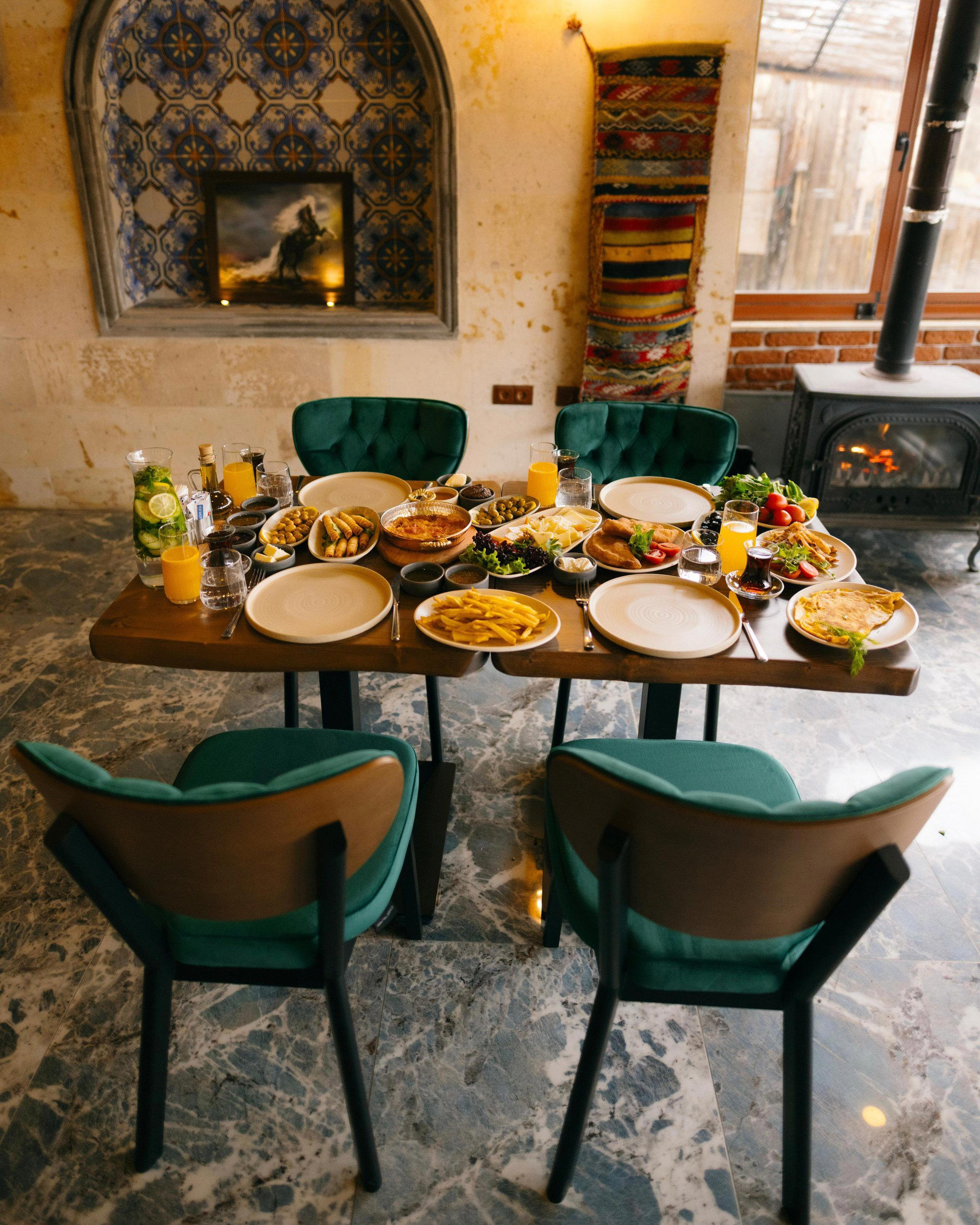
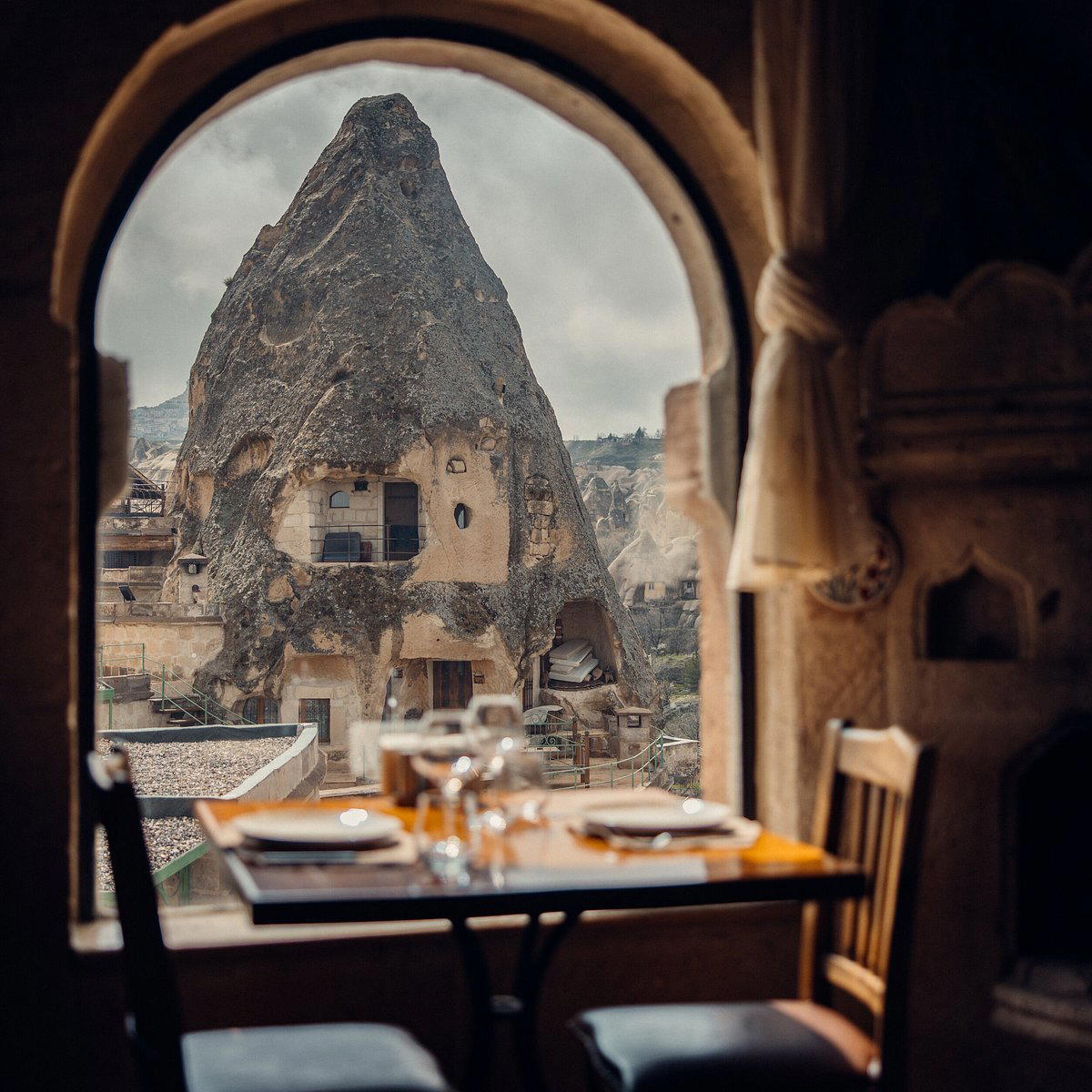
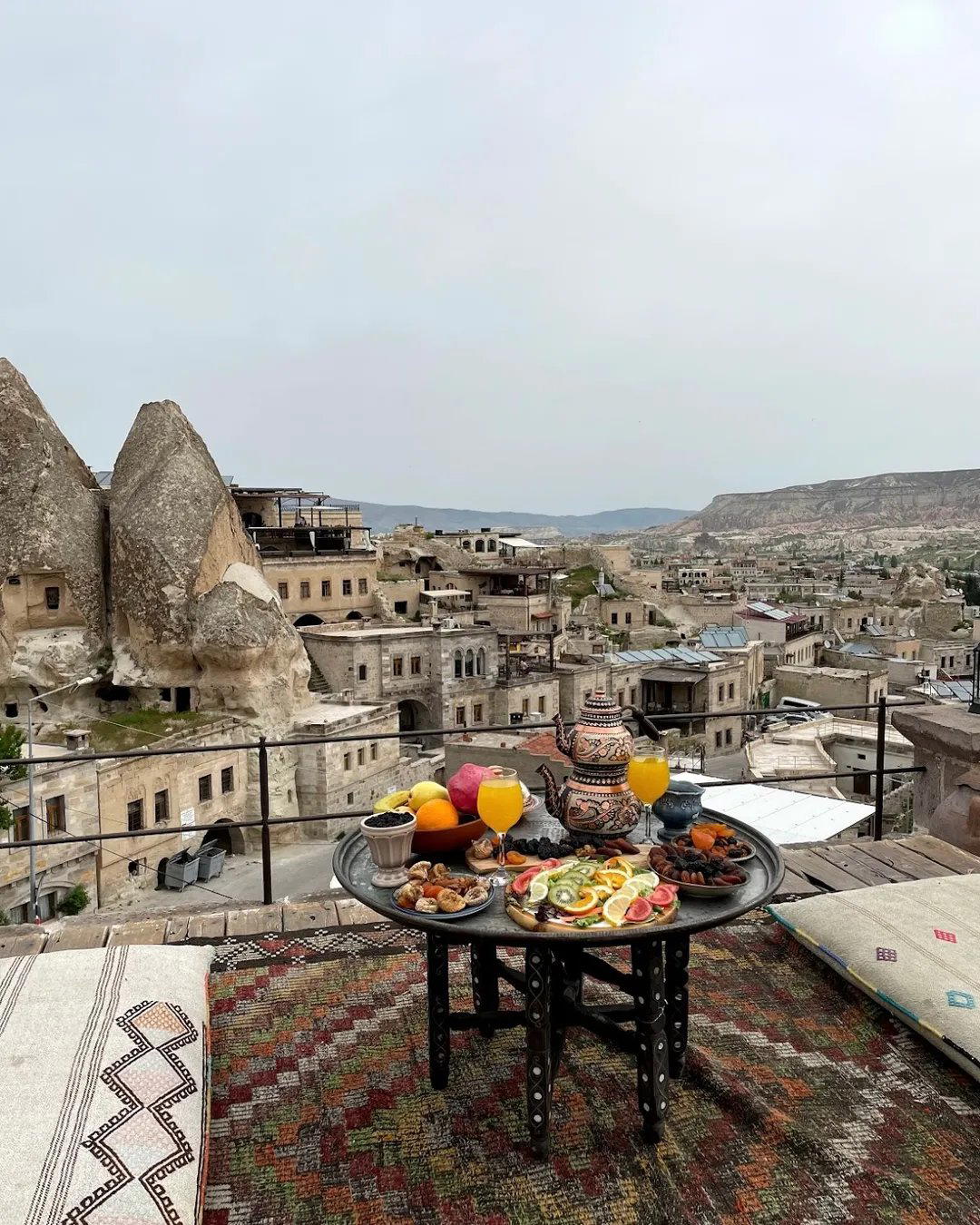
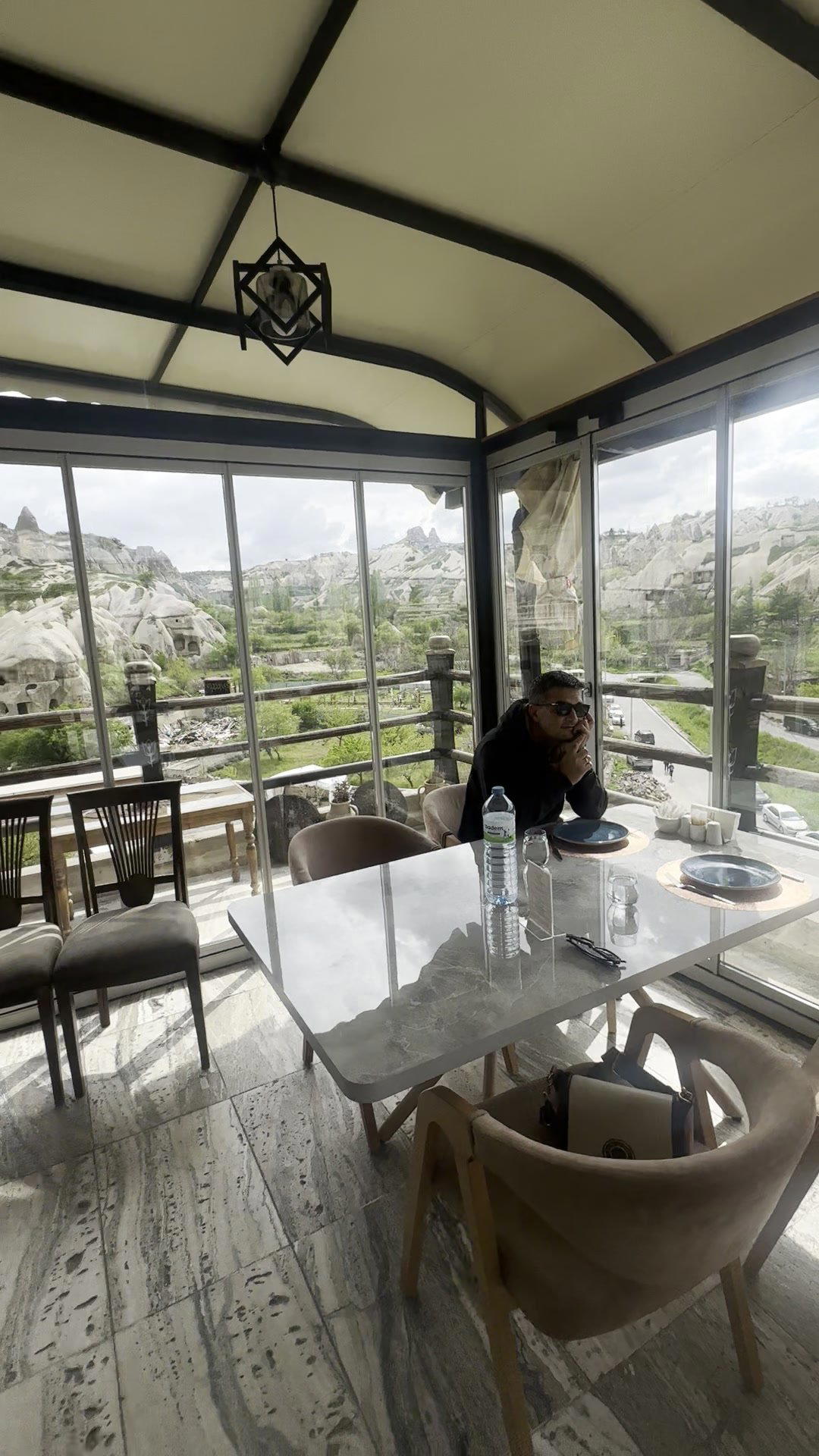
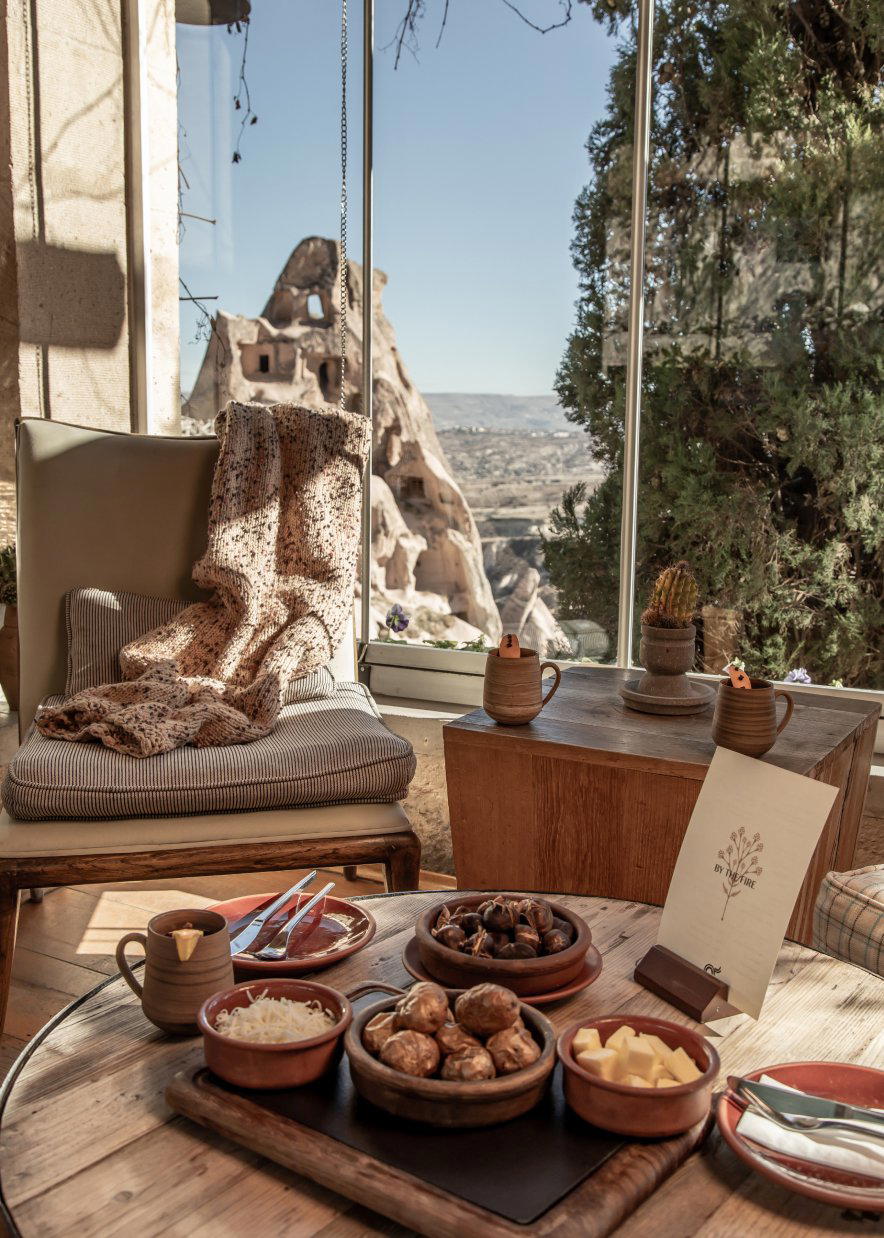
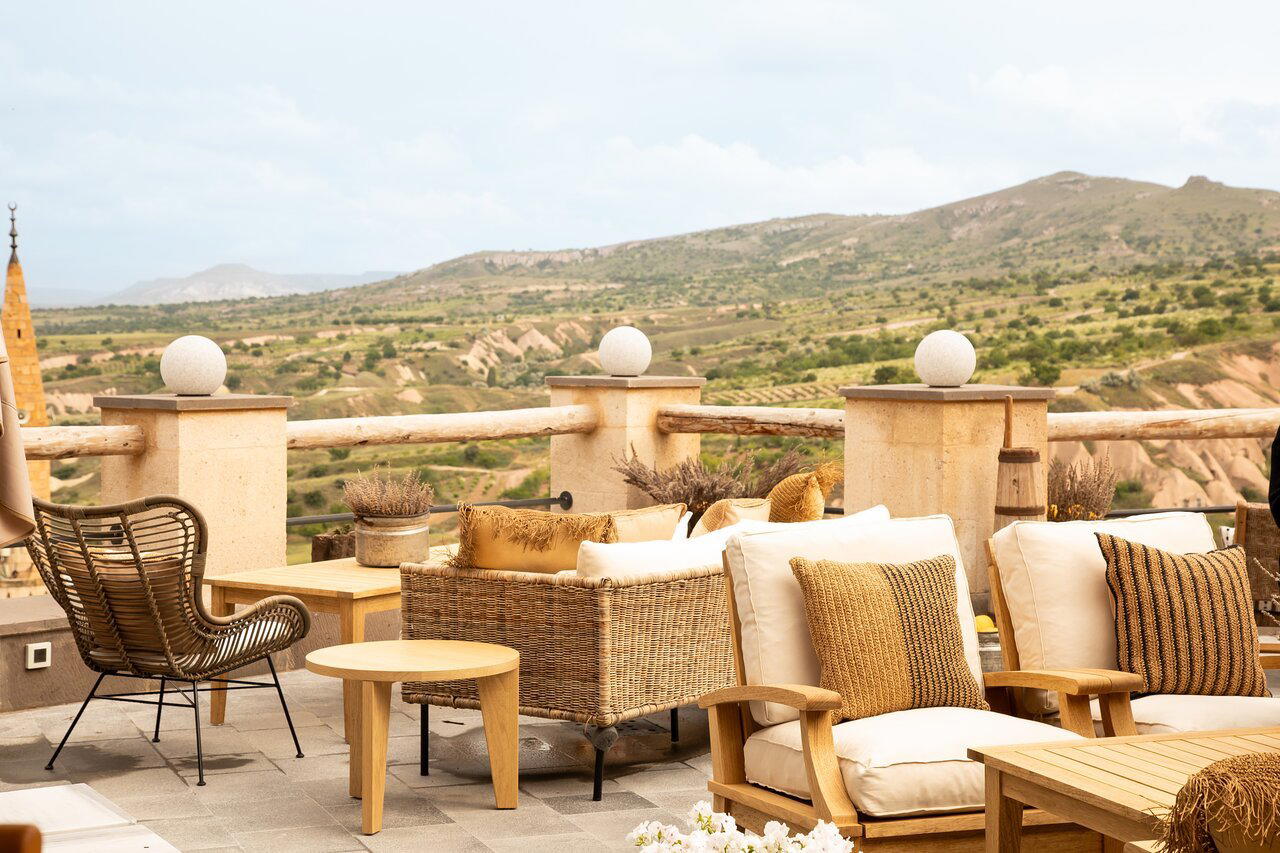
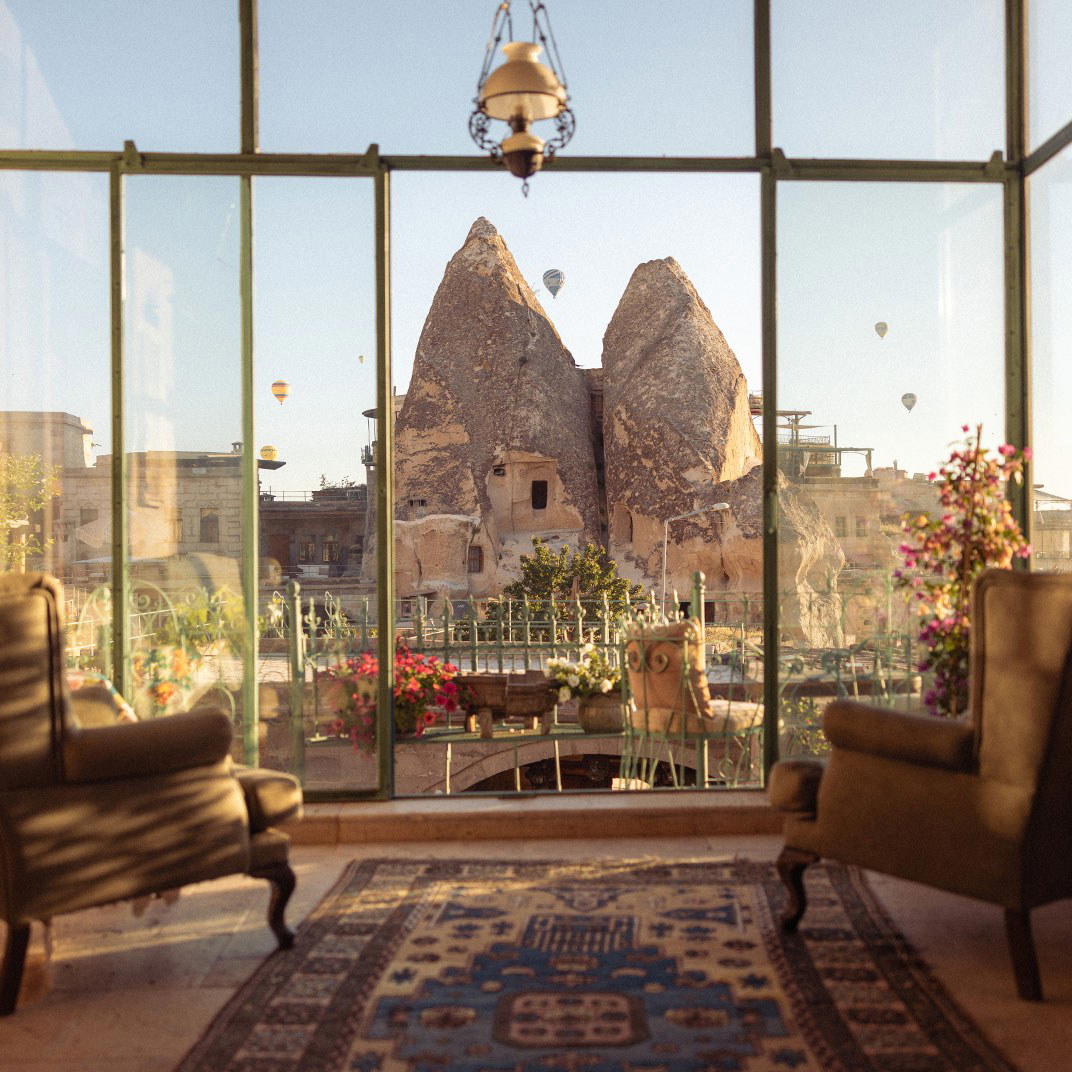
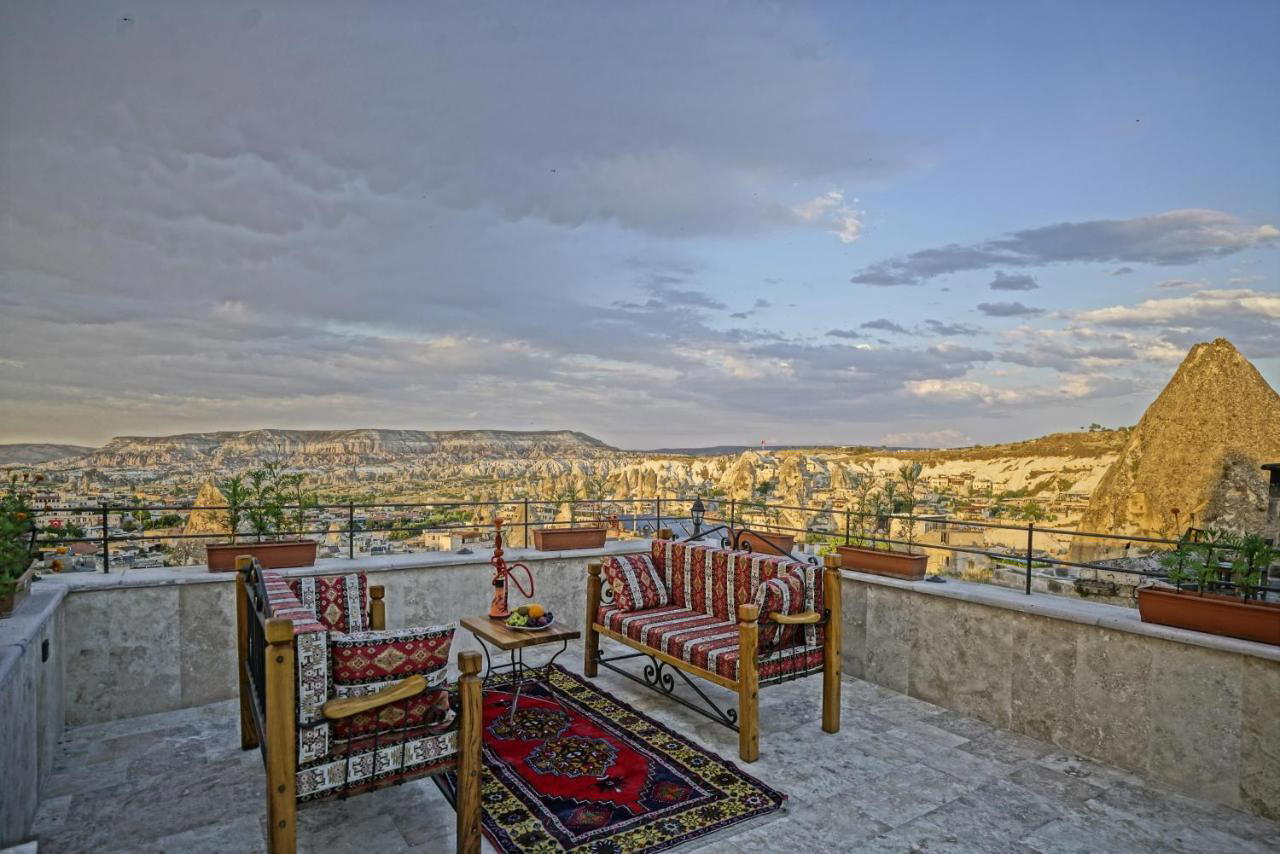
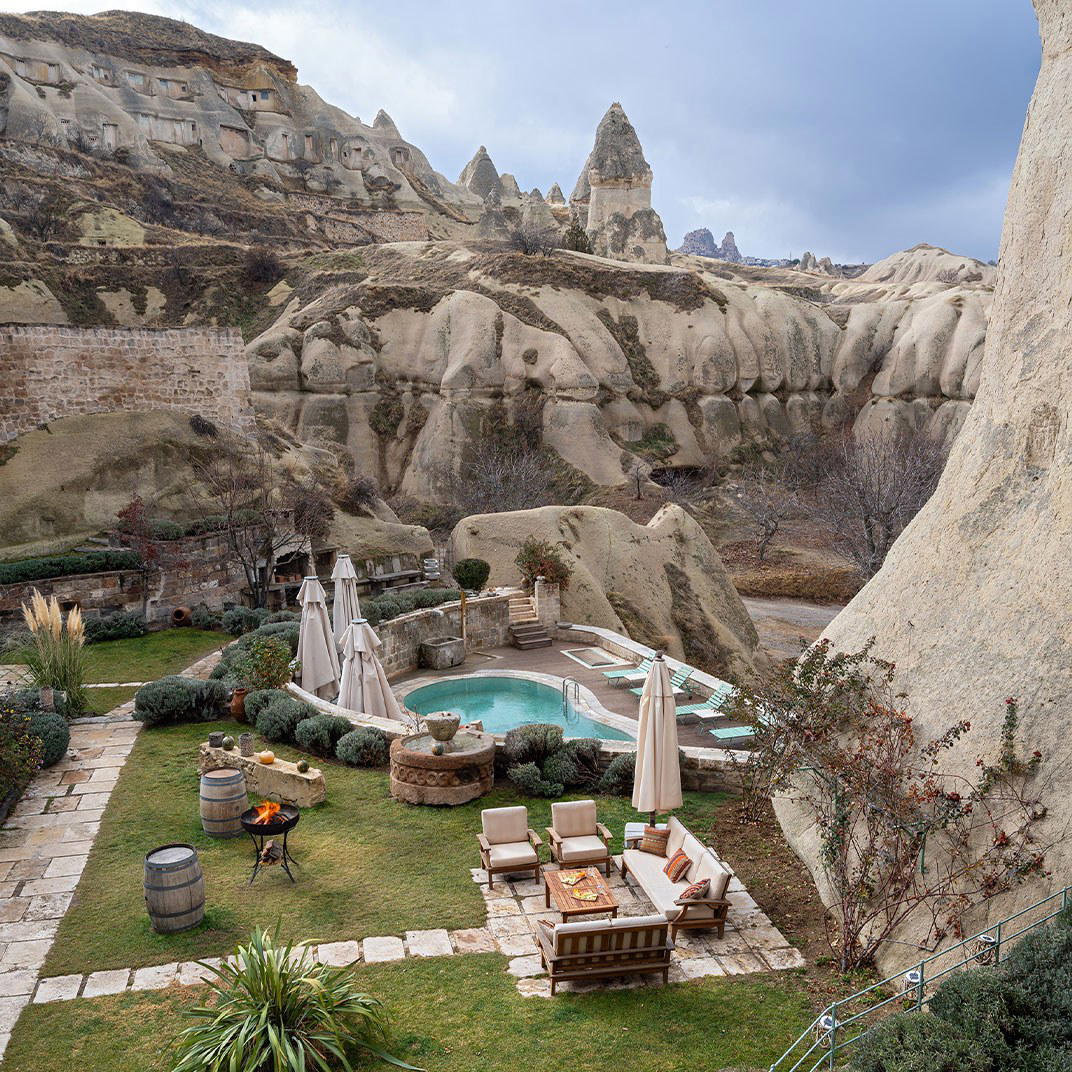
Warm, cozy cave interior with traditional Turkish decor, friendly family hospitality, and relaxed terrace seating.