

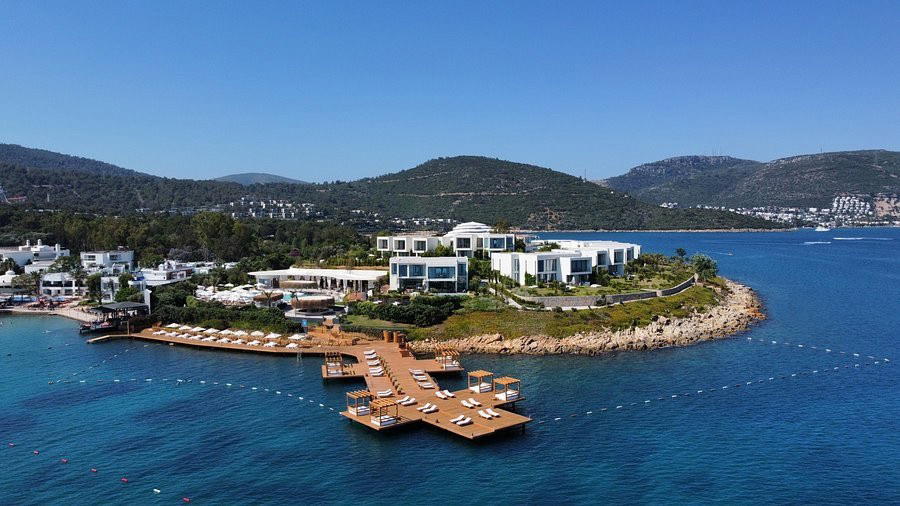
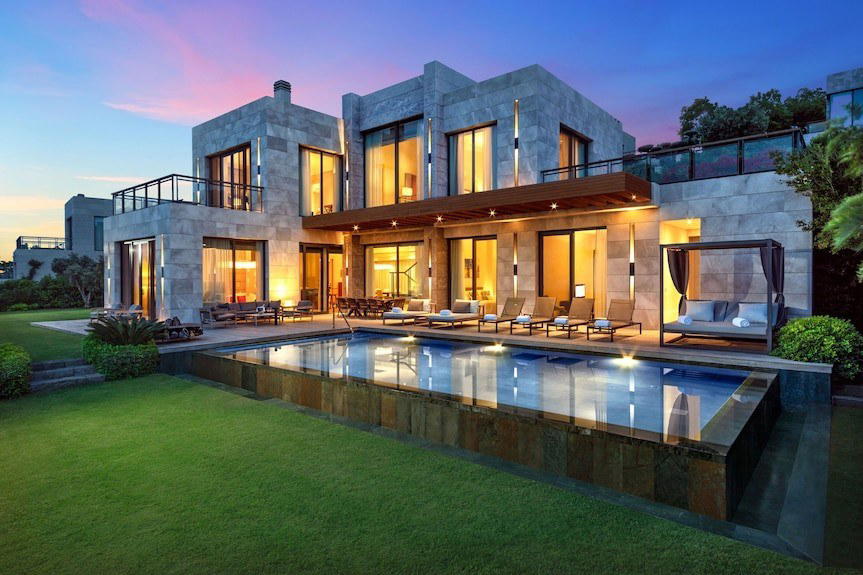
Amanruya occupies a hillside above the Aegean on Turkey's Bodrum Peninsula, arranged as 35 freestanding stone pavilions, each with a private marble pool and garden. Dining spans several pavilions specialising in locally sourced Turkish and Mediterranean cuisine, with views across forested coastline. Airport transfers from Milas-Bodrum International Airport (BJV) take approximately 30 minutes, with complimentary service available for qualifying stays.
Pearl is the En Primeur Club membership app — saves, bookings, and concierge access live there. Same editors, same standards.
- Address
- Demir Mevkii, Gölköy, Bülent Ecevit Cd., 48483 Bodrum/Muğla
- Phone
- +90 252 311 12 12
- Website
- aman.com
- Directions
- Get directions
 Saves & bookings on Pearl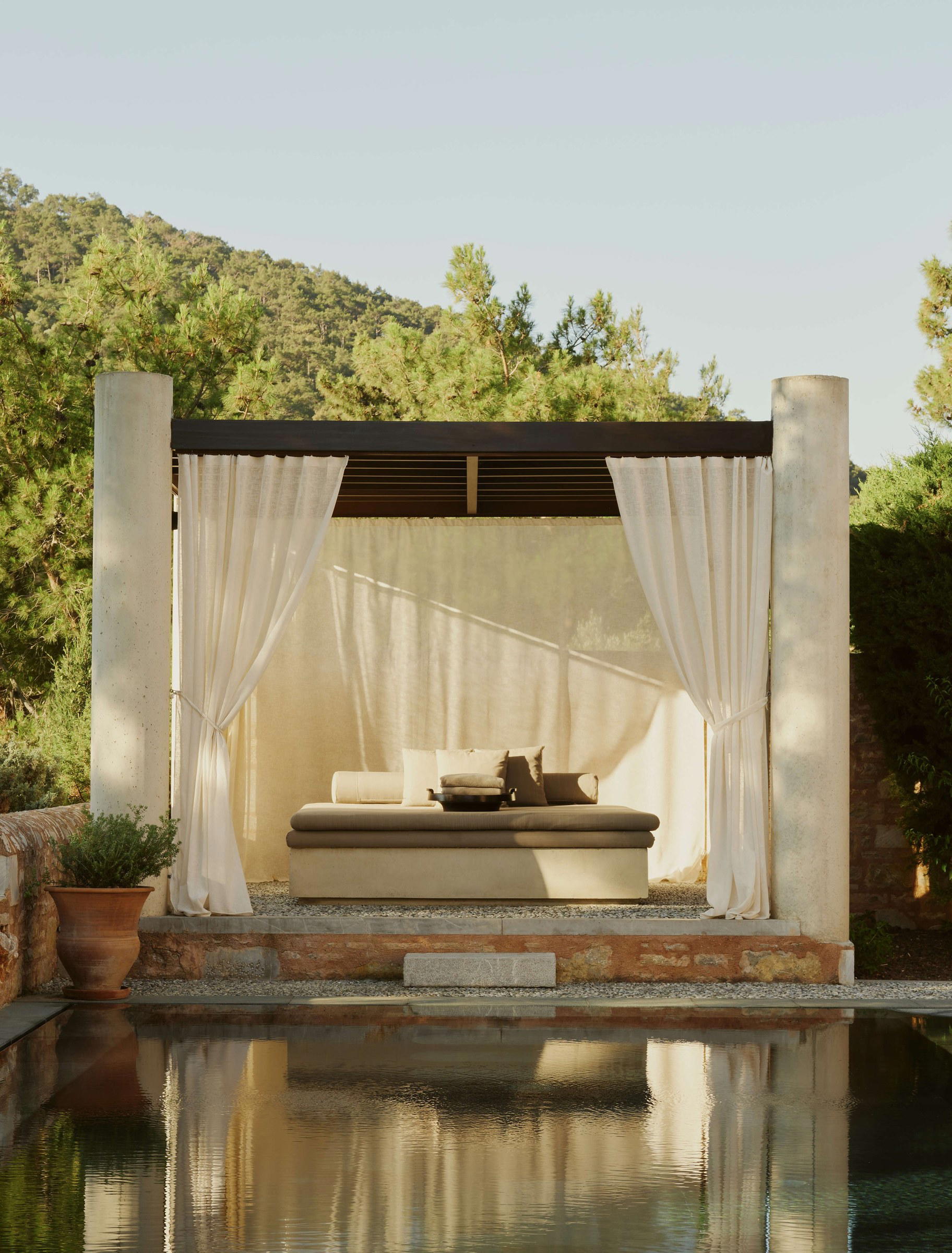
A Clifftop Village on the Aegean's Turkish Shore
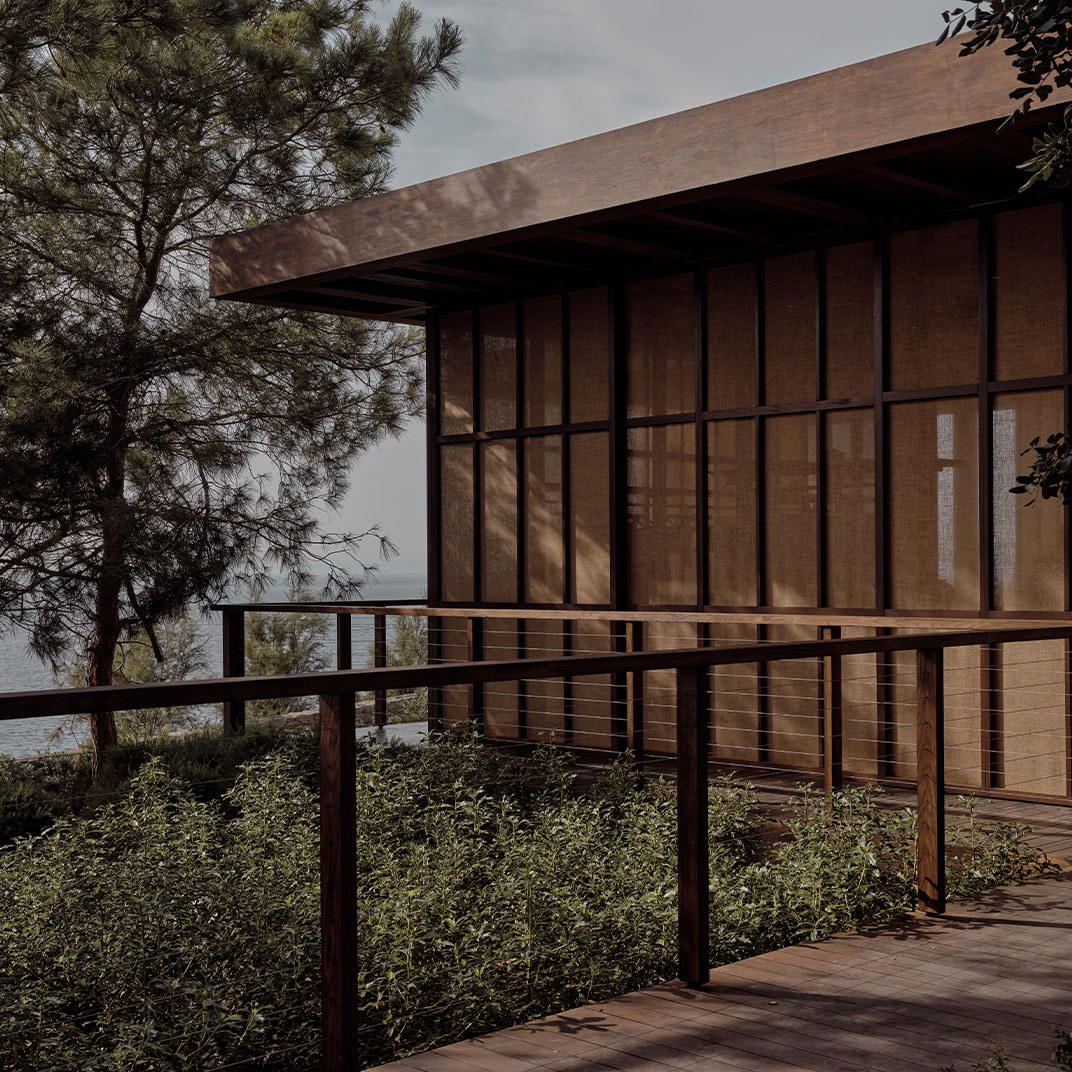
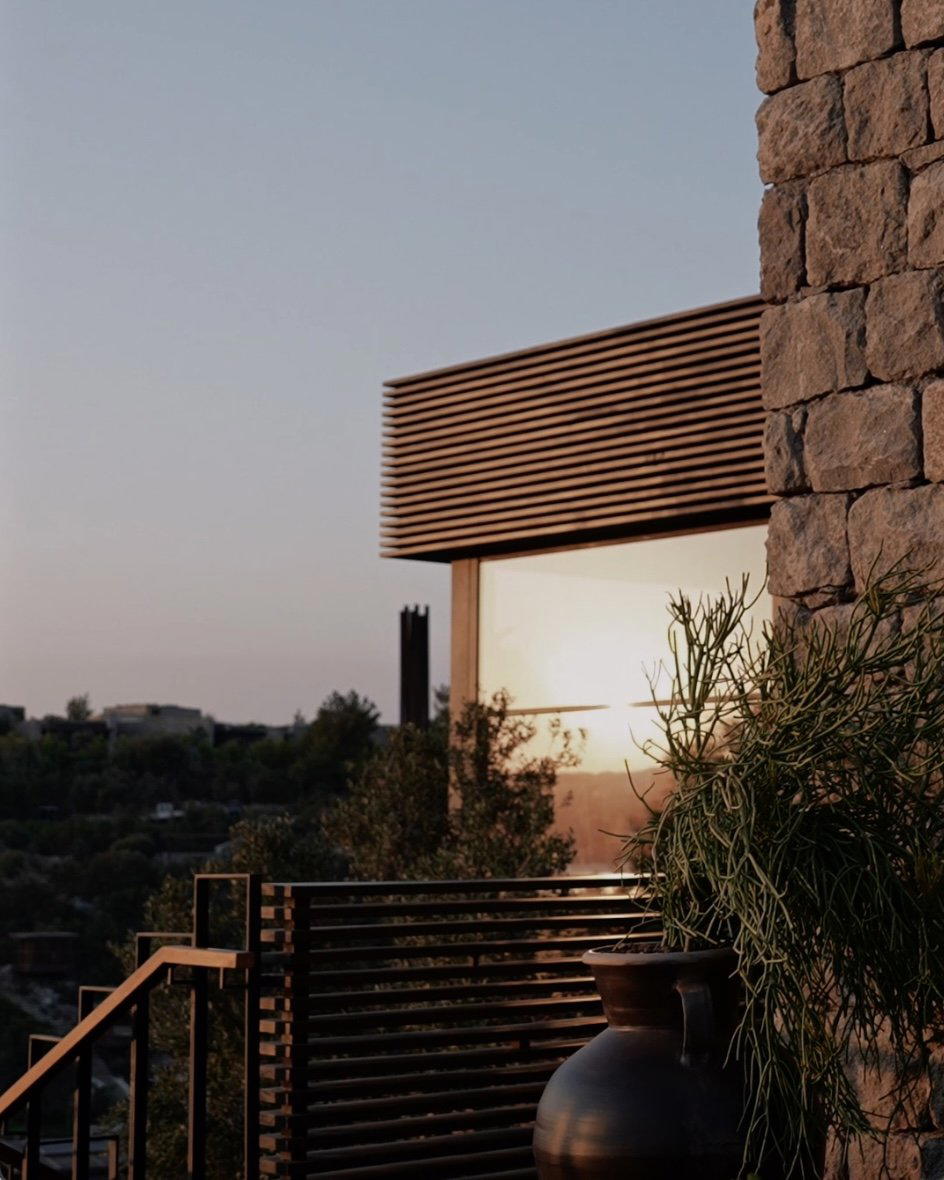
The Aegean coast defaults, in most Western imaginations, to Greece. Plato's frogs around a pond. But the sea's eastern edge belongs to Turkey, and the Bodrum Peninsula has been inhabited since the seventh century BC, home to an important Aegean port and, once, one of the Seven Wonders of the Ancient World. Aman's entry into this territory takes the form of a resort that reads less like a hotel than a private hamlet: 36 freestanding stone pavilions arranged along quiet footpaths up a hillside, mimicking the layout of a clifftop village above the water. The name Amanruya translates as "Turkish dream," and the physical vocabulary of the place earns that framing through construction rather than marketing. Floors are white marble. Stone detailing is hand-carved. Furniture is made from native acajau wood. The contemporary amenities, from underfloor heating to rain showers, sit inside those traditional shells without contradiction.
Within the broader Aman portfolio, which includes properties from Aman New York to Aman Venice, Amanruya represents the group's approach to vernacular architecture: use local materials, echo local building traditions, and make the guest feel they have arrived somewhere rather than anywhere. The Bodrum Peninsula's architectural heritage, built from the same pale stone that defines this stretch of the Aegean, gives the property a rootedness that larger international footprints on the peninsula struggle to achieve.
The Dining Programme: Pavilions, Locally Sourced Ingredients, and Sea Views
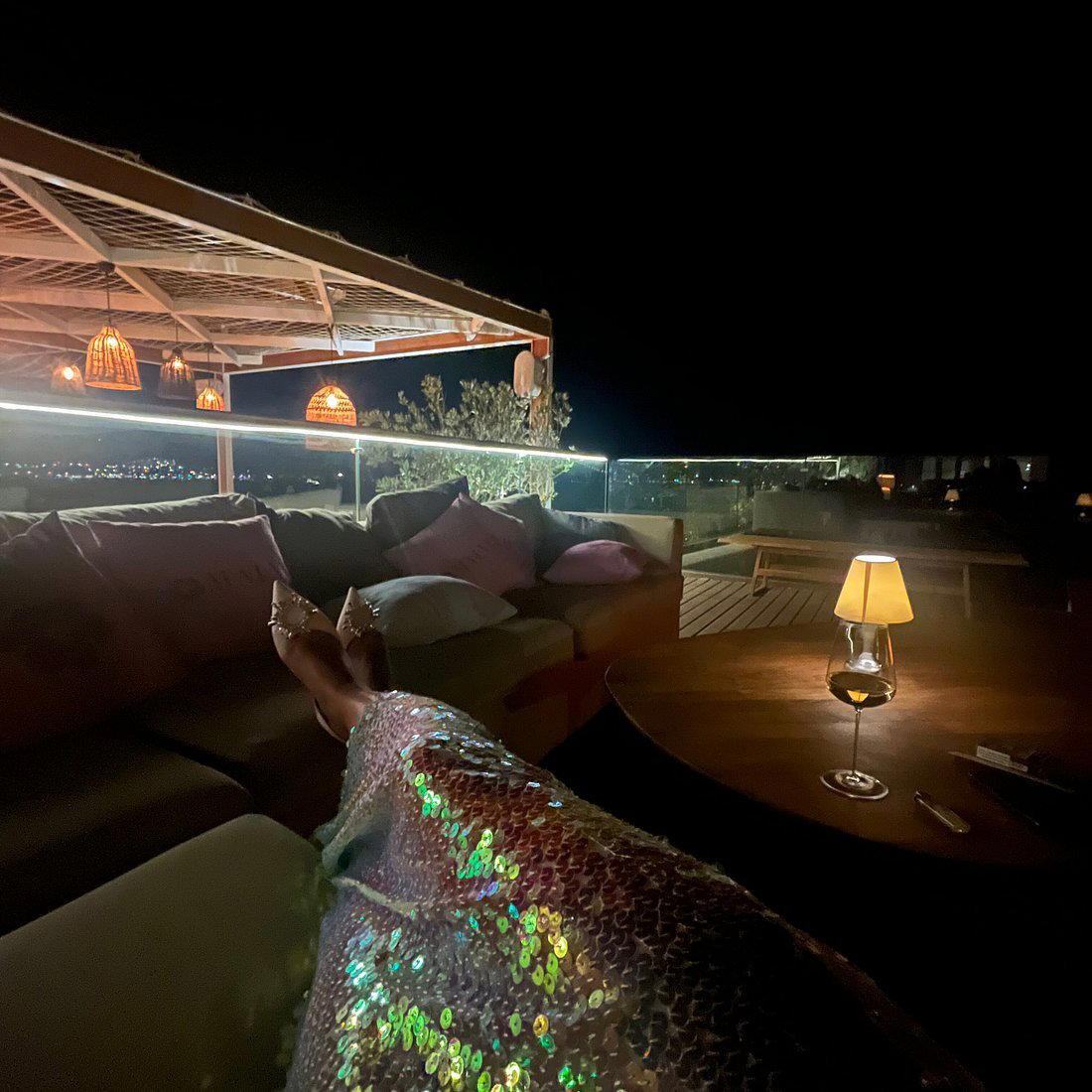
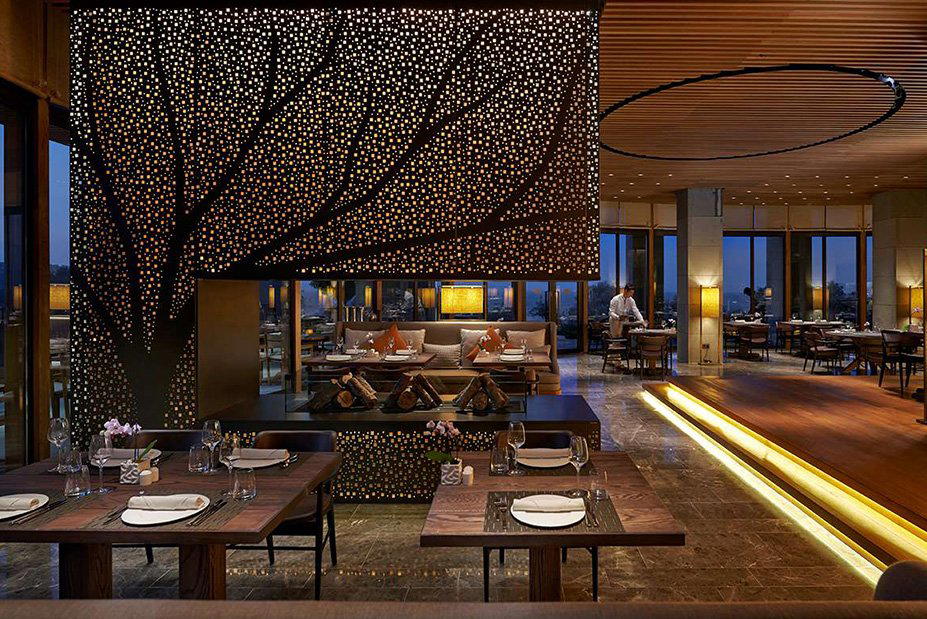
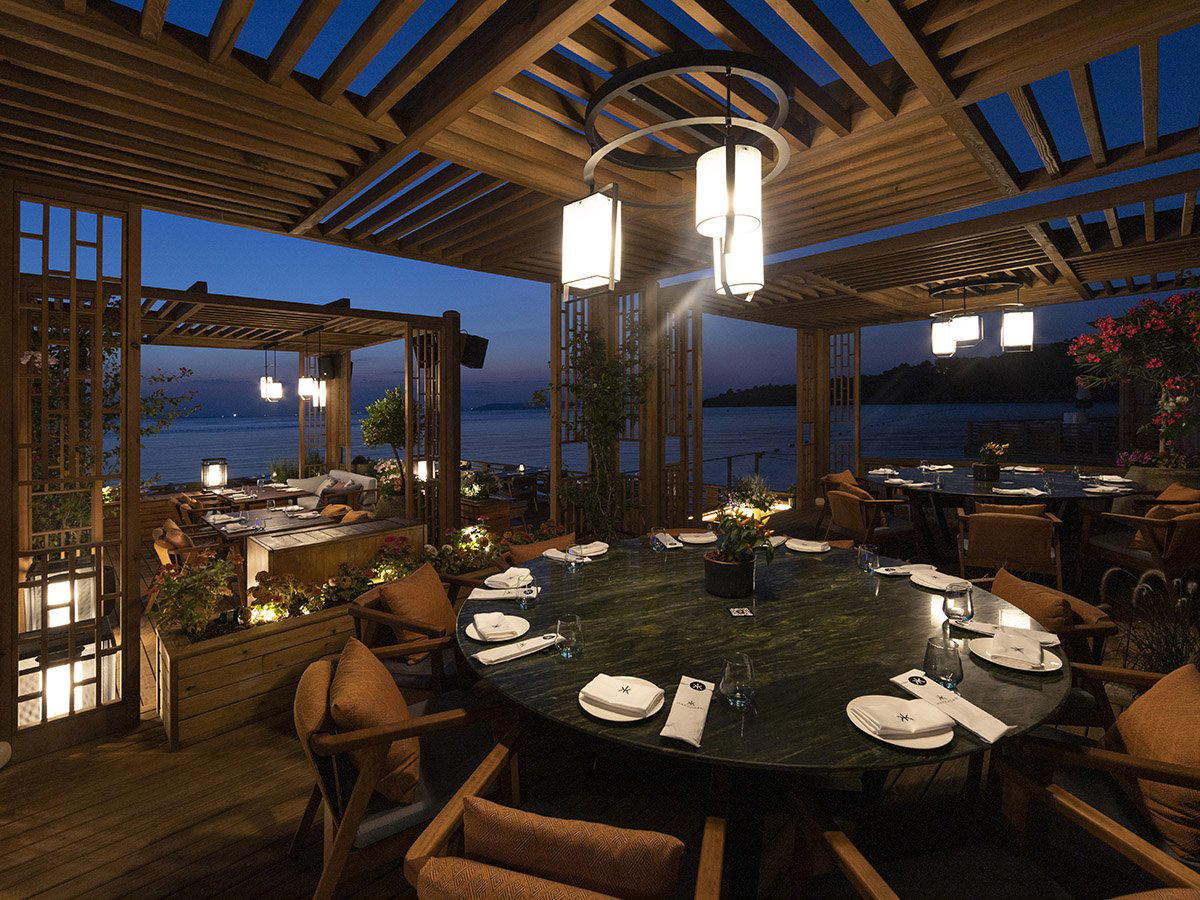
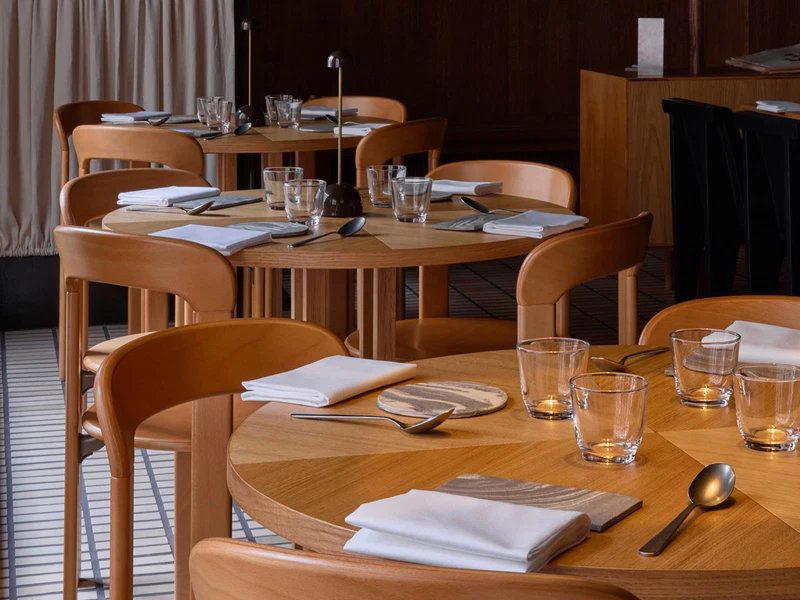
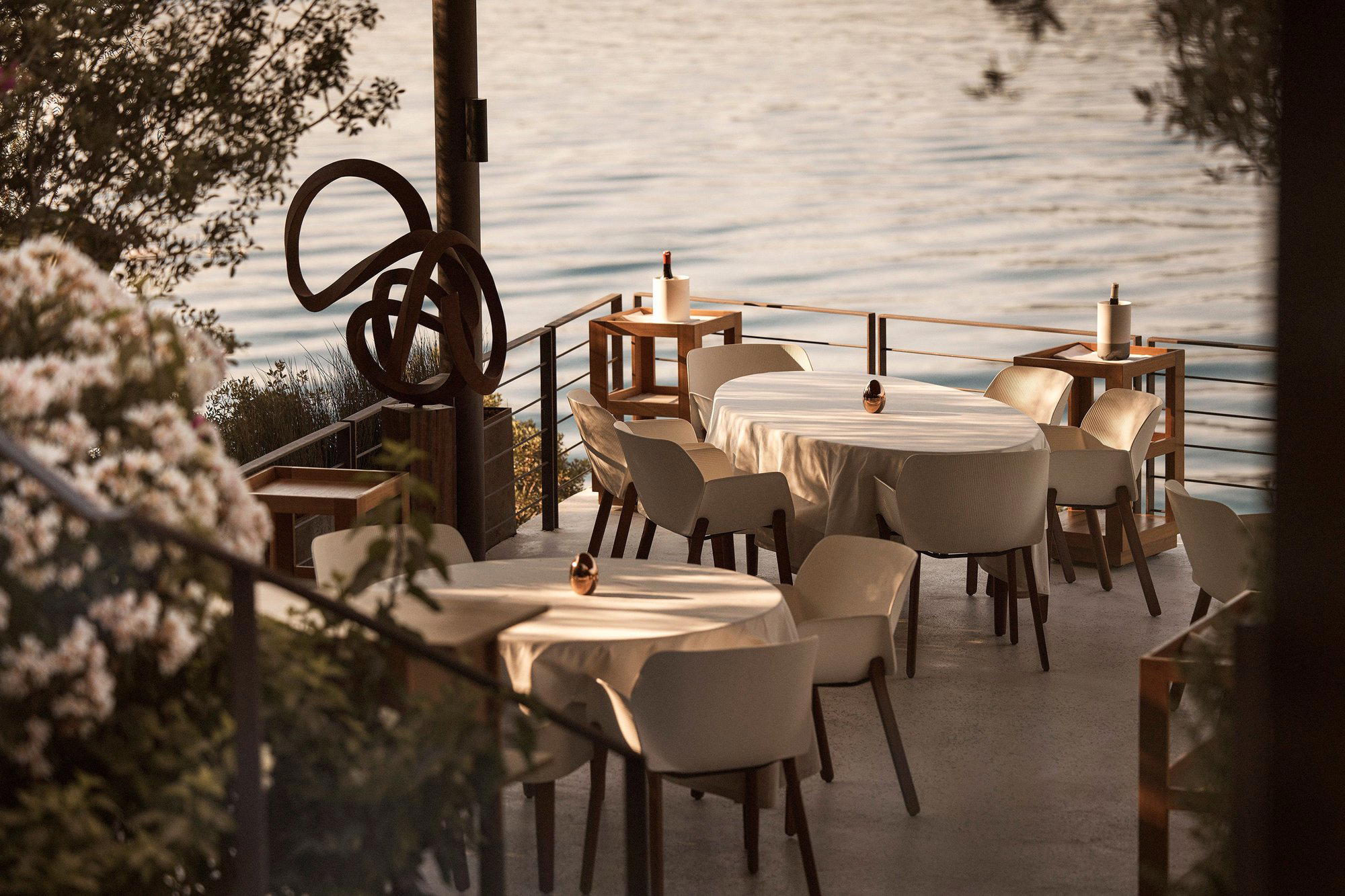
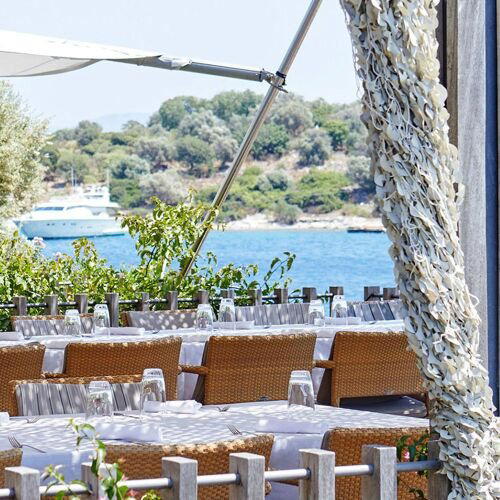
Aman properties do not typically anchor their dining around celebrity chefs or tasting-menu theatrics. Amanruya follows that house approach: several dining rooms and lounges are distributed across the property, each with a distinct setting, all oriented around locally sourced Turkish and Mediterranean cuisine. The format is geographic rather than hierarchical. You eat in a pavilion with panoramic views of the Aegean rather than at a single flagship restaurant with a fixed progression of courses.
Turkish cuisine at this level of hospitality rewards the format. The tradition draws on Aegean produce, Ottoman technique, and Anatolian pantry depth, and spreads naturally across multiple settings: lighter mezze and seafood near the water, richer preparations suited to cooler indoor dining. The meyhane tradition of the old Bodrum city, where taverns serve shared plates alongside raki, offers a point of cultural comparison that the resort's dining programme sits in dialogue with, even if the setting is considerably quieter.
A wine cellar forms part of the property's food and drink infrastructure, and Turkey's wine regions, particularly Thrace and the Aegean coast, have developed a credible premium tier over the past two decades that pairs naturally with this kind of Mediterranean-focused programme. For travellers who want to extend the culinary context beyond the resort, our full Bodrum restaurants guide maps the wider dining scene on the peninsula.
Rooms: No Standard Categories, Only Private Pavilions
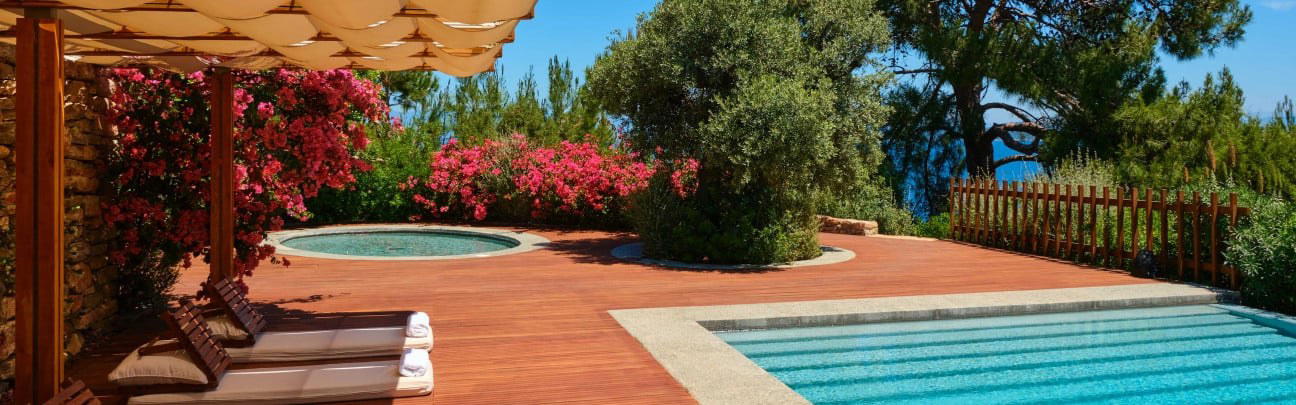
The property operates with 36 rooms, and there are no standard room categories in the conventional sense. Every accommodation is a freestanding pavilion or suite with a private garden and a private marble swimming pool, heated. The four-poster beds, hand-woven rugs, traditional charcoal fireplaces, and daybeds for two positioned beside the pools create a domestic atmosphere that differs markedly from the corridor-and-lobby model of most luxury hotels. A three-story Library Tower serves as the common reading and browsing resource. The effect is of a small private estate rather than a resort in the conventional commercial sense.
On the Bodrum Peninsula, this pavilion model places Amanruya in a different tier from large-footprint resorts like the Kempinski Hotel Barbaros Bay Bodrum or the Maxx Royal Bodrum. The Mandarin Oriental, Bodrum and the Lujo Hotel Bodrum occupy nearby market positions on the peninsula, though with different architectural languages and programming emphases. Smaller independent options such as Birdcage 33 Hotel and Bodrum Loft serve a different guest profile entirely.
Wellness and the Central Pool
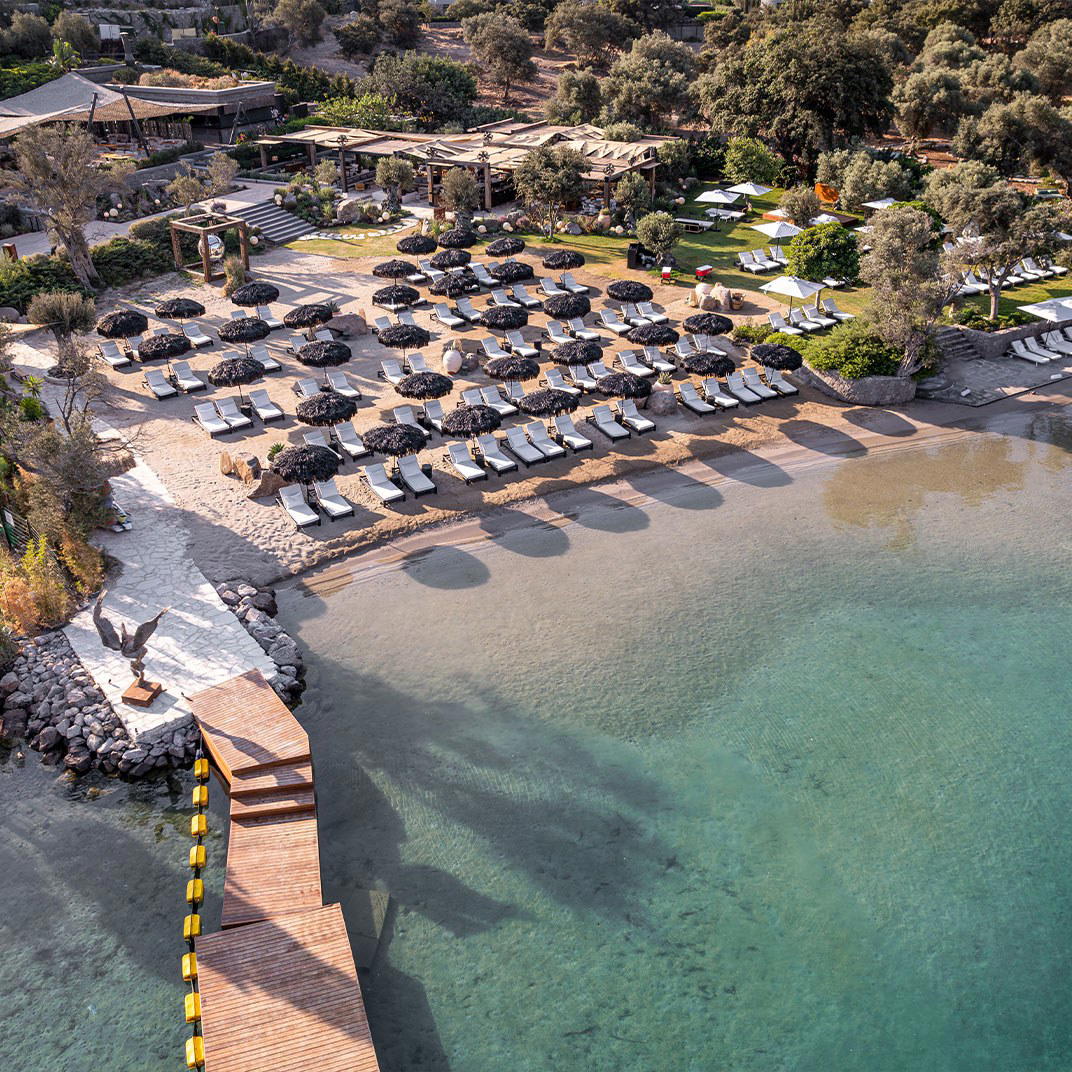
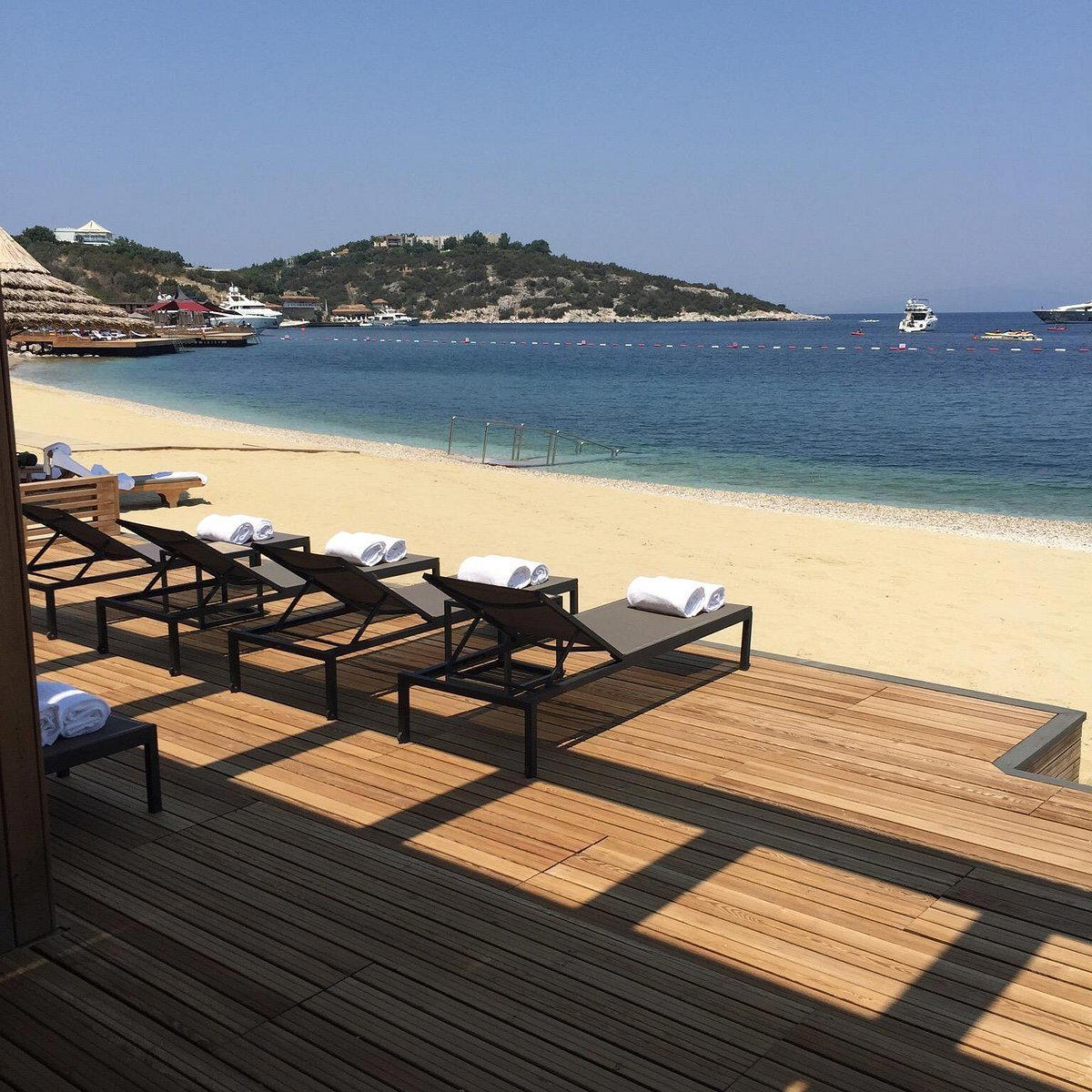
The spa programme at Amanruya runs alongside a 50-metre central pool, a scale that is less common at properties of this size and signals a serious commitment to lap swimming and structured aquatic use. The spa menu covers massage treatments, and beach-side yoga sessions extend the programme toward the waterfront. Within Aman's broader wellness identity, this is a consistent pattern: the brand positions spa and movement facilities as core infrastructure rather than optional extras. For guests coming from more amenity-dense resorts elsewhere on the Aegean, the programme may feel restrained, but the restraint is intentional and reflects the brand's general philosophy of depth over breadth.
The Bodrum Peninsula Beyond the Property
The cultural argument for the Bodrum Peninsula is stronger than its summer-resort reputation suggests. Ancient ruined cities, temples, and baths are accessible by short drives from the property, and the peninsula's archaeological density would make a classicist's itinerary for a week without difficulty. The old city of Bodrum, with its active meyhane scene, castle, and waterfront, provides an urban counterpoint to the resort's quieter hillside position. For travellers extending into Turkey more broadly, properties like Ajwa Cappadocia, Argos in Cappadocia, and Hu of Cappadocia anchor Cappadocia itineraries, while Alavya in Alacati and Renaissance Izmir Hotel extend the Aegean coast narrative northward. For Aegean coastal alternatives with different characters, Ahãma in Göcek, D Maris Bay, and Hillside Beach Club in Fethiye cover neighbouring stretches of coastline. Other notable Bodrum properties rounding out the peninsula's premium tier include METT Bodrum, MACAKIZI BODRUM, and Allium Bodrum Resort & Spa.
Getting There and Practical Planning
Milas-Bodrum International Airport (BJV) serves the peninsula, and Amanruya sits approximately 26 miles away, a drive of around 30 minutes. The property offers complimentary airport transfers for stays of three nights or more during April, May, June, September, and October. In July and August, a round-trip private transfer costs 120 euros. Peak season on the Bodrum Peninsula runs July through August, when the coast is at its busiest and warmest. Shoulder months, particularly May, June, and September, offer more favourable conditions for exploring the archaeological sites and old city without the full summer crowd pressure. Booking well ahead of peak season is advisable given the property's 35-pavilion ceiling.
A Pricing-First Comparison
Comparable venues nearby, for context on price, style, and recognition.
| Venue | Price | Awards | Notes |
|---|---|---|---|
| AmanruyaThis venue — the venue you are viewing | $$$$ | Michelin 1 Key | Not listed |
| Mandarin Oriental, Bodrum | $$$$ | Michelin 1 Key | Paradise Bay, Luxury beach resort with villas and apartments blending modern elegance and natural serenity |
| Allium Bodrum Resort & Spa | $$$$ | Michelin 1 Key | Yalikavak, Boutique luxury resort with exclusive villas on hillside |
| The Bodrum EDITION | $$$$ | 5-Star | Yalikavak, Boutique beachfront resort blending contemporary luxury with Turkish Riviera elegance. |
| Kempinski Hotel Barbaros Bay Bodrum | $$$$ | 5-Star | Barbaros Bay, Five-star luxury resort combining contemporary design with Mediterranean elegance, positioned as an eco-conscious coastal retreat. |
| Lujo Hotel Bodrum | $$$$ | 5-Star | Guvercinlik, Luxury all-inclusive beach resort |
Recognition history
Dated appearances from independent guides and award organizations, with the underlying list record or original source where available.
Virtuoso Luxury Hotel Partner
Virtuoso
Michelin 1 Key
Michelin
At a Glance
- Quiet
- Elegant
- Scenic
- Sophisticated
- Intimate
- Ornate
- Honeymoon
- Romantic Getaway
- Wellness Retreat
- Anniversary
- Weekend Escape
- Beachfront
- Infinity Pool
- Private Villa
- Panoramic View
- Private Dining
- Pool
- Spa
- Fitness Center
- Tennis
- Wi Fi
- Concierge
- Room Service
- Waterfront
- Garden
- Mountain
- Pool
- Spa
- Fitness Center
- Tennis
- Wi Fi
- Concierge
- Room Service
Serene and tranquil with natural light filtering through pine forests, creating a peaceful Ottoman village atmosphere.