Google: 4.7 · 413 reviews
Walrus Rodeo
.png)


Walrus Rodeo sits in a Little Haiti shopping center on NE 2nd Avenue, turning an unlikely address into one of Miami's more compelling arguments for wood-fire American cooking. Michelin Plate recognition in both 2024 and 2025, alongside an Opinionated About Dining nod for 2025, signals where this restaurant sits in the city's mid-tier serious-dining conversation. Chef Jeff Maxfield leads the kitchen.
 Discover on Pearl
Pearl is the En Primeur Club membership app — saves, bookings, and concierge access live there. Same editors, same standards.
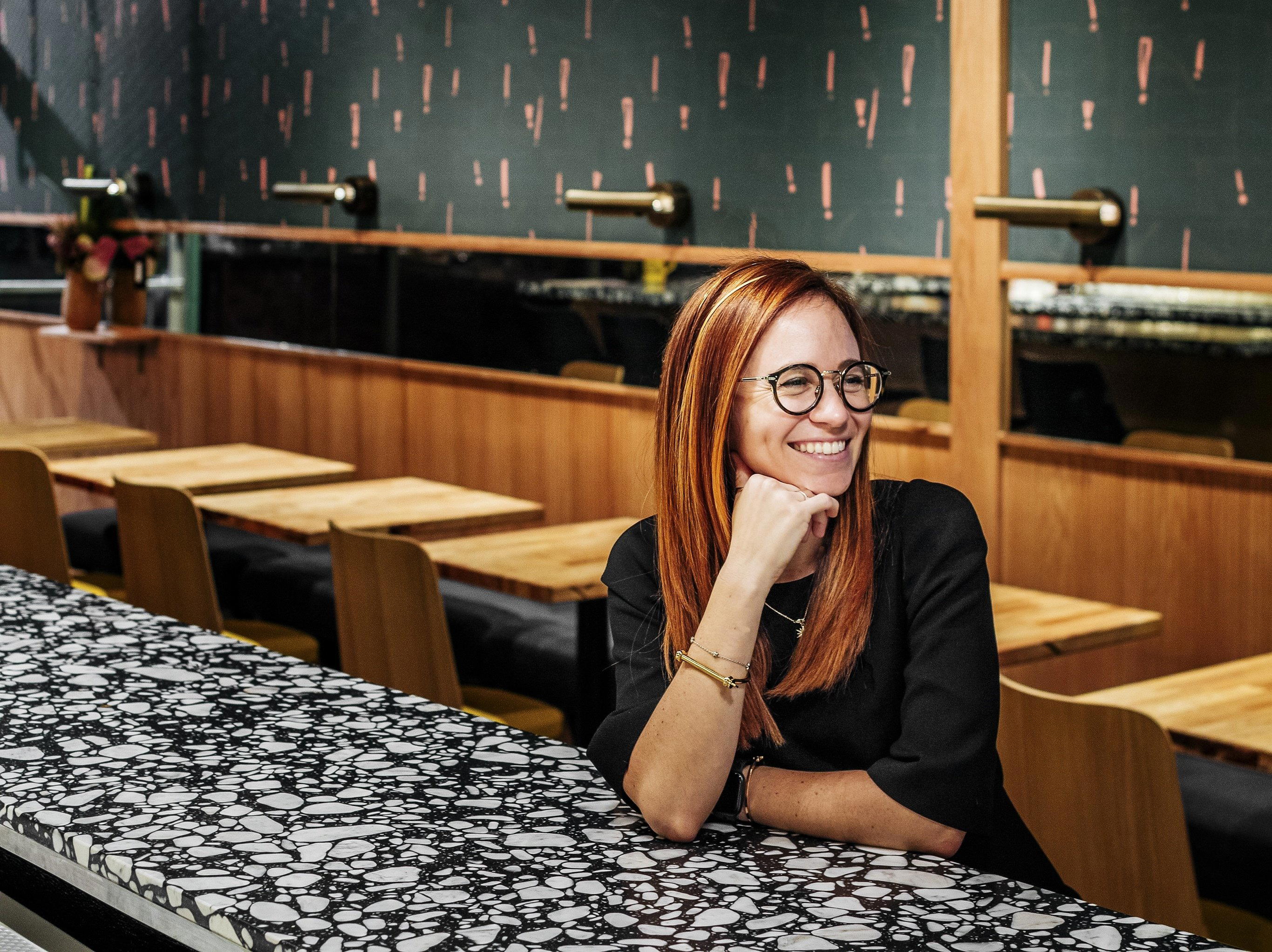
Fire, Neighborhood, and the Case Against Obvious Addresses
Miami's serious-dining scene has spent years consolidating around Brickell high-rises and Wynwood gallery corridors, which makes the strip-mall address on NE 2nd Avenue in Little Haiti either a provocation or a statement of intent. Walrus Rodeo occupies a unit in an unassuming shopping center, the kind of building that filters out tourists and casual browsers by design. What you encounter inside is a wood-fire kitchen operating at a level that earned consecutive Michelin Plate recognition in 2024 and 2025, and a 2025 listing in Opinionated About Dining's casual North American selection — a guide that weights ingredient sourcing and cooking conviction heavily over room ambition.
That combination of credentials, attached to a Little Haiti address at a $$$ price point, places Walrus Rodeo in a specific and interesting tier of the Miami restaurant scene: restaurants where the cooking carries the room rather than the other way around. Boia De, operating in a similarly compact format nearby, occupies an analogous position in the Italian-contemporary space. Both venues reject the logic that Miami dining requires spectacle at every price level.
What Wood-Fire Cooking Actually Demands
The editorial angle here is not just technique but accountability. Wood-fire cooking, done at the level Michelin evaluators respond to, requires sourcing discipline that most kitchens avoid. You cannot hide inconsistent protein behind a sauce when the primary transformation agent is live fire. The smoke profile of a given service depends on the wood species, the moisture content, and the timing of each cook — variables that reward local and regional sourcing because shorter supply chains allow for greater quality control at the ingredient level.
Across American restaurants that have built reputations around live-fire work , from Lazy Bear in San Francisco to Single Thread Farm in Healdsburg , the common thread is a sourcing philosophy that treats the fire as a finishing argument, not a rescue operation. The ingredient arrives at the grate already worthy of attention. Chef Jeff Maxfield's kitchen operates within that same logic, and the Opinionated About Dining recognition in particular suggests evaluators found the sourcing conversation credible.
For Miami specifically, this matters against a backdrop where $$$-tier American restaurants often default to import-heavy menus. Florida's agricultural calendar, the Gulf Coast fishing corridor, and the Caribbean produce supply chain give a committed kitchen real material to work with. A wood-fire program that draws on regional sourcing is, in environmental terms, also a lower-footprint operation: fewer refrigerated shipping miles, shorter cold-chain exposure, and a direct line of accountability between producer and plate.
Little Haiti as a Culinary Address
Little Haiti's emergence as a location for serious independent restaurants follows a pattern visible across American cities over the past decade: rent structures in historically underserved neighborhoods create conditions where chefs with a strong point of view can operate at mid-range price points without the financial pressure that forces compromise. The neighborhood itself has a distinct cultural texture , Haitian bakeries, Caribbean produce markets, and a street-level commercial density that differs markedly from the sanitized corridors of Design District dining.
That context matters for understanding what Walrus Rodeo's address signals. This is not a restaurant that opened in Little Haiti because it couldn't afford Wynwood. It is a restaurant whose cooking philosophy is coherent with the neighborhood's food culture: direct, ingredient-forward, skeptical of unnecessary embellishment. The Google rating of 4.7 across 350 reviews suggests a local audience that has found the value proposition credible at the $$$-tier, which in Miami puts the restaurant in the same competitive conversation as Ariete in Coconut Grove and Boia De in the Upper Eastside.
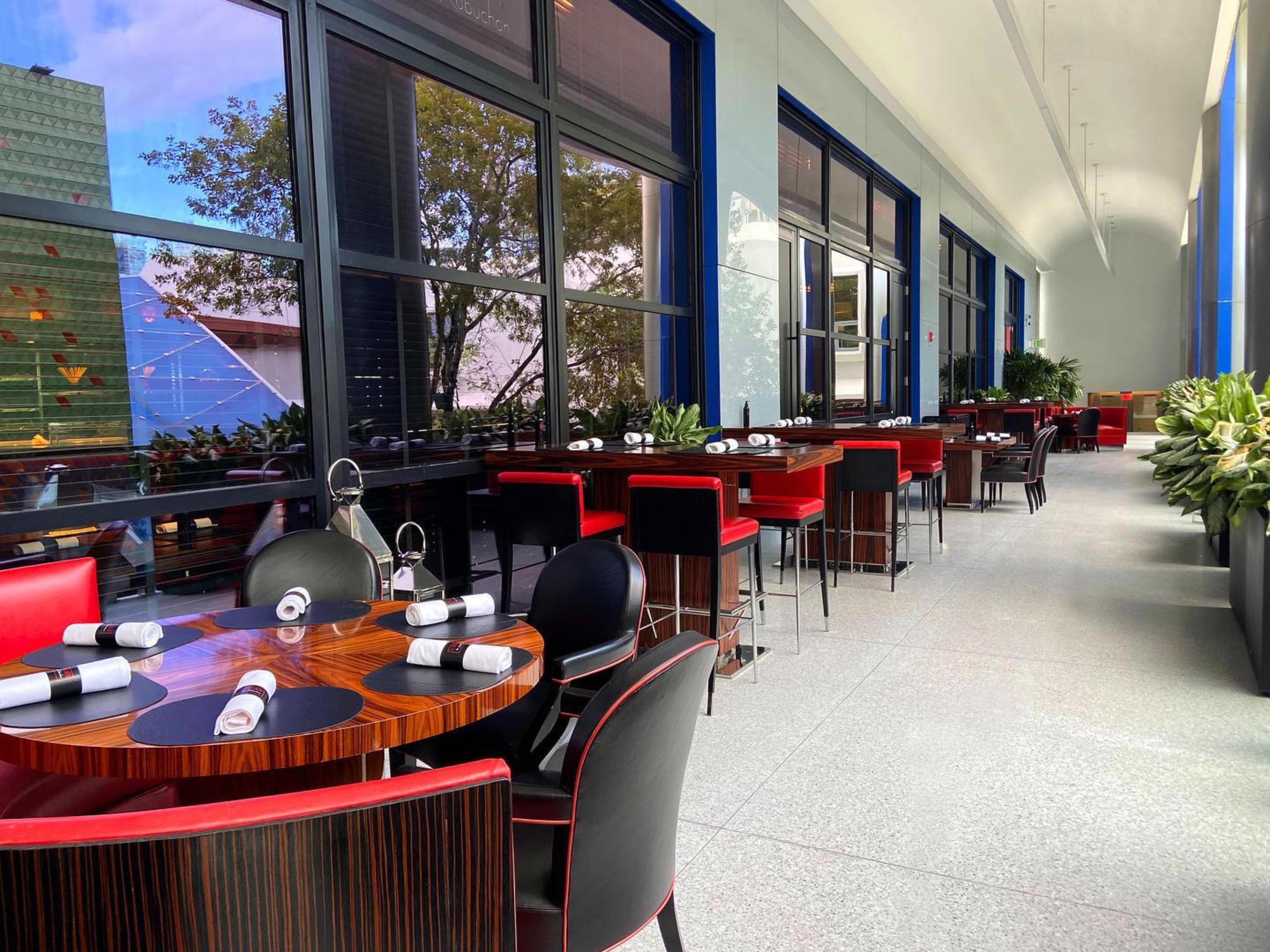
For context on what this price tier signals across the city's broader dining map, our full Miami restaurants guide covers the range from casual neighborhood spots through to the formal end of the spectrum, where L'Atelier de Joël Robuchon Miami operates at the leading of the French fine-dining tier.
Where Walrus Rodeo Sits in the National Wood-Fire Conversation
American wood-fire cooking has diversified significantly over the past fifteen years. What began as a Californian and Pacific Northwest technique now appears in credentialed kitchens from the Gulf South to the mid-Atlantic, with each regional iteration drawing on local fuel sources and seasonal produce cycles. The approach at Hilda and Jesse in San Francisco, or at Selby's in Atherton, reflects the Californian agricultural calendar and the particular wood species available in that region. Miami's version has different raw material: subtropical produce, Gulf seafood, and a climate that extends growing seasons in ways that northern kitchens cannot access.
Walrus Rodeo's Michelin Plate citations place it in the same evaluative framework as recognized fire-cooking programs elsewhere in the country, even if its profile is lower than marquee names like Alinea in Chicago or The French Laundry in Napa, which operate at a different tier and format entirely. The OAD casual listing is arguably the more telling credential here: that guide's methodology rewards cooking merit and sourcing credibility over room investment, which aligns directly with what a wood-fire program in a shopping-center setting needs to demonstrate to earn sustained recognition.
For Miami diners cross-referencing the city's Peruvian and modern American scene, ITAMAE and The Gibson Room represent adjacent points in the city's independent-restaurant conversation.
Know Before You Go
| Address | 5143 NE 2nd Ave, Miami, FL 33137 |
|---|---|
| Neighborhood | Little Haiti |
| Chef | Jeff Maxfield |
| Price Range | $$$ (mid-range) |
| Cuisine | Contemporary American, wood-fire |
| Awards | Michelin Plate 2024 & 2025; Opinionated About Dining Casual North America 2025 |
| Google Rating | 4.7 / 5 (350 reviews) |
| Booking | Contact the restaurant directly; reservation availability not confirmed in advance |
For broader Miami trip planning, see our Miami hotels guide, our Miami bars guide, our Miami wineries guide, and our Miami experiences guide.
Cuisine and Recognition
A quick comparison pulled from similar venues we track in the same category.
| Venue | Cuisine | Awards | Notes |
|---|---|---|---|
| Walrus Rodeo | American | Located in an unassuming shopping center in Miami’s Little Haiti neighborhood, t… | This venue |
| Ariete | Modern American, Contemporary | Michelin 1 Star | Modern American, Contemporary, $$$$ |
| Boia De | Italian, Contemporary | Michelin 1 Star | Italian, Contemporary, $$$ |
| Cote Miami | Korean Steakhouse, Korean | Michelin 1 Star | Korean Steakhouse, Korean, $$$ |
| Stubborn Seed | Progressive American, Contemporary | Michelin 1 Star | Progressive American, Contemporary, $$$$ |
| Los Fuegos by Francis Mallmann | Argentinian | Argentinian, $$$$ |

At a Glance
- Trendy
- Lively
- Modern
- Date Night
- Group Dining
- Open Kitchen
- Craft Cocktails
- Local Sourcing
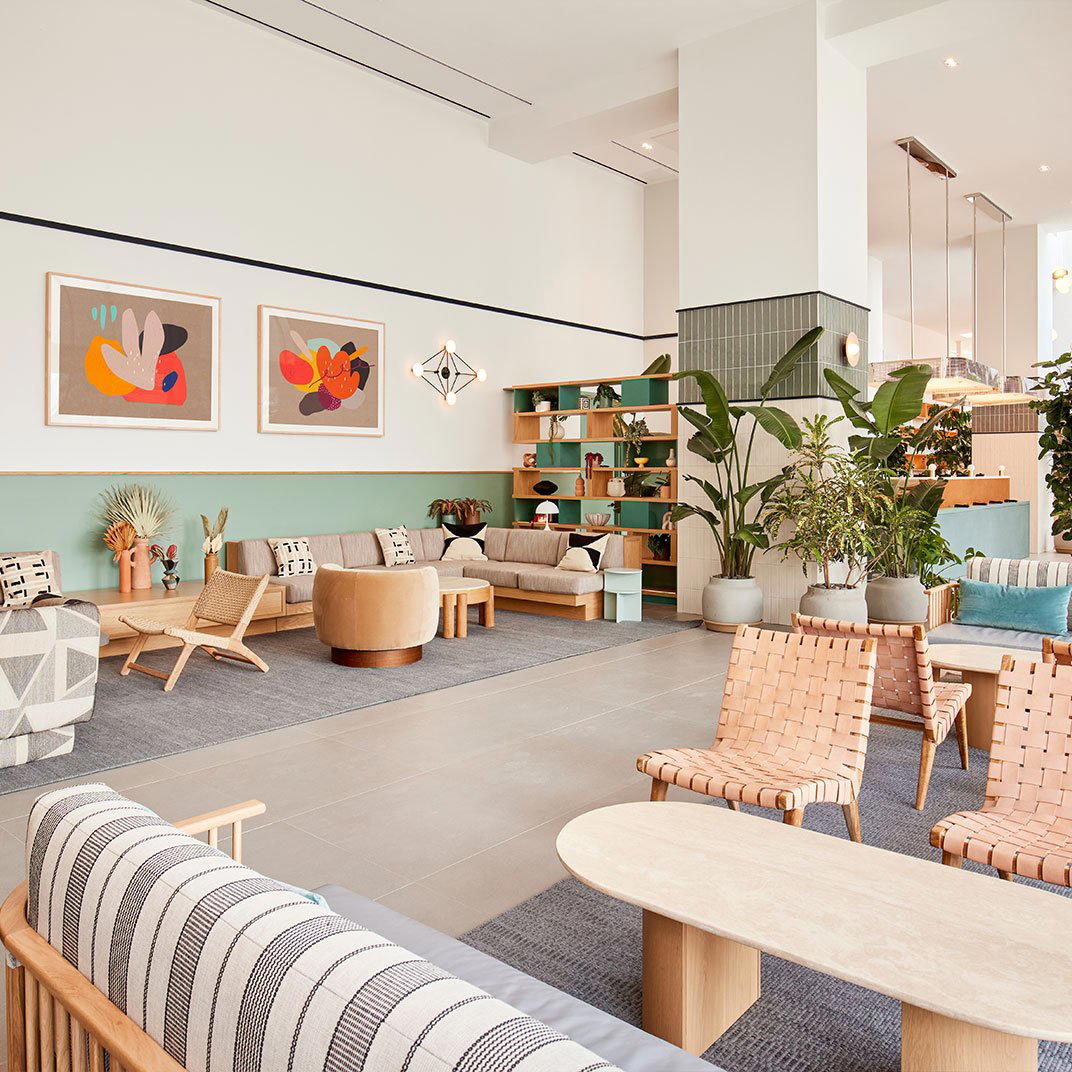
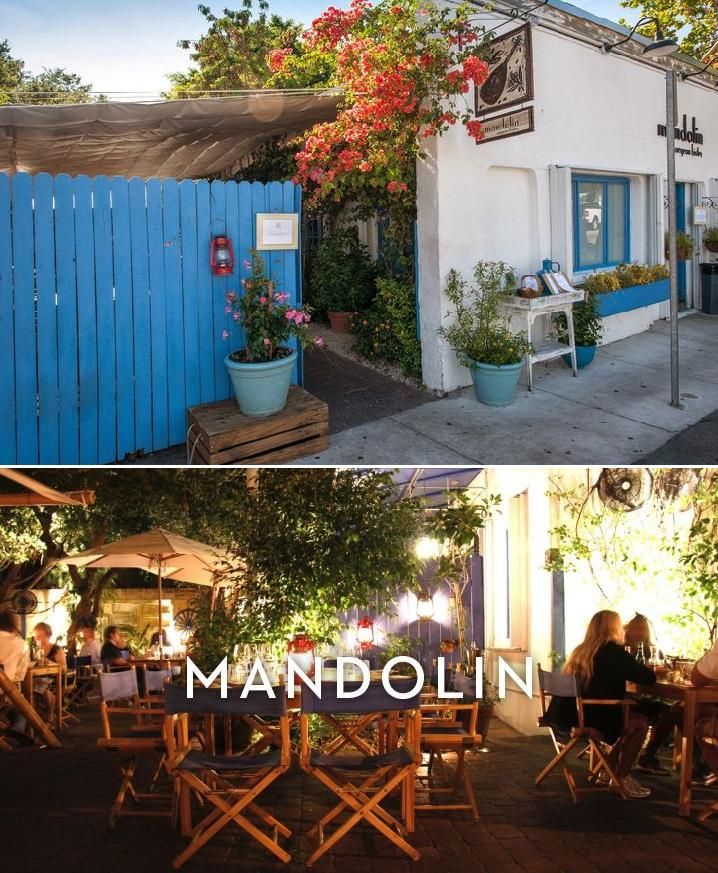
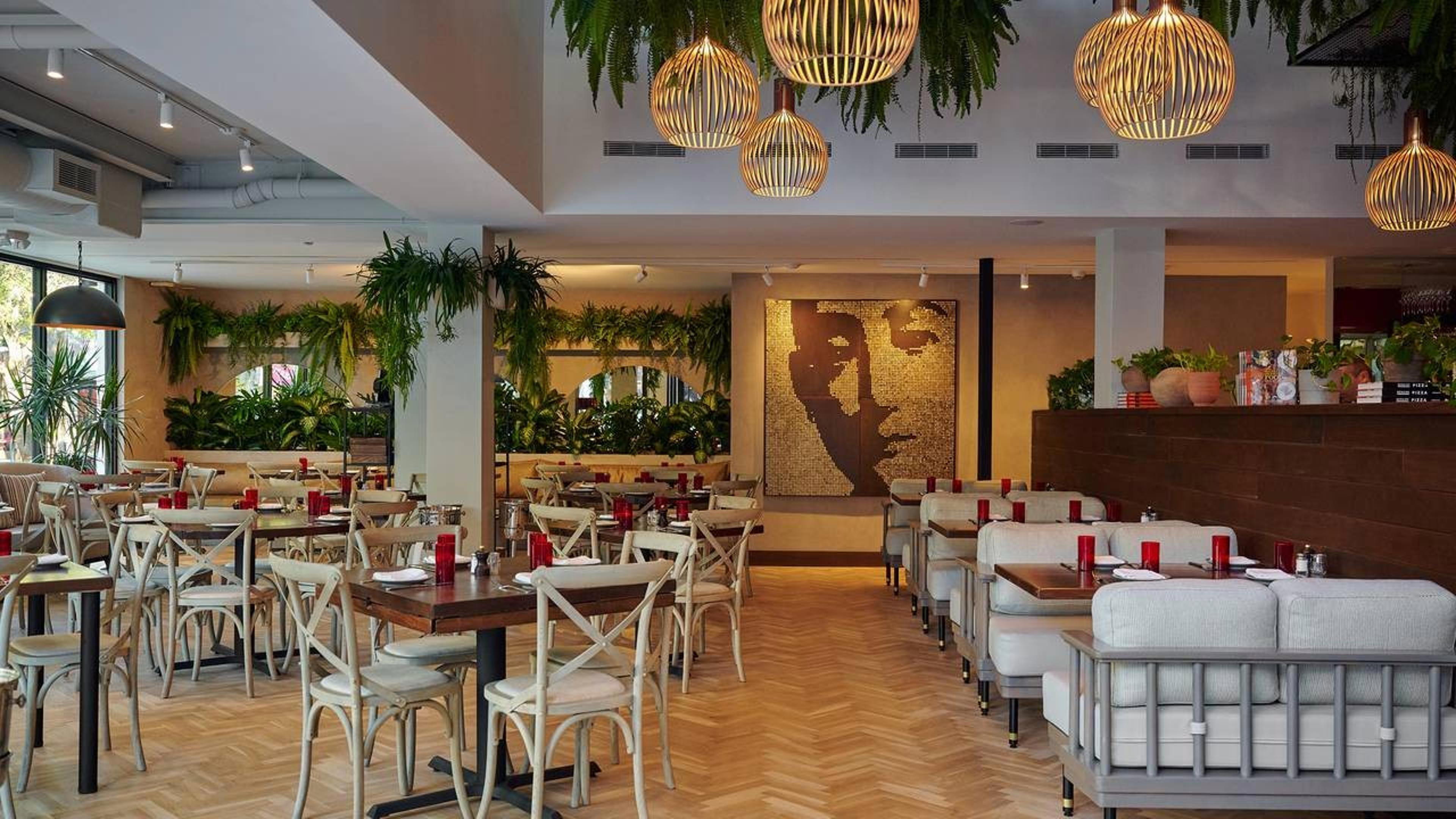
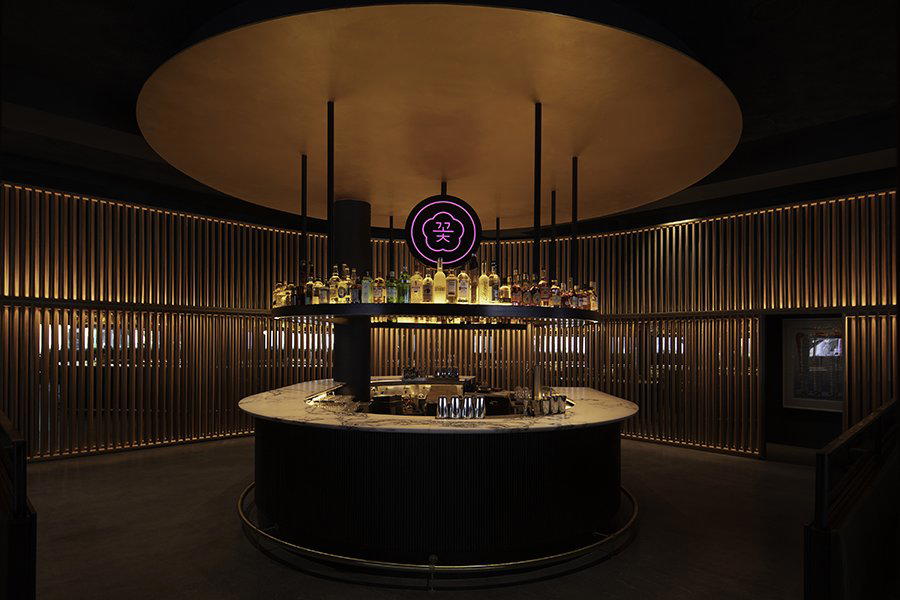
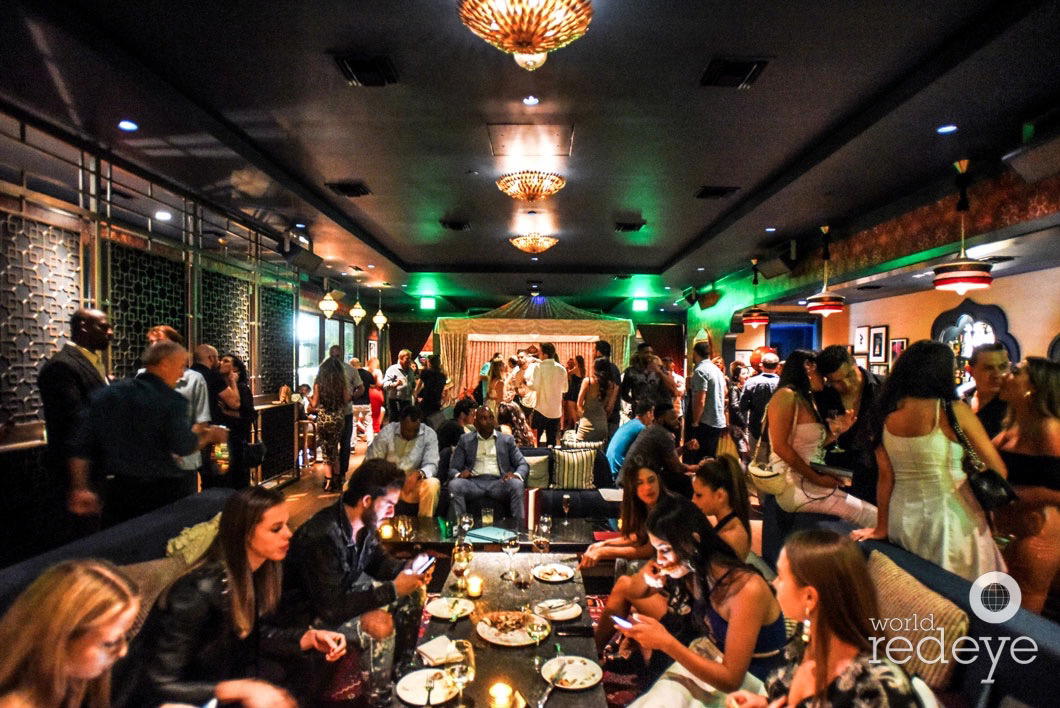
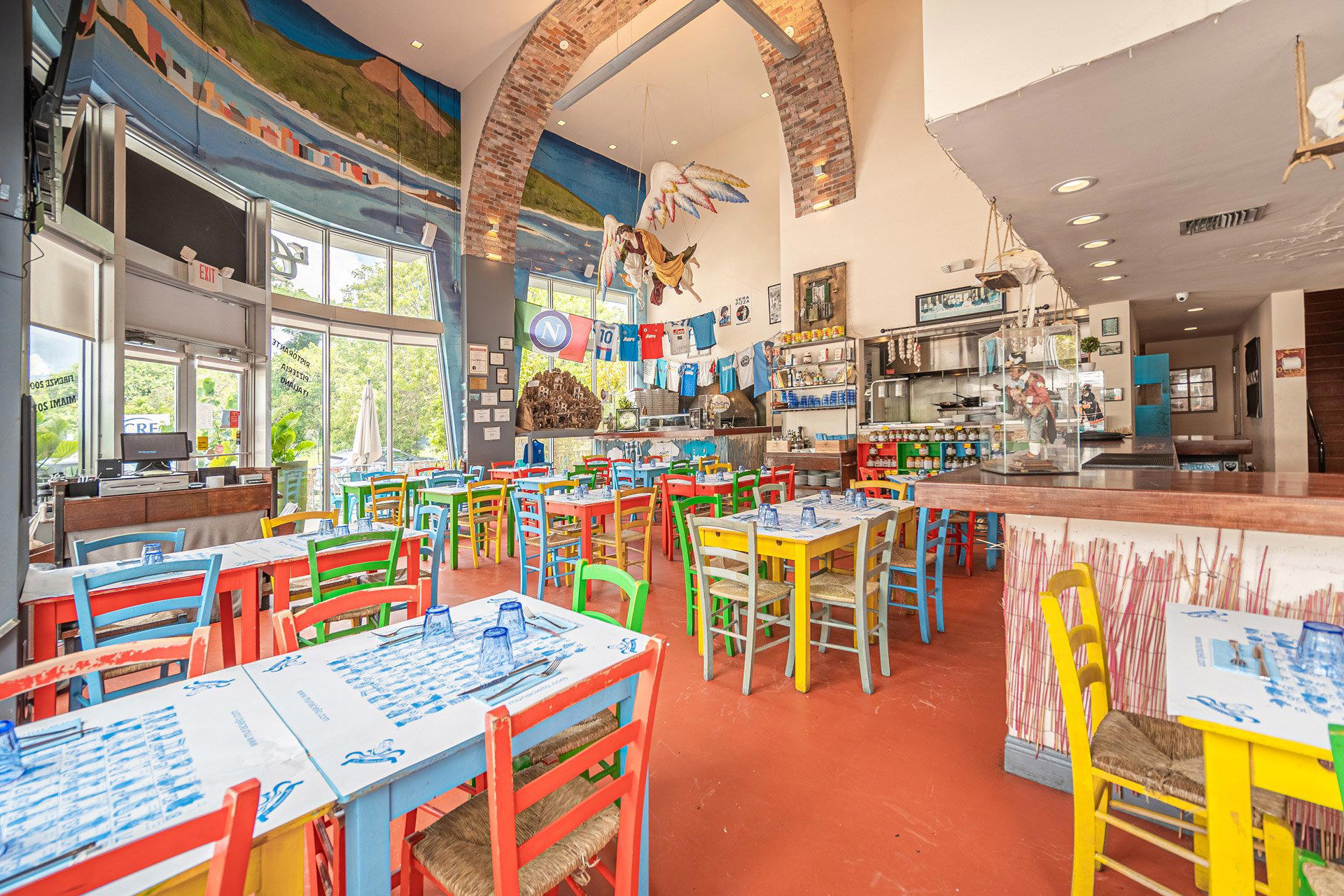
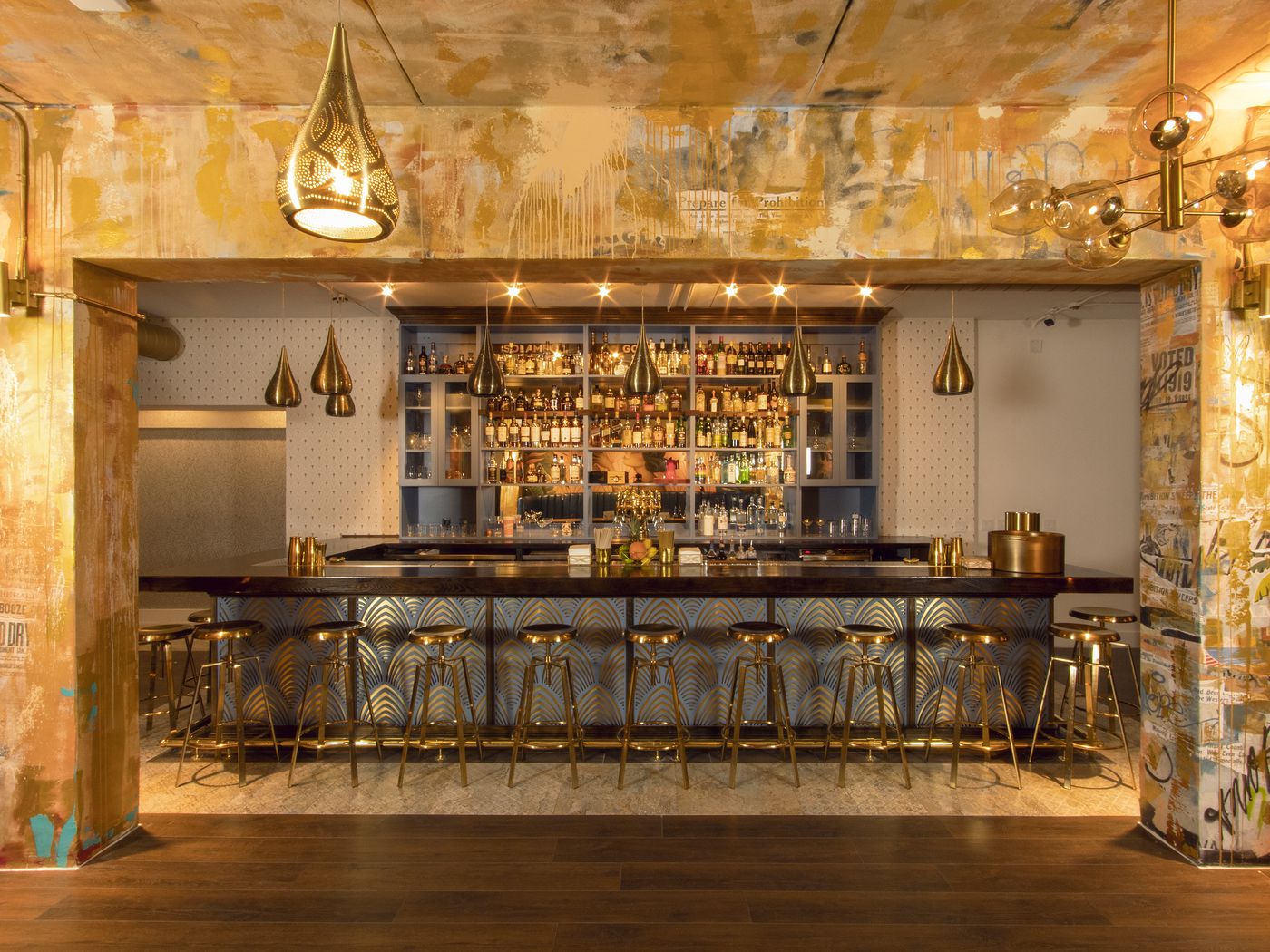
Casual, fun décor blending country western, Italian, and rock elements with a central wood fire, buzzing and energetic atmosphere.