Wall Street Grill
Our verdict
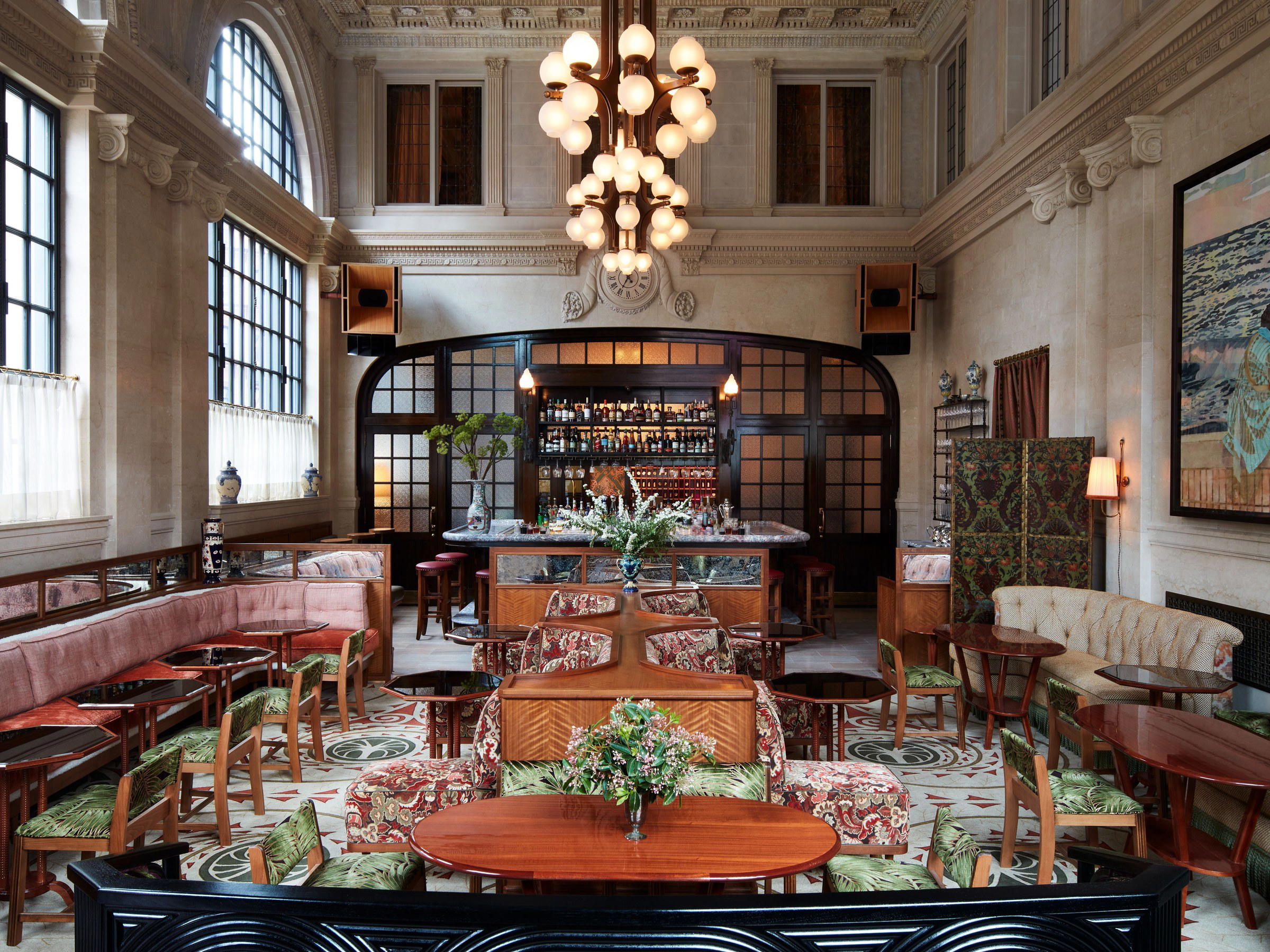
Wall Street Grill occupies 128 Pearl Street in Lower Manhattan, operating at the intersection of the Financial District's after-hours bar scene and the city's craft cocktail circuit. The address places it within walking distance of the neighbourhood's older institutional drinking culture, though the program reads closer to the technically focused bars that have reshaped New York's premium drinking tier over the past decade.

Pearl is the En Primeur Club membership app, where members save venues, book tables and use the concierge.
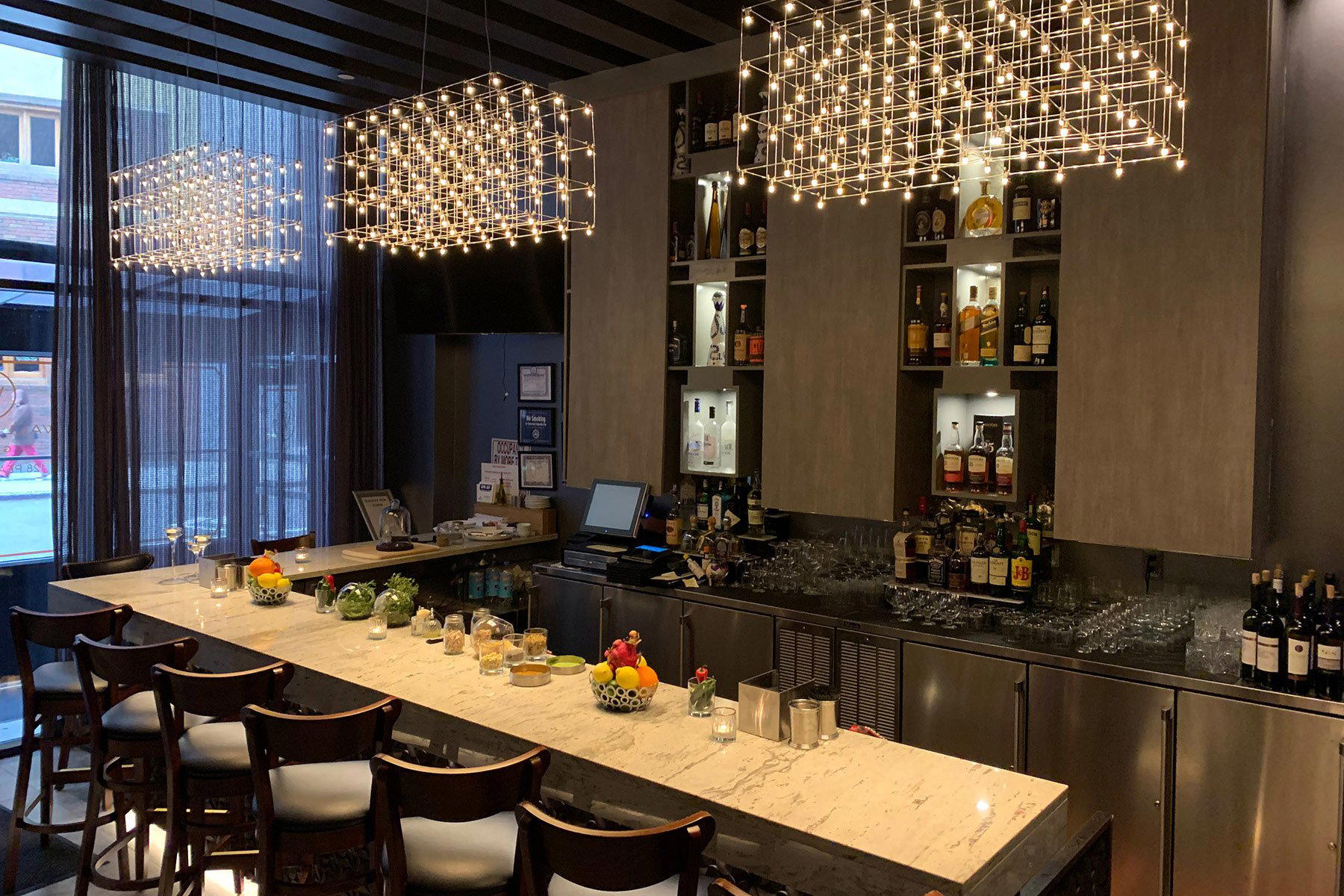
The Financial District's Drinking Culture, and Where Wall Street Grill Sits Inside It
Lower Manhattan has always had a drinking culture, but for most of the twentieth century it was a transactional one: suits at long bars, pours measured by the clock-out rather than the glass. That began to shift as the neighbourhood added residents alongside its office population and as the broader craft cocktail movement pushed south from its early strongholds in the East Village and Lower East Side. The Financial District now sustains a more varied bar scene than its corporate reputation suggests, split between high-volume venues absorbing post-trading-floor traffic and smaller, more deliberate programs that compete with the city's better-known cocktail addresses. Wall Street Grill, at 128 Pearl Street, sits inside that latter category.
Pearl Street itself runs close to the East River waterfront and parallel to some of the neighbourhood's oldest commercial blocks. The address puts the venue inside a zone where lunch trade, evening after-work crowds, and a growing weekend demographic all move through the same room at different hours, which places specific demands on any bar program serious about consistency. The bars that hold up across service periods in this part of the city tend to be the ones where the craft is structural rather than situational.
The Bartender's Craft in New York's Current Premium Bar Tier
New York's premium cocktail scene has moved through several distinct phases in the last two decades. The early speakeasy revival of the mid-2000s, which produced venues defined by difficult entrances and theatrical presentation, gave way to a more technically grounded wave. That second wave prioritised ingredient precision, documented preparation methods, and menus that could withstand scrutiny from a reader who knew their amaro from their Aperol. Bars like Amor y Amargo built entire identities around a single category of modifier, while Angel's Share sustained its reputation over decades through quiet technical discipline rather than reinvention cycles.
The current tier sits somewhere past both of those moments. The bars drawing serious attention in New York now tend to combine verifiable technical depth with a hospitality register that feels less precious than the speakeasy era and less clinical than the peak craft-documentation phase. Attaboy NYC operates without a fixed menu, making the bartender's read of the guest the entire program. Superbueno frames Latin spirits and technique within a clear cultural argument. Each of these approaches places the person behind the bar at the centre of the experience in a way that the venue's physical design cannot replicate.
That emphasis on bartender craft as the defining variable is what separates the stronger programs in any neighbourhood from the ones that are primarily about room design or brand association. In the Financial District specifically, where a captive after-work crowd can fill seats regardless of program quality, a bar that chooses to invest in technique signals something deliberate about its positioning.
What the Craft Cocktail Bar Owes to Its Neighbourhood
The relationship between a serious cocktail bar and its immediate neighbourhood is rarely direct. Bars in high-traffic commercial districts face a specific tension: volume economics push toward fast, legible serves, while program ambition pulls toward slower, more complex preparation. The bars that resolve this tension most effectively tend to do so through menu architecture rather than room size. A well-designed menu can move efficiently during peak service while still communicating the depth of the program to guests who want it.
This is a challenge shared across the premium tier nationally. Bar Leather Apron in Honolulu maintains a focused, seasonally adjusted program in a market where tourist volume creates constant pressure toward accessibility over ambition. Jewel of the South in New Orleans operates within a city whose cocktail identity is partly defined by high-volume historical templates, yet holds its own as a craft-forward address. Kumiko in Chicago built its identity around a specific Japanese-influenced aesthetic that requires guest education as part of the service model. Each of these venues demonstrates that neighbourhood context shapes but does not determine program quality.
In Lower Manhattan, the opportunity is real. The neighbourhood's demographic has broadened, the residential population has grown, and the office crowd that dominates weekday lunch and early evening trade increasingly expects more from a drink than it did a decade ago. That shift creates room for a bar willing to occupy the more deliberate end of the spectrum.
Placing Wall Street Grill in the Broader Craft Bar Conversation
For readers mapping Wall Street Grill against the wider premium bar circuit, the comparison set extends well beyond New York. ABV in San Francisco and Allegory in Washington, D.C. both operate in mixed commercial-residential neighbourhoods where the bar program has to justify itself against significant competition and varying guest expectations. Julep in Houston built a national profile from a market not typically associated with premium cocktail culture, which is a useful reminder that address does not determine ambition. Even internationally, The Parlour in Frankfurt on the Main demonstrates that the craft bar format translates across markets when the underlying commitment to technique and hospitality is consistent.
That editorial function requires training, accumulated reference, and a hospitality instinct that cannot be standardised out of a program. When it works, it produces the kind of experience that keeps guests returning to a specific bar rather than simply to a neighbourhood or a price point.
Planning a Visit to 128 Pearl Street
Wall Street Grill sits at 128 Pearl Street in the Financial District, a neighbourhood most accessible via the Fulton Street or Wall Street subway stations on multiple lines. The area's weekday rhythms mean the bar absorbs significant after-work volume from early evening, so guests seeking a more considered experience with time at the bar may find mid-evening or weekend visits allow for a different pace of service. For a broader overview of where Wall Street Grill sits within the city's dining and drinking options, our full New York City restaurants guide maps the premium tier across neighbourhoods.
Frequently asked questions
What's the must-try cocktail at Wall Street Grill?
What's the defining thing about Wall Street Grill?
Is Wall Street Grill suited to guests who want a quieter, more focused bar experience in the Financial District?
How Wall Street Grill New York City compares with similar nearby venues.
| Venue | Cuisine | Price | Awards |
|---|---|---|---|
| Wall Street GrillThis venue (the venue you are viewing) | Not listed | Not listed | Not listed |
| Wall & Water | Globally Inspired Hotel Restaurant | Not listed | Not listed |
| La Marchande | Modern French Market Bistro | Not listed | James Beard Award Semi Finalist · Wine Spectator Award of Excellence |
| Harry's | Modern French Brasserie | $50–100 | Michelin Plate · Star Wine List |
| Joseph's Restaurant | Northern Italian | $50–100 | Not listed |
| Delmonico’s | Classic American Steakhouse | $150–200 | World's Best Steaks 50 Best #34 · Wine Spectator Best of Award of Excellence |
Continue exploring
More in New York City
Restaurants in New York City
All restaurants in New York City →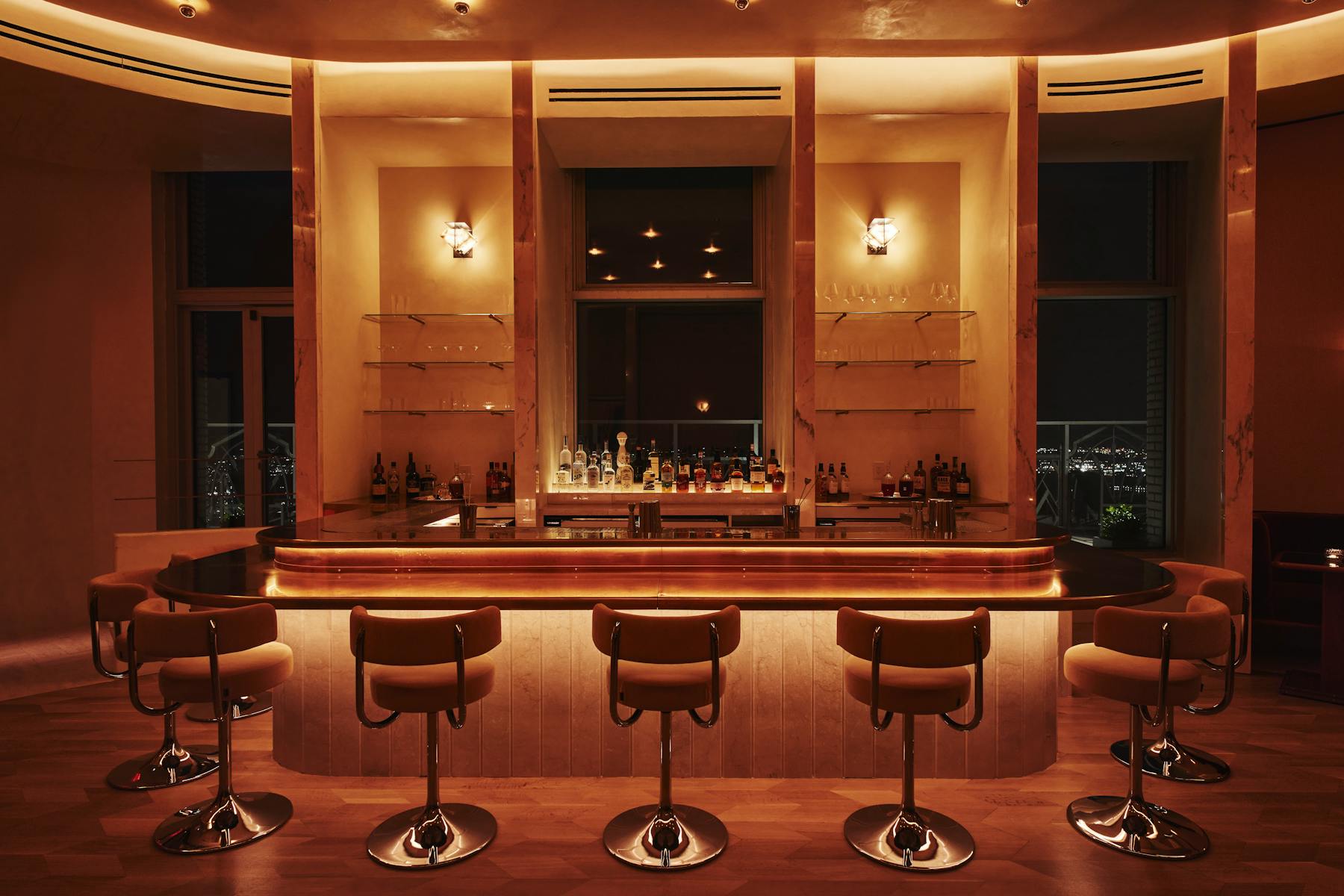
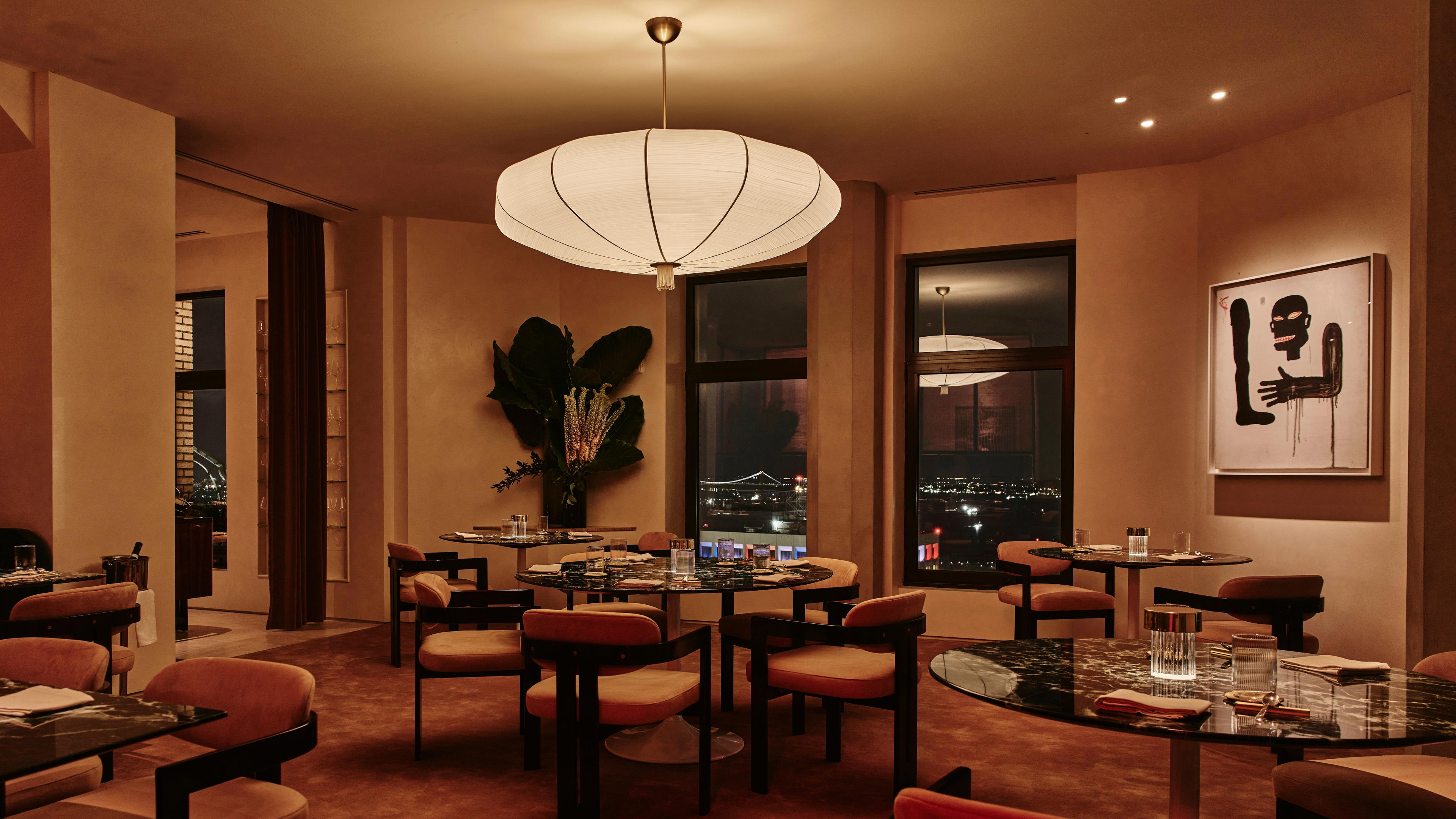
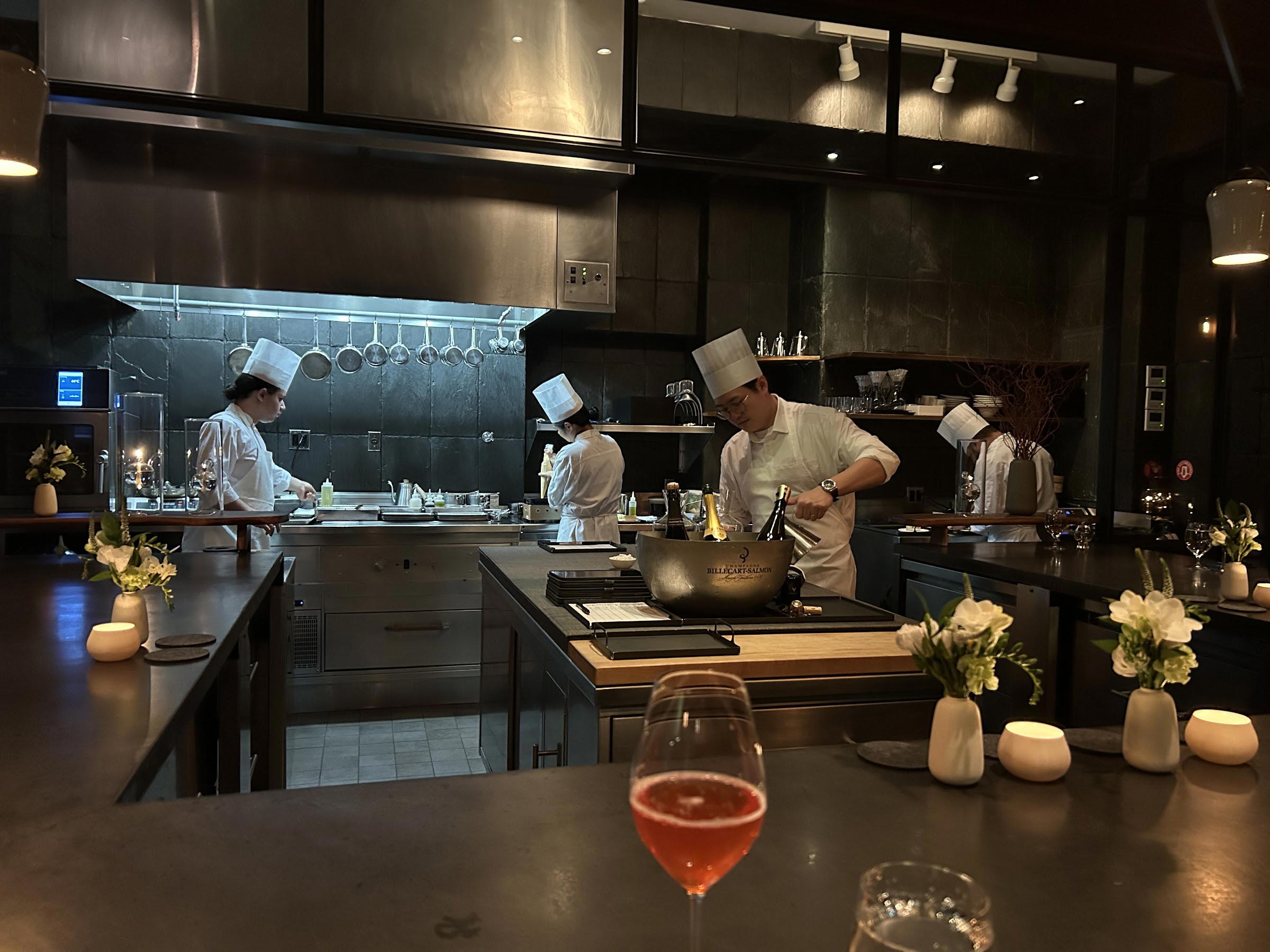
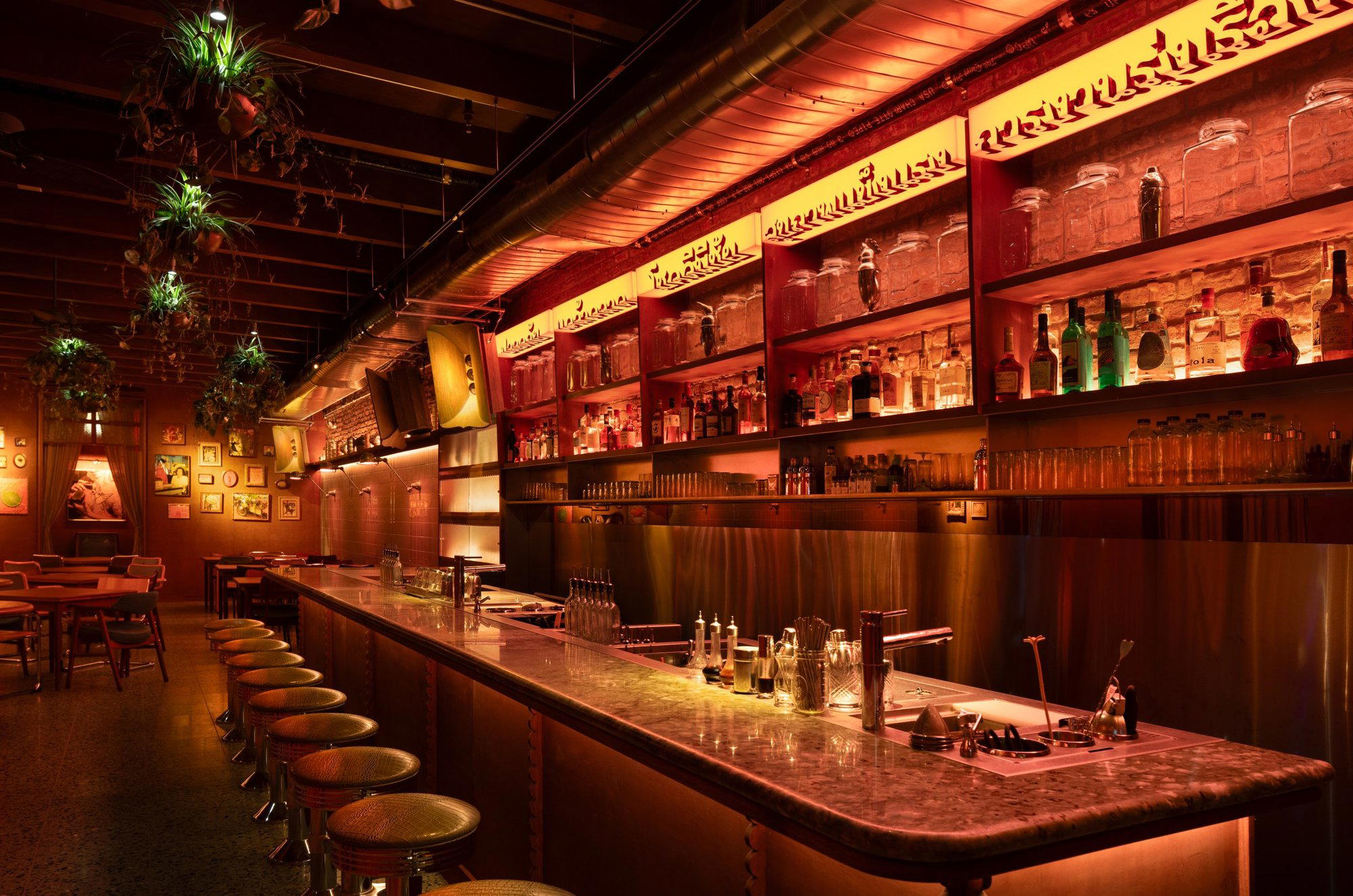
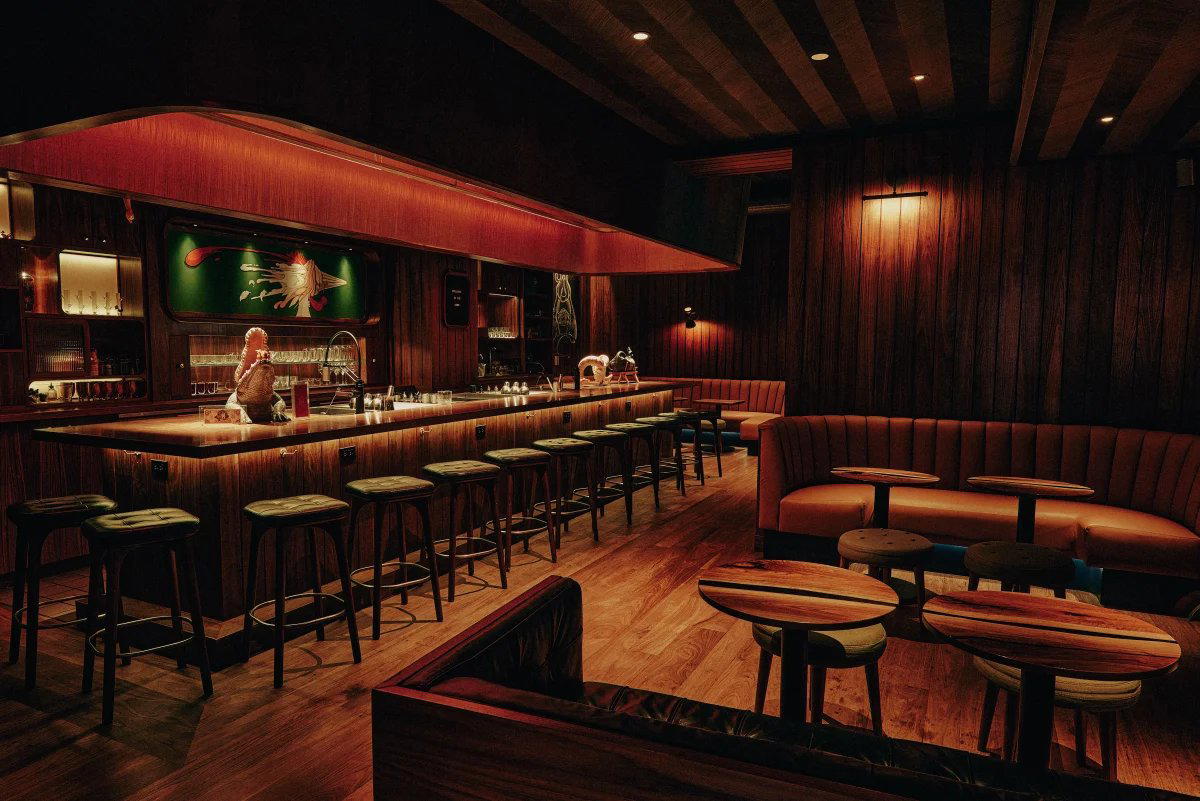
Bars in New York City
All bars in New York City →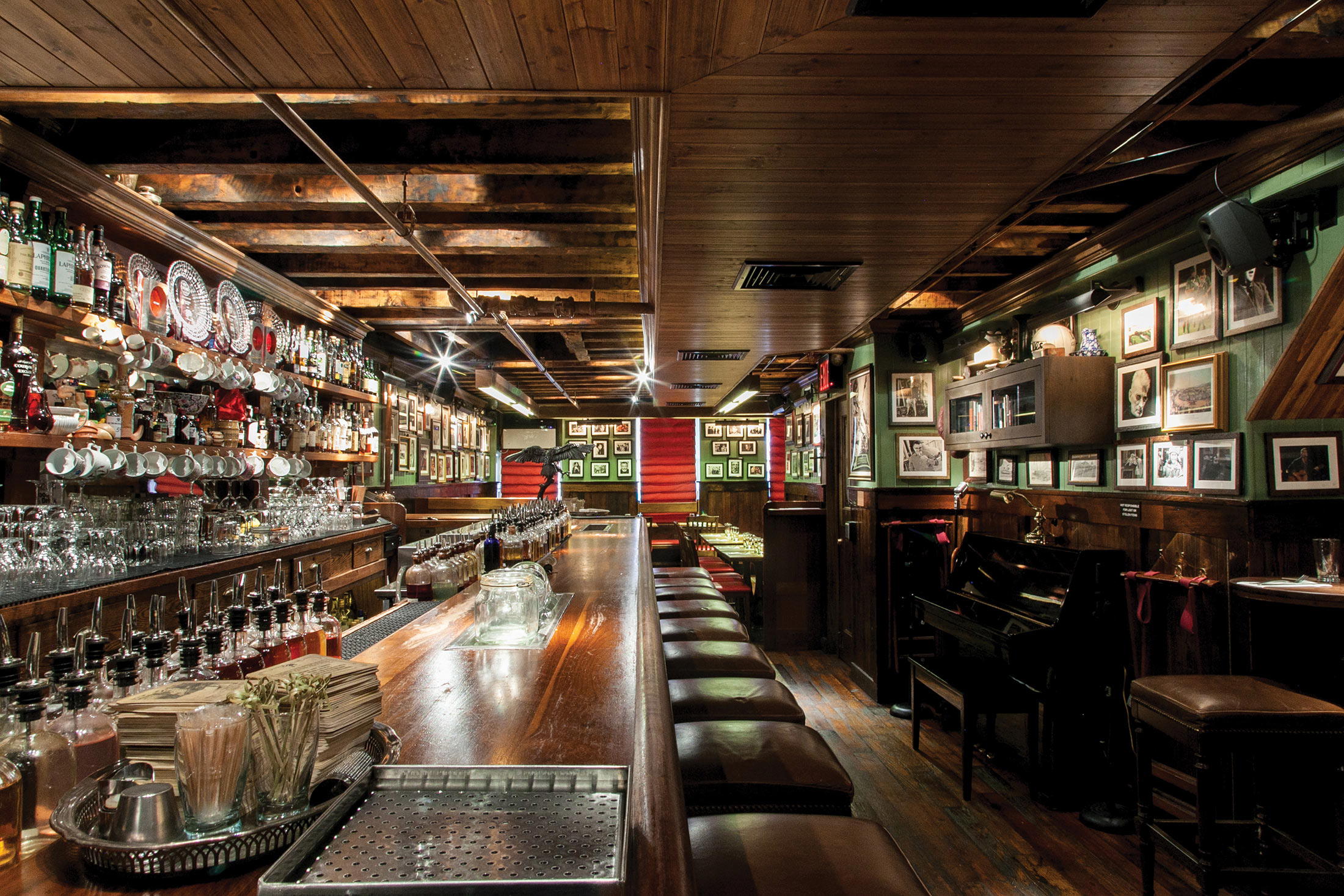
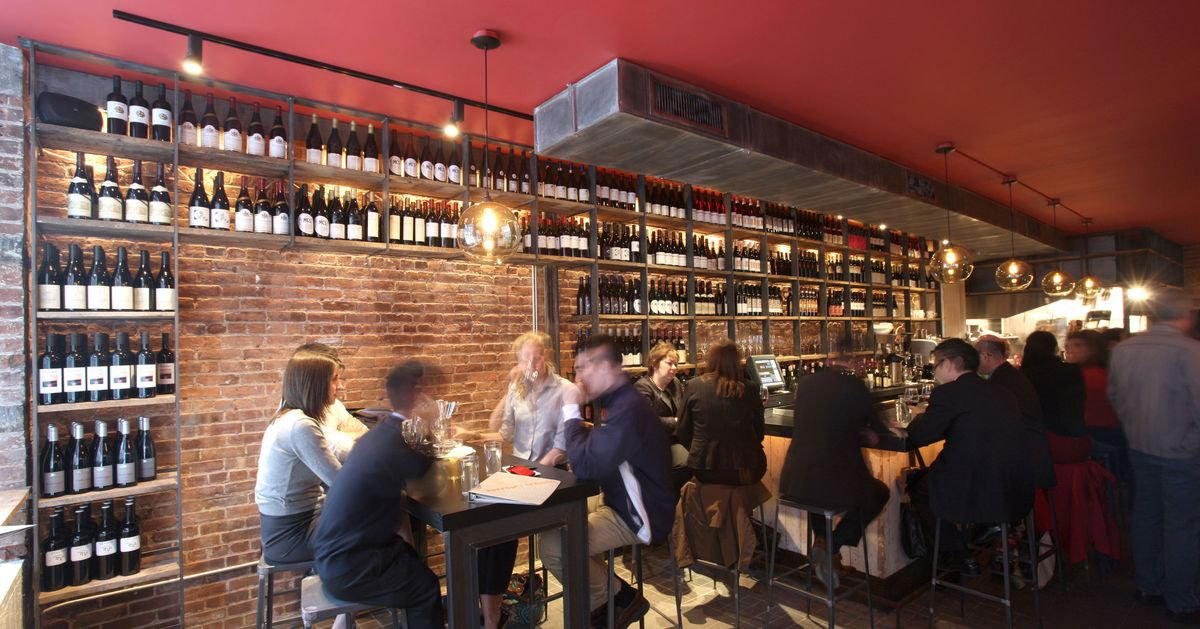
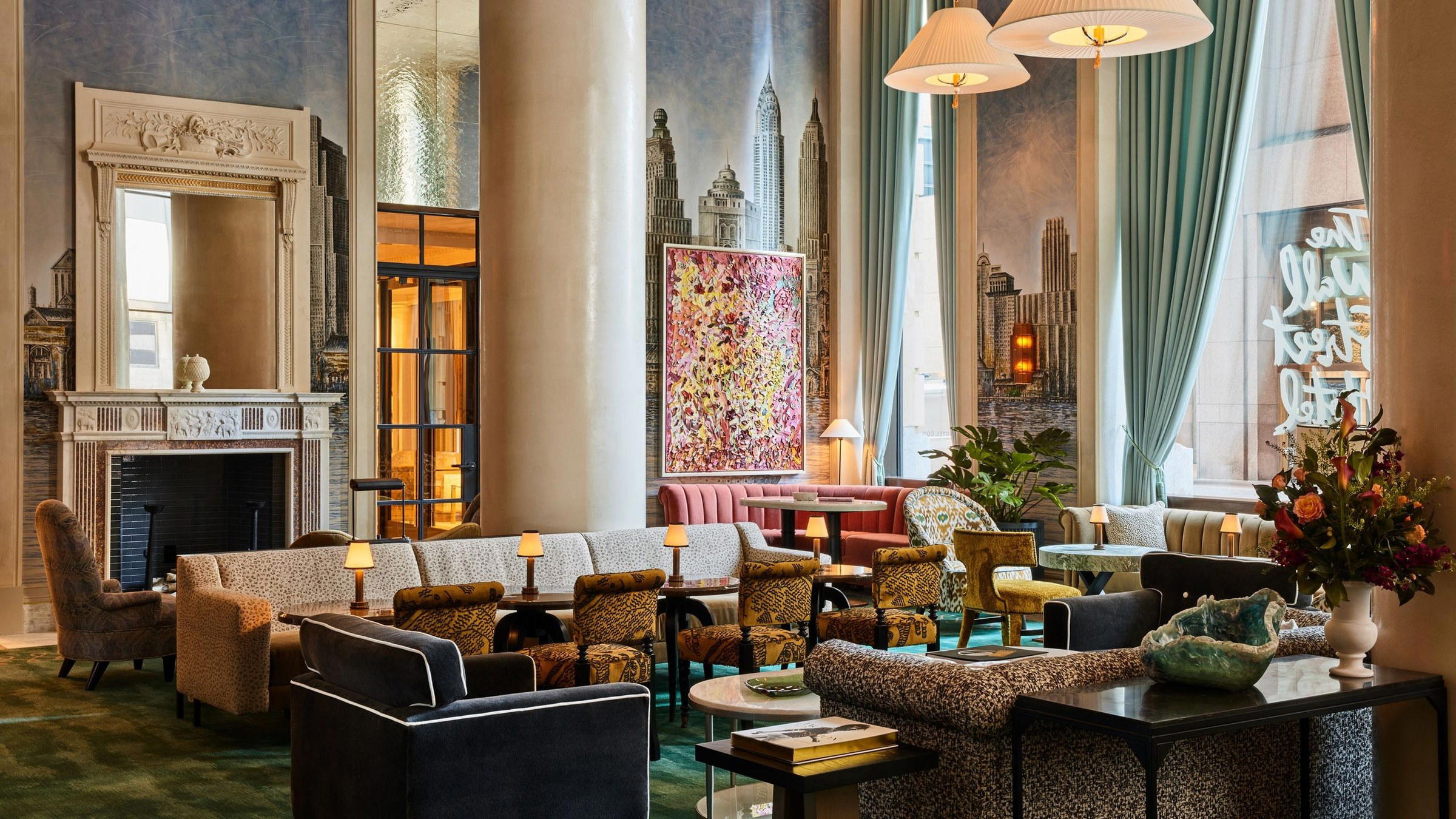
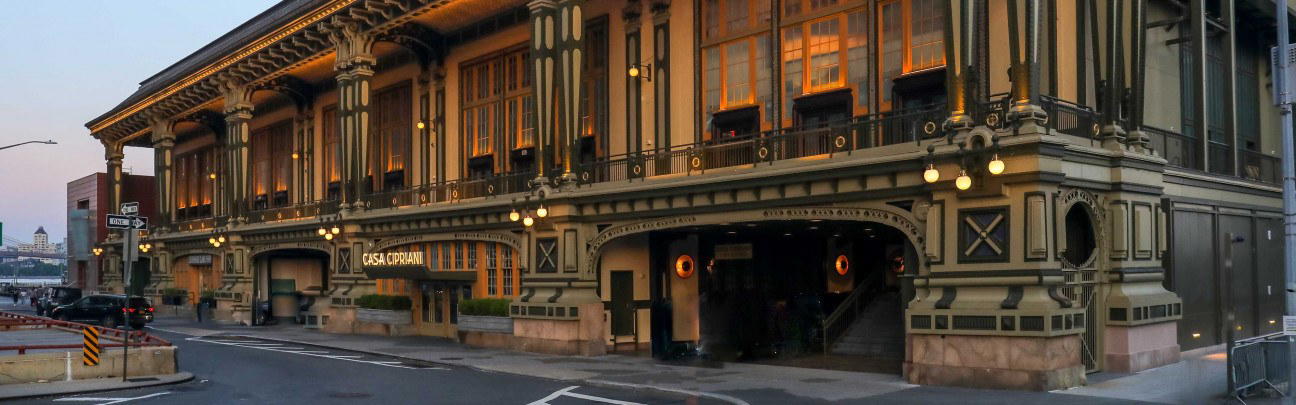
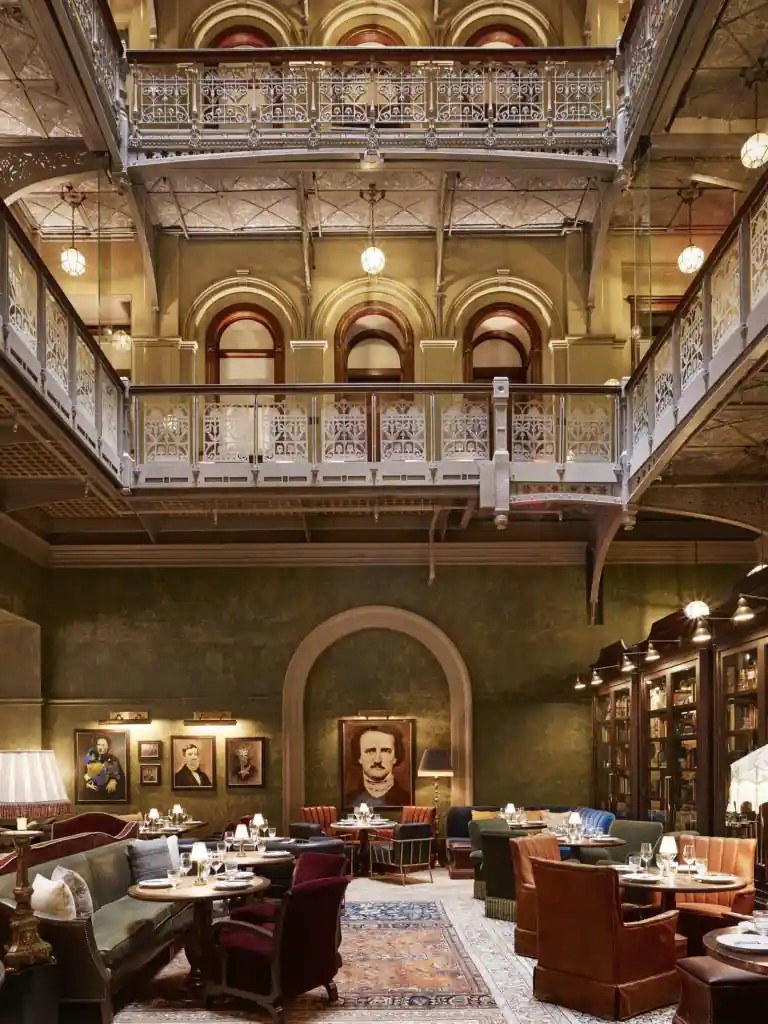
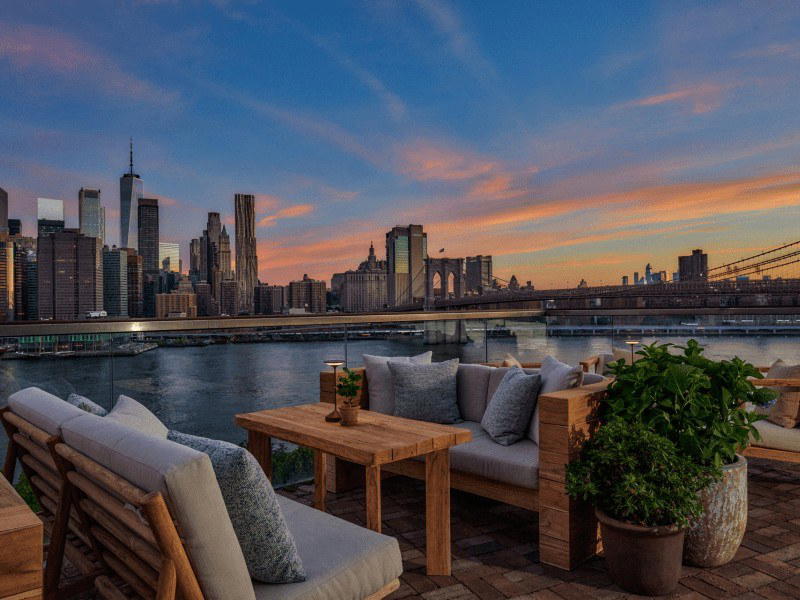
Details
- Romantic
- Elegant
- Sophisticated
- Date Night
- Special Occasion
- Group Outing
- Rooftop
- Terrace
- Waterfront
- Skyline
Current opening hours
- Monday
- 12–2:30 PM, 5–10:30 PM
- Tuesday
- 12–2:30 PM, 5–10:30 PM
- Wednesday
- 12–2:30 PM, 5–10:30 PM
- Thursday
- 12–2:30 PM, 5–11 PM
- Friday
- Closed
- Saturday
- Closed
- Sunday
- 5–10 PM
Hours can change for holidays and private events. Hours as of .
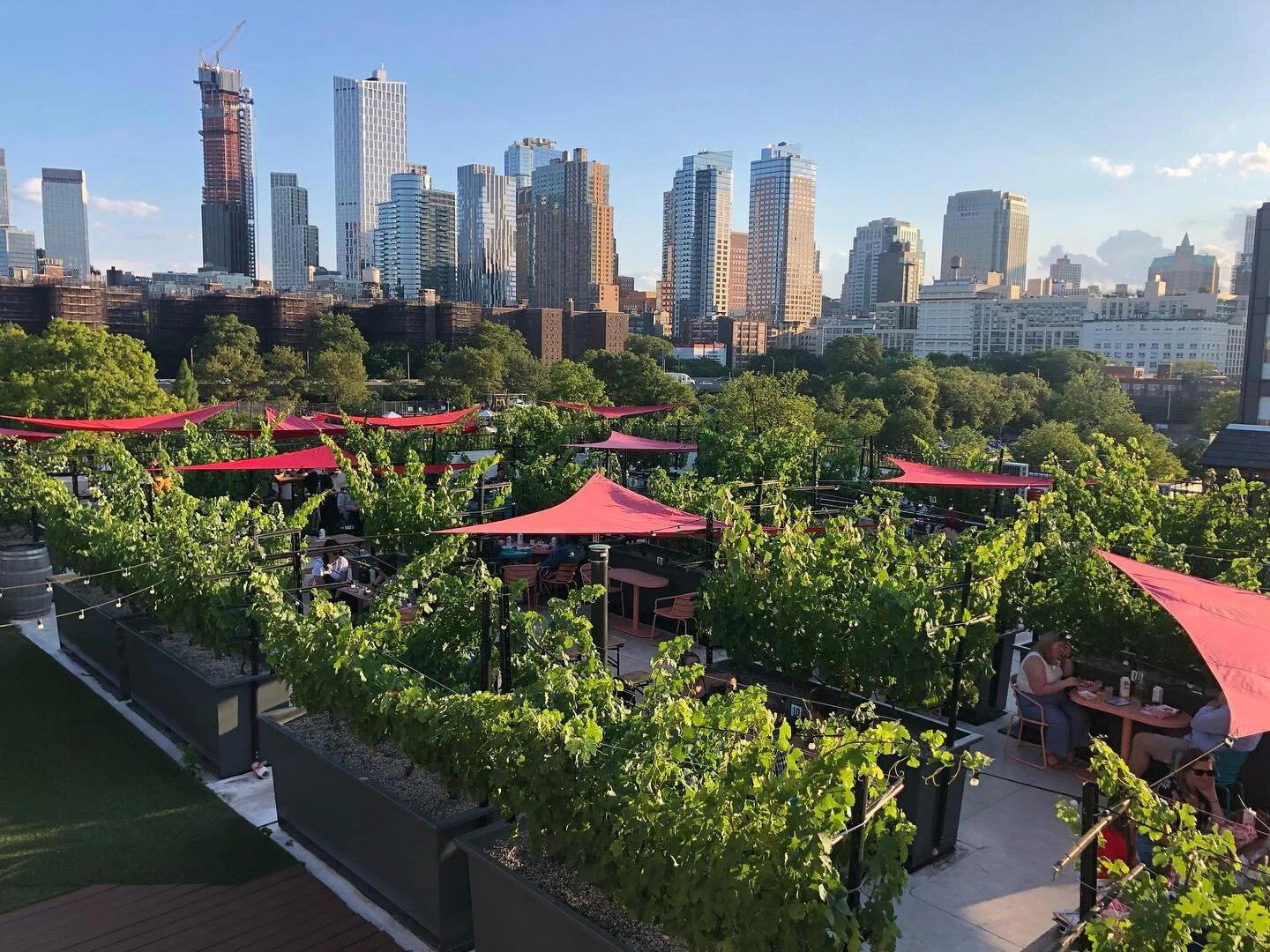
Romantic rooftop terrace with string lights and water views; indoor space lively with palpable bass music.