


1 Michelin Star · Macarfi 8.1 Food Rating · Guía Repsol 1 Sol
Our verdict
Voramar holds a Michelin star on the seafront of Portbou, a small border town at the northern tip of the Costa Brava. Two young chefs run tasting menus built around seasonal Catalan ingredients and the tension between land and sea, with the Cap i Pota veal and Mediterranean red tuna combination standing as a marker of their approach. At €€€, it is serious cooking in an unlikely location.

Pearl is the En Primeur Club membership app — saves, bookings, and concierge access live there. Same editors, same standards.
- Address
- Passeig de la Sardana, 6, 17497 Portbou, Girona, Spain
- Phone
- +34 972 39 00 16
- Hours
- Mon 1–2 PMTue–Wed ClosedThu–Sun 1–2 PM
- Website
- voramarportbou.com
- Directions
- Get directions
- Booking
- Book on CoverManager
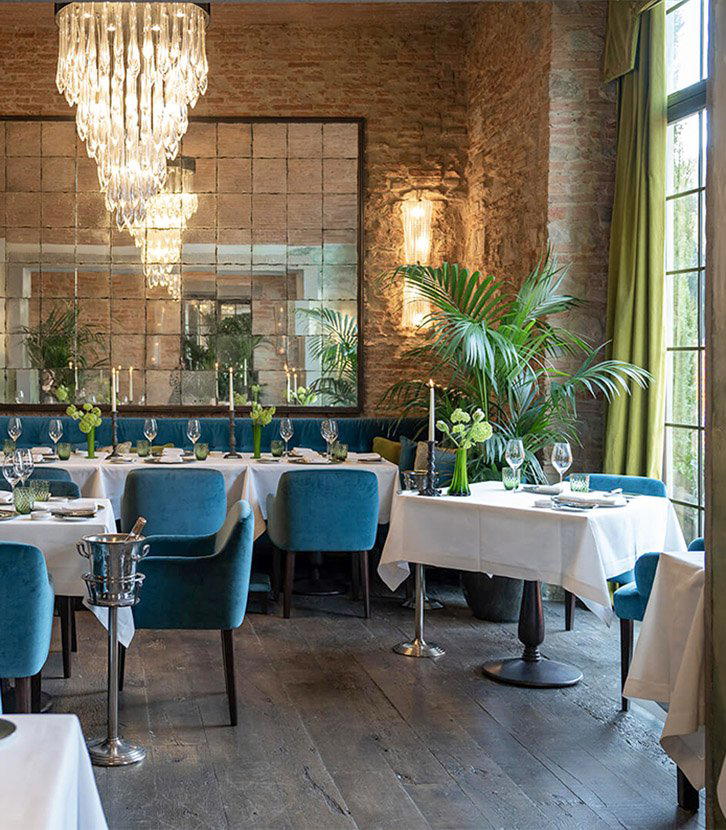
Where the Pyrenees Meet the Sea
Portbou sits at the precise point where the Pyrenees drop into the Mediterranean, separated from France by a ridge of rock and a working railway junction. The town has none of the resort infrastructure of the broader Costa Brava: no beach clubs, no floating cocktail bars, no seasonal clusters of destination dining. What it has is a curved bay, a grid of modest streets that empty out by October, and a seafront promenade where the light arrives in a particular way in the early afternoon. It is into this setting, at Passeig de la Sardana 6, that Voramar operates, with bay views on one side and, since 2024, a Michelin star on the other.
That combination — remote border town, family-run room, Michelin recognition — is not as incongruous as it first appears. The Costa Brava has a quiet tradition of serious cooking in small municipalities. El Celler de Can Roca in Girona established that Catalonia's culinary ambition does not concentrate exclusively in Barcelona. Voramar sits further along that same axis: provincial, rooted, technically accountable. For the full picture of where Voramar fits within the local dining offer, see our full Portbou restaurants guide.
The Sourcing Logic Behind the Menu
The editorial angle that explains Voramar most clearly is not the tasting menu format or the Michelin credential, it is where the kitchen's ingredients come from and why that geography shapes the cooking. Portbou's position at the border of two culinary cultures, Catalan and Languedocian, and its immediate proximity to the sea, gives the kitchen a sourcing radius that most restaurants in larger cities have to work much harder to replicate.
Mediterranean red tuna fished in these waters carries a different fat profile and season to Atlantic tuna, and the decision to pair it with Cap i Pota, the Catalan veal trotter and head preparation that is fundamentally an inland, working-class dish, reveals a kitchen thinking seriously about the convergence of coast and mountain that defines this strip of coastline. The Pyrenees behind Portbou supply the lamb, game, and cold-weather vegetables that appear in the savoury sections of both menus; the sea in front supplies the fish and shellfish. The resulting tension between the two registers is not decorative. It is structural to how the food is conceived.
Seasonal ingredients form the stated leitmotif of the kitchen, which in this context carries real meaning: a restaurant in a town with no year-round tourism pressure is less tempted to hold a menu static for the benefit of returning holidaymakers. The chefs can, and evidently do, move with the seasons rather than against them. That places Voramar in a different operational register from destination restaurants in resort towns, where a signature dish often becomes a brand obligation regardless of seasonal logic.
Two Menus, One Consistent Argument
The kitchen operates through two tasting menus: Petit Voramar and Gran Voramar. Both open with a section called Vora, a reference to the local nickname by which the restaurant is known, which functions as an appetiser and tapas sequence before the main arc of the meal. The structure is common to contemporary Spanish tasting menus at this tier, where the aperitivo sequence has evolved into a substantive course in its own right rather than a holding pattern before the serious eating begins.
The division of labour in the kitchen is worth noting as context for understanding the menu's design. Guillem Gavilan handles the savoury courses; Pau Jamas is responsible for desserts. This split is not unusual at the ambition level Voramar is operating at, kitchens that take dessert seriously tend to separate the roles, but in a family-run restaurant of this scale, it represents a meaningful commitment. The dessert section of a tasting menu at this level is where kitchens often reveal how far their technical ambition extends beyond the main courses.
Bread selection, offered with a choice of artisanal formats (rustic, olive, cereal, sandwich, black bread) alongside premium olive oils, is a detail that signals something about the kitchen's philosophy of hospitality. The bread course at this tier of Spanish restaurant has become a considered element rather than an afterthought, and offering genuine choice within it reflects the same attention to sourcing that runs through the rest of the menu.
Portbou as Context, Not Backdrop
A Michelin star in a town of this size functions differently from one awarded in a major city. In Barcelona or Madrid, a star joins a competitive cluster; in Portbou, it makes the restaurant the reason for the visit. Guests who book here are, by definition, making a deliberate journey to a specific place, rather than choosing between several options in a neighbourhood. That shifts the dynamic considerably: the room needs to carry the full weight of the occasion in a way that a restaurant embedded in a dense urban dining scene does not.
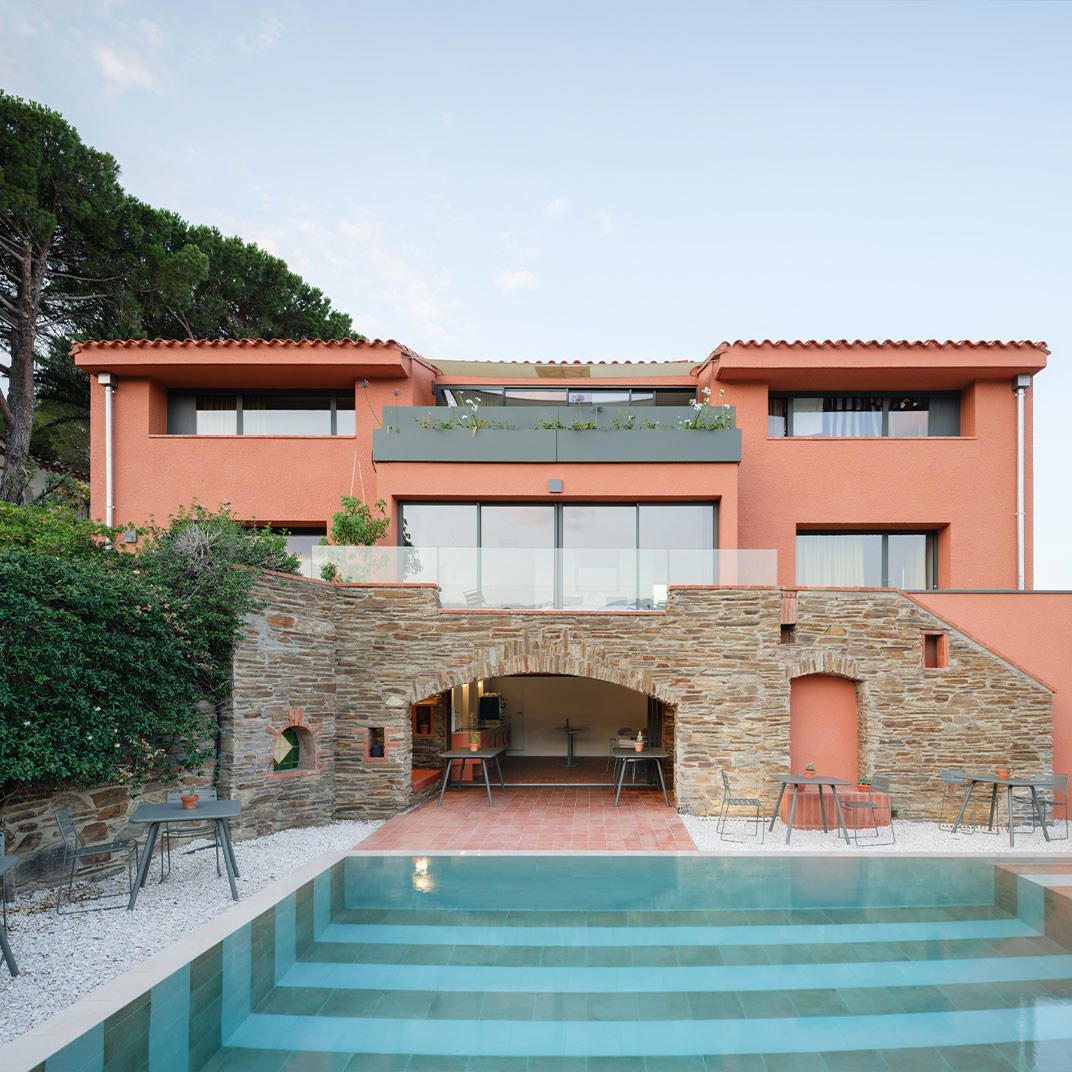
The renovation that gave the restaurant its current form was directed toward a clearer gourmet positioning, which reads in the context of the building's seafront site as a decision to lean into the view rather than abstract away from it. The bay visible from the dining room is the same bay that supplies part of the kitchen's sourcing logic.
Portbou rewards visitors who build around the meal rather than treat it as one stop among many. The town has its own considerable draw independent of the restaurant: the Walter Benjamin memorial on the hillside above the cemetery, the unusual railway architecture of the border crossing, and the relative quiet of a functioning Catalan town that has not been reshaped by tourism. For accommodation options during a stay, our full Portbou hotels guide covers the local offer. Those who want to extend the visit into wine, bars, or cultural experiences will find further orientation in our Portbou wineries guide, our bars guide, and our experiences guide.
Where Voramar Sits in the Broader Spanish Picture
Spain's Michelin-starred restaurant tier now covers a wide geographic spread, from urban multi-star addresses to coastal and rural single-star houses. At the metropolitan and multi-star end, the peer references include Disfrutar in Barcelona, Arzak in San Sebastián, DiverXO in Madrid, and Martin Berasategui in Lasarte-Oria. Further along the coast, Quique Dacosta in Dénia and Aponiente in El Puerto de Santa María represent coastal single-town destination restaurants that have built reputations drawing guests specifically to their locations. Azurmendi in Larrabetzu, Mugaritz in Errenteria, Ricard Camarena in València, and Atrio in Cáceres each demonstrate how starred cooking in Spain has spread well beyond the major cities into towns and regions that require a specific journey.
Voramar belongs to that provincial destination tier, priced at €€€ rather than the €€€€ commanded by Spain's multi-star addresses. For international reference points in contemporary cuisine at a similar ambition level, César in New York City and Jungsik in Seoul operate in comparable territory, though in very different urban contexts.
Planning a Visit
The practical arithmetic of visiting Voramar is important to understand before booking. Service runs for a single lunch sitting, one hour daily, Tuesday and Wednesday closed, which means the effective weekly availability is five lunch sessions with no dinner service. This is not unusual for serious restaurants in small Spanish coastal towns, where the rhythm of the kitchen and the logistics of sourcing fresh product daily favour a single concentrated service rather than split shifts. Guests arriving by train from Barcelona or Perpignan will find Portbou on the main rail line connecting the two countries; the station is within walking distance of the restaurant. Those driving the coast road from Cadaqués or Llançà will find the promenade directly accessible from the main seafront route. Booking well in advance is advisable given the limited weekly capacity: five one-hour lunch services in a family-run room of unknown seat count represents a small window. Contact directly via the address at Passeig de la Sardana 6, Portbou, Girona, for reservation enquiries.
Frequently asked questions
Is Voramar a family-friendly restaurant?
The format — two structured tasting menus at €€€ pricing in a Michelin-starred room — is built around adult diners looking for a focused, seated lunch. The single one-hour service window and tasting menu structure leave little room for flexible ordering, which makes it a less natural fit for young children. Families with older teenagers comfortable in a serious dining setting will find it more practical.
What should I expect atmosphere-wise at Voramar?
The dining room occupies a renovated seafront building on Passeig de la Sardana overlooking Portbou's bay, so the setting is coastal rather than urban. The atmosphere sits closer to a focused Girona-region Michelin house than a resort restaurant — attentive family-run service, a clear gourmet intent, and a room that takes cooking seriously without the formality of a city two-star. The surrounding town is a small Catalan border settlement, which keeps the overall register grounded.
What awards or recognition does Voramar have?
Voramar has received recognition including: Situated right on the seafront, where it enjoys good views of Portbou’s bay and beach, this family-run restaurant providing attentive service has been renovated to offer a clear gourmet focus. The cuisine, in the hands of young chefs Guille….
What do regulars order at Voramar?
Voramar operates exclusively through its two tasting menus — Petit Voramar and Gran Voramar — so there is no à la carte selection to navigate. Both menus open with the Vora appetiser section, a nod to the restaurant's local nickname. The kitchen's most discussed preparation combines meat and seafood in the same course, with the Cap i Pota veal and Mediterranean red tuna pairing cited in the Michelin record as a representative example of the approach.
In Context: Similar Options
| Venue | Cuisine | Awards |
|---|---|---|
| VoramarThis venue — the venue you are viewing | Contemporary Catalan Fine Dining | 1 Michelin Star · Macarfi 8.1 Food Rating |
| Aponiente | Progressive - Seafood, Creative | Michelin 3 Star |
| Arzak | Modern Basque, Creative | Michelin 3 Star |
| DiverXO | Progressive - Asian, Creative | Michelin 3 Star |
| El Celler de Can Roca | Progressive Spanish, Creative | Michelin 3 Star |
| Quique Dacosta | Creative | Michelin 3 Star |
Recognition history
Dated appearances from independent guides and award organizations, with the underlying list record or original source where available.
Michelin 1 Star
Michelin
Guía Repsol 1 Sol
Guía Repsol
Macarfi 8.1 Food Rating
Macarfi
Full recognition history (5 entries)
Michelin 1 Star
Michelin
Michelin 1 Star
Michelin
Continue exploring
More in Portbou
Restaurants in Portbou
Browse all →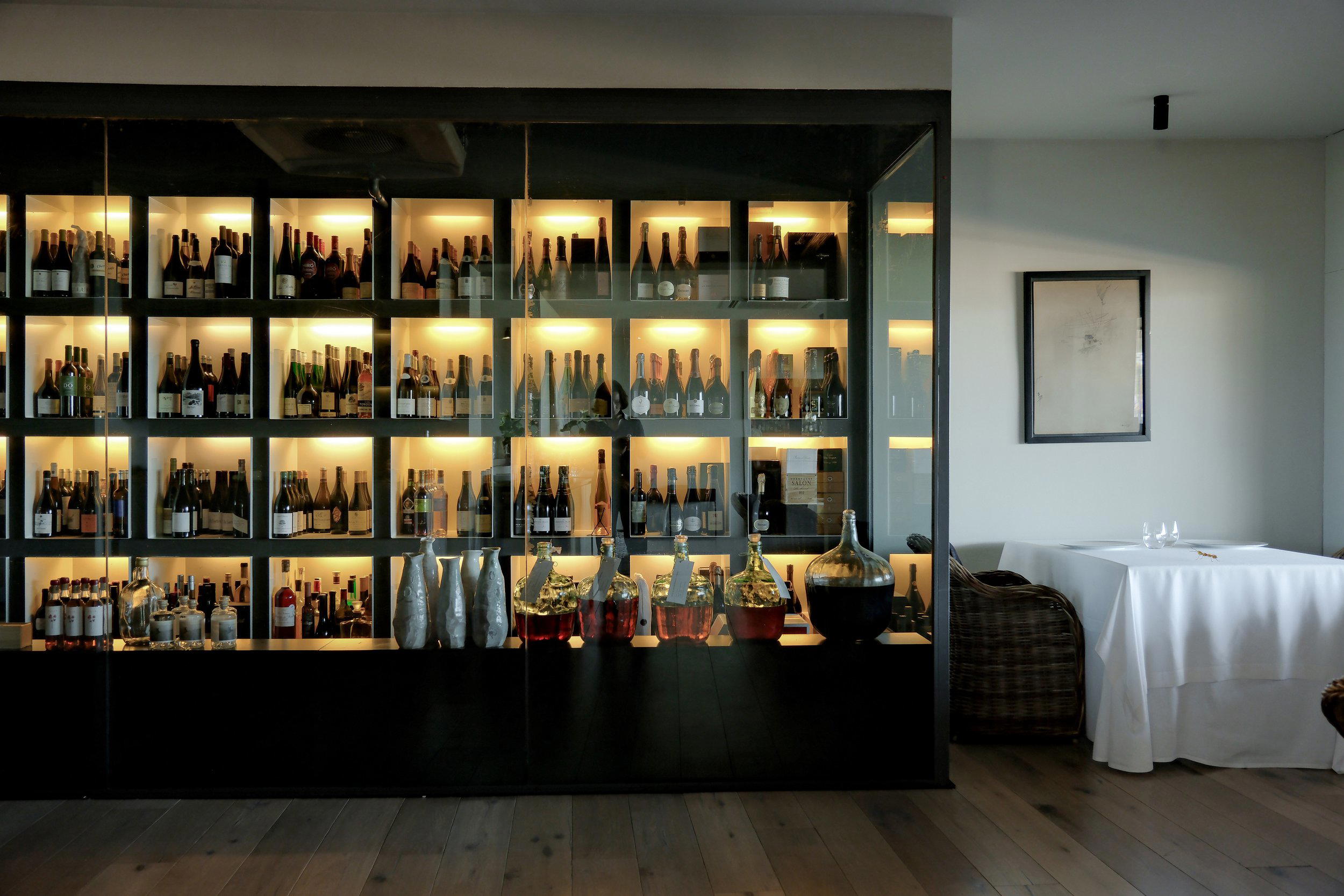
Bars in Portbou
Browse all →
Hotels in Portbou
Browse all →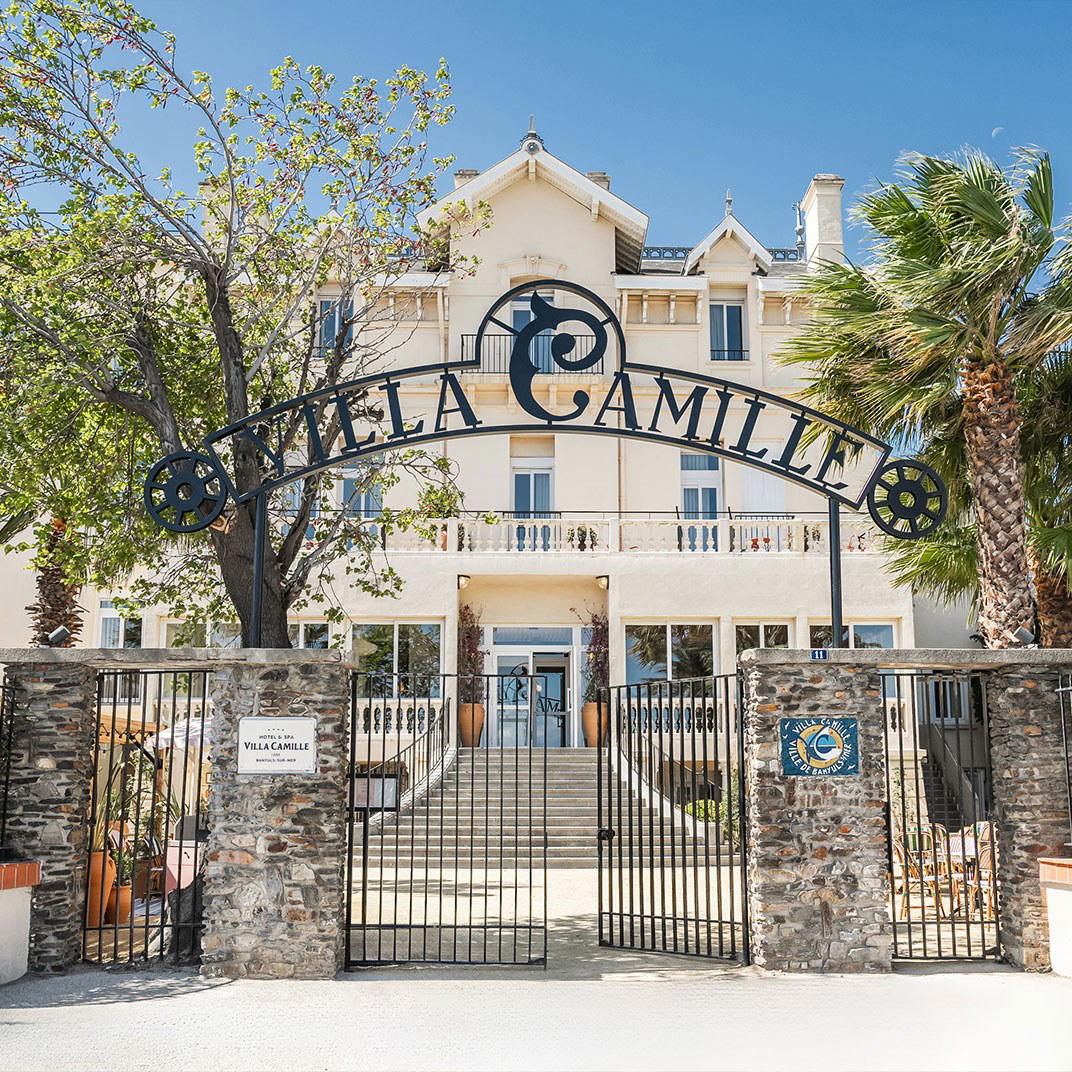

Details
- Scenic
- Cozy
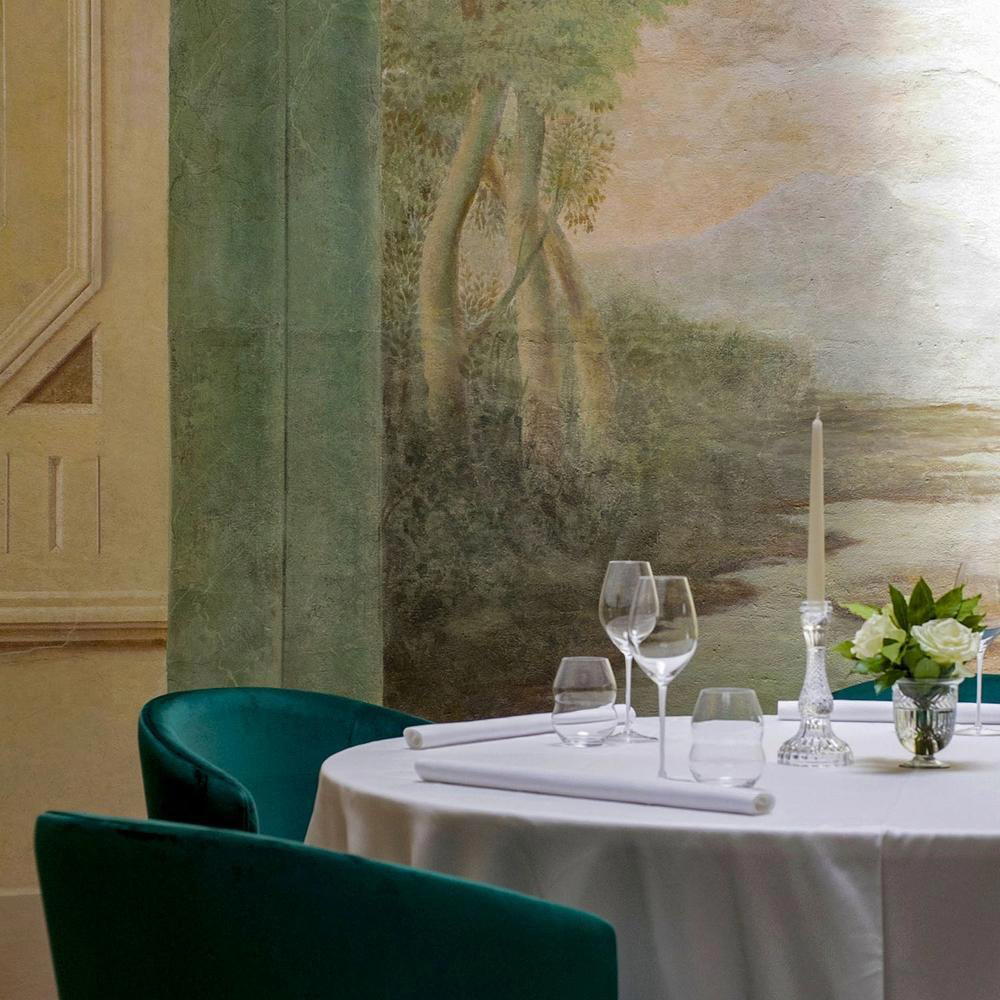
- Elegant
- Intimate
- Special Occasion
- Date Night
- Waterfront
- Standalone
- Extensive Wine List
- Local Sourcing
- Waterfront
- Tasting Menu
Current opening hours
- Monday
- 1–2 PM
- Tuesday
- Closed
- Wednesday
- Closed
- Thursday
- 1–2 PM
- Friday
- 1–2 PM
- Saturday
- 1–2 PM
- Sunday
- 1–2 PM
Hours can change for holidays and private events. Last verified .
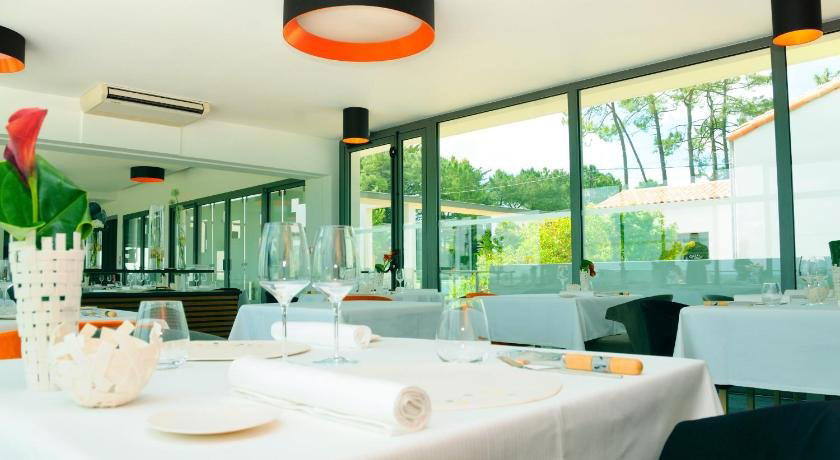
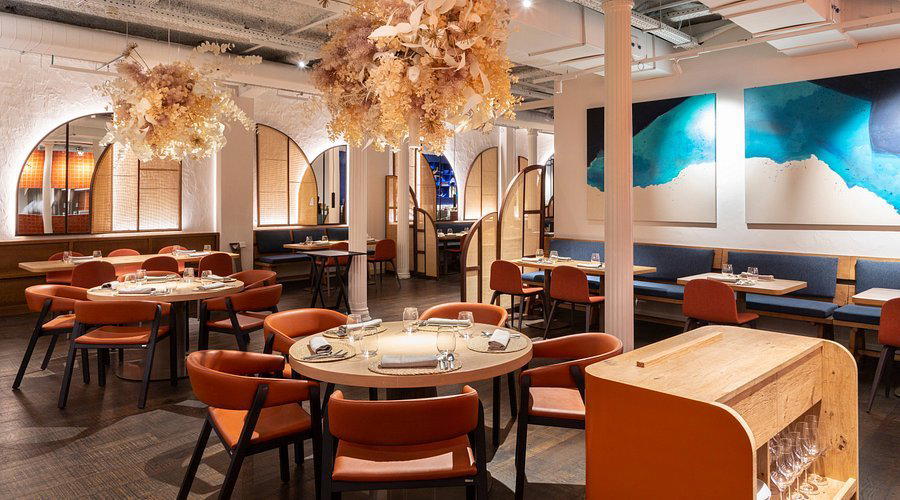
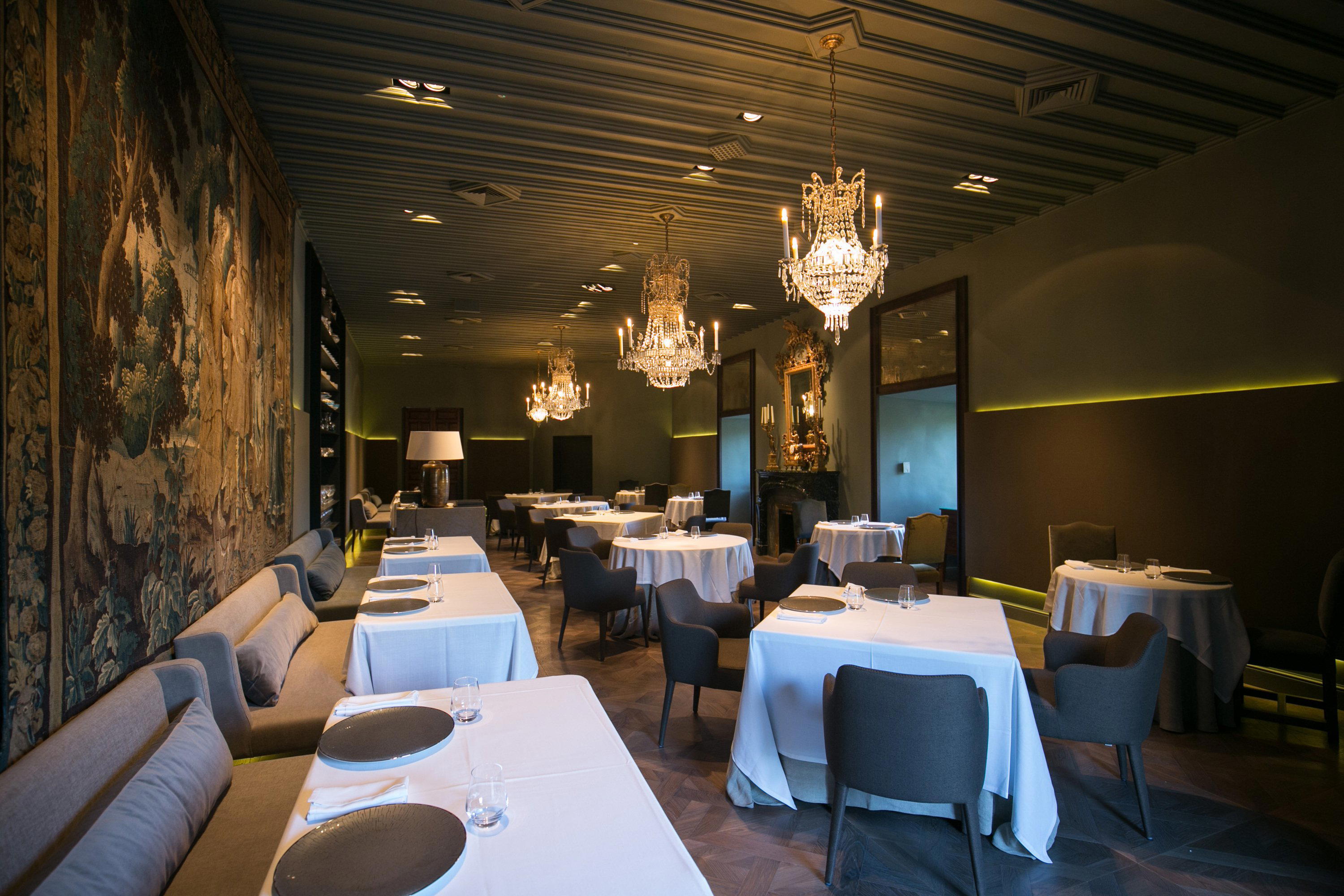
Warm and inviting atmosphere with sea-blue decoration, sunlight on table sculptures, pristine tablecloths, and a welcoming family service.