On Gundulićeva ulica in Zagreb's Lower Town, Vodnjanka occupies a slice of the city's older dining fabric, where konoba-style hospitality and Croatian regional cooking have outlasted successive waves of trend-driven openings. The address places it within easy reach of Tkalčićeva and the Ban Jelačić square corridor, making it a natural stop for those moving between Zagreb's historic and commercial centres.
Pearl is the En Primeur Club membership app — saves, bookings, and concierge access live there. Same editors, same standards.
- Address
- Gundulićeva ul. 16, 10000, Zagreb, Croatia
- Phone
- +38512020597
- Website
- linktr.ee
- Directions
- Get directions
 Saves & bookings on Pearl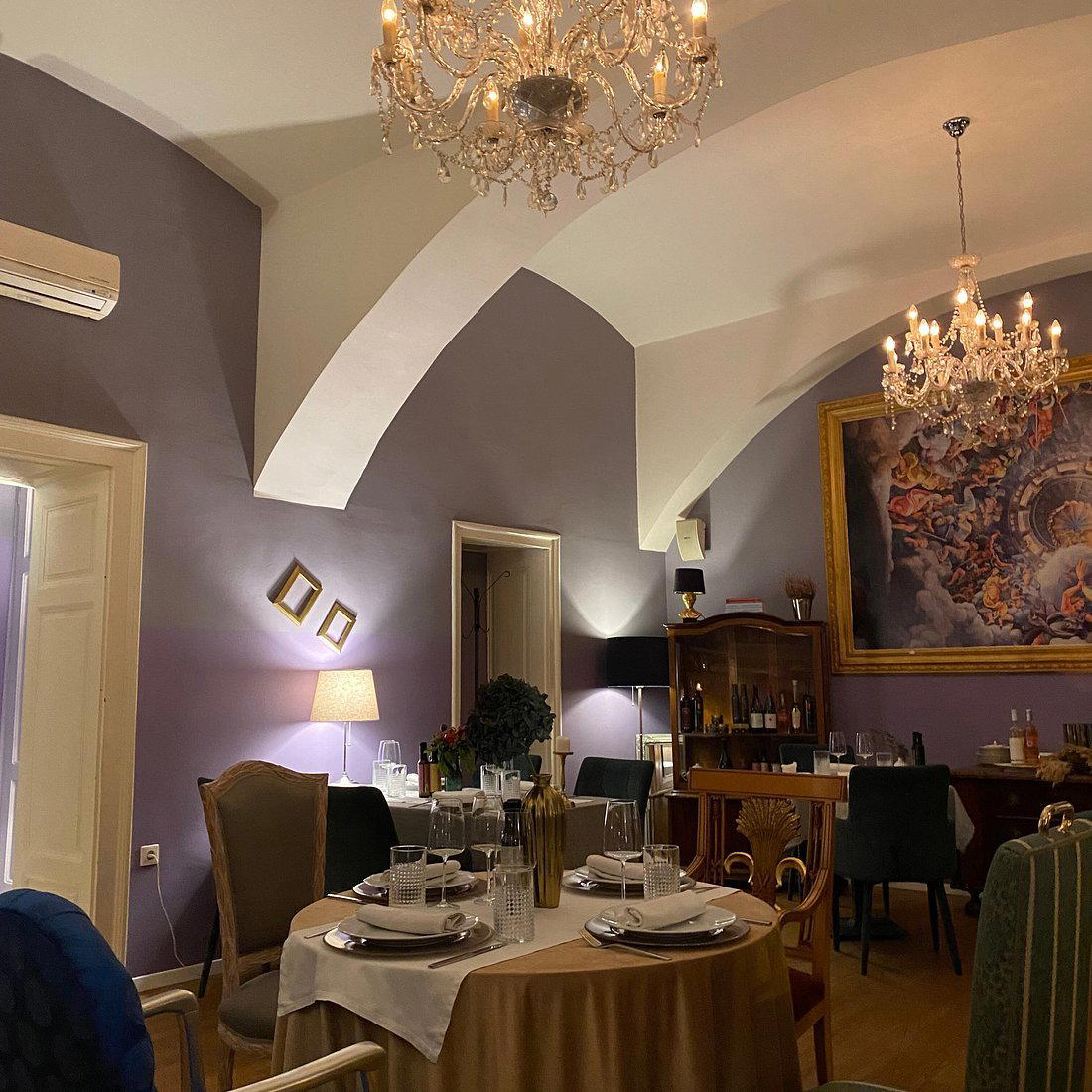
A Street That Remembers Itself
Gundulićeva ulica runs through Zagreb's Lower Town with the quiet assurance of a street that has never needed to reinvent itself. The block sits within the grid that planners laid out in the nineteenth century, and the neighbourhood's character, defined by apartment facades, neighbourhood cafes, and institutions that measure their tenure in decades rather than years, remains more or less intact. In a city where restaurant turnover on the trendier stretches of Tkalčićeva can be brisk, an address on Gundulićeva carries a different kind of signal: longevity over novelty, local patronage over tourist capture.
Vodnjanka is a restaurant at Gundulićeva ul. 16 in Zagreb, serving Authentic Istrian cuisine. The name itself references Vodnjan, a small Istrian town known for its cured meats and its particular version of coastal Croatian cooking, which places the restaurant within a well-established category: the Zagreb konoba that draws on Istrian and broader Adriatic traditions to serve a landlocked city that has always had an appetite for the coast.
The Istrian Tradition in a Continental City
Understanding what Vodnjanka represents requires a brief detour into Croatian culinary geography. Croatia's dining identity splits sharply along the mountain range that separates the continental interior from the Adriatic coast. Zagreb, sitting firmly on the inland side, developed its own culinary register, one rooted in Central European influences, hearty stews, and a tradition of meat-centred cooking that reflects Habsburg-era patterns. The coast, by contrast, runs on olive oil, cured fish, dried figs, and the particular category of air-cured meats for which Istria has become especially internationally recognised Croatian producer.
The tension between these two traditions has played out in Zagreb's restaurant scene for generations. Istrian-inflected venues occupy a specific niche: they offer continental diners access to coastal flavour profiles without the journey to the sea, and they function as a kind of culinary embassy for regions that send their leading products northward. Pršut, the air-dried ham that Istria produces under conditions that parallel Iberian jamón in their specificity of climate and breed, is a central product of this category. Istrian olive oils, which have accumulated international competition medals over the past two decades as the region's producers have shifted toward premium positioning, follow closely behind. A restaurant drawing on this tradition is not merely serving regional food; it is participating in a long-running dialogue between Zagreb and its coastline.
Zagreb's broader restaurant market in this category ranges from casual tavern formats to more polished Croatian regional rooms. Venues like Dubravkin Put (Mediterranean Cuisine) work the Mediterranean end of the spectrum at a higher price point, while Noel (Modern Cuisine) represents the contemporary Croatian fine dining tier that reframes regional ingredients through a more international technical lens. Vodnjanka operates in a different register: the neighbourhood institution where the cooking is expected to be honest and grounded rather than ambitious in a fine-dining sense.
What the Address Signals About the Dining Experience
The physical approach to a restaurant on Gundulićeva tells you something about what the meal will be. This is not the Dolac market side of Zagreb, with its morning energy and tourist proximity, nor is it the bar-heavy stretch north of the cathedral. It is a residential and commercial street with a pace that suits a long lunch or an unhurried dinner rather than a quick turn. That cadence is itself a form of editorial statement about how the venue positions itself: this is a place that expects you to stay, not one optimising for table turnover.
For visitors arriving from outside Zagreb, the address is accessible on foot from the main square in under ten minutes, which places it within the natural walking radius of the city centre without sitting directly in the saturated tourist corridor. Zagreb's compact Lower Town grid means that dining on Gundulićeva can be combined with an afternoon around Zrinjevac park or the museums along Mihanovićeva without requiring transport.
Placing Vodnjanka in Zagreb's Wider Restaurant Map
Zagreb's restaurant scene has shifted considerably over the past decade. The city now holds venues with serious international recognition, including names that compete with coastal Croatian restaurants that have attracted Michelin attention in recent years. Across Croatia more broadly, the fine dining conversation has moved to addresses like Agli Amici Rovinj in Rovinj, Pelegrini in Sibenik, and Restaurant 360 in Dubrovnik, while inland Croatia has produced respected addresses like Korak in Jastrebarsko. On the islands and along the Kvarner coast, Alfred Keller in Mali Losinj, Boskinac in Novalja, and Nebo by Deni Srdoč in Rijeka occupy different tiers of the coastal dining market. Further south, LD Restaurant in Korčula and Krug in Split anchor the Dalmatian end of the spectrum.
Within Zagreb itself, the contemporary options now extend to Izakaya (Japanese Contemporary) at the accessible end of the price range and neighbourhood favourites like Al Dente and Amfora covering Italian and seafood ground respectively. Vodnjanka sits in a different part of this map: the Croatian regional category that prioritises product provenance and traditional preparation over technical display.
Internationally, the comparison points for this style of cooking are not restaurants like Le Bernardin in New York City or Atomix in New York City, which represent a different mode of ambition. The relevant comparison is the European neighbourhood institution that survives on the quality of its sourcing and the consistency of its hospitality rather than on tasting menus and critical attention. That is a harder category to maintain than it looks, and the restaurants that manage it over long periods tend to become load-bearing parts of their city's dining identity.
Planning Your Visit
Gundulićeva 16 is reachable on foot from Ban Jelačić Square in approximately eight minutes, making it a natural endpoint for an afternoon in the Lower Town. Reservations are recommended, and the restaurant is open Monday through Saturday from 11 AM to 12 AM, with Sunday closed. Zagreb's neighbourhood konoba category generally operates a walk-in policy for smaller parties during off-peak hours, though Friday and Saturday evenings at well-regarded addresses tend to fill ahead of service. For wider Croatian coastal dining on the same trip, BioMania Bistro Bol in Bol on the island of Brač offers a contrasting reference point for what the Dalmatian island dining scene looks like at a similar neighbourhood register.
Price and Recognition
Comparable venues nearby, for context on price, style, and recognition.
| Venue | Cuisine | Price | Notes |
|---|---|---|---|
| VodnjankaThis venue — the venue you are viewing | Lower Town, Authentic Istrian | $$$ | Not listed |
| Vinodol | Downtown, Traditional Croatian | $$ | Not listed |
| Trilogija Fino&Vino | Not listed | $$ | Kaptol, Contemporary Croatian with Mediterranean Influences |
| Reunion POP | Not listed | $$ | City Centre, Modern Croatian Mediterranean |
| Kaiser | Not listed | $$ | Kajzerica, Authentic Croatian Seafood and Grill |
| Okrugljak | Mlinovi, Traditional Croatian | $$$ | Not listed |
Continue exploring
More in Zagreb
Restaurants in Zagreb
Browse all →
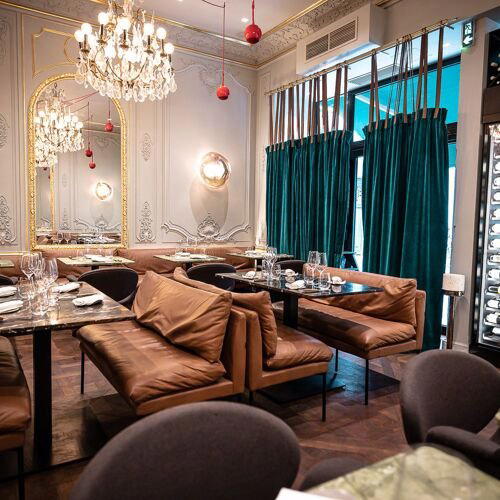
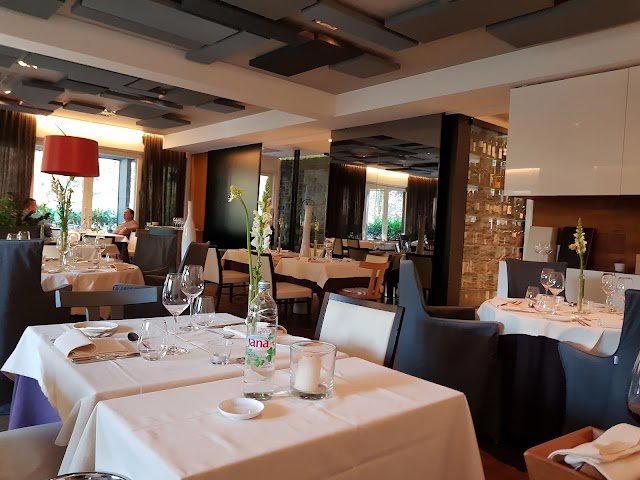
Bars in Zagreb
Browse all →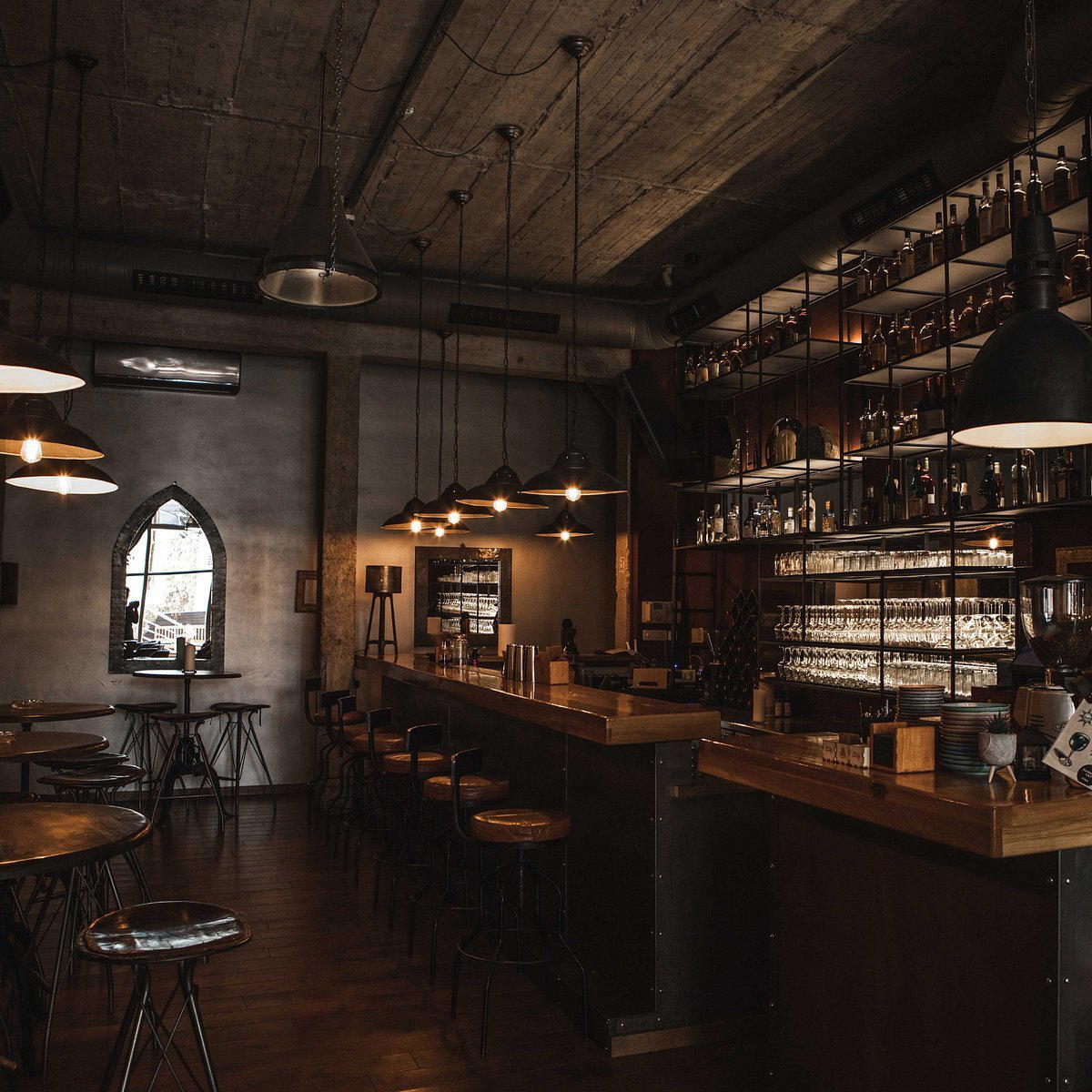
Hotels in Zagreb
Browse all →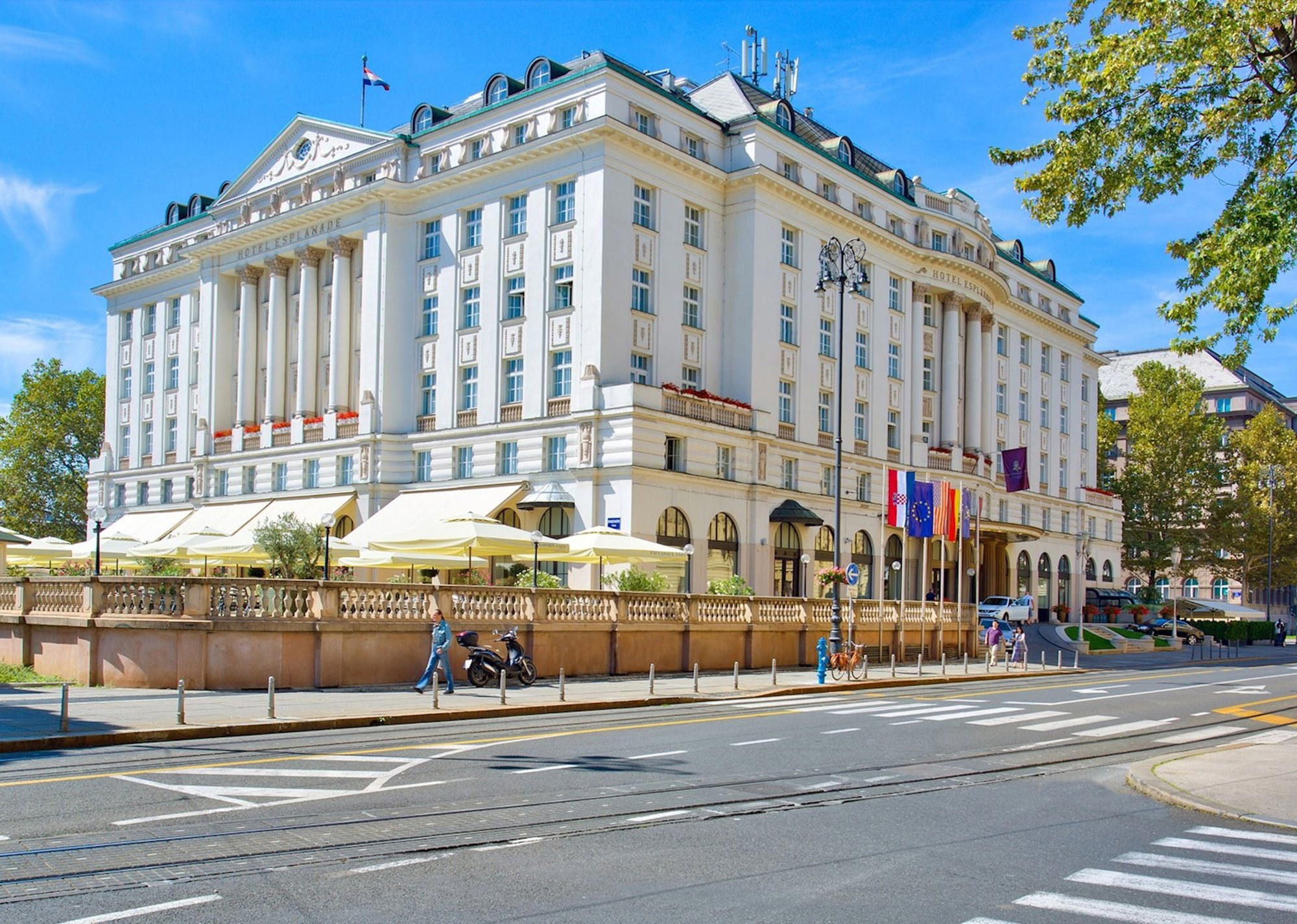
At a Glance
- Cozy
- Classic
- Intimate
- Special Occasion
- Family
- Date Night
- Historic Building
- Extensive Wine List
- Local Sourcing
Current opening hours
- Monday
- 11 AM–12 AM
- Tuesday
- 11 AM–12 AM
- Wednesday
- 11 AM–12 AM
- Thursday
- 11 AM–12 AM
- Friday
- 11 AM–12 AM
- Saturday
- 11 AM–12 AM
- Sunday
- Closed
Hours can change for holidays and private events. Last verified .
Cozy and warm atmosphere in an apartment converted into a restaurant, with attentive service evoking home-cooked Istrian traditions.