Okrugljak has been a fixture of Zagreb's dining tradition since the mid-twentieth century, drawing generations of regulars to its address on Mlinovi in the city's leafy upper district. The kitchen leans into the kind of continental-Croatian cooking that predates food trends: slow-roasted meats, clear stocks, and seasonal produce handled without theatrical intervention. For visitors trying to read Zagreb's culinary character rather than its Instagram moment, this is a reliable starting point.
Pearl is the En Primeur Club membership app — saves, bookings, and concierge access live there. Same editors, same standards.
- Address
- Mlinovi 28, 10000, Zagreb, Croatia
- Phone
- +38514674112
- Website
- okrugljak.hr
- Directions
- Get directions
 Saves & bookings on Pearl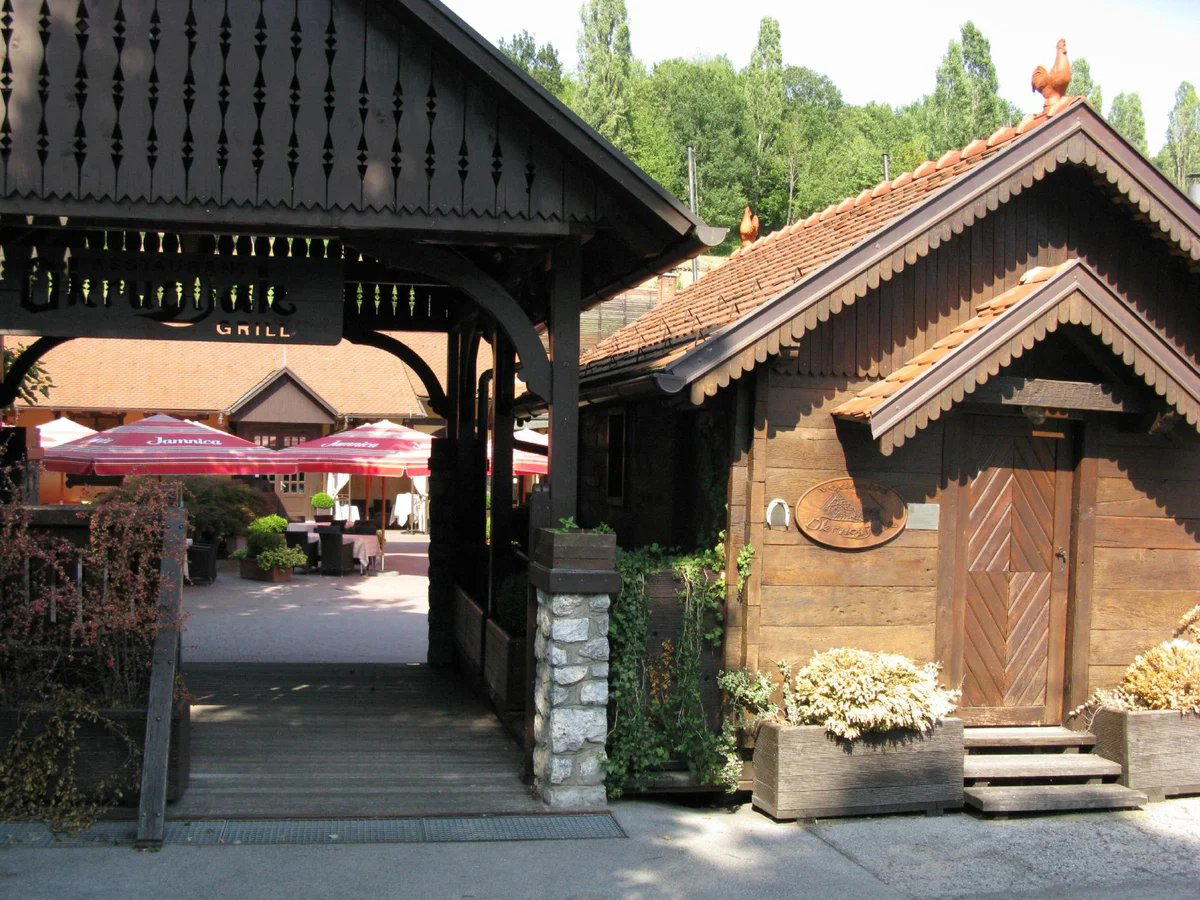
What the Regulars Already Know
The road up to Mlinovi climbs away from Zagreb's Lower Town grid into a quieter residential belt where the city's older professional class has always lived, entertained, and eaten. In that context, Okrugljak is less a destination restaurant than a neighbourhood institution of the kind that European cities used to produce routinely and now struggle to sustain: a place whose clientele is measured in decades rather than months, where the loyalty of regulars functions as the primary quality signal. First-time visitors arrive to find a dining room that has clearly not been styled for social media. The people around them, however, look entirely at ease, which is usually the more reliable indicator of where a restaurant stands.
Zagreb's dining scene has developed two distinct registers in recent years. One is oriented toward modern European tasting menus and international reference points, places like Noel (Modern Cuisine) at the €€€€ tier, or the creative ambition visible at venues that trade in seasonal surprise. The other register is older, quieter, and harder to read from the outside: restaurants that have never needed to announce themselves because their audience already knows where to find them. Okrugljak belongs firmly to the second category, which in a city increasingly shaped by the first is its own form of distinction.
The Cooking Tradition Behind the Loyalty
Continental Croatian cooking is a specific thing, often misread by visitors expecting either Adriatic seafood or Central European beer-hall fare. It draws from Austro-Hungarian civic dining, the kind of bourgeois restaurant culture that shaped Vienna, Budapest, and Ljubljana in equal measure, but it has been inflected over generations by local ingredients, local habits, and the particular conservatism of a city that takes its lunch seriously. The repertoire tends toward slow-cooked meats, game in colder months, structured sauces that reflect French classical influence filtered through a century of local interpretation, and vegetables treated as genuine components rather than garnish. This is not peasant food dressed up, nor is it Alpine rusticity. It is urban, considered, and calibrated for a clientele that eats well at home and therefore holds restaurants to a standard rooted in domestic memory.
That dining tradition finds several expressions across Zagreb. Dubravkin Put (Mediterranean Cuisine) at the €€€ tier tilts toward the coastal register, with Mediterranean references that reflect Croatia's split culinary identity. Okrugljak holds a different position: resolutely continental, resistant to trend, and constituted by the kind of cooking that improves with repetition rather than novelty. For regulars, that repetition is the point. They return because the dishes they remember from previous visits are there to meet them again, consistent not through laziness but through accumulated craft.
What Repeat Visits Reveal
The logic of a regulars' restaurant operates differently from a destination or tasting-menu venue. There is no single signature dish in the sense that critics mean it, a plated showpiece engineered for photography and maximum impact on a first encounter. Instead, there is what long-standing customers describe as the unwritten menu: the preparations they have been ordering for years that never appear as specials or promotions because they do not need to. In continental Croatian kitchens of this type, this usually means roasted meats prepared to a consistent internal temperature and resting time, stocks that have been made the same way for long enough to have a recognisable character, and seasonal produce handled with the directness that comes from knowing your supplier rather than rotating through market trends.
This is the kind of institutional cooking that Zagreb's older dining institutions share across their better addresses, and it is worth understanding before comparing Okrugljak to younger competition. The reference set is not Izakaya (Japanese Contemporary) or Al Dente, whose ambitions run in a different direction. It is closer to the civic restaurant tradition that persists across Central Europe: places where a table of six people who have known each other for thirty years can eat comfortably, predictably, and well.
Zagreb in Broader Croatian Context
Understanding Okrugljak is partly a matter of understanding Zagreb's position within Croatian dining more broadly. The country's most internationally recognised restaurants have generally clustered on the coast, Restaurant 360 in Dubrovnik, Pelegrini in Sibenik, Agli Amici Rovinj in Rovinj, LD Restaurant in Korčula, and Nebo by Deni Srdoč in Rijeka represent the country's rising Adriatic and modern-European tier. Inland, venues like Boskinac in Novalja, Alfred Keller in Mali Losinj, and Korak in Jastrebarsko hold reputations built partly on regional provenance. Zagreb's own strong addresses include Amfora at the fresh-seafood end of the spectrum.
Within that field, Okrugljak represents Zagreb's most durable civilian dining tradition: the city's own record of feeding itself, unperturbed by coastal seasonality or international critic cycles. Visitors coming from the coast who are accustomed to the maritime register of Croatian cooking will find the continental kitchen here a genuine shift in orientation, heavier, more sauce-forward, more indebted to the city's Central European inheritance than to the olive-oil-and-grilled-fish simplicity of the Dalmatian table. Both are Croatian cooking; they simply reflect different centuries of influence. For a broader view of what Zagreb's restaurant scene looks like across its different registers, the full Zagreb restaurants guide maps the competitive field.
Planning Your Visit
Okrugljak sits at Mlinovi 28 in the residential upper district, comfortably removed from the tourist circuits of the Lower Town and Dolac market area. The address rewards visitors who are willing to travel a few minutes out of the central hotel zone, by taxi or rideshare, Lunch tends to be the meal that regulars favour, consistent with continental Croatian dining culture where the midday meal carries more weight than in Western European cities. Arriving without a reservation is a risk that first-time visitors are better off not taking at a restaurant of this type, where tables are allocated to known faces first. Booking in advance is is the standard approach.
Style and Standing
Comparable venues nearby, for context on price, style, and recognition.
| Venue | Cuisine | Price | Notes |
|---|---|---|---|
| OkrugljakThis venue — the venue you are viewing | Traditional Croatian | $$$ | Not listed |
| SOL tapas na hrvatski | Croatian Tapas | $$ | centar |
| Stari Fijaker | Traditional Croatian Zagreb-Zagorje | $$ | Lower Town |
| Amélie | French-Inspired Pastry Shop & Cafe | $$ | Gornji Grad |
| Batak Centar Cvjetni | Croatian Barbecue Grill | $$ | Centar Cvjetni |
| Kod Pere | Traditional Croatian | $$ | Gornji Grad |
Continue exploring
More in Zagreb
Restaurants in Zagreb
Browse all →
Bars in Zagreb
Browse all →
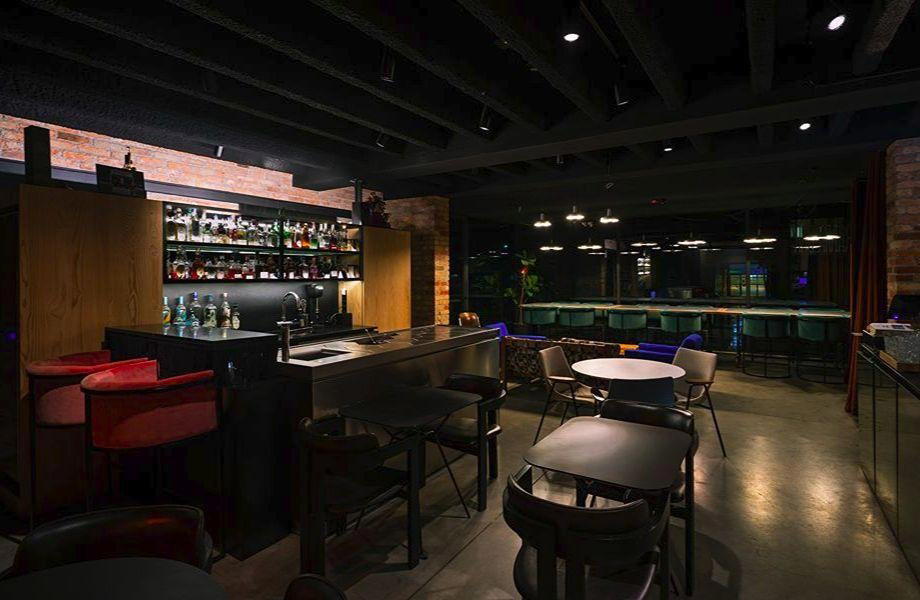
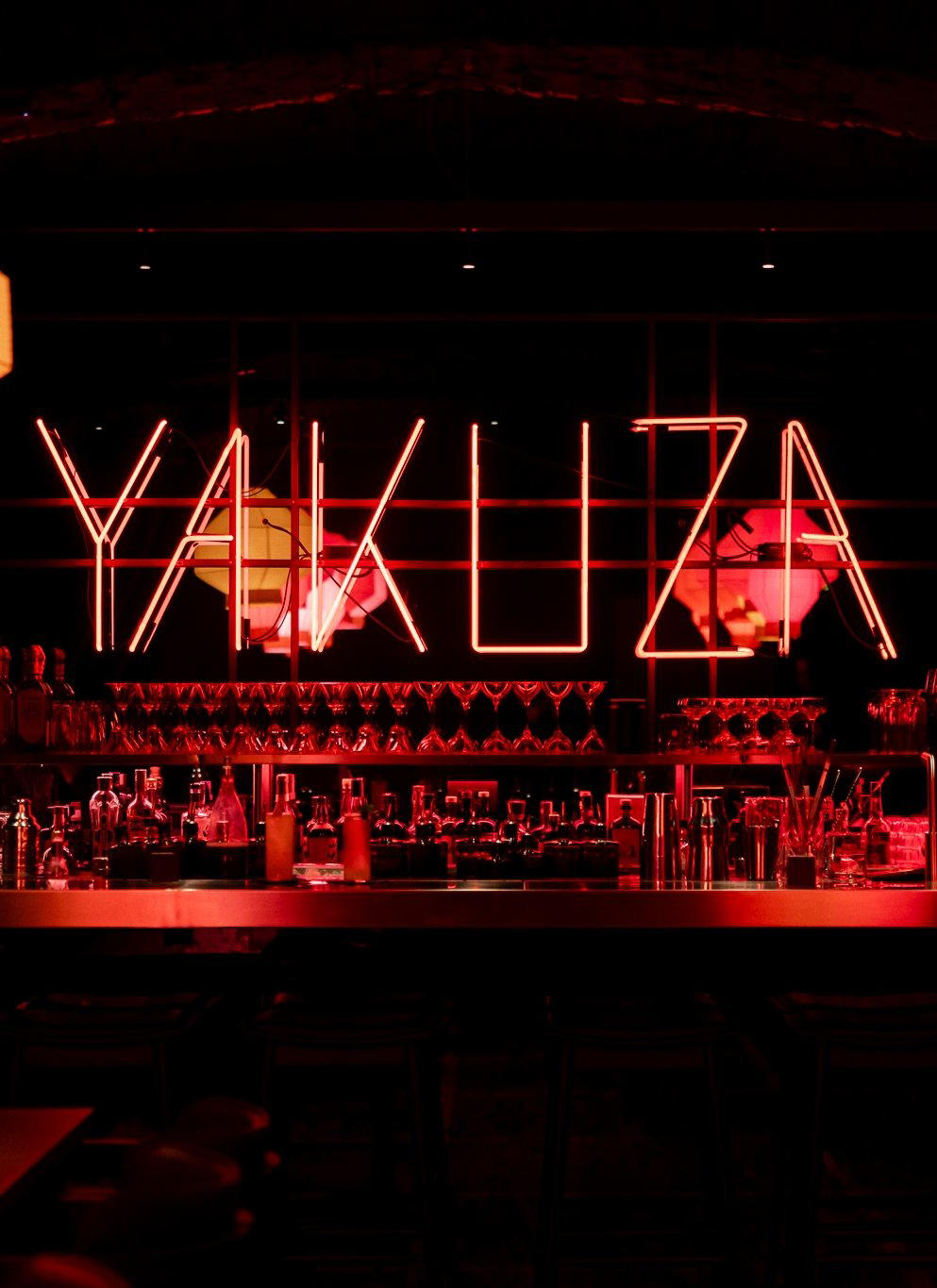
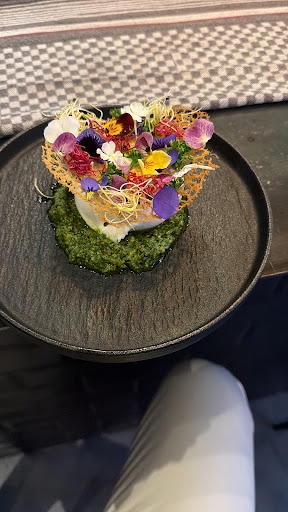
Hotels in Zagreb
Browse all →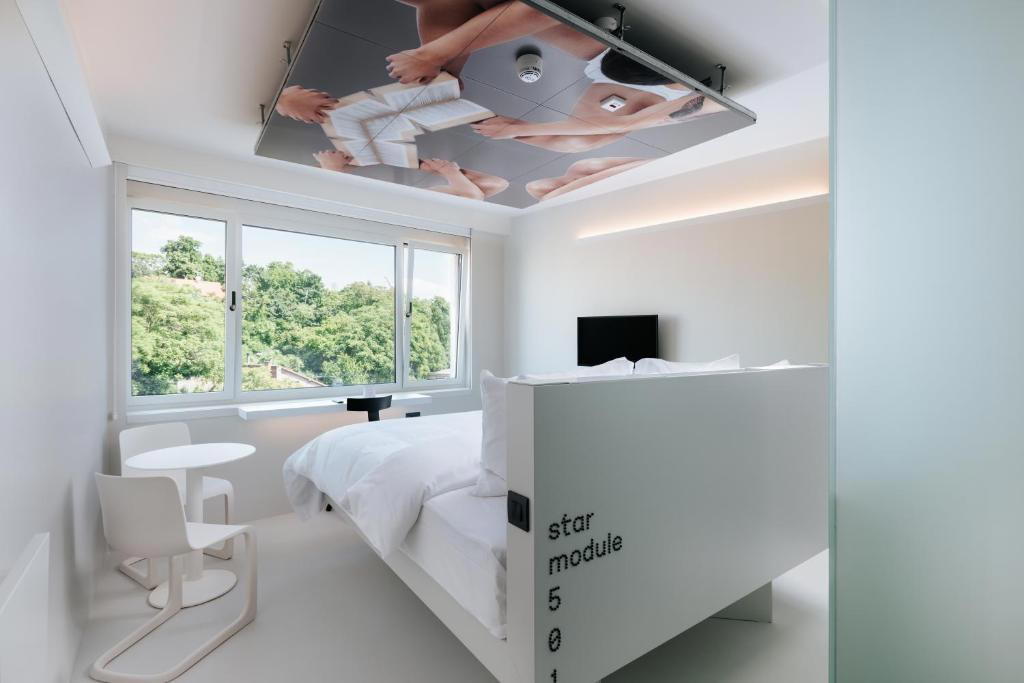

At a Glance
- Rustic
- Classic
- Cozy
- Family
- Celebration
- Historic Building
- Local Sourcing
Current opening hours
- Monday
- Closed
- Tuesday
- 12:30–11 PM
- Wednesday
- 12:30–11 PM
- Thursday
- 12:30–11 PM
- Friday
- 12:30–11 PM
- Saturday
- 12:30–11 PM
- Sunday
- 12:30–9 PM
Hours can change for holidays and private events. Last verified .
Rustic interior dominated by massive Slavonic oak beams and traditional folk patterns, creating a cozy, old-world hunting lodge atmosphere.