Our verdict
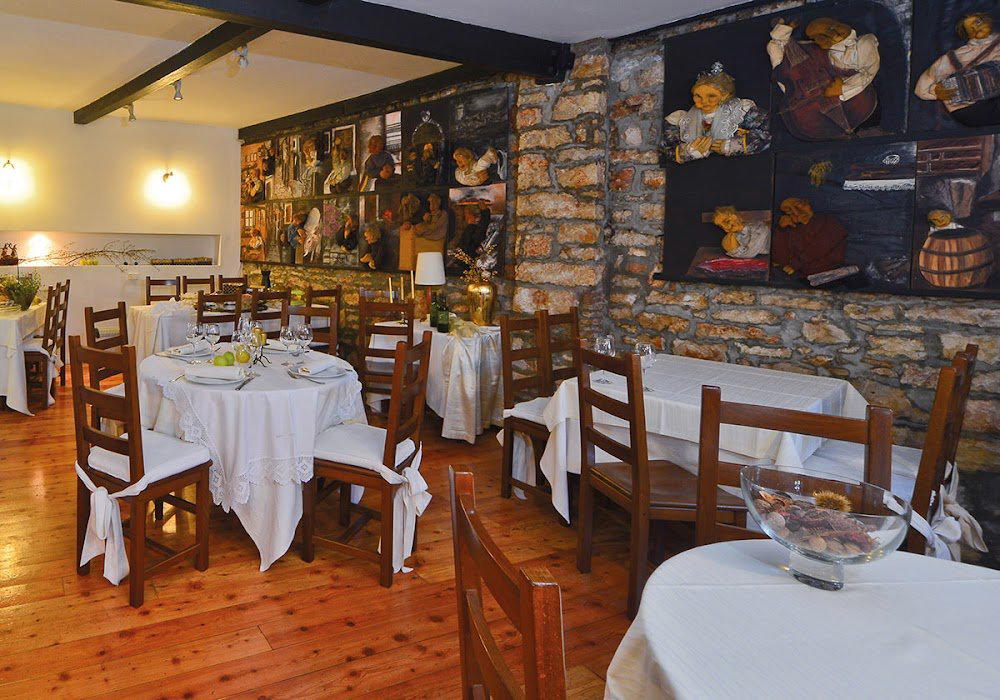
Vodnjanka serves Traditional Istrian cooking in a historic building, with local sourcing, an extensive wine list, and a leisurely, conversational pace.

Pearl is the En Primeur Club membership app — saves, bookings, and concierge access live there. Same editors, same standards.
The menu
What to order
- Homemade prosciutto and cheese
- Pljukanci
- Manestra
- Truffle pasta
Stone Town, Market Tables, and the Istrian Larder
Vodnjan sits inland from the Istrian coast, a compact medieval town whose stone streets and Venetian-era facades draw visitors mostly en route to Rovinj or Pula. The town's dining scene operates at a remove from the tourist-facing restaurants of the coastal resorts, and that distance shapes everything about how and what a place like Vodnjanka serves. Addresses here draw from a local agricultural belt that is, by European standards, unusually intact: Istria's olive groves, truffle grounds around Motovun and Buzet, sheep pastures, and small wine estates feed a cooking tradition that predates modern supply chains. The ingredient story here is less a sales proposition than a structural fact of the region.
Istria as a food-producing peninsula punches above its size. The Istrian truffle harvest, concentrated in the forests around Buzet, supplies restaurants across Europe, yet the peninsula's own kitchens have the first claim. Local olive oil, cold-pressed from Buža and Rosinjola varieties, carries Protected Designation of Origin status and circulates through local restaurants at a quality level rarely matched outside specialist delis in larger cities. For a restaurant in a town like Vodnjan, proximity to these sources is a geographic advantage that few coastal addresses can match. Vodnjanka sits on Istarska ulica, at the edge of the old town, placed within that agricultural context rather than outside it.
What the Table Reflects
Istrian cooking at the serious end of the local-restaurant tier is not a simplified cuisine. It draws on centuries of Venetian, Austro-Hungarian, and Slavic influence while anchoring itself to a small set of high-quality primary ingredients: truffles, seafood from the Adriatic, cured meats, sheep's milk cheese, and the peninsula's wines, chiefly Malvazija Istarska and Teran. The tension between those external influences and the available larder produces food that reads simultaneously as Italian-adjacent and distinctly its own thing.
For context, the Istrian restaurants that have attracted the most international attention operate at the €€€€ tier: Agli Amici Rovinj in Rovinj represents the contemporary Italian end of Istrian fine dining, while further along the Croatian coast, Pelegrini in Sibenik and Restaurant 360 in Dubrovnik demonstrate how the broader Adriatic restaurant scene has developed a credible modern-Mediterranean high end. Vodnjan's own address occupies a quieter register. The town does not have the resort infrastructure of Rovinj or the tourist volume of Dubrovnik, which means its restaurants function primarily for a local and regional clientele. That audience calibrates expectations differently: less performance, more repetition, more dependence on what arrives from farms and markets that week.
Across Croatia's more considered regional tables, from Dubravkin Put in Zagreb to Boskinac in Novalja, the most coherent kitchens are those built on stable sourcing relationships rather than rotating concept menus. In Istria, that model is almost structural: the peninsula's producers are sufficiently well-known to give any kitchen access to credentialed ingredients. The editorial interest in Vodnjanka lies in whether a small-town address within that network produces food that reflects its sources honestly.
Planning a Visit
Vodnjan is accessible by car from Pula in under twenty minutes and sits along the main inland road connecting Pula to Rovinj. It operates on Istrian time: lunches run long, particularly in summer, and the pace of service in smaller local restaurants matches the rhythm of a town that has not been restructured for tourist throughput. Visitors arriving from busier coastal addresses should adjust expectations accordingly. No booking platform or phone number is listed for Vodnjanka at present; for addresses of this type in smaller Istrian towns, walking in or making contact through the local tourist office is the practical approach, particularly outside the July-August peak. Spring and early autumn represent the most productive times to visit Istria for food: truffle season in autumn runs from September through January for the white variety and extends through spring for black truffles, and the olive harvest in November marks one of the peninsula's most ingredient-focused periods.
Travellers building a wider Istrian itinerary can cross-reference our full Vodnjan restaurants guide for additional addresses in the area. The broader Croatian coastal circuit is well documented across the EP Club network: Nebo by Deni Srdoč in Rijeka represents the northern Adriatic's more technically ambitious end, while Krug in Split and LD Restaurant in Korčula anchor the Dalmatian mid-coast. For those arriving from or departing to the islands, Bodulo in Pag and Alfred Keller in Mali Losinj round out the Adriatic island tier. Inland, Korak in Jastrebarsko and Cantilly Garden Restaurant in Samobor provide continental Croatian comparators. On the Kvarner coast, Cubo in Opatija and Burin in Crikvenica offer additional regional framing. For ingredient-sourcing models taken further toward the fine-dining end internationally, BioMania Bistro Bol in Bol and, at a global tier, Le Bernardin in New York City and Atomix in New York City demonstrate how sourcing discipline operates at different scales and price points.
Frequently asked questions
Is Vodnjanka a family-friendly restaurant?
Vodnjan is a small medieval town on the Istrian peninsula, and neighbourhood restaurants at this address tend to serve a broad cross-section of locals and visitors, including families. Vodnjanka sits on Istarska ul. 22B in the town centre, a setting that reflects the relaxed, communal character of Istrian dining culture rather than a formal or adults-only format.
Is Vodnjanka formal or casual?
Vodnjanka operates within the local-restaurant tier of Vodnjan, a town known for stone-street dining with Venetian-era surroundings rather than white-tablecloth formality. Expect a casual register consistent with Istrian trattorias, where the emphasis sits on the food and the setting rather than ceremony.
What makes Vodnjanka a good base for exploring Istrian cuisine in the Vodnjan area?
Vodnjan sits roughly twenty minutes by car from Pula and along the direct inland route to Rovinj, placing Vodnjanka at a practical midpoint within Croatia's most celebrated food-producing peninsula. Istria's culinary reputation rests on indigenous ingredients — Motovun truffles, Istrian prosciutto, and Malvazija wine — that define the regional table at every serious local restaurant in the area, including those on Istarska ul. in Vodnjan itself.
What do regulars order at Vodnjanka?
Istrian cooking in the Vodnjan area draws on truffle, wild asparagus, cured meats, and the shellfish and fish that reach inland from the Adriatic. Regulars at a restaurant rooted in this regional larder typically anchor their orders around these staples, alongside local Istrian wines produced within the peninsula.
Where do I go for Vodnjanka?
Vodnjanka is located at Istarska ul. 22B, 52215, Vodnjan, Croatia, Vodnjan.
Do I need a reservation for Vodnjanka?
Vodnjan draws visitors primarily in summer months, when traffic between Pula and Rovinj increases pressure on smaller local restaurants.
Comparable Spots, Quickly
Comparable venues nearby, for context on price, style, and recognition.
| Venue | Cuisine | Price | Notes |
|---|---|---|---|
| VodnjankaThis venue — the venue you are viewing | Traditional Istrian | $20–30 | Not listed |
| Restoran Katarina | Mediterranean Istrian Seafood | $20–30 | Marina Polesana |
| Puli Pineta | Traditional Istrian | $30–50 | Zminj |
| Rosemary | Mediterranean Seafood | Not listed | Mali Losinj |
| Kažun Tavern | Traditional Istrian Mediterranean | $20–30 | Pula center |
| La Parenzana | Contemporary Mediterranean with Istrian Influences | $30–50 | Buje |
Continue exploring
More in Vodnjan
Restaurants in Vodnjan
All restaurants in Vodnjan →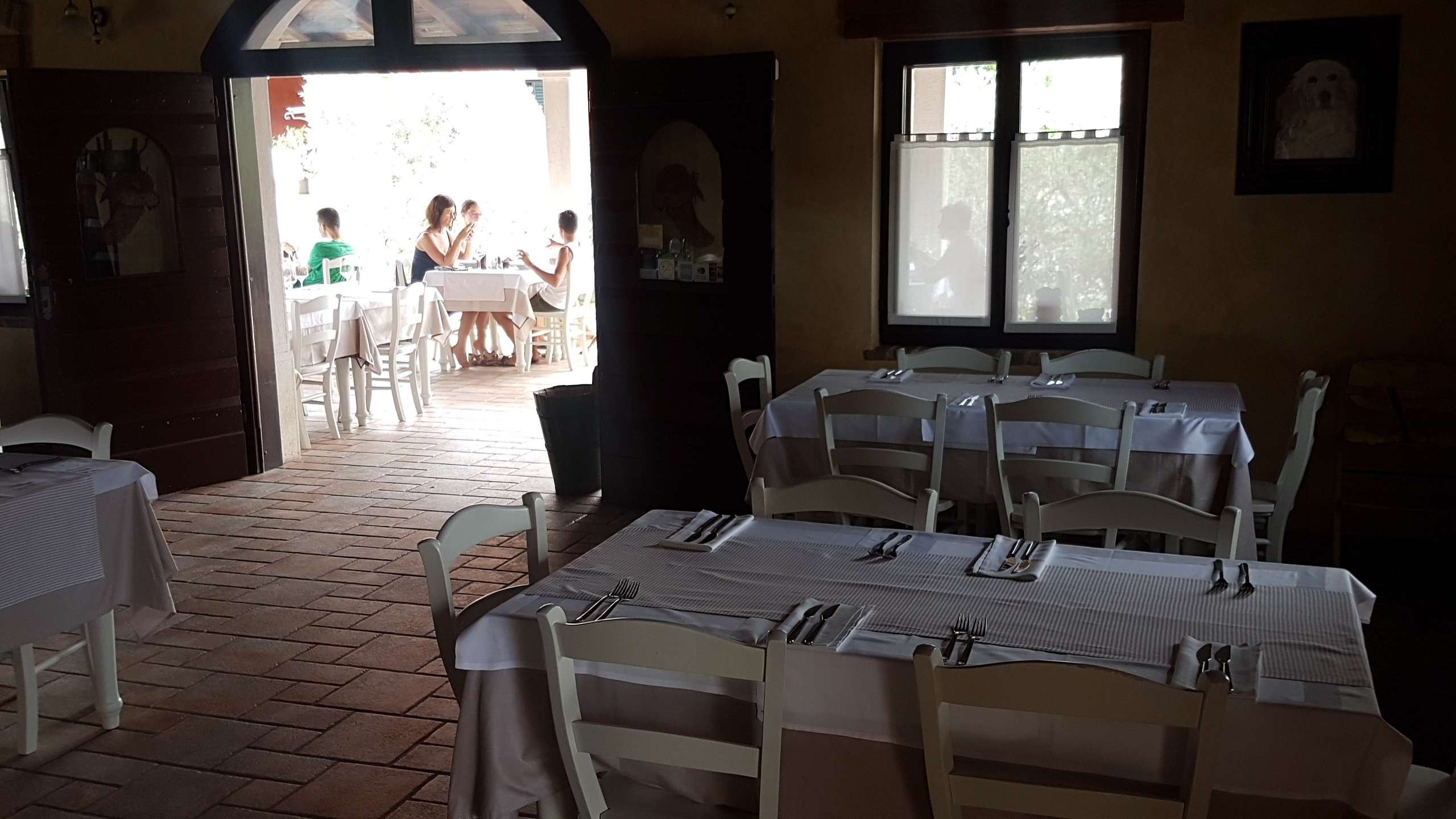
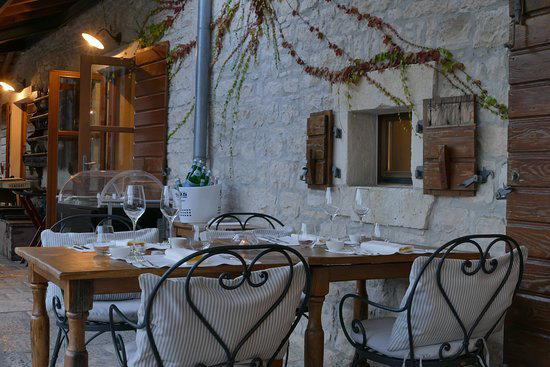
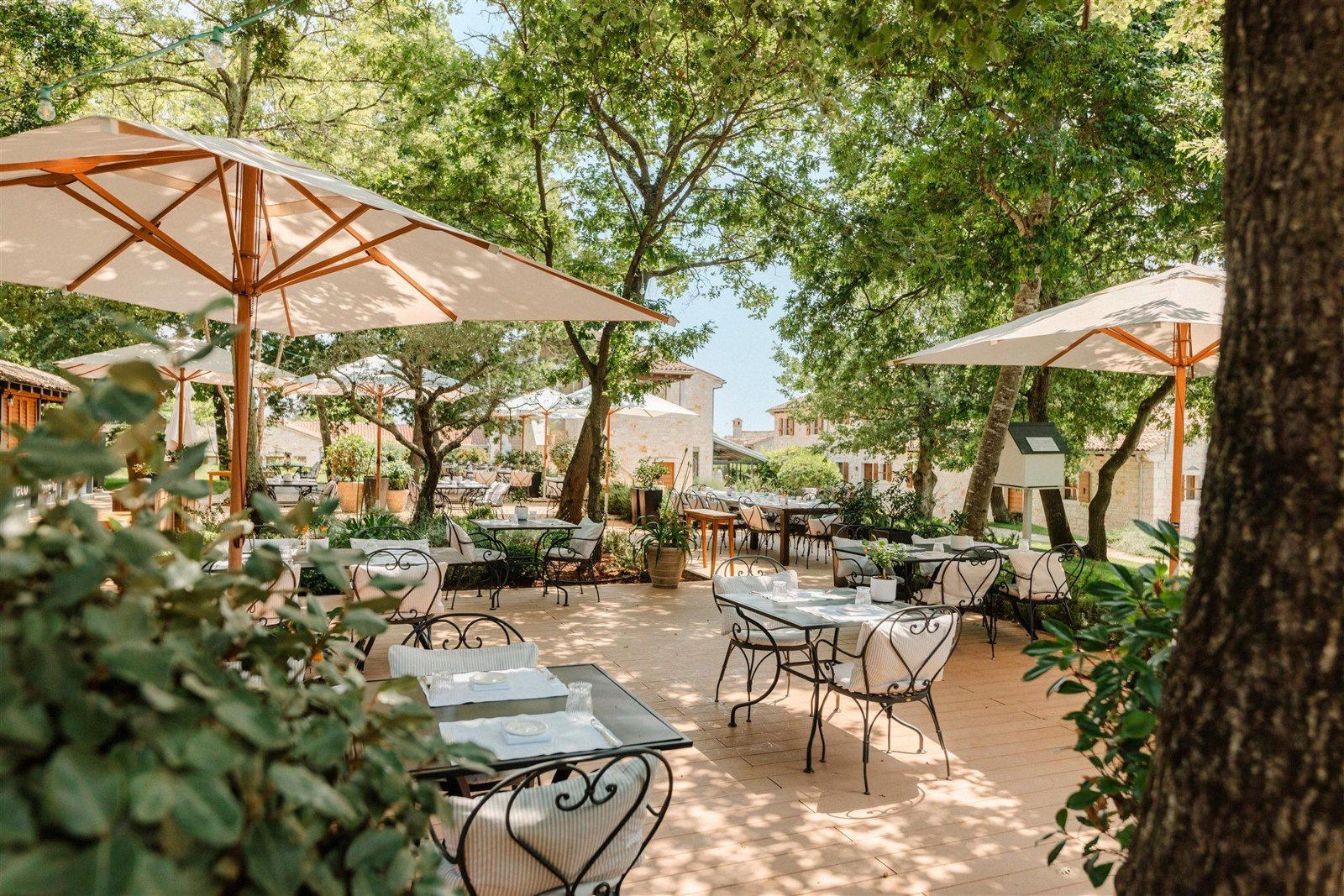
Bars in Vodnjan
Browse all →

Details
- Rustic
- Cozy
- Classic
- Family
- Casual Hangout
- Special Occasion
- Historic Building
- Extensive Wine List
- Local Sourcing
- A La Carte
- Set Menu
- Local Wine
- Gluten Free Options
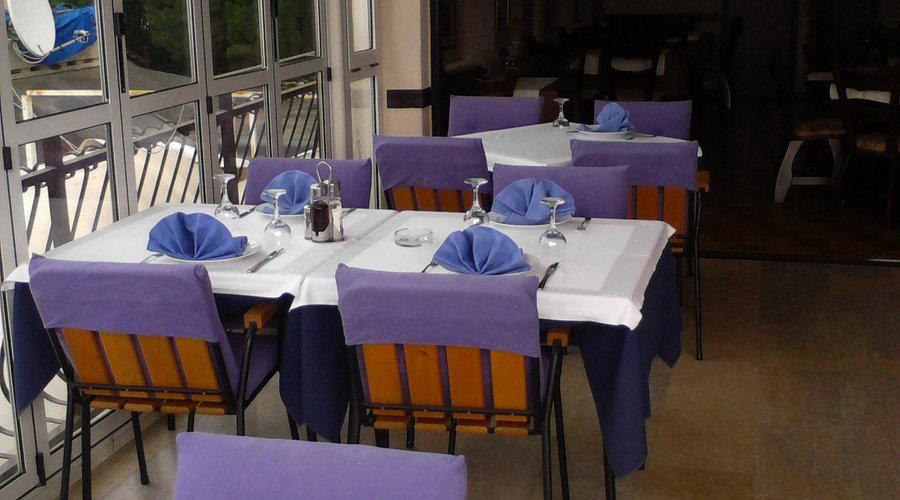
Cozy and lovely atmosphere with a focus on authentic home cooking in a stylish tavern setting.