Viva Madrid
Viva Madrid sits on North Yale Avenue in Claremont's walkable village core, positioning itself within a dining strip that draws on Southern California's produce-rich agricultural heritage. The address places it steps from several of the area's more established independent restaurants, making it a natural stop within a broader evening in the village.
Pearl is the En Primeur Club membership app — saves, bookings, and concierge access live there. Same editors, same standards.
- Address
- 225 N Yale Ave, Claremont, CA 91711
- Phone
- +19096245500
- Website
- vivamadrid.com
- Directions
- Get directions
 Saves & bookings on Pearl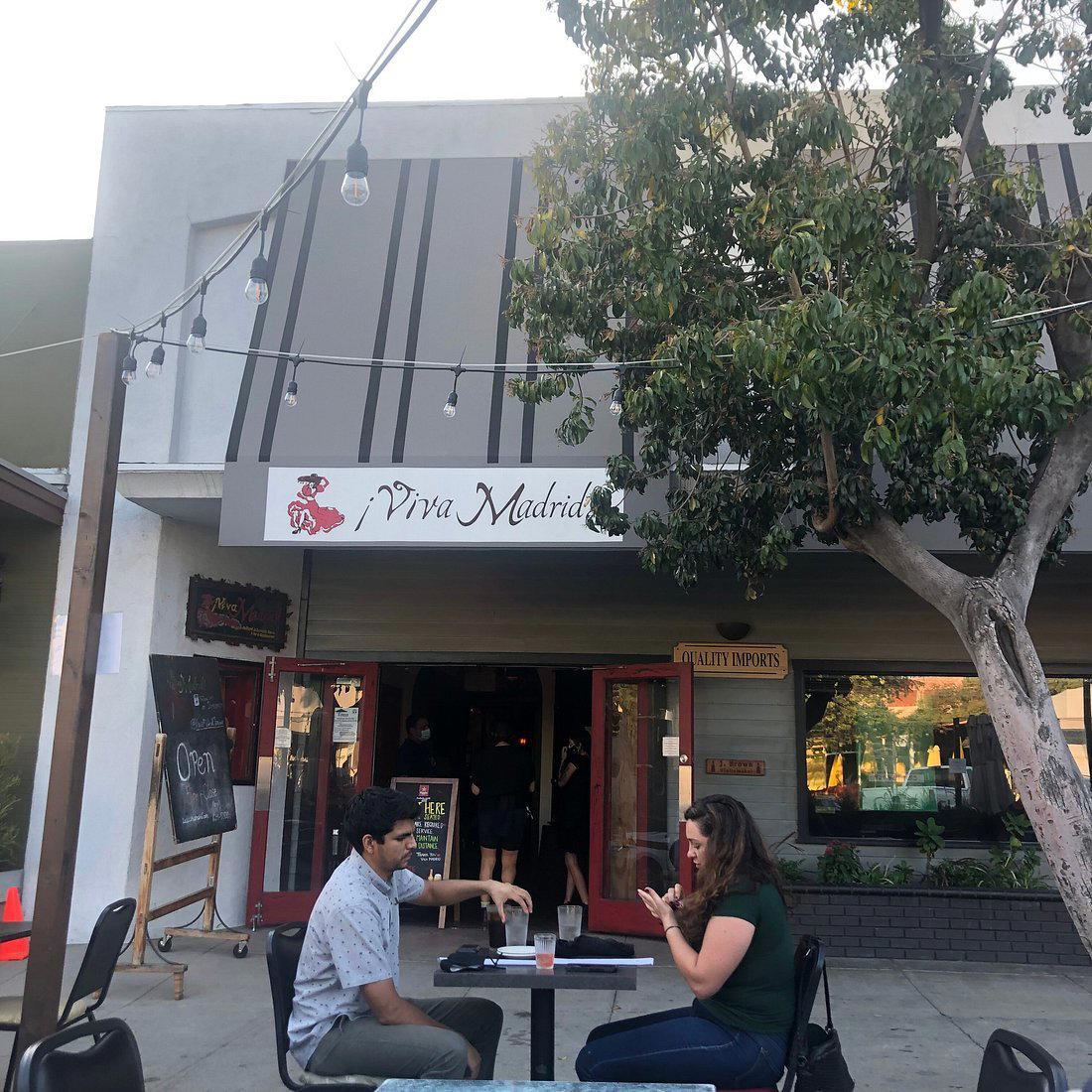
Yale Avenue and the Village Dining Strip
Claremont's North Yale Avenue functions less like a restaurant row and more like a slow accumulation of independent operators who have read the neighbourhood correctly. The street runs through a college town that takes its food seriously without the performance anxiety of Los Angeles, thirty miles west. Proximity to the Pomona Valley and the broader Inland Empire agricultural belt means that sourcing conversations here carry real weight: farms are close, the growing season is long, and restaurants on this strip have less excuse than most to reach for industrially processed product. Viva Madrid, at 225 N Yale Ave, sits inside that context.
The village character around Yale Avenue rewards a specific kind of visitor: someone who wants a destination with enough critical mass to make an evening of it without the freeway distance to LA's dining districts. Aruffo's, Bardot, and The Back Abbey occupy different corners of the same walkable zone, and Packing House Wines adds a retail and tasting dimension that turns the strip into something closer to a self-contained evening itinerary. Euro Cafe handles the casual daytime side. Viva Madrid adds its own register to that mix.
Ingredient Sourcing and the Southern California Advantage
The argument for ingredient-led cooking in Southern California is not promotional rhetoric. The region sits within reach of particularly productive agricultural land in the United States: the San Bernardino foothills, the citrus groves of the Inland Empire, and the broader network of small farms that supply both Los Angeles restaurant groups and independent operators in the college towns east of the city. For a restaurant on North Yale Avenue, the supply chain is genuinely shorter than it would be for comparable operators in Chicago or the Northeast. That compression matters in the kitchen: shorter transit times preserve texture and flavour in ways that longer cold-chain logistics simply cannot replicate.
This is the baseline from which the strongest restaurants in Claremont's village core operate. It is also the lens through which Viva Madrid should be assessed. The name gestures toward Spanish tradition, and Spain's culinary culture has a long history of treating raw material quality as the central discipline: the Basque preference for barely-intervened fish, Catalan market cooking anchored to daily sourcing, Andalusian simplicity built around olive oil and seasonal produce. Whether the kitchen here applies that philosophy directly or uses it as a structural reference point shapes what ends up on the plate.
The wider California dining scene has run this argument at higher-profile addresses for decades. Single Thread Farm in Healdsburg built an entire operating model around farm-to-counter sourcing with on-site agriculture. Blue Hill at Stone Barns in Tarrytown made ingredient provenance the explicit editorial subject of the menu. At the highest formal tier, The French Laundry in Napa and Providence in Los Angeles each built reputations around sourcing discipline before accruing their critical recognition. Claremont operates several tiers below those price points, but the regional ingredient argument is structurally the same.
Where Viva Madrid Sits in the Claremont Set
Claremont's independent restaurant group is not large, and the village strip does not have the volume to sustain many operators in the same segment. That concentration means individual restaurants carry more representational weight than they might in a larger city. When a neighbourhood has three or four dining options within a short walk, each one reads as a position statement about what the area values.
Across that small competitive set, the differentiation tends to run along two axes: cuisine register (Italian, Spanish, American gastropub, European-leaning cafe) and price discipline. The restaurant's name and address place it in conversation with the village's more European-inflected operators. The Spanish reference in the name is a specific one: Spanish food in the United States has moved considerably over the past fifteen years, from a cuisine associated mainly with tapas bar formats and paella to one whose technique traditions, particularly around charcuterie, seafood preparation, and fermented or preserved ingredients, are taken seriously by kitchens that have studied Iberian cooking directly.
Peer comparisons at the national level include operators like Le Bernardin in New York City, where the sourcing and handling of fish operates at a precision level that has influenced American fine dining broadly, and Alinea in Chicago, where ingredient transformation rather than raw-material transparency is the editorial priority. Those are different philosophical positions, not different quality tiers. Addison in San Diego and Atomix in New York City represent what sourcing-focused precision looks like when it also carries formal recognition. The restaurant occupies a more neighbourhood-facing address than any of those, but the underlying question about where ingredients come from and how they are handled applies at every scale.
Restaurants elsewhere in the EP Club network that have built identities around specific sourcing commitments include Emeril's in New Orleans, which has long drawn on Gulf Coast and Louisiana agricultural supply, and Lazy Bear in San Francisco, which operates a communal-format kitchen with a declared emphasis on California seasonal product. The Inn at Little Washington in Washington and 8 1/2 Otto e Mezzo Bombana in Hong Kong demonstrate what ingredient-led European cooking looks like when it operates at formal recognition levels.
Planning a Visit
The restaurant's address on North Yale Avenue places it in Claremont's walkable village zone, accessible from the Claremont Metrolink station for visitors arriving from Los Angeles without a car. The village strip is compact enough that combining a meal here with a stop at neighbouring operators is practical rather than aspirational. The restaurant serves Authentic Spanish Tapas in a casual setting, with reservations recommended and an estimated price of about $35 per person. The village operates at a different pace than Los Angeles dining districts: reservations may carry less lead time, but confirming availability on busy college-calendar weekends is worth the step.
Side-by-Side Snapshot
Comparable venues nearby, for context on price, style, and recognition.
| Venue | Cuisine | Price | Notes |
|---|---|---|---|
| Viva MadridThis venue — the venue you are viewing | Authentic Spanish Tapas | $$ | Not listed |
| Tutti Mangia Italian Grill | Italian Chophouse & Grill | $$$ | downtown |
| Bardot | Modern American with French Flair | $$$ | Claremont Village |
| Packing House Wines | American Wine Bar | $$$ | Downtown Claremont |
| Aruffo's | Classic Italian Trattoria | $$ | Claremont Village |
| The Back Abbey | Gastropub | $$ | Claremont Village |
Continue exploring
More in Claremont
Restaurants in Claremont
Browse all →
Bars in Claremont
Browse all →
Hotels in Claremont
Browse all →
Wineries in Claremont
Browse all →
At a Glance
- Lively
- Rustic
- Intimate
- Casual Hangout
- Group Dining
- Date Night
- After Work
- Live Music
- Standalone
- Historic Building
- Extensive Wine List
- Craft Cocktails
Current opening hours
- Monday
- 5–10 PM
- Tuesday
- 5–10 PM
- Wednesday
- 5–10 PM
- Thursday
- 5–10 PM
- Friday
- 5–11 PM
- Saturday
- 4–11 PM
- Sunday
- 4–9 PM
Hours can change for holidays and private events. Last verified .
Dark, intimate restaurant with Spanish décor and warm lighting; described as a hidden corridor space with old-world charm and lively energy, especially during peak hours.