Bardot
Bardot occupies a measured position in Claremont's dining scene, drawing from French-inflected traditions along West Bonita Avenue. The restaurant sits within a college-town dining corridor that has grown increasingly selective in recent years, placing Bardot alongside a small peer group of independently operated rooms where format and culinary reference matter more than scale or spectacle.
Pearl is the En Primeur Club membership app — saves, bookings, and concierge access live there. Same editors, same standards.
- Address
- 206 W Bonita Ave, Claremont, CA 91711
- Phone
- +19096212255
- Website
- bardotrestaurant.com
- Directions
- Get directions
 Saves & bookings on Pearl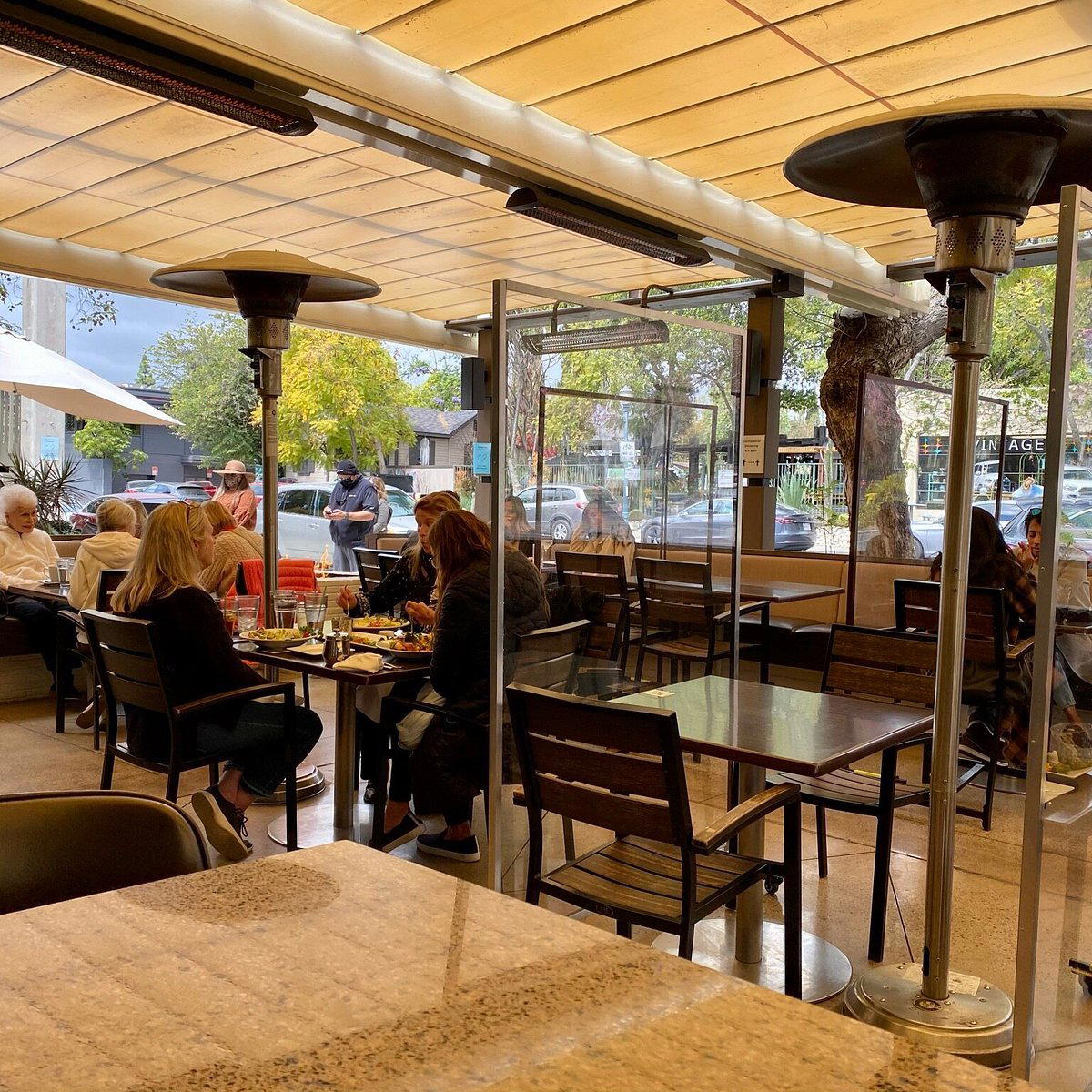
Where Claremont's Dining Ambitions Concentrate
West Bonita Avenue in Claremont runs through a district shaped by the Claremont Colleges, a cluster of liberal arts institutions that has, over decades, created persistent local demand for restaurants that treat food as a serious subject rather than a convenience. The avenue is not long, but its dining density is notable for a city of this size, and the venues that endure here tend to do so because they've identified a clear register and stayed in it. It operates within that context. The name itself signals a French cultural touchstone, Brigitte Bardot, Saint-Tropez, a particular mid-century idea of European ease, and that framing carries real editorial weight in a California college town where French-leaning rooms are rare enough to be positioned deliberately.
French Tradition in a California Context
French culinary tradition has occupied a specific place in American fine dining for most of the past century. The idiom arrived early, shaped institutional cooking from New York to San Francisco, and has since fractured into distinct registers: classical brasserie formats, modern bistro cooking, and the haute cuisine lineage that runs from Escoffier through the grandes maisons to contemporary tasting-menu rooms like The French Laundry in Napa and Le Bernardin in New York City. Below that apex tier, French-inflected cooking in California tends to present in one of two modes: technique-led rooms where classical training is visible in the saucing and sourcing, or more casual interpretations where French vocabulary is applied loosely to a California-produce-driven menu.
Claremont's dining scene has historically skewed toward Italian-leaning and American formats. Aruffo's and Tutti Mangia Italian Grill anchor the Italian end of the corridor, while The Back Abbey has built its reputation around craft beer and American pub fare. A French-named room in this environment is a positioning statement as much as a menu choice. It signals an intent to draw from a different tradition and compete on different terms than its neighbours.
What Bardot Represents in Its comparable set
Among Claremont's independently operated restaurants, there is a clear divide between venues that function as neighbourhood staples and those that position themselves as destination rooms attracting visitors from the broader Inland Empire and the eastern edge of the Los Angeles basin. Euro Cafe and Packing House Wines each represent distinct approaches to the European-reference dining format in Claremont, the former as a casual all-day European cafe model, the latter as a wine-forward room where the list drives the concept. Bardot's name places it in conversation with both while suggesting its own distinct emphasis.
The broader Southern California restaurant scene has seen a meaningful bifurcation over the past decade. On one side, ambitious tasting-menu formats at rooms like Providence in Los Angeles and Addison in San Diego have pushed toward longer, more structured meals with national critical profiles. On the other, a strong independent-bistro tier has absorbed diners who want serious cooking without the formality or commitment of a full tasting sequence. Claremont, sitting approximately 30 miles east of central Los Angeles, is positioned to serve both the local college community and day-trippers from the metro area who want a specific kind of room that the denser westside neighbourhoods don't always offer.
The Case for French Reference in a Saturated California Market
California's culinary identity is, in many ways, defined by its rejection of imported European frameworks in favour of produce-led, terroir-conscious cooking. The farm-to-table movement that coalesced around figures like Alice Waters at Chez Panisse shaped regional cooking for generations, and its influence runs through rooms as varied as Blue Hill at Stone Barns in Tarrytown, Single Thread Farm in Healdsburg, and Lazy Bear in San Francisco. Against that backdrop, a room that anchors itself to French cultural reference is making a considered choice, it is reaching past the dominant California paradigm toward something older and more codified.
That choice carries risks. French cuisine's classical vocabulary can read as dated in markets where guests have been trained to expect seasonal flexibility and local provenance above all. But it also carries real advantages in a college-town context, where an educated, internationally aware dining public frequently responds to cultural precision and technical legibility. A well-executed French room in Claremont is not competing directly against the produce-driven rooms of Healdsburg or the tasting-menu formats of Los Angeles. It is operating in a different register, one where cultural authenticity and culinary craft are the primary signals.
Internationally, that register produces particularly closely watched restaurants in the world. The precision-led formats at rooms like Atomix in New York City, the regionalist discipline at Atelier Moessmer Norbert Niederkofler in Brunico, and the produce-obsessed American-French synthesis at Smyth in Chicago all demonstrate that serious cooking anchored in a defined tradition continues to find its audience when executed with clarity and discipline. Emeril's in New Orleans and The Inn at Little Washington in Washington offer further evidence of how French-rooted formats can sustain long careers in the American market when the cultural framing is coherent and the execution holds.
Planning a Visit
Bardot is located at 206 W Bonita Ave, Claremont, CA 91711, within walking distance of the Claremont Village and the Metrolink station that connects the city to Los Angeles on the San Bernardino line. For diners arriving from the metro area, the train option avoids the I-10 corridor entirely, which is relevant given that eastbound traffic on weekend evenings can add significant time to the drive.
Budget Reality Check
Comparable venues nearby, for context on price, style, and recognition.
| Venue | Cuisine | Price | Notes |
|---|---|---|---|
| BardotThis venue — the venue you are viewing | Not listed | $$$ | Not listed |
| Union On Yale | Not listed | $$ | Claremont Village, California Contemporary American with European influences |
| Tutti Mangia Italian Grill | downtown, Italian Chophouse & Grill | $$$ | Not listed |
| The Back Abbey | Claremont Village, Gastropub | $$ | Not listed |
| Walter's | Not listed | $$ | Claremont Village, Afghan-New American Fusion |
| Viva Madrid | Not listed | $$ | Claremont Village, Authentic Spanish Tapas |
Continue exploring
More in Claremont
Restaurants in Claremont
Browse all →
Bars in Claremont
Browse all →
Hotels in Claremont
Browse all →
Wineries in Claremont
Browse all →
At a Glance
- Elegant
- Modern
- Romantic
- Sophisticated
- Date Night
- Celebration
- Group Dining
- Terrace
- Standalone
- Historic Building
- Craft Cocktails
Current opening hours
- Monday
- 11 AM–9:30 PM
- Tuesday
- 11 AM–9:30 PM
- Wednesday
- 11 AM–9:30 PM
- Thursday
- 11 AM–9:30 PM
- Friday
- 11 AM–10 PM
- Saturday
- 10 AM–10 PM
- Sunday
- 10 AM–9 PM
Hours can change for holidays and private events. Last verified .
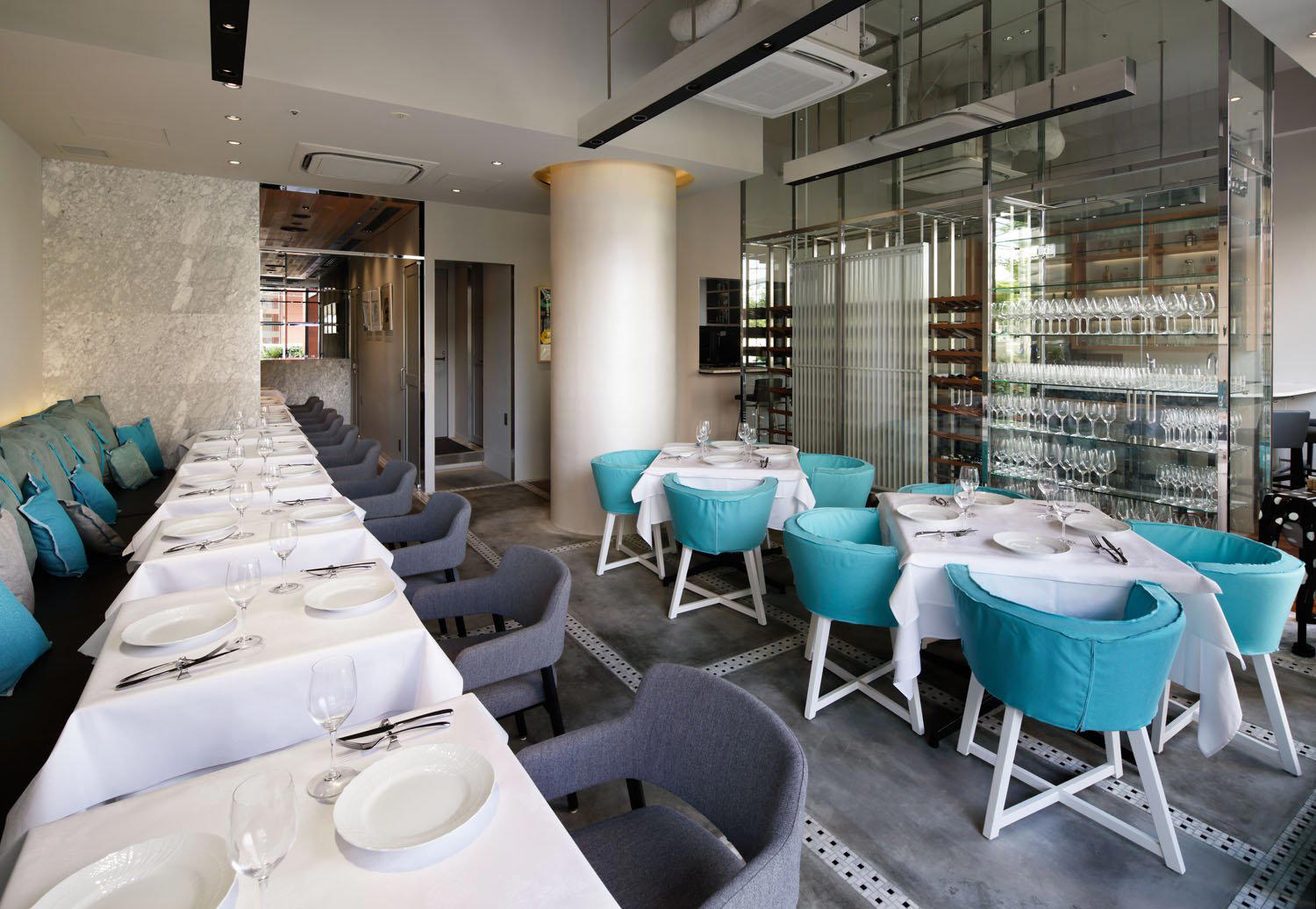
Beautifully appointed retro decorative influences with a spacious heated or cooled patio reflecting Southern California climate; chic atmosphere meets casual elegance.