Vita Lente

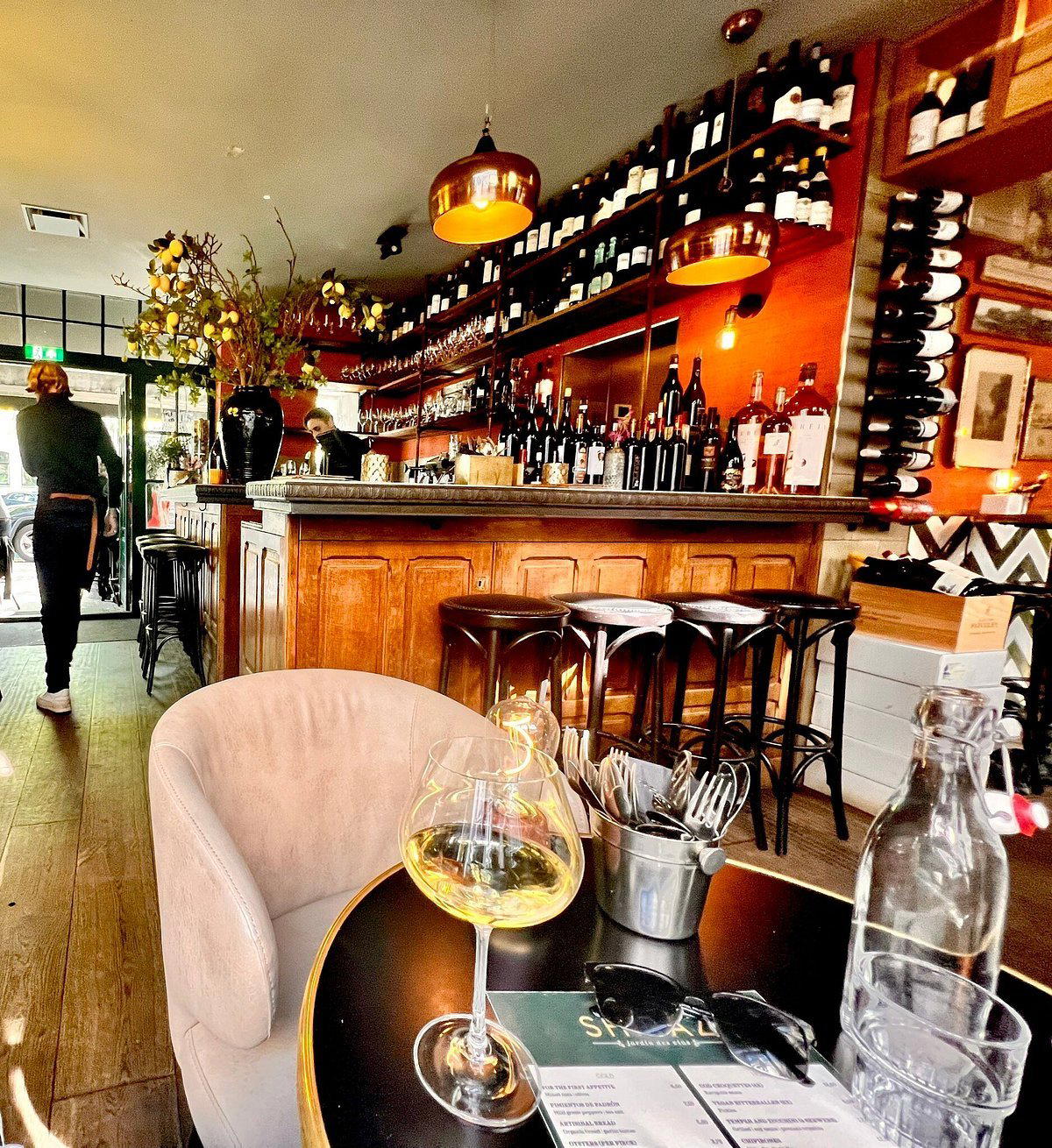
A low-key wine bar on Jan Pieter Heijestraat where sommelier Simon Witmaar translates years inside Michelin-starred kitchens into a compact format built around wine, cocktails, and snacks. The menu architecture is deliberately minimal: a few well-chosen things done with precision rather than a sprawling list. In Amsterdam's Oud-West neighbourhood, it sits at the opposite end of the ambition spectrum from the city's formal dining rooms.
Pearl is the En Primeur Club membership app — saves, bookings, and concierge access live there. Same editors, same standards.
- Address
- Jan Pieter Heijestraat 94A, 1053 GS Amsterdam, Netherlands
- Phone
- +31 6 11882699
- Website
- cafevitalente.nl
- Directions
- Get directions
 Saves & bookings on Pearl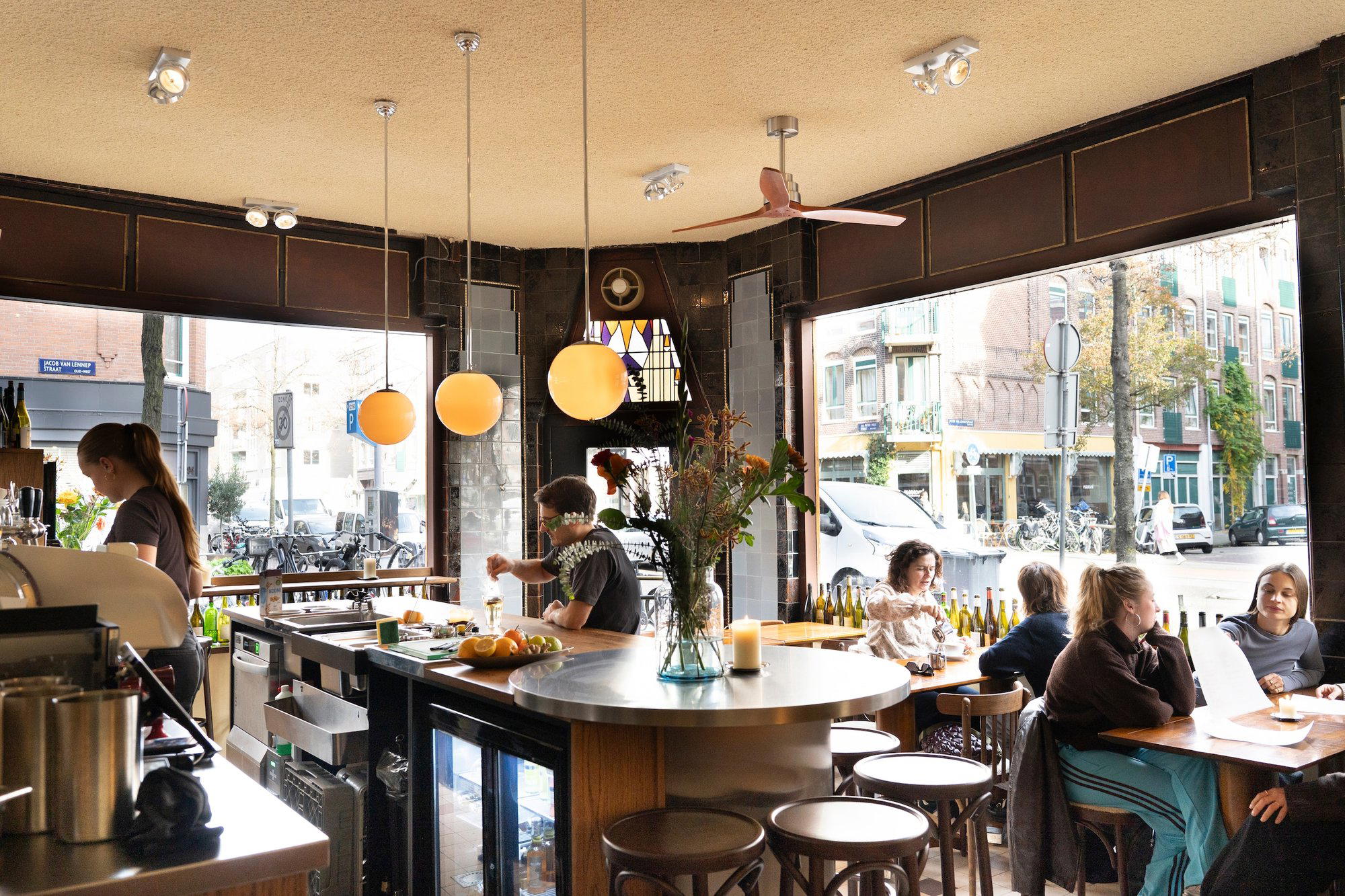
The Format as the Statement
Amsterdam's drinking and eating scene has spent the past decade pulling in two directions at once. On one side, formal tasting-menu restaurants like Ciel Bleu, Spectrum, and Vinkeles have pushed creative cuisine upward in price and ceremony. On the other, a quieter counter-movement has taken hold in neighbourhood streets: smaller rooms, shorter menus, the deliberate refusal of a main-course structure. Vita Lente is a restaurant in Amsterdam serving Southern European Café-Bar fare with a casual dress code and walk-in-friendly service on Jan Pieter Heijestraat in Oud-West. Vita Lente on Jan Pieter Heijestraat belongs firmly to the second camp. The format here is wine bar with snacks, and the discipline of that restraint is precisely what gives the place its character.
In cities where ambitious cooks and wine professionals have come through formal fine-dining pipelines, the decision to open something small and low-key tends to be a considered one. The sommelier behind Vita Lente, Simon Witmaar, brings a background that includes time at Michelin-starred establishments and his own previous operation. That kind of CV, in Amsterdam's context, usually leads toward a room with white tablecloths and a lengthy tasting menu. The decision to go the other way, toward a warm, unhurried neighbourhood bar, says something about where the more interesting professional energy in the city is currently flowing.
What the Menu Architecture Reveals
The structure of a wine bar's offer is, in itself, an editorial act. At the restaurant, the menu organises itself around three poles: wine, cocktails, and snacks. That ordering matters. The drinks come first, and the food exists to extend the time you spend with a glass rather than to anchor a meal in the conventional sense. This is a model with deep roots in both the Spanish bar tradition and the northern European natural-wine-bar format that spread rapidly through cities like Copenhagen, Paris, and Berlin before taking hold in Amsterdam's Jordaan and Oud-West neighbourhoods.
What distinguishes the better operators within this format is the degree of curation applied to the wine list. A sommelier-led room tends to organise its bottles around a specific argument, whether that is regional focus, producer philosophy, or a preference for a particular style of vinification. The presence of Witmaar's background in the room suggests the list is shaped with care. Comparison venues in Amsterdam like Bistro de la Mer or Bolenius operate with full kitchen brigades and multi-course structures; the restaurant operates on a different logic entirely, where the glass and what accompanies it are in a more horizontal relationship.
The cocktail component is notable in its own right. Wine bars that incorporate cocktails seriously are making a statement about flexibility: the space is not a temple to one beverage category, but a room designed for drinking across a longer and more varied evening. That hybrid positioning places the restaurant in a peer group that includes some of the more considered small-format bars across northern Europe, venues where the distinction between wine bar and cocktail bar has been deliberately dissolved.
Oud-West and the Neighbourhood Logic
Jan Pieter Heijestraat sits in Amsterdam's Oud-West district, a neighbourhood that has developed a distinct character over the past fifteen years. It is not the tourist-facing canal belt, nor the self-consciously designed De Pijp of a decade ago. Oud-West is a residential neighbourhood with a working street-level economy: cafes, independent retailers, neighbourhood restaurants. That context shapes what kind of venue can succeed there. A grand-gesture fine-dining room would read as a category error on this street. A warm, low-key room that functions as both local bar and destination for those who know about Witmaar's background makes considerably more sense.
For visitors arriving in Amsterdam and weighing where to spend their evenings, the neighbourhood grid matters. The high-end rooms, including Ciel Bleu and Spectrum, cluster in different parts of the city. A place like Vita Lente fills a different function: the kind of evening that starts with one glass and extends, the kind of visit that is hard to plan and easy to extend. The restaurant represents a specific niche within the city's drinking scene.
Where It Sits in the Wider Dutch Scene
The Netherlands has a formal dining culture that punches above its geographic weight. Outside Amsterdam, rooms like De Librije in Zwolle, 't Nonnetje in Harderwijk, and Aan de Poel in Amstelveen represent the country's serious end of the tasting-menu tradition. Further afield, rooms like Brut172 in Reijmerstok and De Bokkedoorns in Overveen extend the map of serious Dutch cooking into less-expected locations. Within that national context, the restaurant is doing something structurally different: not a restaurant in any conventional sense, but a bar built around a sommelier's perspective, where the wine selection is the kitchen.
That comparison is instructive. At a place like Le Bernardin in New York City or Emeril's in New Orleans, the professional pedigree of the founding figure is the primary context for reading the food. At the restaurant, Witmaar's Michelin-starred background is relevant not because it explains a dish or a menu architecture, but because it explains the level of precision applied to a format that could easily be casual to the point of carelessness. The small-format wine bar with serious bottles is a model that fails when the curation is lazy; it works when someone with genuine wine knowledge is making the selection.
Planning a Visit
The restaurant is located at Jan Pieter Heijestraat 94A in Amsterdam's Oud-West, a neighbourhood accessible by tram from the city centre. The restaurant is walk-in friendly, though Thursday through Saturday evenings can be busy.
Where the Accolades Land
Comparable venues nearby, for context on price, style, and recognition.
| Venue | Cuisine | Price | Notes |
|---|---|---|---|
| Vita LenteThis venue — the venue you are viewing | Southern European Café-Bar | $$ | Not listed |
| Buurtcafe de Tros | Modern Mediterranean Neighborhood Café | $$ | Dapperbuurt Zuid |
| Lavinia Good Food | Healthy Mediterranean Cafe | $$ | Van Loonbuurt |
| Meneer De Wit Heeft Honger | Mediterranean with Moroccan influences | $$$ | De Wester Quartier |
| Café Binnenvisser | Modern European Bistro | $$ | Da Costabuurt Noord |
| Bottleshop Amsterdam | Natural Wine Bar with Fusion Small Plates | $$ | Weesperzijde Midden/Zuid |
Recognition history
Dated appearances from independent guides and award organizations, with the underlying list record or original source where available.
Star Wine List
Star Wine List
Continue exploring
More in Amsterdam
Restaurants in Amsterdam
Browse all →
Bars in Amsterdam
Browse all →
Hotels in Amsterdam
Browse all →
Wineries in Amsterdam
Browse all →
At a Glance
- Lively
- Cozy
- Trendy
- Casual Hangout
- Group Dining
- Open Kitchen
- Terrace
- Extensive Wine List
- Street Scene
Current opening hours
- Monday
- 12 PM–12 AM
- Tuesday
- Closed
- Wednesday
- 12 PM–12 AM
- Thursday
- 12 PM–12 AM
- Friday
- 12 PM–1 AM
- Saturday
- 12 PM–1 AM
- Sunday
- 12–8 PM
Hours can change for holidays and private events. Last verified .
Bright corner building with lively buzz, semi-open kitchen, dining bar, and terrace for spontaneous encounters.