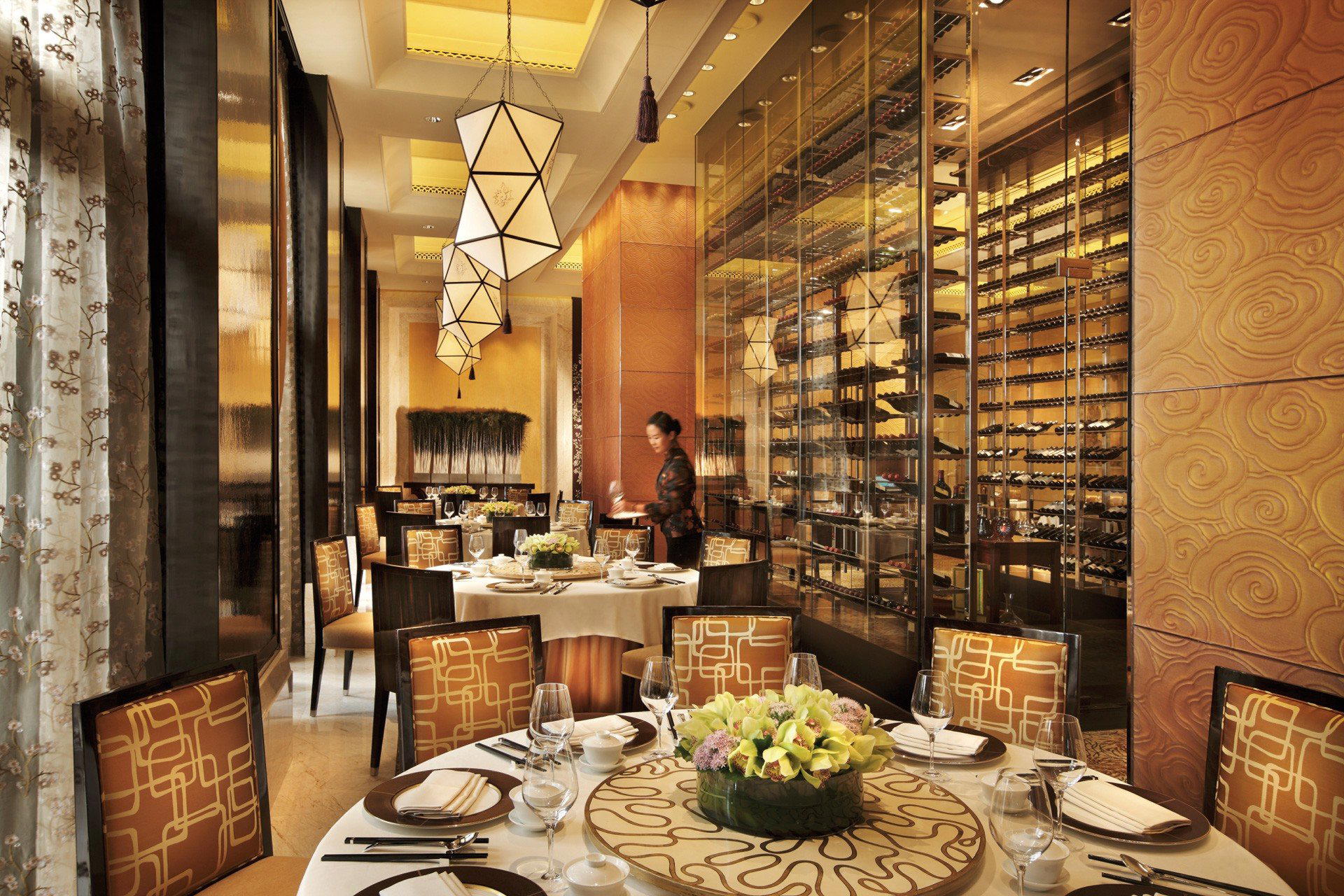
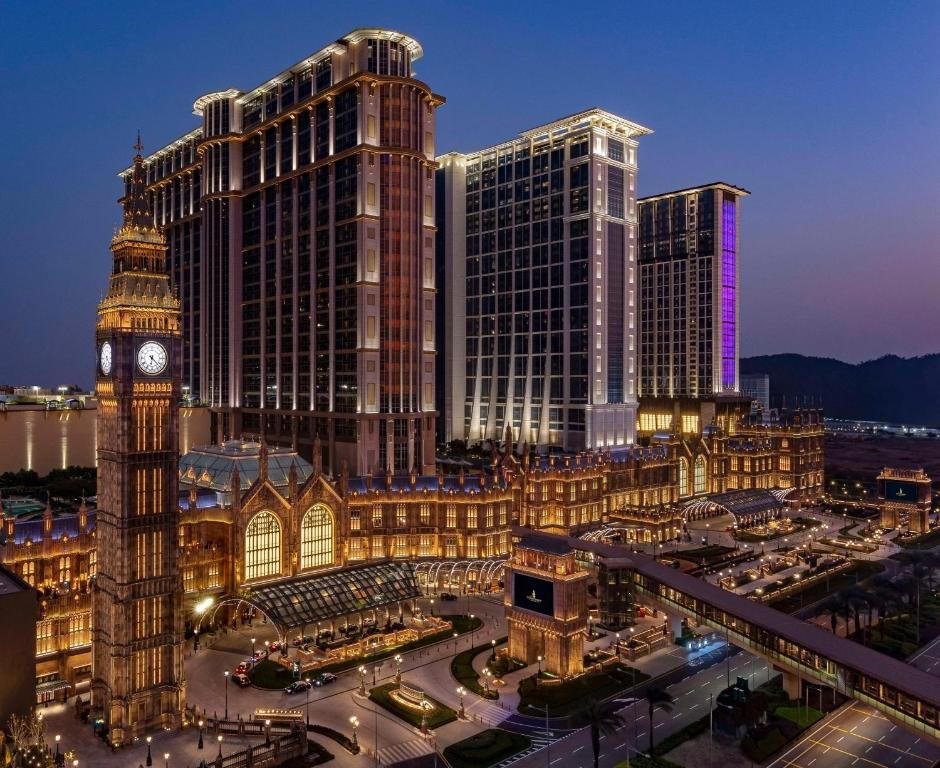
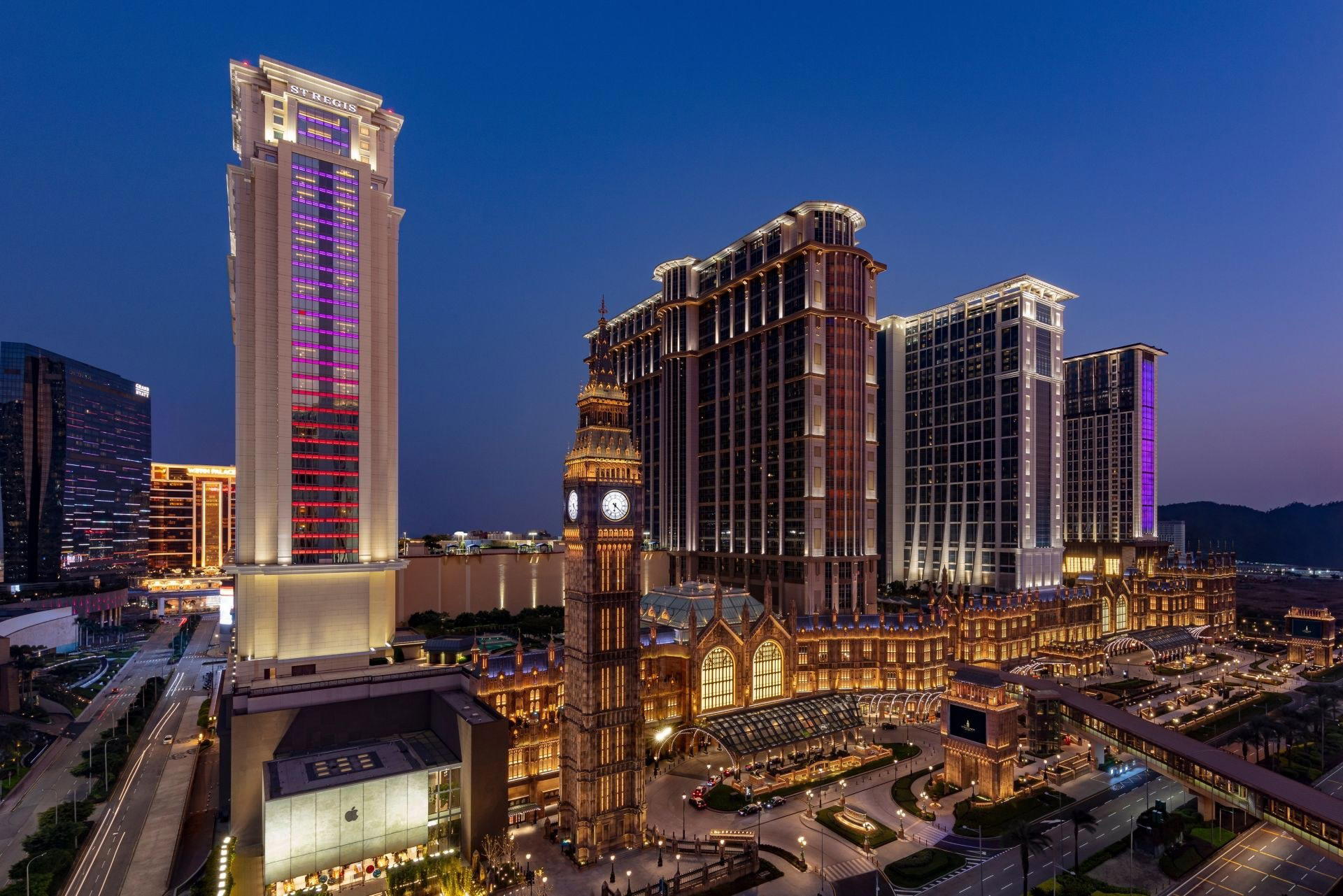
Positioned on the 38th floor along the Cotai waterfront, Vista 38 brings Sichuan cuisine into a setting that reframes what the tradition can mean at altitude. The kitchen draws on the bold, heat-forward character of Sichuan cooking while the elevation and address place it in a tier of Macau dining that intersects spectacle with substance. For visitors working through the city's Chinese regional offerings, it occupies a distinct position.
Pearl is the En Primeur Club membership app — saves, bookings, and concierge access live there. Same editors, same standards.
- Address
- Estrada da Baía de N. Senhora da Esperança, S/N
- Phone
- 853-2881-8888
- Website
- fourseasons.com
- Directions
- Get directions
 Saves & bookings on Pearl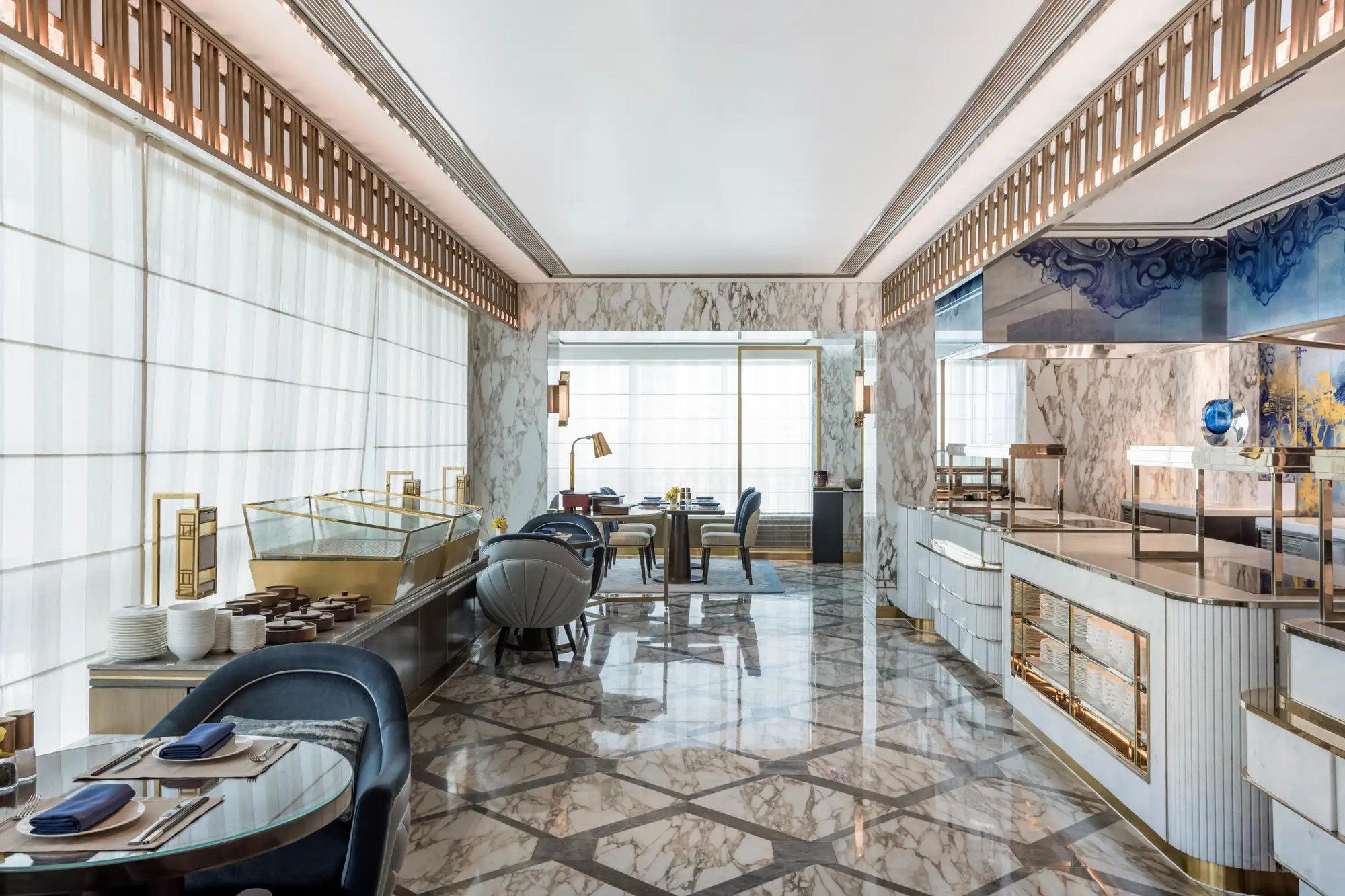
Sichuan at Altitude: What the 38th Floor Changes
Vista 38 is a restaurant in Macau serving Modern Sichuan Fine Dining, with a price point of about US$150 per person. Sichuan, as a cuisine category in this city, sits between those poles. It carries enough international name recognition to draw visitors unfamiliar with Macau's own Cantonese traditions, yet its heat-forward, numbing-spice profile places it outside the refined Cantonese and French Contemporary rooms that define the city's trophy-dining circuit. Height in Macau dining has its own grammar. It signals a certain investment in experience-as-frame, the kind of decision that shapes what a kitchen is expected to deliver and what a guest is expected to pay. That context matters before the food arrives.
The Sichuan Tradition Vista 38 Is Working Within
Sichuan cooking is among the more misread traditions in Chinese cuisine outside China. Its international profile has been flattened into a single note, numbingly spicy, when the actual technique vocabulary is considerably wider. Má là, the combination of heat and the tongue-numbing effect of Sichuan peppercorn, is a structural principle, not a single flavour. Dishes built around it can range from refined cold preparations to intensely sauced proteins and slow-braised constructions where the spice functions as depth rather than shock. The tradition also includes techniques that have nothing to do with heat: dry-fried methods, aromatic braises, and the careful balance of sour and salt that characterises several Chengdu-origin dishes.
In Macau specifically, Sichuan restaurants occupy a smaller share of the premium dining market than their Cantonese counterparts. The city's Cantonese tradition, represented at the upper end by rooms like Chef Tam's Seasons and Jade Dragon, has the institutional weight of proximity to Hong Kong and decades of fine-dining investment. Sichuan kitchens working at the premium tier here are playing against a different competitive set. At the mid-price level, Feng Wei Ju covers the Hunan-Sichuan overlap with a two-dollar-sign price point and a volume-driven format. Vista 38, based on its name and positioning, is attempting something more architectural in intent.
Sourcing and Sustainability in a Sichuan Context
The sustainability question in Sichuan cooking is less often raised than in Japanese or French-influenced kitchens, but it is no less present. The cuisine's reliance on specific chilli varieties, fermented bean pastes aged over years (doubanjiang from Pixian county being the canonical example), and Sichuan peppercorns grown in particular elevations in Sichuan province means that ingredient traceability is built into the tradition by geography. A kitchen that takes these sourcing questions seriously is one that is engaging with the tradition at the level of production rather than approximation.
Across the broader Chinese regional dining scene, a number of kitchens have begun framing their sourcing in more explicit terms. Xin Rong Ji in Chengdu and Ru Yuan in Hangzhou represent the kind of producer-connected approach that is gradually becoming a marker of premium intent in Chinese fine dining, just as it has been in European and Japanese contexts for longer. 102 House in Shanghai has taken the farm-connection model further still, using it as an explicit editorial frame for the dining experience. For rooms in Macau drawing on Sichuan traditions, the equivalent commitment would mean sourcing fermented pastes from named producers, using peppercorns from documented origin points, and treating the provenance of chillies with the same seriousness that a French kitchen would apply to butter or cream. Whether Vista 38 operates at that level of ingredient documentation is something confirmed directly with the venue, but the framework exists in the tradition for any kitchen willing to use it.
Waste management in spice-forward kitchens carries its own logic. Aromatic oils, spent chilli bases, and braising liquids can either be discarded or recirculated into prep cycles, and kitchens that approach this deliberately tend to produce more consistent results alongside a lower material footprint. This is less visible to the diner than a menu note about local sourcing, but it shapes flavour outcomes in real ways.
Where Vista 38 Sits in Macau's Regional Chinese Tier
The premium Macau dining market is dominated by rooms with French lineage or Cantonese credentials. Robuchon au Dôme and Alain Ducasse at Morpheus occupy the four-dollar-sign French Contemporary tier, while the Cantonese rooms hold the middle ground of Chinese fine dining recognition. Regional Chinese cuisines outside Cantonese, Sichuan, Hunan, Shanghainese, tend to operate either at lower price points or with less institutional backing. The restaurant's elevation-led format represents an attempt to reposition Sichuan within that hierarchy, using physical context (the 38th-floor address, the view implied by the name) to signal premium intent in the absence of the Michelin or awards infrastructure that anchors the Cantonese rooms. This is a recognisable pattern in regional Chinese dining across the broader China market: Xin Rong Ji on Xinyuan South Road in Beijing and Imperial Treasure Fine Chinese Cuisine in Guangzhou both use design investment and setting to reframe what regional or classical Chinese cooking can mean at the premium tier.
For comparison outside the region, the challenge of recontextualising a specific national cuisine tradition within a high-design room is not distinctive to Asia. Le Bernardin in New York City did something analogous for French seafood cooking, and Emeril's in New Orleans used its room and profile to reframe Louisiana cooking for a different market segment. The mechanism is the same: invest in the container, and the cuisine inside is read differently. The restaurant is applying that logic to Sichuan in Macau.
Planning a Visit
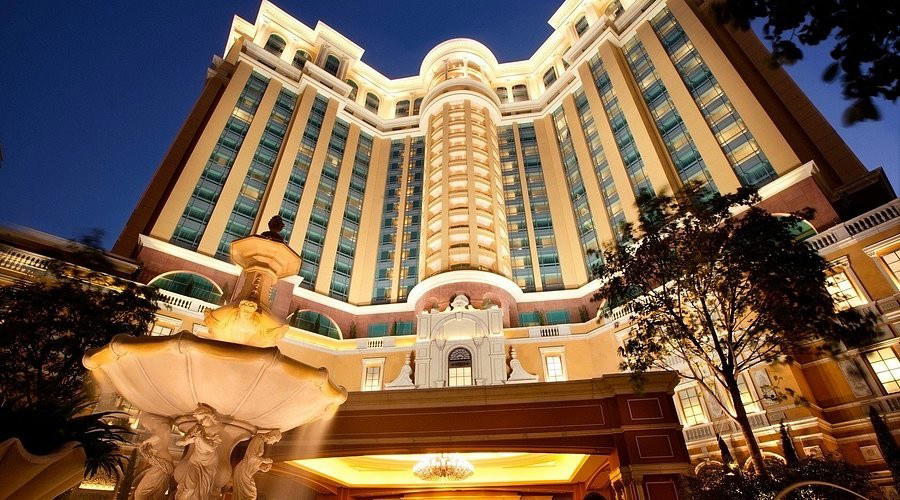
The restaurant is located at Estrada da Baía de N. Senhora da Esperança in the Cotai corridor, which means it is accessible from the major integrated resort properties that anchor that stretch of reclaimed land. Reservations are recommended. Given that the venue operates at a premium positioning within a competitive market for dinner reservations during peak seasons, arriving with a booking rather than hoping for a walk-in is the sensible approach, particularly across the October Golden Week period and around Chinese New Year, when Macau's restaurants at this tier fill weeks in advance. For Chinese regional dining at a comparable level elsewhere in the region, Dai Yuet Heen in Nanjing offers a useful point of comparison.
Recognition Snapshot
Comparable venues nearby, for context on price, style, and recognition.
| Venue | Cuisine | Price | Notes |
|---|---|---|---|
| Vista 38This venue — the venue you are viewing | Modern Sichuan Fine Dining | $$$$ | Not listed |
| Wynn Macau Hotel - Golden Flower | Tan Cuisine Fine Dining | $$$$ | NAPE |
| Sichuan Moon | Modern Sichuan Fine Dining | $$$$ | Cotai |
| La Chine | Modern Cantonese | $$$$ | Cotai |
| Blossom Palaces | Modern Peking Duck & Cantonese Fine Dining | $$$$ | Cotai |
| Golden Flower | Imperial Tan Cuisine | $$$$ | NAPE |
At a Glance
- Elegant
- Sophisticated
- Scenic
- Special Occasion
- Business Dinner
- Rooftop
- Panoramic View
- Hotel Restaurant
- Skyline
- Waterfront
Current opening hours
- Monday
- 8 AM–3 PM, 6–10 PM
- Tuesday
- 8 AM–3 PM, 6–10 PM
- Wednesday
- 8 AM–3 PM, 6–10 PM
- Thursday
- 8 AM–3 PM, 6–10 PM
- Friday
- 8 AM–3 PM, 6–10 PM
- Saturday
- 8 AM–3 PM, 6–10 PM
- Sunday
- 8 AM–3 PM, 6–10 PM
Hours can change for holidays and private events. Last verified .
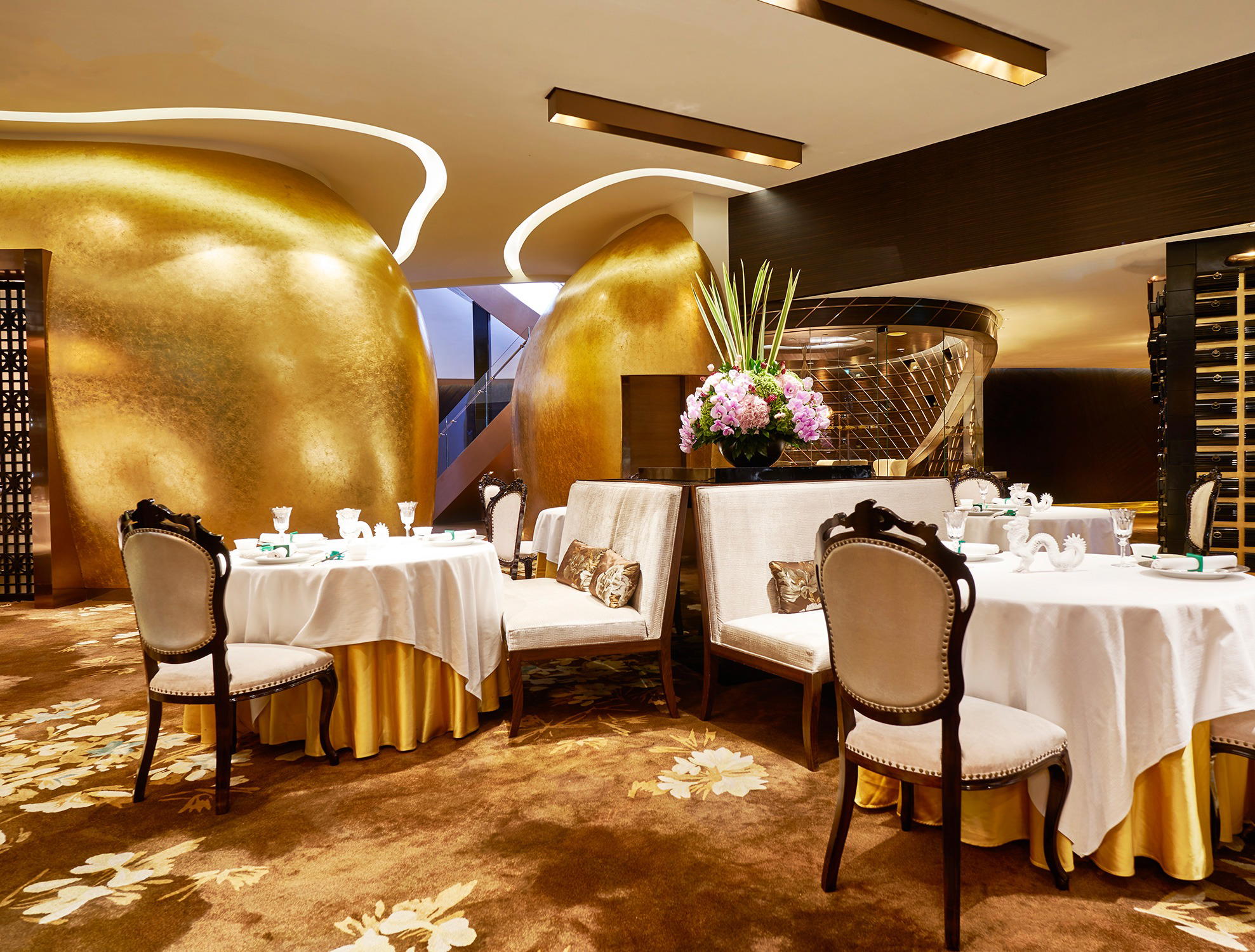
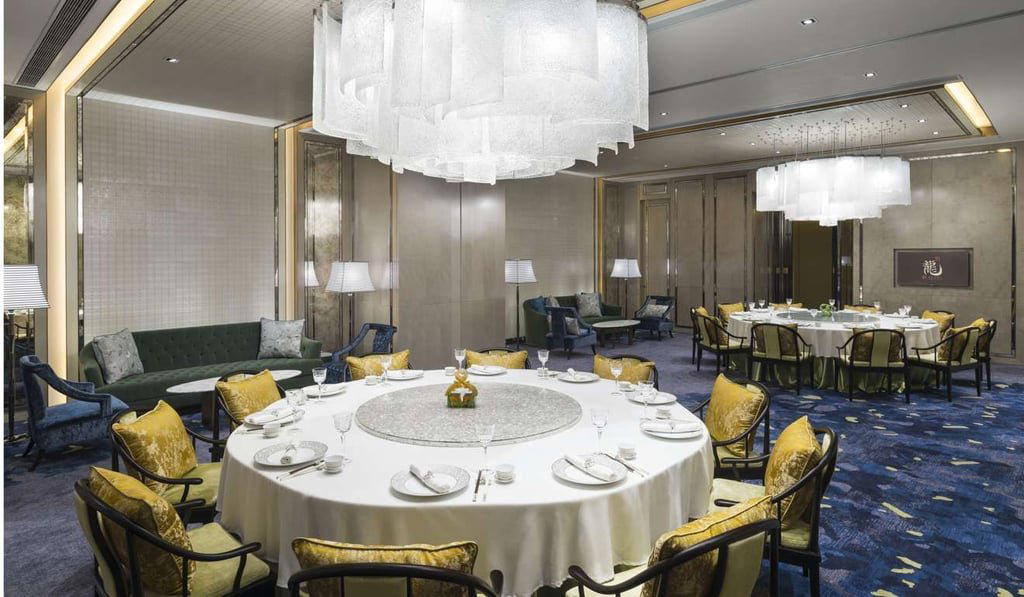
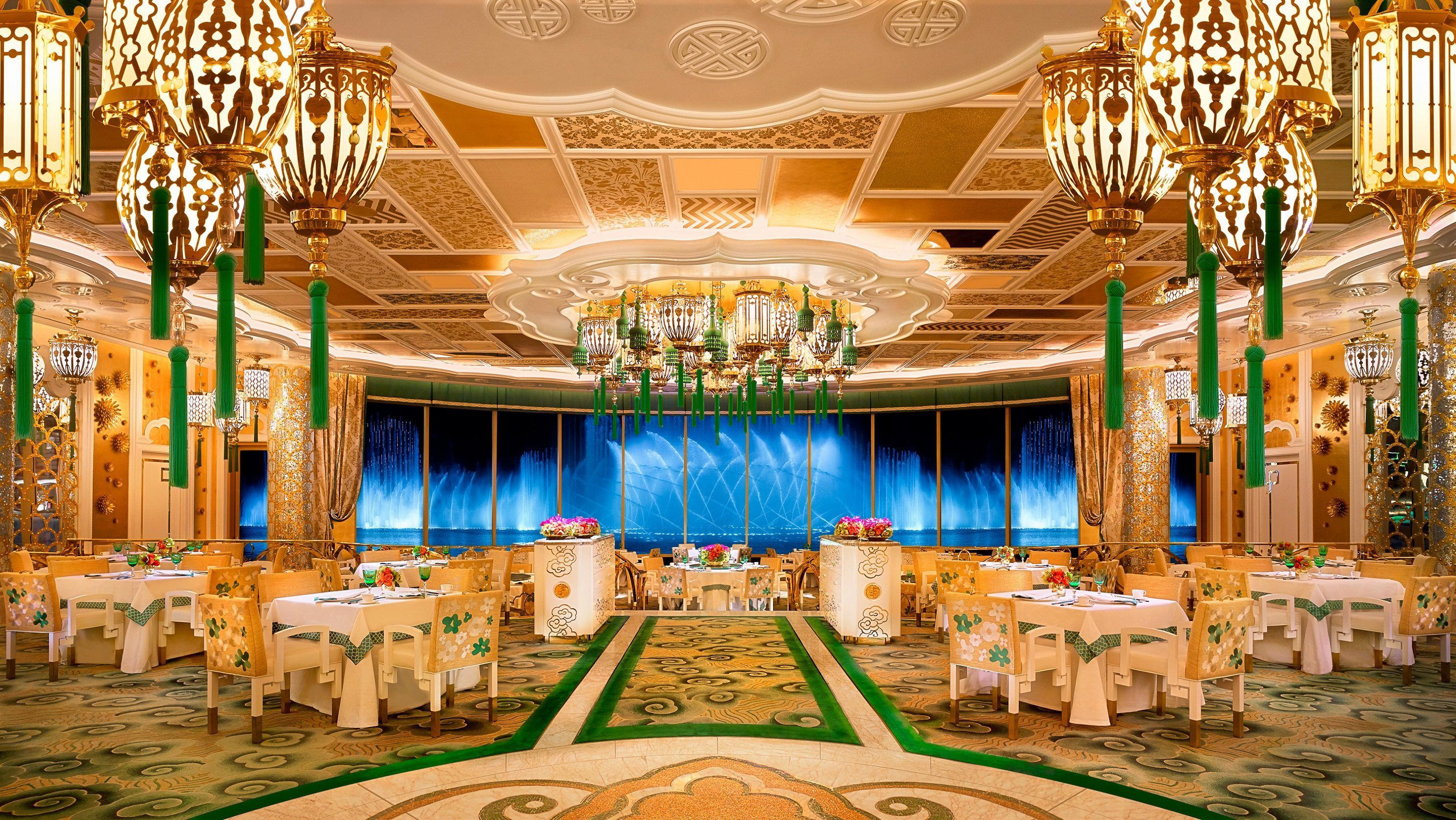
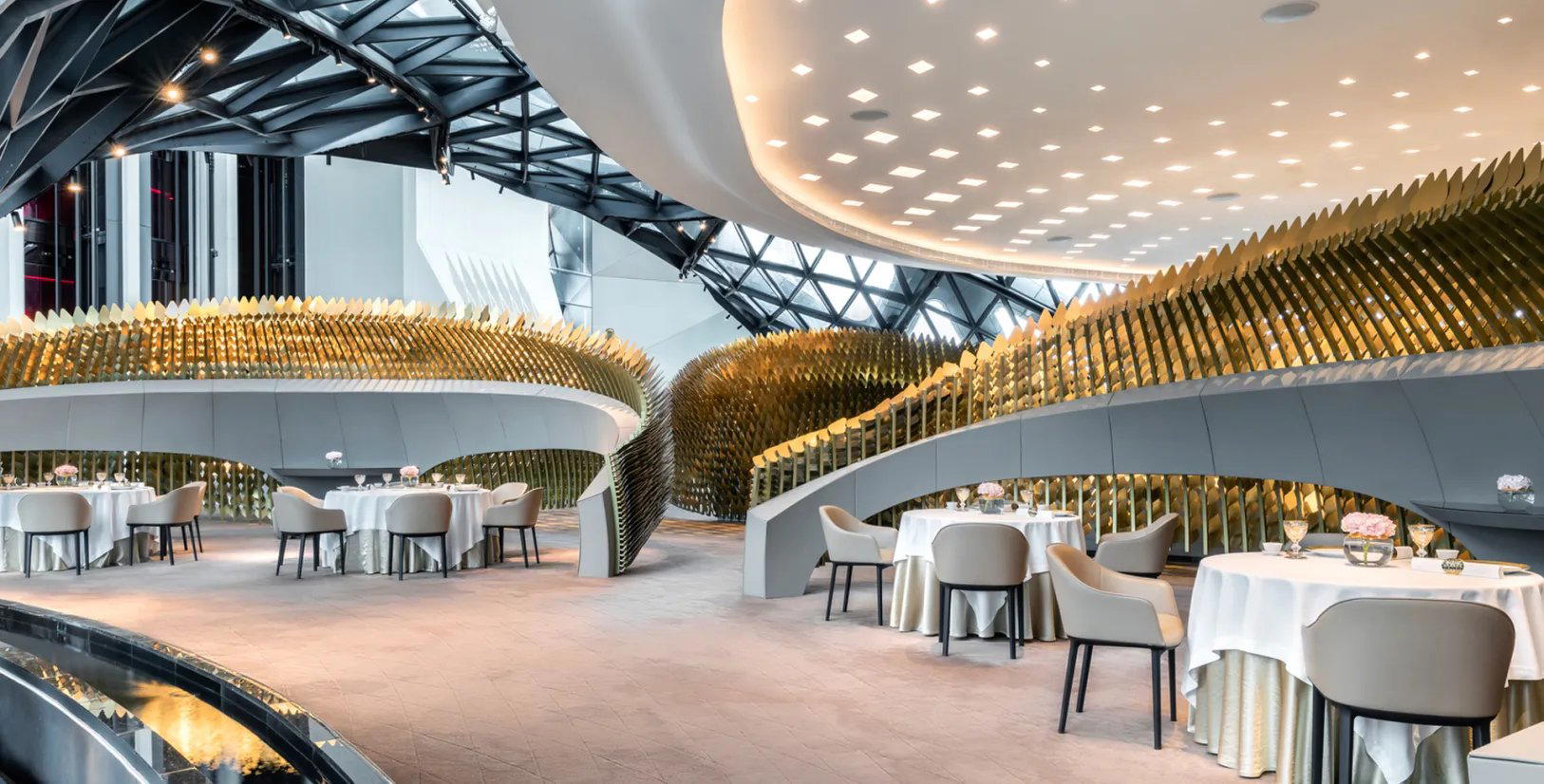
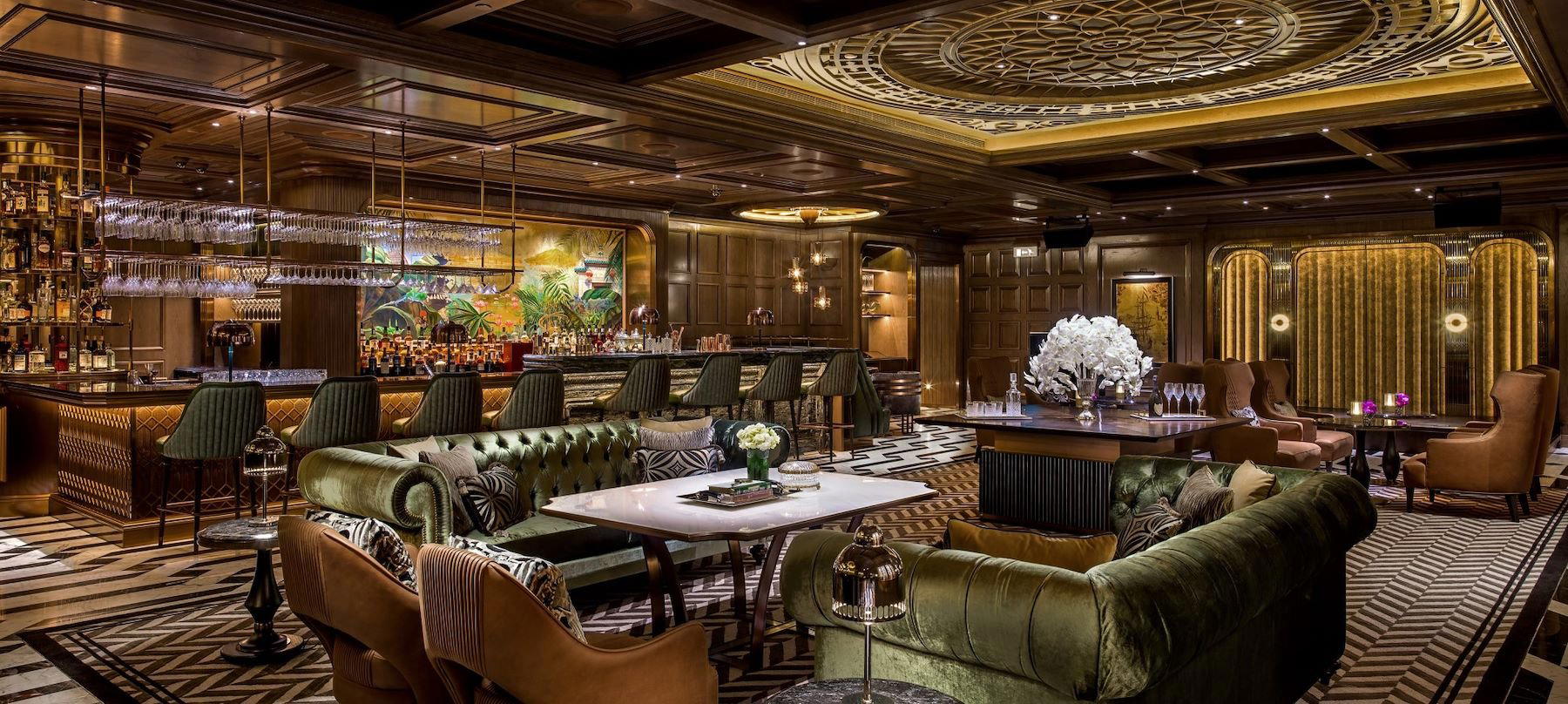
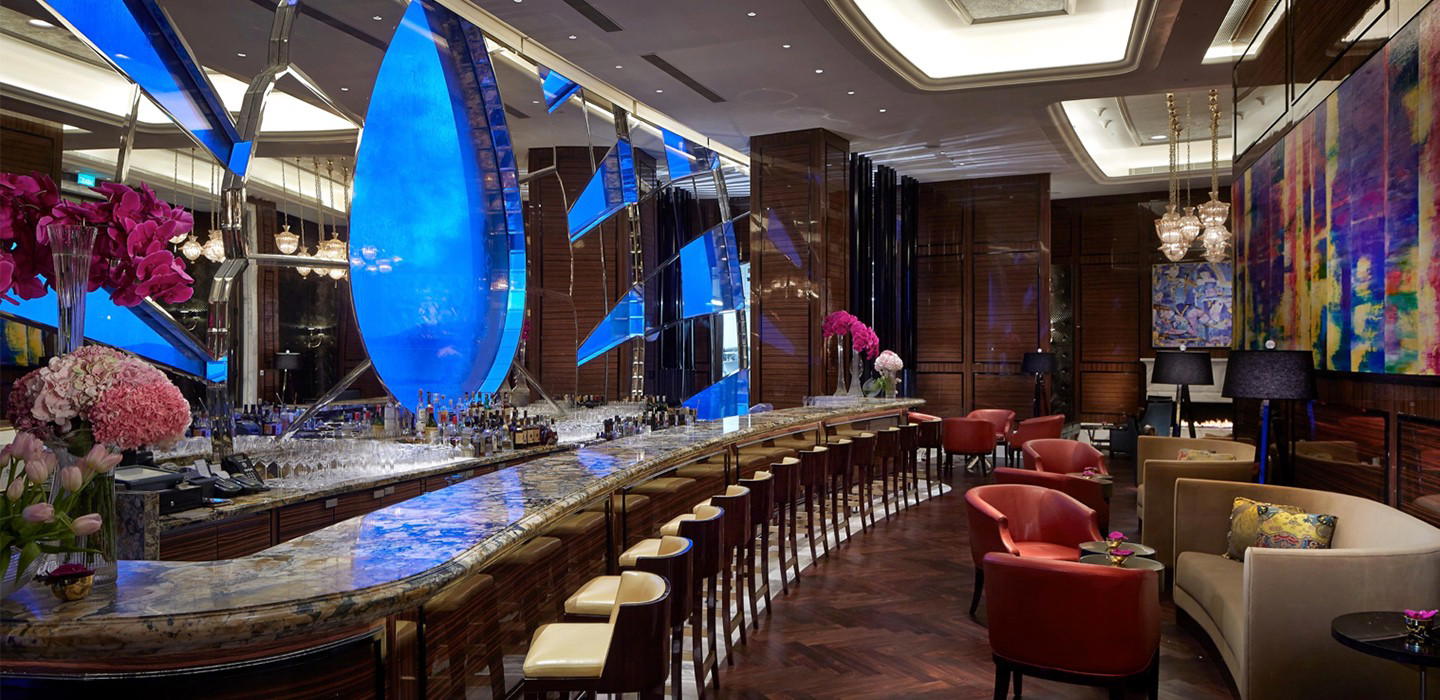
Glamorous and elegant with soaring views of the glittering coastline and Cotai Strip, featuring a sophisticated atmosphere ideal for fine dining.