Villette

Villette on Fælledvej brings a vegetable-forward, seasonally driven menu to Copenhagen N, with natural wines and an alcohol-free option that reflects how the neighbourhood eats. The kitchen, shaped in part by New York-based chef Marissa Lippert, leans on Danish seasonal produce. As a newer addition to the area, it is still finding its footing but already signals a clear direction.
 Discover on Pearl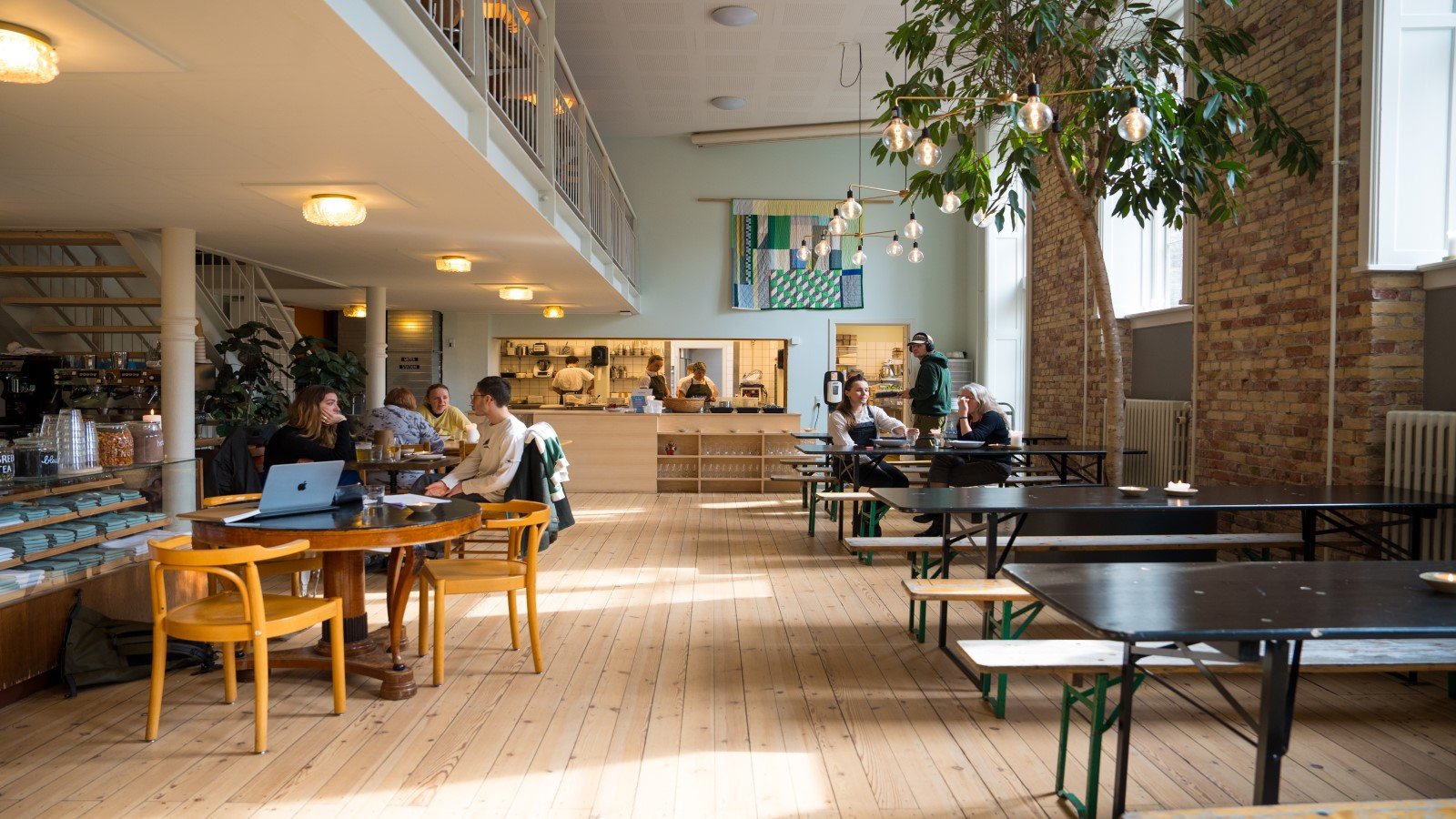
Where Copenhagen N Eats Its Vegetables
The stretch of Fælledvej that runs through Copenhagen N has become one of the more telling indicators of how the city's dining culture has shifted away from its fine-dining centre. Locals here tend to favour neighbourhood spots with honest sourcing credentials over destination restaurants with tasting menus priced for special occasions. Villette, at number 12, sits comfortably inside that preference, offering a menu that draws its logic from the season rather than from an imported culinary concept. It is the kind of place that exists in most serious food cities now, but in Copenhagen it carries extra weight: this is a city where the argument for produce-led cooking has been made at the highest level for two decades, and neighbourhood restaurants are the places where that argument filters down into everyday eating.
For broader context on where Villette fits within the Copenhagen restaurant scene, see our full Copenhagen N restaurants guide, which maps the neighbourhood's dining character across price points and styles.
The shortlist, unlocked.
Hard-to-book tables, cellar releases, and concierge-planned trips.
Get Exclusive Access →The Sourcing Logic Behind the Menu
Danish produce-driven cooking has a well-documented lineage. What Noma in Copenhagen established at the high end, and what places like Jordnær in Gentofte and Henne Kirkeby Kro in Henne maintain in their respective registers, is the idea that Scandinavian seasons impose a discipline on a kitchen that produces better food, not worse. Villette operates from that same premise, though with a more accessible and less ceremonial format. The menu centres on vegetables and is explicitly seasonal, meaning the Romanesco cauliflower that appeared on a recent visit is the kind of ingredient that arrives in its window and then disappears.
That cauliflower also surfaced in early assessments as a texture problem: overcooked to the point where the dish lost the structural contrast that makes brassicas worth featuring. It is worth naming that directly, because it says something accurate about where the kitchen is in its development. Seasonal sourcing is a starting condition, not a guarantee of execution. The discipline required to cook a Romanesco to the point where it holds its form while still reading as a vegetable rather than a puree is a separate skill from knowing which market to source it from. Villette appears to have the sourcing instinct firmly in place. The cooking is still catching up.
The collaboration behind the kitchen adds an interesting transatlantic dimension to what is otherwise a very Nordic premise. The owners brought in chef Marissa Lippert, who built her reputation at Nourish Kitchen + Table in New York, a restaurant that occupied a specific niche in the city's health-conscious, ingredient-focused dining scene. That background is visible in the menu's emphasis on fresh, nutritious preparation over richness or reduction-heavy technique. It is a different register from what you find at, say, Frederikshøj in Aarhus or Kadeau Bornholm in Åkirkeby, where the New Nordic framework tends toward more intensive kitchen craft. Villette's approach is lighter in construction, more aligned with how people in Copenhagen N actually eat on a weeknight. For comparison of how New York's ingredient-forward dining scene has shaped international kitchens, the trajectory of Le Bernardin in New York City offers a useful counterpoint in how ingredient sourcing can anchor radically different price registers.
The Natural Wine Program
Natural wine has become the default pairing for vegetable-forward menus across European neighbourhood restaurants, and Villette follows that logic. The selection leans toward low-intervention producers, which tends to suit lighter, produce-centred dishes better than conventional wine lists built around heavier, oak-driven styles. Importantly for a neighbourhood spot, alcohol-free options are available, which reflects both the Copenhagen N demographic and the broader shift in how urban diners in Scandinavian cities approach a full evening out. This is not a token gesture: restaurants in this tier of the market have learned that a thoughtful non-alcoholic option is now part of the sourcing conversation, not an afterthought.
For a broader picture of Copenhagen N's drinking culture and where to continue an evening, our full Copenhagen N bars guide and our full Copenhagen N wineries guide cover the neighbourhood's wine and bar scene in more depth.
A Restaurant Still in Formation
Context matters here. Villette is a young restaurant, and early assessments from reviewers who visited shortly after opening noted that the kitchen's potential was visible but not yet consistently realised. Texture and flavour combination were the specific weak points, with some ingredients arriving overcooked. That is not an uncommon condition for a restaurant in its first months, particularly one where the kitchen is working out a seasonal-produce logic that shifts with what is available. The more relevant question is whether the sourcing intelligence and the menu concept are strong enough to carry the kitchen through that development period. The evidence suggests they are.
Comparable produce-led restaurants elsewhere in Denmark that have found their footing include ARO in Odense, LYST in Vejle, and Domæne in Herning, each of which navigated an early development phase before establishing a more consistent kitchen rhythm. Dragsholm Slot Gourmet in Hørve and Frederiksminde in Præstø represent what produce-forward kitchens can reach when execution catches up with sourcing ambition. Alimentum in Aalborg and Emeril's in New Orleans show, from different geographic positions, how ingredient-focused restaurants can build durable reputations once the kitchen stabilises. Villette is not at those levels yet, but the framing is right.
Planning a Visit
Villette is on Fælledvej 12 in Copenhagen N, accessible by public transport from the city centre and walkable from Nørrebro. As a neighbourhood restaurant rather than a destination dining room, it suits a casual evening where the expectation is fresh, vegetable-forward cooking rather than a multi-hour tasting format. Natural wines and alcohol-free alternatives are on the list, so the table does not require a drinker to anchor it. Given that the kitchen is still developing, a return visit in a few months will likely show a more resolved version of what is already a well-conceived concept. Booking ahead is advisable, particularly on weekends, as neighbourhood restaurants of this type in Copenhagen N tend to fill quickly. Those visiting the area for the first time should also consult our full Copenhagen N hotels guide and our full Copenhagen N experiences guide for a fuller picture of the neighbourhood.
Frequently Asked Questions
- Can I bring kids to Villette?
- Copenhagen N neighbourhood restaurants at this price point are generally relaxed about families, and Villette's casual format makes it a reasonable choice for early-evening dining with children.
- What should I expect atmosphere-wise at Villette?
- If you arrive expecting the ceremony of a Copenhagen fine-dining room, adjust: Villette is a neighbourhood restaurant with a light, ingredient-focused menu and a natural wine list. The atmosphere is closer to a relaxed dinner with friends than a special-occasion event. For a city that has produced some of the most formally ambitious restaurants in Europe, Copenhagen N's local dining scene operates in a noticeably lower register, and Villette fits that pattern. Early reviews note a kitchen still developing its consistency, so some dishes will land better than others.
- What dish is Villette famous for?
- No single dish defines Villette's reputation at this stage. The menu is vegetable-heavy and changes with the season, so what you encounter will depend on when you visit. Early reviews highlighted Romanesco cauliflower as a featured ingredient, with some texture issues noted, which is a reasonable signal of both the kitchen's ambitions and its current limitations. The chef's New York background in produce-focused cooking shapes the overall direction more than any single signature plate.
Comparison Snapshot
These are the closest comparables we have in our database for quick context.
| Venue | Cuisine | Price | Awards | Notes |
|---|---|---|---|---|
| Villette | Villette is a restaurant that offers fresh and nutritious food based on seasonal… | This venue | ||
| Noma | Creative | €€€€ | Michelin 3 Star | Creative, €€€€ |
| Geranium | New Nordic, Creative | €€€€ | Michelin 3 Star | New Nordic, Creative, €€€€ |
| Alchemist | Progressive, Creative | €€€€ | Michelin 2 Star | Progressive, Creative, €€€€ |
| Koan | New Nordic, Kaiseki, Creative | €€€€ | Michelin 2 Star | New Nordic, Kaiseki, Creative, €€€€ |
| a|o|c | New Nordic, Mediterranean Small Plates, Creative | €€€€ | Michelin 2 Star | New Nordic, Mediterranean Small Plates, Creative, €€€€ |
Need a table?
Our members enjoy priority alerts and concierge-led booking support for the world's most difficult tables.
Get Exclusive AccessThe shortlist, unlocked.
Hard-to-book tables, cellar releases, and concierge-planned trips.
Get Exclusive Access →