Villa Mamas

Villa Mamas holds a Michelin Plate (2026) on Muroor Road in Abu Dhabi's Al Rawdah district, where it has built a reputation around Emirati-rooted cooking at a time when the city's dining scene is actively reassessing its own culinary identity. The room and the service team together deliver a dining experience that sits closer to the cultural end of Abu Dhabi's restaurant spectrum than the international-import end.
Pearl is the En Primeur Club membership app — saves, bookings, and concierge access live there. Same editors, same standards.
- Address
- Muroor Road - Eastern Rd - Al Rawdah - Abu Dhabi - United Arab Emirates
- Phone
- +971 2 627 8885
- Website
- villamamas.com
- Directions
- Get directions
 Saves & bookings on Pearl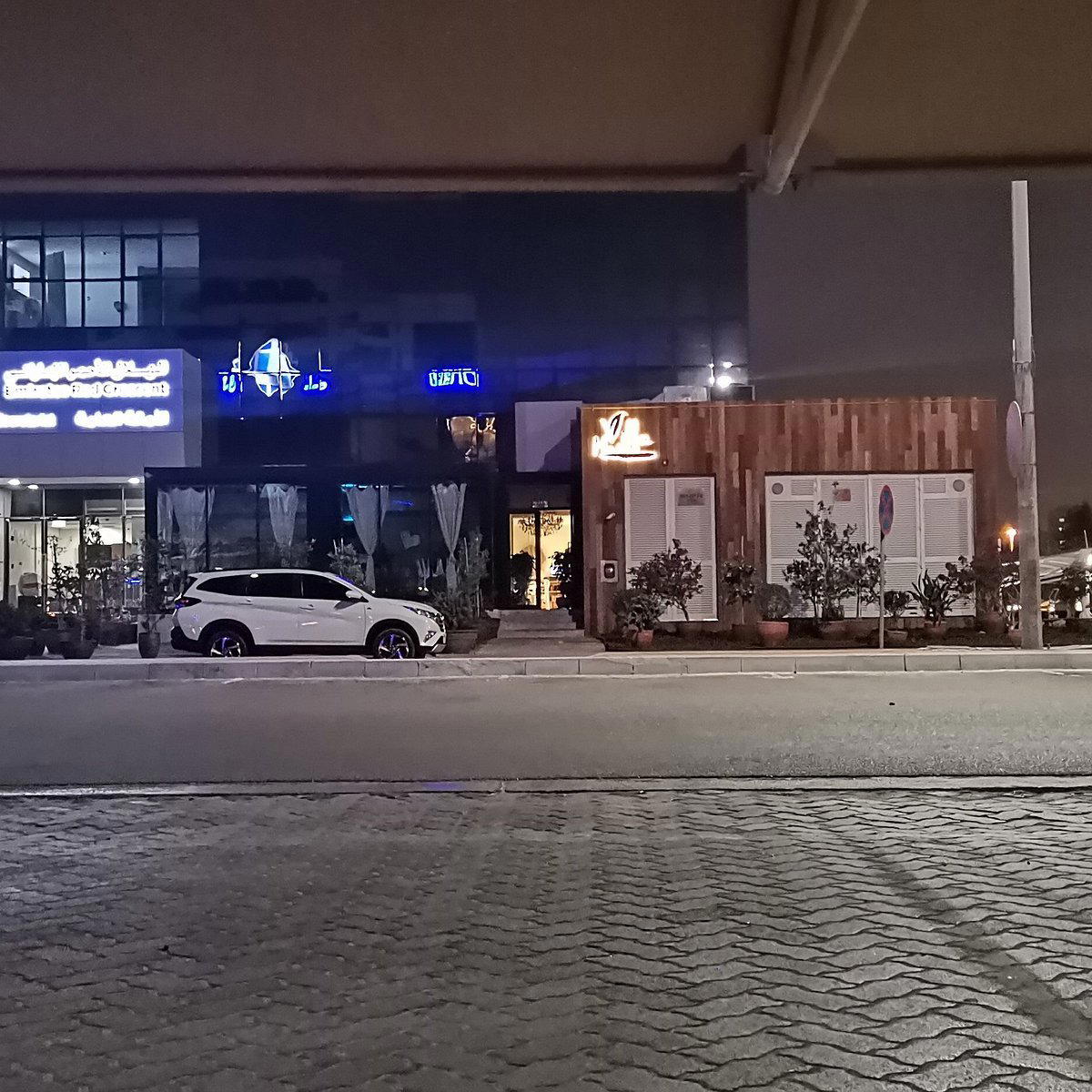
Where Abu Dhabi's Dining Scene Turns Inward
Abu Dhabi's restaurant map has, for most of the past two decades, been defined by import logic: European fine dining, Asian flagships, and American concept exports filling the premium tier while local cuisine occupied a quieter, less-documented position. That balance has been shifting. A cohort of restaurants drawing on Emirati and Gulf culinary traditions has emerged with enough critical recognition to challenge the assumption that prestige in the UAE means provenance from elsewhere. Villa Mamas on Muroor Road sits squarely in that shift, with a Michelin Plate in the 2026 guide and a price point around $60 per person.
The address, in the Al Rawdah neighbourhood rather than on the Corniche or inside a hotel corridor, already signals something about the intent. Al Rawdah is a residential district, the kind of area where Abu Dhabi moves at a different pace than the waterfront. Arriving here, you are not walking through a lobby or past a valet queue for a tower hotel. The approach is lower-key, and the room reflects that register, domestic in scale and tone in ways that the city's international-import restaurants are not built to replicate.
The Service Architecture at a Michelin-Recognised Table
At restaurants earning Michelin recognition in the Gulf, the front-of-house dynamic increasingly determines how the food reads. What separates Plate-level restaurants that feel like discoveries from those that feel merely competent is usually not the cooking alone. It is whether the team in the room understands how to frame what the kitchen is doing.
Villa Mamas has built its reputation in part on a front-of-house approach that is oriented toward guests who may be encountering Emirati cooking in a formalised dining context for the first time. The dishes on a menu rooted in Gulf tradition carry cultural weight and narrative context that a server communicating only transactional information will undersell. When that context is delivered well, the meal becomes something closer to a briefing on a cuisine, which is precisely what a restaurant like this is positioned to offer. For visitors to Abu Dhabi working through the city's dining options, this experience is less about technical spectacle and more about fluency with a food culture that much of the city's high-end dining scene has historically overlooked.
For those comparing across Abu Dhabi's Michelin-recognised tier, the contrast with venues like Talea by Antonio Guida or Hakkasan is instructive. Both operate in the international-import model at the leading price tier. Villa Mamas prices at a different level and draws on a different culinary tradition, which places it in a comparable set that includes Erth, the other prominent Emirati-focused address in the city with serious critical credentials. These two restaurants are not competitors in the conventional sense; they serve overlapping but distinct versions of what Emirati dining can mean at a recognised level.
Emirati Cooking in a Critical Context
Gulf cuisine as a category has been underrepresented in international food criticism for reasons that have more to do with the region's hospitality economy than with the quality of the food itself. The UAE's dining scene was built, commercially, around international tourists and an expatriate population whose reference points were elsewhere. Emirati home cooking, with its spice structures drawn from Persian, South Asian, and East African trade routes, its slow-cooked rice and meat traditions, and its use of dried limes, rose water, and saffron, had limited visibility in formal dining environments until relatively recently.
The Michelin guide's expansion into Abu Dhabi and Dubai has accelerated that visibility. When inspectors award a Plate to a restaurant working in this tradition, it positions that cuisine within a global critical framework, which carries real weight for travellers using the guide as an orientation tool. The restaurant benefits from that positioning while also preceding it: the restaurant's recognition reflects a reputation that was already established before the guide arrived in the emirate.
For context on what Michelin-recognised Gulf cooking can look like at the more experimental end, Trèsind Studio in Dubai operates in a related but distinct register, applying avant-garde technique to South Asian culinary tradition with two Michelin stars. The restaurant is not operating in that mode. The register here is more grounded and less theatrical, a deliberate choice about the kind of dining experience the restaurant wants to deliver. You might draw a loose parallel to the difference between restaurants like Lazy Bear in San Francisco, which foregrounds performance, and quieter, more culturally specific restaurants where the food's origins carry the weight of the experience.
Planning Your Visit
The restaurant sits on Muroor Road in Al Rawdah, a district that is accessible by car and taxi from most parts of central Abu Dhabi. Given its Michelin Plate status and the relatively small number of Abu Dhabi restaurants operating at this recognition level, advance reservations are advisable, particularly for weekend dinners, when the city's dining traffic is heaviest. The venue operates outside the hotel corridor system, which means there is no concierge infrastructure to lean on; booking directly or through a reservation platform is the practical route.
For visitors building a wider Abu Dhabi dining itinerary, the city's Michelin-recognised restaurants span a range of cuisines and price points. LPM Abu Dhabi covers the French-Mediterranean end of the market, while Marmellata Bakery offers a lower-key entry point for those exploring the city's café and bakery tier.
Category Peers
Comparable venues nearby, for context on price, style, and recognition.
| Venue | Cuisine | Price | Awards | Notes |
|---|---|---|---|---|
| Villa MamasThis venue — the venue you are viewing | Khaleeji & Persian | $$$ | Michelin Plate | Not listed |
| Tean | Modern Levantine | $$$ | Michelin Plate | Al Saadiyat Island |
| Li Beirut | Contemporary Lebanese | $$$ | Michelin Plate | Al Bateen |
| Beirut Sur Mer | Modern Lebanese with Seafood | $$$ | Bib Gourmand | Al Saadiyat Island |
| Yadoo's House | Traditional Emirati | $$ | Michelin Plate | Al Sa'Adah |
| Em Sherif Café | Authentic Lebanese Café | $$$ | Not listed | Al Kasir |
Recognition history
Dated appearances from independent guides and award organizations, with the underlying list record or original source where available.
Michelin Plate
Michelin
Continue exploring
More in Abu Dhabi
Restaurants in Abu Dhabi
Browse all →
Bars in Abu Dhabi
Browse all →
At a Glance
- Elegant
- Cozy
- Sophisticated
- Family
- Group Dining
- Special Occasion
- Date Night
- Terrace
- Garden
- Standalone
- Craft Cocktails
- Farm To Table
- Organic
- Local Sourcing
- Garden
Current opening hours
- Monday
- 4 PM–1 AM
- Tuesday
- 4 PM–1 AM
- Wednesday
- 4 PM–1 AM
- Thursday
- 4 PM–1 AM
- Friday
- 4 PM–1 AM
- Saturday
- 4 PM–1 AM
- Sunday
- 4 PM–1 AM
Hours can change for holidays and private events. Last verified .
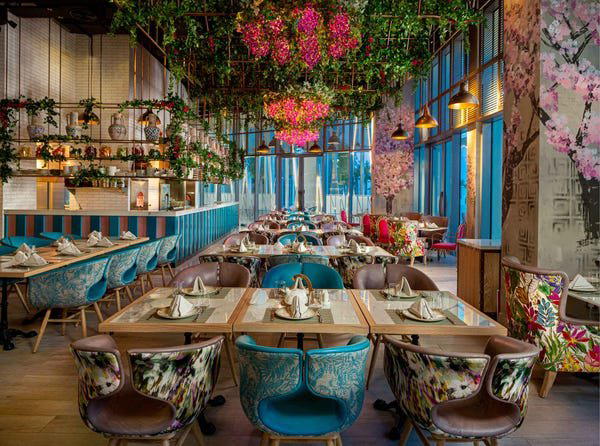
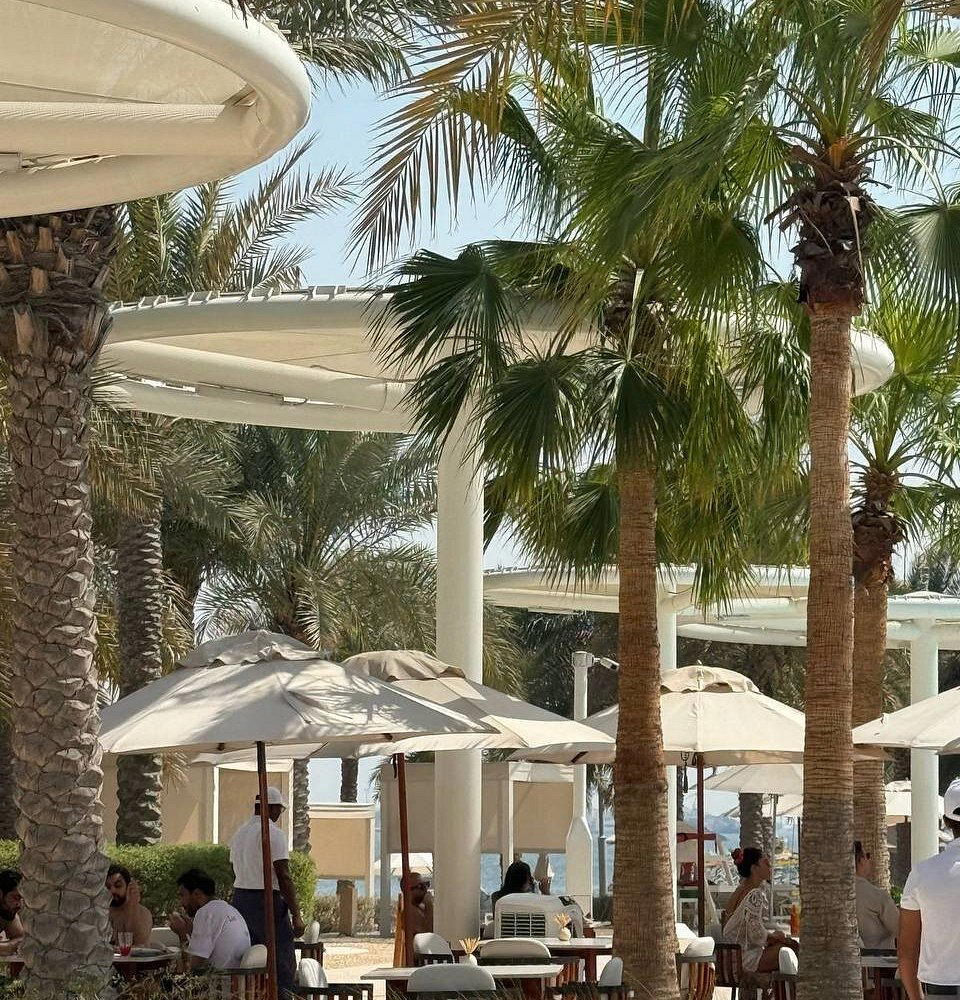
Warm, inviting conservatory-style setting with abundant plants, colorful artifacts, fresh fruits on display, and shelves of homemade spices and cookbooks; elegant yet cozy with natural lighting from terrace views of the promenade.