
Tean sits within the Jumeirah at Saadiyat Island Resort and brings together Lebanese, Greek, Turkish and broader Middle Eastern cooking under one shared-plates format. A 2024 Michelin Plate recognises the kitchen's consistency, with charcoal-grilled dishes and freshly baked breads forming the backbone of a menu designed for the table to share.
Pearl is the En Primeur Club membership app — saves, bookings, and concierge access live there. Same editors, same standards.
- Address
- Al Saadiyat Island - Jumeirah - Abu Dhabi - United Arab Emirates
- Phone
- +971 2 811 4342
- Website
- jumeirah.com
- Directions
- Get directions
 Saves & bookings on Pearl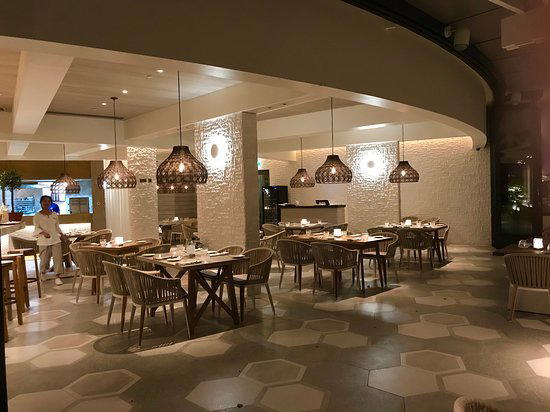
Saadiyat Island and the Case for Eating Beside the Pool
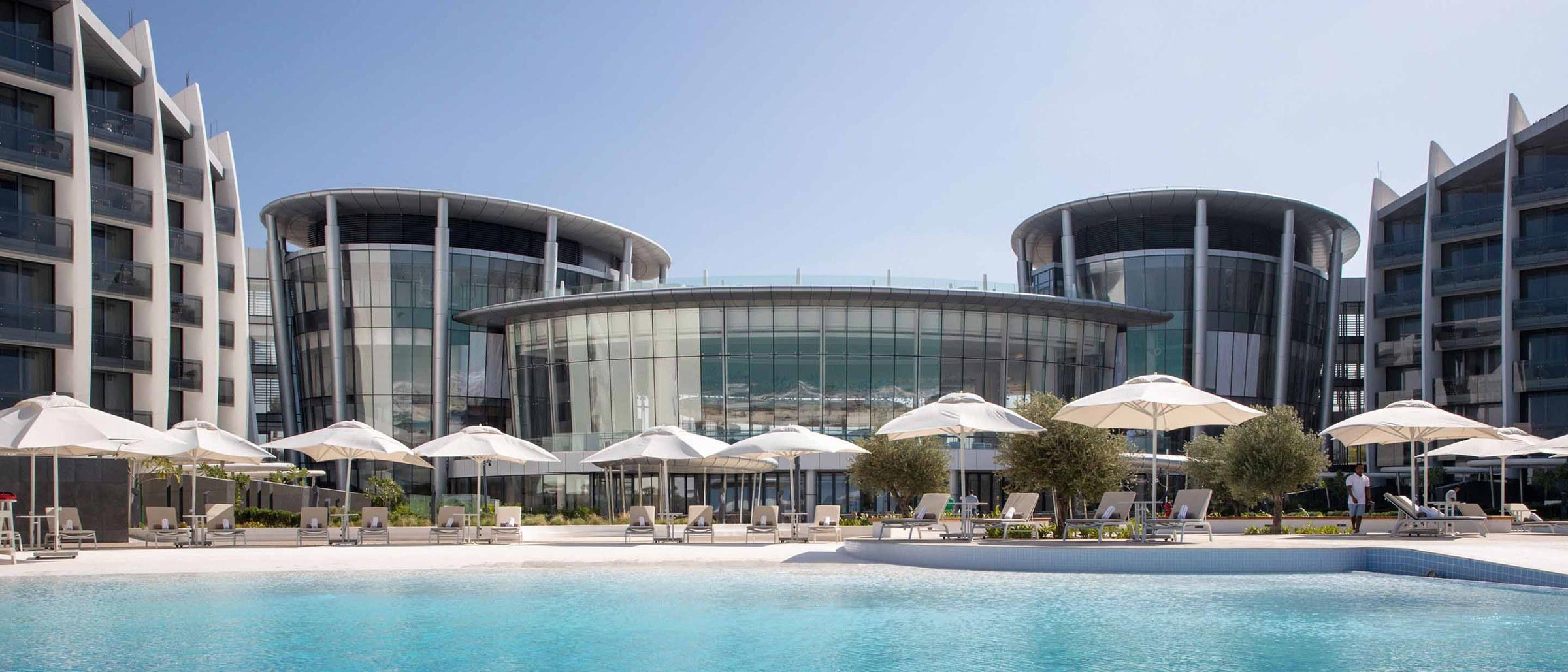
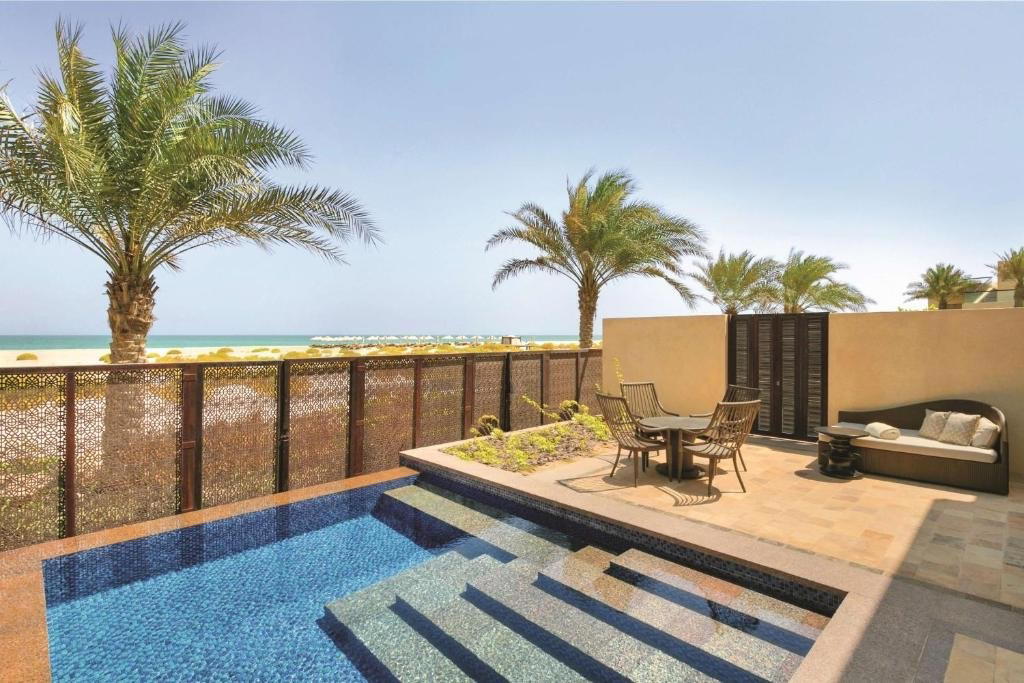
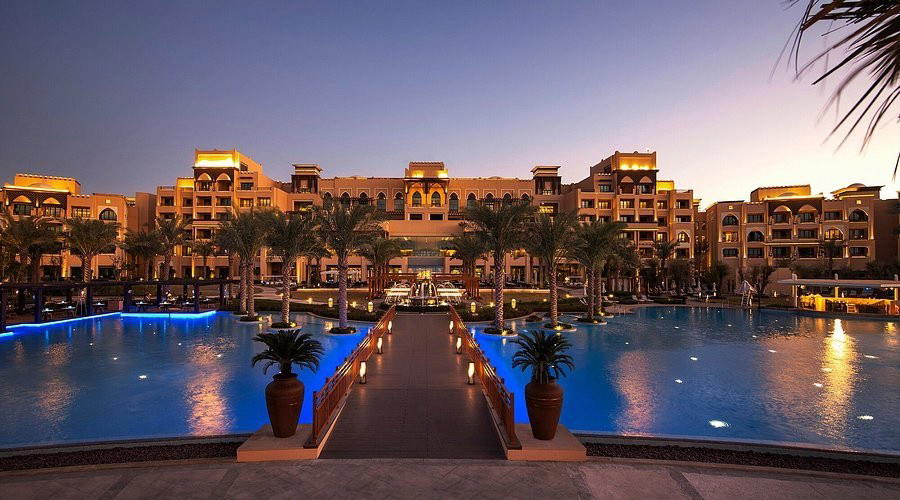
There is a particular rhythm to dining on Saadiyat Island that the city's downtown restaurant corridor rarely replicates. The cultural district end of the island carries gallery weight, the Louvre Abu Dhabi is a short drive from the resort strip, but the beach-facing hotels occupy a different register entirely: slower, more horizontal, oriented around water and light rather than spectacle. Tean is a restaurant in Abu Dhabi serving Modern Levantine food at Jumeirah at Saadiyat Island Resort. Arriving guests pass the resort pool on the way in, and the transition from afternoon heat to a kitchen sending out warm flatbreads and charcoal smoke is one of the more coherent sensory progressions in Abu Dhabi's hotel dining circuit.
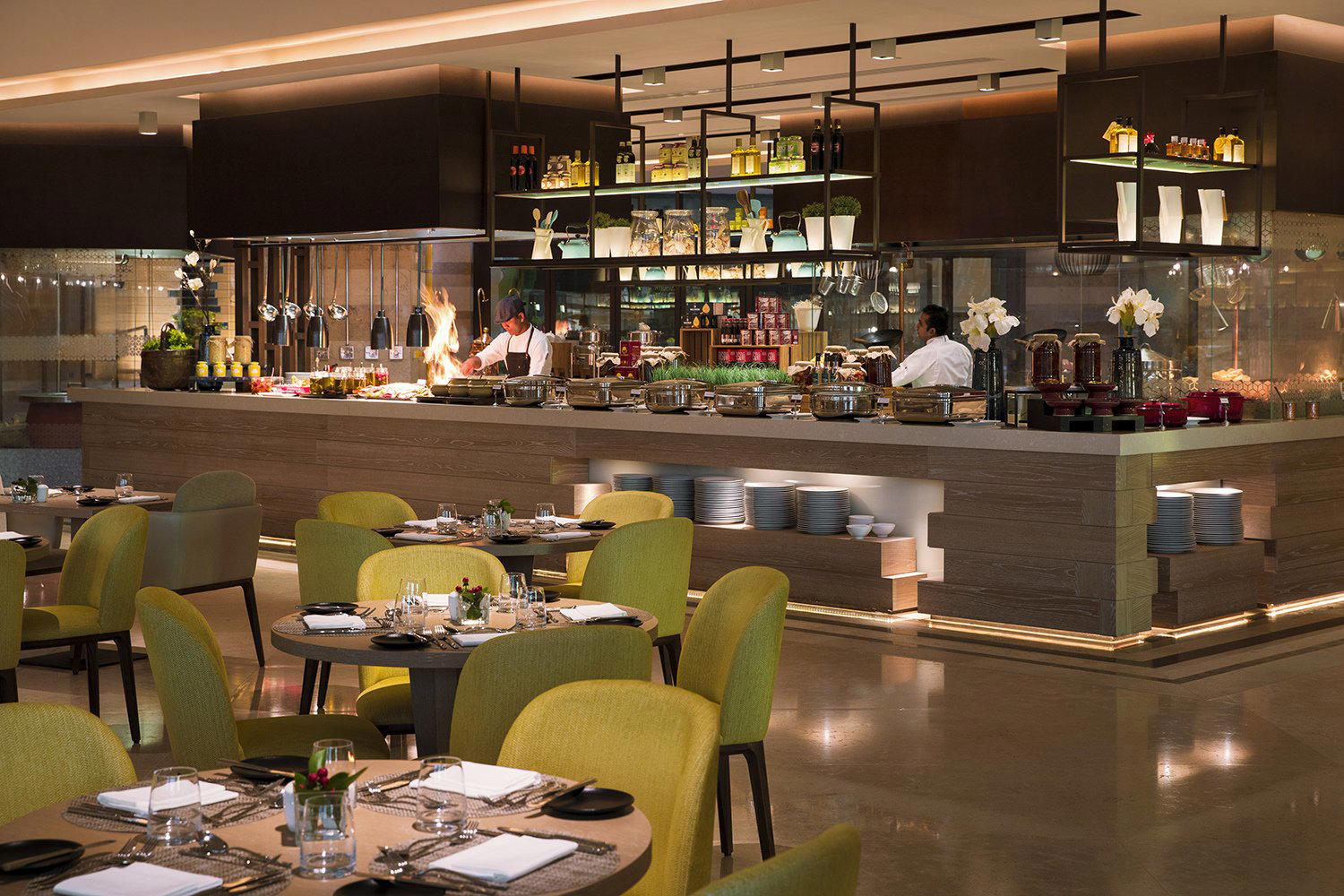
That setting matters because it shapes the entire proposition. This is not a restaurant asking you to dress up and perform. The open kitchen, visible from the dining room, frames the meal as a practical, convivial event rather than a ceremony. In a city where hotel dining frequently swings between high-concept tasting formats and international buffet, the shared-plates Mediterranean model Tean operates within occupies a productive middle ground.
Where This Fits in Abu Dhabi's Mediterranean Dining Scene
Abu Dhabi's Mediterranean offering is broader than the city's reputation for Emirati and international fine dining might suggest. The category spans everything from fast-casual Lebanese at the $$ tier to the polished European Mediterranean at French kitchens charging significantly more per head. Tean prices at the $$$ level, placing it above the approachable Lebanese category represented by venues like Mika but within a tier that invites comparison to the resort dining format rather than standalone neighbourhood restaurants. At that price point, the question is always whether the surroundings justify the premium over cheaper alternatives, and at Tean the answer tilts toward yes, largely because the setting and the food reinforce each other rather than working at cross-purposes.
Across the wider Mediterranean category, the tension between geographic specificity and crowd-pleasing breadth is a recurring editorial debate. Some of the more focused Mediterranean kitchens in Europe, including Beat in Calp, La Brezza in Ascona, and Bessem in Mandelieu-La Napoule, build menus around tight coastal identities. Tean makes a different editorial choice: Lebanese, Greek, Turkish, and broader Middle Eastern cooking coexist on the same menu, united by a sharing format rather than a single national tradition. That pluralism suits the Saadiyat audience, which skews toward international resort guests rather than diners in search of rigorous culinary specificity.
The Menu Logic: Charcoal, Bread, and the Sharing Table
The kitchen's structure follows familiar Eastern Mediterranean logic: mezze and breads open the table, charcoal-grilled proteins anchor the middle of the meal, and the sequence is designed for groups to order widely and pass dishes around. Freshly baked breads are a genuine strength here rather than an afterthought, and the charcoal grill is the production centrepiece, dishes from it carry the smoke register that gives the menu its backbone. The Michelin Plate awarded in 2024 signals a kitchen operating at a consistent standard within its format. That is not a criticism: a Michelin Plate in a resort all-day format is a meaningful marker of execution, not a consolation prize.
For dessert, Umm Ali is listed as a signature closing note. The dish, an Egyptian bread pudding with deep roots across the Arab world, is the kind of detail that signals the kitchen is paying attention to regional specificity rather than defaulting to generic pastry-trolley hotel finishes. Ordering it is a reasonable editorial recommendation for anyone eating here for the first time.
The Abu Dhabi restaurant scene has several other reference points worth mapping against Tean's position. Oii, Paradiso, and terra each occupy distinct corners of the Abu Dhabi dining picture, and the contrast in format and ambition across the city's restaurant list is worth consulting before finalising any multi-day itinerary. A meal at Tean makes most sense as part of an evening that stays close to Saadiyat rather than as a destination drive from downtown. For those staying on the island or visiting the cultural district, the resort proximity removes the need to negotiate the city's traffic entirely, which is a practical consideration worth factoring in.
Service and the Resort Context
Hotel restaurants in the Gulf sometimes struggle with service that defaults to corporate script over genuine warmth. Tean's guest ratings suggest the team here reads the room differently: a Google average of 4.3 from 232 reviews points to consistent floor performance rather than the polarised scores that often accompany large resort dining rooms. The open kitchen format also tends to produce better service energy, since the physical transparency between cooks and front-of-house creates accountability in both directions.
The shared-plates format rewards a particular kind of table dynamic: groups of three or more who want to eat laterally across the menu will extract more value than couples ordering narrowly. Arriving with an appetite for exploration across the Lebanese, Greek, and Turkish registers of the menu, rather than anchoring to a single national category, is the more rewarding approach.
Planning a Visit
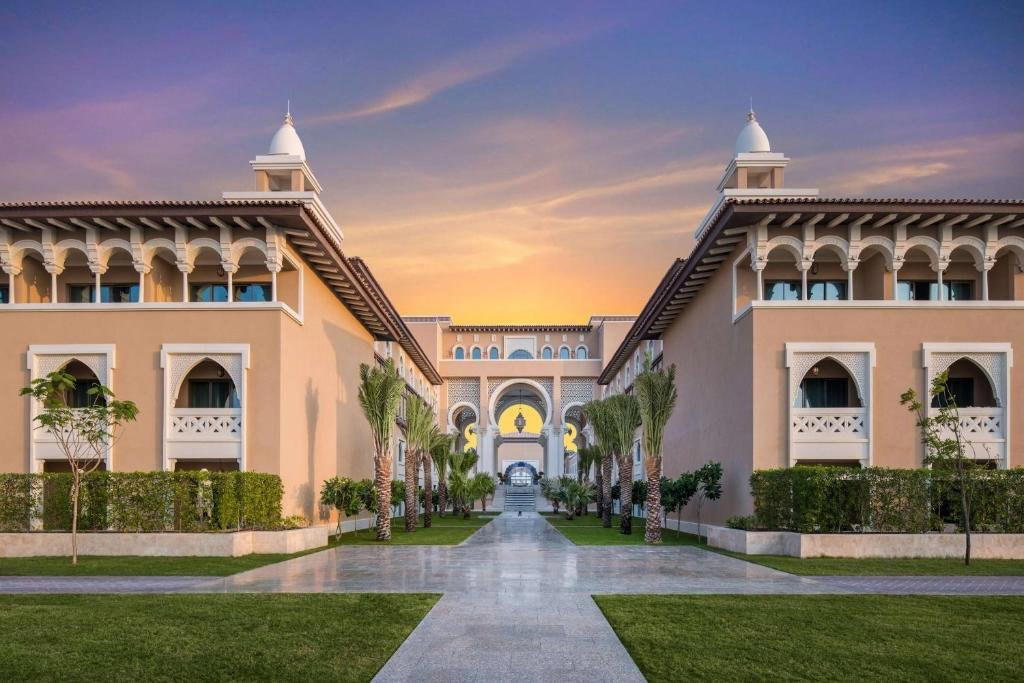
Tean sits within the Jumeirah at Saadiyat Island Resort on Al Saadiyat Island. The address connects directly to the resort, making it accessible to hotel guests without leaving the property and reachable by taxi or rideshare from central Abu Dhabi in under thirty minutes depending on traffic. The $$$ price tier places it in a range where a full shared meal with drinks for two will represent a material spend, though within the context of resort dining on Saadiyat it sits at a reasonable point for the quality level the Michelin Plate implies. Booking ahead is advisable for dinner, particularly on weekends when resort occupancy drives demand for the restaurant's better tables. Reservations are recommended.
What's the Leading Thing to Order at Tean?
The charcoal grill is the kitchen's clearest calling card, and ordering at least one dish from it is one direct path to understanding what the menu does well. Freshly baked breads are a genuine strength and worth ordering early. For a closing course, Umm Ali, the Egyptian bread pudding that appears across the Arab world in various forms, is one regionally grounded choice on the dessert list and the one most consistent with the kitchen's Mediterranean and Middle Eastern framing. The 2024 Michelin Plate recognises the kitchen's overall consistency, so the menu broadly delivers within its format rather than concentrating quality in one or two standout dishes.
Comparable Venues
Comparable venues nearby, for context on price, style, and recognition.
| Venue | Cuisine | Price | Awards | Notes |
|---|---|---|---|---|
| TeanThis venue — the venue you are viewing | Modern Levantine | $$$ | Michelin Plate | Not listed |
| Li Beirut | Contemporary Lebanese | $$$ | Michelin Plate | Al Bateen |
| Em Sherif Sea Café | Modern Lebanese Seafood | $$$$ | Michelin Plate | Al Reem Island |
| Beirut Sur Mer | Modern Lebanese with Seafood | $$$ | Bib Gourmand | Al Saadiyat Island |
| Al Mrzab | Traditional Emirati and Kuwaiti | $$ | Bib Gourmand | Al Nahyan |
| Yadoo's House | Traditional Emirati | $$ | Michelin Plate | Al Sa'Adah |
Recognition history
Dated appearances from independent guides and award organizations, with the underlying list record or original source where available.
Michelin Plate
Michelin
Michelin Plate
Michelin
Continue exploring
More in Abu Dhabi
Restaurants in Abu Dhabi
Browse all →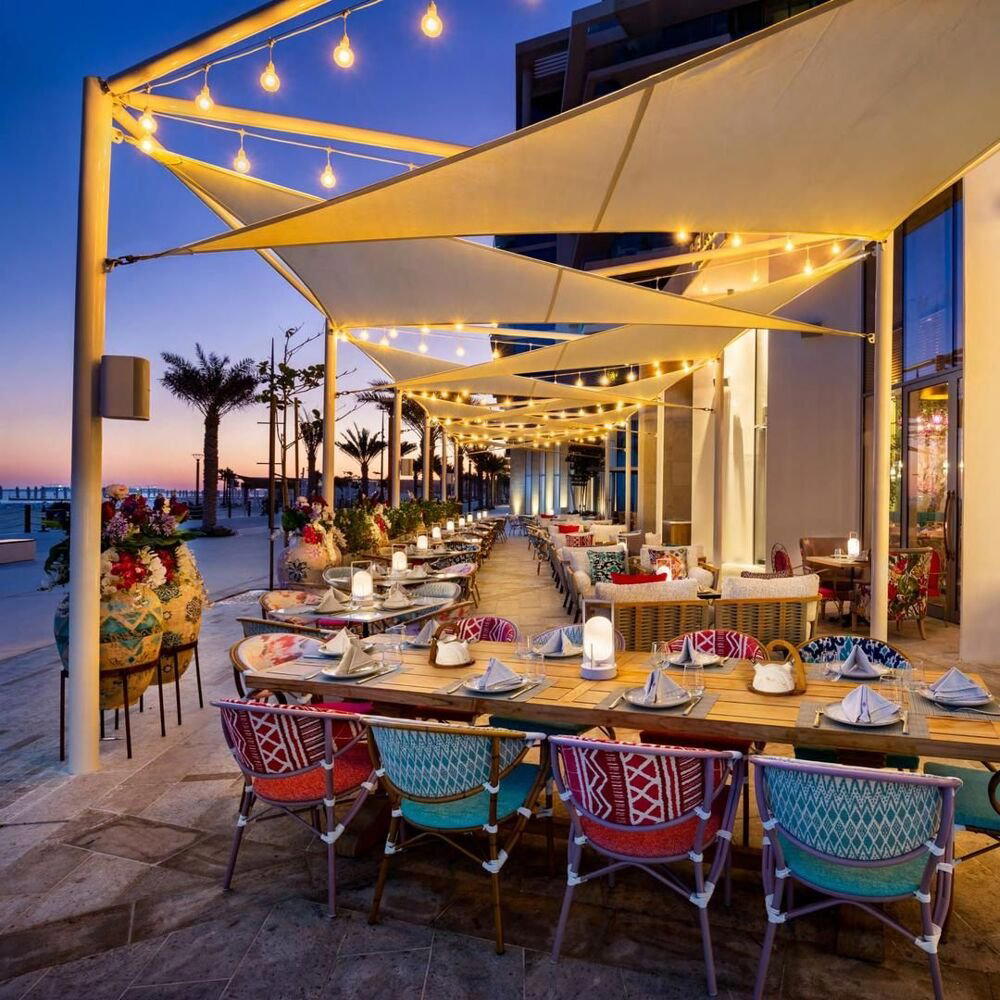
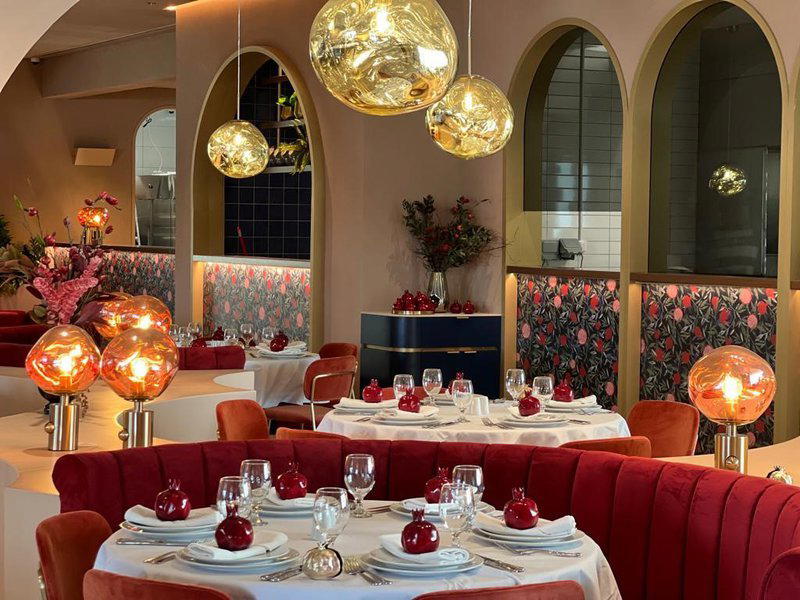
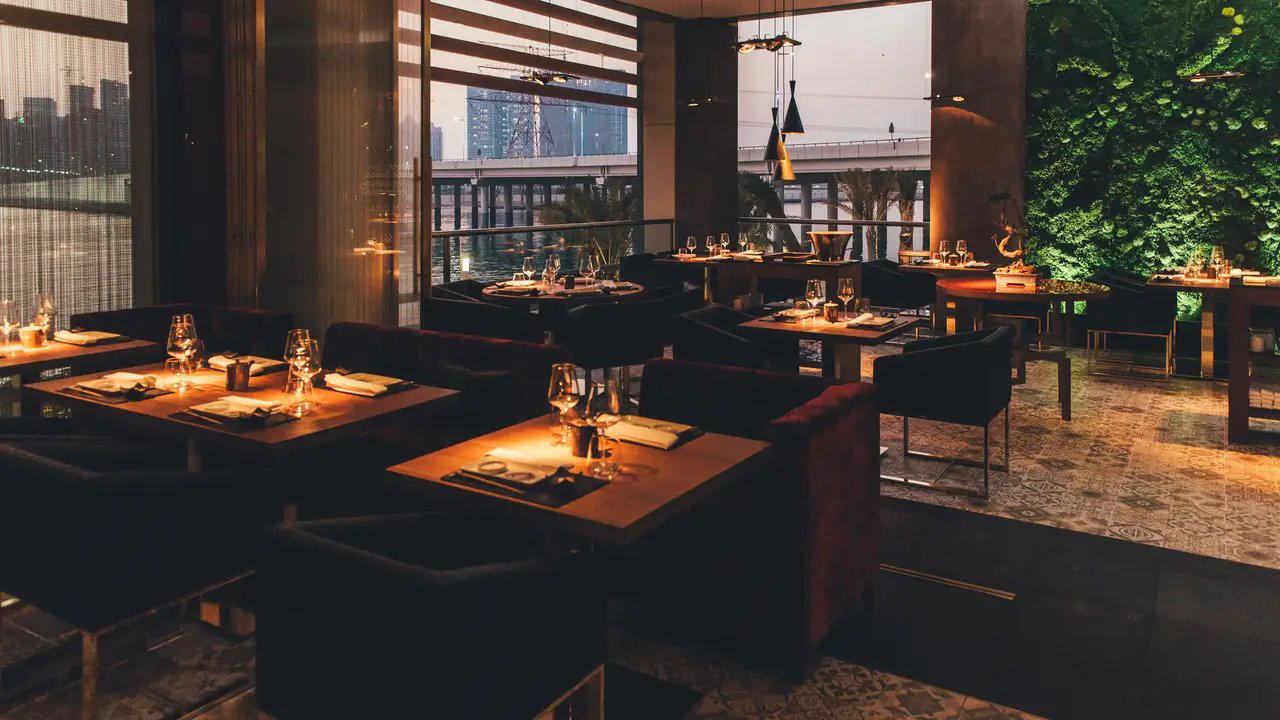
Bars in Abu Dhabi
Browse all →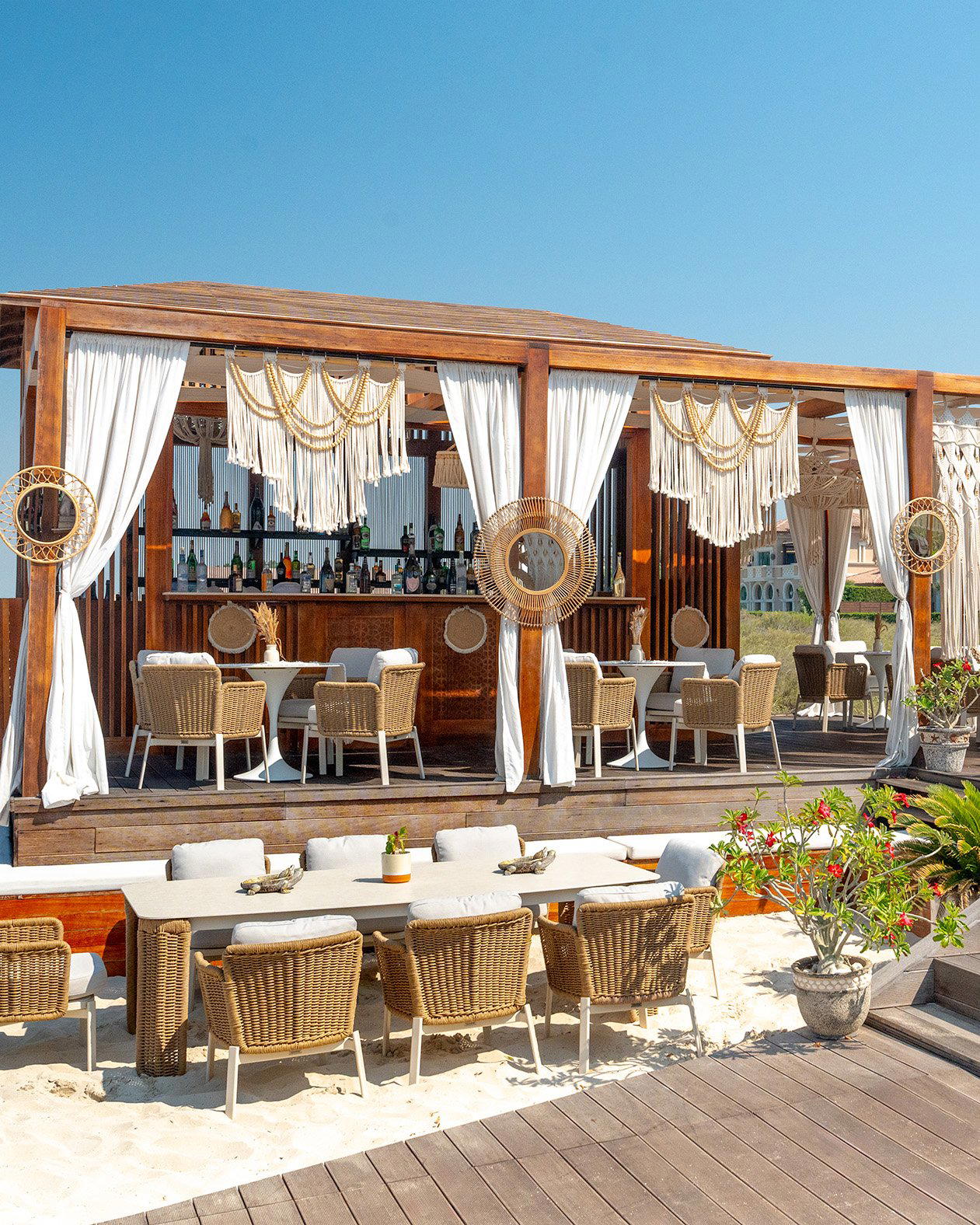
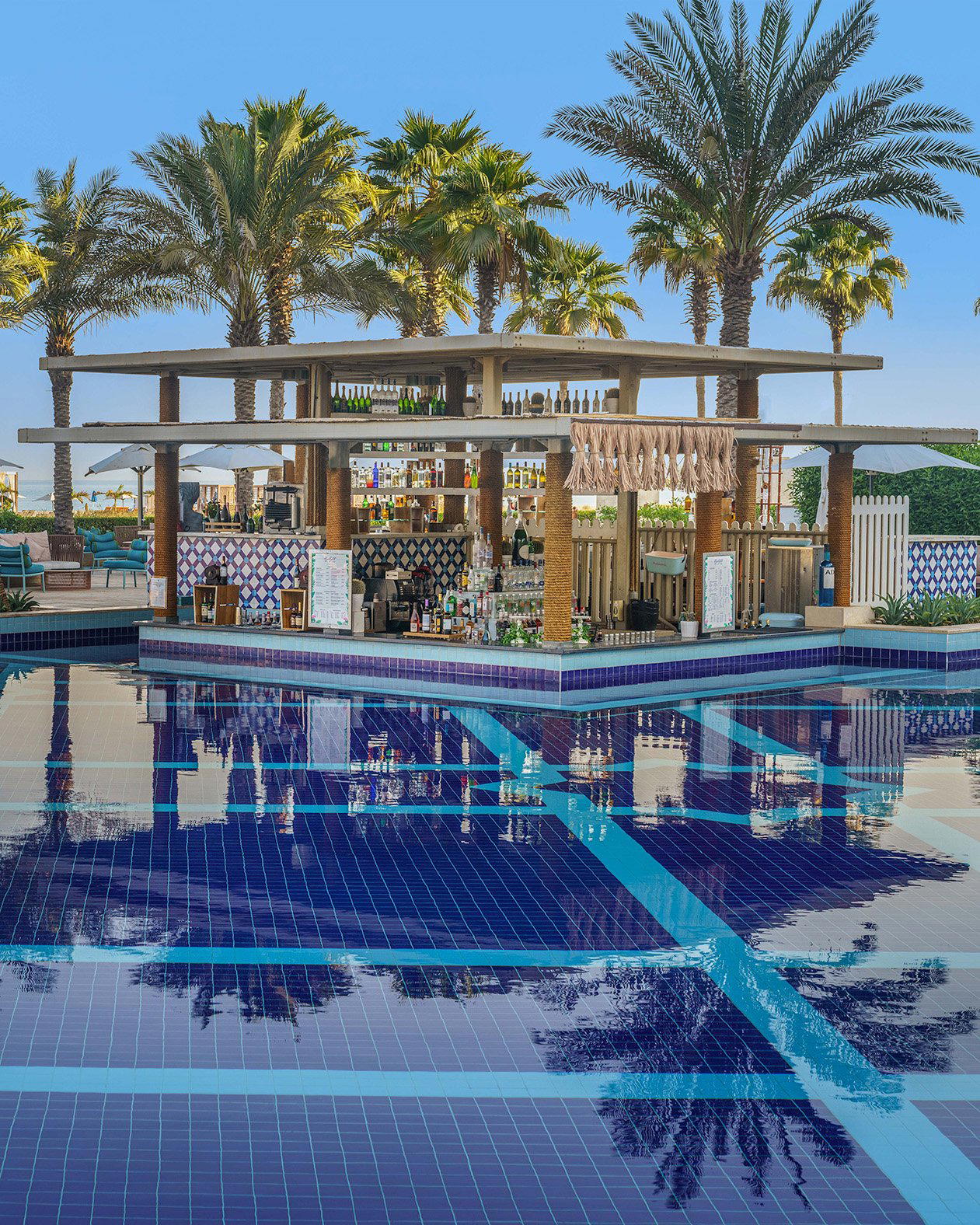
At a Glance
- Elegant
- Modern
- Cozy
- Date Night
- Family
- Group Dining
- Celebration
- Open Kitchen
- Waterfront
- Terrace
- Hotel Restaurant
- Extensive Wine List
- Craft Cocktails
- Waterfront
Current opening hours
- Monday
- 12–11:30 PM
- Tuesday
- 12–11:30 PM
- Wednesday
- 12–11:30 PM
- Thursday
- 12–11:30 PM
- Friday
- 12 PM–12 AM
- Saturday
- 12 PM–12 AM
- Sunday
- 12–11:30 PM
Hours can change for holidays and private events. Last verified .
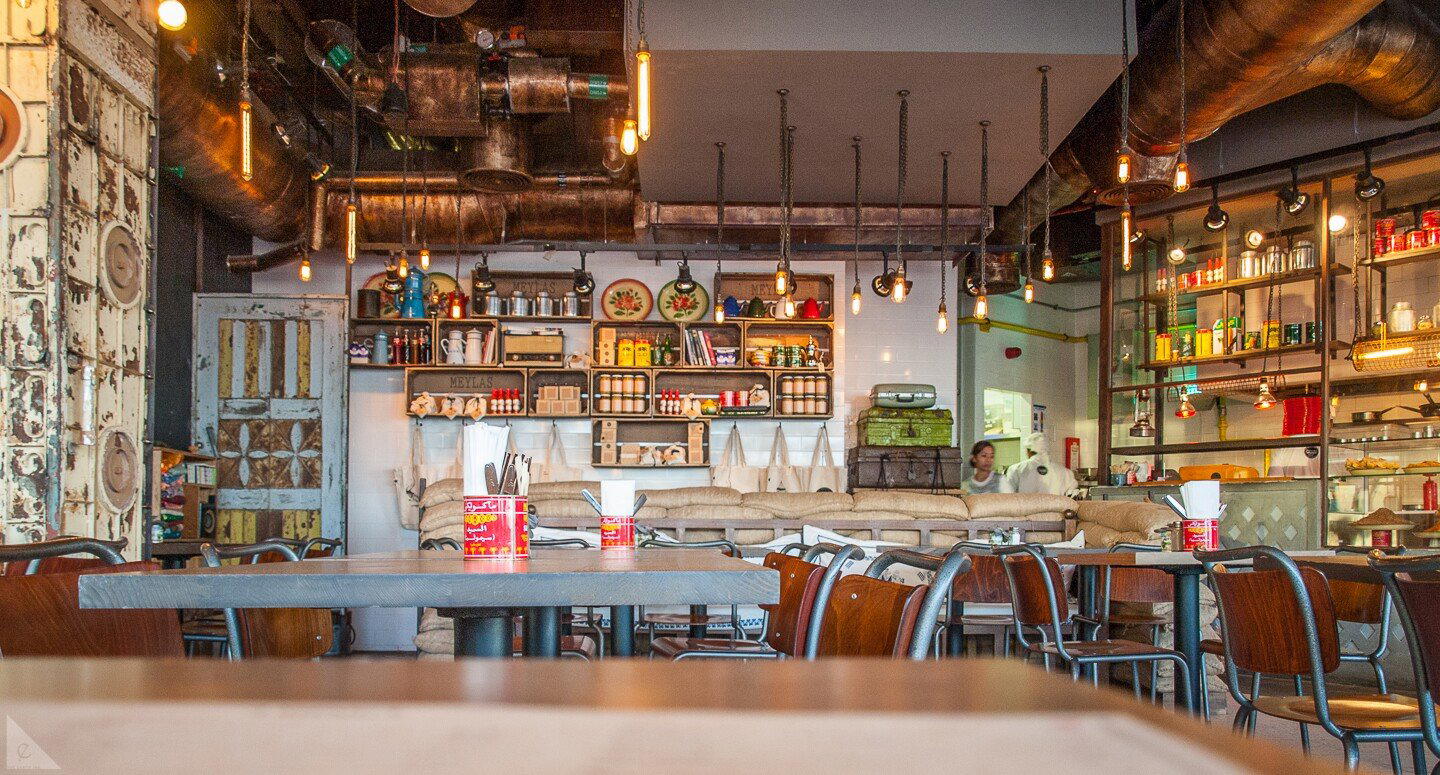
Beautiful stylish interior with modern Arabic decor, ambient music, open kitchen views, and dramatic sea views creating a refined yet relaxed atmosphere.