Viertel-Kreis
On Gundeldingerstrasse in Basel's working-class southern quarter, Viertel-Kreis occupies a stretch of the city that sits well outside the Rhine-front tourist corridor. Where Basel's fine-dining tier clusters around hotel addresses and the Old Town, this address represents a different gravitational pull: neighbourhood-rooted, less ceremony, more directness. A reference point for understanding how the city's dining character extends beyond its Michelin-decorated centre.
Pearl is the En Primeur Club membership app — saves, bookings, and concierge access live there. Same editors, same standards.
- Address
- Gundeldingerstrasse 505, 4053 Basel, Switzerland
- Phone
- +41613311701
- Website
- viertel-kreis.ch
- Directions
- Get directions
 Saves & bookings on Pearl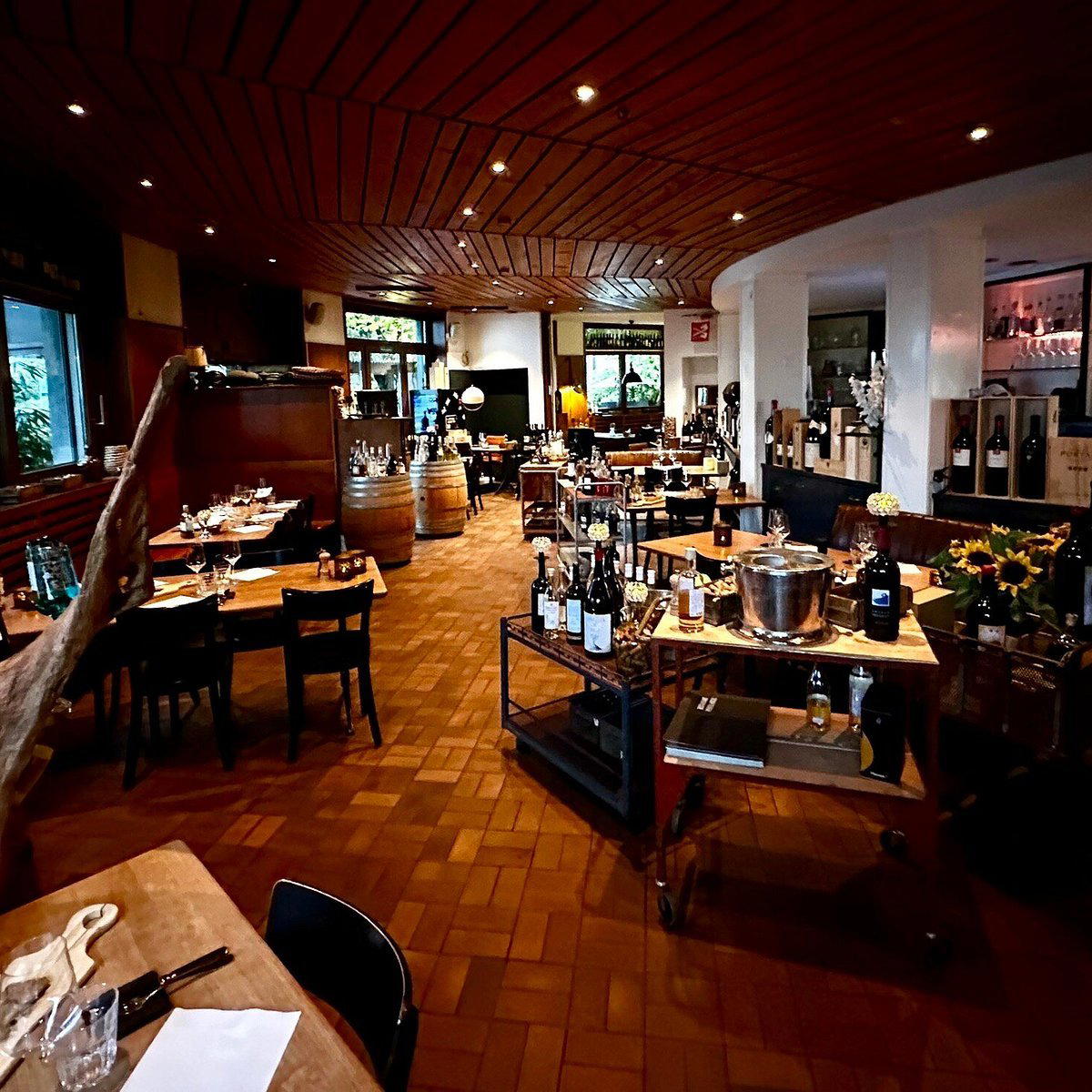
Gundeldingen and the Question of Where Basel Actually Eats
The stretch of Gundeldingerstrasse that runs through Basel's 4053 postcode is not the Basel that appears in hotel concierge recommendations. There are no Rhine views, no proximity to the Art Basel fairgrounds, no heritage hotel dining rooms nearby. What the Gundeldingen quarter has instead is density: a working neighbourhood with a high migrant population, street-level commerce, and a dining culture that has developed along practical rather than promotional lines. Viertel-Kreis, at number 505, sits inside that pattern. Understanding the address is the first step to understanding the venue.
Basel's restaurant scene divides more sharply than many Swiss cities. At one end, Cheval Blanc by Peter Knogl and Stucki - Tanja Grandits anchor the city's Michelin-recognised tier, operating in the €€€€ bracket with tasting menus and formal service conventions. roots occupies a similar price point with a vegetable-forward, modernist approach that has attracted significant critical attention. Then there are mid-range French brasserie formats and neighbourhood addresses that serve a different function entirely. Viertel-Kreis, positioned in Gundeldingen rather than the Altstadt, belongs to a category defined more by its relationship to the neighbourhood than by its position in a culinary hierarchy.
The Intersection of Method and Place
Across Swiss dining more broadly, one of the most consistent tensions is between the pull of international technique and the logic of working with what the region produces. Switzerland's geography creates a specific set of ingredients: mountain cheeses, freshwater fish from its lakes, game from the alpine approaches, root vegetables and brassicas from the plateau. The kitchens that attract the most sustained attention are those that apply serious technical discipline to this material rather than importing both the method and the product. This is not uniquely Swiss. The same dynamic plays out at Schloss Schauenstein in Fürstenau, where Andreas Caminada's kitchen has built a reputation on precisely this combination, or at Memories in Bad Ragaz, which applies high-precision technique to Swiss alpine produce within a resort context.
The neighbourhood address on Gundeldingerstrasse suggests a different register for that conversation. In urban neighbourhood venues across German-speaking Switzerland, the tendency is toward a more direct relationship between kitchen and market: seasonal rotation driven by what is available rather than what is prestigious, regional sourcing shaped by proximity and supplier relationships rather than concept.
Basel's Southern Quarter as Dining Context
Gundeldingen is one of the city's most densely populated neighbourhoods and has historically attracted less editorial attention than the Rhine-front areas or the Old Town districts. That gap between residential weight and media coverage creates the conditions in which neighbourhood restaurants operate without significant external pressure. They tend to serve regulars, develop menus that reflect local demand rather than trend cycles, and price in relation to the neighbourhood's economic reality rather than a tourist-facing market.
This positions Viertel-Kreis differently from the formal Swiss fine-dining addresses that tend to dominate coverage. Venues like Hotel de Ville Crissier in Crissier or 7132 Silver in Vals operate within destination dining logic, where the journey to the venue is itself part of the proposition. A Gundeldingerstrasse address operates on opposite assumptions: the venue is there because the neighbourhood is there, not the other way around. That distinction shapes everything from pricing to format to the rhythm of service.
The city has enough range that visitors and residents alike can find significant variation without leaving the urban core, and Viertel-Kreis adds a southern neighbourhood node to that geography.
Switzerland's Wider Scene and What Basel Connects To
Basel sits at the corner where Switzerland meets Germany and France, a position that has historically made it more porous to external culinary influence than cities further into the Swiss interior. The brasserie tradition is present in a way it is not in Zurich or Bern, and French technique has long been part of the fine-dining baseline here. The city's connection to the wider Swiss scene runs through venues in every major city: IGNIV Zürich by Andreas Caminada applies a sharing-format approach to high-end Swiss produce, while Einstein Gourmet in Sankt Gallen and Colonnade in Lucerne represent the regional fine-dining tier in their respective cities. focus ATELIER in Vitznau and Da Vittorio - St. Moritz demonstrate how destination resort contexts create a separate category entirely.
Against that backdrop, a neighbourhood address in Basel's south functions as a counterweight: lower visibility, closer relationship to its immediate community, and a format more aligned with how most people actually eat in Swiss cities. For those whose reference points are destination venues with long lead times and formal service codes, places like Le Bernardin in New York City or Atomix in New York City represent the far end of the technique-forward, high-ceremony spectrum. Viertel-Kreis occupies a different axis, where proximity and accessibility carry more weight than critical positioning. For a full picture of the city's dining range, our full Basel restaurants guide maps the broader field.
Planning a Visit
Gundeldingerstrasse 505 is reachable from Basel's city centre by tram, with the Gundeldingen quarter well-served by public transport. For visitors staying near the Rhine-front or Old Town, the journey south takes under fifteen minutes by tram and deposits you in a part of the city that sees fewer tourists than the areas around the Kunstmuseum or the Marktplatz. The absence of confirmed awards or formal recognition in public records is consistent with the neighbourhood positioning: this is a venue assessed by its local regulars more than by the critical apparatus that tracks the Michelin tier.
Continue exploring
More in Basel
Restaurants in Basel
Browse all →
Bars in Basel
Browse all →


Hotels in Basel
Browse all →

At a Glance
- Cozy
- Elegant
- Modern
- Date Night
- Special Occasion
- Terrace
- Local Sourcing
Current opening hours
- Monday
- Closed
- Tuesday
- 6 PM–12 AM
- Wednesday
- 6 PM–12 AM
- Thursday
- 6 PM–12 AM
- Friday
- 6 PM–12 AM
- Saturday
- 6 PM–12 AM
- Sunday
- Closed
Hours can change for holidays and private events. Last verified .
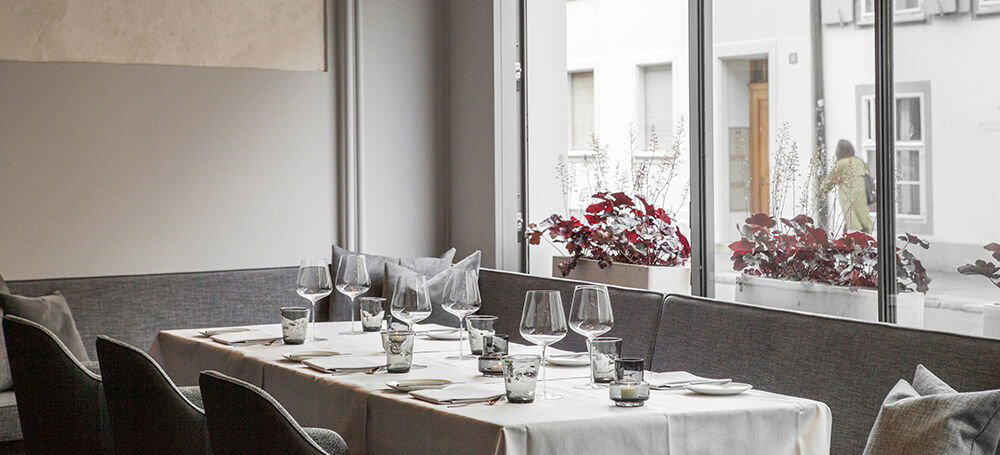
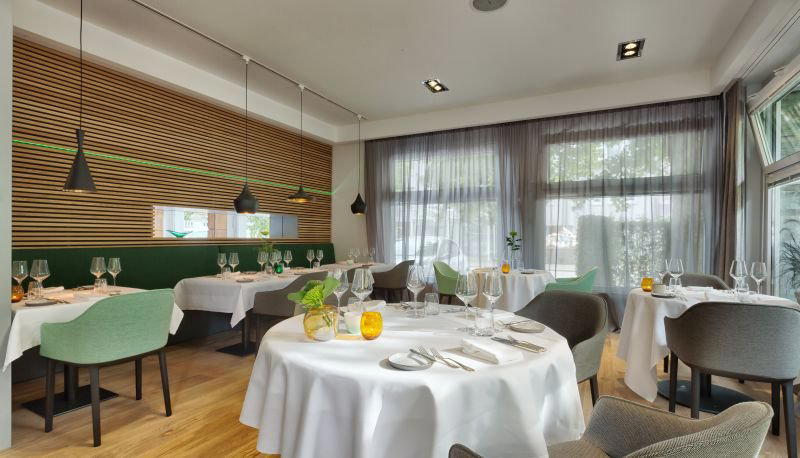
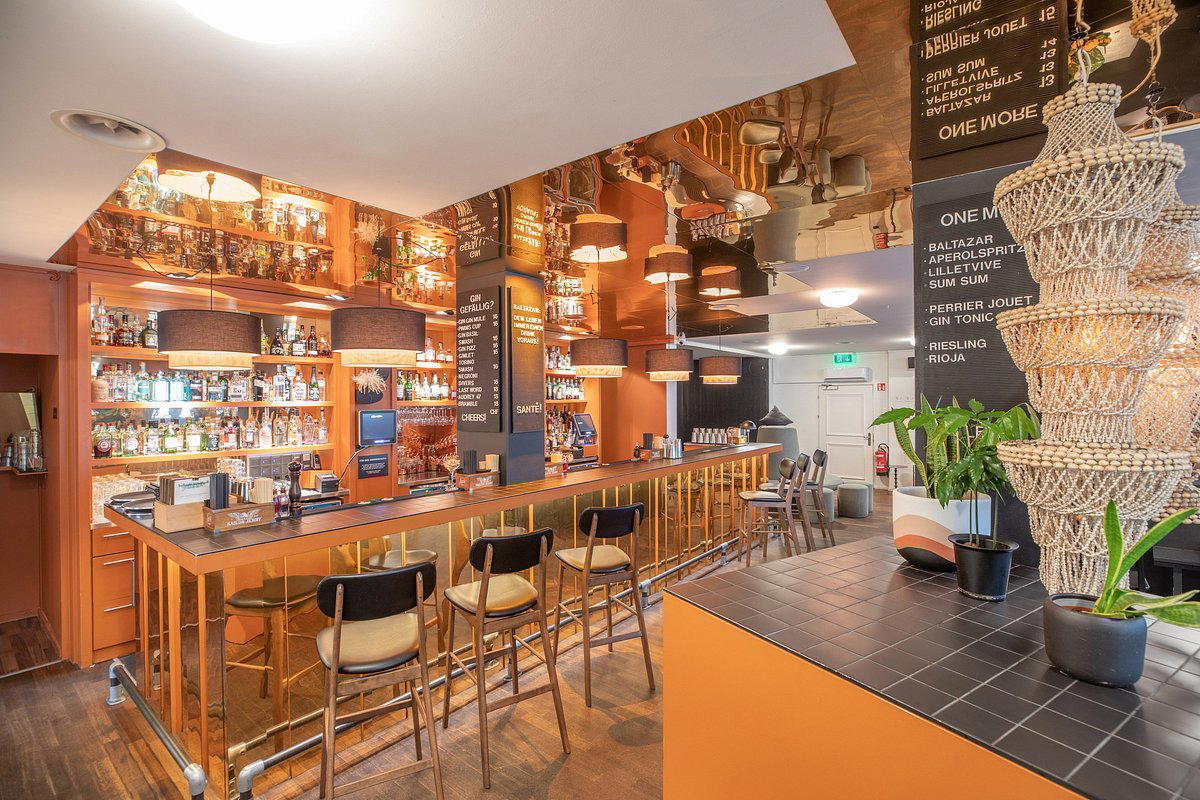
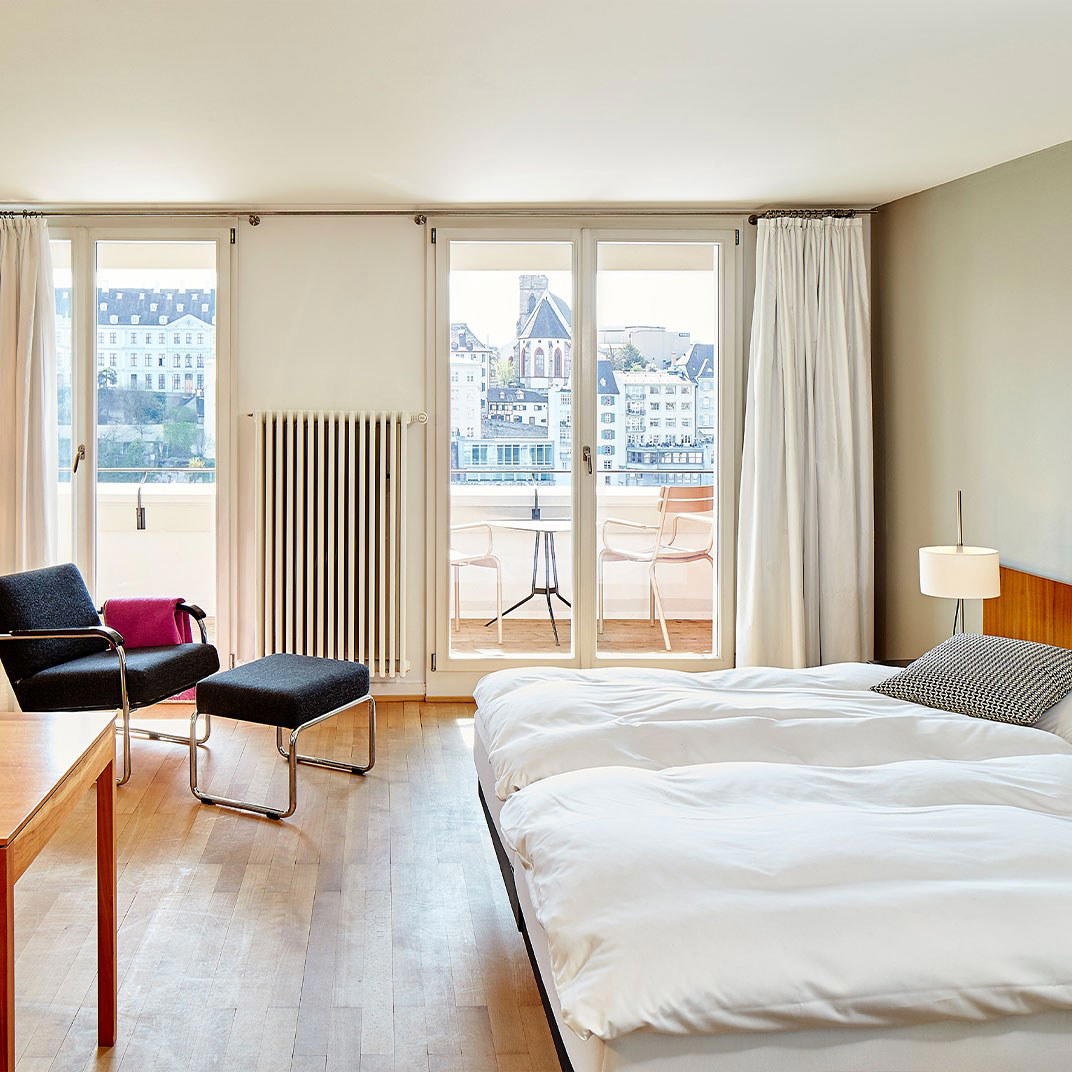
Pleasant and aesthetic interior with cosy terrace, creating an inviting atmosphere for enjoyable evenings.
Know Before You Go
- Getting there
- Gundeldingerstrasse 505, 4053 Basel, Switzerland