Verde
Verde occupies a striking position on Biscayne Boulevard, where Miami's appetite for design-forward dining meets the cultural energy of the Pérez Art Museum Miami. The restaurant draws from the city's multicultural pantry while operating in a tier that places it alongside serious, chef-driven rooms. For visitors and residents who track where Miami's dining scene is genuinely moving, it belongs on the itinerary.
Pearl is the En Primeur Club membership app — saves, bookings, and concierge access live there. Same editors, same standards.
- Address
- 1103 Biscayne Blvd, Miami, FL 33132
- Phone
- +1 786 345 5697
- Website
- pamm.org
- Directions
- Get directions
 Saves & bookings on Pearl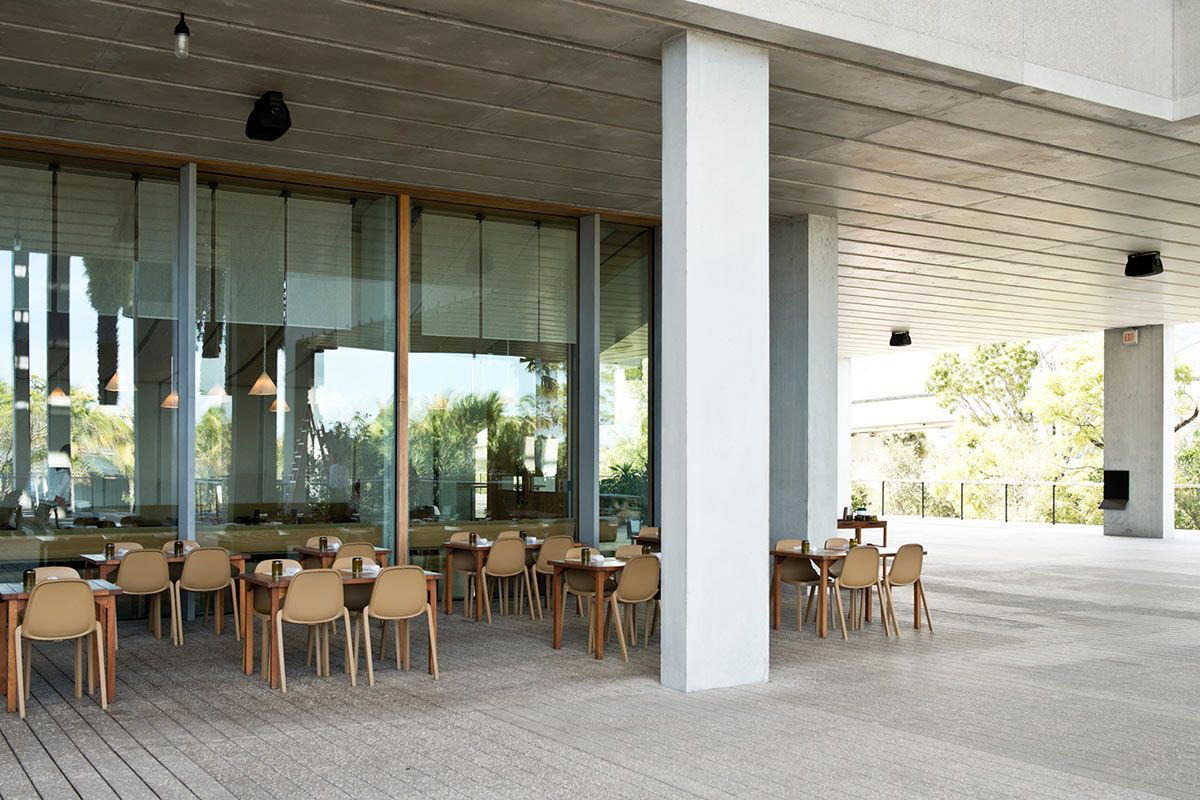
Biscayne Bay as Backdrop, PAMM as Context
Miami's museum district has spent the better part of a decade becoming something more than a cultural detour. The stretch along Biscayne Boulevard anchoring the Pérez Art Museum Miami has pulled serious dining energy northward, away from South Beach's high-volume restaurant corridor and toward a setting where the bay is visible, the architecture makes demands on your attention, and the restaurants are expected to match the ambition of their surroundings. Verde, positioned at 1103 Biscayne Blvd inside the PAMM campus, operates squarely inside that shift.
The physical setting does significant work before a dish arrives. Waterfront light in Miami behaves differently than in most American cities: it arrives flat and silver in the morning, then turns amber and insistent by afternoon. A restaurant on this particular stretch of Biscayne Bay inherits that quality of light by default, and Verde's position on the museum's terrace means the bay is not incidental to the experience but structurally part of it. The sound environment follows: water, wind off the bay, and the particular acoustic looseness of a space that opens to the outside rather than sealing guests in. Miami's leading outdoor dining positions have always competed on exactly these terms.
Where Verde Sits in Miami's Dining Tiers
Miami's restaurant scene has consolidated around several distinct tiers over the past five years. At the upper end, you have destination rooms with serious culinary pedigrees: L'Atelier de Joël Robuchon Miami operates a structured French tasting format, while Ariete in Coconut Grove holds a Michelin star and a $$$$ price point anchored in modern American cooking. Boia De runs a tighter, more intimate Italian-contemporary room that has built a loyal following on technical precision rather than spectacle. Cote Miami occupies the Korean steakhouse tier at a $$$ level that still signals considered dining rather than casual eating.
Verde operates in a different register from all of them: it is a museum restaurant in the fullest sense, which in American dining has historically meant a compromise position, a room that exists to serve an institution rather than to drive culinary conversation on its own terms. The better museum restaurants in the country have been dismantling that assumption steadily. Blue Hill at Stone Barns in Tarrytown made farm-to-table sourcing the intellectual spine of an entire dining program. The museum-adjacent format, when executed with seriousness, becomes an asset: a built-in audience, a distinctive physical context, and an expectation of cultural engagement that gives the kitchen permission to work with ideas rather than just ingredients.
Miami's Multicultural Pantry and the Coastal Format
Any serious restaurant working in Miami has access to one of the most varied ingredient environments in the country. The city's proximity to the Caribbean, Central America, and South America means that its produce markets and fish suppliers operate with a different seasonal logic than those serving, say, Smyth in Chicago or Single Thread Farm in Healdsburg. Tropical fruit, Gulf fish, and a culinary culture that moves fluidly between Latin American, Haitian, and Caribbean traditions give Miami kitchens a pantry that coastal fine dining rooms elsewhere spend considerable effort trying to approximate.
The restaurants in Miami that have earned the most sustained critical attention, from ITAMAE's Peruvian-Japanese precision to the wood-fire theatrics of Los Fuegos by Francis Mallmann, tend to be ones that engage that multicultural ingredient base with genuine specificity rather than generic Florida sunshine positioning. Verde's Biscayne Bay location places it in direct conversation with the waterfront and the fishing traditions that have shaped South Florida cooking for generations.
The Sensory Argument for This Address
The case for Verde is partly architectural. The PAMM building, designed by Herzog and de Meuron, uses deep overhangs and a waterfront orientation to manage Miami's light and heat in ways that make the outdoor and semi-outdoor spaces genuinely comfortable for more months of the year than a less considered structure would allow. Dining here in the cooler months, roughly November through March, means working with some of the most agreeable outdoor conditions in any major American city. The bay breeze, the museum's hanging gardens, and the downtown Miami skyline framed across the water create a visual and atmospheric context that few restaurant addresses in Florida can match on purely environmental terms.
For comparison, the restaurants drawing the most attention for experiential ambition nationally, from Le Bernardin in New York to Providence in Los Angeles to The French Laundry in Napa, earn their reputations through the convergence of setting, technical cooking, and a coherent point of view about what a meal should accomplish. Verde's setting contributes meaningfully to that convergence in the Miami context. The question any serious diner should be asking is how well the kitchen uses the advantage the address provides.
Planning a Visit
Verde operates on the PAMM campus at 1103 Biscayne Blvd, which places it in the museum district between downtown Miami and Wynwood. Visitors arriving from South Beach should allow 20 to 30 minutes depending on traffic; the venue is accessible via Metromover with a short walk from the Museum Park station. Museum admission is not required to dine at Verde, which means the restaurant functions as a standalone destination rather than an extension of a cultural visit. Given the outdoor setting and Miami's high-season tourism patterns, booking ahead is advisable particularly on weekends and during Art Basel week in December, when the museum district draws concentrated foot traffic from the international art market crowd. For those building a broader Miami dining itinerary, the full Miami restaurants guide maps the city's key neighborhoods and dining tiers in detail.
The Essentials
| Venue | Cuisine | Price |
|---|---|---|
| VerdeThis venue — the venue you are viewing | Not listed | Not listed |
| Cote Miami | Korean Steakhouse, Korean | $$$ |
| Ariete | Modern American, Contemporary | $$$$ |
| Boia De | Italian, Contemporary | $$$ |
| Stubborn Seed | Progressive American, Contemporary | $$$$ |
| Los Fuegos by Francis Mallmann | Argentinian | $$$$ |
Continue exploring
More in Miami
Restaurants in Miami
Browse all →
At a Glance
- Modern
- Trendy
- Scenic
- Elegant
- Date Night
- Brunch
- Special Occasion
- Waterfront
- Terrace
- Open Kitchen
- Craft Cocktails
- Local Sourcing
- Waterfront
Current opening hours
- Monday
- 11 AM–4 PM
- Tuesday
- Closed
- Wednesday
- Closed
- Thursday
- 11 AM–8 PM
- Friday
- 11 AM–4 PM
- Saturday
- 11 AM–4 PM
- Sunday
- 11 AM–4 PM
Hours can change for holidays and private events. Last verified .
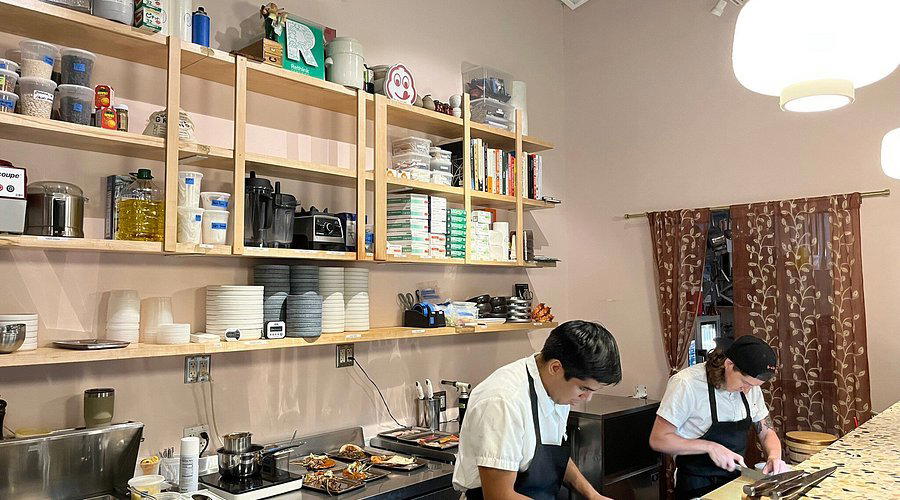
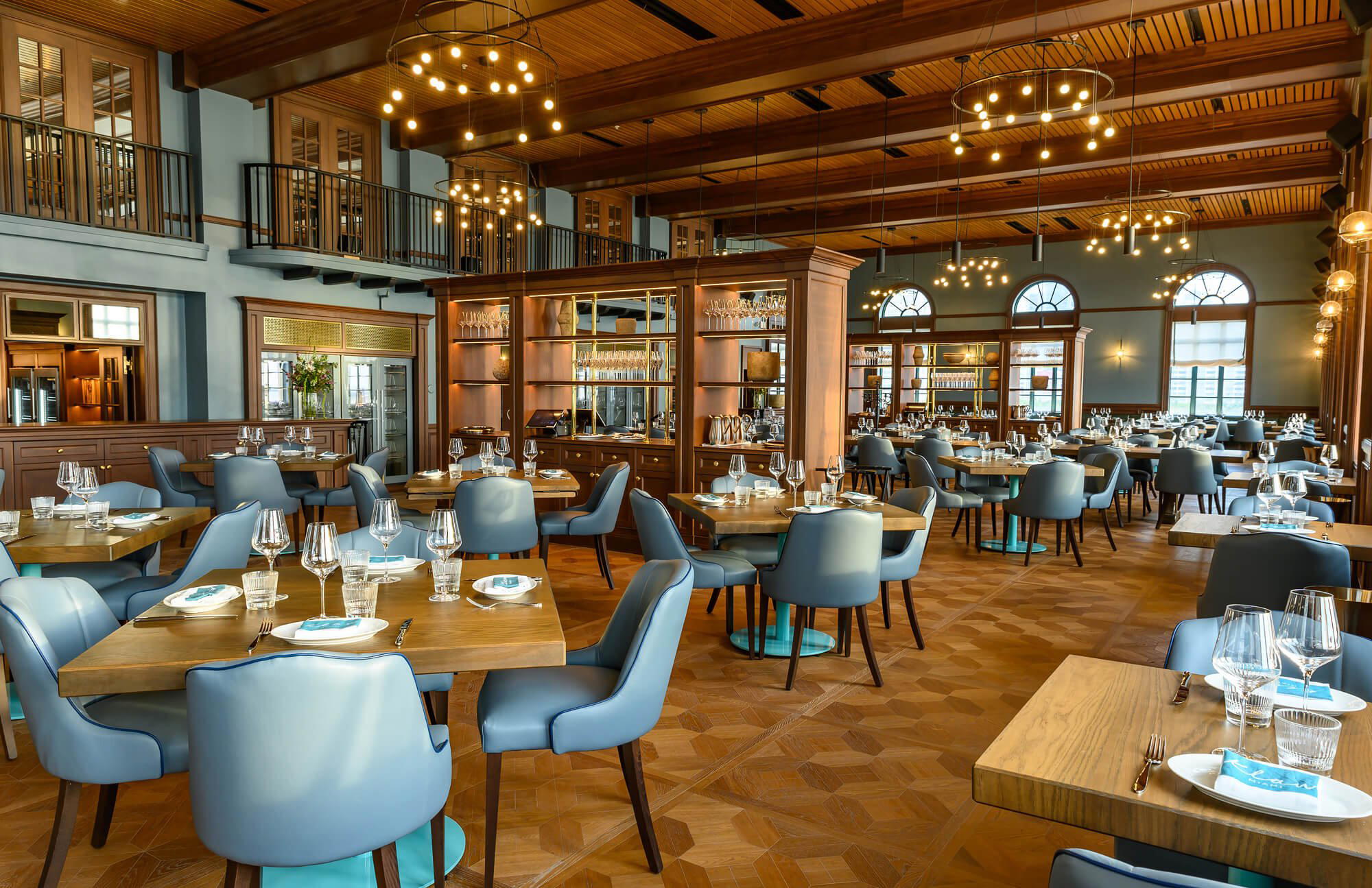
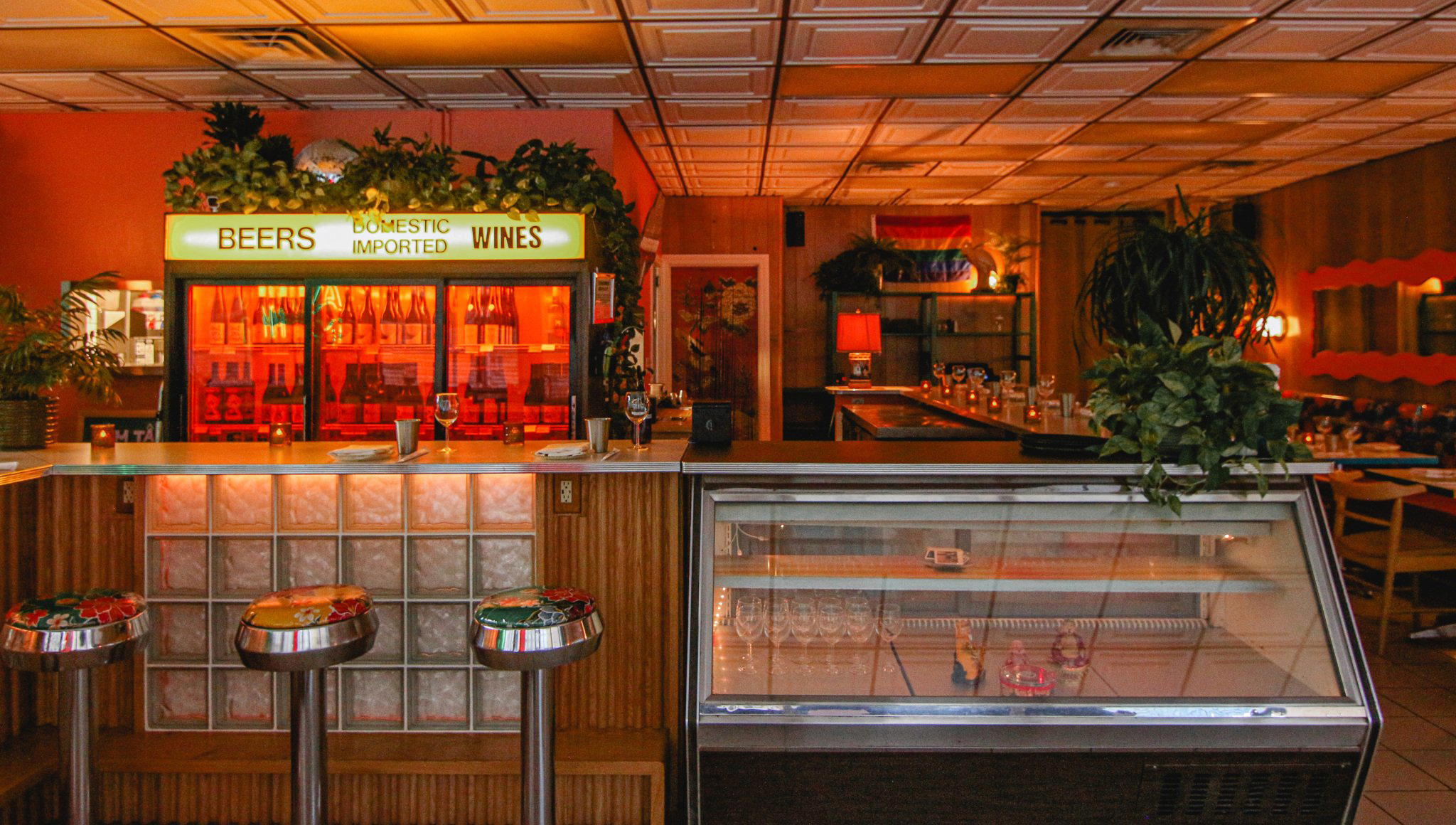
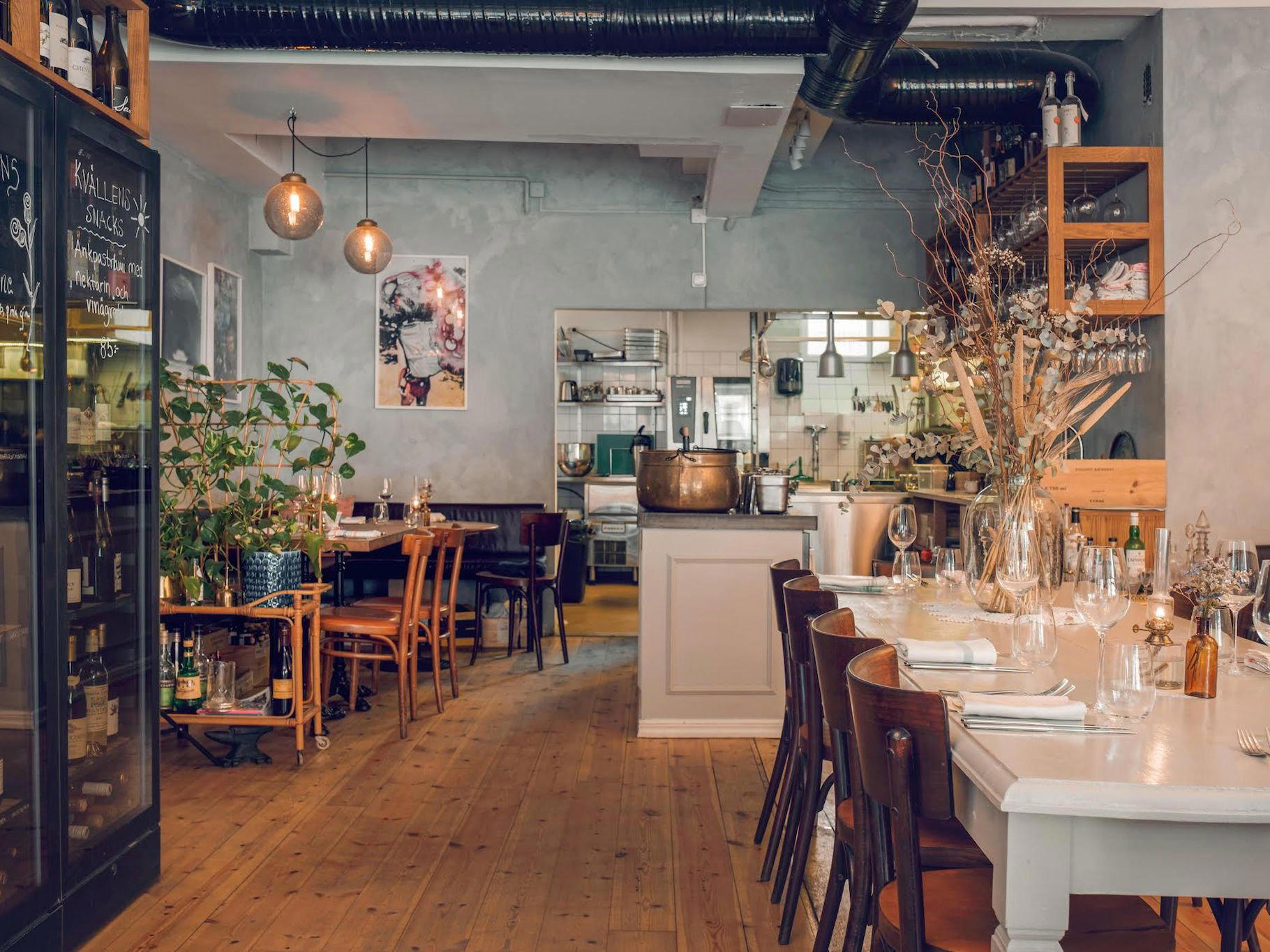
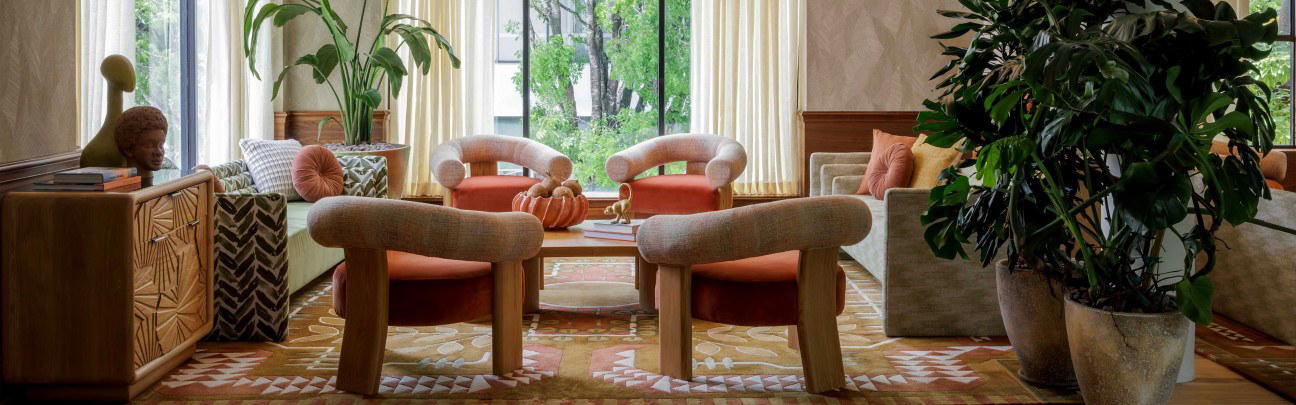
Modern casual atmosphere with bright natural light, lush greenery on the terrace, and sweeping Biscayne Bay views from indoor and outdoor seating.
Know Before You Go
- Getting there
- 1103 Biscayne Blvd, Miami, FL 33132