Veranda at the Beachhouse
Our verdict
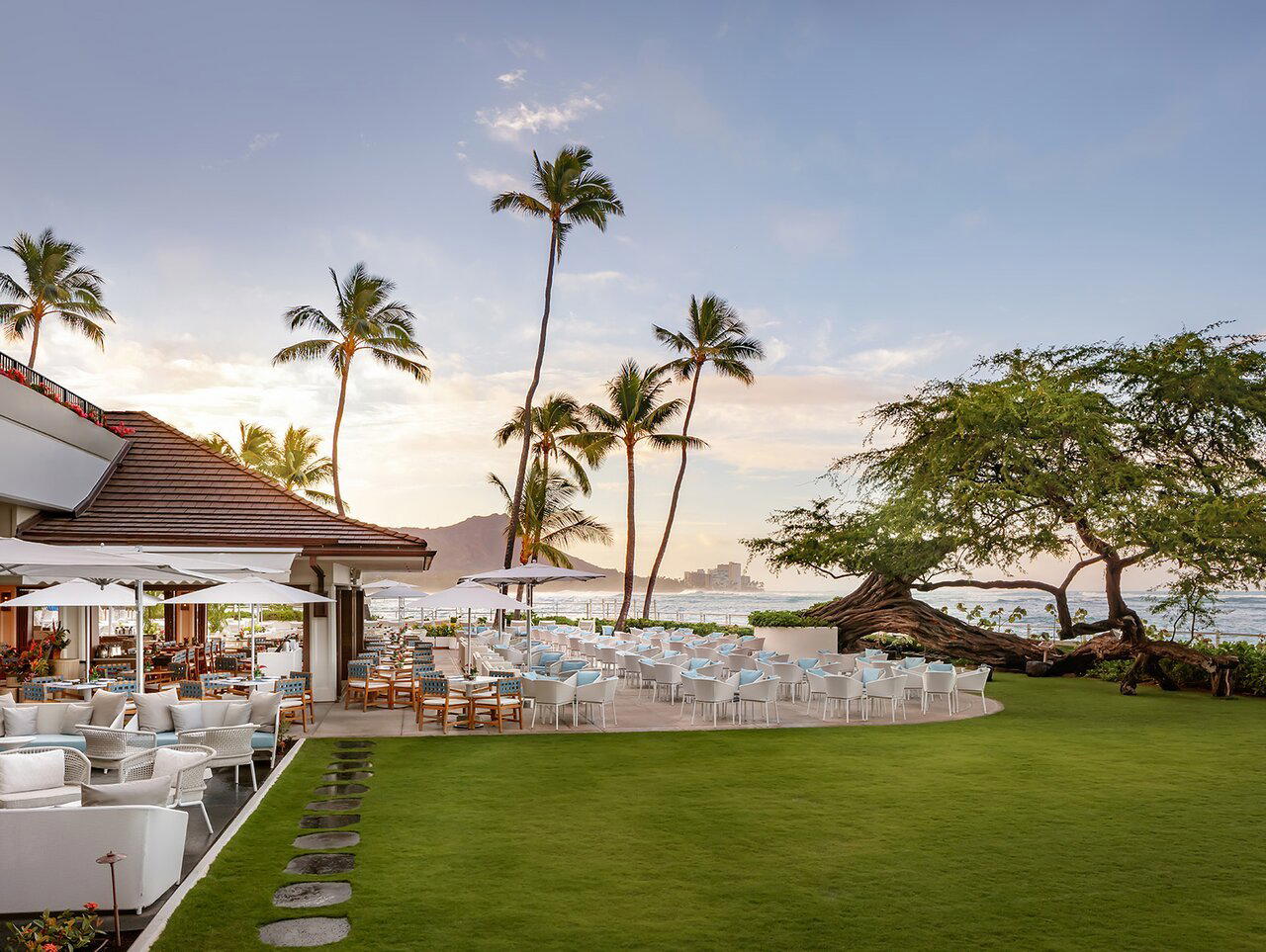
Set along Kalākaua Avenue in Waikiki, Veranda at the Beachhouse occupies one of Honolulu's most storied dining addresses, where the Pacific shoreline frames every meal. The restaurant sits within a category of Hawaii dining that draws on the islands' layered culinary inheritance, from indigenous traditions to pan-Asian influence. For visitors and residents alike, it represents the kind of address where setting and cuisine reinforce each other.

Pearl is the En Primeur Club membership app, where members save venues, book tables and use the concierge.

The menu
What to order
- Moana Beautiful Pancakes
- Afternoon Tea
- Eggs Benedict
Where the Shore Becomes the Room
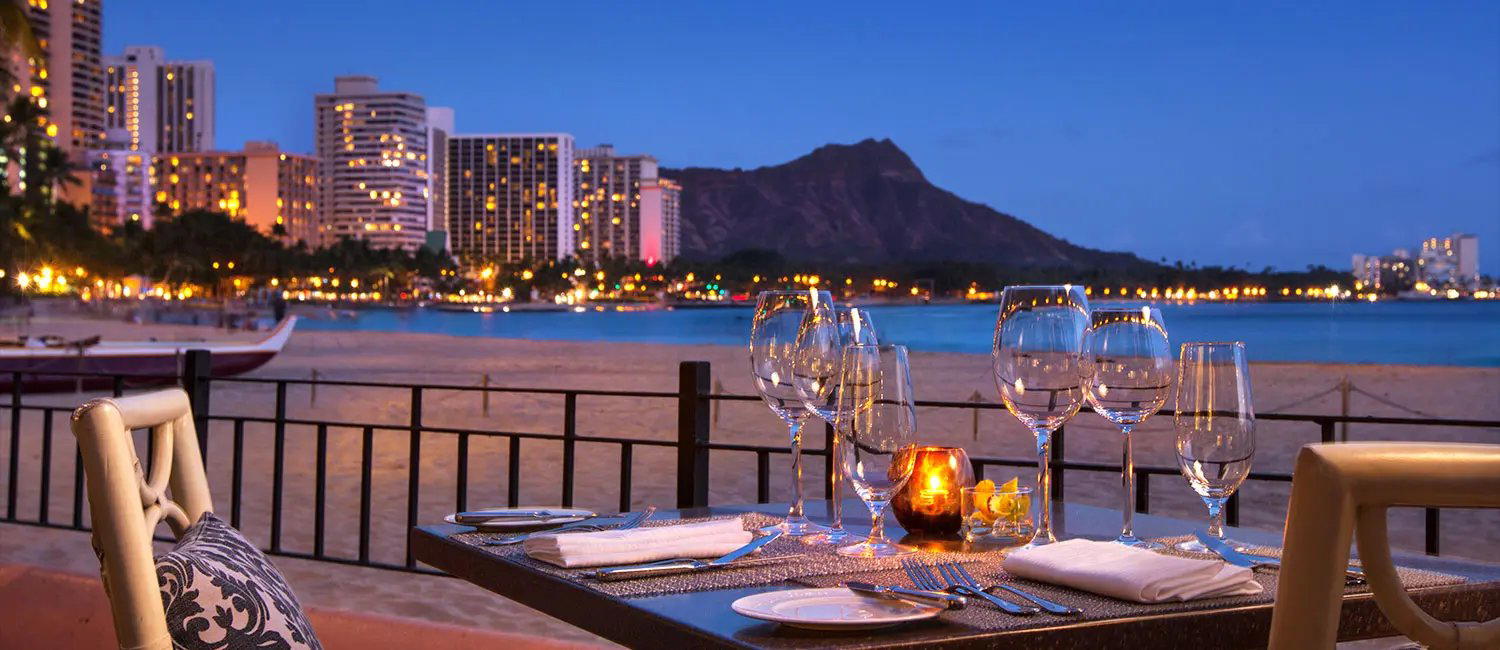
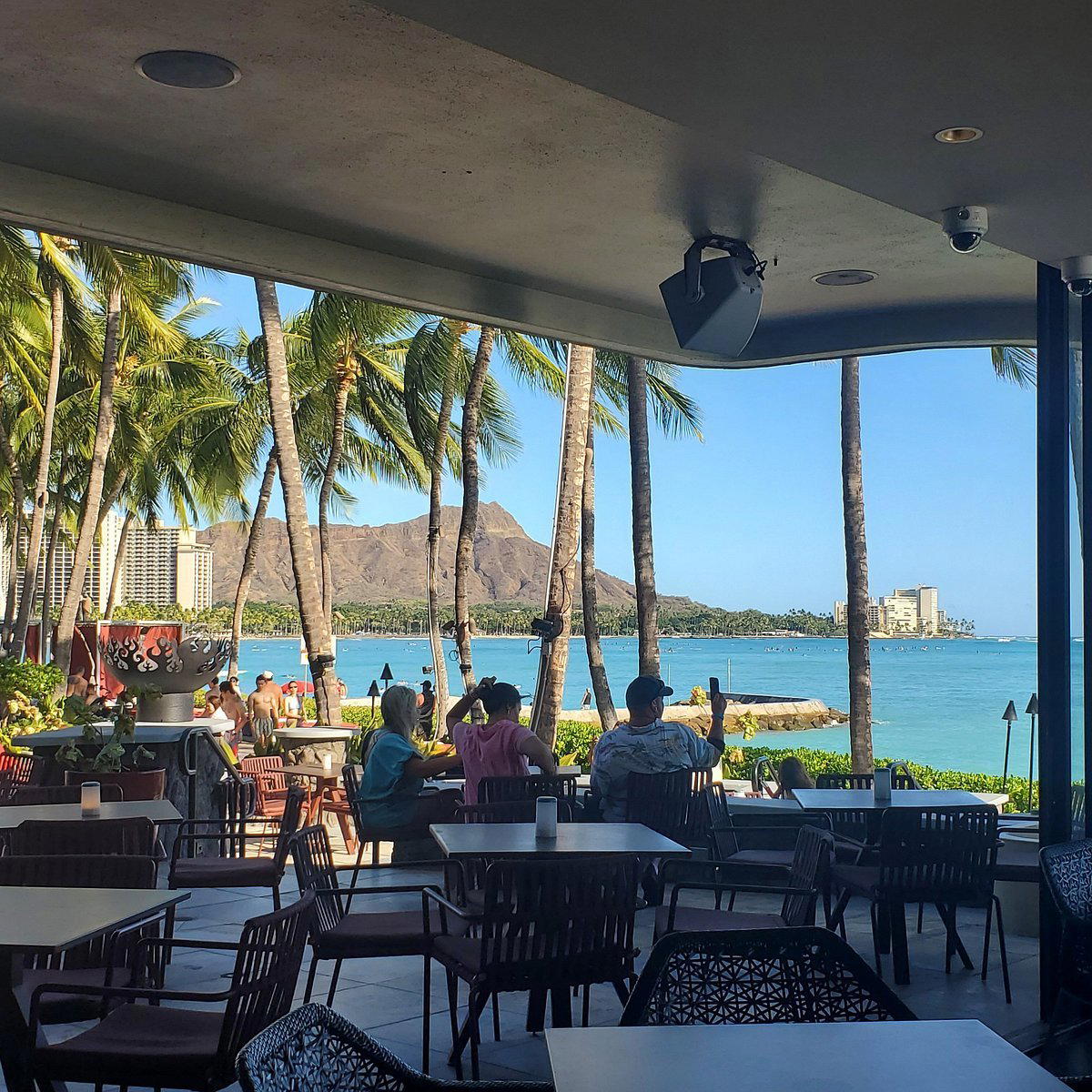
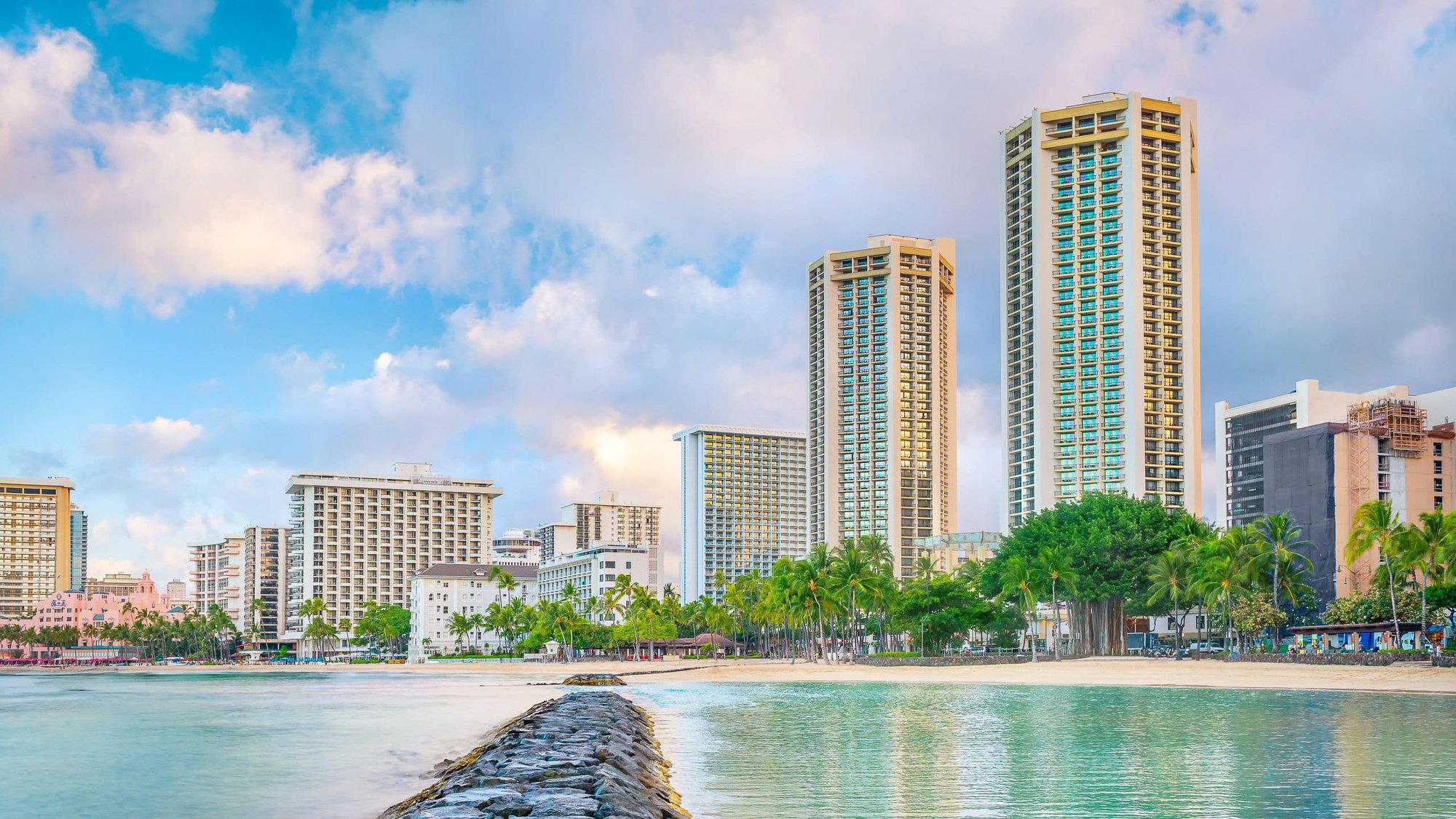
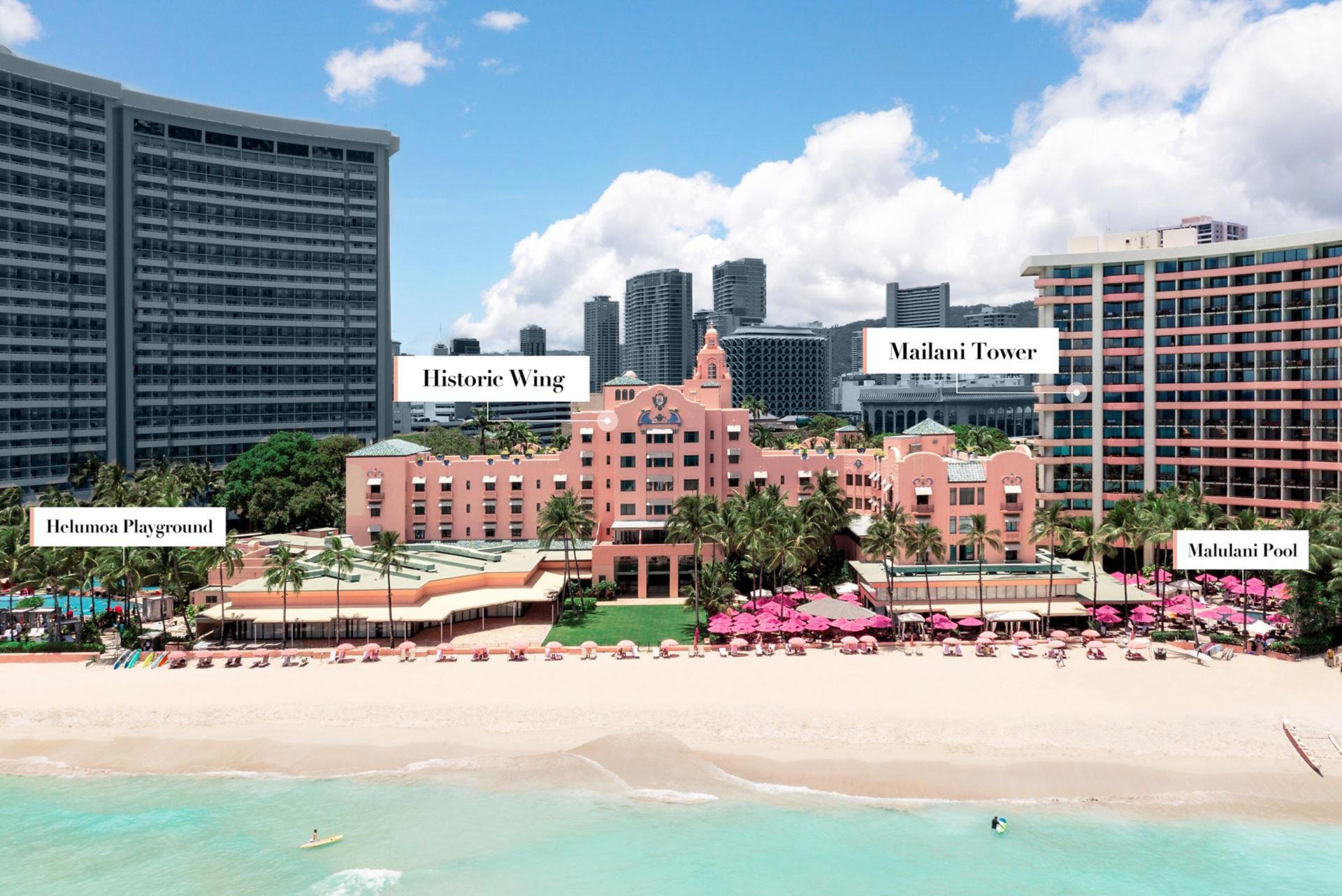
Kalākaua Avenue runs the length of Waikiki's seaward edge, and the addresses that sit directly on that strip carry a particular weight in Honolulu's dining culture. The approach to Veranda at the Beachhouse, at 2365 Kalākaua Ave, places you immediately inside that geography: the Pacific is not a backdrop glimpsed through a window but the dominant architectural fact of the room. In Hawaii's premium dining tier, this kind of site specificity matters. The islands have long attracted visitors who could eat anywhere in the world, and the restaurants that endure on Waikīkī's front row tend to be those that treat location not as decoration but as context.
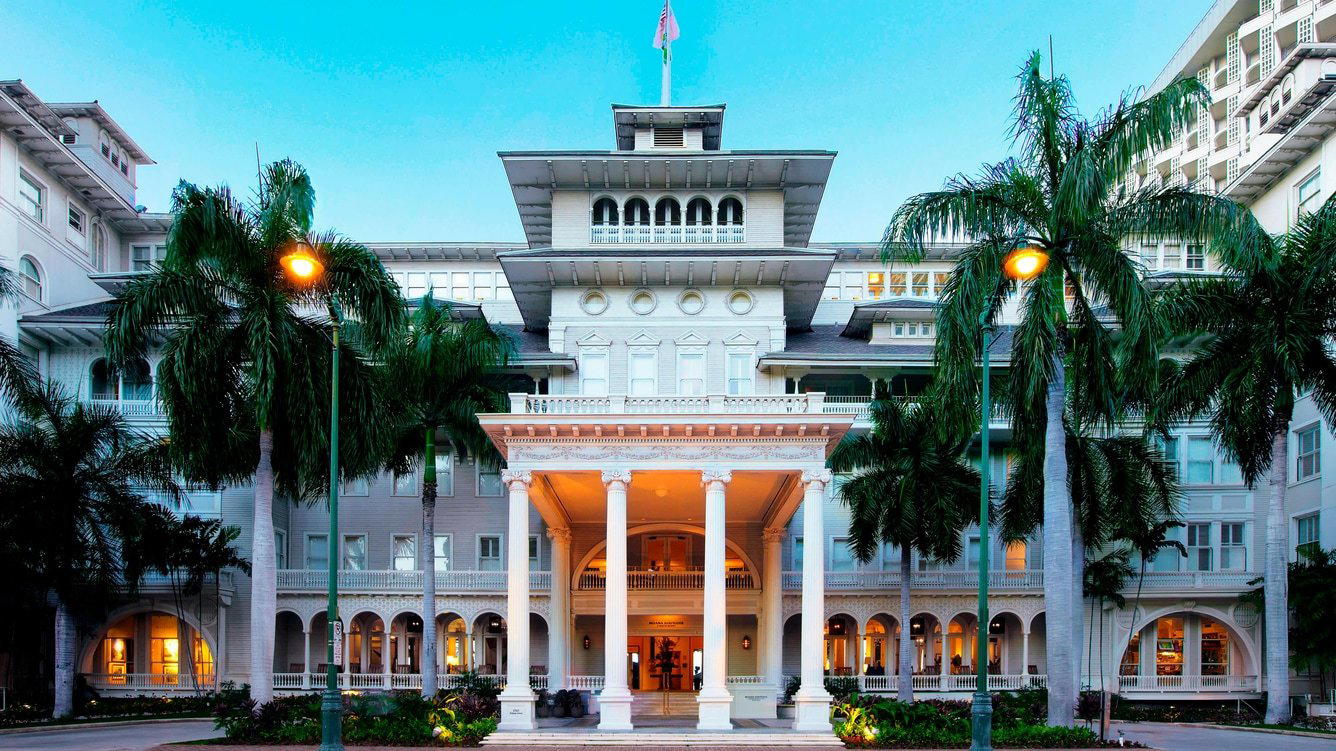
That context carries cultural weight. Waikiki has been a gathering point for Hawaiian royalty, a magnet for twentieth-century American tourism, and now a district working through a more considered relationship with the indigenous Hawaiian traditions that predate both. The dining addresses along this stretch reflect that layered history, and Veranda at the Beachhouse sits within it, bearing an address that connects it to Beachhouse at the Moana, one of the neighbourhood's most discussed seafront dining formats.
Hawaii's Culinary Inheritance and What It Demands
To understand where a Waikiki restaurant of this positioning operates, it helps to understand what Hawaii dining has become as a category. The islands sit at a crossroads of Polynesian, Japanese, Chinese, Korean, Filipino, and Portuguese foodways, all layered over an indigenous Hawaiian culinary tradition built around taro, fish, and the ahupua'a system of land-to-sea resource management. That inheritance is not merely historical colour; it actively shapes what serious Hawaii dining looks like in the current decade.
Across Honolulu, the most discussed restaurants have moved away from generic Pacific Rim shorthand toward something more specific: sourcing from named Hawaiian farms, engaging with traditional preparation methods, and situating local ingredients within contemporary technique. Alan Wong's Honolulu established much of the grammar for this approach, demonstrating that Hawaii Regional Cuisine could carry the same critical seriousness as any mainland American tasting-menu format. That benchmark continues to shape how premium Honolulu dining is read by both local and visiting audiences.
At the other end of the spectrum, Honolulu's everyday food culture runs through plate-lunch counters and fast-casual formats, with institutions like Rainbow Drive-In and L&L; Hawaiian Barbecue anchoring a working-class culinary tradition that is no less authentically Hawaiian for its lack of tablecloths. Between those two poles sits a mid-premium tier occupied by restaurants like AGU Ramen - Ward Centre, where Japanese culinary discipline meets island ingredient sourcing. Veranda at the Beachhouse positions itself in the upper reach of this spectrum, where oceanfront real estate and the expectations of an internationally mobile guest base set the terms of engagement.
The Waikiki Premium Tier in Comparative Perspective
Honolulu's top-end dining addresses compete, in the minds of well-travelled guests, not only against each other but against the broader field of American fine dining. Further afield, the benchmark formats that shape expectations for experiential American fine dining include The French Laundry in Napa and Blue Hill at Stone Barns in Tarrytown, both of which have made place-specific sourcing central to their identity in ways that resonate with what Hawaii's leading kitchens are attempting.
What distinguishes the Hawaiian context is that the sense of place is harder to replicate elsewhere. The island sourcing, the specific fish species, the particular character of Hawaiian sea salt and poi-derived preparations: these are not aesthetic choices a mainland kitchen can simply import. Restaurants that draw on this specificity seriously occupy a different competitive position than those using Hawaiian scenery as window dressing. The distinction matters for visitors calibrating their dining priorities, particularly those who may also be considering nearby options like 1050 Ala Moana Blvd or Bread & Butter as part of a broader Honolulu dining plan.
Internationally, the conversation around indigenous-ingredient fine dining has been shaped by addresses like Atelier Moessmer Norbert Niederkofler in Brunico, where alpine ingredient specificity has become a defining critical credential. The parallel in Hawaii is not exact, but the underlying logic, that the most interesting cooking articulates something only possible in its specific geography, applies with equal force on an island chain in the middle of the Pacific.
Planning Your Visit
Waikiki's premium dining tier tends to fill on weekends and during high-season periods, which in Hawaii run broadly from December through April and again in the summer months of June through August. For a Kalākaua Avenue address with the profile of Veranda at the Beachhouse, advance planning is advisable regardless of season, as oceanfront tables at Honolulu's better-known restaurants are a finite and consistently demanded resource. Visitors building a broader Honolulu itinerary will find context and additional recommendations in our full Urban Honolulu restaurants guide.
For those comparing premium American dining experiences across cities, the conversation around reservation lead times and format discipline extends well beyond Hawaii. Addresses like Lazy Bear in San Francisco, Smyth in Chicago, Atomix in New York City, Le Bernardin in New York City, Single Thread Farm in Healdsburg, Emeril's in New Orleans, and The Inn at Little Washington in Washington all operate within a planning culture where spontaneous availability is rare at peak periods. Hawaii is no different, and the most consistently sought oceanfront tables in Honolulu follow the same logic.
Frequently asked questions
What's Veranda at the Beachhouse's location?
Veranda at the Beachhouse is located at 2365 Kalākaua Ave, Honolulu, HI 96815, Urban Honolulu.
Is Veranda at the Beachhouse suitable for a special occasion dinner in Honolulu?
A Kalākaua Avenue address in Waikiki positions Veranda at the Beachhouse within the tier of Honolulu restaurants where occasion dining is the default expectation rather than the exception. The shoreline setting on one of Honolulu's most prominent strips makes it a natural fit for milestone meals, anniversary dinners, or celebrations where the physical context carries as much weight as the plate. Reach out directly for current availability and any occasion-specific arrangements the venue accommodates.
What dish is Veranda at the Beachhouse famous for?
Veranda at the Beachhouse sits at 2365 Kalākaua Ave, the avenue that concentrates Honolulu's most prominent dining addresses, suggesting a kitchen oriented toward the Hawaii regional tradition of local sourcing. Contacting the venue directly will give you the most current picture of what the kitchen is running.
How far ahead should I plan for Veranda at the Beachhouse?
Waikiki's premium dining tier fills consistently during Hawaii's two high-demand windows: December through April and again in June through August. Reservations for oceanfront addresses on Kalākaua Avenue, where Veranda at the Beachhouse is located, tend to compress quickly on weekends regardless of season. Planning two to four weeks ahead is a reasonable baseline outside peak periods; during high season, extend that to six to eight weeks.
How It Stacks Up
Comparable venues nearby, for context on price, style, and recognition.
| Venue | Cuisine | Price | Notes |
|---|---|---|---|
| Veranda at the BeachhouseThis venue (the venue you are viewing) | Oceanfront American Breakfast & Afternoon Tea | $30–50 | Not listed |
| Mahina & Sun’s | Hawaiian-Inspired Home Cooking with Asian Fusion | $30–50 | Waikiki |
| Shore Bird Restaurant & Beach Bar | Beachside Grill-Your-Own Steakhouse | Not listed | Waikiki |
| Livestock Tavern | Seasonal American Gastropub | $30–50 | Chinatown |
| Duke's Waikiki | Hawaii Regional Cuisine | $50–100 | Waikiki |
| Shore Bird Restaurant & Beach Bar | Dining | Not listed | Waikiki |