Vasco's
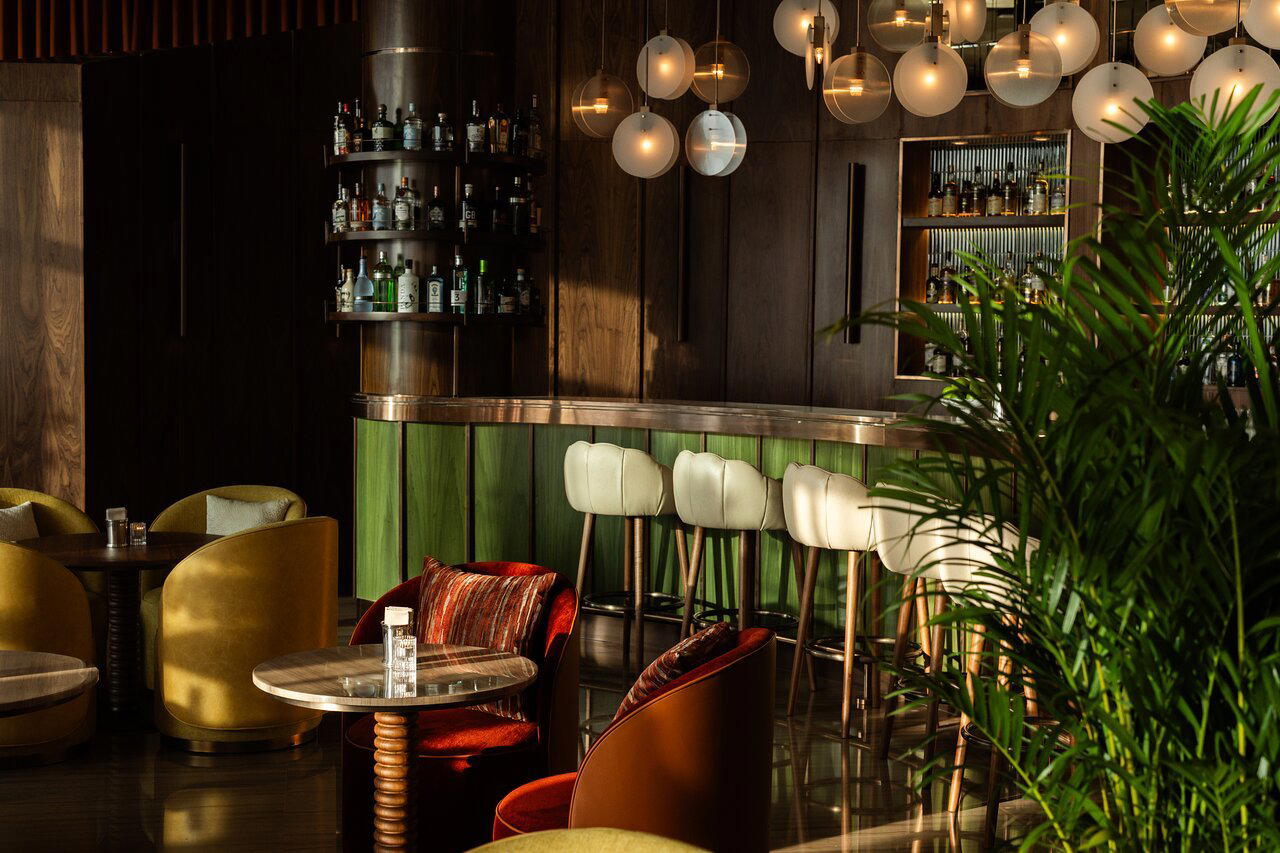
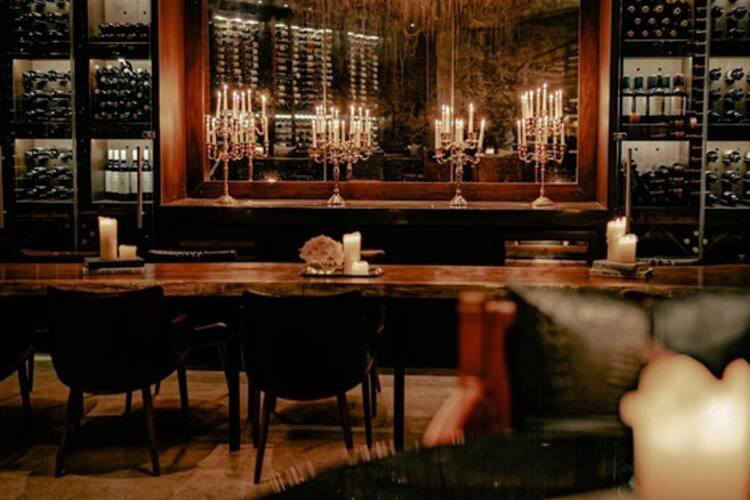
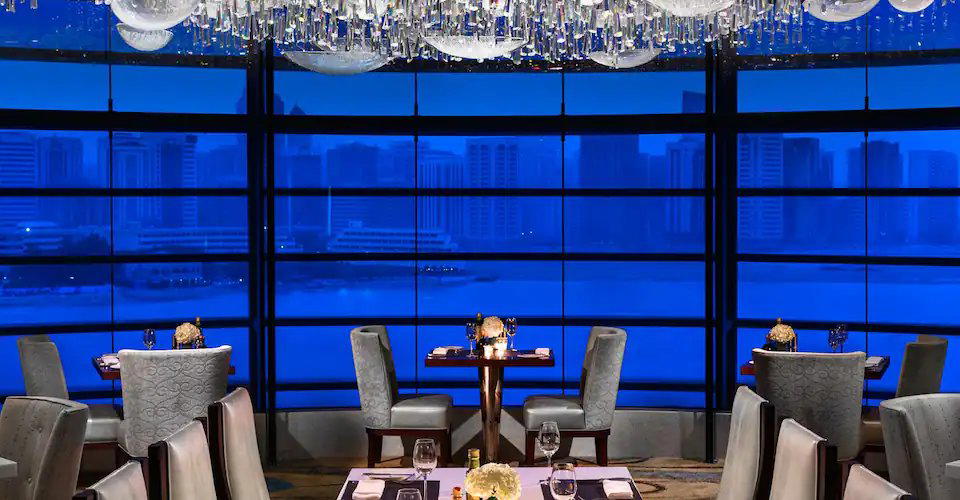
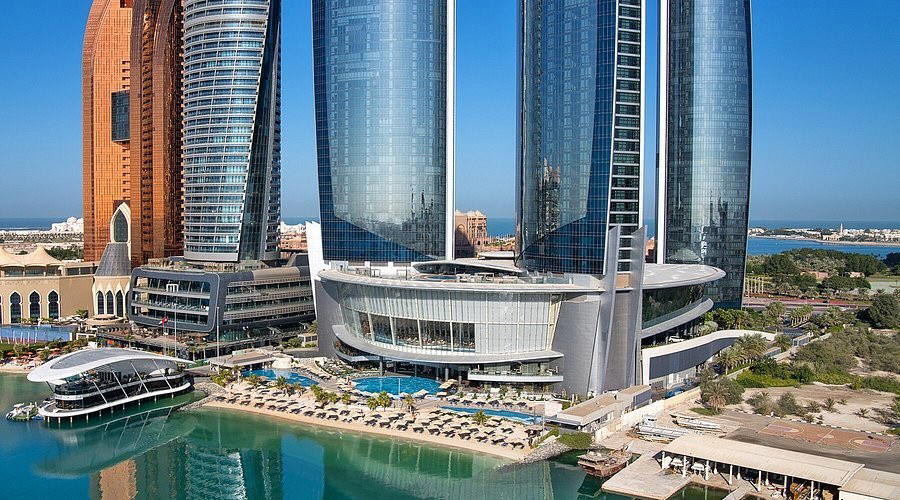
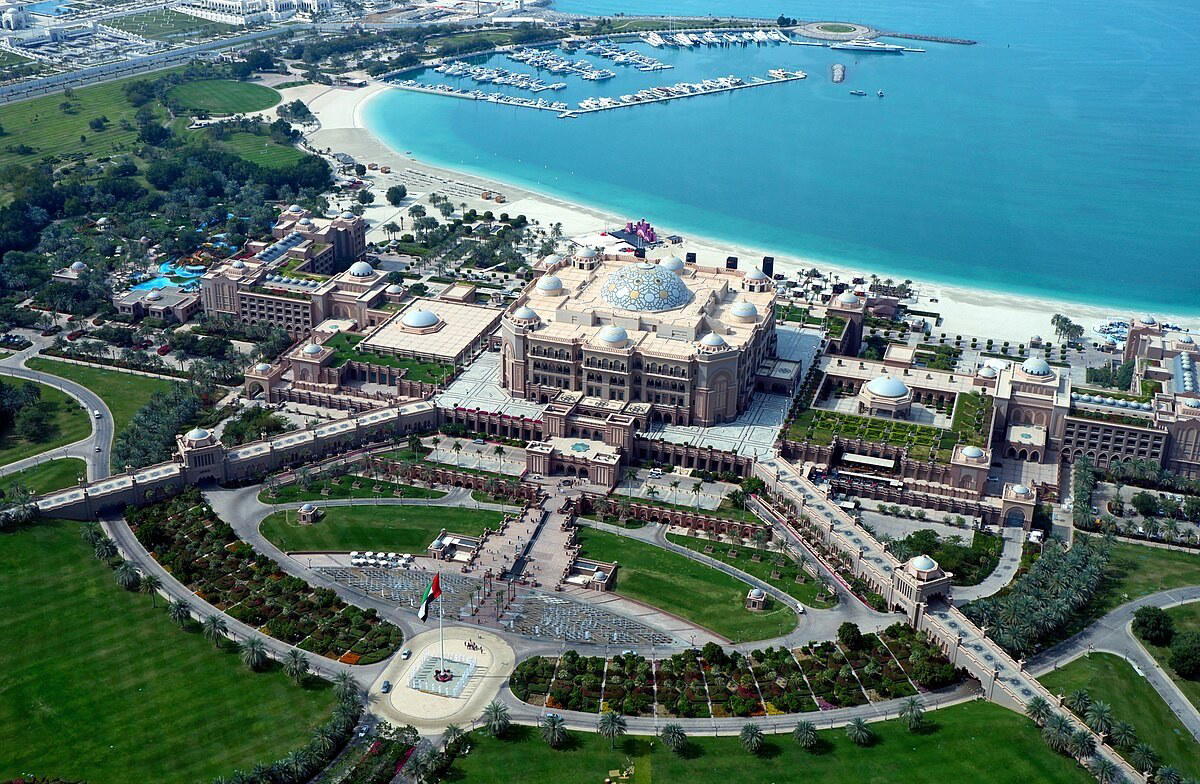
"A Food Tour of Vasco’s Journey The concept behind Vasco’s menu is to serve food that tastefullly maps the route of the explorer Vasco de Gama. Flavors from Spain, around Africa, and India round out the menu. Though appearing fairly simple, the flavors are full and thoughtful. The restaurant is located right on the Arabian Gulf, and indoor/outdoor seating gives guests the choice of enjoying winter sea breezes or retreating inside during the scorching Abu Dhabi summers."
- Address
- W Corniche Rd - Al Bateen - W10 01 - Abu Dhabi - United Arab Emirates
- Phone
- +971 2 692 4247
- Website
- radissonblu.com
- Directions
- Get directions
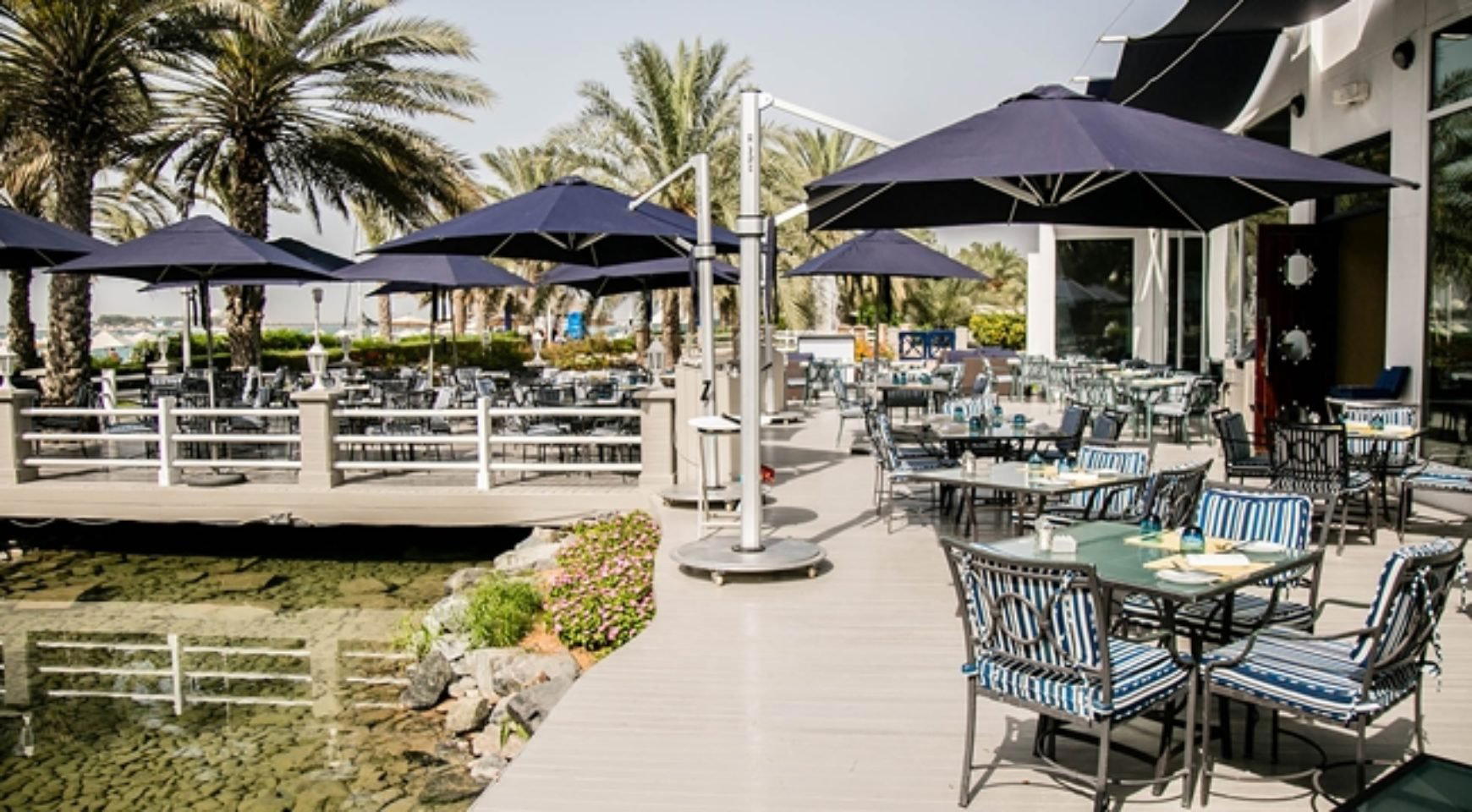
The Corniche Setting That Shapes the Meal
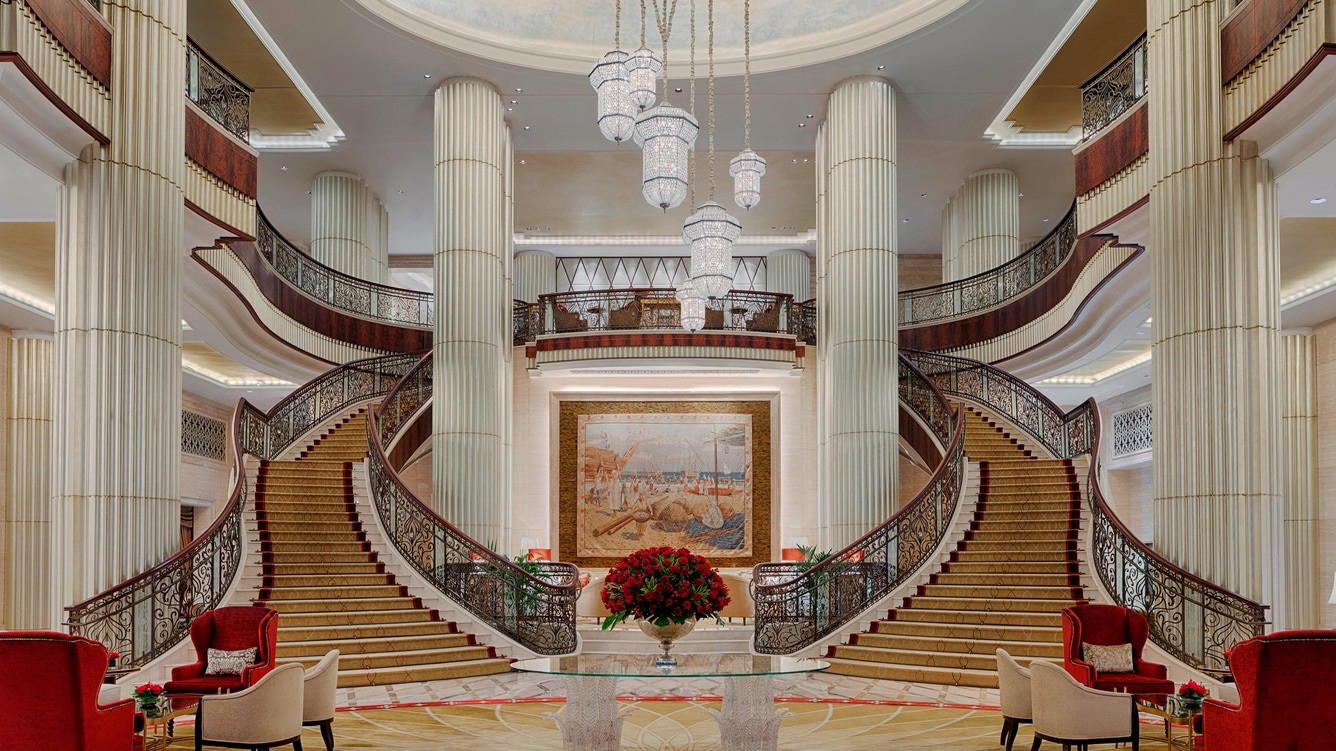
Along Abu Dhabi's Corniche, where the road curves past Al Bateen and the city's skyline gives way to open water, a particular kind of restaurant experience has taken hold. The W hotel strip here attracts a dining tier defined less by local neighbourhood character and more by international reference points: polished service formats, menu structures borrowed from European fine dining, and a clientele mixing hotel guests with the city's resident professional class. Vasco's, positioned within this corridor at W Corniche Road, operated in that context. The room faced outward toward the Gulf, which in Abu Dhabi's upper-tier hotel dining was less a design flourish than a standard expectation. What distinguished one property from another in this setting was how the meal itself was sequenced and paced, not the view. Vasco's is permanently closed.
How the Progression Unfolds
In Abu Dhabi's premium dining circuit, the multi-course format has become the dominant grammar of serious restaurants. Across the city's higher price brackets, from [Talea by Antonio Guida](Talea by Antonio Guida), with its Italian fine dining lineage, to [Hakkasan](Hakkasan)'s Cantonese share format, the logic of how a meal moves from opening to close has become as important as any individual dish. Vasco's sits within that competitive tier. The name carries a geographic allusion, a nod to Portuguese exploration and the trade routes that once connected Iberia to the Gulf coast, though the menu reads more broadly than any strict Portuguese brief would suggest.
The opening moves of a meal here set expectations for what follows. In hotel restaurants operating at this level in Abu Dhabi, the first courses tend to function as positioning statements: lighter preparations that signal the kitchen's technical range before the meal builds in weight and complexity. That progression matters more at dinner than at lunch, where the format tends to compress. The mid-meal section, typically where protein-led courses appear, is where a kitchen at this price point either justifies its positioning or reveals its limitations. The closing sequence, desserts and petit fours at properties that extend to that level, is where the experience either holds its discipline or relaxes into convention.
What the multi-course format demands from a kitchen, regardless of geography, is internal coherence: each stage should prepare the diner for the next rather than simply delivering sequential dishes. Restaurants that achieve this in Gulf cities tend to reference European fine dining structures, partly because that is what the market expects and partly because the training pipelines for senior kitchen staff still run predominantly through European institutions. [Trèsind Studio in Dubai](Trèsind Studio in Dubai) is among the Gulf properties that have found a distinct regional voice within that format; the more common pattern is competent execution of an international template.
Where Vasco's Sits in the Abu Dhabi Market
Abu Dhabi's restaurant market has stratified clearly in recent years. At the leading sits a small group of properties with international award recognition or significant chef credentials: [Erth](Erth), which has drawn attention for its contemporary Emirati approach, and [LPM Abu Dhabi](LPM Abu Dhabi), which exports a proven French-Mediterranean format from its international network. Below that tier, a wider group of hotel restaurants occupies the upper-middle bracket: technically capable, consistently priced at the higher end, but operating without the kind of defining editorial identity that generates repeat coverage. The restaurant competes in this second tier, where execution quality and setting carry more weight than singular concept.
At the more accessible end, properties like Marmellata Bakery serve a different function in the city's dining week entirely, filling the gap that hotel restaurants at the restaurant price point cannot address without abandoning their format.
Internationally, the tasting-progression format that restaurant operates within has its most disciplined practitioners at properties like Le Bernardin in New York City, where sequencing is architectural, or Atomix in New York City, where the narrative of the meal is as considered as the food itself. In Italy, Uliassi in Senigallia and Dal Pescatore in Runate represent how deeply a sense of place can anchor a tasting menu structure. Reale in Castel di Sangro and Quattro Passi in Marina del Cantone demonstrate the range within Italian fine dining alone. In Japan, HAJIME in Osaka shows how rigorously the progression format can be structured when a kitchen fully commits to it. And in the Alpine tradition, Atelier Moessmer Norbert Niederkofler in Brunico has built its meal arc entirely around regional sourcing logic. These references frame the spectrum within which any hotel restaurant's tasting approach sits, and they calibrate how demanding a reader should be about internal meal coherence.
Closer to the UAE, AL NAWAB RESTAURANT LLC in Sharjah represents the opposite pole: a format rooted in South Asian hospitality traditions rather than European sequencing, serving a different audience and a different purpose entirely. Emeril's in New Orleans and Lazy Bear in San Francisco each show how personality-forward dining, when it works, can transform a hotel or event-space format into something with genuine critical weight.
Planning a Visit
The restaurant is located on W Corniche Road in the Al Bateen district of Abu Dhabi, within the W hotel property. Al Bateen sits southwest of the central Corniche, accessible by taxi from Abu Dhabi city centre in under fifteen minutes depending on traffic. For hotel guests, the restaurant is the path of least resistance for a serious dinner on property. For visitors staying elsewhere, the Corniche road is direct to reach, though parking in the immediate hotel zone can compress at peak evening hours. Reservations are advisable for dinner service, particularly on Thursday and Friday evenings, when Abu Dhabi's weekend dining demand concentrates. The hotel context means the room runs international hours and keeps a dress code consistent with upscale hotel dining in the Gulf, which typically means smart casual at minimum, with formal wear neither required nor out of place.
Where the Accolades Land
Comparable venues nearby, for context on price, style, and recognition.
| Venue | Cuisine | Price | Notes |
|---|---|---|---|
| Vasco'sThis venue — the venue you are viewing | Global Fusion Beachside | $$$ | Not listed |
| 3Fils Abu Dhabi | Japanese-inspired Modern Asian | $$$ | Al Bateen Marina |
| Blue | Seasonal Nordic-influenced coastal restaurant | $$$ | Mamsha Al Saadiyat |
| Ash & Oak Lounge | Jazz & cigar lounge with cocktails and bar bites | $$$$ | Khalifa City |
| Nolu's Restaurants | Afghani-Californian Fusion | $$ | Al Reem Island |
| Cafe Arabia كافيه أربيا | Middle Eastern Fusion Cafe | $$ | Al Karamah |
Continue exploring
More in Abu Dhabi
Restaurants in Abu Dhabi
Browse all →
Bars in Abu Dhabi
Browse all →

At a Glance
- Modern
- Scenic
- Date Night
- Group Dining
- Special Occasion
- Waterfront
- Terrace
- Waterfront
Bright and lively beachfront atmosphere with sea views.