Valentine Roti
Valentine Roti sits in Kampung Datuk Keramat, a working residential quarter northeast of Kuala Lumpur's centre where roti stalls and mamak culture have operated across generations. In a city where Malaysian bread traditions survive alongside fine-dining ambition, this address represents the street-level anchor of that continuum. Compared to the tasting-menu tier at venues like Dewakan or Beta, Valentine Roti operates in the everyday register that defines how most Kuala Lumpur residents actually eat.
Pearl is the En Primeur Club membership app — saves, bookings, and concierge access live there. Same editors, same standards.
- Address
- 1, Jalan Sultan Yahya Petra, Kampung Datuk Keramat, 54100 Kuala Lumpur, Wilayah Persekutuan Kuala Lumpur, Malaysia
- Phone
- +60 12-293 6248
- Website
- valentineroti.shop
- Directions
- Get directions
 Saves & bookings on Pearl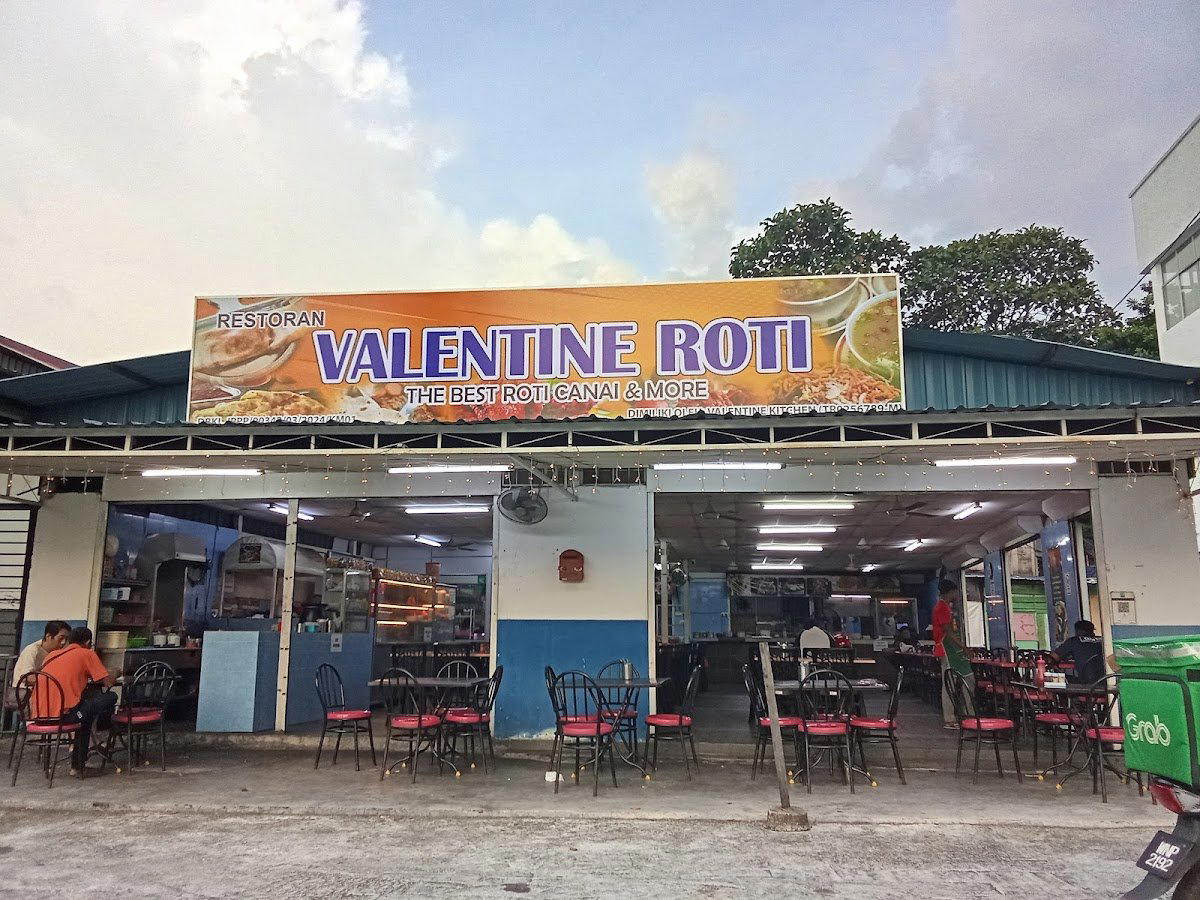
Kampung Datuk Keramat and the Logic of the Roti Stall
Kuala Lumpur's dining conversation tends to cluster around the city centre and its newer districts, but the residential quarters to the northeast tell a different story about how the city actually eats. Kampung Datuk Keramat, the neighbourhood that puts Valentine Roti on Jalan Sultan Yahya Petra, is a residential area in Kuala Lumpur. It is a working-class Malay enclave where food functions as daily infrastructure rather than occasion. Roti stalls here are not curated experiences; they are fixtures, operating with the kind of quiet continuity that makes them invisible to trend coverage but indispensable to the people who rely on them.
That context matters when thinking about where Valentine Roti sits in Kuala Lumpur's wider food picture. The city has developed a fine-dining tier, anchored by venues like Dewakan and Beta, both of which apply technical rigour to Malaysian ingredients and traditions. At the other end, neighbourhood spots in areas like Kampung Datuk Keramat operate as the unreconstructed source material for what those fine-dining kitchens are interpreting. Valentine Roti is not trying to close that gap; it exists on its own terms, in its own neighbourhood, serving the tradition rather than commenting on it.
What Roti Culture Looks Like at Street Level
The roti tradition in peninsular Malaysia draws on South Indian Tamil influence, carried through successive waves of migration and absorbed into the country's mamak food culture. Roti canai, one recognisable form, is a laminated flatbread cooked on a flat griddle, served with dhal, curry, or sambal depending on the stall and the customer's preference. The technique involves stretching and folding the dough repeatedly to create the characteristic layers that give the bread its flaky, slightly crisp exterior and softer interior. A skilled roti maker works quickly and with repetition, and the quality of the bread is inseparable from the consistency of that daily practice.
In Kuala Lumpur, the roti canai tradition is so thoroughly embedded that it functions as a baseline expectation rather than a specialty. The city has hundreds of mamak stalls and restaurants operating across every neighbourhood, from the dense commercial corridors of Chow Kit to the residential streets of Ampang and Wangsa Maju. What distinguishes one from another is usually a combination of dough hydration, griddle temperature, the quality of the accompanying curry, and the hours of operation. These are not variables that appear on any award shortlist, but they are the variables that determine where a neighbourhood eats breakfast every morning.
For broader Malaysian food traditions across the country, the same attention to craft at the everyday level appears in venues like Auntie Gaik Lean's Old School Eatery in George Town and the cluster of Penang street specialists including Air Itam Asam Laksa, Chong Char Koay Teow, and 888 Hokkien Mee, each of which represents a tradition sustained through daily repetition rather than fine-dining ambition.
The Address and How to Approach It
Jalan Sultan Yahya Petra runs through the heart of Kampung Datuk Keramat, connecting the neighbourhood to the broader road network that links this part of KL to the city centre and to Ampang. The area sits a few kilometres northeast of KLCC, accessible by car and by ride-hailing apps that cover the whole city. For visitors accustomed to the dining corridors of Bukit Bintang or the newer precincts around Pavilion and Bangsar, Kampung Datuk Keramat represents a deliberate step away from curated hospitality toward the functional, neighbourhood-first food culture that coexists with KL's glossier dining scene.
The restaurant operates as a walk-in stall. Walk-in is the default mode of access, and timing tends to follow the rhythms of breakfast and mid-morning trade, when roti demand peaks across KL's mamak culture. For planning purposes, arriving in the early morning gives the leading read of the stall at full operation.
Street Food as the Base Layer of a Food City
The temptation with venues like Valentine Roti is to frame them as counterpoints to the fine-dining tier, as if eating at a neighbourhood roti stall were a corrective act of authenticity. That framing misreads how cities like Kuala Lumpur actually function. The street-food and mamak culture here is not an alternative to the city's serious dining; it is the foundation that makes the serious dining legible. When chefs at venues like Dewakan reference Malaysian flavour memory, the flavour memory they are invoking is built from places like this, from roti stalls in working neighbourhoods where the bread has been made the same way for decades.
That foundational role is not distinctive to KL. Across Malaysia, durable food traditions operate at price points and in neighbourhoods that receive little editorial attention. The bak kut teh culture visible in venues like Da De Bah Kut Teh in Borneo, the vegetarian discipline at Jia Yi Dao Vegetarian Restaurant in Taiping, and the hot pot culture present from Malacca to Perai all operate in this register: daily, neighbourhood-specific, and not optimised for outside attention. The restaurant belongs to that company.
Planning Your Visit
The restaurant operates at 1, Jalan Sultan Yahya Petra, Kampung Datuk Keramat, in the northeastern residential belt of Kuala Lumpur. No advance booking is required or possible; the format is walk-in. Ride-hailing apps provide practical access from central KL.
A Lean Comparison
Comparable venues nearby, for context on price, style, and recognition.
| Venue | Cuisine | Price | Notes |
|---|---|---|---|
| Valentine RotiThis venue — the venue you are viewing | Pulapol, Authentic Malaysian Roti Canai | $ | Not listed |
| Ah Weng Koh Hainan Tea | Pudu, Hainanese Tea & Kaya Toast | $ | Not listed |
| Kayra | Bangsar Baru, Authentic Kerala Cuisine | $$ | Not listed |
| Nasi Lemak Pak Aji | Kampong Baharu, Malaysian Nasi Lemak | $ | Not listed |
| FUIYOH! It’s Uncle Roger | Not listed | $$ | Kampong Dollah, Asian Fried Rice & Noodles |
| ATAS | Kampong Dollah, Modern Malaysian Fusion | $$$ | Not listed |
Continue exploring
More in Kuala Lumpur
Restaurants in Kuala Lumpur
Browse all →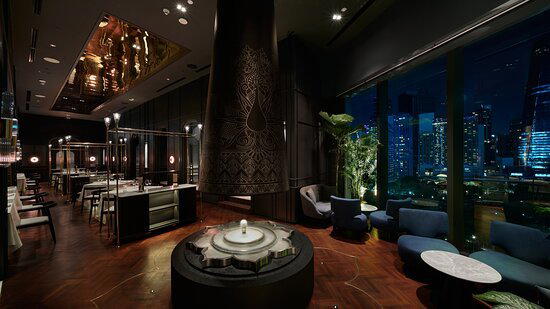
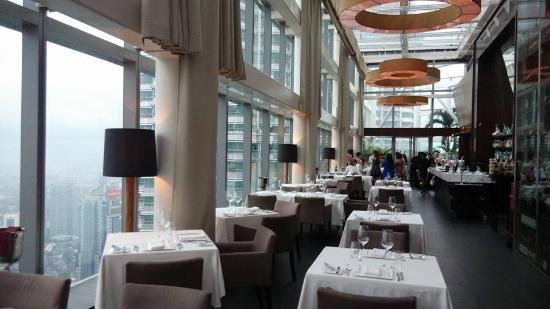
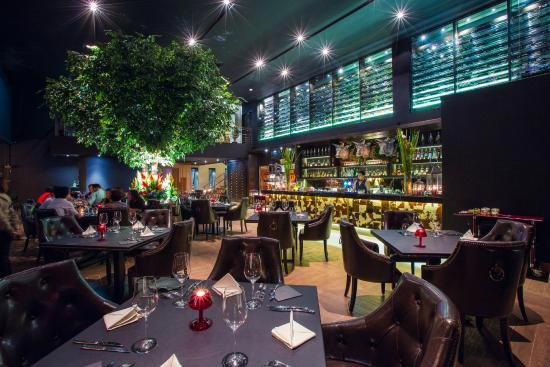
Bars in Kuala Lumpur
Browse all →



At a Glance
- Rustic
- Late Night
- Casual Hangout
- Standalone
Current opening hours
- Monday
- 8 AM–11:45 PM
- Tuesday
- 8 AM–11:45 PM
- Wednesday
- 8 AM–11:45 PM
- Thursday
- 8 AM–11:45 PM
- Friday
- 8 AM–11:45 PM
- Saturday
- 8 AM–11:45 PM
- Sunday
- 8 AM–11:45 PM
Hours can change for holidays and private events. Last verified .
Humble street-side eatery with plastic chairs, tables under canopy of trees, and a casual late-night atmosphere.