Ah Weng Koh Hainan Tea
Ah Weng Koh Hainan Tea is one of Kuala Lumpur's most enduring kopitiam institutions, holding the Hainanese coffee-and-tea tradition at a time when the city's café culture pulls heavily toward third-wave espresso bars. The stall operates in the register of a working breakfast counter, where the ritual matters as much as the cup, strong, dark, and pulled through a cloth filter in a method unchanged for generations.
Pearl is the En Primeur Club membership app — saves, bookings, and concierge access live there. Same editors, same standards.
- Address
- G85, ICC Pudu, Jalan 1/77C, Pudu, 55100 Kuala Lumpur, Malaysia
- Website
- ahwengkoh.com
- Directions
- Get directions
 Saves & bookings on Pearl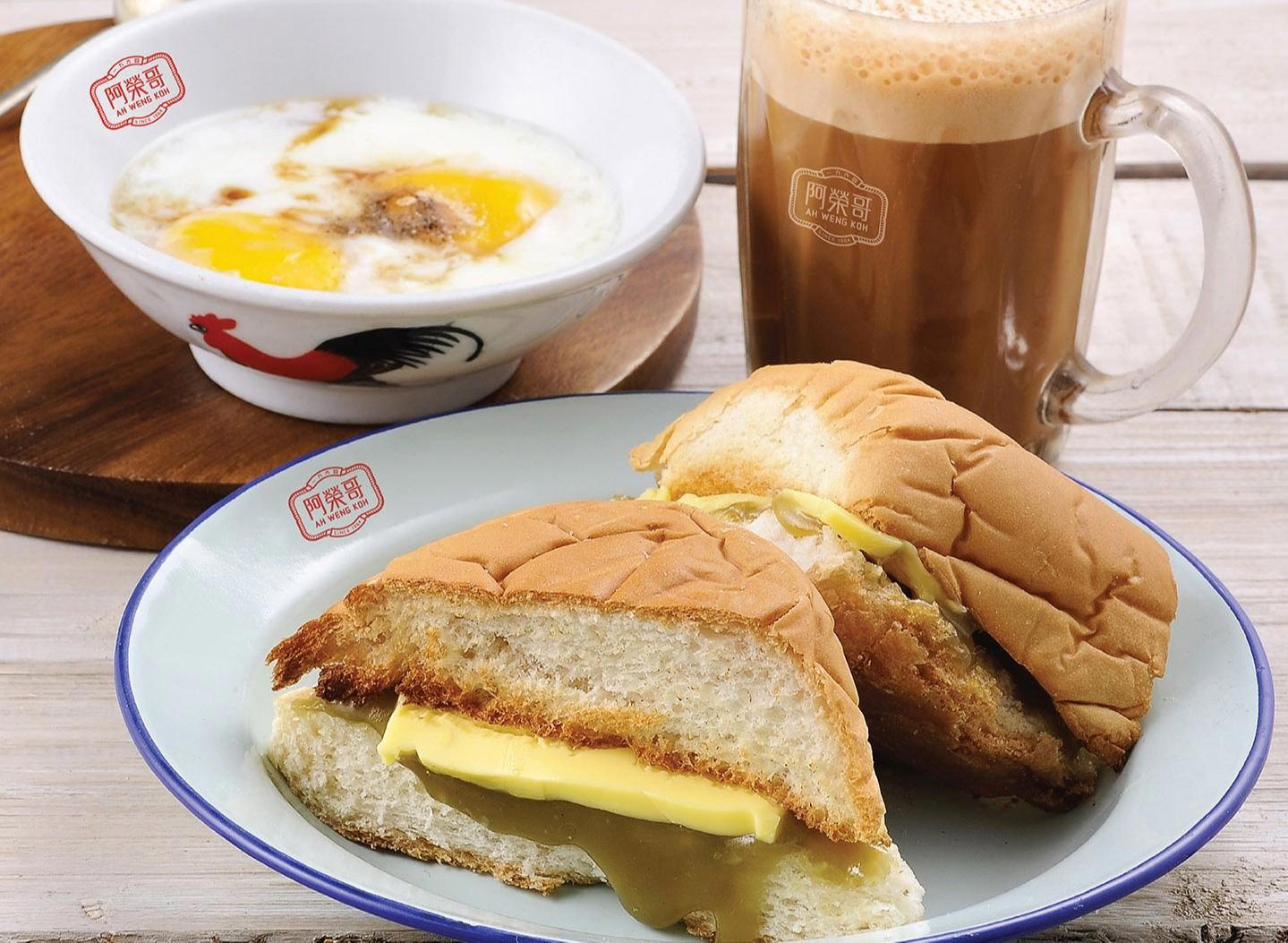
The Kopitiam as Cultural Anchor in Kuala Lumpur
Walk into any surviving kopitiam in Kuala Lumpur before nine in the morning and you encounter something the city's rapidly expanding specialty coffee scene cannot replicate: a room operating on its own clock. Marble-leading tables, wooden chairs worn smooth by decades of use, and the low percussion of ceramic cups on saucers, these are not design choices. They are the residue of a working culture that treated coffee as fuel and conversation as the point. Ah Weng Koh Hainan Tea belongs to this tradition.
The Hainanese community arrived in the Malay Peninsula in the nineteenth and early twentieth centuries, and unlike the Hokkien or Cantonese migrants who dominated trade and industry, many Hainanese found their niche in domestic service and, crucially, in the coffee shop. They brought with them a method of preparing coffee that the region made its own: beans roasted with sugar and sometimes butter, ground coarse, and brewed through a long cloth filter sock into a concentrate that is then cut with sweetened condensed milk or evaporated milk depending on the order. The result is what Malaysians call kopi, thick, sweet, deeply bitter at the base, and it is categorically different from the espresso-forward drinks that dominate the cafés opening weekly across Bukit Bintang and TTDI.
A Method That Predates the Pour-Over
What is happening technically is specific. The cloth-filter method used in Hainanese kopitiam coffee produces a brew with a specific body and sediment profile that paper-filter and espresso extraction cannot match. The oils are retained. The bitterness is extended across the cup rather than front-loaded. The sweetness from condensed milk integrates differently into this type of brew than it would into a milk-based espresso drink.
This is a parallel tradition with its own precision. It is a parallel tradition with its own precision, one that Malaysia's current generation of specialty roasters has begun to study seriously. Several of Kuala Lumpur's coffee programs draw on kopitiam culture as a reference point.
The question of what constitutes indigenous technique versus imported method is particularly alive in Kuala Lumpur right now. DC. by Darren Chin (French Contemporary) sits at one end of that spectrum, applying classical French structure to local produce. Molina (Innovative) and Ling Long (Innovative) occupy a middle zone where technique is international but the editorial identity is local. The kopitiam sits at the other end entirely: its method arrived with migrants and was then absorbed so completely into daily Malaysian life that it now reads as native. That absorption is itself a form of culinary intelligence, and Ah Weng Koh is one of the places where you can observe it in its least mediated form.
The Hainanese Tea Tradition as a Distinct Register
The name signals something specific. While most kopitiams serve both coffee and tea, Hainanese tea preparation has its own logic. Teh tarik, the pulled tea that has become Malaysia's most internationally recognised drink, is not strictly a Hainanese product, it derives from Indian Muslim mamak culture and is associated more with roadside stalls than with the kopitiam interior. What Hainanese establishments typically serve is teh prepared with a similar cloth-filter method but with a different rhythm: less theatrical, more consistent, designed for repeat ordering over a long breakfast rather than a single performative pour.
For travellers mapping Malaysian food culture across the peninsula, the kopitiam conversation extends beyond Kuala Lumpur. Auntie Gaik Lean's Old School Eatery in George Town represents a related strand of Penang's heritage food scene, where Peranakan and kopitiam cultures overlap. The coffee stall operations documented across Air Itam Asam Laksa, Chong Char Koay Teow, and 888 Hokkien Mee in Penang show how drink and food operate as an inseparable unit in the hawker context. What Ah Weng Koh represents is the urban Kuala Lumpur version of that same tradition, compressed into a city that is moving faster and where the kopitiam's survival is less assured than in Penang's more heritage-conscious food culture.
Placing the Visit
No booking is required. The kopitiam operates on walk-in logic: you arrive, you find a seat, and you order from a limited menu built around coffee, tea, and a short selection of traditional accompaniments. The format is closer to a working institution than to a café experience designed for lingering. Morning hours are the operative window.
Pricing sits at the low end of the food-and-beverage spectrum. The kopitiam operates in a price register comparable to many casual breakfast counters, places where the transaction is quick and the value is in the product and the context. Travellers accustomed to the premium end of the Kuala Lumpur restaurant scene, where a dinner at DC. by Darren Chin or Molina represents a considered financial commitment, will find the kopitiam operates in an entirely different economic register, and that contrast is part of what makes the city interesting to eat through.
Comparable Options
Comparable venues nearby, for context on price, style, and recognition.
| Venue | Cuisine | Price | Notes |
|---|---|---|---|
| Ah Weng Koh Hainan TeaThis venue — the venue you are viewing | Hainanese Tea & Kaya Toast | $ | Not listed |
| Village Park Restaurant, TnR by Sean & Angie, and Fook Heong Bak Kut Teh | Traditional Malaysian Nasi Lemak | $$ | Damansara Utama, Petaling Jaya |
| ATAS | Modern Malaysian Fusion | $$$ | Kampong Dollah |
| Ah Fook Yong Tau Fu Cheong Fun | Malaysian Chee Cheong Fun & Yong Tau Foo | $ | Pudu |
| Penrose | Modern Cocktail Bar | $$ | City Centre |
| Tanglin (Bukit Damansara) | Traditional Malaysian Nasi Lemak | $$ | Bukit Damansara |
Continue exploring
More in Kuala Lumpur
Restaurants in Kuala Lumpur
Browse all →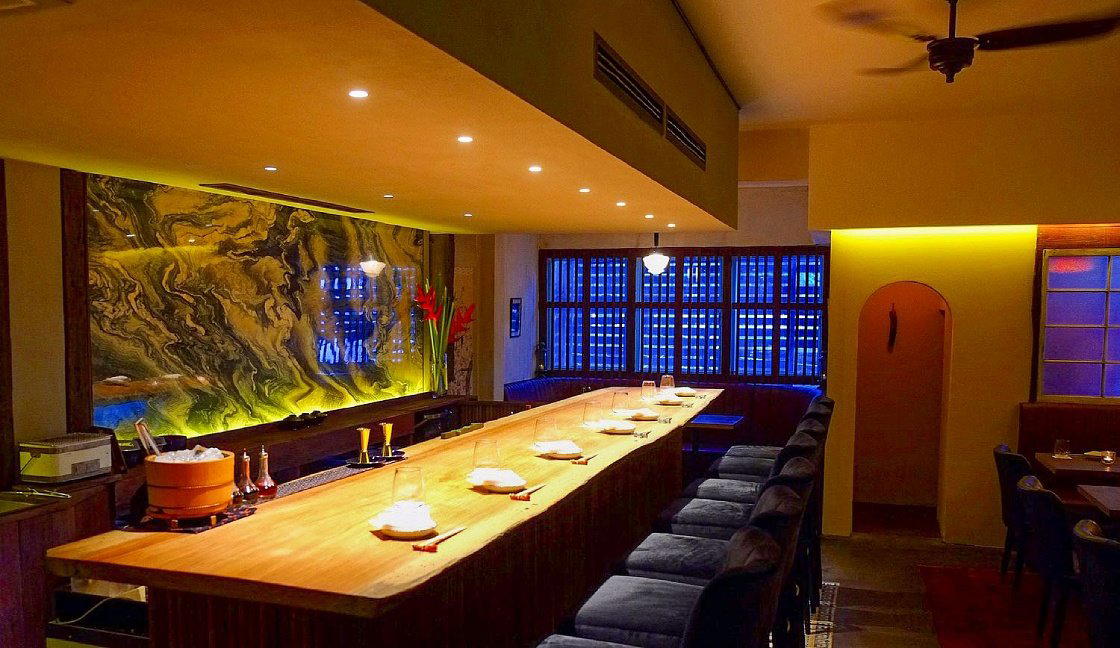
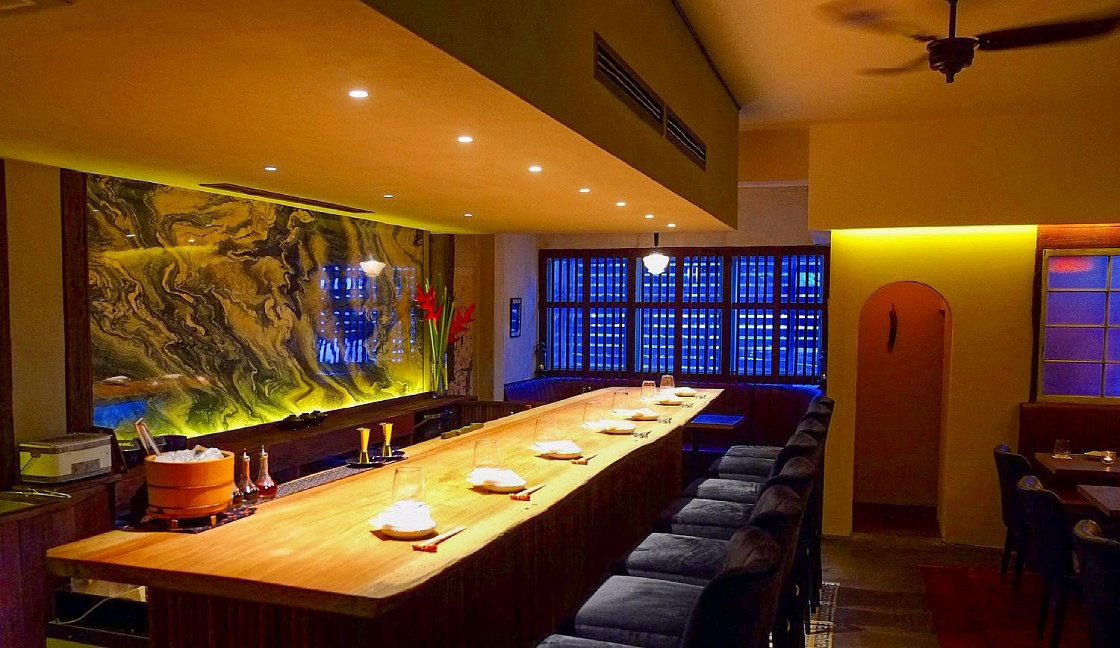
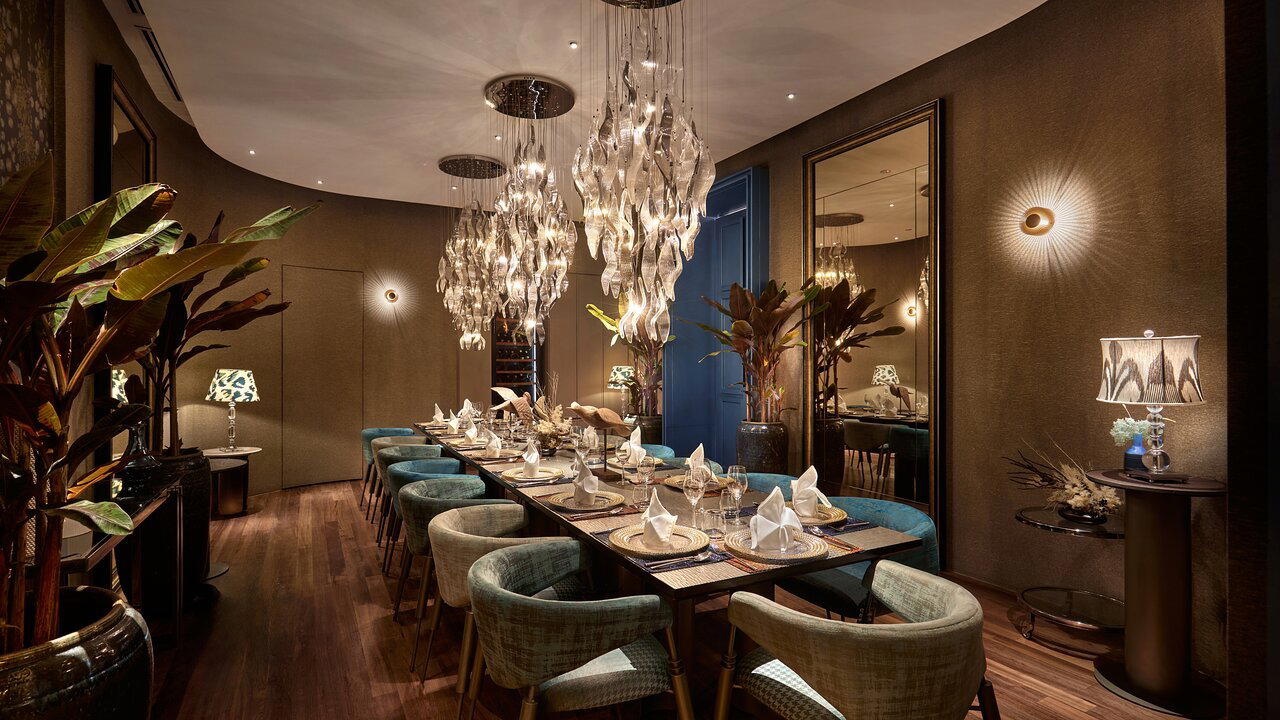
Bars in Kuala Lumpur
Browse all →


At a Glance
- Classic
- Cozy
- Brunch
- Casual Hangout
- Standalone
Current opening hours
- Monday
- Closed
- Tuesday
- 5:30 AM–2 PM
- Wednesday
- 5:30 AM–2 PM
- Thursday
- 5:30 AM–2 PM
- Friday
- 5:30 AM–2 PM
- Saturday
- 5:30 AM–2 PM
- Sunday
- 5:30 AM–2 PM
Hours can change for holidays and private events. Last verified .
Busy traditional kopitiam atmosphere in a market food court with fast service and crowds.