At Ul. kneza Borne 2, Tomassino occupies a quiet stretch of central Zagreb where the city's appetite for technique-driven cooking has steadily grown. The kitchen frames Croatian produce through a continental European lens, placing it among the Zagreb addresses where local sourcing and imported method converge. For visitors working through the capital's dining scene, it sits in a mid-to-upper register worth tracking.
Pearl is the En Primeur Club membership app — saves, bookings, and concierge access live there. Same editors, same standards.
- Address
- Ul. kneza Borne 2, 10000, Zagreb, Croatia
- Phone
- +385991636233
- Website
- i-host.gr
- Directions
- Get directions
 Saves & bookings on Pearl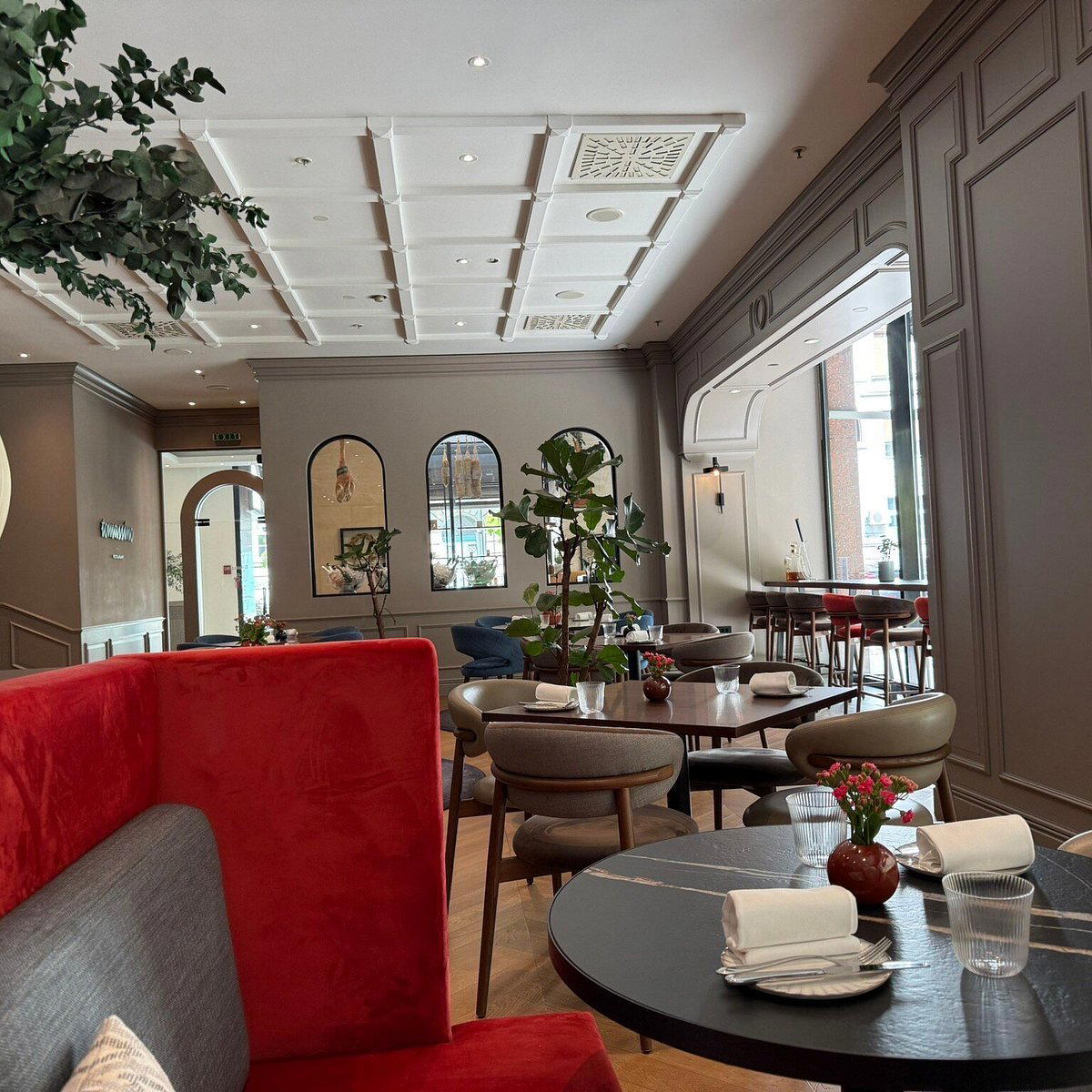
Where Zagreb's Produce Meets Continental Discipline
Ul. kneza Borne is the kind of Zagreb address that doesn't announce itself. The street sits close enough to the city's Lower Town grid to feel central, yet removed from the terrace-heavy corridors that fill with tourists from spring through September. Walking toward Tomassino, the neighbourhood reads as residential and low-key: older apartment facades, moderate foot traffic, the occasional neighbourhood café. It's a setting that, in Zagreb's dining geography, often signals that a restaurant earns its clientele through reputation rather than footfall.
That geographic positioning matters because it maps onto a broader pattern in how Zagreb's serious kitchens have developed. The restaurants drawing sustained local attention tend not to occupy prime tourist corridors. Dubravkin Put (Mediterranean Cuisine), one of the capital's most consistently referenced addresses at the €€€ tier, operates from a park-adjacent location in the Upper Town that similarly requires intention to reach. Tomassino works within that same logic: presence in a quieter pocket of the city, with cooking that functions as the draw.
The Local-Global Method: Croatian Products, European Framework
The more instructive lens for understanding where Tomassino sits in Zagreb's dining conversation is the tension between ingredient provenance and culinary technique. Croatian cooking has a strong regional backbone: lamb from the Dalmatian islands, truffles from Istria, freshwater fish from Slavonija, sea bass and bream from the Adriatic coast. The question Zagreb kitchens keep returning to is how far that raw material should be processed through classical European frameworks versus kept closer to traditional local preparation.
At one end of that spectrum, Noel (Modern Cuisine) at the €€€€ tier pushes Croatian ingredients through a contemporary fine-dining register with substantial technical investment. At the other, trattorias and konobas preserve preparation styles with minimal intervention. Tomassino, from available signals, occupies the middle ground where continental European method, particularly Italian-inflected technique, meets Croatian sourcing. That intersection is increasingly where Zagreb's most commercially durable restaurants operate: not fully traditional, not aggressively avant-garde, but applying coherent external discipline to local material.
This same dynamic plays out across Croatian dining more broadly. At the coast, addresses like Agli Amici Rovinj in Rovinj and Pelegrini in Sibenik demonstrate how Adriatic produce absorbs European technique without losing its regional character. Zagreb, as a landlocked capital with access to mountain, river, and coastal supply chains, faces a version of the same challenge: convincing diners that stronger examples from Croatian agriculture belongs on the same plate as serious culinary craft. Tomassino's address and positioning suggest it is making that argument.
Zagreb's Dining Tier and Where Tomassino Falls
Zagreb has undergone a quiet but measurable recalibration over the past decade. The city that visitors once associated primarily with Austro-Hungarian café culture and grilled meat now carries a restaurant scene with genuine range across price and format. The upper tier, represented by addresses like Noel and Izakaya (Japanese Contemporary), has pushed the ceiling on what the capital's kitchens attempt. A mid-tier, including Al Dente and Amfora, serves the appetite for recognizable European formats executed with care.
Tomassino reads as part of this mid-to-upper segment: a Zagreb address with enough culinary seriousness to attract a local professional clientele, without the ceremony and price architecture of the city's most formal rooms. That's a competitive position that works in Zagreb's favour. The city's dining public has become notably more educated about food quality, driven partly by exposure to coastal Croatian cooking during summers and partly by the steady expansion of the city's own restaurant offer. Restaurants that can hold both the serious local diner and the informed international visitor are increasingly the ones building durable reputations.
For wider context on Croatia's fine-dining geography, it helps to note that Michelin extended its Guide Croatia in recent years, with recognition reaching kitchens in Rijeka, Korčula, and Novalja as well as Zagreb. That expansion has raised the floor for what passes as serious cooking across the country and created pressure on Zagreb kitchens specifically to differentiate. Alfred Keller in Mali Lošinj and Krug in Split represent how coastal addresses are sharpening their technical edge. Zagreb's response has been to lean into the capital's logistical advantage: year-round operation, a larger residential dining public, and access to both continental and coastal supply lines simultaneously.
Planning Your Visit
Tomassino's address at Ul. kneza Borne 2 places it within walking distance of the Lower Town's main arteries, reachable on foot from most of Zagreb's central accommodation. The restaurant serves modern Italian with Croatian influences and is priced at about $30 per person. The neighbourhood is quiet in the evenings, which makes the restaurant better suited to conversation-focused dining than high-energy nights out. Given the address and positioning, booking ahead is advisable, particularly for Thursday through Saturday evenings when Zagreb's restaurant-going population competes for covers across the mid-to-upper tier.
For those extending into the countryside around the capital, Korak in Jastrebarsko represents the kind of village-based Croatian cooking that provides useful contrast to urban technique-driven restaurants. And for those benchmarking Zagreb's offer against international reference points, the technical gap between the city's upper-tier kitchens and addresses like Le Bernardin in New York City or Atomix in New York City has narrowed more than most visitors expect.
For coastal-adjacent context, Restaurant 360 in Dubrovnik and BioMania Bistro Bol in Bol illustrate how Croatian kitchens approach local ingredients with different constraints and audiences than Zagreb's land-locked environment creates.
Recognition Snapshot
Comparable venues nearby, for context on price, style, and recognition.
| Venue | Cuisine | Price | Notes |
|---|---|---|---|
| TomassinoThis venue — the venue you are viewing | Modern Italian with Croatian Influences | $$ | Not listed |
| Pizzeria Park | Neapolitan Pizza | $$ | Design District |
| Barbieri's | Modern Italian-Croatian Bistro | $$$ | Tkalciceva |
| Kod Pere | Traditional Croatian | $$ | Gornji Grad |
| SOL tapas na hrvatski | Croatian Tapas | $$ | centar |
| Sopal | Modern Croatian Bistro | $$ | Upper Town |
Continue exploring
More in Zagreb
Restaurants in Zagreb
Browse all →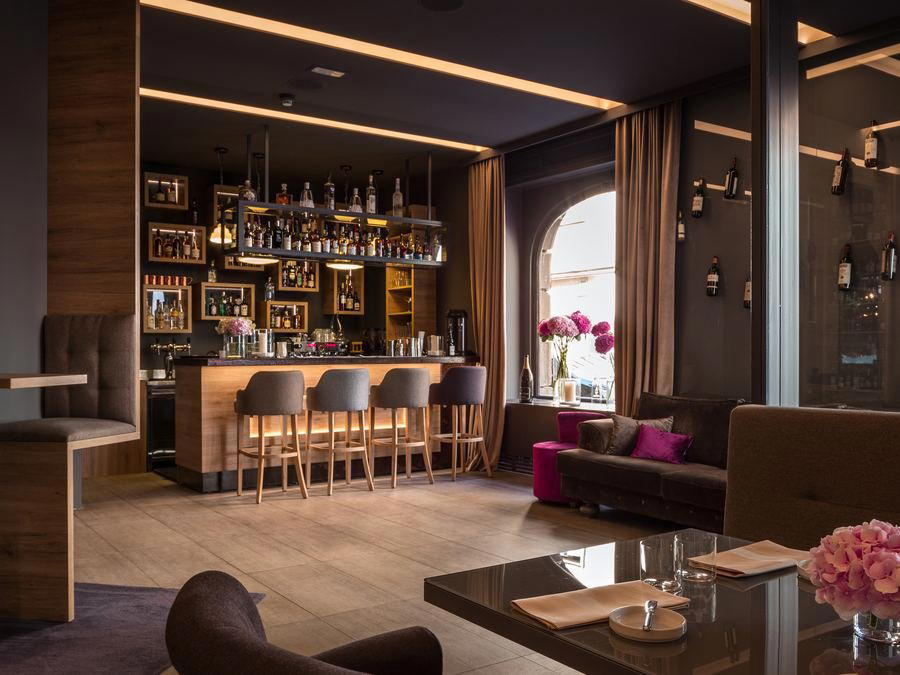
Bars in Zagreb
Browse all →
Hotels in Zagreb
Browse all →

At a Glance
- Elegant
- Cozy
- Sophisticated
- Date Night
- Business Dinner
- Family
- Hotel Restaurant
- Private Dining
- Extensive Wine List
- Local Sourcing
Current opening hours
- Monday
- 12–11 PM
- Tuesday
- 12–11 PM
- Wednesday
- 12–11 PM
- Thursday
- 12–11 PM
- Friday
- 12–11 PM
- Saturday
- 12–11 PM
- Sunday
- 12–11 PM
Hours can change for holidays and private events. Last verified .
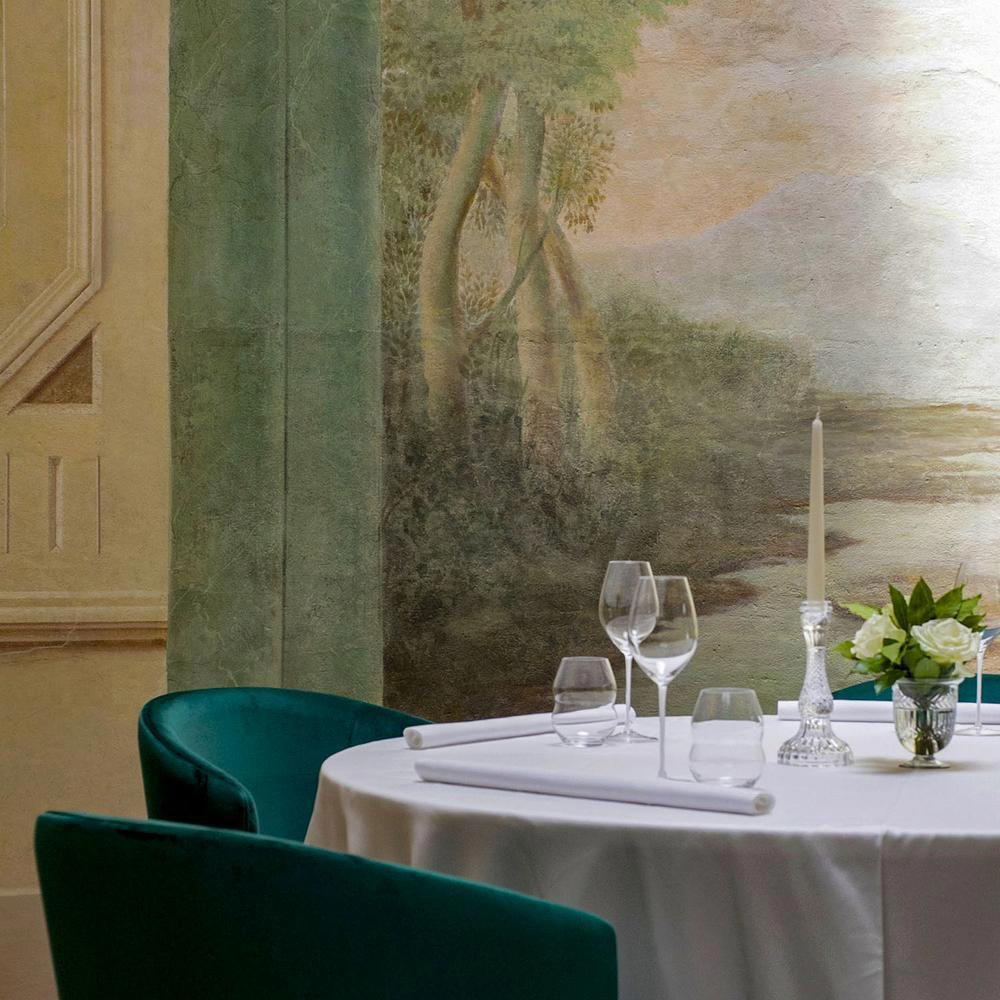
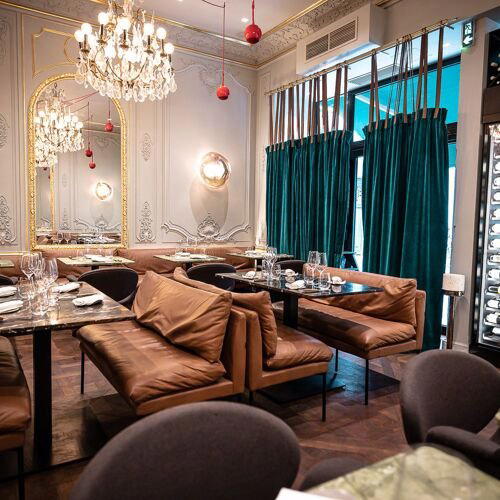
Warm, elegant Italian ambiance with beautiful decor, quiet and peaceful atmosphere.