Cipriani
Our verdict
Cipriani on North Camden Drive carries one of hospitality's most recognizable Italian lineages into Beverly Hills, where the brand's Venetian signatures meet California's ingredient culture. The address places it squarely in the Triangle's dining corridor, alongside peers such as Baldi and Spago, in a neighborhood where European formality and West Coast informality have long negotiated terms.

Pearl is the En Primeur Club membership app, where members save venues, book tables and use the concierge.
The menu
What to order
- Beef carpaccio
- Tuna tartare
- Vanilla meringue cake
- Veal piccata
- Osso buco
North Camden Drive and the Weight of a Name
Beverly Hills' dining Triangle runs roughly between Wilshire and Little Santa Monica, along a corridor where European restaurant brands have found a reliable second home for decades. The block on North Camden Drive that Cipriani occupies sits inside that pattern: a strip where Italian formality has always held ground, where Baldi has built its own long-running Italian reputation and where Cafe Amici operates as a more casual counterpoint. Into this context, Cipriani arrives not as a local experiment but as a franchise of one of hospitality's most durable Italian brands, one whose flagship Harry's Bar in Venice has been producing Bellinis and risottos since 1931. That lineage is the first thing the room communicates, before any food arrives.
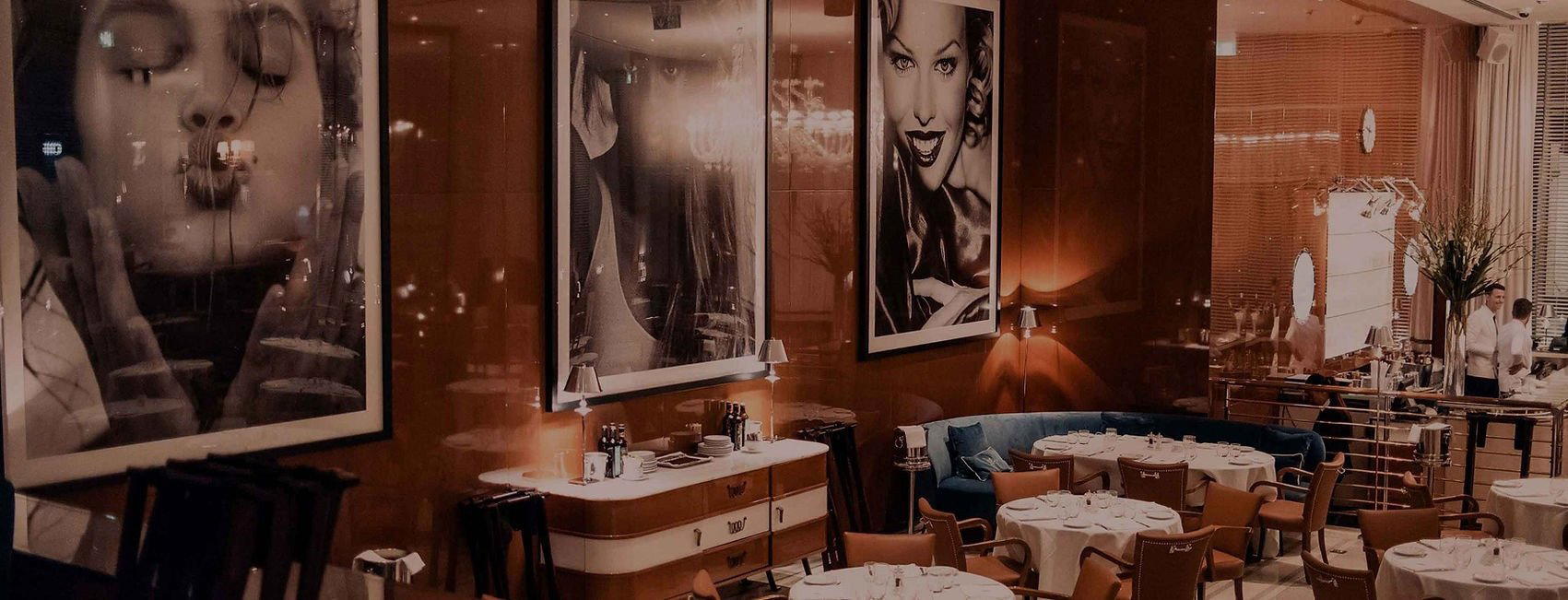
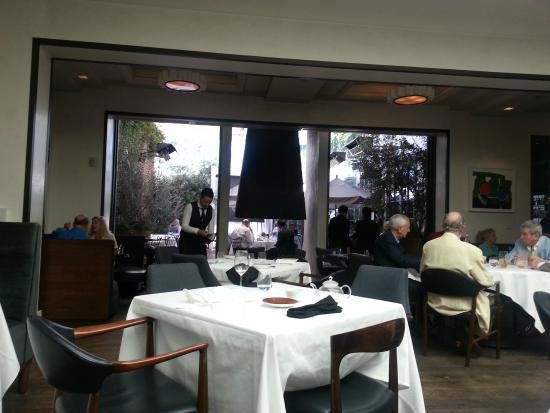
The Cipriani name functions differently from most restaurant brands. It doesn't travel on a chef's reputation or a single celebrated dish. It travels on a set of codified preparations, a particular register of service, and a room aesthetic that prioritizes Venetian restraint over West Coast looseness. Walking into any Cipriani address carries an expectation of warm cream tones, white tablecloths, and a formality calibrated just below stiff. Beverly Hills, a city practiced at hosting exactly this kind of European transplant alongside its own Beverly Hills Grill informality, accommodates it without friction.
Venetian Signatures in a California Market
The editorial angle worth examining at any Cipriani location is what happens when a brand built on Venetian tradition operates inside one of the most ingredient-rich agricultural regions in the world. California's produce calendar runs deep: coastal seafood, Central Valley stone fruit, year-round greens from farms that supply restaurants across the price spectrum from Circa 55 to The French Laundry in Napa. The Cipriani model, unlike farm-to-table formats such as Single Thread Farm in Healdsburg or Blue Hill at Stone Barns in Tarrytown, does not foreground provenance as a selling point. The Venetian preparations are the product. Local ingredients are absorbed into those preparations rather than narrated around them.
This is a deliberate positioning. The Cipriani risotto is a Cipriani risotto whether it is made in New York, Dubai, or Beverly Hills. That consistency is exactly what a certain segment of the Beverly Hills market wants: a known quantity, reliably executed, in a room that won't surprise you. It sits at a different point on the dining spectrum from the technique-led, ingredient-forward approach you find at Providence in Los Angeles, where the sourcing narrative is central to the experience, or the produce-obsessed format of Smyth in Chicago. Cipriani's proposition is heritage over discovery.
Where the California context does register is in the seasonal produce that filters into the menu's periphery. The region's agricultural abundance makes it difficult for any kitchen operating here to ignore what is at peak in a given month, and a brand with Cipriani's resources has little reason to work against that. The kitchen's classical Italian grounding and California's seasonal depth are not in opposition; they simply operate at different levels of visibility on the plate.
Beverly Hills at the upper end of the price spectrum has a recognizable group of peers against which Cipriani competes for the same evening booking. CUT Beverly Hills anchors the steakhouse tier at the same price point. 208 Rodeo draws from the same Triangle geography. Spago Beverly Hills has operated Californian-European fusion in the neighborhood for long enough to function as a reference point for everyone who followed. Cipriani's competitive distinction within this set is its Italian brand specificity: it is not a locally conceived Italian restaurant but a node in an international network, which both limits and protects it. The brand's identifiability is the product, in the same way a grand hotel dining room's stability is the product.
For comparison, the broader American fine-dining circuit has seen Californian restaurants pull strongly toward local-ingredient narratives over the past decade. Addison in San Diego and Lazy Bear in San Francisco both frame their work around California's seasonal and geographic specificity. Even the Italian-influenced end of the national scene, represented by places like Emeril's in New Orleans, layers local identity heavily into European structure. Cipriani's relative indifference to that narrative is a deliberate choice, not an omission, and it speaks to a clientele that values the brand's stability over a kitchen's seasonal self-expression.
Beyond California, the international context is useful. The classical European fine-dining model, where technique and tradition carry more weight than provenance storytelling, finds expression at places like Le Bernardin in New York City and, in a very different register, Atelier Moessmer Norbert Niederkofler in Brunico. Cipriani belongs to a different tier of that tradition, one defined by brand consistency and accessible luxury rather than creative ambition. That is not a criticism. It is a description of a specific function that expensive restaurants can serve. The Inn at Little Washington and Atomix in New York City operate in creative registers that Cipriani does not compete with, and does not need to.
Planning Your Visit
Cipriani sits at 362 North Camden Drive, Beverly Hills, within walking distance of the main Triangle shopping corridor and within a short drive of Rodeo Drive. The address is practical for visitors staying in the central Beverly Hills hotel cluster, and the neighborhood is well served by car services given that street parking in the Triangle is limited during dinner hours. For a full picture of what the neighborhood offers across price points and cuisines, the EP Club Beverly Hills restaurants guide maps the area's dining in detail.
As with most established Beverly Hills addresses at this price tier, advance planning is advisable for weekend evenings, particularly in the autumn and winter months when the city's social calendar densifies and competition for prime-time tables increases across the Triangle. Weekday bookings carry more flexibility. The room's formality suggests treating it as a sit-down dinner occasion rather than a drop-in, and the service register rewards guests who arrive with that frame of reference.
Frequently asked questions
What's Cipriani's location?
Cipriani is located at 362 N Camden Dr, Beverly Hills, CA 90210, Beverly Hills.
Is Cipriani Beverly Hills part of the same group as Cipriani in New York and Venice?
Yes, Cipriani Beverly Hills at 362 N Camden Drive operates under the Cipriani family brand, the same group behind Harry's Bar in Venice (designated a national landmark by the Italian government in 2001) and the Cipriani properties in New York. The Beverly Hills location extends that network into the California market, carrying the same house menu philosophy and brand standards rather than functioning as a separate licensee or spin-off concept.
What's the signature dish at Cipriani?
Cipriani's identity across all its locations is anchored in Venetian classics originating from Harry's Bar in Venice, dishes like beef carpaccio, which Harry's Bar claims to have invented, and the Bellini cocktail are central to the brand's canon. At 362 N Camden Drive in Beverly Hills, the menu follows the same house repertoire rather than a California-inflected riff on it. That consistency is deliberate: the brand's value proposition rests on replication of the Venetian original, not local adaptation.
How far ahead should I plan for Cipriani?
Cipriani Beverly Hills operates within the North Camden Drive dining corridor, where competition for weekend bookings is serious, neighbours in the Beverly Hills Triangle tend to fill prime Friday and Saturday slots two to three weeks out. For a party of four on a weekend evening, planning three weeks ahead is a reasonable baseline. For smaller tables on weekday evenings, a week's notice is typically sufficient, though high-profile event periods in Beverly Hills, including awards season, compress availability further.
Similar Picks
Comparable venues nearby, for context on price, style, and recognition.
| Venue | Cuisine | Price | Awards | Notes |
|---|---|---|---|---|
| CiprianiThis venue (the venue you are viewing) | Classic Venetian Italian | Not listed | Not listed | Not listed |
| Gucci Osteria | Modern Italian Fine Dining | Not listed | Not listed | Beverly Hills |
| Cafe Amici | Classic Italian Trattoria | $50–100 | Not listed | Beverly Hills |
| La Dolce Vita | Classic Italian Red Sauce | $50–100 | Not listed | Beverly Hills |
| Culina Ristorante and Caffè | Contemporary Italian | $50–100 | Wine Spectator Best of Award of Excellence | Beverly Hills |
| Piccolo Paradiso | Traditional Sicilian Italian | $30–50 | Not listed | Beverly Hills |
Continue exploring
More in Beverly Hills
Restaurants in Beverly Hills
All restaurants in Beverly Hills →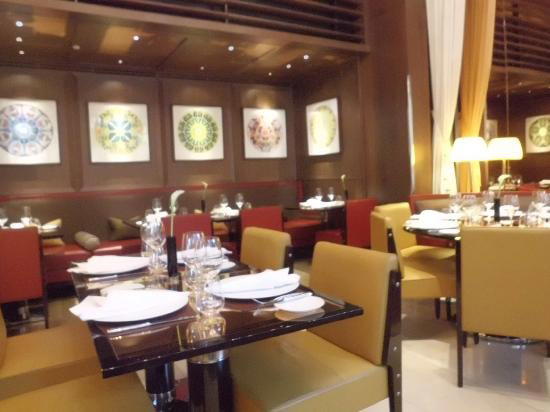
Bars in Beverly Hills
All bars in Beverly Hills →
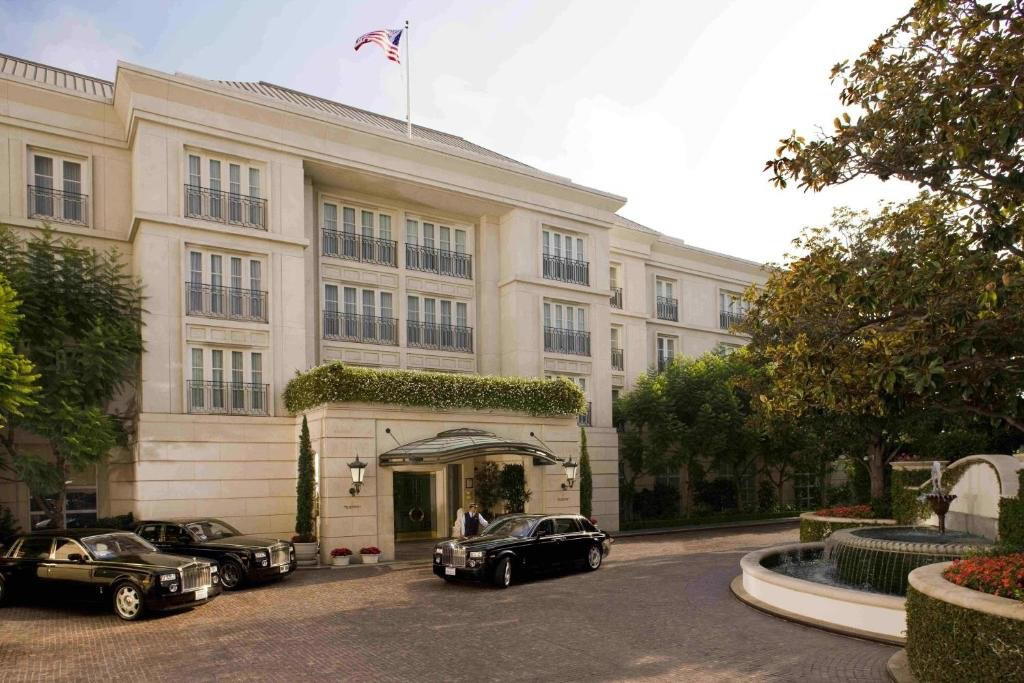
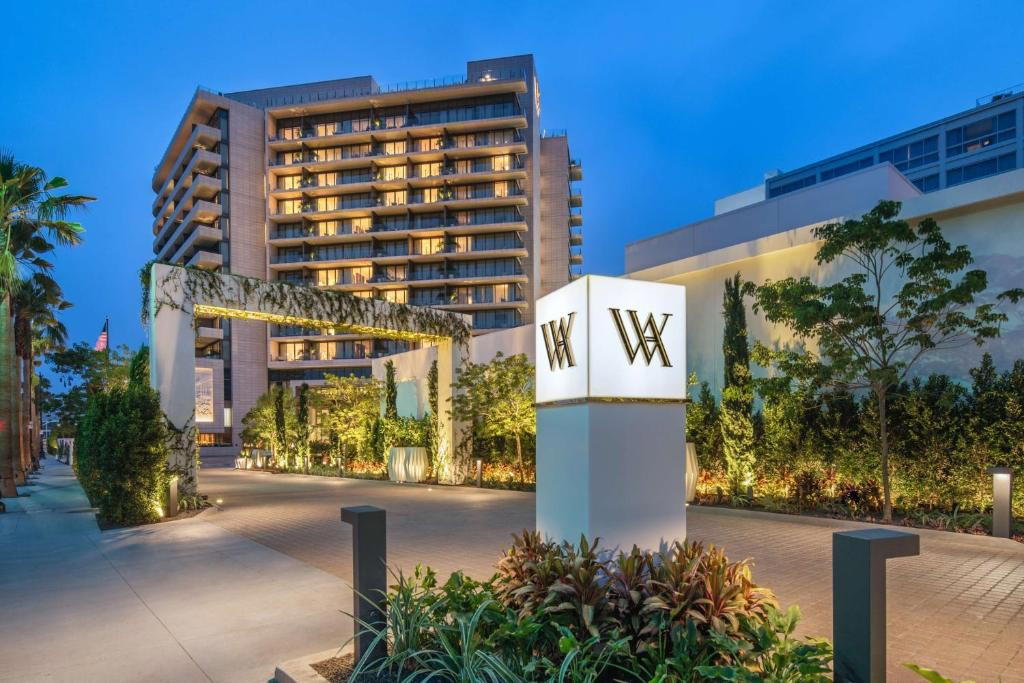
Hotels in Beverly Hills
All hotels in Beverly Hills →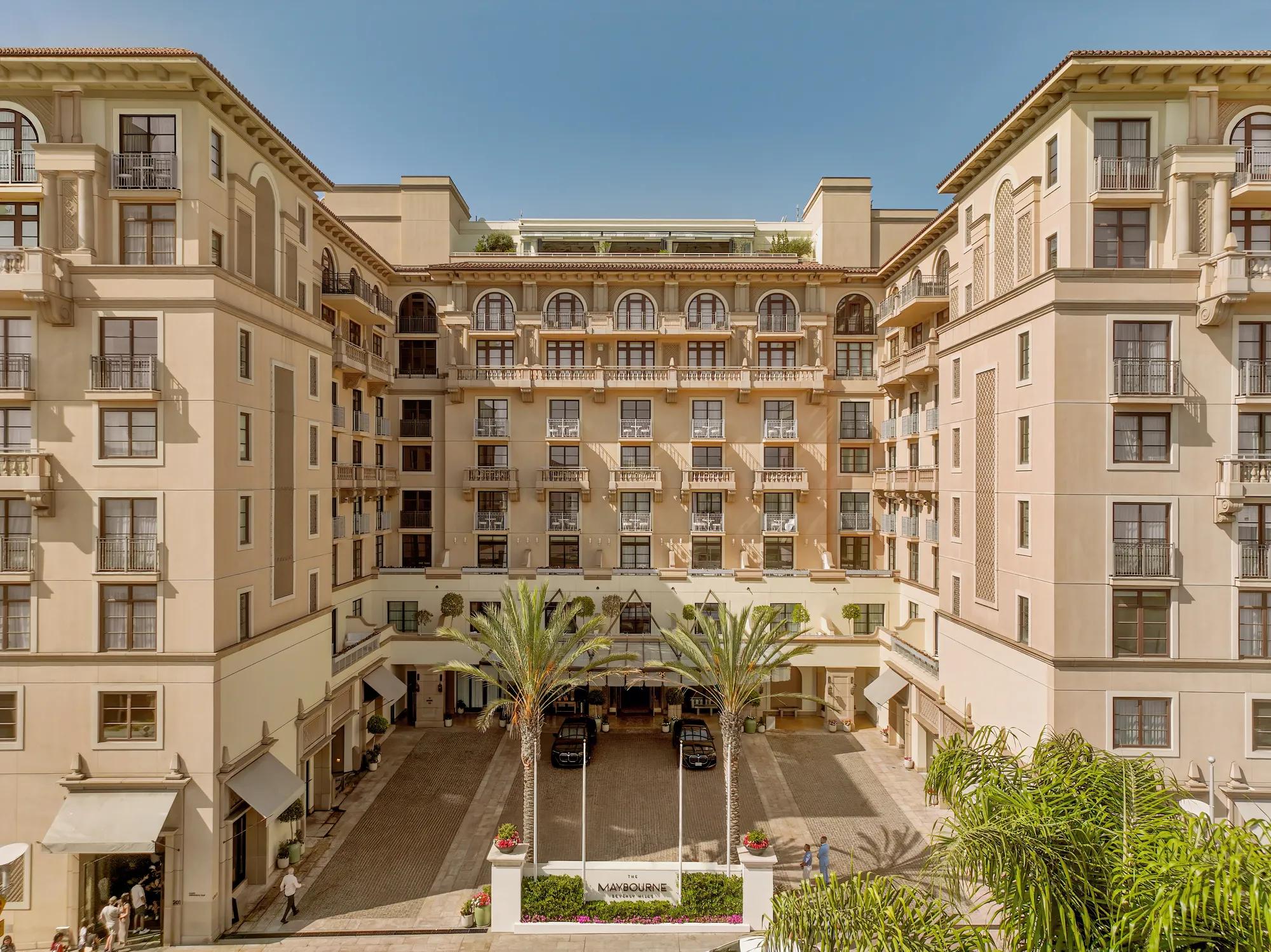
Wineries in Beverly Hills
Browse all →
Details
- Elegant
- Sophisticated
- Classic
- Ornate
- Special Occasion
- Date Night
- Celebration
- Live Music
- Private Dining
- Extensive Wine List
- A La Carte
- Bellini
Current opening hours
- Monday
- 11:30 AM–10:30 PM
- Tuesday
- 11:30 AM–10:30 PM
- Wednesday
- 11:30 AM–10:30 PM
- Thursday
- 11:30 AM–10:30 PM
- Friday
- 11:30 AM–11:30 PM
- Saturday
- 11:30 AM–11:30 PM
- Sunday
- 11:30 AM–10:30 PM
Hours can change for holidays and private events. Hours as of .
Elegant interior with polished wood, Murano chandeliers, deep green velvet accents, and old Hollywood glamour in the Jazz Café featuring warm lighting and live music.