Ume
Ume occupies a quiet address on White Oak Drive in Houston's Heights corridor, where Japanese culinary tradition meets a city increasingly serious about its Asian dining scene. The restaurant draws comparisons to the growing cohort of intimate Japanese-inflected concepts across Houston, operating at a tier where precision and restraint carry more weight than scale or spectacle.
Pearl is the En Primeur Club membership app — saves, bookings, and concierge access live there. Same editors, same standards.
- Address
- 2802 White Oak Dr Suite 500, Houston, TX 77007
- Phone
- +18327675872
- Website
- umehouston.com
- Directions
- Get directions
 Saves & bookings on Pearl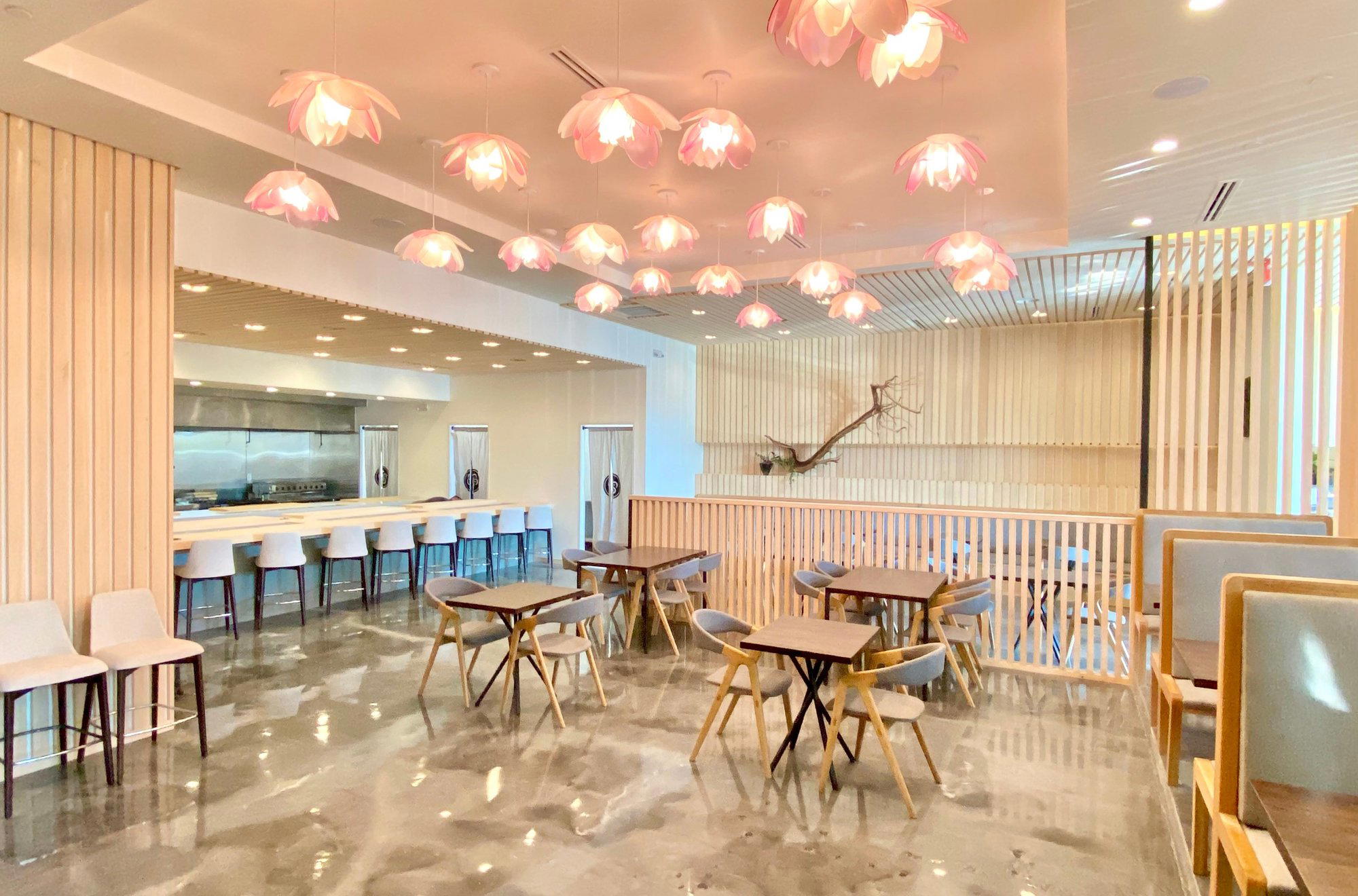
Where the Heights Meets Japanese Restraint
White Oak Drive in Houston's Heights neighborhood has become a reliable address for restaurants that prioritize craft over volume. The street's low-rise commercial fabric, brick facades, and neighborhood-scale foot traffic set a particular tone: you arrive on foot or by car, you notice the quieter pace compared to Montrose's denser dining corridor, and you understand immediately that the experience ahead will be calibrated rather than theatrical. Ume, at 2802 White Oak Drive, sits within this context — a Japanese concept in a city that has grown considerably more sophisticated in how it receives and sustains that cuisine.
Houston's relationship with Japanese food has followed a national arc, moving from a market defined almost entirely by fast-casual sushi and mid-tier teppanyaki to one that now sustains a meaningful tier of precision-oriented Japanese and Japanese-inflected restaurants. That shift didn't happen overnight, and it wasn't driven by any single venue. It was the cumulative result of a more widely traveled dining population, a more adventurous restaurant investment climate, and the city's underlying demographic depth — Houston has one of the largest and most diverse Asian communities in the American South, which provides both a critical audience and, often, the producers and purveyors that serious kitchens depend upon.
Japanese Culinary Tradition in a Southern American City
Japanese cuisine, at its most considered, operates through principles that run counter to much of what defines American restaurant culture: subtraction over addition, the primacy of the ingredient over the technique, and a relationship to seasonal time that treats a two-week window of peak ripeness as a meaningful event rather than a logistical inconvenience. These values translate unevenly when transplanted, and the cities where they take root most convincingly tend to share a few common traits, access to high-quality fish, a dining culture willing to pay for restraint, and enough critical mass of Japanese culinary training to maintain standards across generations.
Houston, perhaps counterintuitively, checks several of those boxes. Its proximity to Gulf Coast seafood gives kitchen teams access to ingredients that don't require the cold-chain freight costs that burden landlocked markets. Its port-city openness to global trade creates a supplier network that extends well beyond what the local population size would typically suggest. And its restaurant economy, which has produced serious fine dining at venues like March and Musaafer, has normalized a pricing tier where Japanese precision can be financially viable without becoming exclusionary in the way that comparable concepts in New York or San Francisco sometimes do.
Nationally, the Japanese fine dining tier has bifurcated. On one side sit the high-volume omakase formats, where counter seats are priced at $300 or more and bookings clear weeks in advance, operations comparable in structure, if not always in execution, to Atomix in New York or the reservation-driven model pioneered by counters in San Francisco and Los Angeles. On the other side are smaller, neighborhood-anchored Japanese concepts where the ambition is equally serious but the format is less ceremonial, and where the relationship between kitchen and regular guest carries more weight than the individual transactional experience. Ume appears to operate closer to the latter model, a Heights address rather than a downtown or Galleria location signals as much.
The Heights Dining Context
Understanding Ume requires understanding the Heights. Houston's Heights neighborhood has shifted substantially over the past decade, from a historically working-class residential area with patchy commercial development into one of the city's more sought-after dining and living corridors. The restaurants that have succeeded here tend to share certain characteristics: they are owner-operated or chef-driven at a scale that allows genuine engagement with the food, they are priced for a local regular base rather than for one-time occasion dining, and they resist the maximalist design and marketing intensity that defines some of Houston's higher-profile corridors.
That positions Ume in interesting company. The Heights has produced some of the city's more considered cooking, and the neighborhood's dining audience, younger, well-traveled, attentive to ingredient sourcing, is a meaningful asset for any kitchen attempting Japanese-inflected work. Each of these represents a broader trend: Houston increasingly sustaining specialist, tradition-rooted concepts that would have struggled for a decade-long audience here a generation ago.
How Ume Sits Within the Broader American Japanese Dining Scene
The benchmark set for Japanese fine dining in the United States is now genuinely demanding. Restaurants like Providence in Los Angeles have demonstrated how Japanese technique can inflect non-Japanese kitchens with lasting effect. Closer to the omakase format, the standard set by counters in major coastal cities has created a reference point against which all serious Japanese work is now implicitly measured, regardless of geography. That context matters for how to approach Ume: it is not operating in a vacuum, but as part of a national conversation about what Japanese culinary values look like when practiced outside Japan.
For comparison, consider what the French Laundry's influence did for American fine dining's relationship with French technique, or what Alinea did for modernist cooking's credibility in the Midwest. Regional locations can house the most serious work in a category when conditions align. Houston, in 2024 and beyond, presents those conditions for Japanese cuisine in a way that would not have been plausible two decades ago. The city's food press, its proximity to significant Asian-American culinary communities, and the proven willingness of its dining public to support ambitious work, evidenced by the sustained success of Le Jardinier Houston in the French fine dining tier, all suggest the environment is right.
Planning Your Visit
Ume is located at 2802 White Oak Drive, Suite 500, in Houston's Heights neighborhood. The address places it within the walkable stretch of White Oak that concentrates several of the neighborhood's better independent restaurants and bars. Parking is available in the surrounding streets, though weekend evenings on this corridor can be competitive for spaces.
| Venue | Cuisine | Price Tier | Neighborhood | Booking Approach |
|---|---|---|---|---|
| Ume | Japanese | Not confirmed | Heights | |
| March | Venetian | $$$$ | River Oaks | Online / advance |
| Musaafer | Indian | $$$$ | Galleria | Online / advance |
| Tatemó | Mexican (Masa-Focused) | Not confirmed | Heights |
For a broader map of where Ume fits within Houston's restaurant scene, see our full Houston restaurants guide. For reference points on what serious Japanese fine dining looks like at the national tier, Atomix in New York and Single Thread Farm in Healdsburg represent the benchmark counter and farm-to-table Japanese formats respectively. Blue Hill at Stone Barns and The French Laundry offer adjacent reference points on what ingredient-led American fine dining looks like at the highest tier of execution.
Fast Comparison
| Venue | Cuisine | Price | Awards |
|---|---|---|---|
| UmeThis venue — the venue you are viewing | This venue | Not listed | Not listed |
| March | Venetian | $$$$ | Michelin 1 Star |
| Musaafer | Indian | $$$$ | Michelin 1 Star |
| Nancy's Hustle | New American, Contemporary | $$ | New American, Contemporary, $$ |
| Hidden Omakase | Sushi | $$$$ | Sushi, $$$$ |
| Theodore Rex | New American, Contemporary | $$$ | New American, Contemporary, $$$ |
Continue exploring
More in Houston
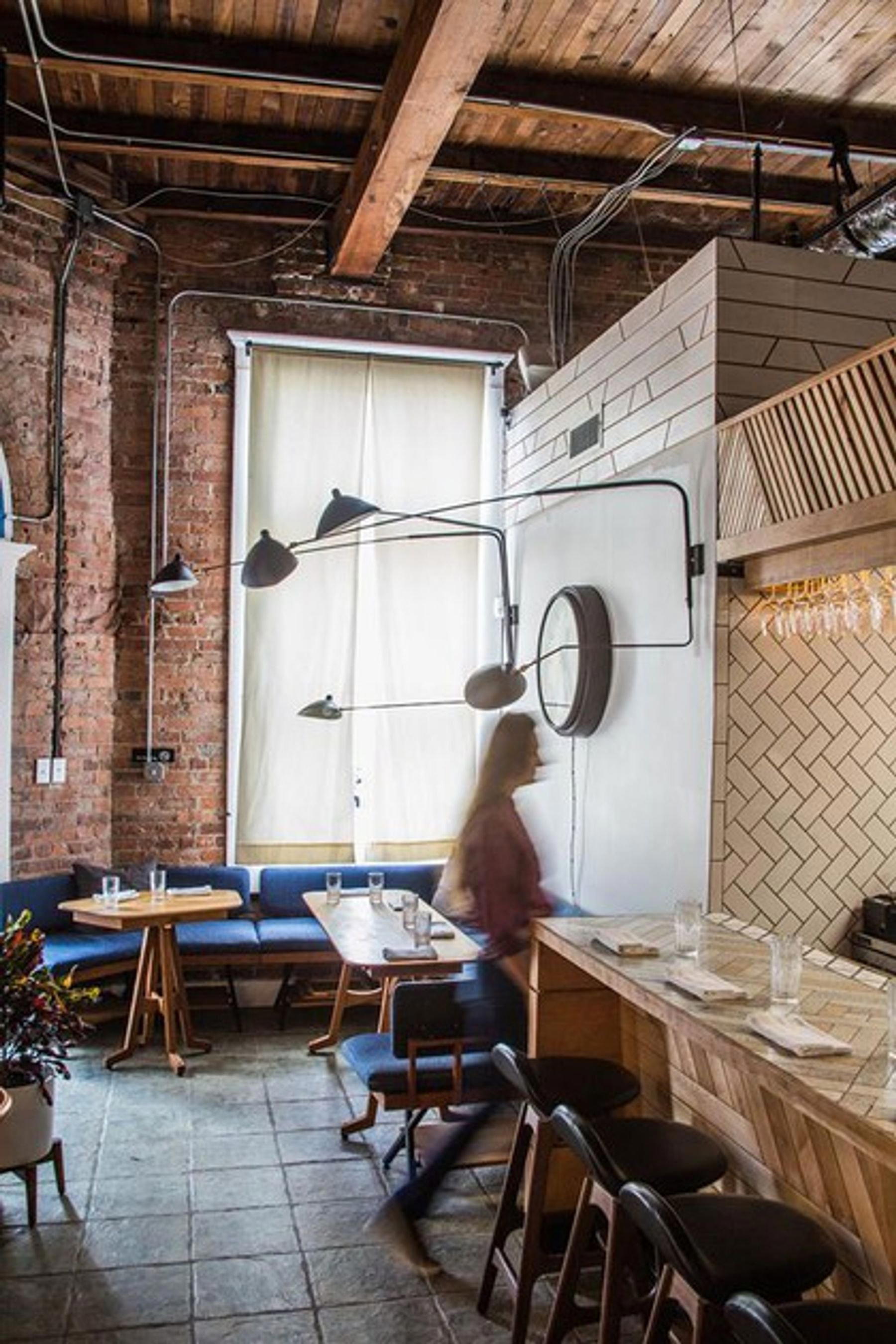
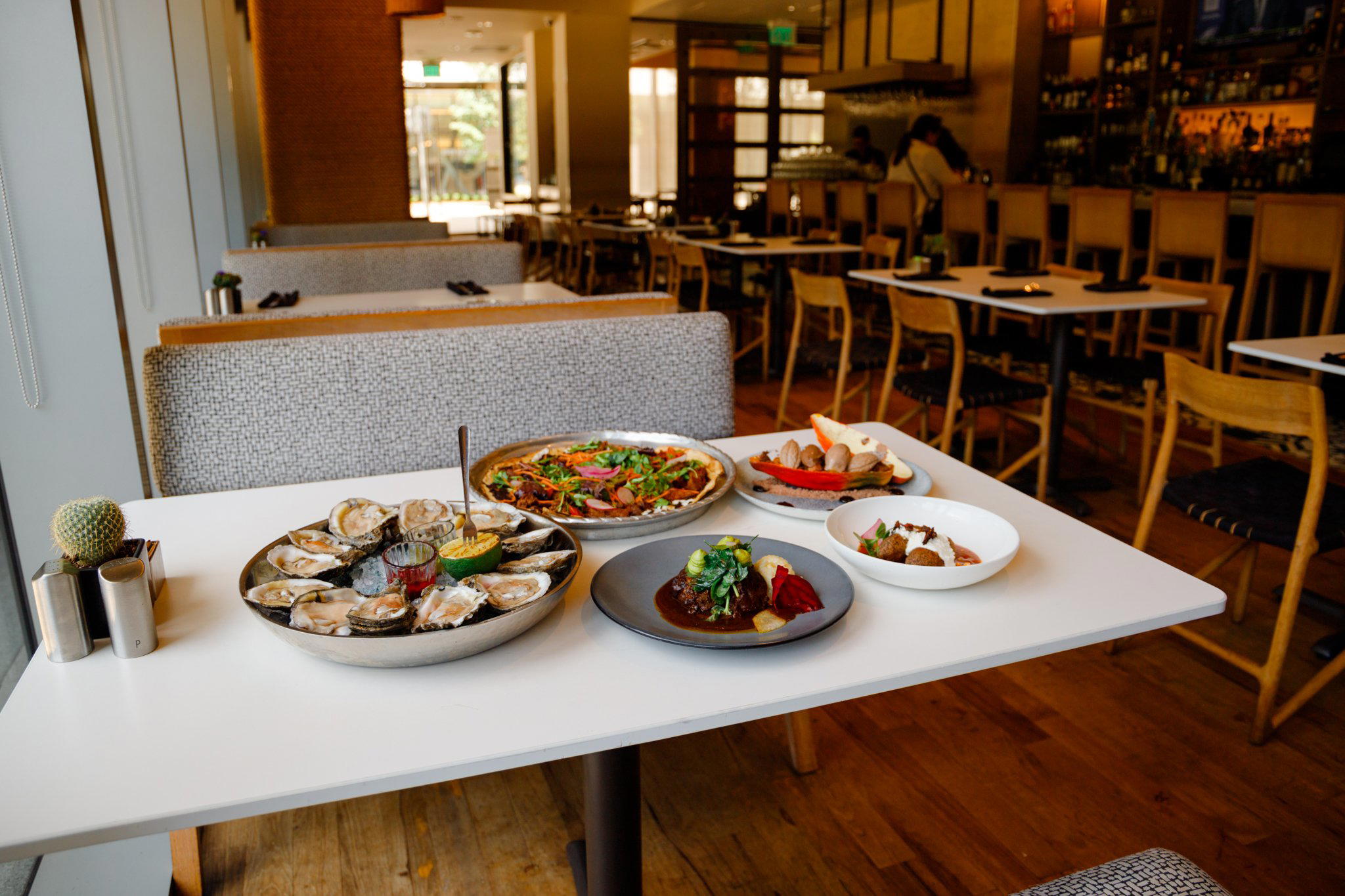
Restaurants in Houston
Browse all →
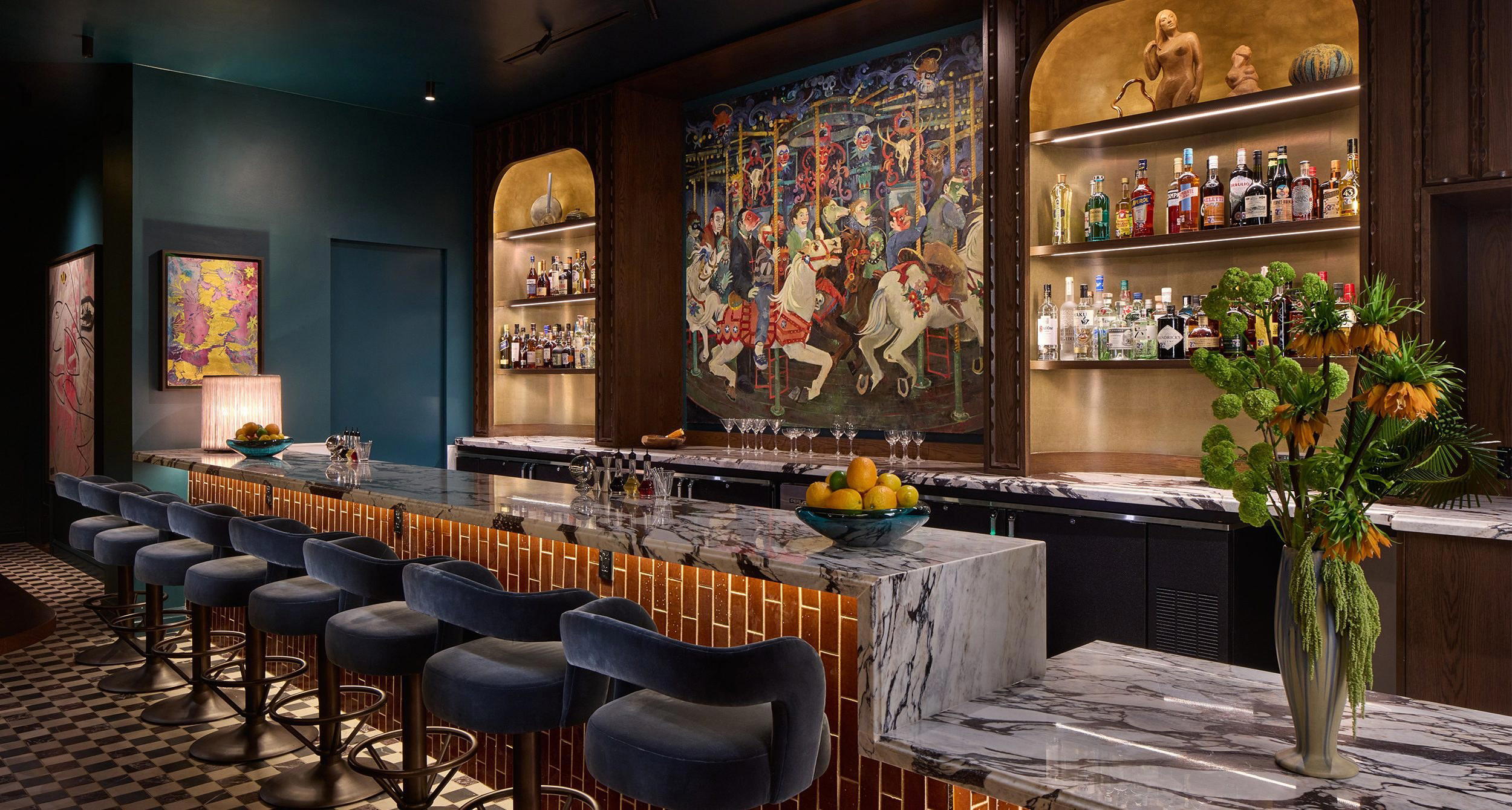
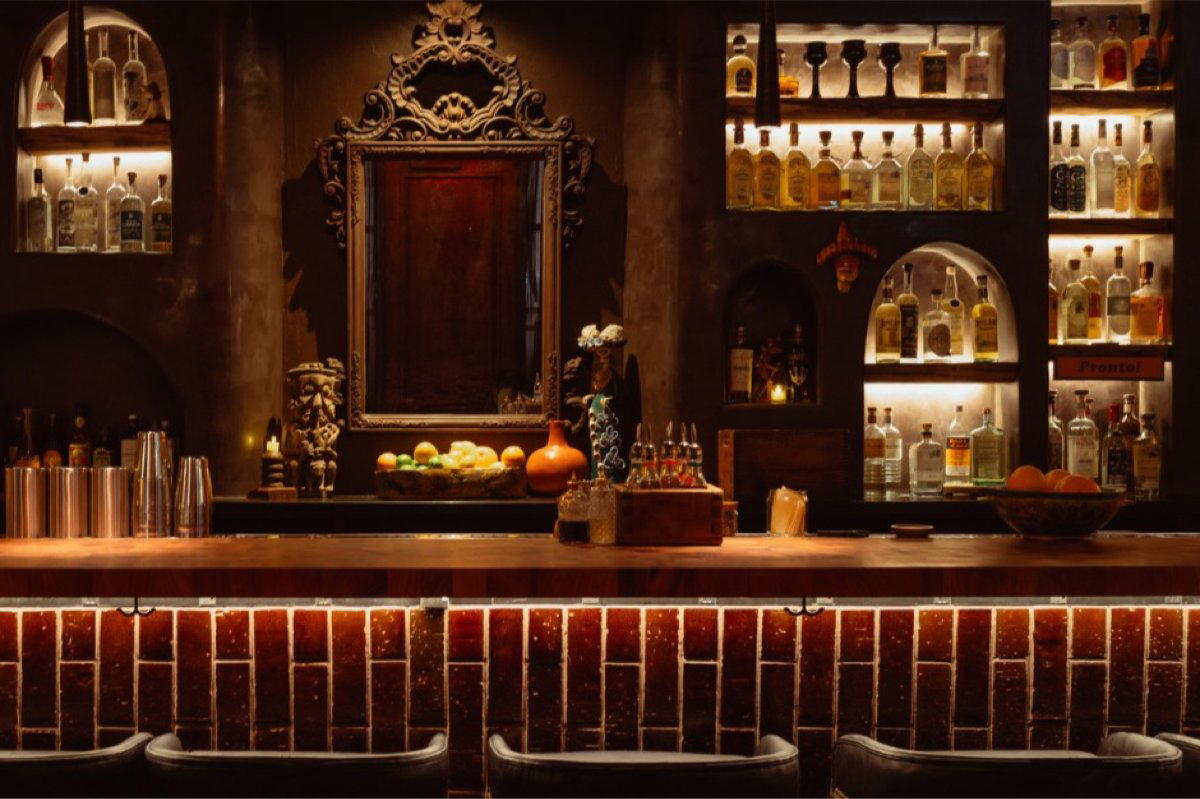
Bars in Houston
Browse all →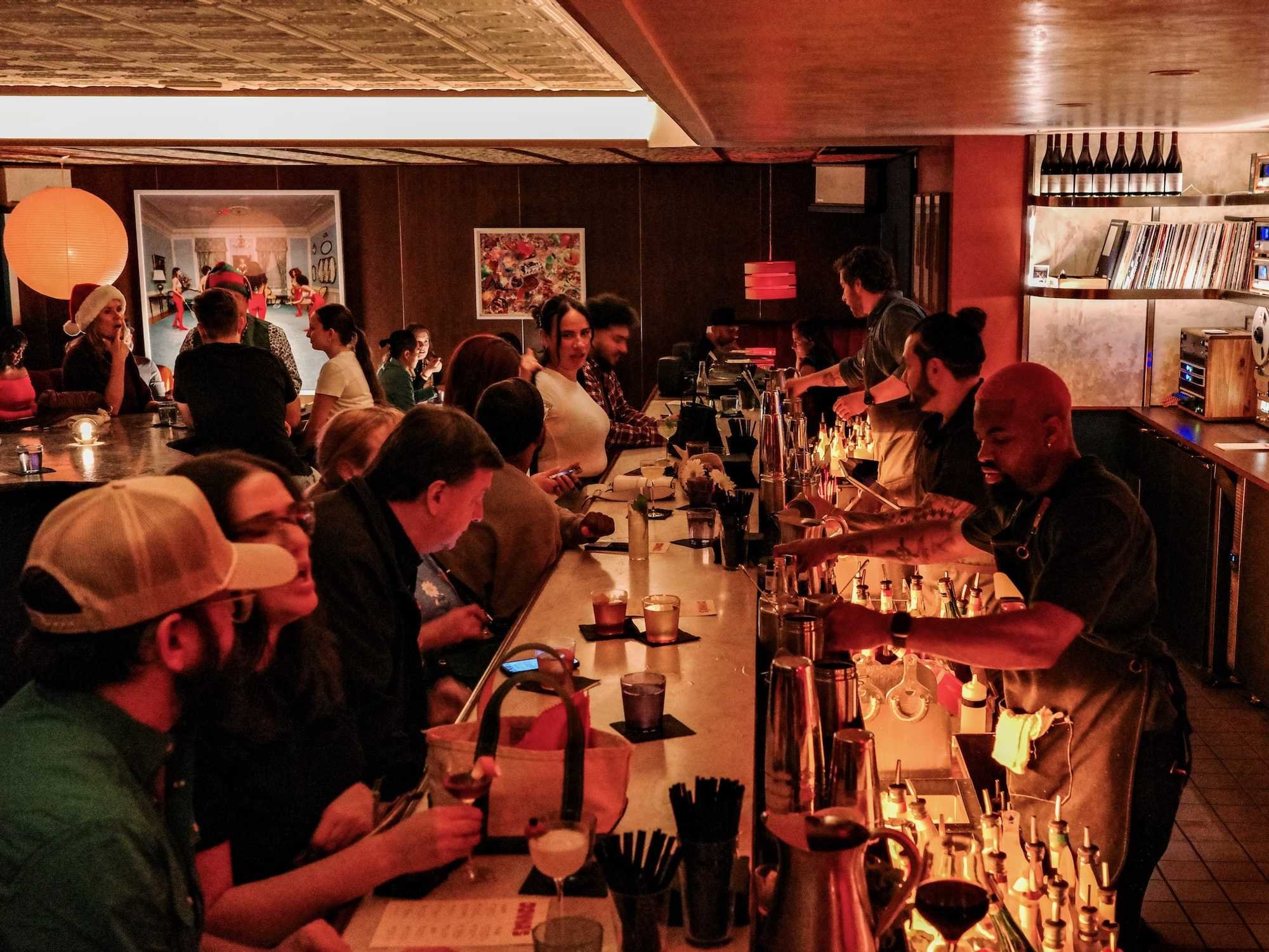
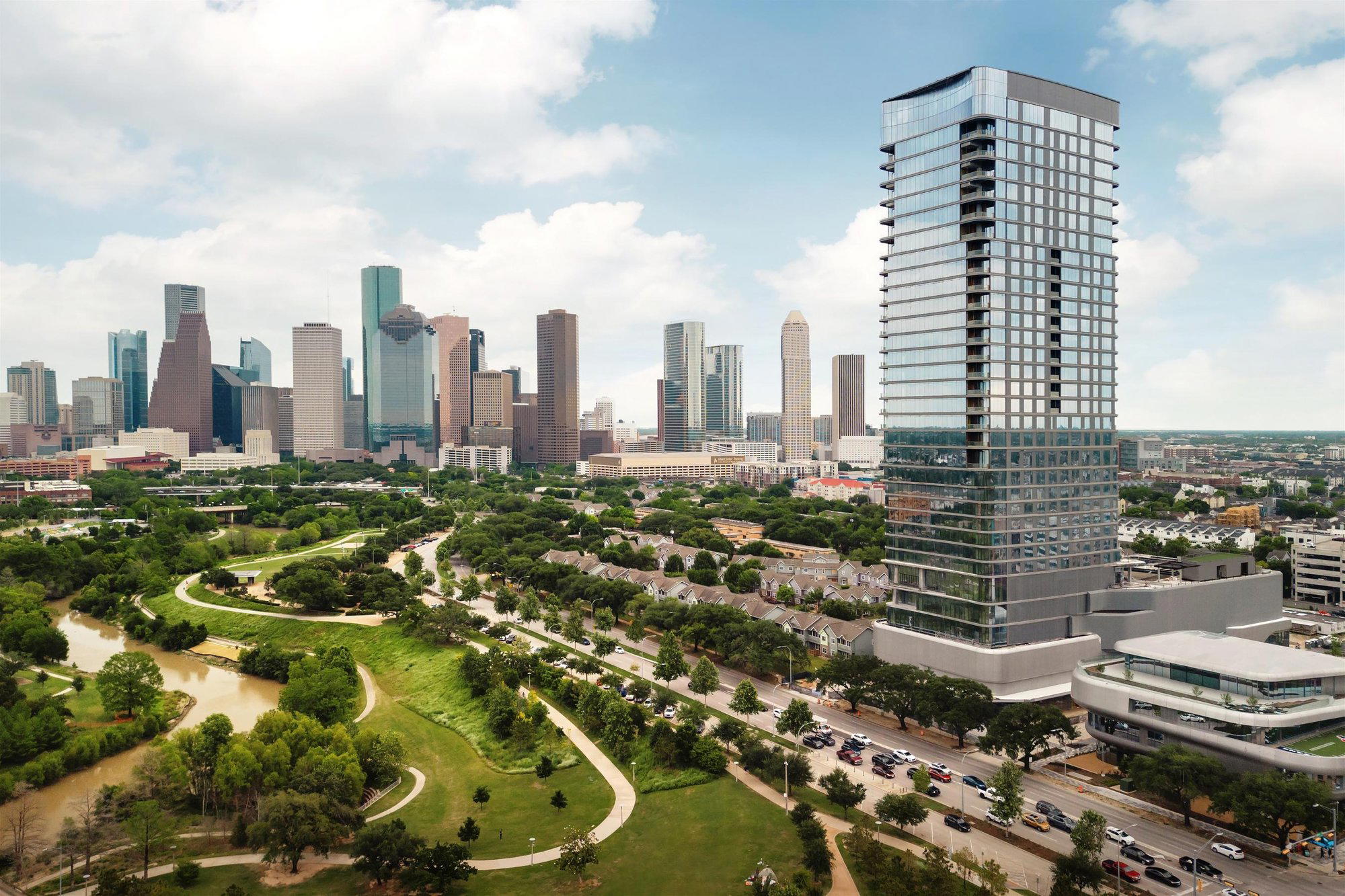
Hotels in Houston
Browse all →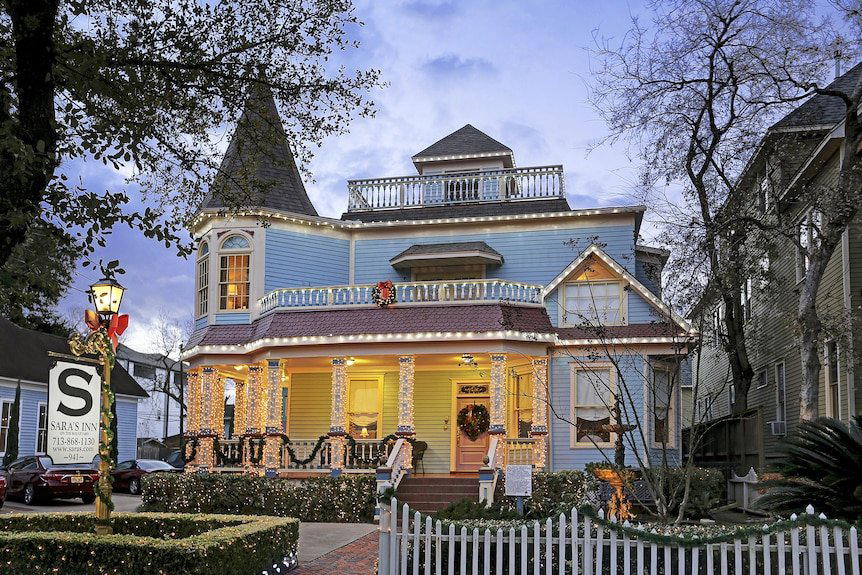
At a Glance
- Modern
- Cozy
- Elegant
- Date Night
- Special Occasion
- Open Kitchen
- Sake Program
- Craft Cocktails
Current opening hours
- Monday
- 4:30–10:30 PM
- Tuesday
- 4:30–10:30 PM
- Wednesday
- 4:30–10:30 PM
- Thursday
- 4:30–10:30 PM
- Friday
- 4:30–11 PM
- Saturday
- 4:30–11 PM
- Sunday
- 3–9 PM
Hours can change for holidays and private events. Last verified .
Cozy yet upscale with neutral tones, intricate woodwork, serene lighting from plum blossom chandeliers, and an open kitchen overlooking the main dining room.
Know Before You Go
- Getting there
- 2802 White Oak Dr Suite 500, Houston, TX 77007