Union Oyster House

Our verdict
America's oldest continuously operating restaurant, Union Oyster House has anchored Boston's Faneuil Hall district since 1826. The semicircular raw bar, low-beamed dining rooms, and commitment to New England shellfish make it a reliable reference point for the city's seafood tradition, not a museum piece, but an active, functioning institution with two centuries of accumulated context.

Pearl is the En Primeur Club membership app, where members save venues, book tables and use the concierge.

The menu
What to order
- New England clam chowder
- Oysters
- Lobster rolls
Where the Room Does the Work
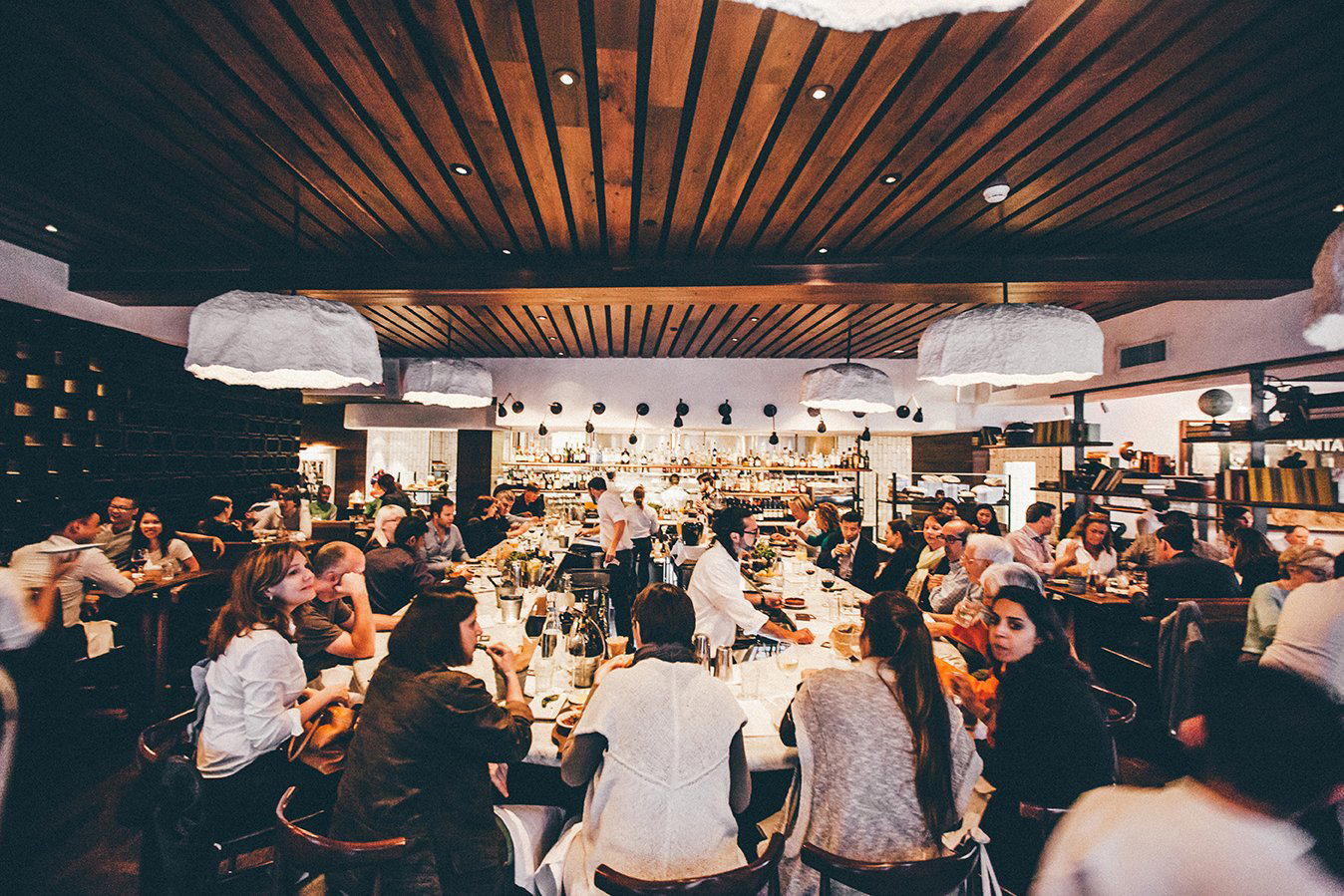
The building at 41 Union Street was already old when the restaurant opened in 1826. The brick facade, the creaking floors, the semicircular raw bar worn smooth by generations of elbows, none of it has been staged for atmosphere. Boston's seafood dining tradition is often traced through neighborhoods and fishing-port proximity, and Union Oyster House sits at the convergence of both: steps from Faneuil Hall, close enough to the waterfront that its original clientele were fishmongers, politicians, and dockhands. That layered civic identity is still readable in the room.
American restaurant history has produced very few institutions that operate continuously for two centuries without becoming caricatures of themselves. The ones that survive tend to do so because their core format remained defensible, a product category, a service style, or a physical format that the passage of time made more valuable rather than less. Union Oyster House belongs to that narrow cohort. Its claim is not novelty. Its claim is duration, and what duration implies: consistency of sourcing, a trained service culture, and a physical room with the kind of patina that no renovation budget can replicate.
The Sequence of a Meal Here
The logical starting point at a raw bar counter is the oyster, and at Union Oyster House, New England shellfish set the register for everything that follows. The Northeast Atlantic produces some of the most minerally complex bivalves in the world, shaped by cold, high-salinity waters and long growing cycles. Massachusetts and Maine oysters, Wellfleets, Island Creeks, and their regional neighbors, carry a brine character and firm texture that distinguishes them from Pacific varieties, and any serious survey of New England seafood begins here. At the raw bar, that geography arrives without intervention: the shellfish speaks directly, which is the point.
From the raw counter, the progression moves inward into the dining rooms, where the menu spans the recognizable canon of New England seafood cookery. Clam chowder is not a decorative gesture at a place like this, it is a category anchor, the dish against which the kitchen's commitment to its own tradition is measured. Boston's chowder culture differs from Manhattan's tomato-based version and from the thinner, brothier preparations found further up the Maine coast. The cream-based, potato-laden Boston style is richer and more filling, designed historically to serve as a complete meal rather than an appetizer. Eating it in sequence before shellfish or fish reveals how the cuisine was engineered for satiety in a cold-weather port city.
Lobster appears across several preparations, as it does across most serious New England seafood menus. The question any kitchen must answer is whether it handles the ingredient with restraint or buries it in competing flavors. The broader Boston seafood tradition, at its finest, takes the former approach, a reflection of the region's proximity to the source and a certain Yankee directness about letting primary ingredients carry the argument. Restaurants further from the raw material, from Le Bernardin in New York City to Providence in Los Angeles, apply technique and refinement to seafood with Michelin-credentialed precision. Union Oyster House operates in a different register: institutional rather than innovative, and unapologetic about the distinction.
The final movement of a meal here tends to resolve in the same direction as it opened: comfort over complexity, tradition over experimentation. There are no tasting menus, no chef's counter progression of the kind offered at Agosto or the tight omakase format at 311 Omakase elsewhere in Boston. The format is a la carte, the pacing is guest-led, and the meal ends when you decide it does. That structural looseness is itself part of the proposition.
How This Fits Boston's Seafood Picture
Boston's seafood dining has diversified considerably in recent decades. Neptune Oyster in the North End applies a more curated, market-driven approach to the same raw bar format. O Ya has redefined what Japanese technique applied to New England seafood can produce. Waterfront destinations like 75 on Liberty Wharf and the harbour-adjacent programming at 1928 Rowes Wharf address a different price tier and format expectation. The city's dining range now extends from the accessible to the technically ambitious, with Abe & Louie's anchoring the steakhouse bracket for those whose appetite runs in a different direction entirely.
Union Oyster House does not compete directly with any of these. Commanders Palace in New Orleans, Durgin-Park before its closure, Bookbinder's before its. By that measure, Union Oyster House is in rare company: an operating restaurant old enough to predate the Civil War, the telephone, and the commercial refrigeration that made modern restaurant sourcing possible. That historical weight is not marketing copy; it is a verifiable fact of American culinary infrastructure.
For readers whose interest in American seafood institutions extends beyond Boston, the country's broader range of celebrated seafood destinations runs from Emeril's in New Orleans to the farm-integrated sourcing model at Blue Hill at Stone Barns in Tarrytown. The technical ceiling of American fine dining more broadly runs through The French Laundry in Napa, Smyth in Chicago, Single Thread Farm in Healdsburg, Addison in San Diego, The Inn at Little Washington, and internationally through Atomix in New York City, Lazy Bear in San Francisco, and Atelier Moessmer Norbert Niederkofler in Brunico. Union Oyster House belongs to none of those tiers. It belongs to its own category, and that specificity is what makes it worth understanding.
Planning a Visit
The restaurant sits at 41 Union Street in Boston's Faneuil Hall neighborhood, walkable from Government Center and Haymarket MBTA stations. Walk-ins are generally accommodated, particularly at the raw bar counter, which operates on a first-come basis and tends to move faster than the main dining rooms during peak tourist seasons. Summer and fall weekends draw the heaviest crowds given the restaurant's proximity to Faneuil Hall Marketplace; weekday visits before the evening rush allow more space at the bar. Given the volume of visitors this address draws, patience at the door is part of the transaction. For the full Boston restaurants guide, including dining options across all neighborhoods and price tiers, EP Club's city coverage maps the wider scene.
Frequently asked questions
Where do I go for Union Oyster House?
Union Oyster House is located at 41 Union St, Boston, MA 02108, Boston.
Is Union Oyster House the oldest restaurant in the United States?
By most documented historical records, Union Oyster House at 41 Union Street in Boston holds the distinction of being the oldest continuously operating restaurant in the United States, having served guests since 1826. The building itself predates the restaurant, it was already standing in the colonial period, which places the site among the oldest commercial structures still in active use in Boston. That continuity, rather than any single award or rating, is the credential that draws historians and first-time visitors alike.
What do regulars order at Union Oyster House?
The semicircular raw bar counter is the reference point for most visits, with New England oysters and littleneck clams setting the pace for the meal. Clam chowder is the other constant, a dish that reads more as institutional standard than menu item at a restaurant operating since 1826. Most regulars sequence shellfish first, chowder second, and treat everything else as optional.
Can I walk in to Union Oyster House?
Walk-ins are accepted, and the raw bar counter at 41 Union Street is typically the easiest seat to claim without a reservation. The dining room can fill quickly, particularly on weekends and during Faneuil Hall's peak tourist season. Arriving early or targeting off-peak hours on weekdays gives the best chance of a counter seat without a wait.
What is Union Oyster House known for?
Union Oyster House opened in 1826, making it the oldest continuously operating restaurant in the United States by most historical accounts. It occupies a pre-Revolutionary brick building at 41 Union Street in Boston's Faneuil Hall neighborhood, and the room itself, creaking floors, curved raw bar, low ceilings, functions as a living record of that age. The kitchen's identity is built around New England shellfish and chowder rather than any contemporary culinary agenda.
Can Union Oyster House accommodate dietary restrictions?
The menu at 41 Union Street is structured around seafood, which works in favor of pescatarian diners but offers limited footing for those avoiding shellfish or fish entirely. Guests with specific allergies or strict dietary requirements should check the venue's official channels before visiting, as the kitchen's orientation is not designed around plant-forward or allergy-adapted menus.
Reputation First
| Venue | Cuisine | Price | Awards | Notes |
|---|---|---|---|---|
| Union Oyster HouseThis venue (the venue you are viewing) | Classic New England Seafood | $50–100 | Not listed | Not listed |
| Neptune Oyster | Modern New England Seafood Oyster Bar | $50–100 | Michelin Plate | Raw Bar-Seafood |
| O Ya | Modern Japanese Omakase | $200–300 | James Beard Award Semi Finalist | Japanese |
| Sarma | Modern Mediterranean Meyhane | $100–150 | James Beard Award Semi Finalist | Turkish |
| La Brasa | Global Grill with Mexican & Mediterranean Influences | $50–100 | Not listed | Mexican |
| Sam LaGrassa’s | Classic New York-Style Deli Sandwiches | $20–30 | Diners, Drive-Ins and Dives Featured Restaurant | Sandwiches |
Recognition history
Dated appearances from independent guides and award organizations, with the underlying list record or original source where available.
World Culinary Awards North America's Best Landmark Restaurant 2025 #1
World Culinary Awards
Continue exploring
More in Boston
Restaurants in Boston
All restaurants in Boston →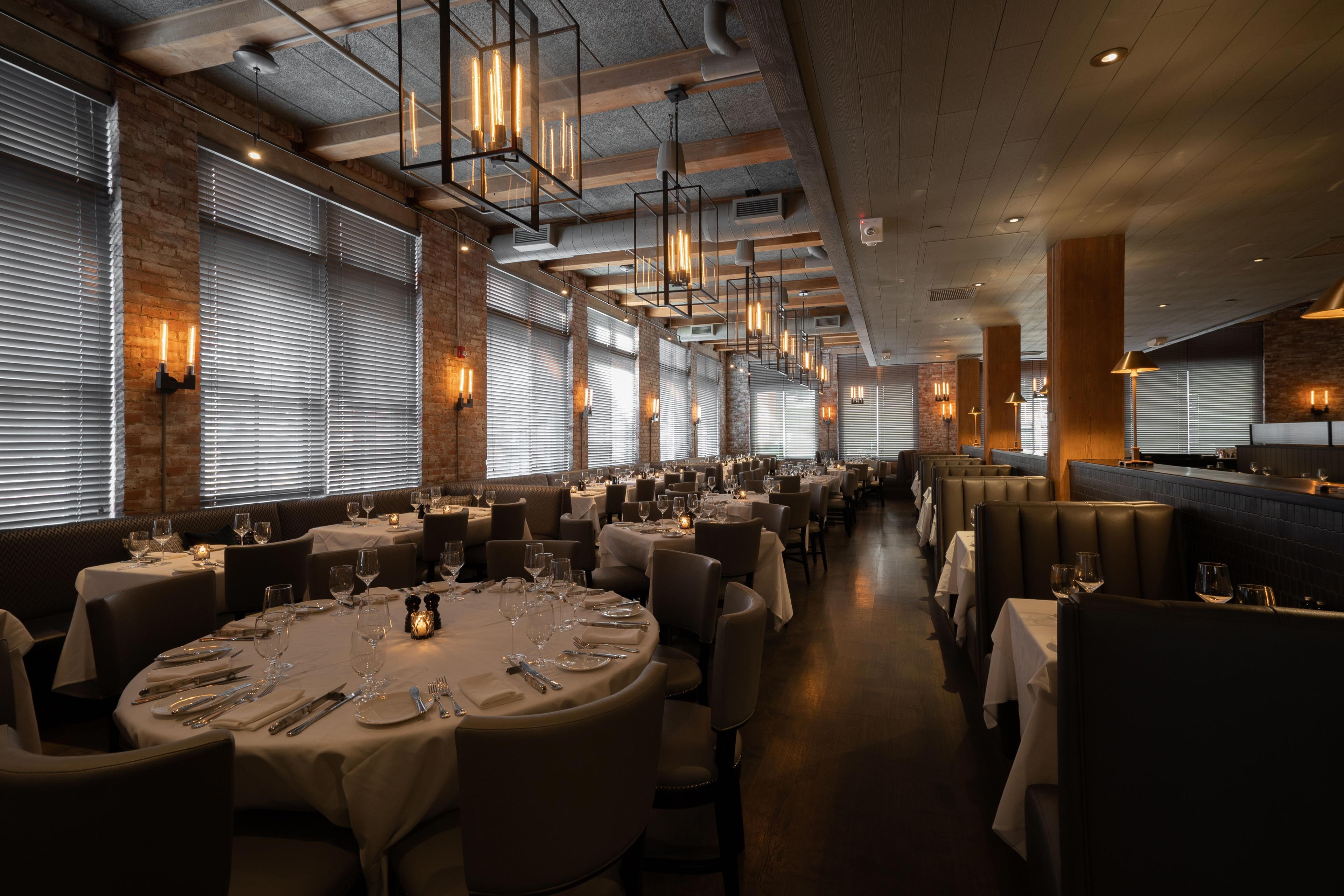
Bars in Boston
All bars in Boston →

Details
- Classic
- Well Known
- Historic
- Special Occasion
- Celebration
- Historic Building
- Private Dining
- A La Carte
Current opening hours
- Monday
- 11 AM–9 PM
- Tuesday
- 11 AM–9 PM
- Wednesday
- 11 AM–9 PM
- Thursday
- 11 AM–9 PM
- Friday
- 11 AM–10 PM
- Saturday
- 11 AM–10 PM
- Sunday
- 11 AM–9 PM
Hours can change for holidays and private events. Hours as of .
Historic with antique décor, nostalgic colonial vibes, and preserved pre-revolutionary building atmosphere.