Uncle Bub's
Uncle Bub's at 132 S Cass Ave in Westmont, Illinois sits inside the American barbecue tradition where smoke, sourcing, and patience do most of the talking. The spot draws a loyal following from the western suburbs of Chicago, where demand for serious smoked meat has grown steadily over the past decade. It belongs to a tier of regional barbecue houses that compete on craft rather than scale.
Pearl is the En Primeur Club membership app — saves, bookings, and concierge access live there. Same editors, same standards.
- Address
- 132 S Cass Ave, Westmont, IL 60559
- Phone
- +16304939000
- Website
- unclebubs.com
- Directions
- Get directions
 Saves & bookings on Pearl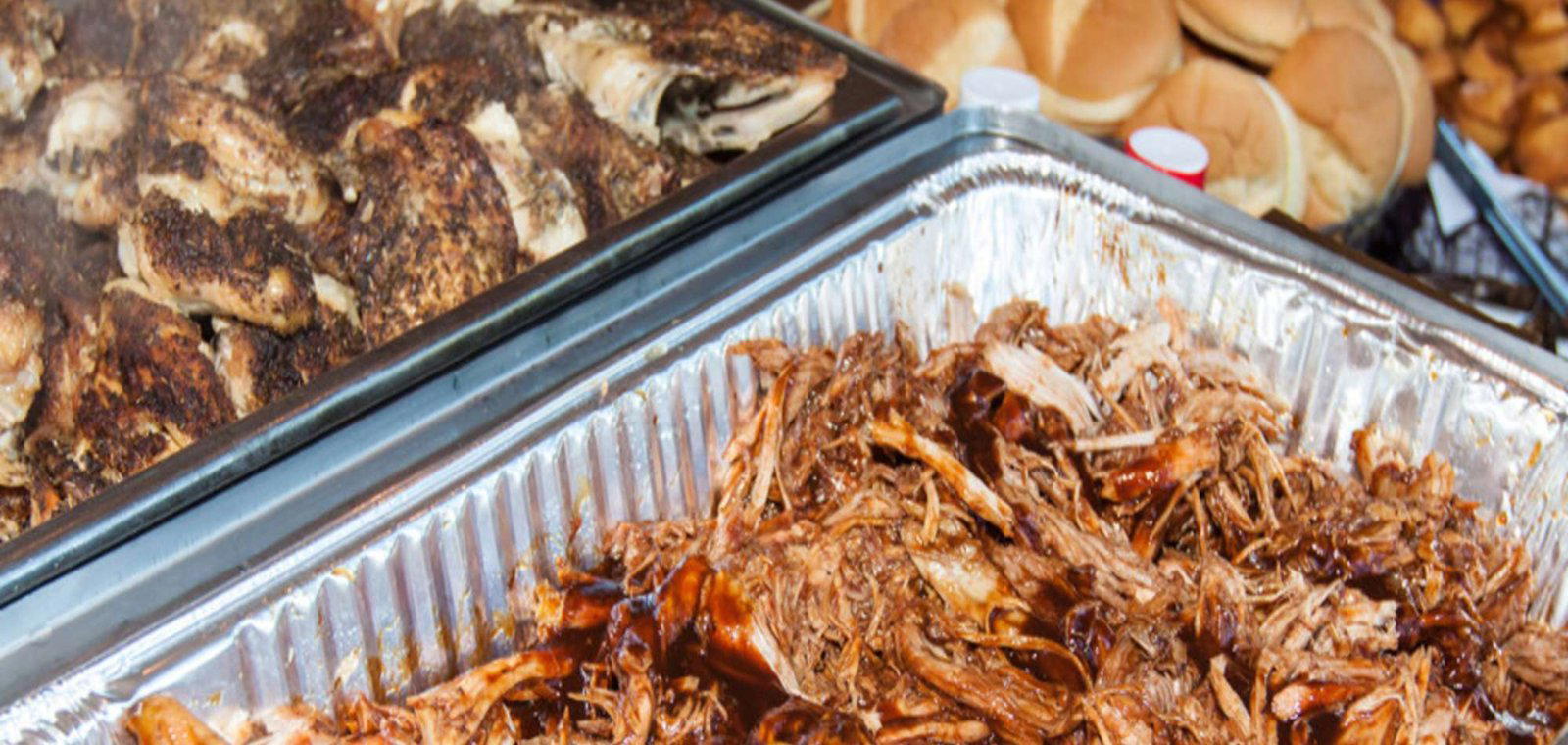
Where Smoke Defines the Standard
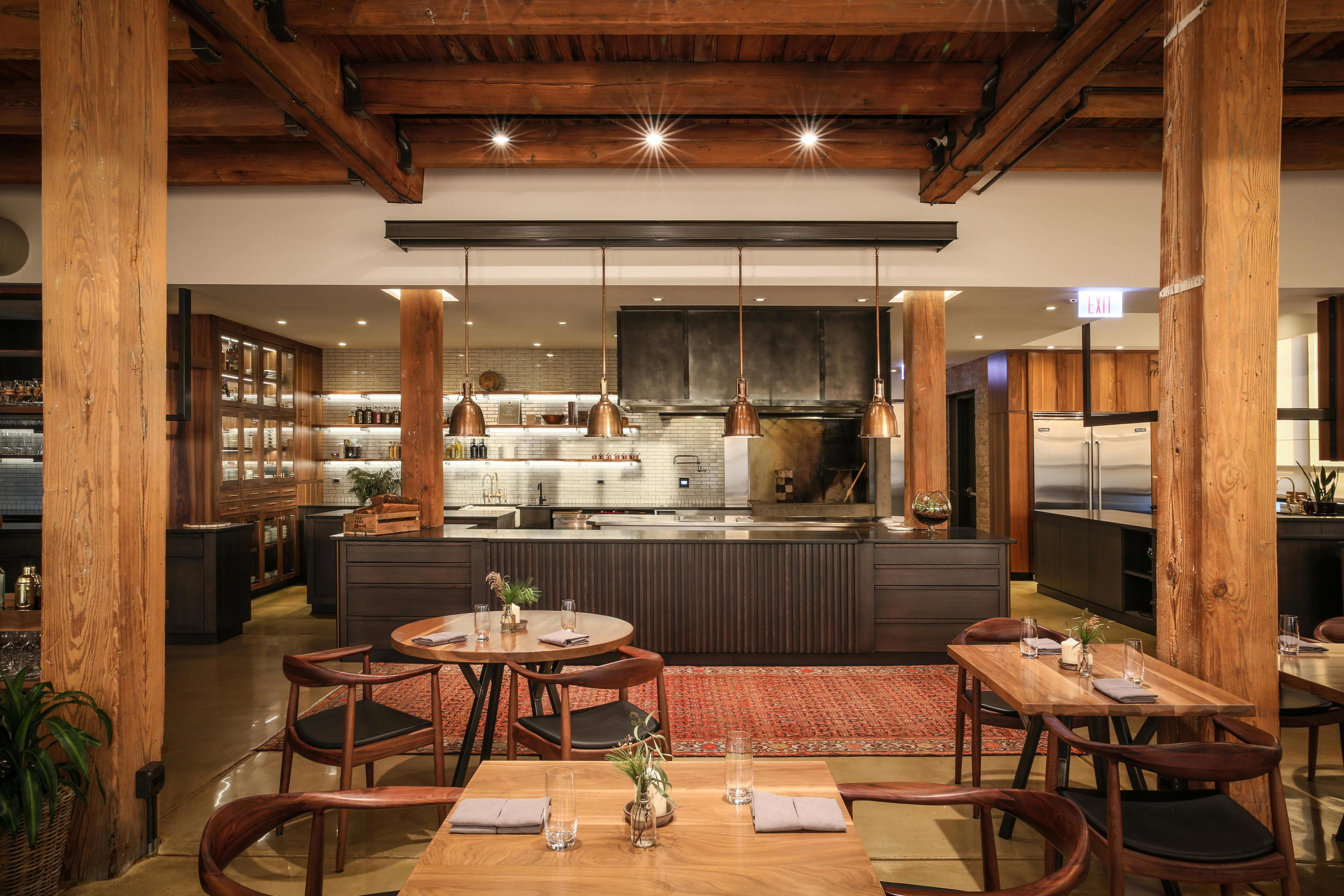
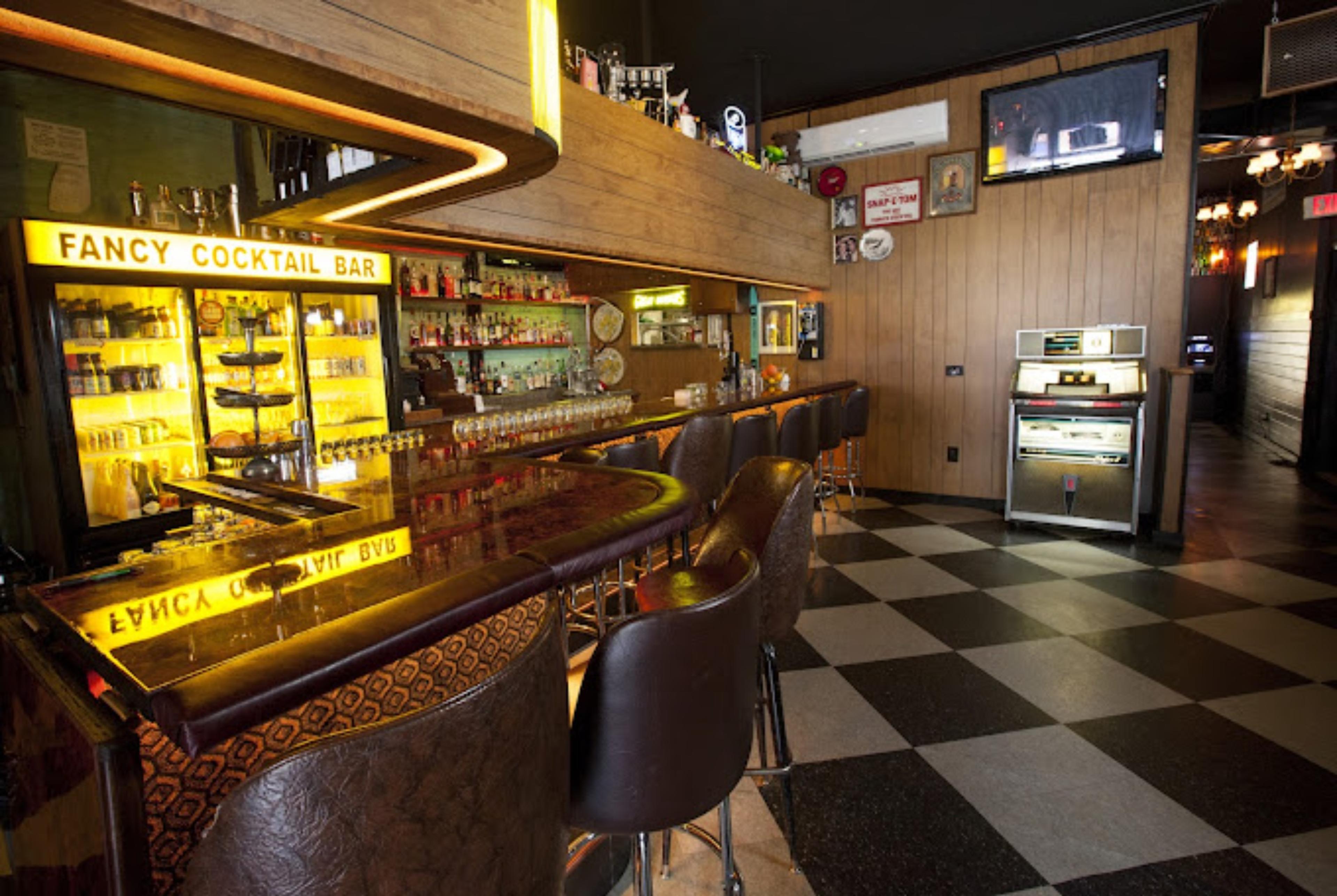
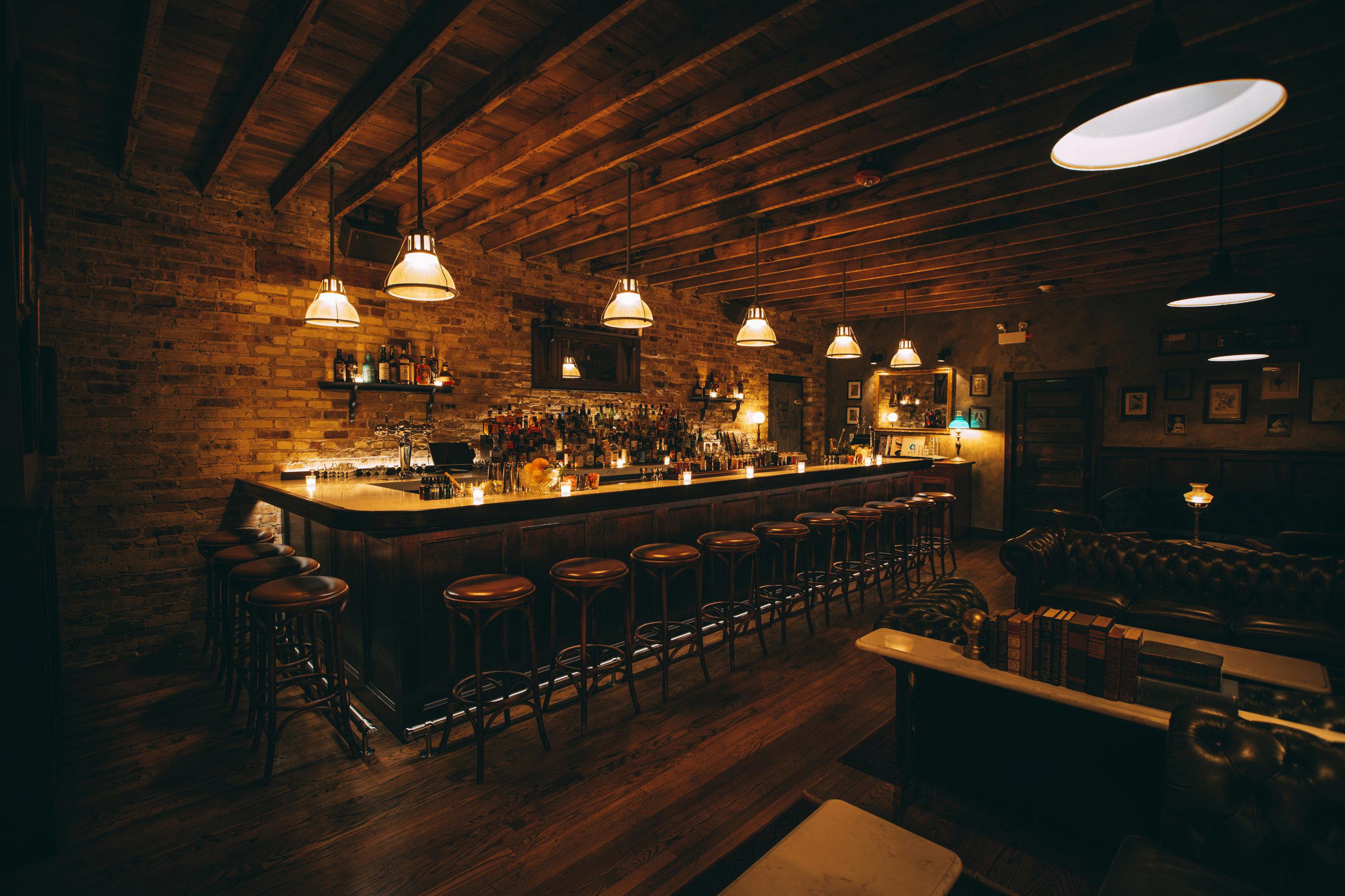
The western suburbs of Chicago have developed a credible barbecue corridor over the past fifteen years, distinct from the city's South Side rib houses and the newer wave of Texas-influenced urban smoke programs. Uncle Bub's at 132 S Cass Ave, Westmont, Illinois sits at a recognizable point in that corridor: a neighborhood-anchored spot where the physical environment signals its priorities before a single plate arrives. The smell of wood smoke reaches the parking lot, the kind of low, sweet drift that comes from long cook times rather than shortcuts. Inside, the room reads as functional rather than designed, which in American barbecue is often a trust signal rather than a liability. The tradition this place belongs to treats ambiance as secondary to the mechanics of the pit.
That regional framing matters because Westmont's dining scene operates at some remove from Chicago's more documented restaurant culture. The range runs from wood-fired Italian at Bricco Coal Fired Pizza to the regional Chinese precision of Katy's Dumpling House, and Uncle Bub's anchors the smoked-meat end of that range.
The Sourcing Question in American Barbecue
Ingredient sourcing has become one of the more contested topics in serious American barbecue over the past decade. The debate is partly practical and partly philosophical: which wood species, which breed of hog or steer, which regional supply chain actually produces a meaningfully different result at the table. At the farm-to-table end of the American dining spectrum, operations like Single Thread Farm in Healdsburg and Blue Hill at Stone Barns in Tarrytown have made sourcing the explicit editorial center of their programs. In barbecue, sourcing tends to operate more quietly, embedded in the product itself rather than narrated on a menu.
What that means in practice is that the quality of a smoked brisket or a rack of ribs carries its sourcing story in texture and fat distribution rather than in prose. Barbecue pitmasters in the Midwest have historically worked within regional meat supply chains that differ from Texas or the Carolinas, which shapes the flavor profile at every regional stop. The wood supply matters too: Illinois and the broader upper Midwest lean toward fruit woods and hickory rather than the post oak that defines Central Texas smoke, which produces a sweeter, lighter smoke ring and a different finish on the bark. These are not incidental differences. They're the material conditions of a regional style.
Compared with the farm-driven transparency of operations like Bacchanalia in Atlanta or the sourcing-first approach at Brutø in Denver, a suburban Chicago barbecue house occupies a different position on the sourcing disclosure spectrum. That's not a criticism. It reflects the conventions of a category where the cooking process itself, the hours in the smoke, the management of temperature and humidity, is where the craft is expressed. At the upper end of the Chicago-area barbecue tier, the implicit sourcing argument is made through consistency and volume: a pit operation that moves serious quantities of properly smoked meat day after day is making a supply-chain commitment whether or not it appears on a chalkboard.
Regional Barbecue in a Broader National Conversation
American barbecue culture has fragmented productively over the past decade. The old regional orthodoxies, Kansas City ribs, Carolina pulled pork, Texas brisket, remain legible but increasingly permeable. Midwest operations have carved out a hybrid space, drawing on all three traditions and adding their own logistical and cultural inflections. This is the context in which a Westmont barbecue house operates: not as an outpost of a single tradition but as a participant in a more synthetic regional style.
The distance from Chicago's dining marquee names matters here. Operations that have attracted national attention, from Alinea in Chicago at the progressive end to the documentation culture around destinations like The French Laundry in Napa or Le Bernardin in New York City, operate in an economy of prestige where sourcing is performed as much as practiced. Barbecue houses in suburban Illinois operate in a different economy entirely, where the measure is whether the regular returns next week and brings someone new. That's a harder metric in some ways than a Michelin visit.
That local loyalty model is what connects Uncle Bub's to a longer American food tradition. The same dynamic appears at regional anchors across the country: Emeril's in New Orleans built its reputation on neighborhood loyalty before national recognition arrived. Providence in Los Angeles earned its standing through sustained quality over time rather than a single signature moment. Durability is its own form of credibility.
Planning Your Visit
The restaurant is located at 132 S Cass Ave in Westmont, Illinois, accessible from the BNSF Metra line with Westmont station roughly a short walk from the address. Westmont itself is a compact suburb where parking is not a constraint. Because barbecue quantities at serious pit operations are tied to daily smoke runs rather than à la carte preparation, arriving later in the day carries a risk of sellouts on high-demand cuts. The general rule across American barbecue houses of this type: earlier in the service window gives the fullest range of options.
- Baby back ribs
- Hickory-smoked brisket
- Burnt ends
- Pulled pork
- Fried chicken
- Homemade sides
Comparable Venues
Comparable venues nearby, for context on price, style, and recognition.
| Venue | Cuisine | Price | Notes |
|---|---|---|---|
| Uncle Bub'sThis venue — the venue you are viewing | BBQ | $$ | Not listed |
| Katy's Dumpling House | Chinese Dumpling House | $$ | Westmont |
| South Side Social | Contemporary American | $$ | Oak Lawn |
| Parson's Chicken & Fish (Logan Square) | Fried Chicken & Fish | $$ | Logan Square |
| The Patio at Cafe Brauer | American Cafe | $$ | Lincoln Park |
| SPACE 519 (Gold Coast) | California-Style American Café | $$ | Gold Coast |
At a Glance
- Classic
- Cozy
- Rustic
- Family
- Casual Hangout
- Group Dining
- Celebration
- Standalone
Current opening hours
- Monday
- Closed
- Tuesday
- 11 AM–8 PM
- Wednesday
- 11 AM–8 PM
- Thursday
- 11 AM–8 PM
- Friday
- 11 AM–9 PM
- Saturday
- 11 AM–9 PM
- Sunday
- 11 AM–8 PM
Hours can change for holidays and private events. Last verified .
Family-run, casual barbecue spot with a home-style, welcoming atmosphere centered on comfort food and gatherings.