
Tabelog 100 #62
Our verdict
Summer eel season gives Osaka’s unagi specialists sharper focus, and Unagi no Uoi Honten sits in the city’s traditional end of the category: a house-style restaurant with counter seats, tables, tatami rooms, private rooms and a Tabelog 100 - Unagi - 2024 selection. It suits diners who want charcoal-grilled eel in a room built for both solo meals and family gatherings rather than a tasting-counter performance.

Pearl is the En Primeur Club membership app, where members save venues, book tables and use the concierge.
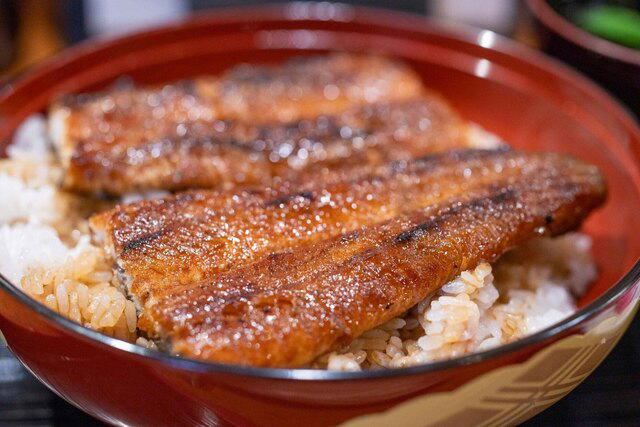
The menu
What to order
- Unajyu (charcoal-grilled eel over rice)
- Shirayaki (plain grilled eel)
- Umaki (eel rolled omelet)
- Hitsumabushi-style eel rice set
Approach in Osaka and the signal is specialist rather than theatrical: Unagi no Uoi Honten is best understood through its eel focus and local restaurant role, not as a glossy dining room built around spectacle. That context matters. Osaka’s eel culture is not only lacquered boxes and grilling technique; it is also the kind of meal that can absorb weekday lunches, family plans, group gatherings and regulars who treat unagi as seasonal habit, not visitor theatre.
Unagi no Uoi Honten belongs to that civic category of Osaka dining. The meal is better framed as a restaurant experience with more than one possible tempo, rather than a single narrow destination ritual. In a city where many high-interest food stops compress demand into tightly scheduled visits, this is a different proposition: a recognised eel specialist whose appeal rests on continuity, category focus and everyday usefulness as much as on the plate itself.
A specialist unagi address, not just a performance
Japanese eel restaurants often reveal intent before a plate arrives. Some push attention toward craft, timing and proximity; others frame unagi as a shared meal, closer to seasonal custom than chef-led theatre. For Unagi no Uoi Honten, the point is not scarcity for its own sake. The restaurant reads most clearly as an Osaka eel specialist, where the setting should be understood in service of the category rather than as a stage set.
The recognition is meaningful. Selection for Tabelog 100 - Unagi - 2024 places the restaurant inside Japan’s national conversation around eel specialists, where repeat patronage, ingredient handling and consistency matter more than novelty. The listed Tabelog score of 3.65 is not a Michelin-style headline, but in Japan’s user-review ecosystem it signals sustained attention in a tightly judged genre. For travellers mapping Osaka beyond snacks and hotel dining rooms, that matters.
The format also separates it from several Osaka casual-food references. Udon Kurajuu and Curry Daiya sit in a lower everyday price bracket; Kadoya is lower again. Shibaken occupies a similar stated spend range, but in a different lane. Unagi brings another set of expectations: a specialised ingredient, a narrower repertoire and a meal that can feel distinct from a casual snack stop or tasting-menu chase.
What the room says about Osaka's eel tradition
Osaka’s dining character is often reduced to speed, appetite and street-level informality. That shorthand misses places where practicality becomes part of the pleasure. A restaurant centred on eel does not need to mimic small-counter austerity to feel serious. It can be approached in different spirits: a quick focused eel meal, a family plan, or a longer meal when the occasion has a social purpose.
That flexibility is why the restaurant works better within a broader Osaka eating plan than as a single trophy booking. The city rewards category-hopping: other dining rooms, casual staples, coffee stops, pizza counters, Italian kitchens and unnamed neighbourhood favourites all shape the day differently. Eel sits in its own register: slower, more seasonal in feeling and more tied to inherited dining rituals than to the city’s snack economy.
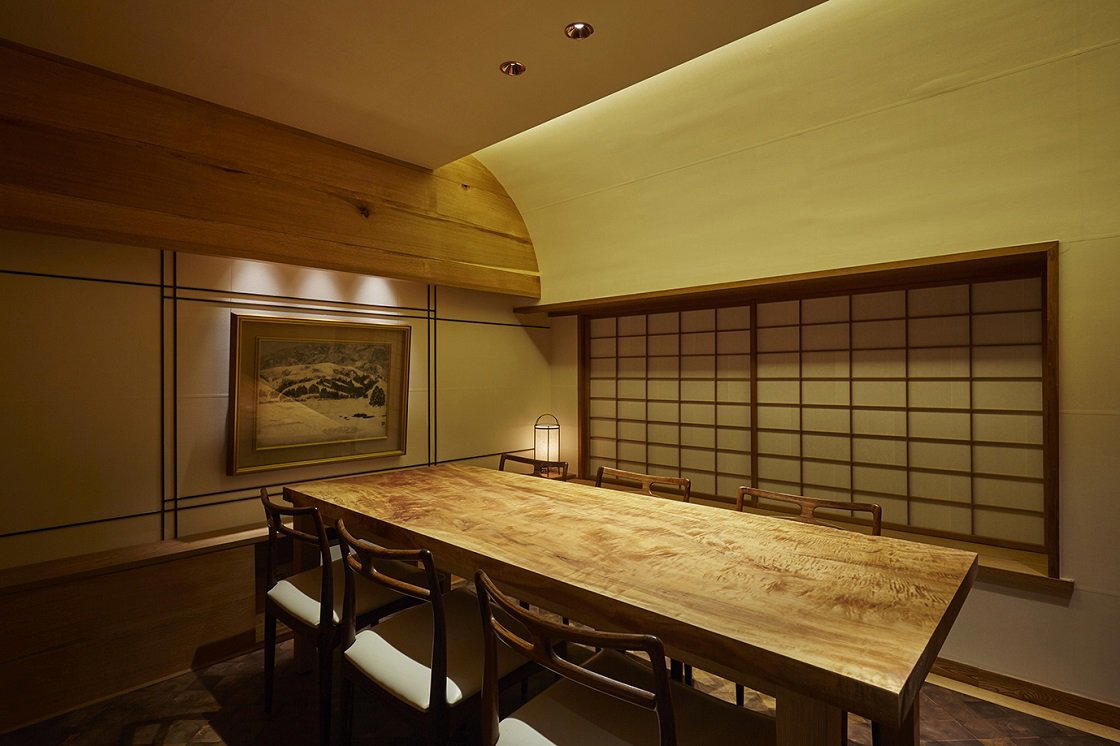
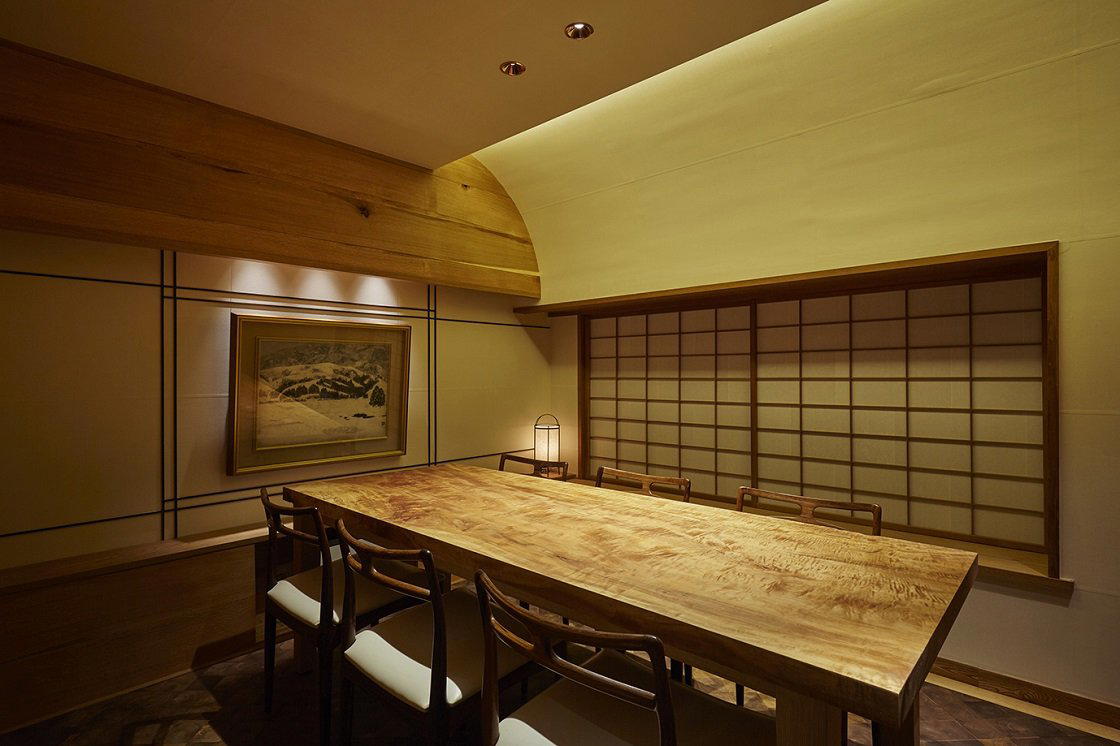
For design-minded diners, the appeal is not decorative excess. It is the way a traditional eel meal can carry several Japanese restaurant moods at once. A direct lunch, a table conversation and a more ceremonial gathering each imply a different tempo. That distinction is useful in Osaka, where high-quality meals can be brutally efficient or socially expansive.
How to place it in an Osaka itinerary
The restaurant is in Osaka, so it rewards a deliberate plan rather than being treated only as a casual detour between sights. That Osaka frame suits the eel-specialist format and resets expectations before arrival: this is not a novelty stop built around travel theatre, but a specialist address whose value is easiest to understand when the meal is given its own place in the day.
Planning should account for the nature of unagi demand. Eel eating carries particular cultural weight in Japan, especially in warmer months, and a recognised specialist can attract attention from diners who know the category well. Travellers wanting a calmer experience should treat timing as part of the strategy and confirm current operating details directly before setting plans.
The practical setup should be checked directly with the restaurant, especially for group needs, payment preferences, take-out, language support and other visit logistics. The useful confirmed anchors are clear: Unagi no Uoi Honten is an Osaka restaurant in the unagi and seafood categories, with a listed phone number of +81-6-6953-3707 and a Tabelog budget of Dinner: JPY 4,000 - JPY 4,999; Lunch: JPY 3,000 - JPY 3,999.
Osaka’s broader dining map helps set expectations. Use Our full Osaka restaurants guide for meals around the city, then cross-reference Our full Osaka hotels guide, Our full Osaka bars guide, Our full Osaka wineries guide and Our full Osaka experiences guide if the trip needs more than restaurant reservations. For a wider Japan and overseas dining frame, compare how specialist formats read against other dining in Osaka and beyond, without losing sight of what makes Unagi no Uoi Honten specific: a recognised eel house in a city with many competing ways to eat well.
The editorial case is clear: Unagi no Uoi Honten is strongest for diners who value a recognised unagi specialist with a practical, tradition-minded appeal over narrow chef-counter drama. Its Tabelog 100 - Unagi - 2024 selection supplies the trust signal; the Osaka setting and eel-specialist focus explain the experience. In Osaka, that combination says more than ornament ever could.
Frequently asked questions
Is Unagi no Uoi Honten child-friendly?
Unagi no Uoi Honten is an Osaka eel restaurant; travellers visiting with children should confirm current seating and visit arrangements directly before booking.
What is the atmosphere like at Unagi no Uoi Honten?
It is best approached as an Osaka specialist for unagi and seafood, with an appeal that is practical and traditional rather than theatrical.
What should I budget for a meal at Unagi no Uoi Honten?
The listed budget is Dinner: JPY 4,000 - JPY 4,999; Lunch: JPY 3,000 - JPY 3,999.
Is Unagi no Uoi Honten open every day?
Opening days and hours should be confirmed directly with Unagi no Uoi Honten before visiting.
What's the address for Unagi no Uoi Honten?
Osaka.
What do critics highlight about Unagi no Uoi Honten?
Tabelog selected it for the 2024 Unagi Tabelog 100, with a listed score of 3.65. The listing also places it in the unagi and seafood categories, with a budget of Dinner: JPY 4,000 - JPY 4,999; Lunch: JPY 3,000 - JPY 3,999.
Comparable Options
Comparable venues at the same tier for side-by-side context.
| Venue | Cuisine | Price | Awards | Notes |
|---|---|---|---|---|
| Unagi no Uoi HontenThis venue (the venue you are viewing) | Traditional Osaka charcoal-grilled unagi | $30–50 | Tabelog 100 #62 | Not listed |
| Shibaken | Premium branded-pork tonkatsu & curry | $30–50 | Tabelog 100 #3 | JPY 4,000 - JPY 4,999 JPY 3,000 - JPY 3,999 |
| Udon Kurajuu | Osaka Udon & Tempura Shop | $10–20 | Tabelog 100 #54 | JPY 1,000 - JPY 1,999 JPY 1,000 - JPY 1,999 View spending breakdown |
| Curry Daiya | Classic Japanese curry house | $10–20 | Tabelog 100 #36 | JPY 1,000 - JPY 1,999 JPY 1,000 - JPY 1,999 |
| Kadoya | Japanese sweets cafe (wagashi, kakigori & ice cream) | $1–10 | Tabelog 100 #32 | JPY 999 - JPY 999 |
| Sumibi Iwata | Yakitori (Kuro Satsuma Chicken) | $50–100 | Michelin Plate · Tabelog 100 #31 | Not listed |
Recognition history
Dated appearances from independent guides and award organizations, with the underlying list record or original source where available.
Tabelog 100 #62 · No. 62
Tabelog · Tabelog 100 - Unagi - 2024
Continue exploring
More in Osaka
Restaurants in Osaka
All restaurants in Osaka →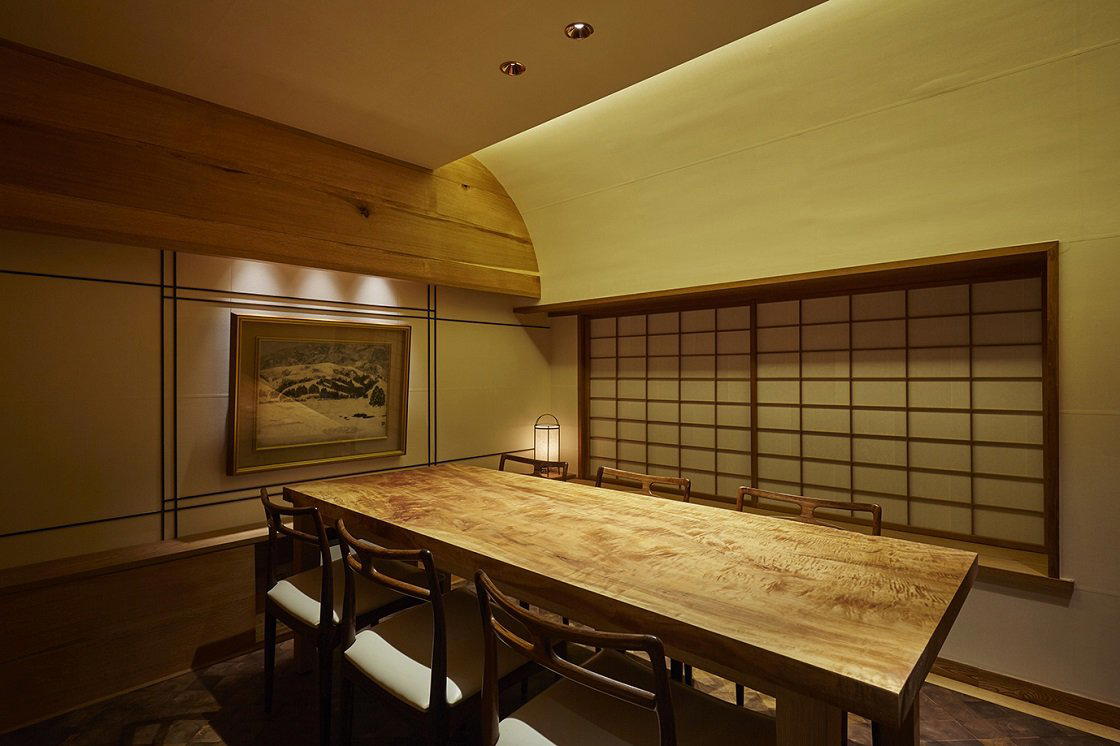


Bars in Osaka
All bars in Osaka →


Hotels in Osaka
All hotels in Osaka →



Wineries in Osaka
Browse all →
Details
- Classic
- Cozy
- Well Known
- Family
- Group Dining
- Casual Hangout
- Solo
- Celebration
- Private Dining
- Standalone
- A La Carte
- Set Menu
- Counter Dining
- Beer
- Sake
- Pescatarian Friendly
Current opening hours
- Monday
- 11 AM–2 PM, 4–9 PM
- Tuesday
- Closed
- Wednesday
- 11 AM–2 PM, 4–9 PM
- Thursday
- 11 AM–2 PM, 4–9 PM
- Friday
- 11 AM–2 PM, 4–9 PM
- Saturday
- 11 AM–2 PM, 4–9 PM
- Sunday
- 11 AM–2 PM, 4–9 PM
Hours can change for holidays and private events. Last verified .
Traditional unagi house with a modest streetfront, warm wood interiors and counter/tatami seating; relaxed but often busy at meal times, with the focus on the aroma and spectacle of charcoal-grilled eel rather than design flourishes.