
Tabelog 100 #27
Our verdict
Unagi Mejiro Zorome places a focused eel specialist in Mejiro’s quieter dining circuit rather than Tokyo’s spectacle-heavy restaurant zones. Its Tabelog 100 Unagi 2024 selection, 25-seat room, private-room options, and lunch-to-dinner price spread make it a useful reference point for how serious unagi dining can remain compact, traditional, and neighbourhood-led.

Pearl is the En Primeur Club membership app, where members save venues, book tables and use the concierge.
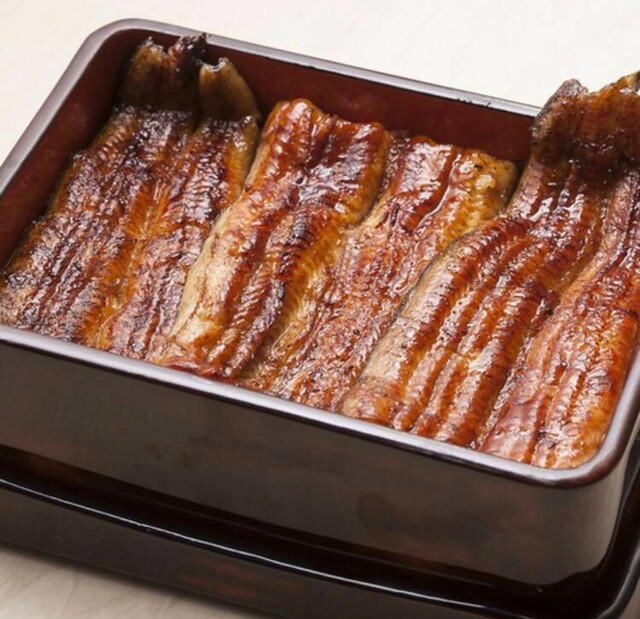
The menu
What to order
- Kyosui/Kyomizu eel kabayaki
- Unagi rice bowls (unaju)
- Tabelog Exclusive Omakase Unagi Course
- Zorome Unagi Course
Tokyo does not need to announce every serious meal with neon, polish, or ceremony. Some restaurants are built on repetition rather than spectacle, and eel fits naturally into that rhythm: a narrow brief, patient grill work, and a menu structure that quickly tells diners what kind of meal they are choosing.
Tokyo eel restaurants occupy a distinct lane: not sushi counters, kaiseki rooms, or casual donburi shops in the usual sense. Serious unagi is specialization: eel as central protein, rice as anchor, and a meal shaped around a focused craft. Unagi Mejiro Zorome belongs to that category, with Tabelog Hyakumeiten Unagi 2024 recognition signalling consistency in a discipline judged less by novelty than repetition.
A compact eel menu in a Tokyo dining room
The point of a specialist unagi restaurant is discipline, not range. A broad menu would weaken the proposition; a narrow one says the kitchen is organized around eel preparation, grilling, sauce, and rice. Eel restaurants therefore read differently from Tokyo tasting menus: the choice is less among many plates than the form of an eel meal, after which the kitchen’s repetition does the work.
The category carries a strong Tokyo context. Specialist unagi dining is shaped around focused eel preparations and rice formats that make one ingredient a complete meal. Modern specialist rooms preserve that logic while adapting to contemporary service expectations, while the cuisine itself remains resistant to constant reinvention.
That balance defines Unagi Mejiro Zorome. It is not competing with multi-course luxury rooms in more international corners of the city, but with Tokyo’s specialist tradition, where a meal can be narrow, purposeful, and serious. For travellers building a Tokyo itinerary by category rather than hype, eel deserves a slot beside sushi, soba, yakitori, tempura, and curry. For the wider city map, Our full Tokyo restaurants guide is the better frame than treating one unagi meal as an isolated stop.
What the recognition says about Tokyo's unagi tier
Tabelog’s Hyakumeiten lists are useful because they separate genre specialists from the broader restaurant conversation. A Tabelog Hyakumeiten Unagi 2024 selection places the restaurant in a category-specific conversation, not a general Tokyo ranking. That matters: eel restaurants are judged against eel restaurants, not French counters, sushi omakase, or hotel dining rooms.
The 3.68 score belongs to a review culture where small differences carry weight. In Tokyo, theatrical scarcity is not required to signal seriousness; a genre award, clear specialty, and focused identity often say more. The provided listing also places the budget at Dinner: JPY 5,000 - JPY 5,999; Lunch: JPY 3,000 - JPY 3,999, which keeps the restaurant in a useful band for diners planning a dedicated eel meal.
Tokyo sharpens the point. Comparable Tokyo dining can range from everyday formats to specialists: Mejiro Shunkotei, Soba Osame, Mejiro Shimura, Katei Saien Sasaki, Zorome, and Unagi Mejiro Zorome all sit within a broader local dining conversation. Against that mix, unagi is the occasion meal rather than default lunch: narrower than surrounding everyday dining, less formal than Tokyo’s luxury tasting-menu circuit.
The category itself reinforces the appeal. Eel demands timing, repetition, and a service rhythm that supports the kitchen’s central task. For diners, that focus broadens the restaurant’s usefulness: it can be a lunch built around one clear specialty, a dinner that avoids the length of a tasting menu, or a category stop in a larger Tokyo itinerary.
How to place it in a Tokyo itinerary
The strongest case is category coverage. Tokyo rewards diners who move through disciplines instead of chasing one hierarchy: grilled meat, soba, curry, sake-led drinking, eel. In that itinerary, Unagi Mejiro Zorome gives the day a defined culinary reason to include a focused unagi meal, especially for travellers looking beyond louder dining districts.
Eel also differs practically from tasting-menu dining. It is usually easy to read on the plate: protein, sauce, rice, and accompaniments depending on format. Complexity sits in sourcing, handling, steaming or grilling technique, and inherited grammar. That makes it useful for diners wanting a serious Japanese meal without the length or ceremony of a long counter progression.
The practical takeaway is straightforward: this is a specialist unagi restaurant in Tokyo with a listed phone contact of +81-50-1809-2201 and a published Tabelog Hyakumeiten Unagi 2024 signal. For planning purposes, the stated budget range is Dinner: JPY 5,000 - JPY 5,999; Lunch: JPY 3,000 - JPY 3,999, making it easier to place alongside other meals in the city.
For comparing categories across the city, adjacent EP Club notes can help build a less repetitive itinerary: other Tokyo skewers, curry, seafood, charcoal cooking, and café stops all serve different roles from an eel specialist. Broader planning can sit alongside Our full Tokyo hotels guide, Our full Tokyo bars guide, Our full Tokyo wineries guide, and Our full Tokyo experiences guide.
Outside Tokyo, the comparison is less about direct peers than how Japanese specialist dining travels across regions and formats. A broader Japan itinerary might set this Tokyo eel meal beside other regional specialist meals, while overseas examples of single-category dining show how focus changes once it leaves Japan. The useful lesson is not that every venue is equivalent, but that narrowness can be a strength when the category is clear.
The editorial verdict is clear: this is a specialist eel address for diners who want Tokyo depth without defaulting to sushi or kaiseki. Its appeal lies in menu restraint, genre-specific recognition, and a focused setting that keeps the meal about unagi rather than performance.
Frequently asked questions
Where exactly is Unagi Mejiro Zorome?
Unagi Mejiro Zorome is located in Tokyo.
How much does it cost to eat at Unagi Mejiro Zorome?
Pricing at Unagi Mejiro Zorome is listed as Dinner: JPY 5,000 - JPY 5,999; Lunch: JPY 3,000 - JPY 3,999.
What's the best way to book Unagi Mejiro Zorome?
The listed phone number is +81-50-1809-2201. Advance planning makes sense for diners specifically targeting a Tokyo unagi meal.
What do critics highlight about Unagi Mejiro Zorome?
The clearest signal is its Tabelog Hyakumeiten Unagi selection for 2024. The listing also identifies the venue as an unagi restaurant and gives it a score of 3.68.
Can Unagi Mejiro Zorome handle vegetarian requests?
The venue is listed as an unagi restaurant in Tokyo, so the kitchen centers on eel rather than vegetarian cooking. Guests with plant-based requirements should confirm suitability directly before planning a meal here.
Does Unagi Mejiro Zorome work for a family meal?
The available ground-truth listing does not provide specific family, stroller, or private-room details. Guests planning a family meal should confirm current arrangements directly with the restaurant.
Comparable Spots
Nearby venues at a similar price tier for orientation.
| Venue | Cuisine | Price | Awards | Notes |
|---|---|---|---|---|
| Unagi Mejiro ZoromeThis venue (the venue you are viewing) | Edo-style Unagi (freshwater eel) | $50–100 | Tabelog 100 #27 | Not listed |
| Mejiro Shunkotei | Modern Yoshoku (Japanese-Style Western) | $20–30 | Michelin Bib Gourmand · Tabelog 100 #16 | Yoshoku |
| Mejiro Shimura | Traditional Japanese sweets & kakigori café | $10–20 | Tabelog 100 #64 | JPY 1,000 - JPY 1,999 JPY 1,000 - JPY 1,999 |
| Katei Saien Sasaki | Japanese home-style fish teishoku cafeteria | $10–20 | Tabelog 100 #59 | JPY 1,000 - JPY 1,999 JPY 1,000 - JPY 1,999 View spending breakdown |
| Soba Osame | Handmade Soba Noodles | $50–100 | Michelin Bib Gourmand · Tabelog 100 #54 | Soba Noodles, Soba |
Recognition history
Dated appearances from independent guides and award organizations, with the underlying list record or original source where available.
Tabelog 100 #27 · No. 27
Tabelog · Tabelog 100 - Unagi - 2024
Continue exploring
More in Tokyo
Restaurants in Tokyo
All restaurants in Tokyo →


Bars in Tokyo
All bars in Tokyo →




Details
- Modern
- Cozy
- Intimate
- Elegant
- Date Night
- Business Dinner
- Family
- Celebration
- Special Occasion
- Solo
- Chefs Counter
- Open Kitchen
- Private Dining
- Standalone
- Sake Program
- Beer Program
- Local Sourcing
- Sustainable Seafood
- Tasting Menu
- A La Carte
- Omakase
- Counter Dining
- Sake
- Shochu
- Wine
- Pescatarian Friendly
A modern Japanese basement hideout with counter, tatami, and sunken kotatsu seating, styled as a calm, stylish and relaxing adult space where guests watch eel grilled over charcoal at close range, with focus on sight, sound, and aroma.