
Tabelog 100 #94
Our verdict
Unagi Kobayashi places Suwa’s eel tradition in a serious, ingredient-led register rather than a tourist shorthand. Recognition in Tabelog’s Unagi 100 for 2024, alongside earlier selections in 2018 and 2019, gives it a clear quality signal for travelers comparing regional Japanese restaurants beyond Tokyo and Kyoto.

Pearl is the En Primeur Club membership app, where members save venues, book tables and use the concierge.
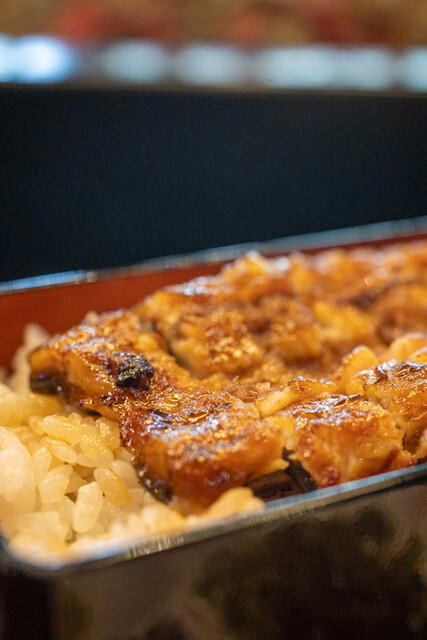
The menu
What to order
- Unagi kabayaki
- Unagi shirayaki
- Unaju (grilled eel over rice)
- Hitsumabushi eel bowl
Approaching the unagi houses of Suwa, the appetite is shaped less by theatre than by expectation: a focused room, the rhythm of a grill, and the old Japanese logic that a single ingredient can carry an entire meal when handled with discipline. In Nagano, where mountain geography often frames the table through soba, river fish, miso, and preserved foods, eel occupies a different lane. It is richer, more ceremonial, and more dependent on the kitchen’s control of cutting, saucing, rice, and heat.
Unagi Kobayashi belongs to that ingredient-first tradition. Its recognition in Tabelog’s Unagi 100 in 2024 matters because the category is narrow and technique-driven. General Japanese dining awards can reward range; eel lists tend to reward consistency in a form where mistakes are difficult to hide. A restaurant can change side dishes, service style, and room tone, but the central question remains blunt: how well does the kitchen handle eel?
Suwa's eel cooking sits between regional comfort and specialist discipline
Japan’s unagi culture is often discussed through famous urban districts, but regional eel restaurants make a different argument. They are not built around the long tasting-menu arc associated with contemporary Japanese fine dining. They ask diners to focus on grill management, sauce, and rice, the quiet architecture beneath kabayaki and related preparations. In Suwa, that focus lands in a city better known to many travelers for Lake Suwa, hot springs, and Nagano’s mountain foodways than for destination dining.
That is precisely why the category is interesting here. A serious eel restaurant outside the major metropolitan circuit has to draw conviction from repetition rather than spectacle. The point is not novelty. It is whether the house can make a familiar form feel exacting: the fish treated as the meal’s center of gravity, the sauce used with restraint rather than as cover, and the rice functioning as structure rather than filler. The venue’s public category as an unagi restaurant underlines that this is a specialist address rather than a broad izakaya format with eel as a side attraction.
The Suwa comparison set also clarifies the decision. Yama Botan and Shintsuru Honten sit in different parts of the local dining picture, while Nakano Ya and Mumyo add other reasons to plan meals carefully; Ca’enne moves in an Italian direction altogether. Against that spread, Unagi Kobayashi reads as a focused regional specialist rather than an all-purpose dining address. For travelers building a Nagano itinerary, that distinction matters more than chasing a generic “nice dinner.” This is a meal to schedule when eel is the reason for the stop.
The ingredient is the argument, not the décor
Good unagi dining depends on a contract between patience and appetite. Eel is labor-intensive before it reaches the table, and the value of the meal sits in work that diners do not always see: selecting fish suitable for the preparation, breaking it down cleanly, managing fat, and grilling so the sauce supports the flesh rather than flattening it. That sourcing and technique conversation carries more weight here than it would at a casual counter where eel is only one option among many.
The format also suits Suwa’s slower travel rhythm. This is not the speed of a station lunch or the choreography of a luxury counter in a major city. The appeal is more direct: a specialist meal built around eel, served in a setting that can work for local regulars as well as travelers. It belongs to Japan’s long tradition of focused houses that remain usable for everyday dining rather than becoming museum pieces for visitors.
There is a practical caution embedded in the name itself. Travelers should confirm they are booking or navigating to the intended Unagi Kobayashi in Suwa, especially when using maps, taxis, or concierge notes. That distinction is not trivia. It is the difference between arriving at the intended kitchen and losing a meal window in a regional city where dining hours can be narrow.
How to place it in a Suwa itinerary
For EP Club readers, the stronger case is not that this is a detour for everyone passing through Nagano. It is that Suwa rewards travelers who treat dining as part of the region’s cultural map, not as a supporting act after sightseeing. Eel, sake, lakeside ryokan culture, and mountain produce belong to different strands of the same area, and the meal makes more sense when placed beside onsen time, a lake walk, or a broader exploration of Nagano’s regional cooking.
Start with Our full Suwa restaurants guide for the wider dining picture, then use Our full Suwa hotels guide, Our full Suwa bars guide, Our full Suwa wineries guide, and Our full Suwa experiences guide to shape the rest of the stay. Readers mapping specialist Japanese cooking across regions can use the same editorial logic here: choose a meal for the craft it concentrates on, then let other Suwa dining rooms supply the broader regional context.
The editorial verdict is simple: come for a focused eel meal, not a broad survey of Nagano cuisine. The Tabelog Unagi 100 selection gives the address a credible place inside Japan’s specialist eel conversation, while the Suwa setting keeps it grounded in regional dining rather than urban prestige. That balance is the reason to care.
Frequently asked questions
Can I bring kids to Unagi Kobayashi?
Unagi Kobayashi is a focused eel restaurant in Suwa. For family visits or any special seating needs, confirm directly with the restaurant before going.
How would you describe the vibe at Unagi Kobayashi?
Expect a specialist unagi restaurant rather than a broad all-purpose dining room. Its Tabelog Unagi 100 selection for 2024 gives it clear standing in Suwa’s eel conversation.
What should I budget for a meal at Unagi Kobayashi?
Pricing at Unagi Kobayashi is listed as JPY 6,000 - JPY 7,999 JPY 5,000 - JPY 5,999 View spending breakdown.
What are the operating hours at Unagi Kobayashi?
Operating hours are not specified here. Check directly with Unagi Kobayashi before visiting, especially because specialist regional restaurants can have narrow meal windows.
Where is Unagi Kobayashi in Suwa?
Suwa.
What's the signature at Unagi Kobayashi?
The focus is unagi. That emphasis is reinforced by its Tabelog Unagi 100 selection in 2024 and by its identity as an eel specialist rather than a broad à la carte restaurant.
Fast Comparison
Comparable venues by cuisine and price in the same metro.
| Venue | Cuisine | Price | Awards | Notes |
|---|---|---|---|---|
| Unagi KobayashiThis venue (the venue you are viewing) | Traditional Unagi (eel) Restaurant | $30–50 | Tabelog 100 #94 | Not listed |
| Kara Semi Tei (空蝉亭) | Specialty Tonkatsu with Aged Pork | $30–50 | Tabelog 100 #50 | Kamigyo-ku |
| Torafugutei | Premium Tiger Pufferfish (Fugu) Specialist | $50–100 | Not listed | Shinjuku |
| Iruka Tokyo Roppongi | Modern Ramen | $20–30 | Michelin Bib Gourmand · Tabelog 100 #94 | Roppongi |
| 太平寿し | Traditional Japanese Sushi with Steamed Specialties | Not listed | Not listed | 太平寺 |
| 麺尊RAGE | Modern Shamo Shoyu Ramen | $20–30 | Not listed | Suginami |
Recognition history
Dated appearances from independent guides and award organizations, with the underlying list record or original source where available.
Tabelog 100 #94 · No. 94
Tabelog · Tabelog 100 - Unagi - 2024
Continue exploring
More in Suwa
Restaurants in Suwa
All restaurants in Suwa →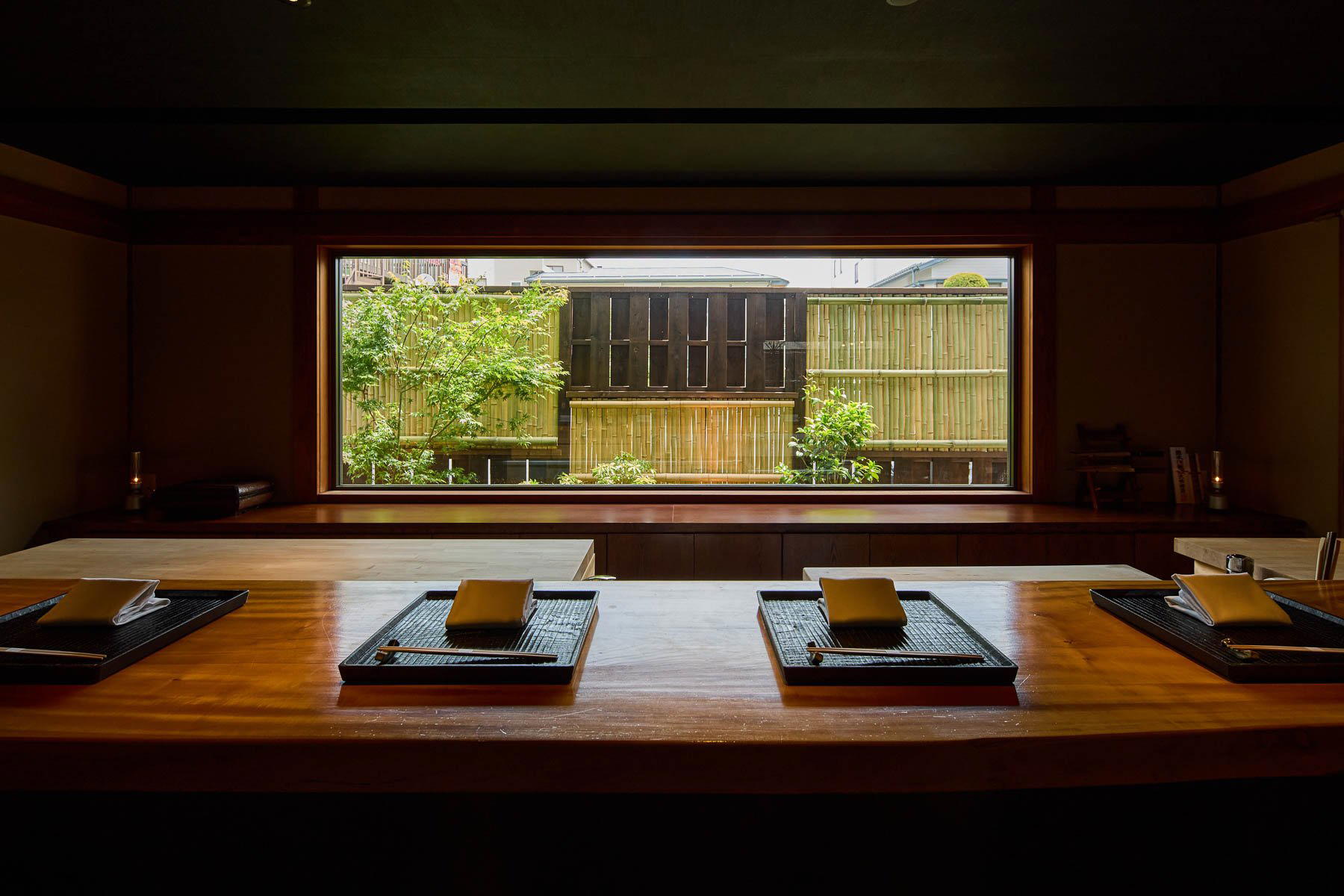

Details
- Classic
- Cozy
- Date Night
- Family
- Group Dining
- Special Occasion
- Solo
- Standalone
- Historic Building
- Sustainable Seafood
- A La Carte
- Set Menu
- Sake
- Beer
- Pescatarian Friendly
Current opening hours
- Monday
- Closed
- Tuesday
- Closed
- Wednesday
- 11 AM–1:30 PM, 5–6:30 PM
- Thursday
- 11 AM–1:30 PM
- Friday
- 11 AM–1:30 PM, 5–6:30 PM
- Saturday
- 11 AM–1:30 PM, 5–6:30 PM
- Sunday
- 11 AM–1:30 PM, 5–6:30 PM
Hours can change for holidays and private events. Last verified .
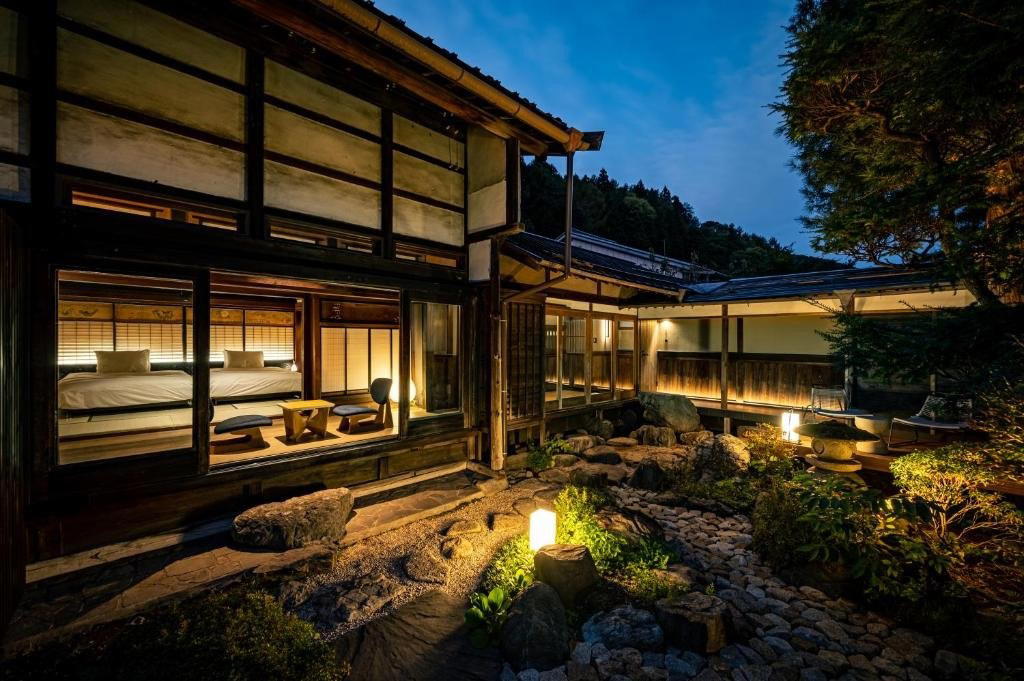
The atmosphere is that of a classic Japanese house-restaurant, with a relaxed, laid-back feel and a mix of table and tatami seating that makes it cozy yet comfortable for small groups.