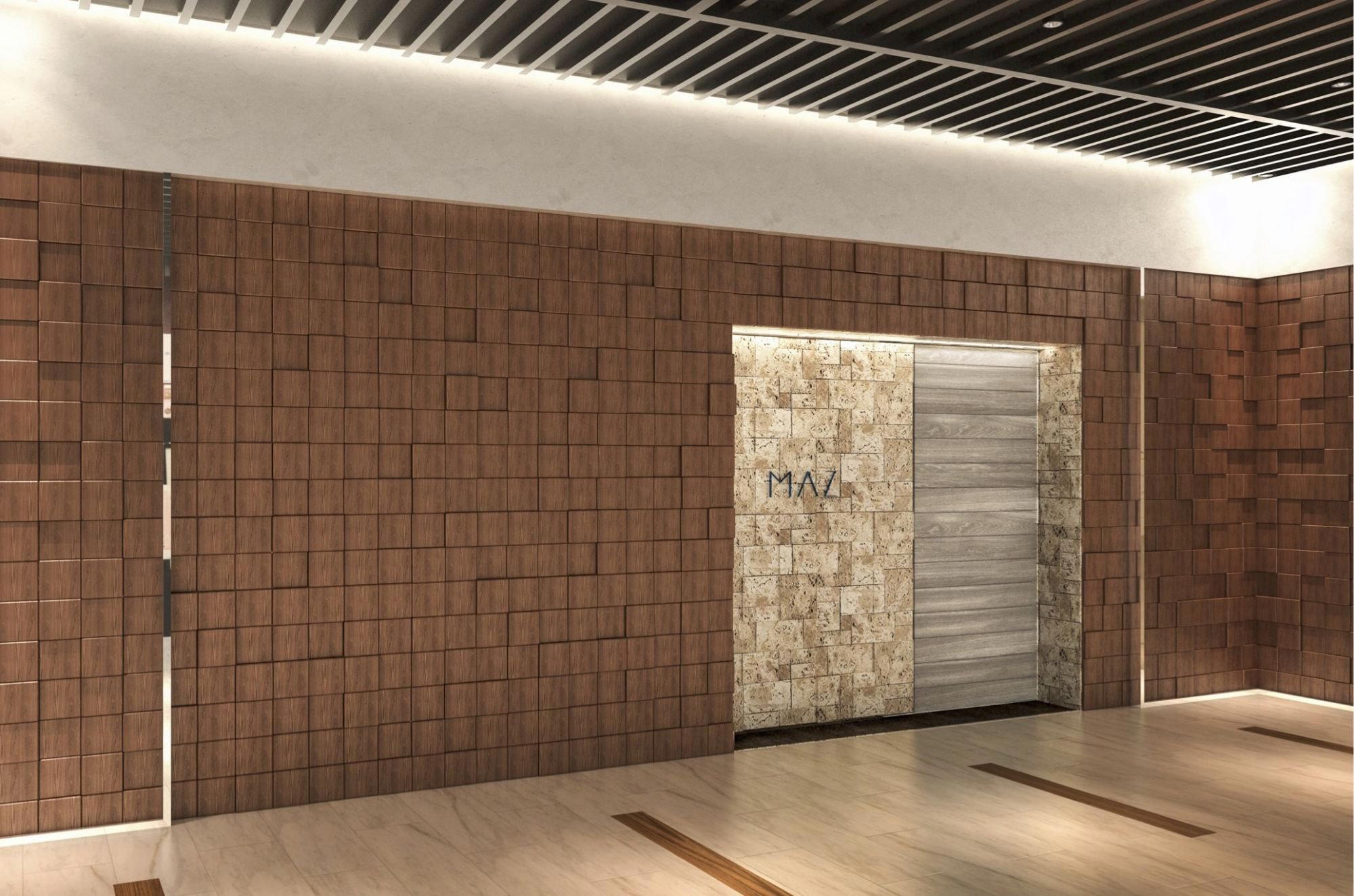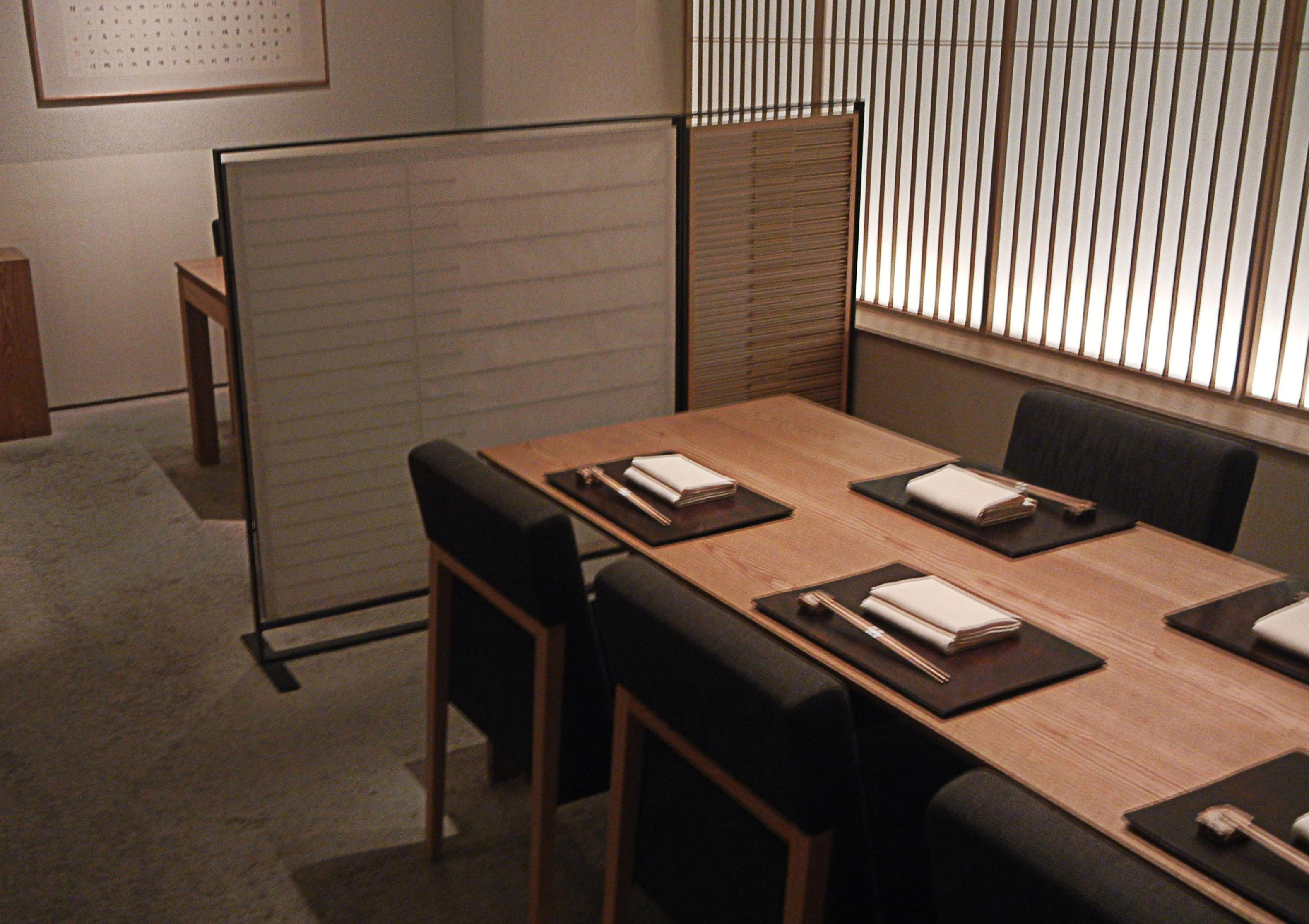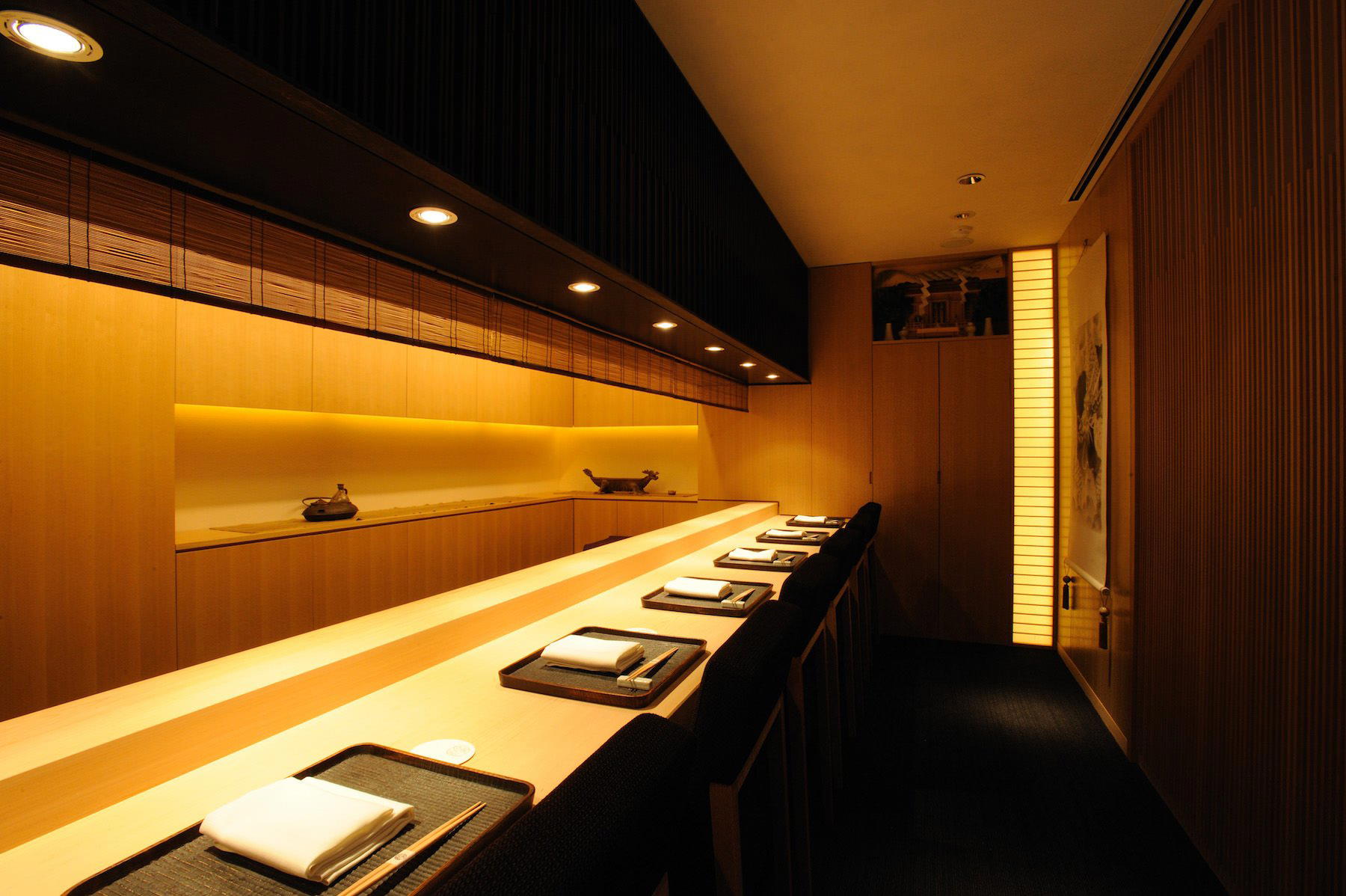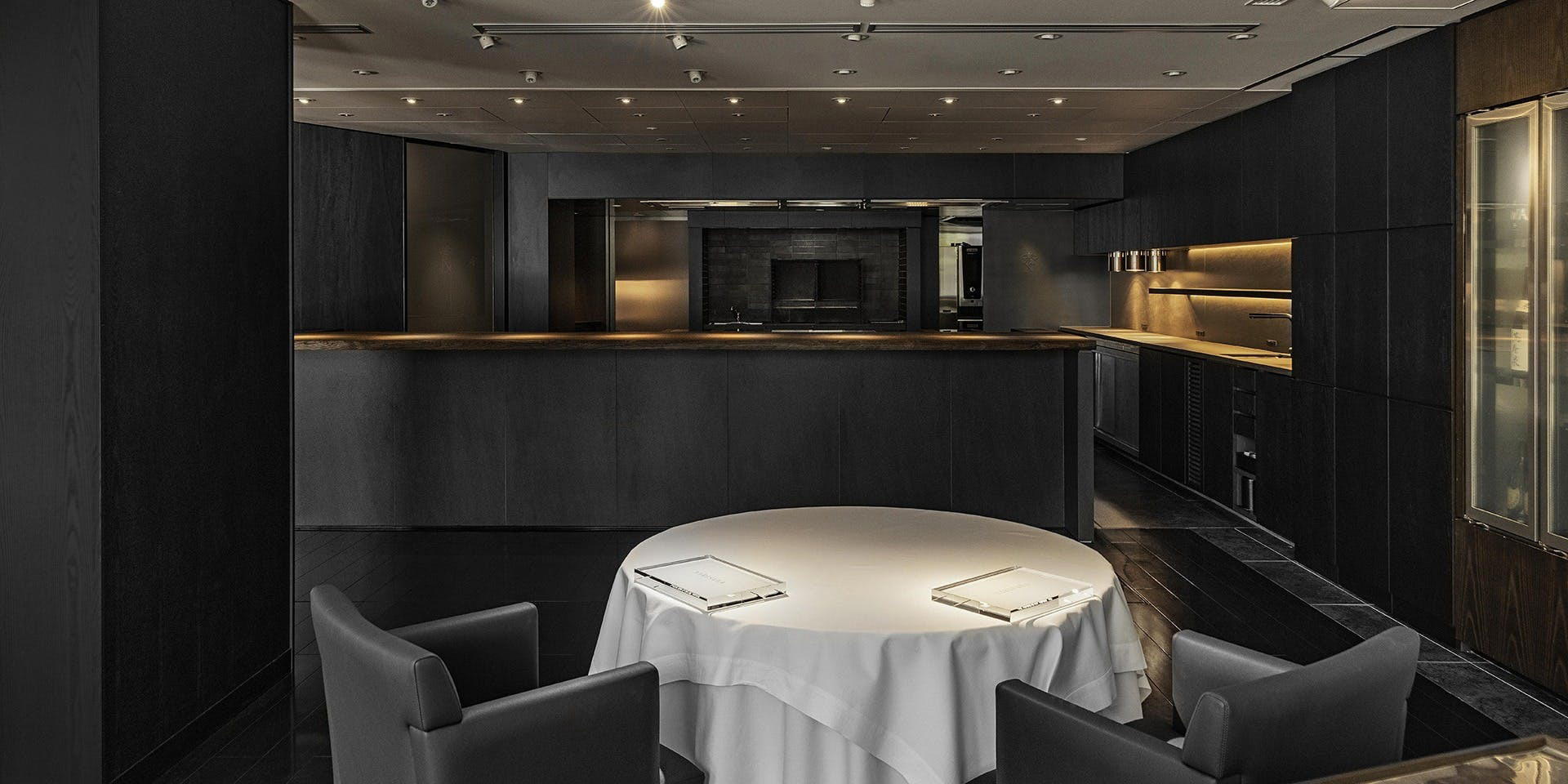

Tabelog 100 #37
Our verdict
Kojimachi’s eel houses sit in a quieter register than Tokyo’s sushi counters, but the discipline is just as exacting. Unagi Akimoto belongs to the city’s serious unagi tier, with Tabelog 100 recognition for unagi in 2018, 2019, and 2024, plus a 2026 Opinionated About Dining Casual in Japan listing.

Pearl is the En Primeur Club membership app, where members save venues, book tables and use the concierge.
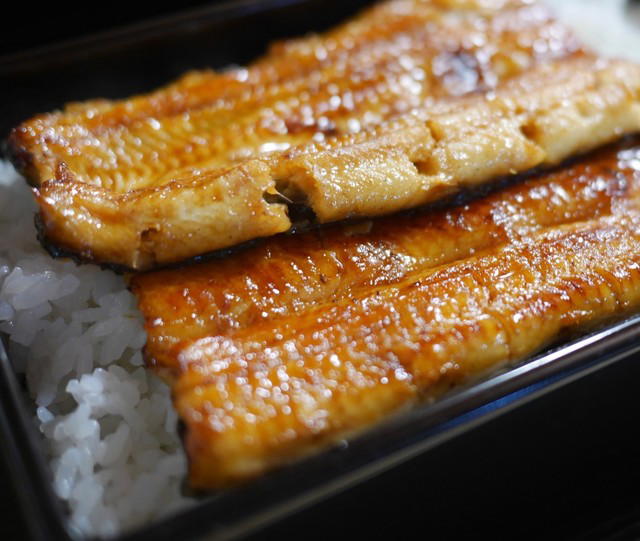
Approach Tokyo and the rhythm changes: office towers, older residential pockets, and restaurants for regulars rather than cameras. Tokyo’s unagi tradition suits that setting. It is not built around long tasting menus or counter theatre, but eel, rice, sauce, grill work, and pacing. Unagi Akimoto is a Tokyo house restaurant whose menu architecture says more than decoration could.
Tokyo rewards specialization, and unagi is especially exacting. The category leaves little room for disguise. A sushi counter can signal ambition through fish sourcing, aged neta, ceramics, and lineage; a French room can spread its argument across courses. An eel restaurant has fewer public moving parts, so reputation rests on repetition: handling, steaming, grilling, tare management, rice timing, and the confidence to stay focused. Selection for Tabelog’s Unagi 100 in 2024 places Akimoto among mapped eel specialists rather than Tokyo’s broader Japanese-restaurant field. Its Tabelog score of 3.67 adds another public signal, useful because unagi restaurants can be hard for visitors to read from outside.
The eel-house menu is narrow by design
The point of a serious unagi restaurant is not abundance. The menu is built around eel as the central decision, with Japanese cuisine and dojo listed as related categories rather than competing claims. Tokyo has many restaurants where eel appears as a seasonal course, rice topping, or nostalgic lunch item. A dedicated unagi house asks instead: how much variation can come from a tightly controlled form?
In Tokyo, the appeal of eel often comes through a controlled relationship between fish, rice, and sauce rather than constant reinvention. That context explains why the menu needs no constant expansion. Rice, sauce, and fish are not supporting details; they are the architecture. The listed categories point the same way: unagi, Japanese cuisine, and dojo, a narrow field rather than a sprawling multi-genre proposition. The format has long moved between dining room, home, and gift culture in Japan, unlike experiences that lose identity once they leave the counter.
Compared with casual Tokyo addresses such as AJANTA or SOLEIL, the dinner and lunch budget bands make this a more deliberate meal rather than an everyday quick stop. Compared with a specialist sushi address such as Sushi Inomata, the appeal is not luxury escalation through rarity, but narrower craft with less need for explanation. That is why unagi remains a useful test of Tokyo taste: it rewards diners who understand restraint as structural, not merely aesthetic.
Tokyo gives the meal its proper tempo
Tokyo fits this restaurant better than a setting built only for spectacle would. The city lets meals like this feel governed by habit rather than display, with regulars and visiting diners reading the room through the same basic signals: focus, pacing, and the confidence to stay within a specialist form. The address works for lunch or dinner planned around Tokyo rather than as a detour built around a long tasting-menu calendar.
The scale of the proposition matters. Akimoto is neither presented as tiny theatre nor as an anonymous dining hall, allowing a conventional restaurant experience while keeping attention on a narrow product. The published phone number, +81-3-3261-6762, makes the practical next step straightforward for diners who want to confirm details before going. These are not inconveniences so much as category markers. Many durable Tokyo specialists make more sense when treated as restaurants with their own house rules, not interchangeable booking-platform inventory.
How to read Akimoto against Tokyo's specialist dining culture
Tokyo’s international restaurant conversation can overvalue scarcity, omakase access, and named chefs. Unagi asks for a calmer reading. There is no need to center a chef biography here; the public signals are the cuisine categories, focused format, 2024 category recognition, budget band, and Tokyo location. That is enough. Akimoto’s reputation rests on participation in a specific tradition, not on broadening itself into a multi-genre destination.
For a wider Tokyo plan, the contrast is useful. A day could move from eel at Unagi Akimoto to other Tokyo dining rooms built around fire, sequencing, or comfort. Different formats teach different things: eel shows repetition and craft, grilled formats show timing and heat, and curry shows Tokyo’s long habit of adapting imported forms into local comfort. For broader planning, use Our full Tokyo restaurants guide, then layer in Our full Tokyo bars guide, Our full Tokyo hotels guide, Our full Tokyo experiences guide, and Our full Tokyo wineries guide around the table.
Japan’s restaurant map is full of small-format specialists that sit beside, not beneath, famous counters. Tokyo readers comparing styles can look at other specialist dining rooms and café formats generically rather than treating any single name as the point. Outside the capital, the same logic extends to many regional specialists, while Japanese dining abroad is also easier to read when the format comes first.
The editorial case for Akimoto is precise. It is not for diners chasing maximal variety or chef-driven storytelling. It is for a meal where the form is the argument: eel as dedicated cuisine, Tokyo as the quiet frame, and 2024 category recognition as the trust signal separating a serious specialist from a nostalgic stop.
Frequently asked questions
How much does it cost to eat at Unagi Akimoto?
Pricing at Unagi Akimoto is listed as Dinner: JPY 8,000 - JPY 9,999; Lunch: JPY 5,000 - JPY 5,999.
What's the address for Unagi Akimoto?
Tokyo.
What's the best way to book Unagi Akimoto?
The provided phone number is +81-3-3261-6762. With a 2024 Tabelog 100 selection for unagi, confirming details ahead is the practical route.
What has Unagi Akimoto built its reputation on?
Its reputation rests on eel-focused cooking, a 2024 Tabelog 100 selection for unagi, and a Tabelog score of 3.67. The Tokyo setting and focused categories of unagi, Japanese cuisine, and dojo give it the feel of a serious specialist rather than a broad Japanese restaurant.
A Quick Peer Check
Comparable venues for context, by category and price tier.
| Venue | Cuisine | Price | Awards | Notes |
|---|---|---|---|---|
| Unagi AkimotoThis venue (the venue you are viewing) | Traditional Japanese Unagi | $50–100 | Tabelog 100 #37 | Not listed |
| はなぶさ 麻布十番店 | Kansai-Style Charcoal-Grilled Unagi | $50–100 | Not listed | Azabu-Juban |
| Zakuro TBS ten | Traditional Japanese Shabu-shabu & Sukiyaki | $50–100 | Tabelog 100 #47 | Minato |
| Shoan | Traditional Japanese Soba | $50–100 | Tabelog 100 #71 | Shinjuku |
| 乃木坂 しん | Modern Kaiseki with Wine Pairings | $200–300 | 1 Michelin Star · Star Wine List | Minato |
| 伯雲 | Modern Kaiseki Omakase | $300–500 | 2 Michelin Stars · Tabelog Bronze #93 | Minato |
Recognition history
Dated appearances from independent guides and award organizations, with the underlying list record or original source where available.
Opinionated About Dining Casual in Japan Ranked #140
Opinionated About Dining
Tabelog 100 #37 · No. 37
Tabelog · Tabelog 100 - Unagi - 2024