
Tabelog 100 #69
Our verdict
UN GRAND PAS gives Saitama’s pastry scene a serious local anchor rather than a Tokyo spillover story. Its Tabelog Sweets EAST 100 selections across 2018, 2019, 2020, 2022 and 2023 place the shop in a documented regional sweets conversation, with cake and bread sharing the same counter logic.

Pearl is the En Primeur Club membership app, where members save venues, book tables and use the concierge.
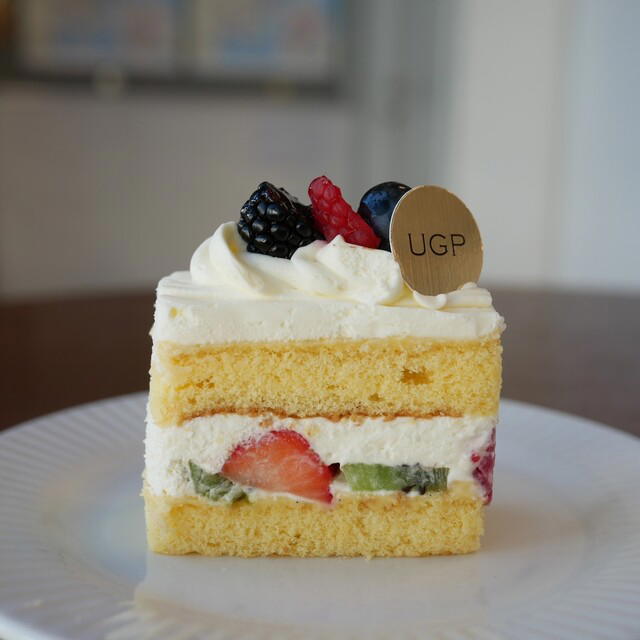
The menu
What to order
- Four sec (French cookies)
- Petit gâteau
- Entremets
- Gateau Pyrenees
- Gelato
Approaching UN GRAND PAS in Saitama, the rhythm is practical before it is romantic: station traffic, residential blocks, small retail fronts, and the quick decisions of people buying something to carry home. That setting matters. Saitama’s sweets culture is not built only around elaborate dessert menus; it often lives in patisseries where the display case is the main stage and purchase timing matters as much as appetite.
UN GRAND PAS belongs to that category of pastry shop where cake and bread sit side by side, a format that rewards repeat local use rather than destination dining theatre. The relevant comparison is not a tasting-menu restaurant, but the regional sweets circuit: shops that must satisfy daily neighborhood demand while earning enough specialist attention to appear on serious sweets lists.
Saitama pastry, judged by the counter rather than the dining room
Japan’s patisserie culture has long absorbed outside technique, then adapted it to local expectations around portion, texture, packaging and seasonality. Outside central Tokyo, that translation becomes more revealing. A shop has to serve commuters, families, gift buyers and pastry obsessives without the insulation of a luxury setting or a reservation-only dessert counter. The display case becomes a public audit of craft.
The evidence here is clear for a Saitama sweets address. UN GRAND PAS was recognized in a 2023 Tabelog Hyakumeiten sweets listing, and carried a Tabelog score of 3.76 in the award listing. That is not a Michelin-style star, but in Japan’s sweets category it functions as a signal that the shop has moved beyond purely local convenience. It is being evaluated against a broader pastry field.
The category listing, cake and bread, also says something about production range. Shops that work across both require a pantry built for butter, flour, fruit, dairy, chocolate and fermentation rather than a narrow cake-only operation. That does not prove a particular farm relationship or named ingredient, but it does place the work inside a craft model where base materials determine the ceiling. In pastry, technique can hide little: butter quality, flour handling and fruit condition show quickly in texture and shelf life.
For Saitama visitors using food as a way to read the city, this is a different kind of stop from ramen, udon or izakaya culture. The comparison venues underline the range: Kago Yasumi, Temomi Chuka Soba Nakamura, Ningyocho, Musashino Udon Fujiwara Kitayono honten and Beach Story occupy separate everyday-dining lanes, while a sweets shop asks a narrower question: where does the city buy pastry when it wants craft without ceremony?
Why the sweets-list signal matters in Saitama
Saitama is often read through transit, offices and everyday movement, yet that makes small food addresses more useful, not less. A strong patisserie in this city has to work for people who may not linger. The shop’s cake-and-bread identity keeps the experience aligned with modern Japanese bakery and sweets retail rather than a restaurant-shaped meal.
There is also a price-tier argument that should not be ignored, even if the details belong in the planning rail rather than the story. UN GRAND PAS is listed in the JPY 1,000–JPY 1,999 range for both lunch and dinner, an approachable band that still requires a demanding production chain. A pastry purchase may look simple, but the back-of-house economics are not: refrigeration, proofing, decoration, packaging and same-day freshness all compress the margin for error.
That is where documented recognition becomes useful. A list appearance can reflect a shop’s ability to satisfy both local demand and specialist scrutiny. For a city often overshadowed by Tokyo’s dessert counters, UN GRAND PAS gives Saitama its own pastry evidence rather than a borrowed reputation.
Readers building a broader Saitama itinerary should treat this as part of a cluster rather than a standalone pilgrimage. Pair the sweets lens with other unnamed patisserie, bakery and casual-dining references around the city. Together, they show how Saitama’s carbohydrate culture can move from formal pastry to bread and neighborhood take-out without needing to imitate a central-city dining script.
How to place it in a Saitama food day
The sensible editorial read is to use UN GRAND PAS as a sweets-focused purchase rather than forcing it into a restaurant-shaped plan. Its role is not necessarily to replace lunch or dinner; it gives structure to the hours between them, especially for travelers moving through Saitama rather than building an entire day around one meal.
Because the format centers on cake and bread, the sharper move is to think in terms of timing and carrying capacity. Pastry is less forgiving than noodles or grilled food: it changes with heat, transit and delay. That practical reality is part of the craft, not a footnote. Serious pastry shopping in Japan often means deciding when the purchase will be eaten before deciding what to buy.
For citywide planning, start with Our full Saitama restaurants guide, then use Our full Saitama hotels guide, Our full Saitama bars guide, Our full Saitama wineries guide and Our full Saitama experiences guide to decide whether this is a quick stop or part of a longer food day. For wider Japan context, compare how category-specific addresses read across cities: sweets shops, casual counters, noodle rooms, bars and neighborhood take-out venues each reveal a different layer of local dining culture.
The final judgment is restrained but firm: this is a Saitama sweets address with documented regional credibility, not a decorative add-on to a Tokyo itinerary. Its value lies in showing how serious pastry operates in an everyday city setting, where ingredient handling, production rhythm and cake-and-bread discipline carry the argument.
Frequently asked questions
Is UN GRAND PAS a family-friendly restaurant?
UN GRAND PAS is listed in the cake and bread category in Saitama; check the venue's official channels for visit details.
Is UN GRAND PAS formal or casual?
Casual. The public listing places UN GRAND PAS in the cake and bread category, and the price range sits at JPY 1,000–JPY 1,999. Its 2023 Tabelog Hyakumeiten sweets recognition places it in a serious category, even if the format stays informal. Check the venue's official channels for the latest details.
How much does it cost to eat at UN GRAND PAS?
Pricing at UN GRAND PAS is listed as JPY 1,000 - JPY 1,999 JPY 1,000 - JPY 1,999.
What are UN GRAND PAS's hours?
Current hours for UN GRAND PAS should be confirmed through the venue's official channels before visiting.
Where is UN GRAND PAS in Saitama?
Saitama.
How It Stacks Up
Comparable venues by cuisine and price in the same metro.
| Venue | Cuisine | Price | Awards | Notes |
|---|---|---|---|---|
| UN GRAND PASThis venue (the venue you are viewing) | Traditional French Patisserie | $1–10 | Tabelog 100 #69 | Not listed |
| SALT | Modern French Innovative | Not listed | Tabelog 100 #74 | Urawa |
| Shokujidokoro Tarafuku | Japanese Teishoku / Cafeteria | Not listed | Tabelog 100 #98 | Chuo Ward |
| goden | Ramen & Tsukemen | $10–20 | Tabelog 100 #81 | Urawa Ward |
| Patisserie Rotantikku | French Patisserie | Not listed | Tabelog 100 #78 | Minami Urawa |
| Ramen Jiro Koshigaya ten | Jiro-style Ramen Shop | $10–20 | Tabelog 100 #27 | Koshigaya |
Recognition history
Dated appearances from independent guides and award organizations, with the underlying list record or original source where available.
Tabelog 100 #69 · No. 69
Tabelog · Tabelog 100 - Sweets - EAST - 2023
Continue exploring
More in Saitama
Restaurants in Saitama
All restaurants in Saitama →



Bars in Saitama
Browse all →




Details
- Cozy
- Classic
- Casual Hangout
- Solo
- Family
- After Work
- Celebration
- Standalone
- Design Destination
- Street Scene
- A La Carte
Current opening hours
- Monday
- Closed
- Tuesday
- Closed
- Wednesday
- 10 AM–6 PM
- Thursday
- 10 AM–6 PM
- Friday
- 10 AM–6 PM
- Saturday
- 10 AM–6 PM
- Sunday
- 10 AM–6 PM
Hours can change for holidays and private events. Last verified .
A small neighborhood patisserie designed to evoke a traditional French street-corner shop, with French décor and ceramics collected by the chef creating a warm, classic atmosphere centered on display cases of pastries.