

Michelin Plate · We're Smart World 2 Radishes
Our verdict
On a quiet side street near Porte de Namur, Umā holds a Michelin Plate (2025) for its world bistro format built around Nikkei cuisine, the gutsy meeting point of Japanese technique and Peruvian flavour. The à la carte and set menus both carry the kitchen's interest in contrast: spicy-sweet combinations, smoking techniques, and global reference points executed at bistro prices. A plant-based menu is available on request at booking.

Pearl is the En Primeur Club membership app, where members save venues, book tables and use the concierge.
The menu
What to order
- Sashimi of red tuna with shiso oil and dashi
- Medium rare fillet of duck with curry and vadouvan
- Sea Bream Ceviche
A Side Street Off Porte de Namur
The Porte de Namur corridor, one of Brussels' busier transit points, generates the kind of foot traffic that tends to push interesting restaurants onto peripheral streets. Rue de la Reinette is one of those streets, short, quiet, and easy to walk past without registering. The white-washed brick facade of Umā gives little away from outside, but the restraint is the point: this is a neighbourhood bistro that happens to be doing something more considered than its surroundings suggest. Brussels rewards this kind of search. The city's dining map has long favoured substance over signage, and the stretch between Porte de Namur and Ixelles contains some of the more interesting mid-range cooking in the city, a short walk from the formal dining rooms of Comme chez Soi and La Villa Lorraine by Yves Mattagne but operating in a different register entirely.
What Nikkei Cooking Means in a Brussels Bistro
Nikkei cuisine, the fusion tradition that emerged from Japan's Meiji-era emigrant communities in Peru, has had a complicated relationship with European dining rooms. In its high-end form, it became associated with expensive ceviches, technically precise crudo, and the kind of theatrical plating that belongs in a different price bracket. The more interesting question is what happens when Nikkei logic, umami-led acidity, the interplay of fermentation and citrus, the use of chilli and soy as parallel heat sources, gets applied at bistro scale, without the ceremony.
That is the territory Umā occupies. The kitchen's approach draws on Japanese flavour architecture and Peruvian intensity, then applies both with what Michelin's 2025 inspectors described as "gutsy" execution. Scallops arrive with an espuma of smoked pork, the spice-sweet tension doing the work that a conventional sauce would handle more predictably. The flavour combinations are described as surprising, which in this context means deliberately off-axis, not experimental for its own sake, but calibrated to produce contrast where a more conservative kitchen would reach for harmony. For comparable international-leaning bistro cooking in Brussels, Eliane and Barge occupy adjacent territory, though with different reference points.
The Room and What It Tells You
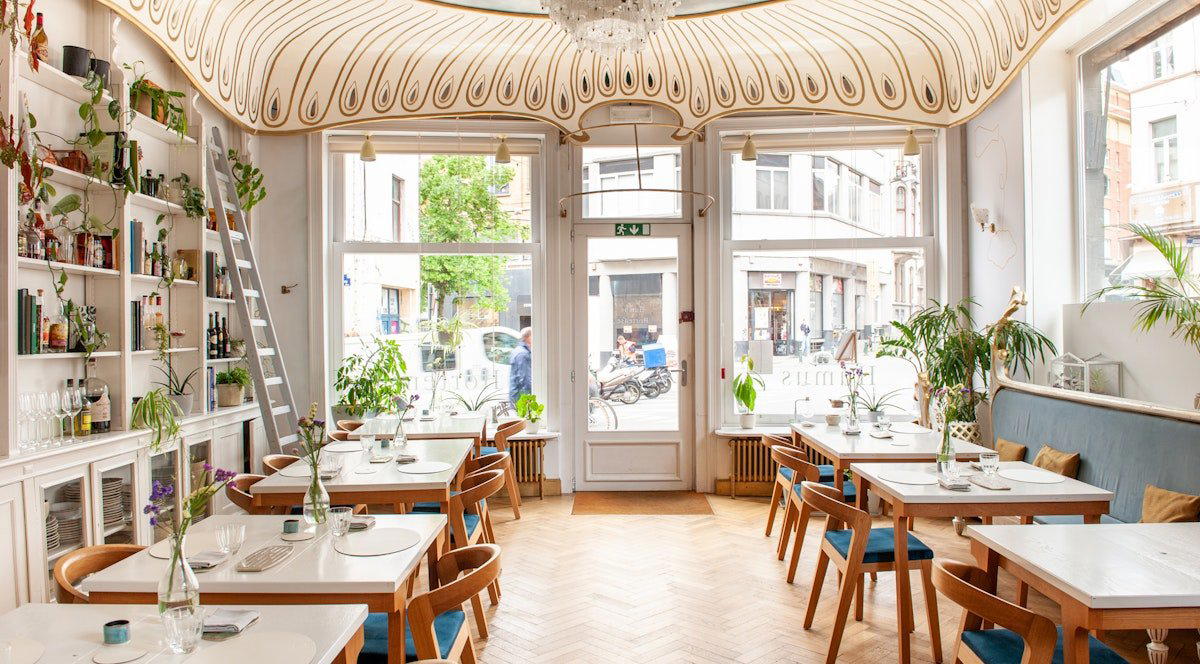
Inside, modern artwork offsets the brick, and the open kitchen puts the cooking in direct view. The open-plan format, now standard across Brussels' bistro tier, functions here as editorial: you can watch the kitchen's rhythm, gauge the pace of service, and calibrate your own evening accordingly. This kind of transparency has become a marker of a certain type of mid-range restaurant, one confident enough in its technique to dispense with the mystification that closed kitchens historically provided. At the €€ price point, it also signals a kind of contract with the diner: no pretension, but no shortcuts either.
The room's atmosphere sits closer to a contemporary European bistro than to the formal dining rooms that dominate Brussels' top tier. At restaurants like Bozar Restaurant, the architecture carries its own weight. Here, the space is a backdrop rather than a statement, which keeps the focus on the plate.
The Menu Format and Who It Serves
Umā runs both an à la carte menu and a set menu. The set menu provides a structured path through the kitchen's range, useful for first visits when the flavour logic is still unfamiliar. The à la carte option allows for more selective ordering, which matters for a kitchen whose combinations can read as unconventional on paper before they make sense on the plate.
The plant-based offering is worth addressing directly. It exists, but it is not spontaneous, it requires advance notice at the time of booking. For a kitchen whose menu is built around contrast and layering, the plant-based version represents a deliberate adaptation rather than an afterthought, but the logistics are specific: request it when you book, not when you arrive. This is a detail that separates a good visit from a frustrating one.
At €€ pricing, Umā sits in a different bracket from Brussels' destination kitchens. It compares more naturally to the city's bistro tier, sharing a price point with Comme chez Soi's more affordable service format and the brasserie tradition represented by places like Aux Armes de Bruxelles, but offering a flavour profile that neither of those would attempt. The Michelin Plate (2025) positions it clearly: recommended, technically sound, and worth the detour, without the apparatus of a starred operation.
Brussels in the Wider Belgian Context
Belgium's serious cooking has historically concentrated in Flanders, where restaurants like Hof van Cleve in Kruishoutem, Boury in Roeselare, and Zilte in Antwerp have drawn international attention. Brussels operates on a different logic: the capital's dining scene is broader, more international by disposition, and increasingly comfortable with genre-crossing formats. The world bistro model, drawing on multiple culinary traditions without being anchored to any single one, fits that disposition well. Venues like Willem Hiele in Oudenburg and Bartholomeus in Heist represent the coastal end of Belgium's adventurous cooking; Umā represents its urban, cosmopolitan counterpart.
For international context, the world bistro format has parallels elsewhere in Europe. Haubentaucher in Rottach-Egern and Loumi in Berlin both operate in territory where cross-cultural reference is the primary creative language. Brussels, as a city defined by institutional internationalism and high density of nationalities, is a natural home for this kind of cooking. d'Eugénie à Emilie in Baudour extends that creative range further into the Wallonian interior.
Planning a Visit
Umā is at Rue de la Reinette 8, a short walk from the Porte de Namur metro station. The address puts it within easy reach of central Brussels and the Ixelles neighbourhoods, making it a direct dinner option before or after exploring the broader area. Reservations are advisable, particularly if you require the plant-based menu, which needs to be flagged at the time of booking. For a full picture of what Brussels offers across price points and formats, see our full Brussels restaurants guide, alongside our Brussels hotels guide, our bars guide, our wineries guide, and our experiences guide.
Frequently asked questions
What should I order at Umā?
The kitchen's Nikkei format means the most instructive approach on a first visit is the set menu, which gives a structured read on how the kitchen handles the Japanese-Peruvian flavour range it works in. The scallop dish, cited in Michelin's 2025 Plate recognition notes, illustrates the kitchen's signature move: spicy-sweet contrast delivered through unexpected technique, in this case an espuma of smoked pork. If you are ordering à la carte, follow the combinations rather than defaulting to familiar proteins; the less predictable choices tend to be where the kitchen's logic is most coherent. Plant-based diners should note that a separate menu is available but must be requested when booking, not on arrival. The open kitchen means you can observe pacing and adjust your order timing accordingly.
City Peers
| Venue | Cuisine | Price | Awards | Notes |
|---|---|---|---|---|
| UmāThis venue (the venue you are viewing) | Nikkei Fusion (Japanese-Peruvian) | Not listed | Michelin Plate · We're Smart World 2 Radishes | Not listed |
| Comme chez Soi | Classic French Fine Dining | $200–300 | 1 Michelin Star · World's 50 Best #49 | French - Belgian, Classic Cuisine |
| La Villa Lorraine by Yves Mattagne | Modern French Fine Dining | $200–300 | Michelin Plate · La Liste Top Restaurants | Modern Cuisine |
| senzanome | Modern Italian Fine Dining | $150–200 | Michelin Plate | Modern Italian, Italian |
| Au Vieux Saint Martin | Traditional Belgian Brasserie | $30–50 | Michelin Plate | French Bistro, Belgian |
| Aux Armes de Bruxelles | Traditional Belgian Brasserie | $50–100 | Michelin Plate | Brasserie, Belgian |
Recognition history
Dated appearances from independent guides and award organizations, with the underlying list record or original source where available.
Michelin Plate
Michelin
We're Smart World 2 Radishes
We're Smart World
Full recognition history (4 entries)
Michelin Plate
Michelin
Michelin Plate
Michelin
Continue exploring
More in Brussels
Restaurants in Brussels
All restaurants in Brussels →
Bars in Brussels
All bars in Brussels →
Hotels in Brussels
All hotels in Brussels →
Wineries in Brussels
Browse all →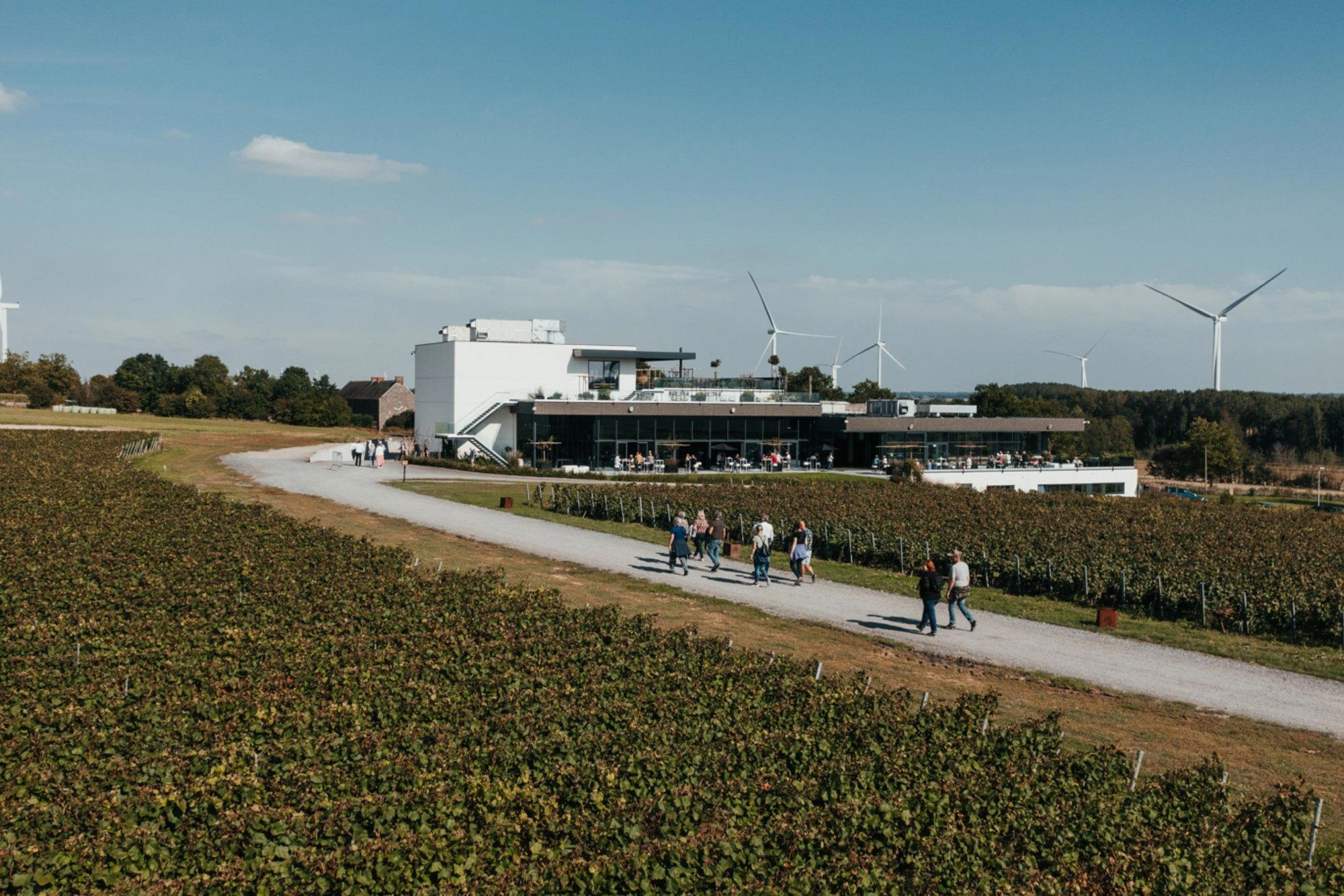
Details
- Modern
- Elegant
- Sophisticated
- Intimate
- Date Night
- Business Dinner
- Special Occasion
- Open Kitchen
- Private Dining
- Extensive Wine List
- A La Carte
- Set Menu
Current opening hours
- Monday
- 12–2 PM, 7–10 PM
- Tuesday
- 12–2 PM, 7–10 PM
- Wednesday
- 12–2 PM, 7–10 PM
- Thursday
- 12–2 PM, 7–10 PM
- Friday
- 12–2 PM, 7–10 PM
- Saturday
- Closed
- Sunday
- Closed
Hours can change for holidays and private events. Hours as of .
Warm colors, cozy interior with modern artwork, beautiful decoration, and an inviting white-washed facade creating a stylish and refined atmosphere.