Google: 4.8 · 325 reviews
.png)
Ukiyo brings a Japanese-American lens to Stekene, a small Flemish town that has quietly become a destination for serious modern cooking. Chef Marco Prins holds consecutive Michelin Plate recognition for 2024 and 2025, and a Google score of 4.8 across 268 reviews confirms the kitchen's consistency. The €€€ price point places it among Belgium's most considered mid-to-upper dining addresses outside the major cities.
 Discover on Pearl
Pearl is the En Primeur Club membership app — saves, bookings, and concierge access live there. Same editors, same standards.
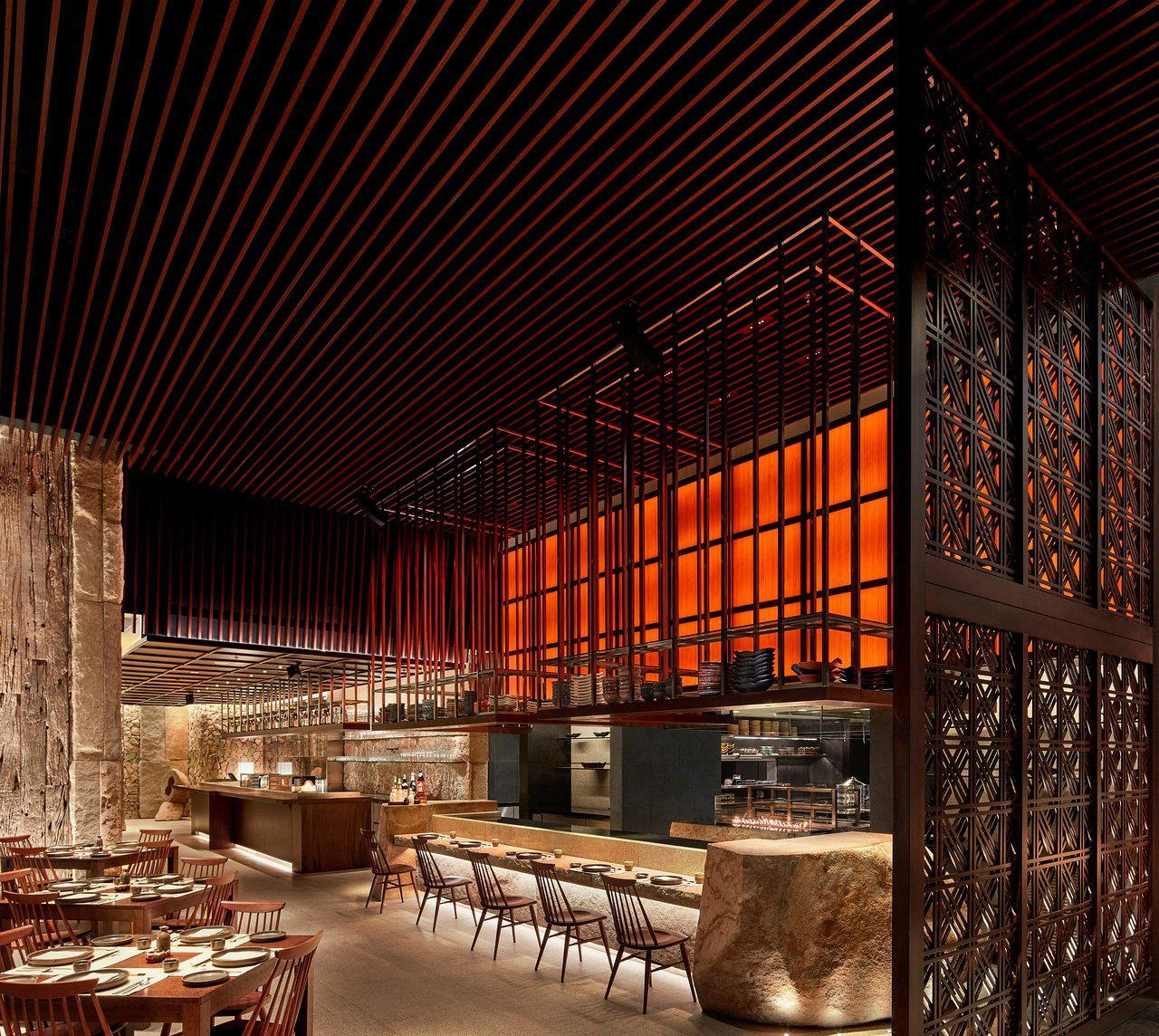
Where the Format Does the Talking
Stekene is not a city that announces itself. The Flemish municipality sits in the Waasland region between Ghent and the Dutch border, its low skyline and quiet roads giving little indication that serious cooking has taken root here. That contrast — between the unassuming setting and the precision of what arrives at the table — is precisely what defines a particular tier of Belgian destination dining. For years, the country's most considered restaurants have operated at a remove from urban density, drawing guests who are willing to make the drive because the cooking justifies it. Ukiyo, on Polenlaan, belongs to that tradition.
The restaurant holds a Michelin Plate for both 2024 and 2025, a signal of consistent quality rather than a single standout performance. In Michelin's framework, the Plate recognises kitchens producing good food , a threshold that, in a region already dotted with starred addresses, carries real competitive weight. A Google rating of 4.8 from 268 reviews reinforces the same picture: this is a kitchen that performs reliably, not one that overdelivers on a good night and disappoints on a quiet one. For context on the wider Belgian fine dining map, see our guides to Zilte in Antwerp and Boury in Roeselare, both operating at the starred tier above.
A Japanese-American Lens in Flemish Country
Belgian fine dining has long leaned on French technique as its default grammar. The generation of chefs now working at the €€€ and €€€€ tier increasingly writes in other languages. Ukiyo's stated cuisine , Japanese-American, modern , positions it as part of a broader shift in how European kitchens are processing non-Western culinary traditions: not as fusion in the diluted sense, but as a genuine compositional framework applied with discipline.
The kaiseki tradition, which organises a meal around seasonal progression, restraint, and the visual logic of each course, offers one lens through which to read Ukiyo's approach. Kaiseki is not a rigid template; it is a philosophy about how time moves through a meal. The sequence matters, the pacing matters, and the visual presentation of each dish carries meaning independent of its flavour. When European chefs absorb this framework, the result is rarely a direct transplant , it is more often a negotiation between the Japanese instinct for reduction and the Western instinct for accumulation. At Ukiyo, under Chef Marco Prins, that negotiation happens within a modern cuisine context that draws on both traditions without subordinating one to the other.
This is a different competitive reference point than most Flemish restaurants occupy. The obvious peers for a €€€ modern kitchen in Belgium are addresses like La Durée in Izegem or Sir Kwinten in Sint-Kwintens-Lennik, both working within European creative frameworks. Ukiyo's Japanese-American orientation places it in a different conversation , one that looks more toward New York addresses like Atomix, where Korean-American fine dining has demonstrated how a non-Western framework can anchor a serious modern restaurant, than toward the Franco-Flemish tradition that shaped most of its geographic neighbours.
The Waasland as a Dining Destination
Belgium's restaurant geography rewards the traveller who thinks in regions rather than cities. The Flemish interior has produced a density of serious kitchens per capita that outperforms most European equivalents at comparable income levels. Hof van Cleve in Kruishoutem and Willem Hiele in Oudenburg are the region's headline acts, but the supporting cast , Michelin-recognised kitchens in towns most international visitors cannot locate on a map , is what makes a dedicated eating trip through Flanders coherent as an itinerary rather than a series of disconnected detours.
Stekene's position makes it practical as part of a Ghent-based stay or as a stopping point on a route toward Antwerp. Neither city is far, and both offer the hotel infrastructure that Stekene itself lacks at scale. For accommodation, dining, and bar options across the area, our full Stekene restaurants guide, Stekene hotels guide, and Stekene bars guide cover the local picture, alongside our Stekene wineries guide and Stekene experiences guide for those building a fuller regional programme.
Pricing and Peer Position
At €€€, Ukiyo sits a step below Belgium's top-tier destination restaurants , those operating at the €€€€ level, where the likes of L'Eau Vive in Arbre and d'Eugénie à Emilie in Baudour pitch their menus. That positioning is commercially important: it allows a kitchen with real technical ambition to operate at a price point that sustains repeat visits rather than demanding the full ceremony of a once-a-year special occasion. For the guest who wants to eat seriously without the weight of a four-figure bill, this tier represents something genuinely useful in the Belgian dining economy.
The comparison with Bartholomeus in Heist or Bozar Restaurant in Brussels , both operating within different geographic and stylistic contexts , illustrates how widely the €€€ designation can stretch in practice. What unites the better addresses in this tier is a clarity of identity: a reason to exist beyond filling a local dining gap. Ukiyo's Japanese-American framework provides that identity with more specificity than most of its price-tier peers in the region. For international reference points in the same conceptual territory, the multi-course modern format pioneered by addresses like Le Bernardin in New York City demonstrates how a clear cuisine identity can anchor a serious restaurant across decades. Closer to home, Ralf Berendsen in Neerharen offers another model of a Belgian destination kitchen building an identity at a remove from the major cities.
Planning a Visit
Ukiyo's address , Polenlaan 5, 9190 Stekene , is direct to reach by car from either Ghent (roughly 30 kilometres west) or Antwerp (roughly 35 kilometres north), making it a viable dinner destination from either city without requiring an overnight stay in Stekene itself. Given the consistent review performance and the specificity of the cuisine format, booking ahead is advisable; a restaurant of this profile in a small town operates without the walk-in buffer that larger urban venues absorb. Phone and website details are not currently listed in our database, so confirming reservations through local search or restaurant booking platforms is the practical route. The €€€ price range signals an evening that warrants a considered approach rather than a spontaneous drop-in.
A Quick Peer Check
These are the closest comparables we have in our database for quick context.
| Venue | Cuisine | Price | Awards |
|---|---|---|---|
| UkiyoThis venue — the venue you are viewing | Japanese - American, Modern Cuisine | €€€ | Michelin Plate (2025); Michelin Plate (2024) |
| Boury | Modern Frlemish, Creative French | €€€€ | Michelin 3 Star |
| Comme chez Soi | French - Belgian, Classic Cuisine | €€€€ | Michelin 1 Star |
| Hertog Jan at Botanic | Modern Flemish, Creative | €€€€ | Michelin 2 Star |
| L'Eau Vive | French, Modern French | €€€€ | Michelin 2 Star |
| La Durée | French-Belgian, Creative | €€€€ | Michelin 2 Star |
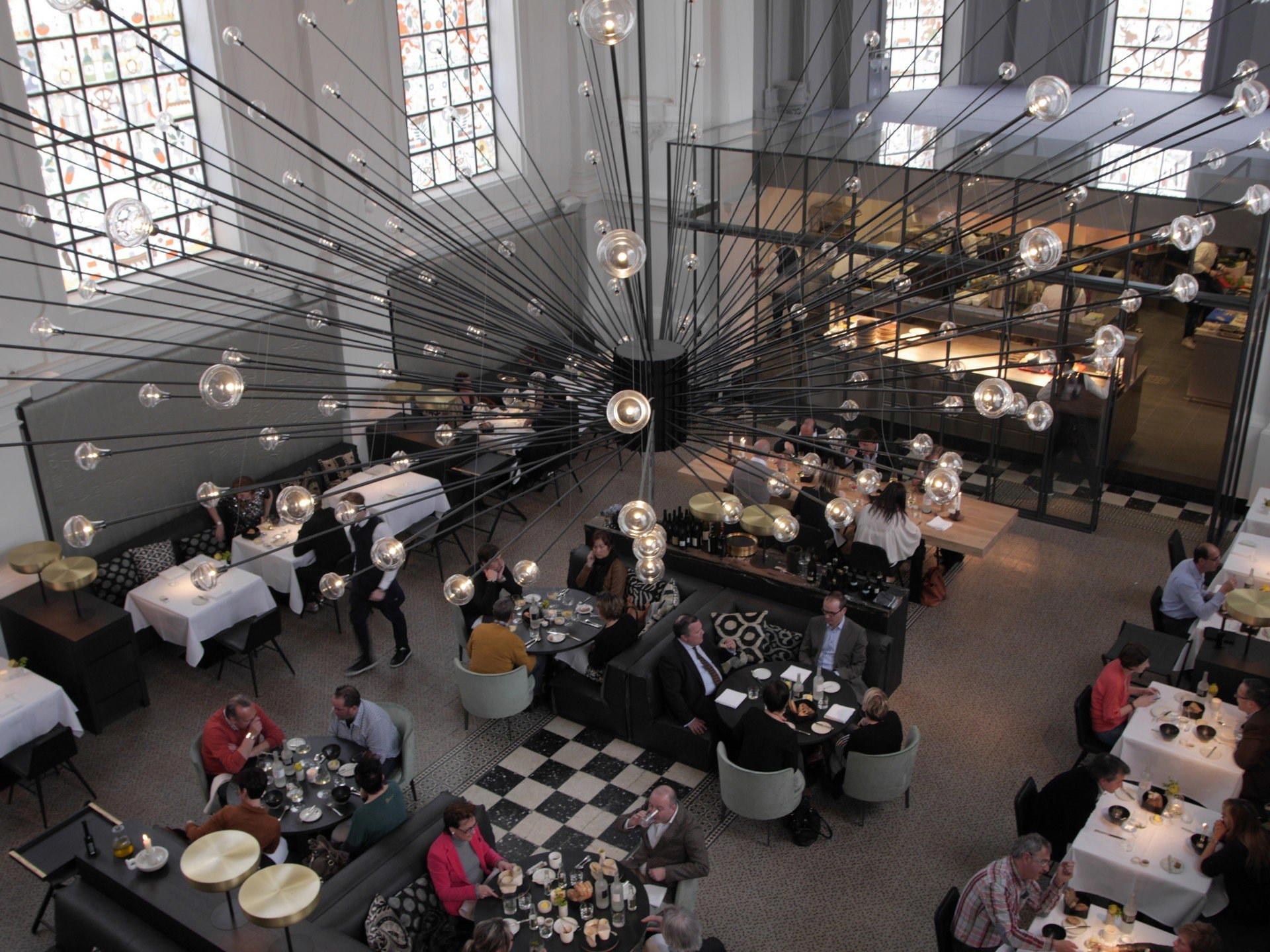
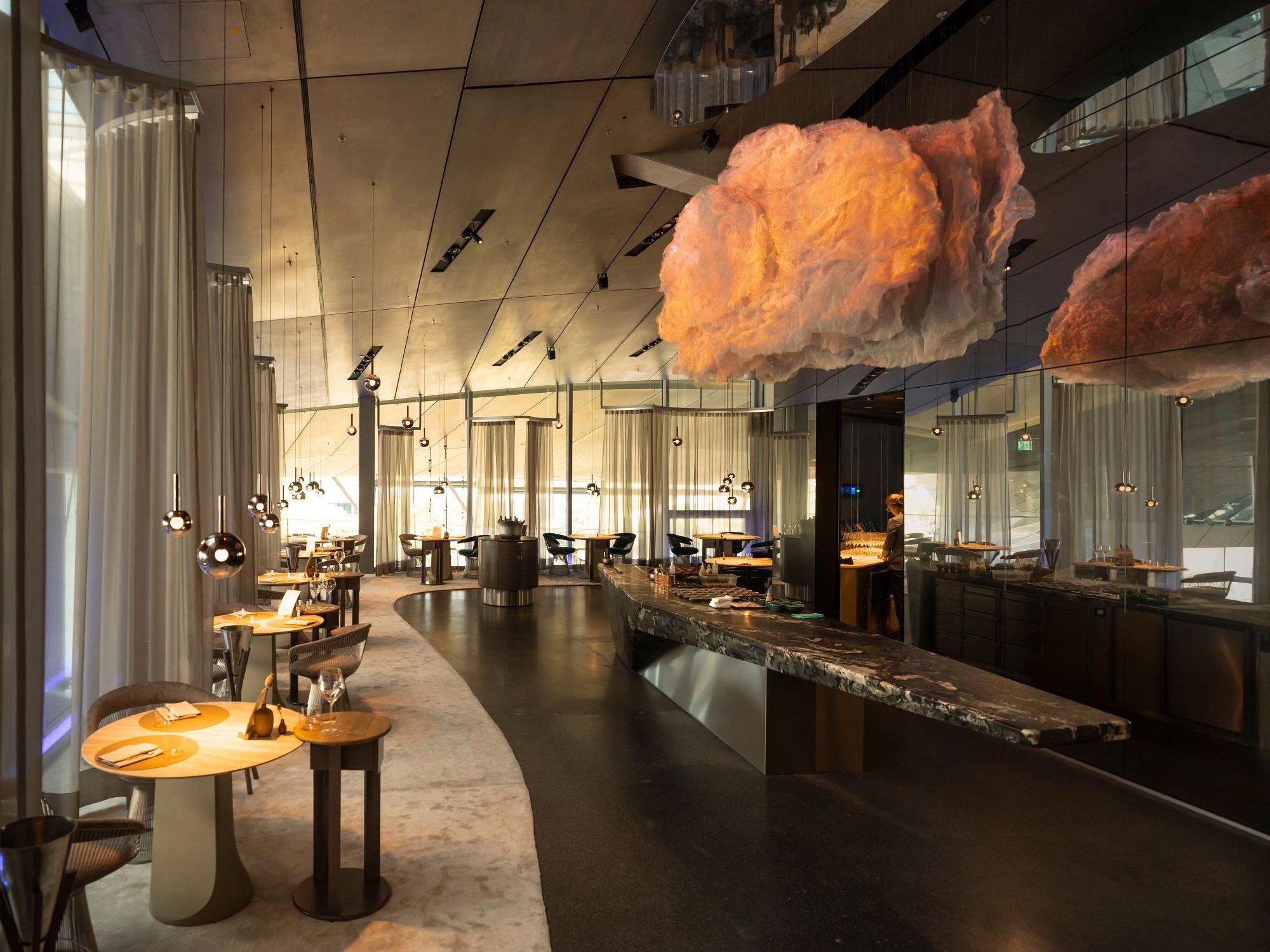
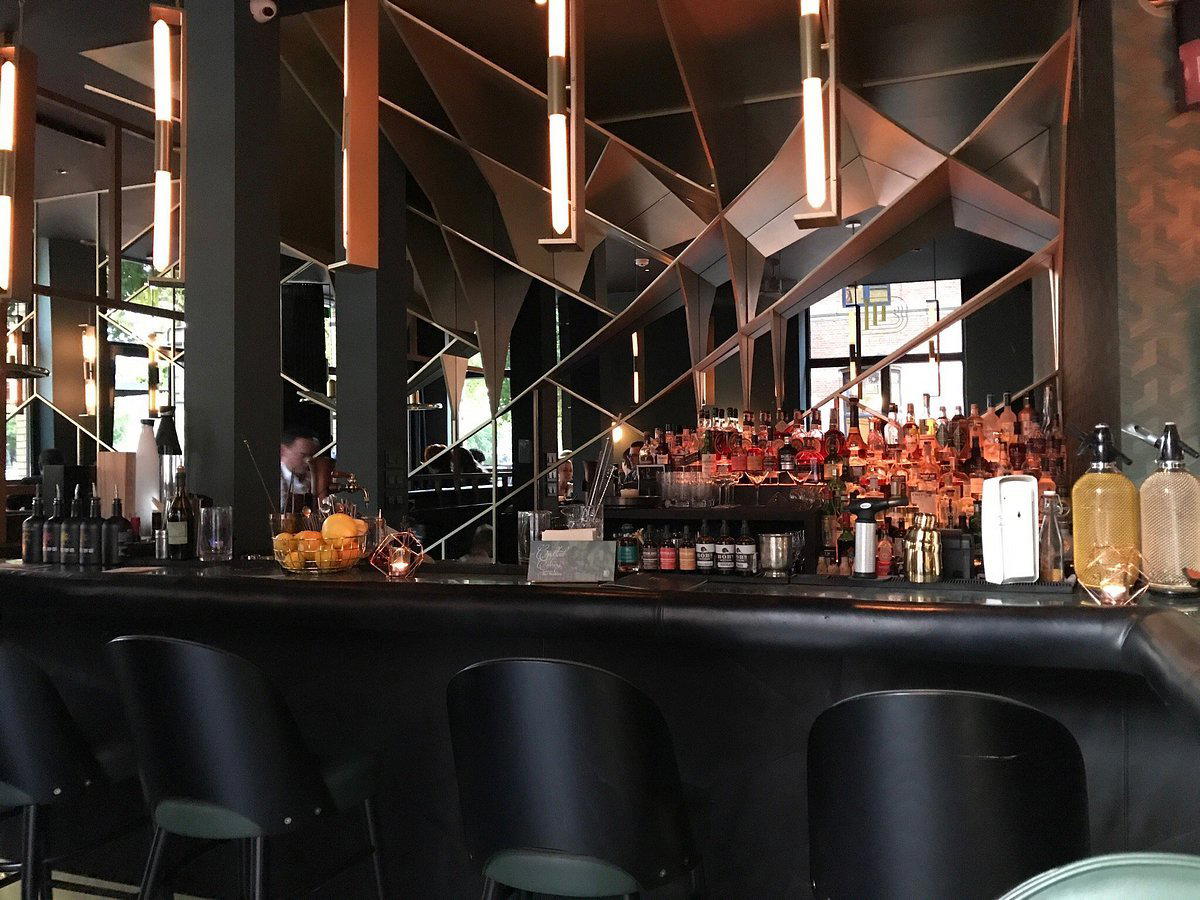
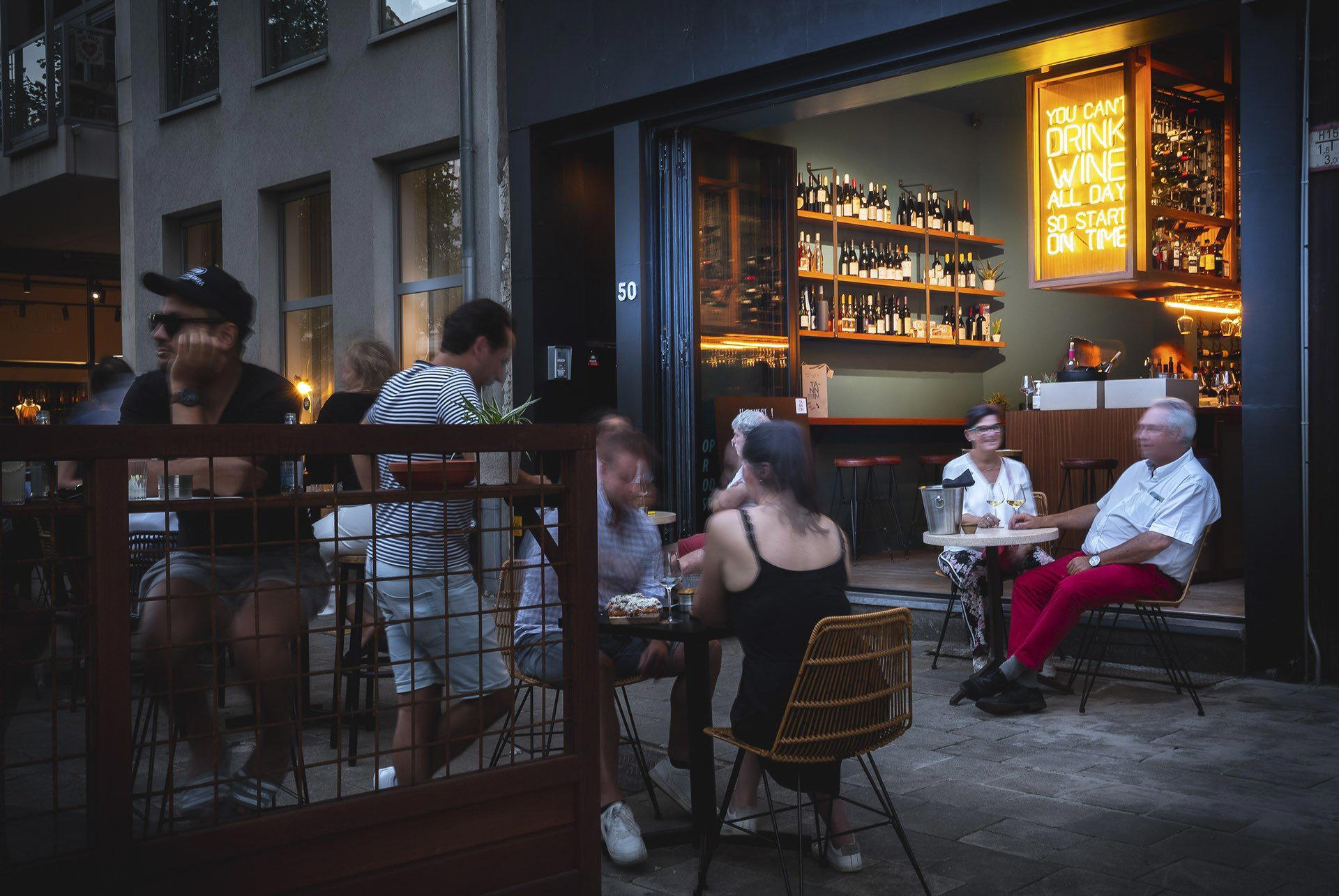

At a Glance
- Trendy
- Elegant
- Modern
- Intimate
- Date Night
- Special Occasion
- Open Kitchen
- Sake Program
- Craft Cocktails
- Local Sourcing
- Garden
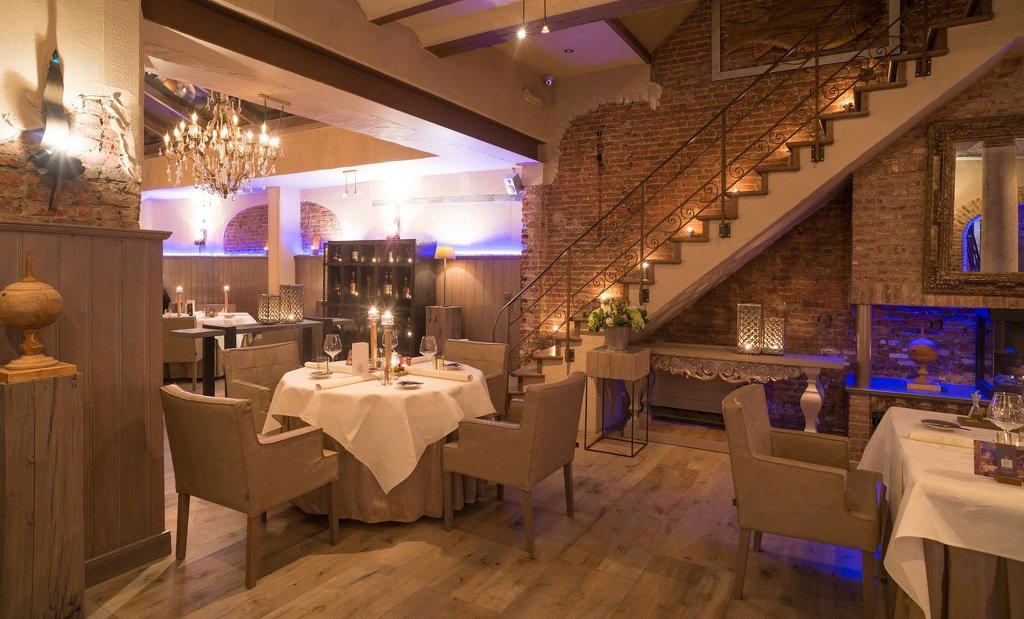
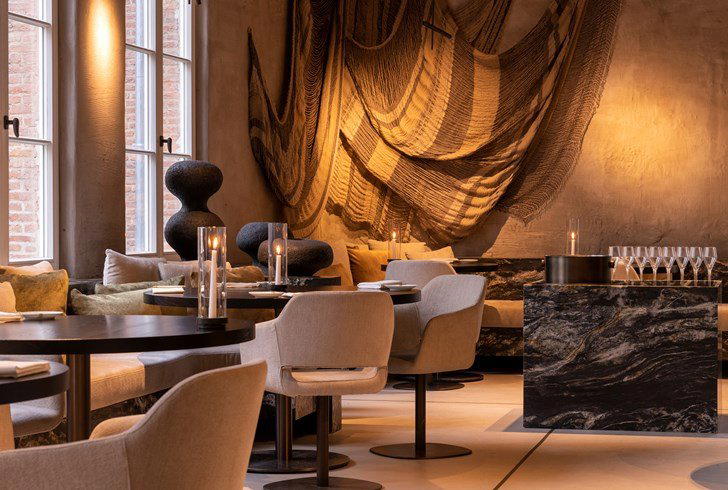
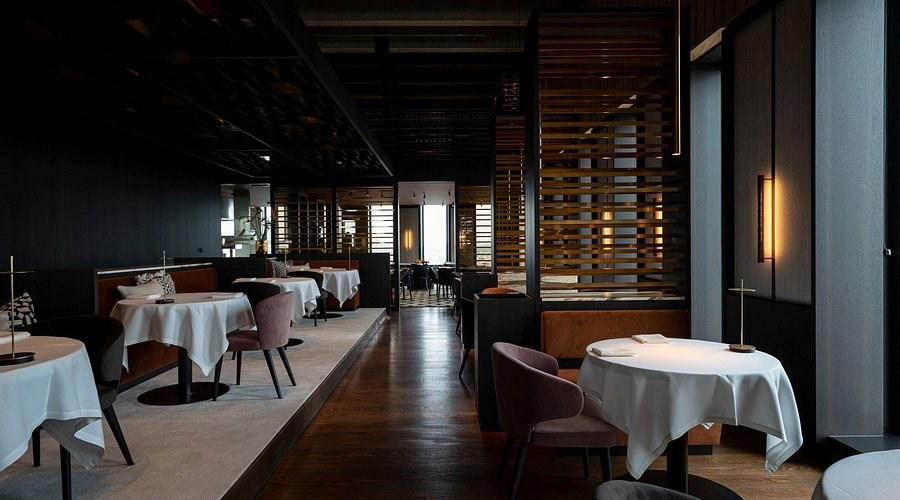
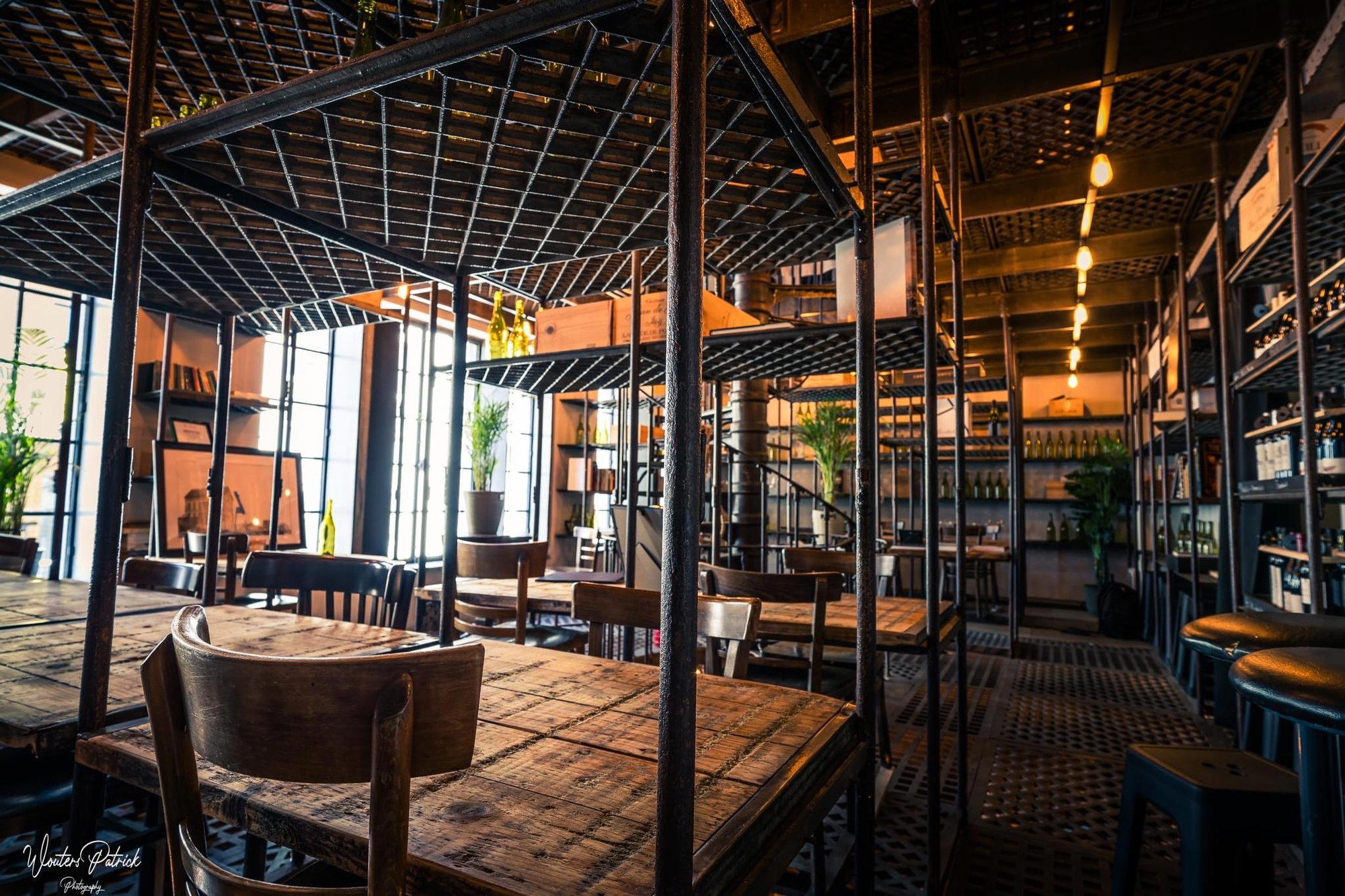
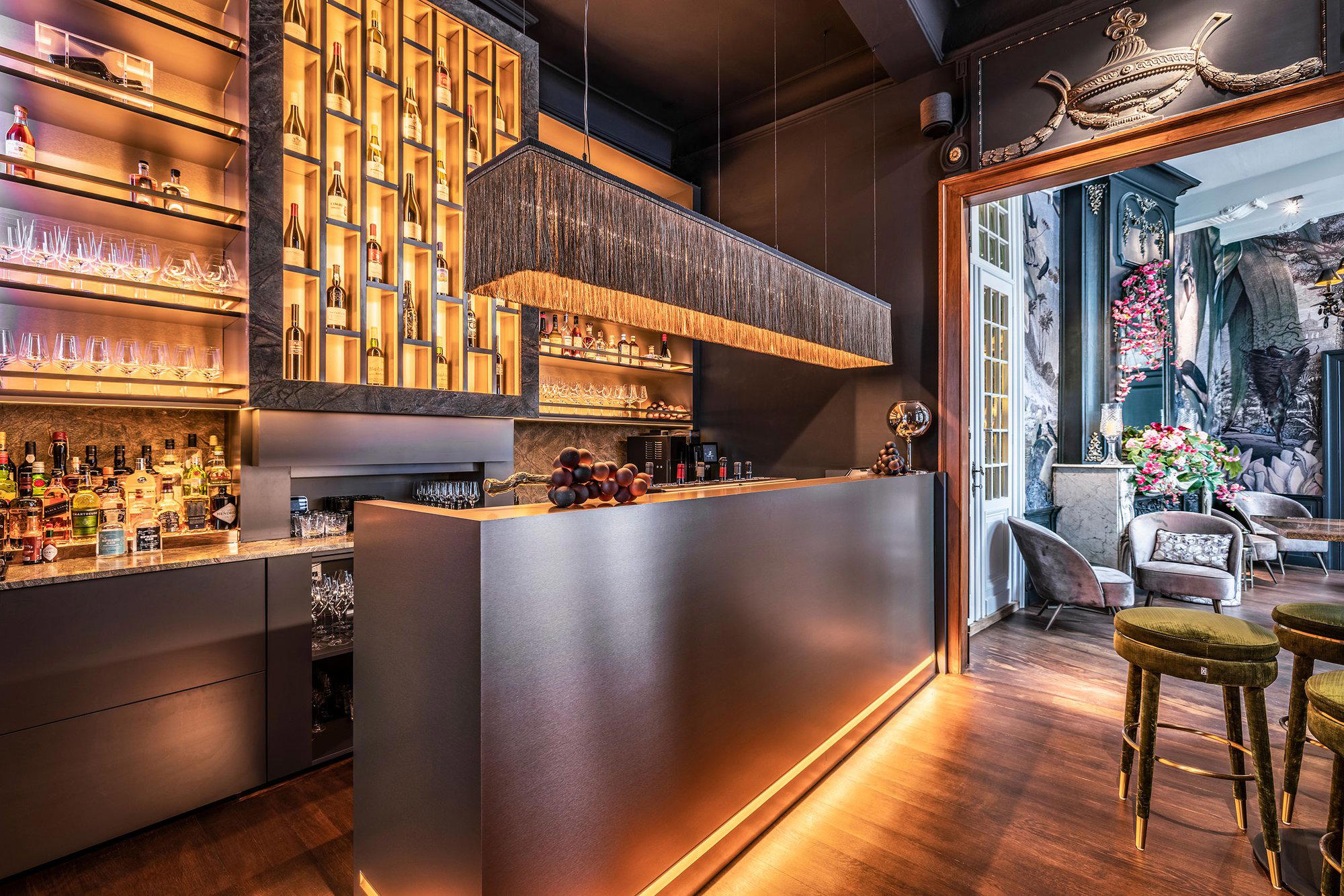
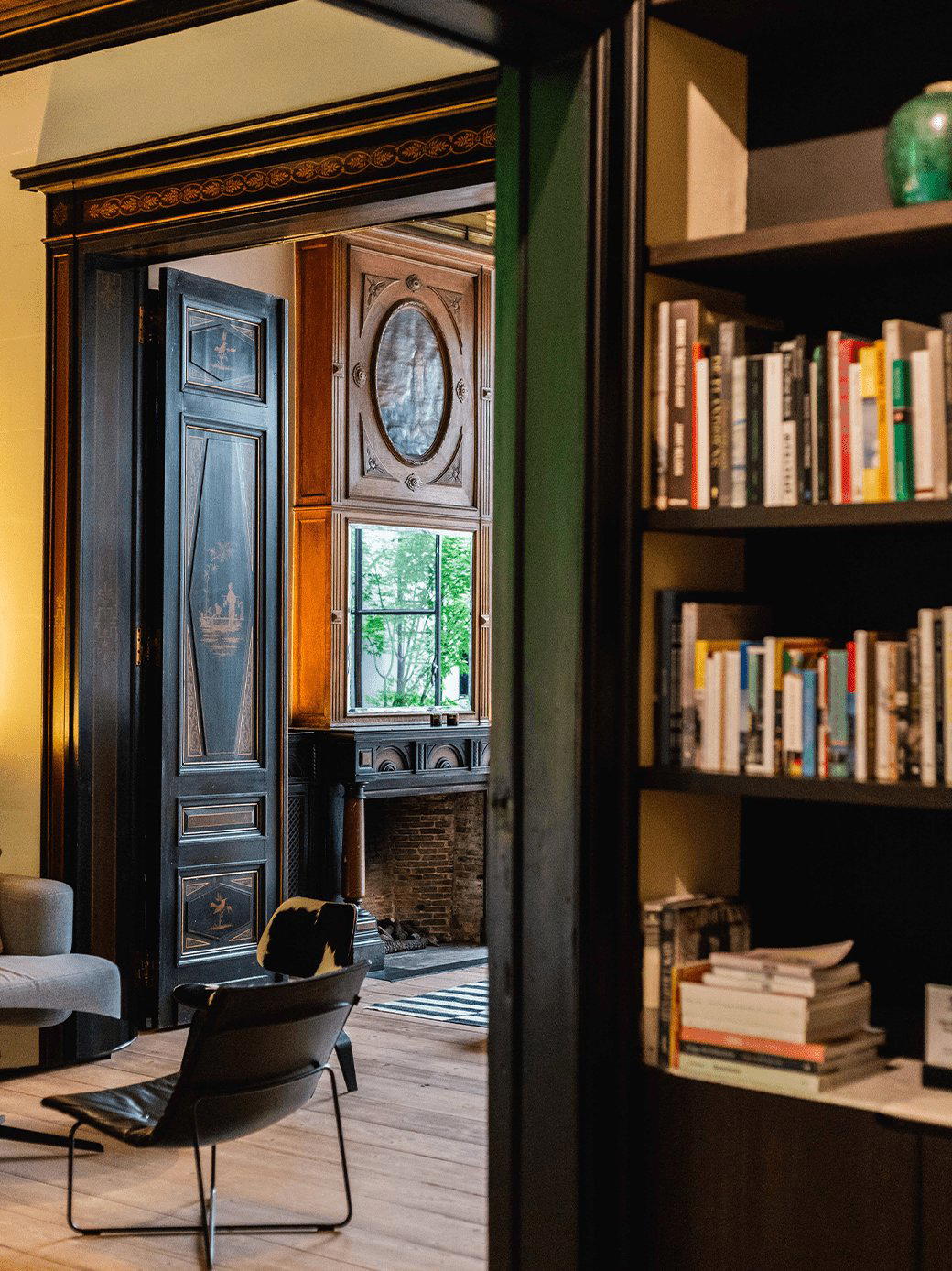
Elegant and refined interior with a warm, pleasant atmosphere, open kitchen, and trendy cocktail bar leading to a manicured garden.