
Udon Ubara belongs to Osaka’s serious noodle culture: small-room, high-turnover, craft-led, and more disciplined than the city’s louder eating clichés suggest. Its repeated Tabelog 100 Udon selections place it among western Japan’s closely watched udon specialists, with a format that rewards diners who understand that simplicity, portion control, and daily noodle production can be a form of restraint.
Pearl is the En Primeur Club membership app — saves, bookings, and concierge access live there. Same editors, same standards.
- Address
- 大阪府大阪市天王寺区東高津町9-19
- Phone
- +81667643157
- Website
- tabelog.com
 Saves & bookings on Pearl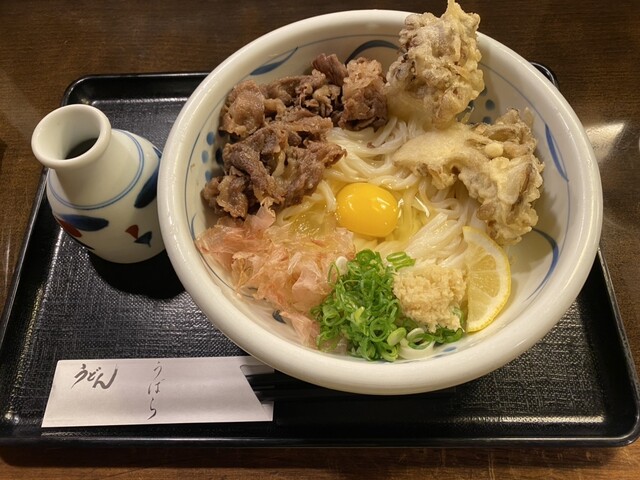
Approaching a compact udon room in Tennoji, the cues are modest rather than theatrical: a short frontage, a practical waiting system, and the low hum of diners moving through lunch with purpose. Osaka often sells itself through neon, sauce, and abundance, but its noodle culture works on a quieter register. The serious udon counter is built around repetition, not spectacle: flour, water, timing, broth, and the discipline to stop service when the day’s supply is gone.
That rhythm matters in a city where casual dining can be mistaken for looseness. Udon shops at this level are closer to craft workshops than convenience stops. Udon Ubara’s selection for Tabelog 100 Udon WEST 2024, alongside earlier selections in 2017, 2018, 2019, 2020, and 2022, gives it a public benchmark in a category where small differences in texture and pacing decide reputation. The award matters less as decoration than as evidence of consistency across years in a field with little room for disguise.
Osaka udon at a scale where restraint does the work
Udon in western Japan is often judged through balance rather than excess. Kansai’s noodle culture tends to prize clarity, elasticity, and broth that supports rather than overwhelms. That makes the format naturally resistant to wasteful overproduction: a small kitchen, a short service window, and noodles made for the day create a hard limit on volume. In practical terms, environmental consciousness here is not expressed through slogans. It appears in the economics of a compact operation where ingredients, seats, and service are tightly matched.
The room’s 15-seat scale reinforces that logic. Counter seating keeps the exchange direct, while a single table softens the format enough for small groups and families. This is not a luxury model translated into noodles; it is the opposite, a low-price craft category that depends on throughput, concentration, and minimal slack. Compared with Osaka’s grill-led and sauce-heavy staples, including the broader comfort-food register represented by 551 Horai (551蓬莱) or the okonomiyaki culture around Okonomiyaki Ajikuraya, udon asks for a different kind of attention. The pleasure is in calibration rather than accumulation.
That distinction helps explain why Udon Ubara sits apart from nearby higher-spend Japanese dining such as Hozan or meat-focused counters such as Yakiyaki Okamoto. Those formats can carry ceremony, alcohol, and longer dwell time. A serious udon shop has fewer moving parts and less margin for performance. The bowl has to justify the queue, the turnover, and the reputation without the cover of a tasting menu or a wine list.
Why the queue system says as much as the bowl
Osaka’s better casual restaurants often reveal their values through logistics. A written-name waiting system is a small but telling piece of crowd management: it reduces disorder, avoids a visible line pressing against the room, and keeps service focused. For diners, it also signals a local etiquette. This is not a place to treat lunch as open-ended grazing. It is a finite daily service, organized around the kitchen’s pace.
The no-reservations model also changes the audience. It makes the room accessible to solo diners and families rather than only to itinerary planners, while still rewarding those who understand timing. In a city with polished Italian rooms such as a canto (Italian), Spanish-leaning wine bars such as Ueroku wine, and specialist bakeries such as 52CHO-ME BAKERY, this kind of udon remains one of Osaka’s clearest arguments for everyday craft. It is not casual because it is careless; it is casual because the craft has been compressed into a narrow, repeatable format.
The sustainability angle is strongest when read through that compression. Small seating, cash-based payment, no private rooms, and a service that can end once noodles run out all point to a business model with limited excess. There is no need to invent a farm list or attach fashionable language to it. The form itself is lean. For a traveler used to premium dining as abundance, that can be the lesson: Osaka’s noodle culture often measures seriousness by how little it needs to add.
How to place it in an Osaka dining day
Udon Ubara is best understood as a focused lunch anchor rather than a full-evening destination. Tennoji and Uehommachi sit outside the heaviest tourist circuits of Namba and Umeda, which gives the meal a more local cadence. The nearby station access makes it easy to fold into a day of temples, shopping, or south-city wandering, but the better strategy is to make the noodle stop the fixed point and let the rest of the day move around it.
For a broader Osaka itinerary, the contrast is useful. Pair a craft udon lunch with pizza at 99 Pizza Napoletana Gourmet, coffee at .cafe, or a separate night built around the city’s bars and hotels. The wider EP Club Osaka coverage maps those decisions across Our full Osaka restaurants guide, Our full Osaka hotels guide, Our full Osaka bars guide, Our full Osaka wineries guide, and Our full Osaka experiences guide.
Outside Osaka, the same logic of specialist formats appears in different forms: beef sukiyaki at -Grilled beef Sukiyaki- KAMAKURA TANUKIAN 鎌倉 たぬき庵 in Kamakura, tuna and charcoal cooking at. 鮪と炭火焼き うお炭 秋葉原店 in Tokyo, tightly defined casual dining at.know in Kumamoto, Vietnamese cooking at (Shoku) Vietnam in Kawasaki, curry specialization at [Curry Senmon Ten] Maruyama Kyoju. in Sapporo, Kyoto precision at [ki:] in Kyoto, sake-bar dining at Jōdo Saké Bar in Los Angeles, and rice-ball minimalism at Onigiri Time in Pasadena. The common thread is not luxury. It is focus, and Osaka’s udon culture gives that focus one of its plainest, most persuasive forms.
Comparison Snapshot
Comparable venues side-by-side for orientation.
| Venue | Cuisine | Price | Notes |
|---|---|---|---|
| Udon UbaraThis venue — the venue you are viewing | Japanese Udon | $$ | Not listed |
| Yakiniku Horumon Mansen | Yakiniku & Horumon Japanese BBQ | $$ | Chūō |
| Udon Izakaya Mugiwara | Udon-focused Japanese Izakaya | $$ | Higashinari |
| Ninniku Tori Yakiniku San | Garlic Chicken Yakiniku & Yakitori Izakaya | $$ | Tennōji |
| MUGUNI | Omurice-focused Yoshoku (Japanese Western-style) | $$ | Chūō |
| Miyabi Tei | Japanese Teppanyaki | $$ | Kita |
Recognition history
Dated appearances from independent guides and award organizations, with the underlying list record or original source where available.
Tabelog 100 #20 · No. 20
Tabelog · Tabelog 100 - Udon - WEST - 2024
Continue exploring
More in Osaka
Restaurants in Osaka
Browse all →




Bars in Osaka
Browse all →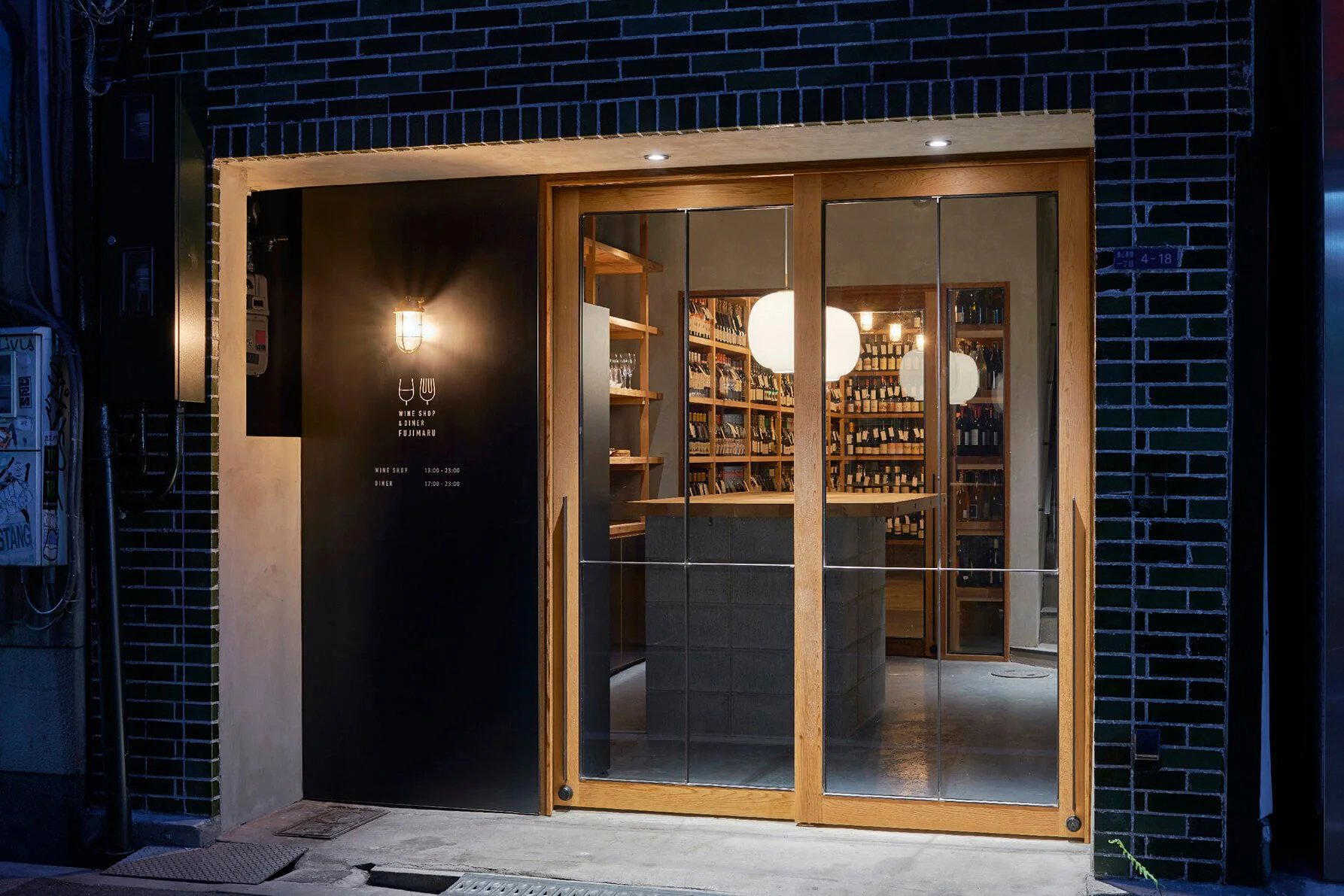
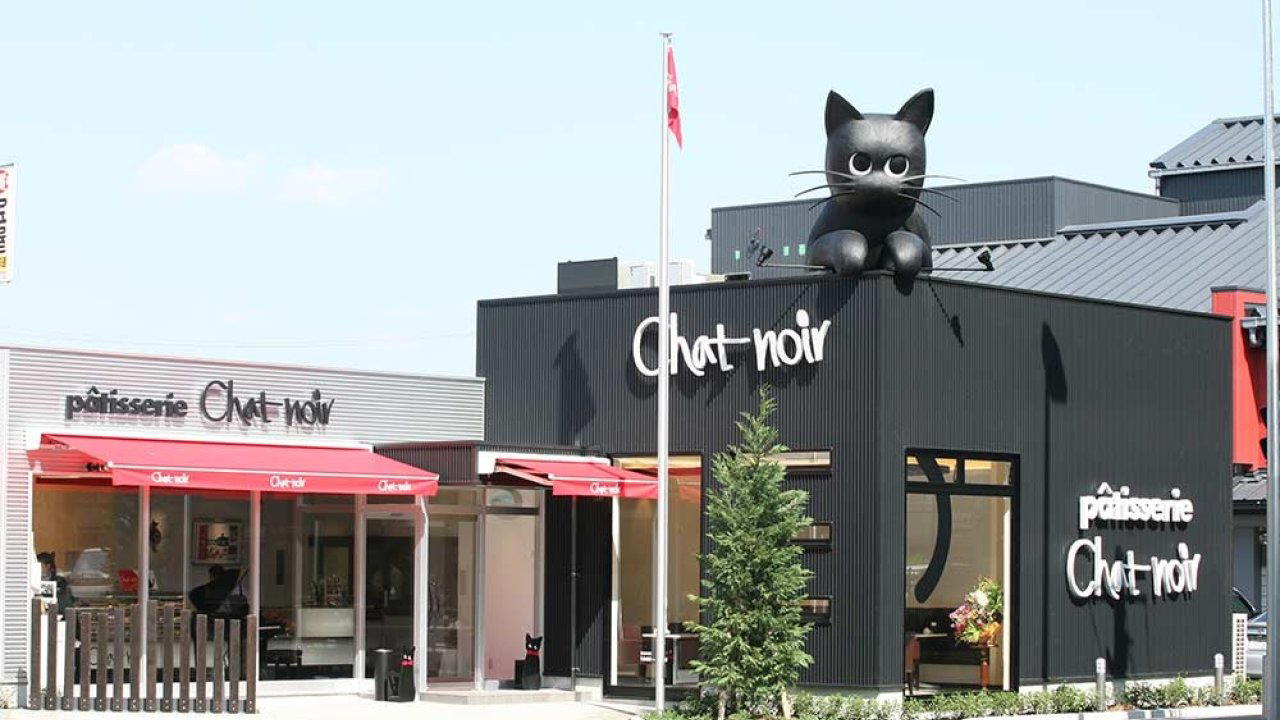

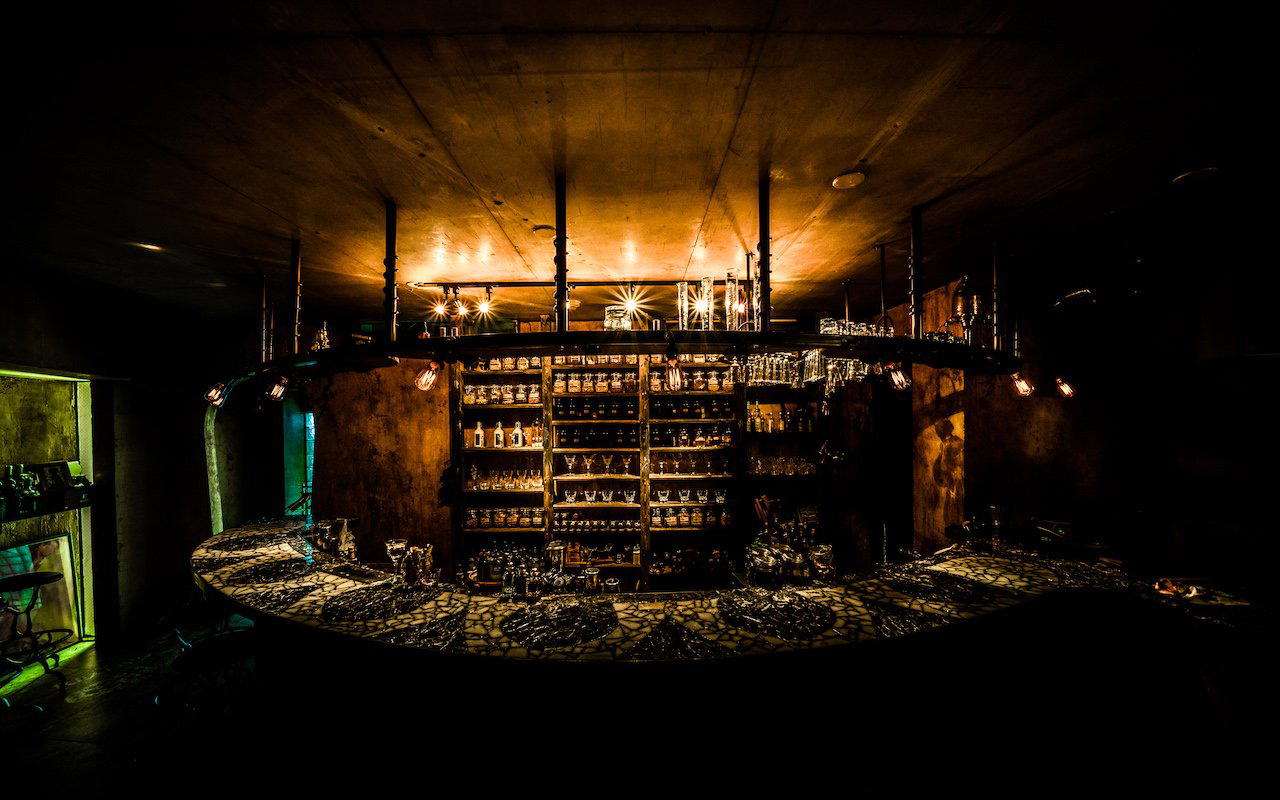
Hotels in Osaka
Browse all →



Wineries in Osaka
Browse all →
At a Glance
- Classic
- Cozy
- Intimate
- Solo
- Family
- Casual Hangout
- Standalone
Small, no-smoking, counter-focused neighborhood noodle shop with a casual, efficient, quietly popular feel.