The Kitchen American Bistro
On the edge of Austin's downtown grid, The Kitchen American Bistro at 400 W 6th Street occupies the kind of mid-scale bistro position that the city's dining scene has long needed more of — a step above casual, a step below the tasting-menu tier. For regulars drawn to consistent American bistro cooking in a neighbourhood moving fast, it functions as a reliable anchor in a corridor increasingly defined by churn.
Pearl is the En Primeur Club membership app — saves, bookings, and concierge access live there. Same editors, same standards.
- Address
- 400 W 6th St #125, Austin, TX 78701
- Phone
- +17373872200
- Website
- thekitchen.com
- Directions
- Get directions
 Saves & bookings on Pearl
Where West 6th Meets the Everyday American Table
West 6th Street in Austin has spent the better part of a decade sorting itself out. The corridor that once ran on bar crowds and late-night foot traffic has slowly acquired a secondary layer: neighbourhood restaurants that serve people who actually live within walking distance, not just visitors moving venue to venue on a Friday night. The Kitchen American Bistro, at 400 W 6th Street, occupies that second tier. It sits inside a mixed-use development at address number 125, the kind of location that announces itself quietly rather than with a marquee presence on the main strip.
The American bistro format — loose, approachable, built around a recognisable repertoire of proteins, seasonal sides, and a short but functional drinks list — has become one of the more durable formats in mid-sized American cities. It is not the format that generates press coverage or awards attention. What it generates is return visits. That distinction matters more than it sounds.
The Logic of the Regular
Restaurants built for regulars operate on a different contract than destination dining. At the tasting-menu end of Austin's scene, where venues like Hestia and Barley Swine have built deliberate, curated experiences around live-fire cooking and New American technique respectively, the visit is an event. You plan around it, you dress accordingly, you arrive with expectations calibrated by the menu you read online two weeks ago. The American bistro is the opposite proposition. The regulars who return weekly or bi-weekly are not returning because the menu surprised them. They are returning because it did not.
This is not a criticism. The culinary infrastructure of any functioning neighbourhood depends on restaurants that absorb a Tuesday dinner, a working lunch, a post-work drink with something to eat alongside it. Austin's more celebrated openings, Craft Omakase for the Japanese counter format, InterStellar BBQ and la Barbecue for the wood-smoke tradition the city built its food reputation on, serve specific occasions. The bistro format serves the other occasions.
What regulars at this category of venue tend to value is threefold: consistency in execution, a room that does not require you to perform, and a price point that does not make the decision to go out feel like a calculation. At the mid-scale bistro tier, those three qualities together are harder to maintain than any single ambitious dish.
Austin's Mid-Scale Dining Gap
For a city that has seen significant restaurant growth over the past decade, Austin has historically been stronger at the extremes than in the middle. The barbecue tradition, represented at the serious end by venues with multi-hour queues and national coverage, anchors the accessible end. The upscale tasting-menu and modern American tier has expanded steadily, with Austin now drawing comparisons to cities like San Francisco, where Lazy Bear occupies a similar creative-American position, or Chicago, where Alinea defines the avant-garde ceiling.
What Austin has had less of, relative to its population and pace of residential growth, is the reliable middle: sit-down American cooking at a price point that works for a neighbourhood regular, not just a special occasion. The American bistro category fills that gap, and venues operating in that format along corridors like West 6th are absorbing demand that neither the queue-based barbecue model nor the reservation-only fine dining model can serve.
Nationally, the bistro format has proven durable in cities that have gone through rapid demographic growth. New Orleans, where Emeril's helped establish the idea of chef-driven American cooking as an accessible institution rather than a formal occasion, demonstrated early that the format could carry real culinary ambition without requiring the apparatus of a tasting menu. Los Angeles and New York have sustained parallel bistro traditions alongside their headline destinations. Austin is, by comparison, still building that layer.
The Unwritten Menu
Every restaurant that develops a regular clientele eventually acquires what might be called an unwritten menu: the dishes that do not change regardless of seasonal adjustments, the timing rituals that regulars know but visitors do not, the table preferences that staff accommodate without being asked. At a venue like The Kitchen American Bistro, where the format is built around familiarity rather than novelty, that unwritten layer is arguably the most important product on offer.
The challenge for any bistro operating in a high-churn neighbourhood is maintaining that layer while the surrounding area turns over. West 6th has seen significant development and new openings in recent years. For a venue to develop a loyal regular base in that context, it needs to hold a consistent identity, in format, price, and service register, long enough for the neighbourhood to learn it. That process takes longer than most restaurant commentary acknowledges.
For context on what American bistro cooking looks like when it scales toward the highest end of the format, venues like Blue Hill at Stone Barns in Tarrytown and Single Thread Farm in Healdsburg represent the farm-to-table ceiling. At the other end of the American fine dining register, The French Laundry in Napa and The Inn at Little Washington define the classical American tasting-menu tradition. The bistro format occupies a deliberately different space from all of these, less structured, more habitual, and in its own way more useful.
For a broader map of where The Kitchen American Bistro sits within Austin's full dining range, from the city's New American leaders to its barbecue institutions, see our full Austin restaurants guide.
Know Before You Go
Address: 400 W 6th St #125, Austin, TX 78701
Neighbourhood: West 6th Street corridor, central Austin
Format: American bistro; mid-scale, neighbourhood-oriented
Hours: Confirm with venue before visiting
Parking: Mixed-use development on W 6th; street parking and garages available in the immediate block
Continue exploring
More in Austin
Restaurants in Austin
Browse all →
Bars in Austin
Browse all →
Hotels in Austin
Browse all →

At a Glance
- Romantic
- Lively
- Modern
- Cozy
- Trendy
- Date Night
- Group Dining
- Celebration
- Brunch
- Open Kitchen
- Private Dining
- Craft Cocktails
- Local Sourcing
- Farm To Table
Current opening hours
- Monday
- 11 AM–3 PM, 5–10 PM
- Tuesday
- 11 AM–3 PM, 5–10 PM
- Wednesday
- 11 AM–3 PM, 5–10 PM
- Thursday
- 11 AM–3 PM, 5–10 PM
- Friday
- 11 AM–3 PM, 5–10 PM
- Saturday
- 10 AM–3 PM, 5–10 PM
- Sunday
- 10 AM–3 PM, 5–10 PM
Hours can change for holidays and private events. Last verified .
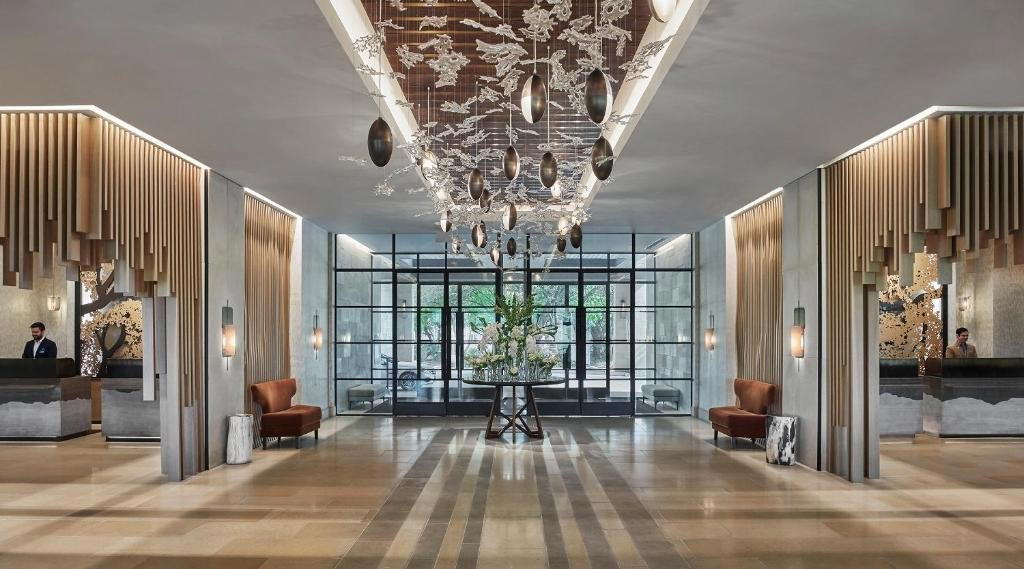
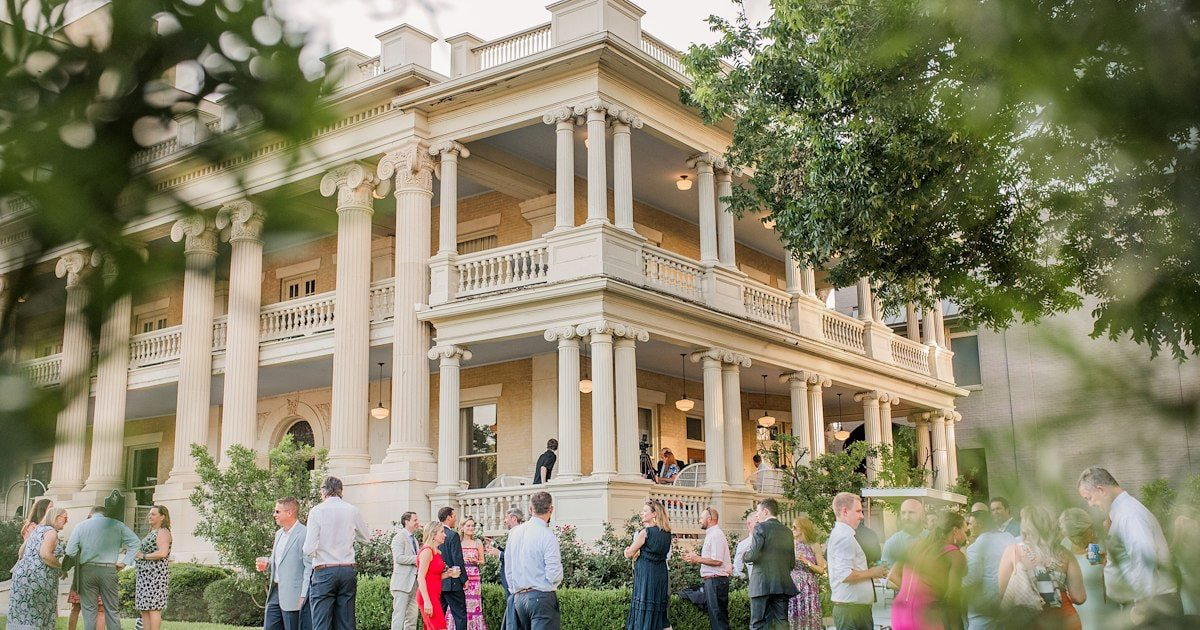
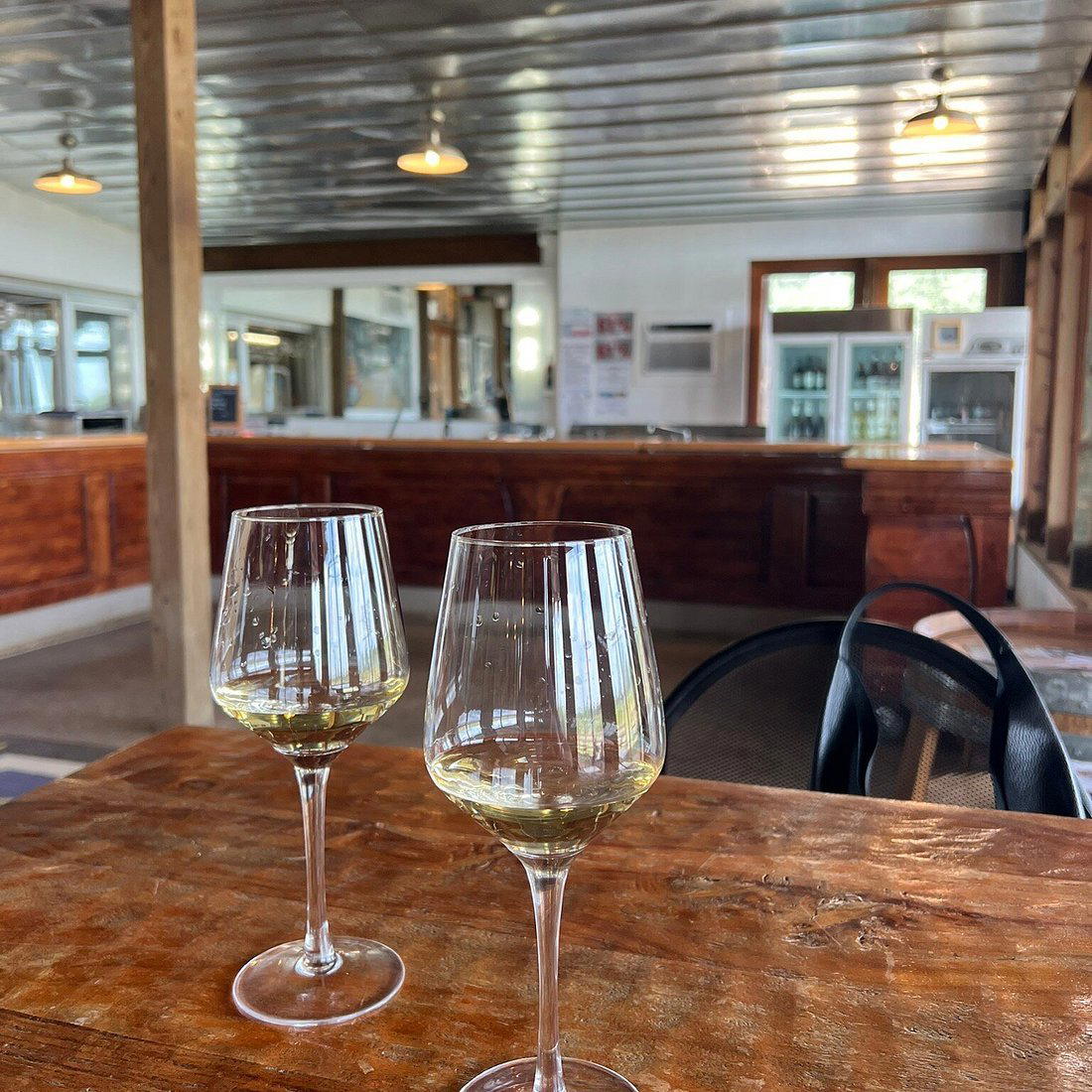
Polished yet inviting atmosphere with a romantic and nightlife feel, designed as a space where friends meet and loved ones celebrate special moments.
Know Before You Go
- Getting there
- 400 W 6th St #125, Austin, TX 78701