Aburi TORA Sushi
Aburi TORA Sushi brings Japanese sushi into Austin’s casual, social dining rhythm, where the appeal sits less in ceremony than in the shared pace of ordering, passing plates, and drinking alongside rice, fish, and fire. With no public awards, chef details, price range, or booking format listed, it is better read as a city sushi option than a trophy-counter destination.
Pearl is the En Primeur Club membership app — saves, bookings, and concierge access live there. Same editors, same standards.
- Address
- Austin, United States
- Website
- aburitoraus.com
 Saves & bookings on Pearl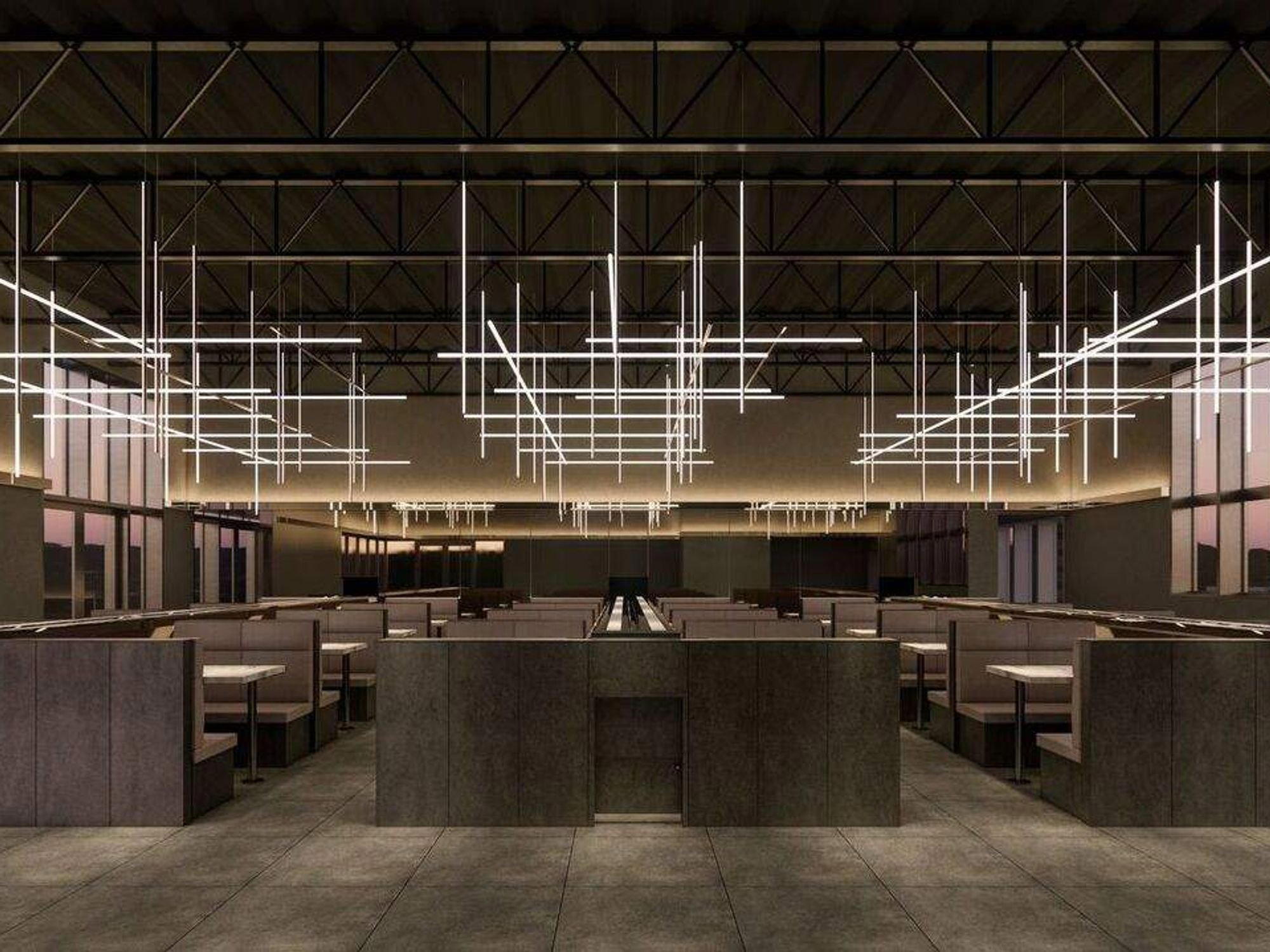
The first read on Aburi TORA Sushi is not the hushed ritual of a formal omakase room. It belongs to a looser Austin register: sushi as a social meal, paced around conversation, repeat ordering, and the kind of table energy closer to izakaya culture than temple-like counter worship. That distinction matters in a city where Japanese dining often has to translate itself for guests moving between tacos, barbecue, cocktail bars, and late dinners rather than a single inherited dining code.
Aburi, the Japanese technique of flame-searing, changes the temperature and tone of sushi. It softens the binary between raw and cooked, putting aroma, fat, and char into play without abandoning the rice-and-fish structure. In American cities, that format has become a bridge for diners who want sushi but not necessarily the strict minimalism of Edomae service. In Austin, where communal eating has long been part of the city’s restaurant grammar, that bridge is especially useful.
Flame-seared sushi in a city built for shared ordering
Austin’s dining culture rewards flexibility. Groups tend to order across the table, mix cuisines in a single night, and treat restaurants as part of a wider social circuit rather than a fixed ceremony. Sushi can work in that rhythm when it avoids turning every decision into a lecture. The aburi style gives the meal a clear anchor: heat, texture, and a more immediate aromatic profile than pristine raw fish alone.
That does not make the format casual in the sense of careless. Sushi still depends on rice temperature, knife work, sourcing discipline, and timing. But the social contract is different from a locked tasting counter. The meal can move through nigiri, rolls, small plates, and drinks without requiring every guest to want the same sequence. For Austin diners, that flexibility is often the point.
This is not a page built around Michelin stars, a famous apprenticeship, or a documented tasting-menu price. The more useful frame is category fit: Japanese sushi in Austin with an aburi cue, positioned for diners who want a sushi meal that can carry a group rather than a solitary pilgrimage.
The izakaya logic: drink, share, repeat
Izakaya culture is often flattened abroad into “Japanese pub,” but the better definition is behavioural. It is a way of eating that privileges tempo over hierarchy: a drink arrives, a few plates follow, the table adjusts, and the meal lengthens or contracts according to the night. Sushi restaurants outside Japan borrow from that rhythm when they make room for mixed ordering rather than insisting on a single chef-led progression.
That is where Aburi TORA Sushi fits most cleanly in Austin. The draw is not a publicly documented accolade list; none is listed. Nor is it a chef-driven biographical story; no chef name is publicly attached here. The draw is the compatibility between aburi sushi and Austin’s group-dining habits. Flame-seared pieces carry enough richness to sit beside drinks, while the sushi format keeps the meal lighter than a full cooked Japanese spread.
Readers planning a broader Austin food itinerary can use the city’s range to understand the contrast. The full picture runs from restaurants such as 1618 Asian Fusion to casual American anchors like 24 Diner (Diner), coffee stops including 2nd & Roast Coffee Bar, and downtown listings such as 44 East Ave #100 and 5th Street Diner. For wider planning, see Our full Austin restaurants guide, Our full Austin hotels guide, Our full Austin bars guide, Our full Austin wineries guide, and Our full Austin experiences guide.
How to read it within the wider Japanese dining conversation
The broader Japanese dining map helps clarify the category. Sake-led rooms, rice-specialist counters, vegan Hawaiian-Japanese cooking, and formal sushi traditions all speak different dialects of the same larger cuisine. EP Club’s wider archive includes Jōdo Saké Bar in Los Angeles, Onigiri Time in Pasadena, ¿Por Qué No? in Portland, 'Ai Love Nalo in Waimanalo Beach, 'āina in San Francisco, 'Ama 'Ama in Kapolei, Bonsai, Japanese sushi in Phoenix, and Edomae Sushi Matsuki, Japanese Sushi in Bratislava. Those links are not local; they show how broad the Japanese and Japanese-adjacent dining field becomes once it leaves a single city.
The useful editorial verdict is restrained. Aburi TORA Sushi is a Japanese sushi address in Austin whose strongest lens is social rather than ceremonial: a place to think about flame-seared sushi as part of the city’s communal eating culture. Diners looking for published awards, named chef pedigree, fixed pricing, or a documented counter format will not find those signals attached here. Diners looking for sushi that aligns with Austin’s share-and-drink rhythm have a clearer reason to pay attention.
Comparable Venues Nearby
Comparable venues nearby, for context on price, style, and recognition.
| Venue | Cuisine | Price | Notes |
|---|---|---|---|
| Aburi TORA SushiThis venue — the venue you are viewing | Modern Aburi Sushi & Conveyor‑Belt Japanese | $$$ | Not listed |
| Ramen Tastuya | Tonkotsu Ramen | $$ | Wooten |
| Top Roe | Yōshoku Japanese Izakaya & Handroll Bar | $$$$ | Warehouse District |
| Otoko | Modern Japanese Omakase | $$$$ | South River City |
| Grizzelda's | Central & Coastal Mexican with Tex-Mex | $$$ | Govalle |
| Bulevar Mexican Kitchen | Contemporary Mexican | $$$ | Arboretum |





At a Glance
- Modern
- Trendy
- Energetic
- Sophisticated
- Casual Hangout
- Group Dining
- After Work
- Date Night
- Standalone
- Design Destination
- Sake Program
- Craft Cocktails
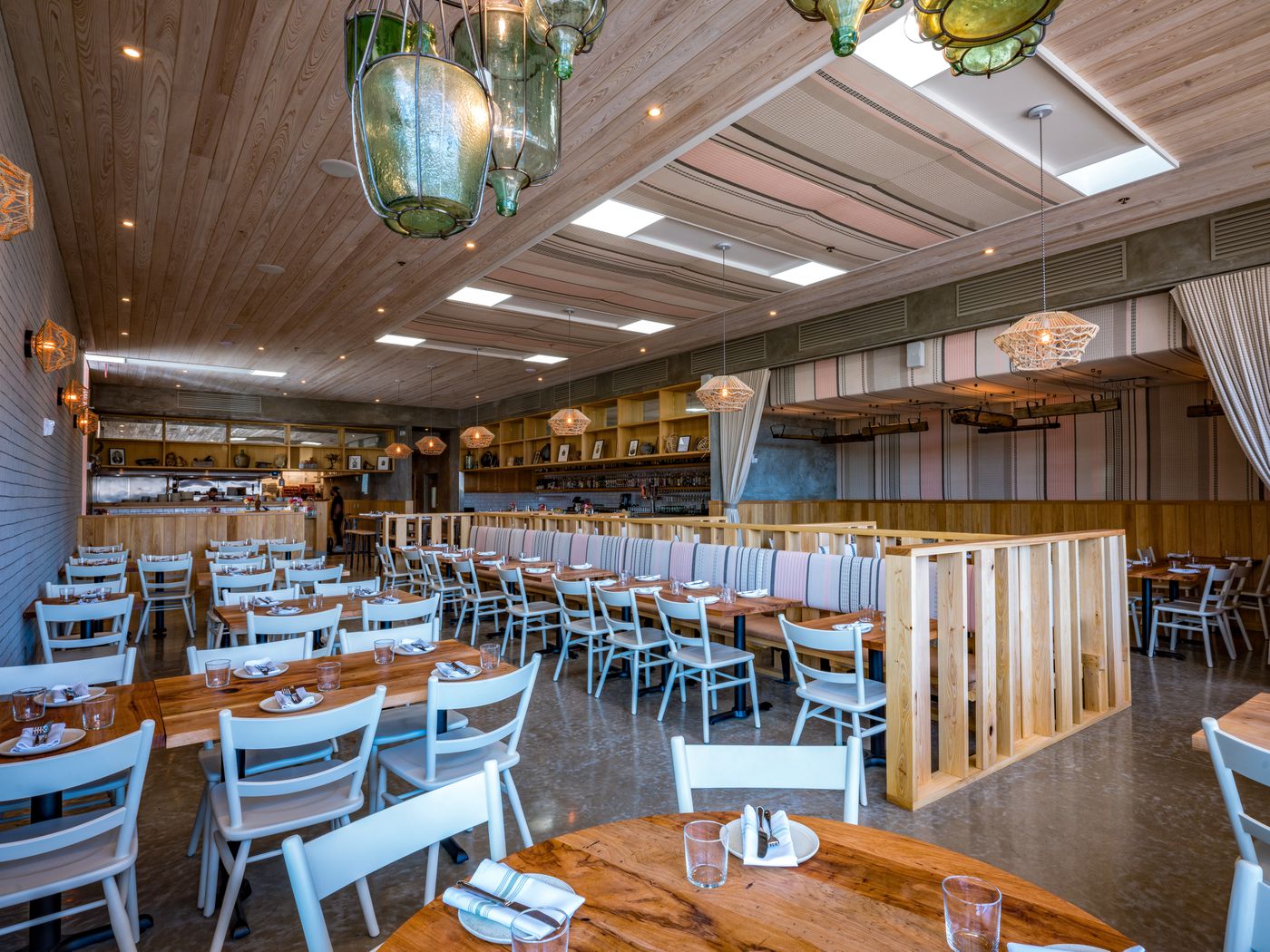
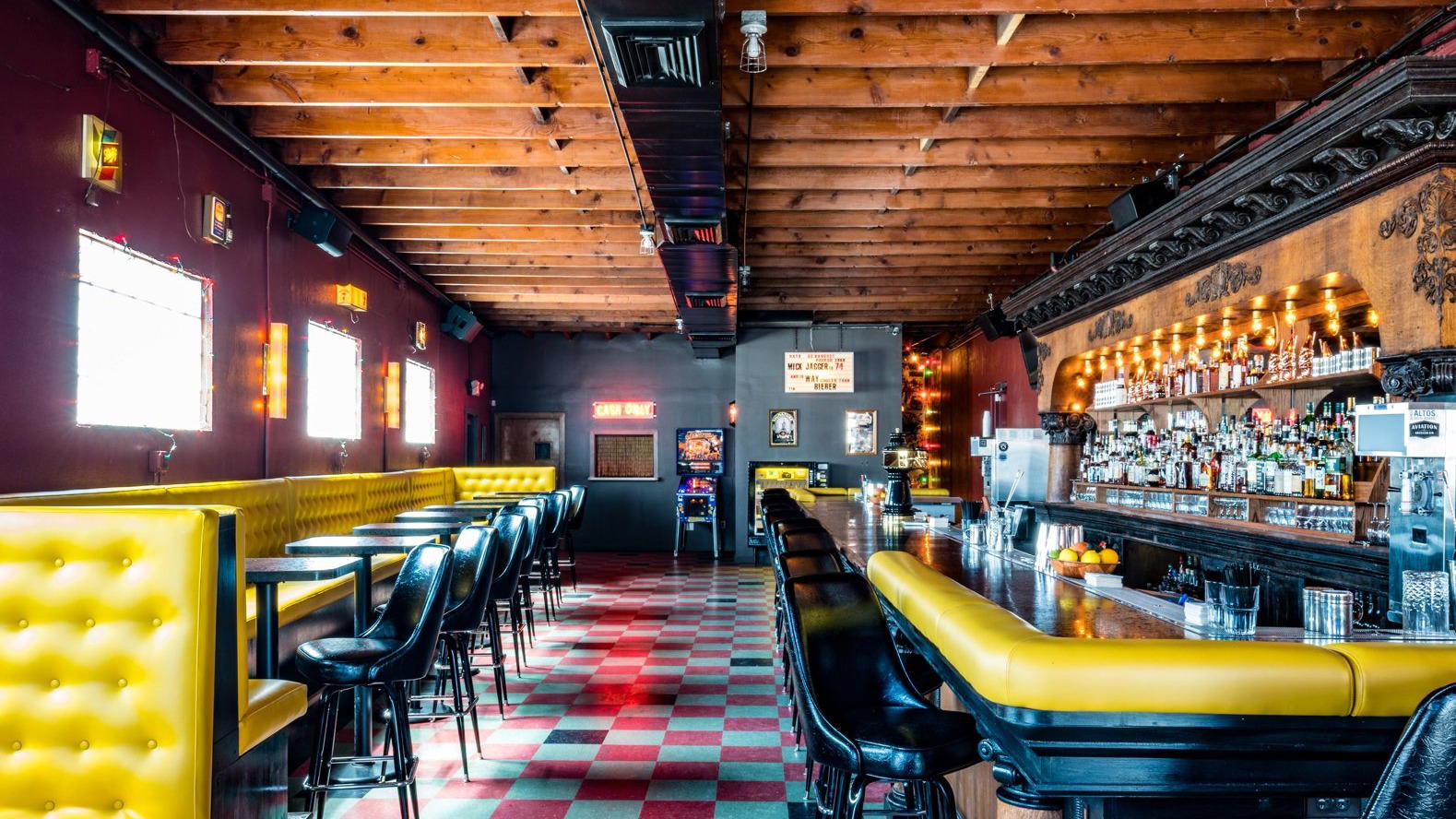
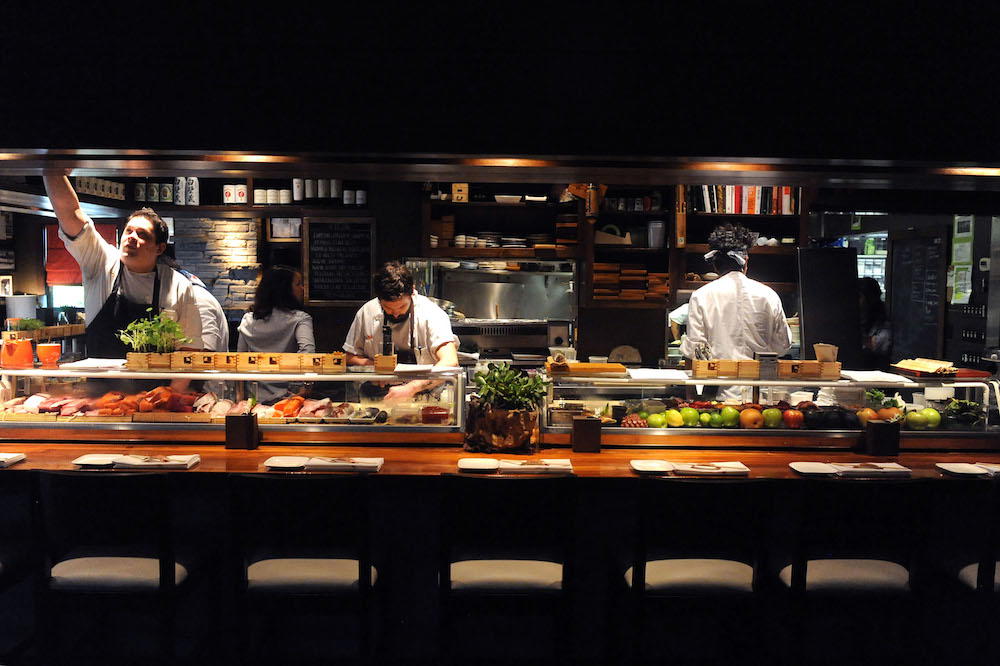
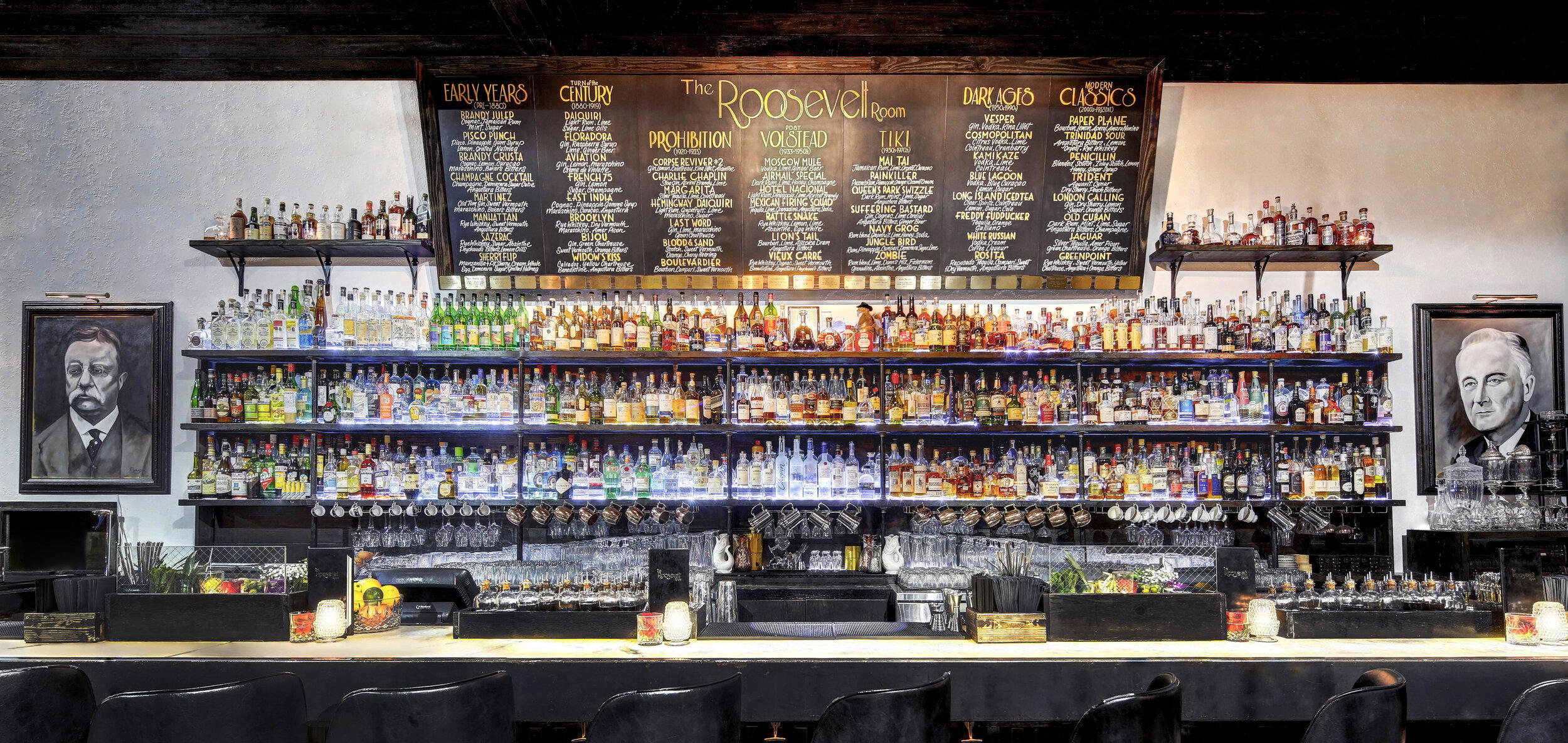
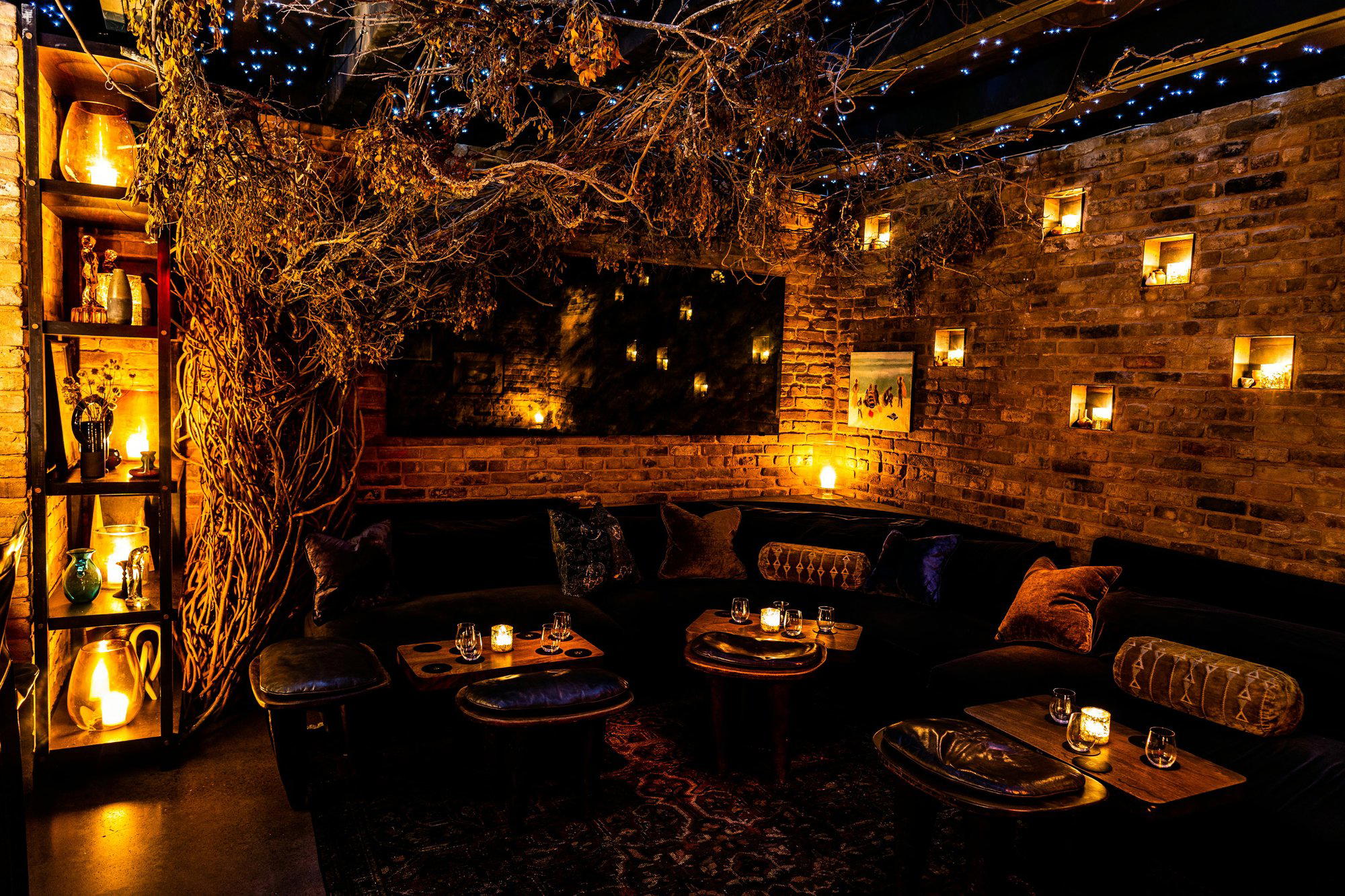
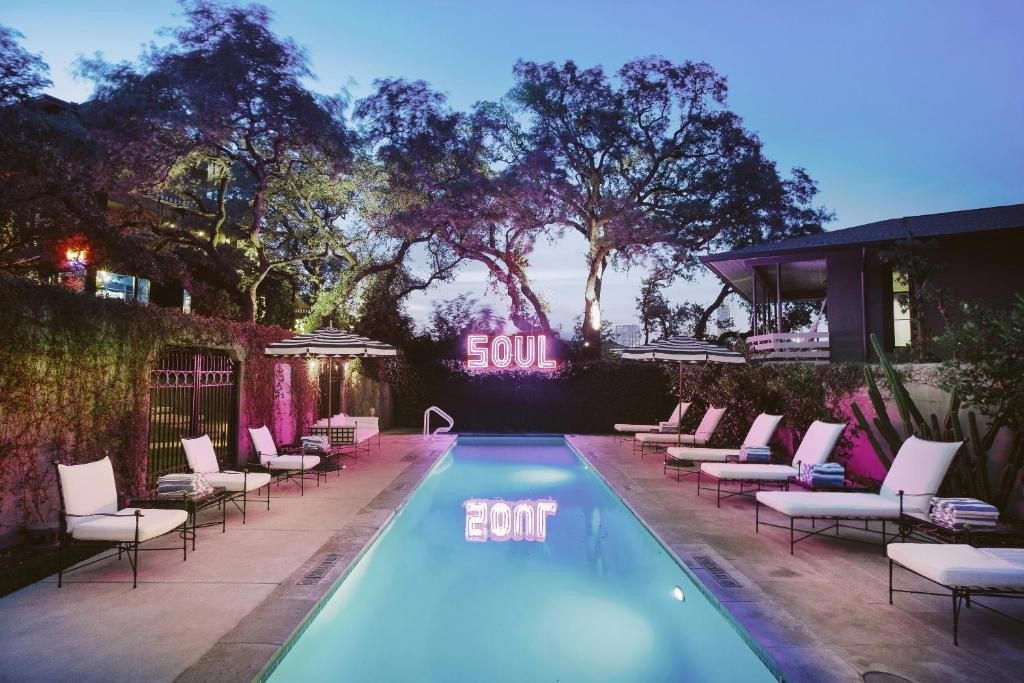
Contemporary, technology‑forward Japanese space with energetic conveyor‑belt service, sleek modern design, and a lively atmosphere suited to casual but polished nights out.