The Uchi brand's Philadelphia outpost brings the Austin-originated, ingredient-driven Japanese format to a city still building its high-end sushi tier. Expect the same raw-material focus and modern omakase sensibility that established sister locations in Washington and Bethesda as reference points in the mid-Atlantic sushi conversation. Reservations are the practical starting point for planning a visit.
Pearl is the En Primeur Club membership app — saves, bookings, and concierge access live there. Same editors, same standards.
- Address
- Philadelphia, United States
- Website
- uchi.uchirestaurants.com
 Saves & bookings on Pearl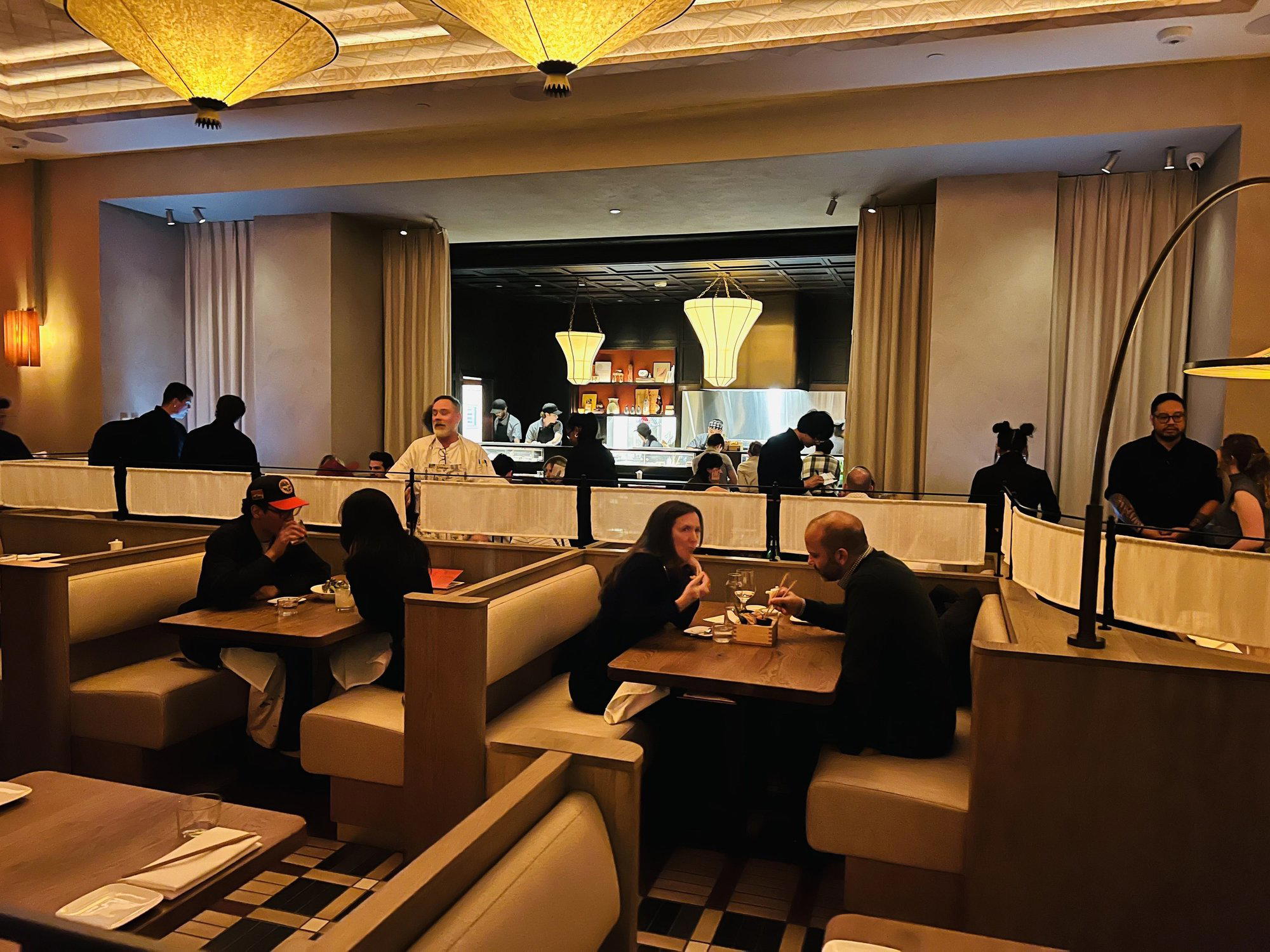
Where Philadelphia's Sushi Tier Is Heading
Philadelphia's fine-dining scene has spent the last decade strengthening its New American foundations, with places like Fork and Friday Saturday Sunday anchoring a serious, ingredient-led conversation in the New American register. Japanese fine dining, however, has occupied a thinner tier in the city's restaurant geography. High-end sushi in Philadelphia has historically meant a handful of capable omakase counters operating at a price point well below what comparable seats command in New York or Washington. That gap is beginning to close, and the arrival of a Uchi location in the city is among the clearest signals that the market is readjusting.
The Uchi brand originated in Austin under chef Tyson Cole, whose training under Takehiko Fuse established a lineage that distinguishes the group from the more generic upscale-Japanese expansion happening across American mid-size cities. That foundation matters when assessing any new Uchi outpost: the brand's reputation is built on sourcing discipline and a particular approach to raw materials, not on theatrical presentation or tasting-menu maximalism. The Philadelphia location carries that identity into a market where it fills a real gap rather than adding to an already crowded field.
The Ingredient Logic Behind the Format
Across its established locations, Uchi's operational identity is organized around sourcing. This is not the typical restaurant claim that ingredients are fresh and local; it is a structural commitment that shapes menu architecture from the ground up. Fish programs at Uchi restaurants are built around direct supplier relationships with Japanese fish markets and domestic premium sources, meaning what arrives at the counter on a given evening reflects availability rather than a fixed menu printed weeks in advance.
That approach puts Uchi in a specific comparable set when comparing it to other serious Japanese formats in the mid-Atlantic region. The Washington Uchi and the Bethesda area offshoot both operate within the same sourcing framework, which gives the Philadelphia opening a documented reference point for quality expectations rather than requiring diners to take a new restaurant on faith alone. Comparing the Philadelphia entry to those locations is especially useful calibration exercise for anyone familiar with the brand.
The ingredient-forward model also explains why Uchi menus tend to read as more seasonally volatile than the fixed-format omakase counters common in New York's Ginza-trained tier. Seasonal produce, sourced as close to peak ripeness as possible, rotates through the menu in a way that rewards repeat visits rather than optimizing for the single-visit showcase. Diners accustomed to the structured progression of a traditional Edomae omakase will find the Uchi format somewhat freer, oriented toward flavor rather than ceremonial sequence.
Philadelphia in Context: What This Opening Means
Reading Uchi's Philadelphia arrival in isolation understates its significance for the local dining picture. The city's food scene has been broadening its reference points steadily, with Mawn expanding the Southeast Asian conversation and My Loup pressing the French-leaning fine-dining register. South Philly Barbacoa has long demonstrated that serious sourcing and technique operate outside the white-tablecloth frame entirely. What has been less developed is a premium Japanese format with national brand credentials and a documented sourcing infrastructure.
At the national level, the kind of ingredient-driven Japanese fine dining Uchi represents sits in a conversation that includes tasting-menu destinations like Single Thread Farm in Healdsburg, which applies a similarly obsessive supplier logic to a kaiseki-influenced format, and counter-cultural operators like Lazy Bear in San Francisco, which uses the tasting menu as a vehicle for seasonal narrative. Uchi occupies a distinct position in that conversation: it is more accessible in format than either of those, but no less serious in its approach to raw materials. For Philadelphia diners who have tracked the broader national evolution through visits to Le Bernardin in New York City or Alinea in Chicago, the Uchi opening represents a meaningful domestic addition rather than a distant reference point.
Planning a Visit
The Philadelphia location is a recent opening, and specific operational details including address, seat count, hours, and booking method are not included here. The practical advice for anyone planning ahead is to check directly with the Uchi group for current reservation availability, as new openings in this tier typically fill weeks out during the initial period. Uchi is priced at about $150 per person, placing it in the upper-mid range of the American Japanese dining market.
Philadelphia's dining geography places premium restaurants across several distinct neighborhoods, and the Uchi opening will likely draw from a citywide audience rather than serving a single neighborhood catchment.
For the broader national frame, reference points like Emeril's in New Orleans and The French Laundry in Napa illustrate what it means when a brand-associated format carries serious credentials across multiple markets.
A Lean Comparison
Comparable venues nearby, for context on price, style, and recognition.
| Venue | Cuisine | Price | Notes |
|---|---|---|---|
| UchiThis venue — the venue you are viewing | Not listed | $$$$ | Not listed |
| Morimoto | Old City, Contemporary Japanese | $$$$ | Not listed |
| Double Knot | Not listed | $$$ | Washington Square West, Modern Japanese Izakaya |
| 637 Philly Sushi Club | Not listed | $$$$ | Northern Liberties, Exclusive Omakase Sushi |
| Emilia | East Kensington, Casual Italian Pasta | $$$$ | Not listed |
| Kinme | Not listed | $$ | Washington Square West, Creative Sushi Rolls |
Continue exploring
More in Philadelphia
Restaurants in Philadelphia
Browse all →
Bars in Philadelphia
Browse all →
At a Glance
- Modern
- Elegant
- Trendy
- Sophisticated
- Date Night
- Special Occasion
- Open Kitchen
- Sake Program
- Craft Cocktails
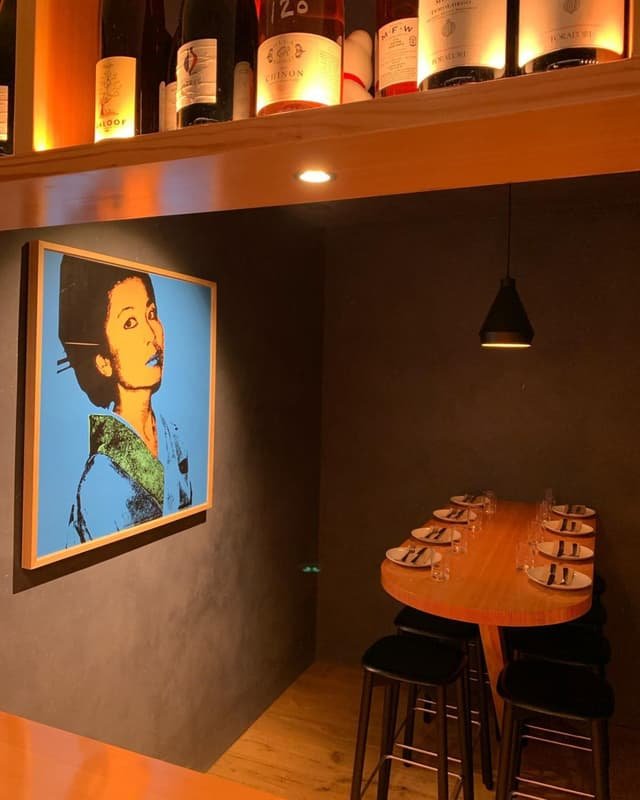
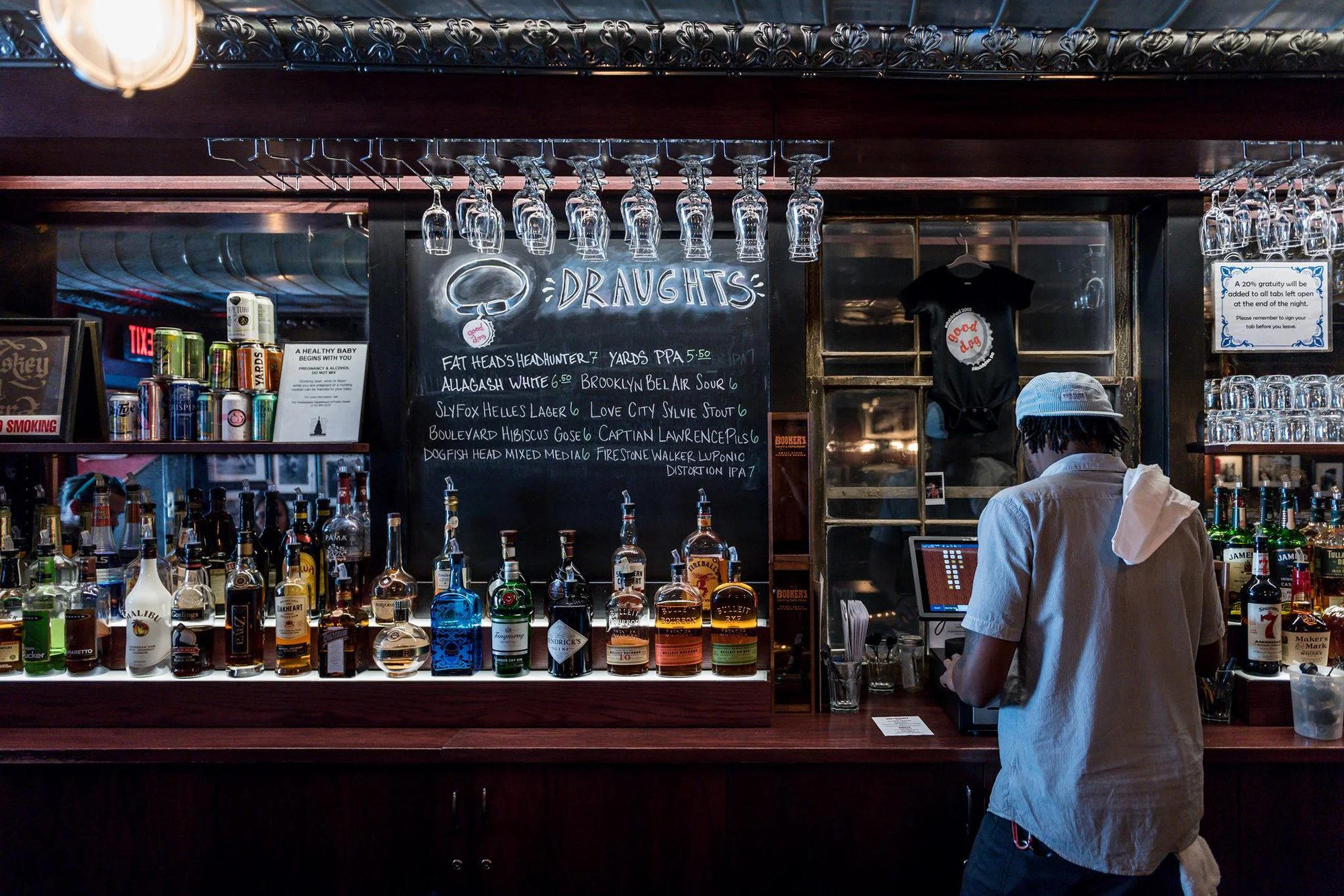
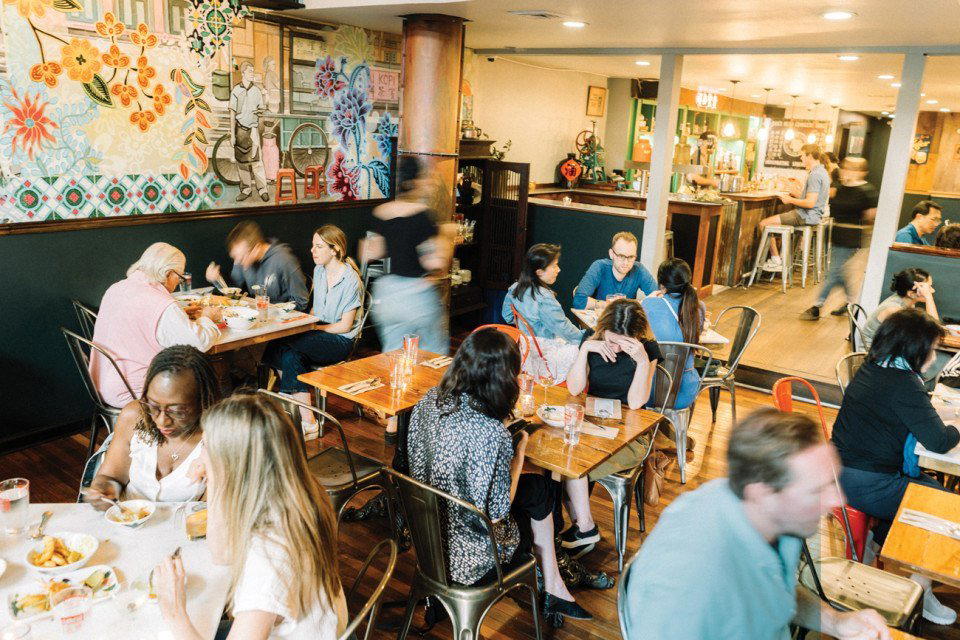
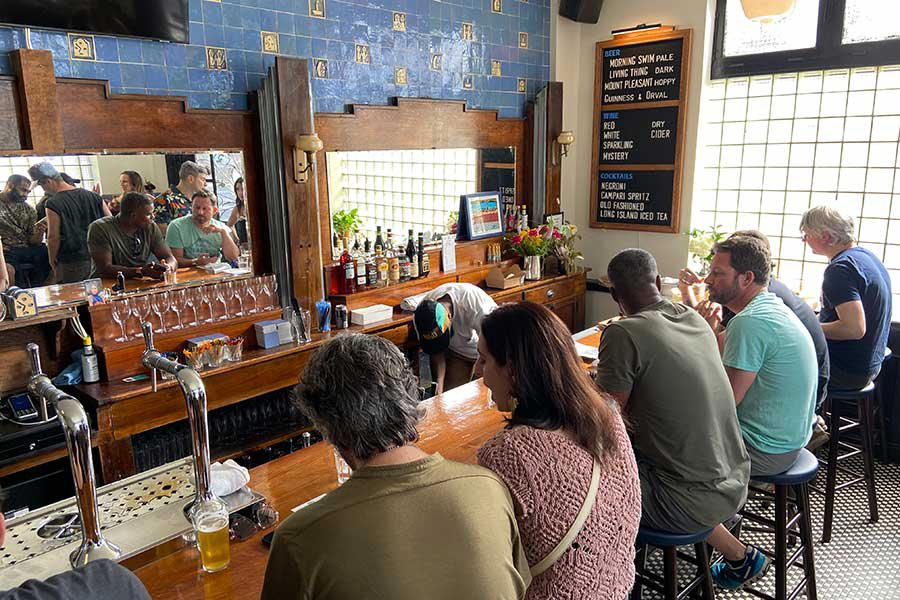
Sleek dark space illuminated by enormous lanterns and exit signs, with shoji screen-inspired booths in a cleverly subdivided 4,900 sq ft room that feels intimate despite its size.