Morimoto

Our verdict
On Chestnut Street in Philadelphia's Old City, Morimoto occupies a different competitive tier than most of the city's dining options — one where Japanese technique and theatrical presentation share space with serious American dining ambitions. Lunch and dinner here operate as distinct experiences in mood and pacing, making the time you book as consequential as what you order.

Pearl is the En Primeur Club membership app — saves, bookings, and concierge access live there. Same editors, same standards.
- Address
- 723 Chestnut St, Philadelphia, PA 19106
- Phone
- (215) 413-9070
- Hours
- Mon–Thu 5–10 PMFri–Sat 5–11 PMSun 5–10 PM
- Website
- morimotorestaurant.com
- Directions
- Get directions
- Booking
- Book on OpenTable
The menu
What to order
- Ishi Yaki Bop
- Duck x 3
- Braised Pork Belly
- Wagyu Dumplings
Old City's Japanese Anchor
Philadelphia's Old City has long functioned as the city's most tourist-dense dining corridor, which makes the restaurants that hold serious culinary credibility there more notable, not less. Morimoto, at 723 Chestnut Street, is the address that established Japanese-inflected fine dining as a viable proposition in this city well before the current generation of ambitious Philadelphia restaurants arrived. The opening placed Philadelphia on a short list of American cities where Japanese culinary technique, applied at a high level, had a formal dining home. That context matters: cities like New York have always had dense Japanese fine dining ecosystems, but Philadelphia's position depended heavily on single anchors, and Morimoto became that anchor for Japanese cuisine in a way that few individual restaurants do for their category.
The wider American pattern here is instructive. Across the country, a small group of Japanese-trained or Japanese-focused restaurants shifted how American diners understood what a Japanese meal could be in a non-Japanese city. That shift happened at places like Atomix in New York City, where Korean-Japanese precision became a conversation point, and it shaped premium dining rooms far outside major coastal markets. Morimoto was part of that first wave of crossover, before the terminology for it had settled.
What Lunch and Dinner Are Actually Doing
The lunch-versus-dinner divide at a restaurant like this is not cosmetic. In most high-profile Japanese dining rooms, dinner is when the kitchen operates at full range and the room fills with the energy of a destination meal. Lunch is where value and accessibility intersect, and where regulars and industry visitors tend to appear. At Morimoto, this divide plays out with some clarity: dinner service frames the experience around the full theatrical register the restaurant is known for, with the kind of multi-course presentation and deliberate pacing that justifies the address. Lunch, by contrast, tends to compress that format into something more approachable in both time and price, making it the sensible entry point for first-timers and the preferred slot for anyone working nearby who wants something more considered than the neighborhood average.
This pattern holds across the category. At restaurants with comparable ambitions — Le Bernardin in New York City, for instance, or The French Laundry in Napa — the lunch service carries a different social contract. The price ceiling is lower, the formality eases slightly, and the kitchen often uses the midday service to run tighter, more focused menus rather than extended tasting formats. If your schedule or budget has constraints, lunch at a serious restaurant is frequently the more rational choice, not the lesser one.
Philadelphia's dining week calendar, which runs twice annually in January and September, has historically made Morimoto accessible at reduced price points during what would otherwise be its most formal service period. That seasonal window draws a crowd that might not engage with the restaurant at full dinner pricing, and it functions as a useful calibration of the room's range.
Where Morimoto Sits in Philadelphia's Dining Conversation
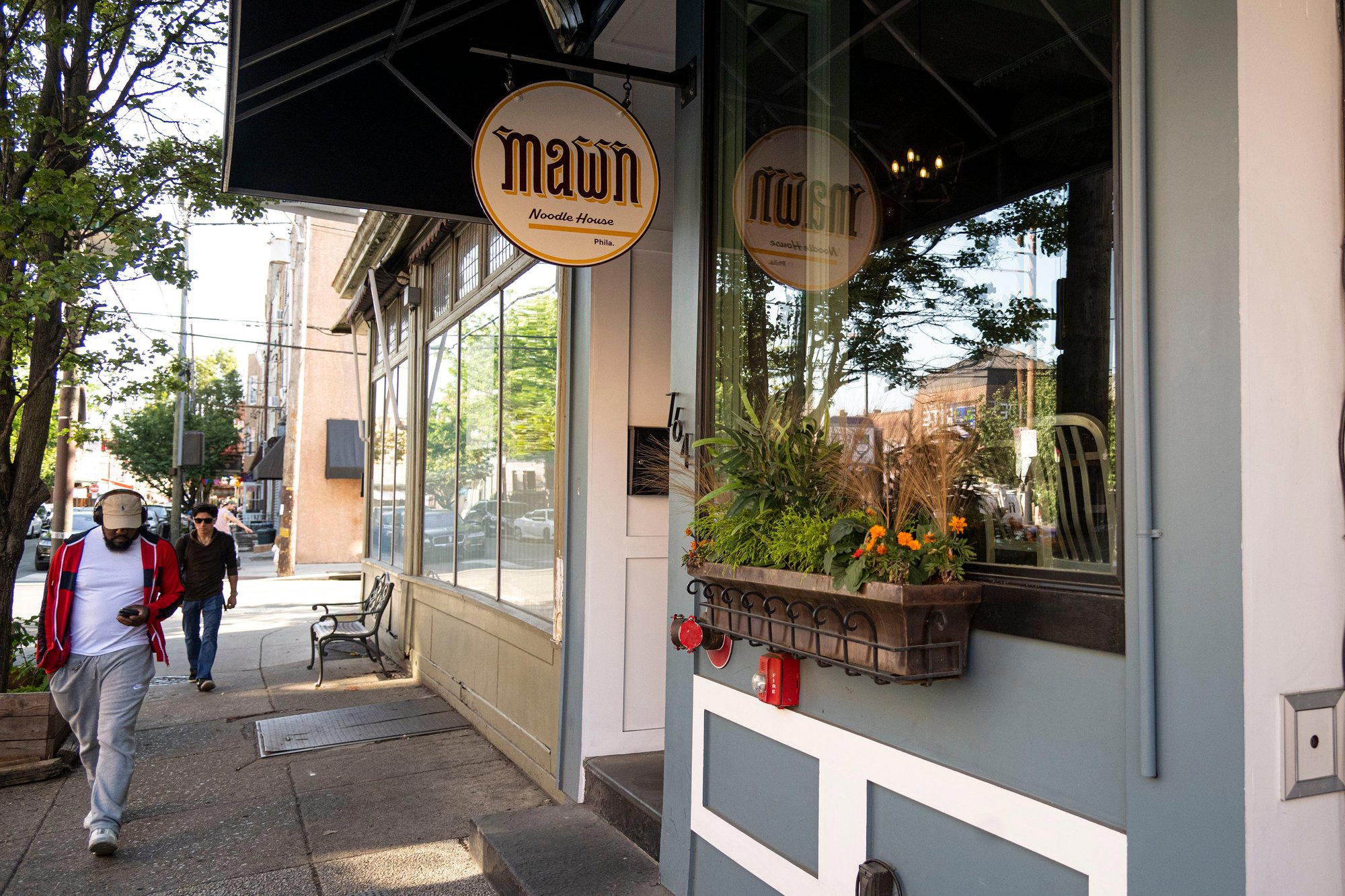
The city's restaurant scene has evolved considerably since Morimoto's opening. New American kitchens like Fork and Friday Saturday Sunday have built the kind of sustained critical recognition that positions Philadelphia as a serious dining destination in national terms. Elsewhere in the city, Kalaya has made a case for Thai cooking at a level of ambition that changes how the category is understood locally, and Mawn has brought Cambodian and pan-Asian perspectives into the serious dining conversation. My Loup occupies the French-inspired tier with its own considered approach.
Against that backdrop, Morimoto occupies a specific and durable position: it is the city's highest-profile address for Japanese-inflected cuisine at a formal register, and it draws a different peer comparison than most of its Philadelphia neighbors. In national terms, the relevant comparisons are restaurants like Providence in Los Angeles or Addison in San Diego, addresses where a single strong curatorial vision shaped how a city understood a cuisine at its most serious. The celebrity chef model that brought Morimoto to Philadelphia was also the model behind Emeril's in New Orleans, and it produced a similar result: a restaurant that outlasted the initial hype by delivering consistent quality rather than coasting on a name.
For international comparison, the category of Japanese technique applied inside a Western fine dining frame has its clearest analog in places like 8½ Otto e Mezzo Bombana in Hong Kong, where a different culinary tradition is being maintained at a high level in a city with a complex relationship to that tradition. The dynamics are not identical, but the structural question, how does a high-precision imported cuisine maintain relevance as local dining scenes develop, is the same.
Planning Your Visit
Morimoto sits at 723 Chestnut Street in Philadelphia's Old City neighborhood, walkable from Independence Hall and the surrounding historic district. The area is dense with visitors during daylight hours, which affects street parking and neighborhood noise, but also makes the transition from afternoon sightseeing to an early dinner service a practical option. Old City is well-served by the Market-Frankford Line, with stops at 2nd Street and 5th Street providing direct access from Center City and points west.
Reservations are advisable for dinner service, particularly on weekends and during the restaurant week windows in January and September. Lunch tends to have more flexibility, especially mid-week, which makes it the more accessible slot for visitors without fixed plans. Dress code expectations at a restaurant of this tier in Philadelphia lean toward smart casual at dinner, not the formal dress standard you might encounter at a comparable room in New York, but not the relaxed neighborhood-restaurant register either. The room itself operates at a level of finish that signals what the kitchen is attempting, and matching that in some basic way is worth keeping in mind.
Those exploring the broader American fine dining conversation can find relevant reference points at Alinea in Chicago, Lazy Bear in San Francisco, Single Thread Farm in Healdsburg, Blue Hill at Stone Barns in Tarrytown, and The Inn at Little Washington. For a full picture of where Morimoto fits within Philadelphia's broader restaurant scene, our full Philadelphia restaurants guide covers the city's current range by neighborhood and category.
Frequently asked questions
Is Morimoto child-friendly?
At Philadelphia dinner pricing and service register, Morimoto is not designed around children, bring them to lunch if you must, but this is a formal dining environment rather than a family-casual one.
Is Morimoto formal or casual?
If you're coming for dinner, treat it as a smart-casual room with fine dining ambitions: the service cadence and setting warrant more effort than a neighborhood bistro, but Philadelphia's dining culture sits below New York's formality ceiling, so a jacket is not required. At lunch, the register eases further, making it the lower-stakes introduction to the space. Prior awards-level recognition from the kitchen raises expectations regardless of which service you attend.
What do regulars order at Morimoto?
Follow the Japanese technique side of the menu rather than the fusion crossover items, the kitchen's credibility is built on precision with raw preparations and cooked fish, which is where the chef's training is most evident. At a restaurant with this kind of lineage in Japanese cuisine, the omakase or chef's selection format, where available, tends to reflect the kitchen's current strengths more accurately than ordering à la carte across multiple categories.
How does Morimoto compare to other Japanese restaurants in Philadelphia?
Morimoto occupies a different price and formality tier than most Japanese dining in Philadelphia, which skews toward sushi bars, ramen shops, and izakaya-style formats. As the city's longest-established address for Japanese fine dining at a full-service formal register, it draws a peer comparison to restaurants in other American cities rather than to other Philadelphia Japanese options, making it a useful reference point for understanding how Japanese technique operates inside a Western fine dining frame, a conversation that also runs through places like Atomix in New York City.
Comparison Snapshot
Comparable venues nearby, for context on price, style, and recognition.
| Venue | Cuisine | Price | Awards | Notes |
|---|---|---|---|---|
| MorimotoThis venue — the venue you are viewing | Contemporary Japanese | $100–150 | Not listed | Not listed |
| Uchi | Modern Japanese Sushi | Not listed | Not listed | Rittenhouse Square |
| Buddakan | Modern Asian Fusion | $50–100 | Not listed | Old City |
| Almanac | Japanese-American Cocktail Lounge | $30–50 | James Beard Award Semi Finalist · Esquire Best Martinis in America | Old City |
| 637 Philly Sushi Club | Exclusive Omakase Sushi | Not listed | Not listed | Northern Liberties |
| Fuji Mountain | Japanese Sushi and Seafood | $20–30 | Not listed | Rittenhouse Square |
Recognition history
Dated appearances from independent guides and award organizations, with the underlying list record or original source where available.
Opinionated About Dining Top Restaurants in North America Recommended
Opinionated About Dining
Continue exploring
More in Philadelphia
Restaurants in Philadelphia
Browse all →
Bars in Philadelphia
Browse all →
Details
- Modern
- Elegant
- Sophisticated
- Well Known
- Date Night
- Business Dinner
- Special Occasion
- Private Dining
- Design Destination
- Sake Program
- Craft Cocktails
- A La Carte
- Omakase
- Tasting Menu
- Sake Program
- Vegetarian Friendly
- Vegan Options
- Gluten Free Options
Current opening hours
- Monday
- 5–10 PM
- Tuesday
- 5–10 PM
- Wednesday
- 5–10 PM
- Thursday
- 5–10 PM
- Friday
- 5–11 PM
- Saturday
- 5–11 PM
- Sunday
- 5–10 PM
Hours can change for holidays and private events. Last verified .
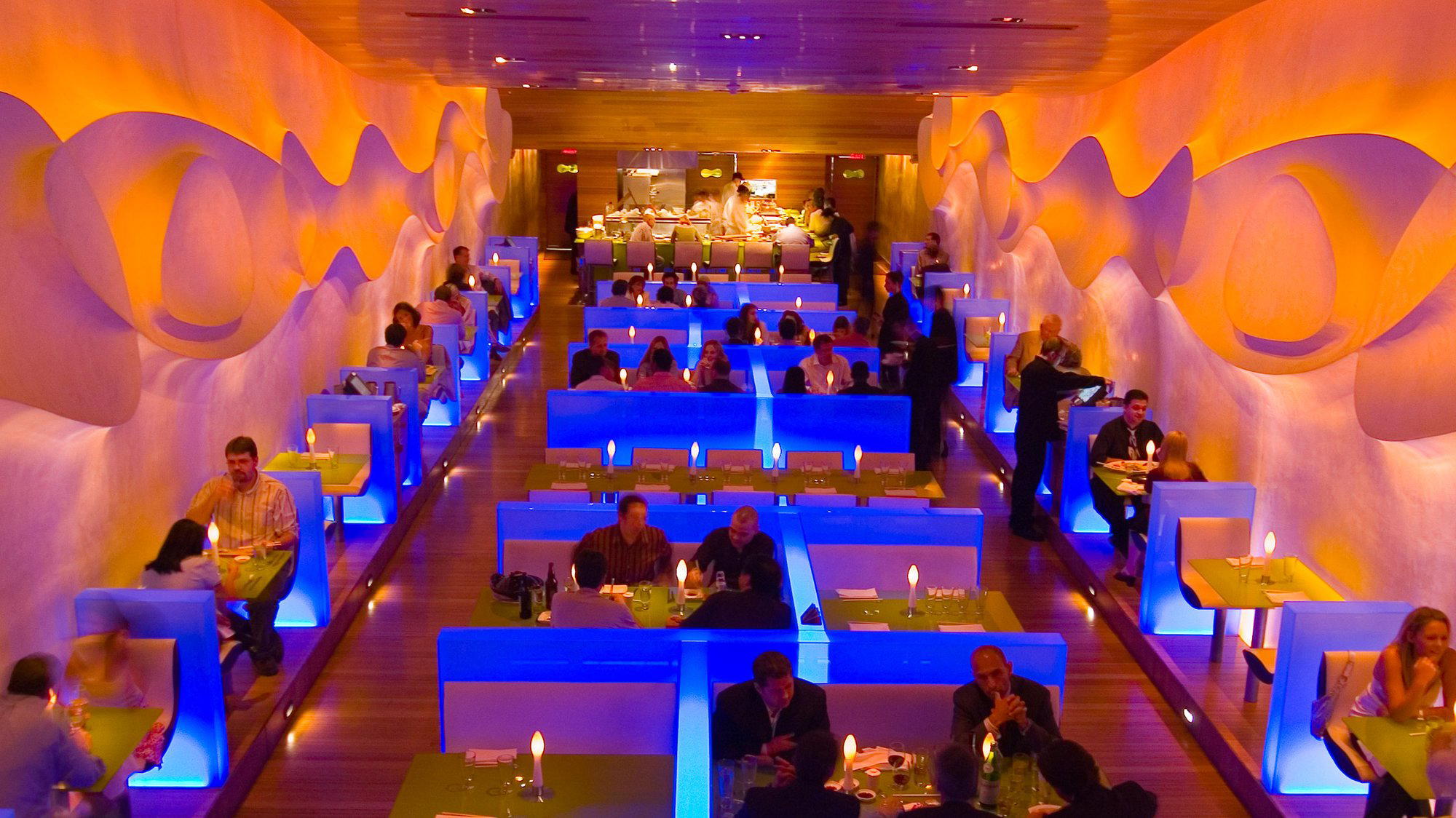
Striking and serene interior awash in glass and colors with modern organic aesthetic, geometric booths, and a lively sushi bar.