A neighbourhood address on Rue Mgr Rigo in the heart of Bastia, U Paisanu operates in the tradition of Corsican table-to-land cooking, where the sourcing logic is inseparable from the food itself. The name signals where this restaurant places its allegiances: with the island's producers, its seasonal rhythms, and the culinary vocabulary that has defined Corsican cooking for generations.
Pearl is the En Primeur Club membership app — saves, bookings, and concierge access live there. Same editors, same standards.
- Address
- 9 Rue Mgr Rigo, 20200 Bastia, France
- Phone
- +33784110332
- Website
- upaisanu.com
- Directions
- Get directions
 Saves & bookings on Pearl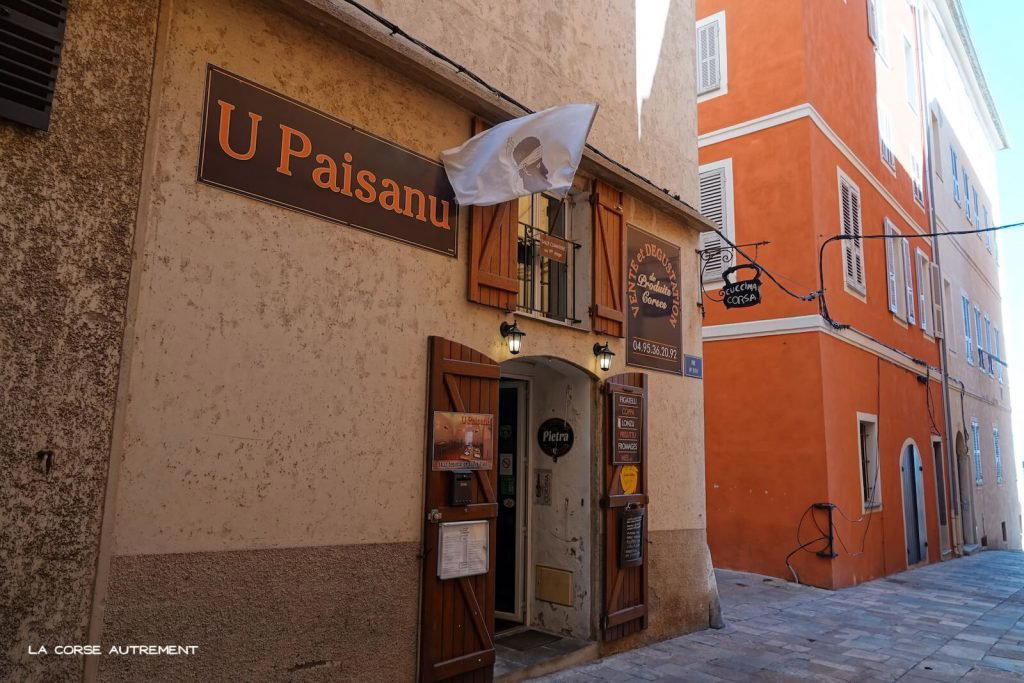
Stone Streets, Local Loyalties
Bastia's old town carries a particular weight in the late afternoon, when the light drops across the Genoese port and the streets around Place Saint-Nicolas begin to fill with residents rather than tourists. Rue Mgr Rigo sits within this residential grain, a narrow address where the distinction between eating out and eating locally has never quite collapsed into the hospitality performance it has elsewhere on the island. U Paisanu occupies that register without apology. This is a kitchen whose identity is rooted in what Corsica grows, raises, and cures.
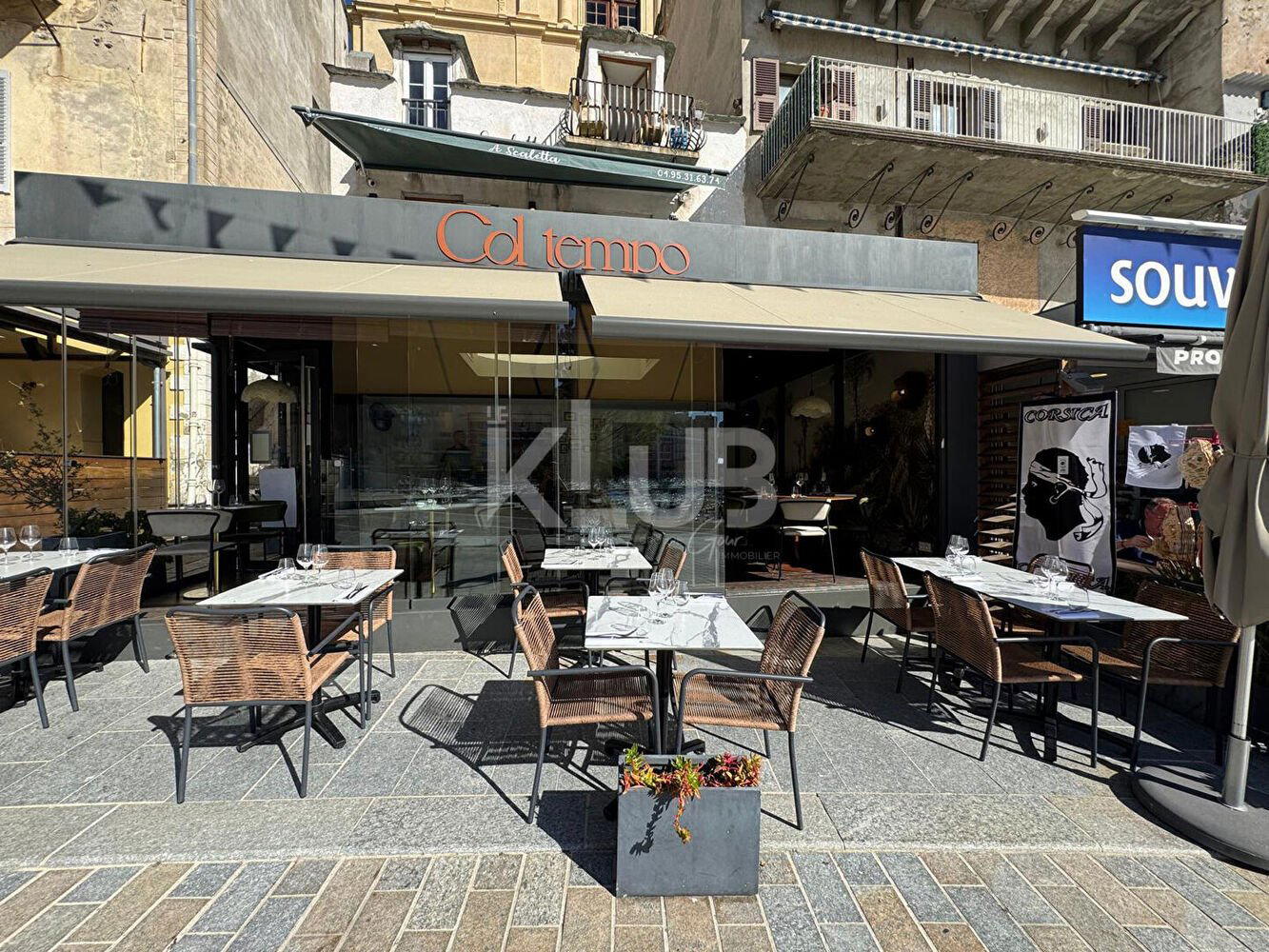
In a city where a small number of tables have begun positioning themselves toward a more technically ambitious audience (see ADN and Col Tempo for that direction), U Paisanu sits at a different coordinate: the neighbourhood trattoria equivalent that Corsica has always called its own, where the sourcing argument is the point, and refinement is measured in how faithfully the island's producers are represented on the plate rather than in any technical sleight of hand.
The Sourcing Logic Behind Corsican Cooking
Understanding what a place like U Paisanu represents requires a short detour into why Corsican ingredients carry the weight they do. The island's geography, its altitude range, its maquis scrubland, its Mediterranean microclimate, produces conditions that have generated genuinely distinct foodstuffs. Corsican charcuterie, particularly from free-ranging pigs raised in the chestnut forests of the interior, operates under an AOC framework (Charcuterie Corse) that controls breed, feed, and production method. The island's brocciu, a fresh whey cheese made from sheep or goat milk, holds AOC status as well, making it one of the few French cheeses to be protected at that level. Chestnut flour from the Castagniccia region has been milled and used in breads, polenta (pulenda), and pastry for centuries.
These are not background ingredients. In a kitchen that takes its sourcing seriously, they become the grammar of the menu, the terms through which every dish is articulated. Restaurants across Bastia that anchor themselves to Corsican producers are making a claim about identity as much as quality. The question worth asking about any given address is how deeply that sourcing runs: whether it extends to small-scale farmers and artisan cheesemakers, or whether it stops at the level of regional labelling.
Bastia's position as the island's commercial hub, rather than its tourist centre (that role belongs to Ajaccio), means its restaurant scene has always carried a stronger local-resident orientation. The audience eating at addresses like U Paisanu skews toward Bastiais who eat this food because it is their food, not because a travel itinerary recommended it. That distinction shapes the pricing, the formality, and the portion logic in ways that visitor-facing restaurants rarely match.
Corsican Tables in Their Competitive Context
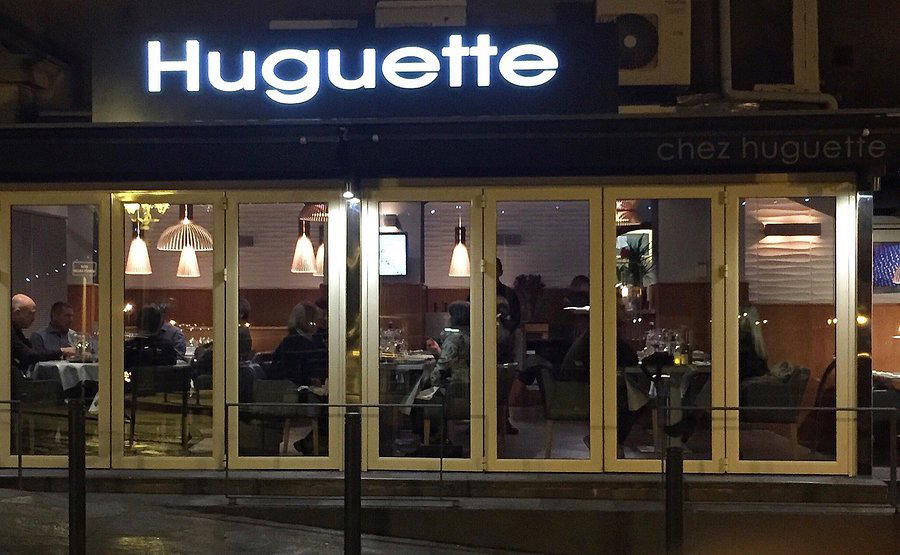
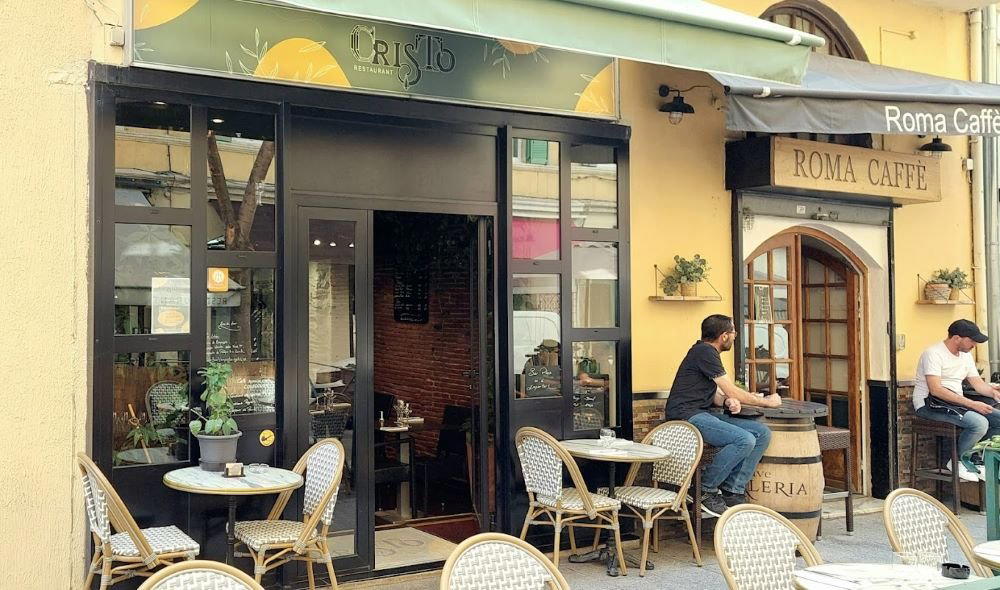
Placed against Bastia's other neighbourhood addresses, the restaurant operates in a tier defined by honest cooking and direct sourcing. Chez Huguette anchors the seafood end of the local spectrum, with a loyal following built on Corsican fish preparation. Cristo and La Table de Mare & Gustu represent adjacent points on the map, each with its own sourcing emphasis and format discipline.
The comparison set that matters most for the restaurant is not, however, the starred houses that have made Corsican produce internationally legible. When writers look at the island's food credentials through the lens of what Mirazur in Menton or Bras in Laguiole have done with terroir-forward cooking at the highest technical register, or how addresses like Flocons de Sel in Megève have used regional specificity to build a distinct identity, the conversation tends to move toward abstraction. The restaurant is the counterpoint to all of that: the argument that the sourcing tradition has value independent of any award apparatus, and that one honest expression of Corsican ingredients may be the one that feeds the people who grew up eating them.
France's broader range of regional cooking includes addresses that hold this position in their own communities: Auberge de l'Ill in Illhaeusern in Alsace, Au Crocodile in Strasbourg, or Troisgros - Le Bois sans Feuilles in Ouches have each built identities that are inseparable from their regional context. Michelin-heavy houses like Alléno Paris au Pavillon Ledoyen, Paul Bocuse - L'Auberge du Pont de Collonges, and Assiette Champenoise in Reims represent a different ambition entirely, as do globally recognised addresses like AM par Alexandre Mazzia in Marseille. The point is that the sourcing principles those kitchens articulate at high volume are often practised quietly at addresses like this one. Internationally, that principle runs through places as different as Le Bernardin in New York City and Atomix in New York City, the idea that ingredient integrity is the foundation, not the flourish.
Planning a Visit
The restaurant is located at 9 Rue Mgr Rigo in Bastia's central district, within walking distance of the old port and the main commercial grid of the city. Reservations are recommended. Summer months on Corsica run at capacity across the tourism belt, and Bastia's resident-facing tables tend to fill with regulars who know the seasonal rhythm, visiting in shoulder season (May to June or September to October) generally yields a calmer room and kitchen.
Quick Comparison
Comparable venues nearby, for context on price, style, and recognition.
| Venue | Cuisine | Price | Awards | Notes |
|---|---|---|---|---|
| U PaisanuThis venue — the venue you are viewing | Authentic Corsican | $$ | Not listed | Not listed |
| Col Tempo | Modern French Market Cuisine | $$$ | Not listed | Vieux-Port |
| Cristo | Modern French Bistro with Vegan Options | $$$ | Not listed | centre ville |
| ADN | Modern Corsican Fine Dining | $$$$ | Michelin Plate | centre ville |
| Radiche | Modern Corsican | $$$ | Michelin Plate | Old Town |
| La Table de Mare & Gustu | Corsican Mediterranean Seafood | $$$ | Not listed | Vieux-Port |
Continue exploring
More in Bastia
Restaurants in Bastia
Browse all →
Hotels in Bastia
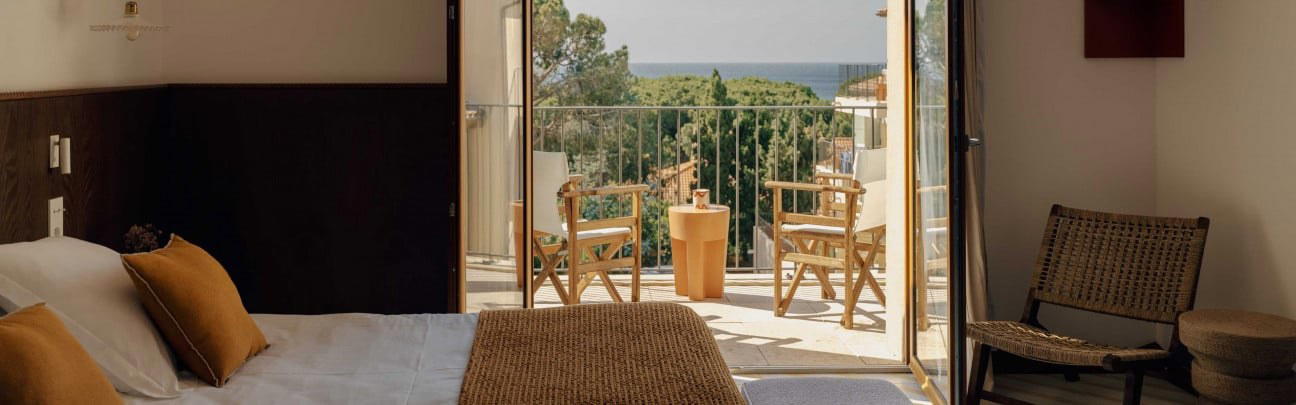
Browse all →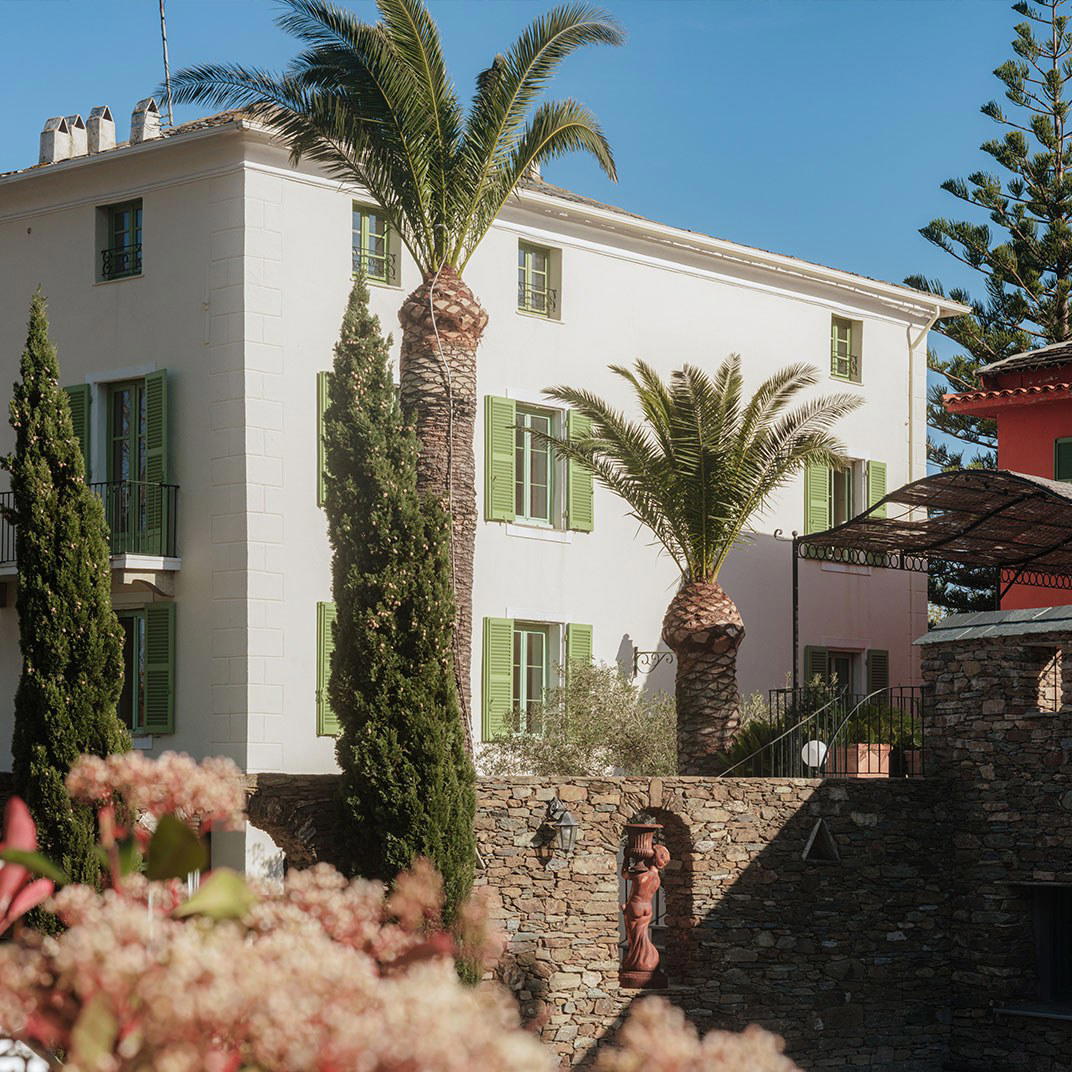
Wineries in Bastia
Browse all →
At a Glance
- Rustic
- Cozy
- Intimate
- Casual Hangout
- Family
- Historic Building
- Local Sourcing
Current opening hours
- Monday
- Closed
- Tuesday
- 6:30–10 PM
- Wednesday
- 6:30–10 PM
- Thursday
- 6:30–10 PM
- Friday
- 6:30–10 PM
- Saturday
- 6:30–10 PM
- Sunday
- Closed
Hours can change for holidays and private events. Last verified .
Warm, family-like atmosphere in a small, welcoming space that feels like dining at grandmother's house with sincere, no-frills authenticity.