La Table de Mare & Gustu occupies a position on Bastia's Place du Marché that puts it at the intersection of Corsican market tradition and considered modern cooking. The name itself signals a dual identity: mare for the sea, gustu for taste in the island's dialect. For visitors tracing the more deliberate end of Bastia's dining scene, it is a natural reference point.
Pearl is the En Primeur Club membership app — saves, bookings, and concierge access live there. Same editors, same standards.
- Address
- Place du Marché, 20200 Bastia, France
- Phone
- +33495327951
- Website
- whatiseat.com
- Directions
- Get directions
 Saves & bookings on Pearl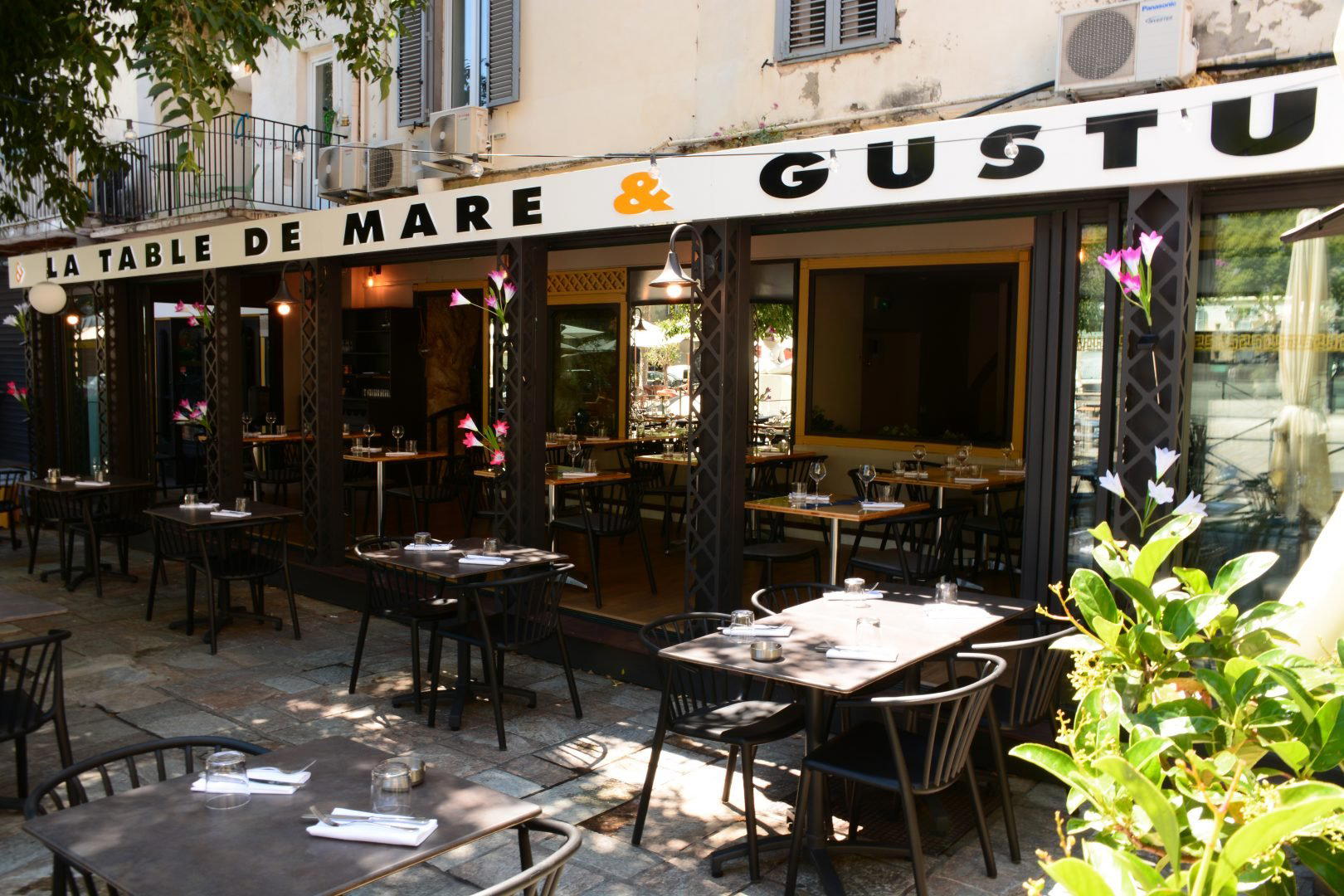
Place du Marché and the Logic of Corsican Market Dining
Place du Marché in Bastia is one of those squares that still functions the way market squares were meant to: as a physical hub connecting producers, cooks, and the people who eat. Restaurants that address the square occupy a particular position in the city's food culture, one where proximity to primary ingredients is not a marketing claim but a logistical reality. La Table de Mare & Gustu sits on this square, and that address carries meaning before you look at the menu. In Corsica, where the distance between sea and table has always been short, a restaurant at the market's edge is expected to honour that proximity.
Bastia's dining scene has developed differently from Ajaccio's, the island's administrative capital. Where Ajaccio pulls a more tourist-facing crowd, Bastia retains a working-port character that shapes what its restaurants serve and how they serve it. The city's kitchens tend toward directness: fish landed that morning, charcuterie from mountain producers in the Castagniccia, Corsican cheeses that rarely travel far from the island. That directness is the baseline against which any serious table in Bastia positions itself. For a broader survey of where La Table de Mare & Gustu sits within that field, our full Bastia restaurants guide maps the range from casual port-side counters to more considered rooms.
The Name as a Cultural Argument
The dual name, Mare & Gustu, is not incidental branding. Mare is sea; gustu is the Corsican dialect word for taste, pleasure, desire. The pairing makes an argument about the kitchen's orientation: seafood as primary material, but approached through the Corsican sensibility of gustu rather than the French metropolitan habit of technical elaboration for its own sake. This distinction matters on an island where French culinary influence and deep local tradition have coexisted, sometimes uncomfortably, for centuries.
Corsican cooking draws from a layered inheritance: Genoese occupation left traces in pasta and preserved fish preparations; the maquis, the island's dense scrubland, contributes herbs and game; and the sea provides the bream, sea bass, and shellfish that have always anchored the coastal table. A kitchen that names itself after both the sea and local taste is signalling which of these inheritances it intends to prioritise. That signal places it in a different register from the French-inflected fine dining found at places like Alléno Paris au Pavillon Ledoyen or the alpine terroir focus of Flocons de Sel in Megève, and closer to the territory-rooted approaches seen at Bras in Laguiole or Mirazur in Menton, where landscape and cuisine are treated as inseparable.
Bastia's Competitive Dining Field
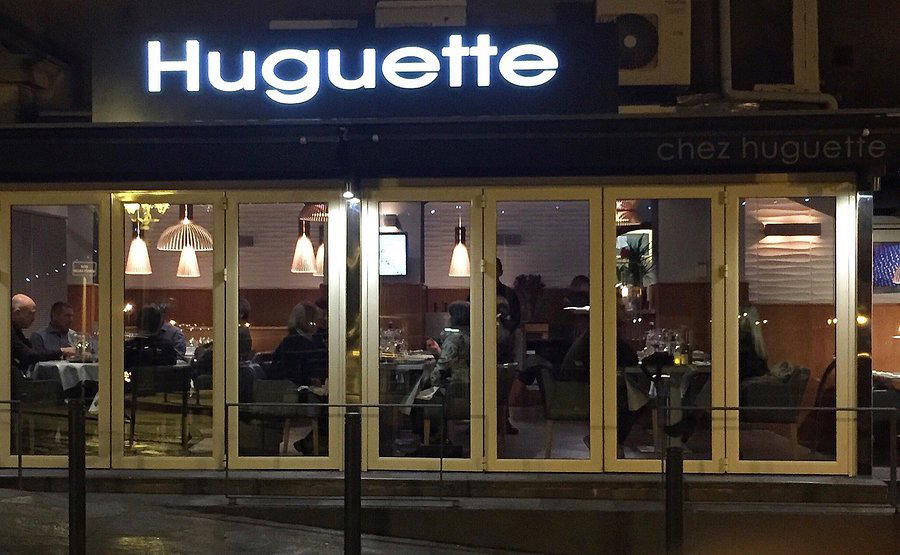
Within Bastia itself, the restaurants that draw sustained attention from food-focused visitors tend to cluster around two approaches. The first is the produce-forward, informally presented style associated with places like Chez Huguette, where the catch and the chalkboard do the talking. The second is a more structured register, where Corsican ingredients are worked with greater kitchen discipline and presented in a room that signals intention. La Table de Mare & Gustu appears to position itself in that second camp, though the market-square address keeps it anchored in the city's everyday food culture rather than floating free into the abstracted register of destination dining.
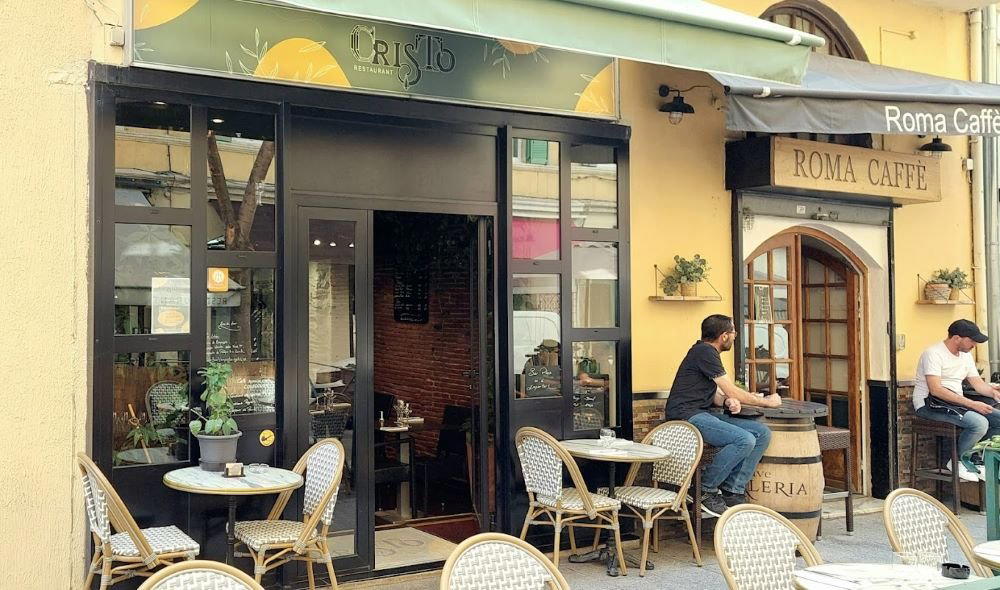
Other addresses in the city pursue similar territory from different angles. ADN and Col Tempo represent the more contemporary current in Bastia's kitchens, while Radiche and Cristo each bring distinct editorial identities to the question of what Corsican cooking can look like in a considered room. The competition for the city's most serious dining occasions is genuine, which raises the bar for any table that wants to hold attention across repeat visits rather than single tourist encounters.
For context on where French restaurant ambition can reach at the highest tier, the three-Michelin-star benchmarks set by Troisgros in Ouches, Paul Bocuse in Collonges-au-Mont-d'Or, and Auberge de l'Ill in Illhaeusern remain the continental reference points, alongside the more idiosyncratic Mediterranean intensity of AM par Alexandre Mazzia in Marseille. Bastia does not compete in that tier, but it does not need to. Its strongest tables compete on terroir specificity and local knowledge, credentials that travel differently from Michelin counts. For international comparison at the level of culinary precision, addresses like Assiette Champenoise in Reims, Au Crocodile in Strasbourg, Le Bernardin in New York City, and Atomix in New York City set frames of reference that illuminate how distinctive a market-square Corsican kitchen can be by contrast.
Planning Your Visit
La Table de Mare & Gustu is located at Place du Marché, 20200 Bastia, in the heart of the city's oldest commercial quarter. The square is walkable from the old port and the Terra Vecchia neighbourhood, making it a natural anchor for an evening that begins with a walk through the upper city. Corsican restaurants at this address level tend to run lunch and dinner services aligned with the market's rhythms, with midday meals often representing the better value and the more spontaneous end of the offering. Booking ahead is advisable for dinner, particularly in summer, when Bastia draws a mix of French mainland visitors and international travellers arriving via the island's ferry connections from Marseille, Nice, and Genoa. Reservations are recommended, and the restaurant is open daily for lunch and dinner.
Cost and Credentials
Comparable venues nearby, for context on price, style, and recognition.
| Venue | Cuisine | Price | Awards | Notes |
|---|---|---|---|---|
| La Table de Mare & GustuThis venue — the venue you are viewing | Not listed | $$$ | Not listed | Not listed |
| Radiche | Old Town, Modern Corsican | $$$ | Michelin Plate | Not listed |
| Cristo | Not listed | $$$ | Not listed | centre ville, Modern French Bistro with Vegan Options |
| ADN | Not listed | $$$$ | Michelin Plate | centre ville, Modern Corsican Fine Dining |
| Chez Huguette | Vieux Port, Corsican Seafood | $$$$ | Not listed | Not listed |
| Col Tempo | Vieux-Port, Modern French Market Cuisine | $$$ | Not listed | Not listed |
Continue exploring
More in Bastia
Restaurants in Bastia
Browse all →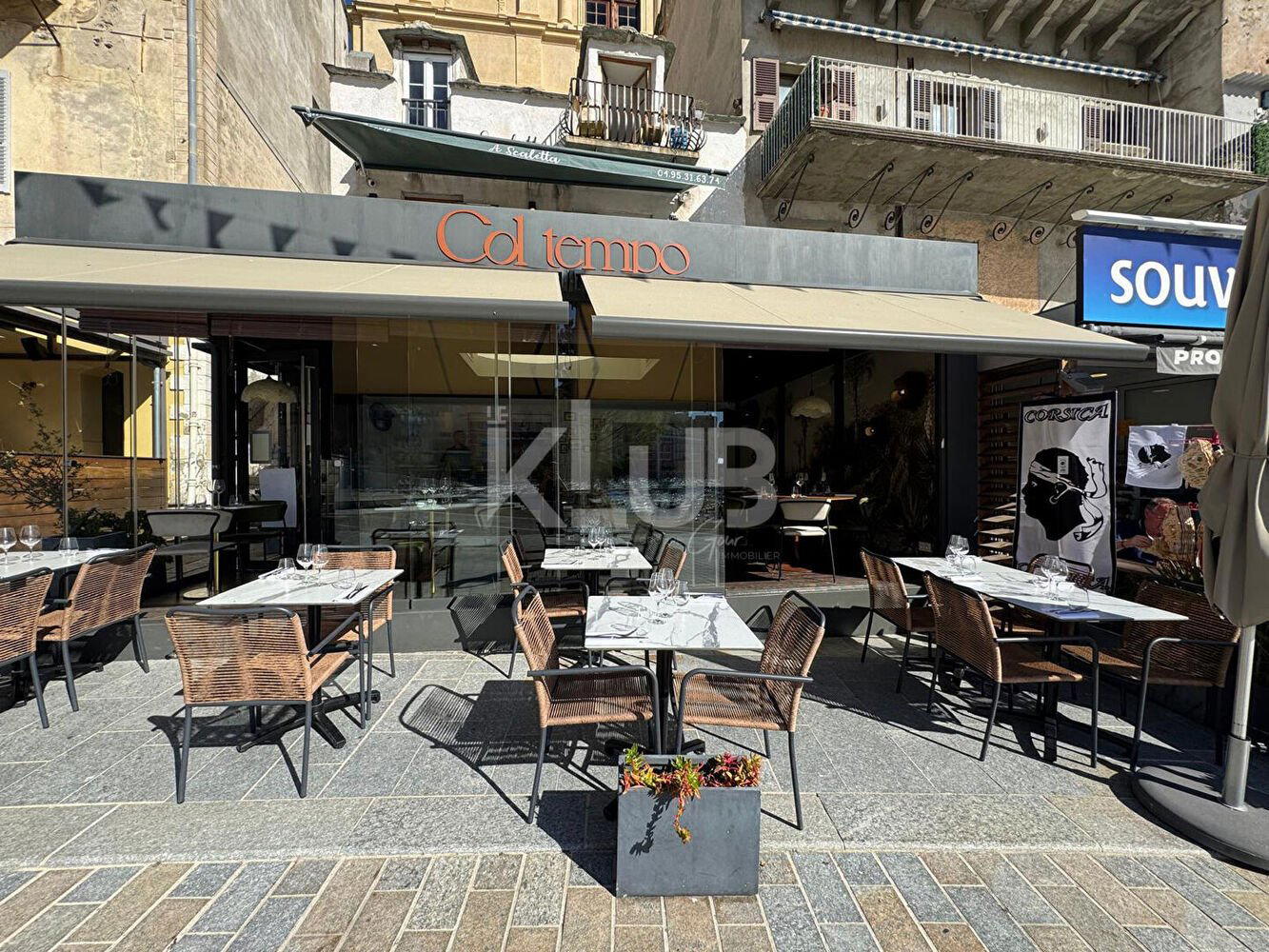

Hotels in Bastia
Browse all →
Wineries in Bastia
Browse all →
At a Glance
- Rustic
- Cozy
- Intimate
- Date Night
- Family
- Terrace
- Extensive Wine List
- Local Sourcing
- Sustainable Seafood
- Street Scene
Current opening hours
- Monday
- 11 AM–2 PM, 7–10 PM
- Tuesday
- 11 AM–2 PM, 7–10 PM
- Wednesday
- 11 AM–2 PM, 7–10 PM
- Thursday
- 11 AM–2 PM, 7–10 PM
- Friday
- 11 AM–2 PM, 7–10 PM
- Saturday
- 11 AM–2 PM, 7–10 PM
- Sunday
- 11 AM–2 PM, 7–10 PM
Hours can change for holidays and private events. Last verified .
Charming market square terrace with a focus on fresh, simple seafood preparations in a cozy, product-driven setting.