

Michelin Plate · Guía Repsol 1 Sol
Our verdict
Set within the Finca La Desa estate southwest of Miajadas, Tupío is where Extremaduran culinary tradition meets serious modern technique. Chef Guti Moreno hunts, forages, and harvests from the surrounding land, then channels that produce into two tasting menus, 'Tupío' and 'Gran Tupío', that treat the region's flavours as a starting point rather than a ceiling. The name itself, drawn from the local Castúo dialect, means satiated.

Pearl is the En Primeur Club membership app, where members save venues, book tables and use the concierge.
The menu
What to order
- Cod roe 'à la importancia'
- Wild boar ribs
Where the Land Sets the Menu
The road into Finca La Desa cuts through the dehesa, the open oak woodland that defines interior Extremadura. By the time you reach the estate complex and its hotel, the surrounding landscape has already told you something about what you are going to eat. This part of Cáceres province is where acorn-finished Iberian pigs graze, where wild boar move through the scrub at dusk, and where kitchen gardens benefit from a continental climate that demands plants grow hard and concentrate their flavour. Tupío, the restaurant within the complex, makes that connection explicit rather than decorative.
Extremadura has historically been one of Spain's most overlooked dining regions at a national level, despite producing ingredients that feed the country's most celebrated kitchens. The acorn-fed pork that appears on tasting menus from Atrio in Cáceres to El Celler de Can Roca in Girona often originates in this exact territory. What Tupío does differently from most restaurants in the region is close the loop: the chef sources locally not as a marketing stance but as a practical daily reality, going out into the estate and its surroundings to hunt and forage rather than placing orders through a distributor.
The Sourcing Logic Behind the Menus
Spanish modern gastronomy has produced a generation of chefs who discuss terroir in terms that were once the exclusive language of wine. At the three-Michelin-star tier Aponiente in El Puerto de Santa María, Azurmendi in Larrabetzu, Mugaritz in Errenteria, the sourcing narrative is built into the restaurant's identity at a structural level. At Tupío, the same principle operates at a more immediate scale: Guti Moreno, a young local chef, goes hunting and foraging personally, and harvests from vegetable gardens attached to the Finca La Desa estate. The supply chain, in other words, begins a short distance from the kitchen.
That proximity shapes the format of both tasting menus. The 'Tupío' menu and the more extended 'Gran Tupío' are not fixed showcases of a chef's greatest hits, they are structured around what the land is producing and what the season allows. Wild produce operates on its own schedule, and a kitchen built on foraged ingredients and estate harvests cannot pretend otherwise. This is a meaningful constraint, one that connects Tupío to a broader tradition within Spanish regional cooking where the calendar, not the chef's ambition, determines what appears on the plate.
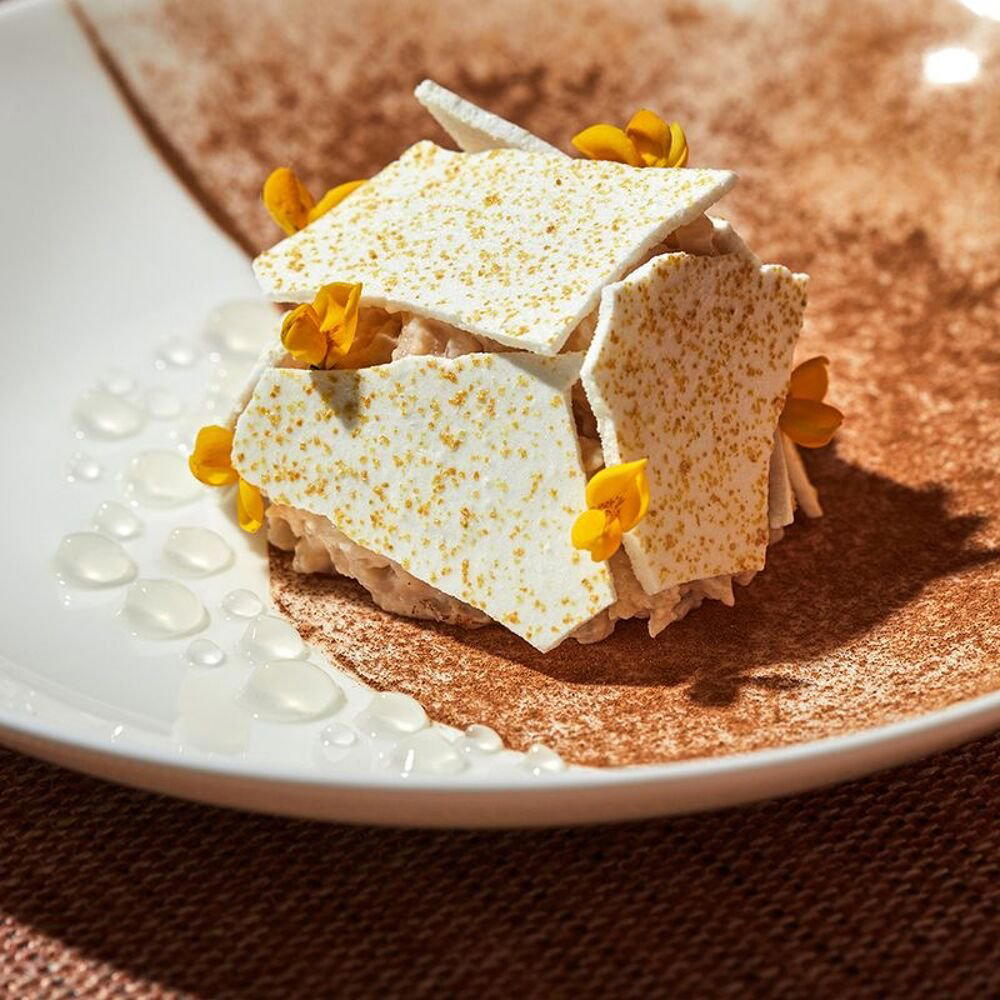
Dishes like the cod roe prepared à la importancia and the wild boar ribs with smoked piparra peppers and pochas viudas beans illustrate the approach clearly. The à la importancia technique, a classic Castilian method involving a delicate egg and flour coating, gently simmered in broth, is not a modernist invention but a piece of inherited regional knowledge applied to a cured product that rewards patience. The wild boar ribs bring together a game animal sourced from the estate's own territory with smoked peppers from the Basque country and white beans that have their own distinct regional character. The result sits at the intersection of place-specific sourcing and cross-regional Spanish culinary dialogue.
Tupío in the Context of Spain's Creative Restaurant Scene
Understanding Tupío requires placing it against Spain's broader restaurant map, not as a competitor to the urban flagships but as a different expression of the same creative momentum. The concentrated prestige tier, DiverXO in Madrid, Disfrutar in Barcelona, Arzak in San Sebastián, Quique Dacosta in Dénia, Martin Berasategui in Lasarte-Oria, Ricard Camarena in València, operates with the infrastructure of major cities and the visibility that comes with them. Tupío operates from a finca in Miajadas, a market town of around 10,000 people in the Cáceres interior.
That distance from the main dining circuits is not incidental. It means the kitchen's reference points are grounded in the immediate region rather than in what the larger Spanish dining conversation is rewarding at any given moment. The Castúo dialect word 'tupío,' meaning satiated or full, was chosen as the restaurant's name for a reason: the orientation here is toward completion and satisfaction rooted in local culture, not toward abstraction or novelty for its own sake. Spanish creative cooking at its sharpest, think of the research-driven intensity at venues like Mugaritz or the technical precision at Disfrutar, can sometimes prioritise the conceptual over the grounding. Tupío's comparison set is different: it belongs to the smaller, place-committed cohort of Spanish restaurants where the surrounding territory is the primary creative brief.
Planning a Visit to Finca La Desa
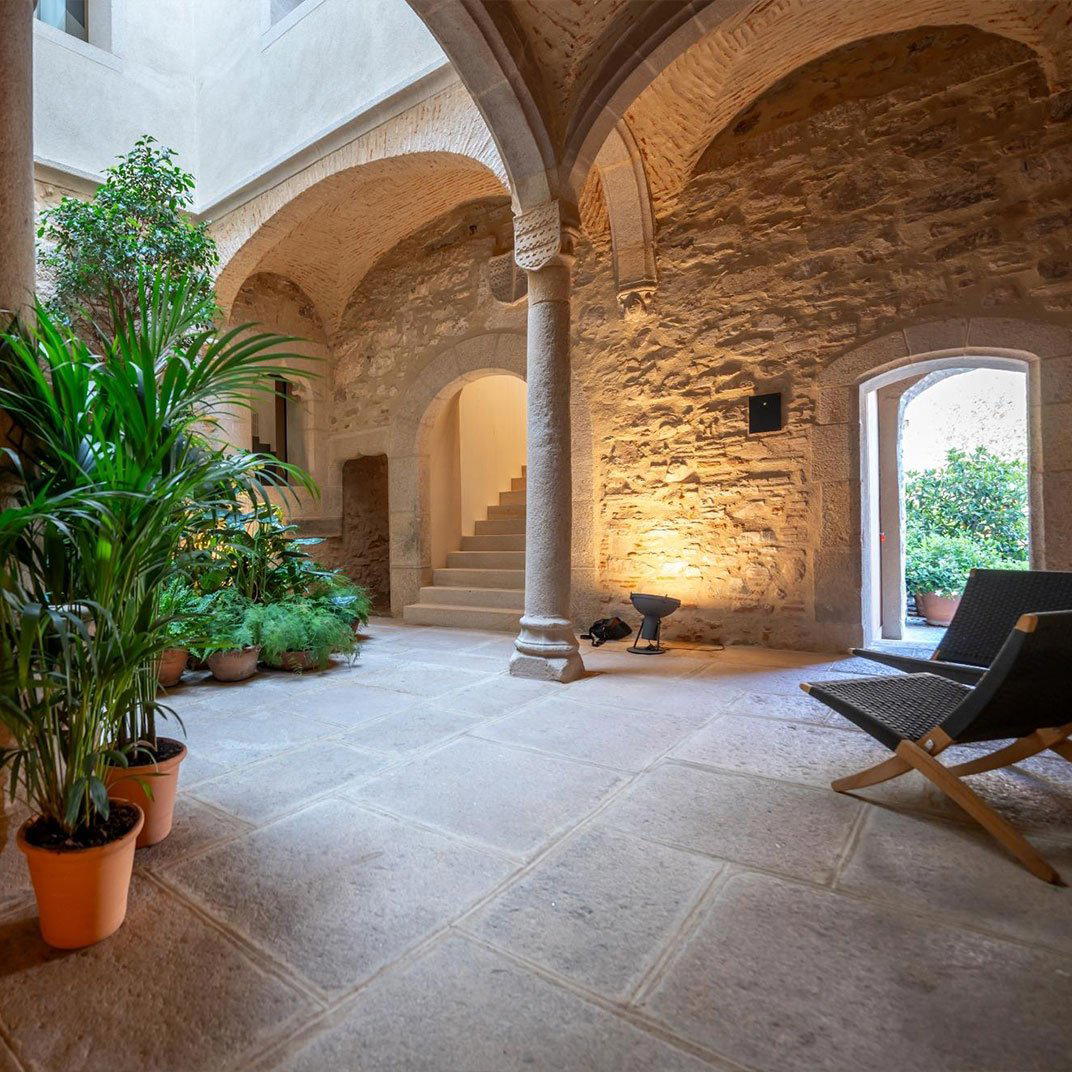
Tupío sits within the Finca La Desa complex on the N-5 road southwest of Miajadas, which places it in the Cáceres province of Extremadura, accessible by road from both Mérida to the southwest and Cáceres city to the northwest. The estate includes a hotel, which makes it a practical base for anyone approaching this part of Extremadura as a destination rather than a single-meal detour. For context on the broader dining, drinking, and accommodation options in the area, see our full Miajadas restaurants guide, our full Miajadas hotels guide, our full Miajadas bars guide, our full Miajadas wineries guide, and our full Miajadas experiences guide.
The tasting menu format means that timing your visit around the estate's seasonal rhythms matters. Foraging-led kitchens in Spain typically reach peak complexity in autumn, when game, wild mushrooms, and the transition to heavier pulses and cured products converge. The spring and early summer months bring a different register: lighter vegetables from the garden, fresh legumes, the herbs of the dehesa in new growth. Neither season is subordinate to the other; they represent genuinely different menus rather than iterations of the same one.
Guests arriving from outside Spain who want to place Tupío within a broader Spanish creative dining itinerary might consider pairing it with Atrio in Cáceres, which represents the long-established fine dining tradition of the region at a different scale and price tier, before heading into the Extremaduran countryside. For comparison with international peers operating in a similarly produce-driven register, Le Bernardin in New York City and Atomix in New York City show how ingredient provenance and culinary tradition can anchor a tasting menu format in very different cultural contexts.
Frequently asked questions
Would Tupío be comfortable with kids?
Tupío is set within the Finca La Desa estate complex outside Miajadas, which gives it a relaxed rural setting rather than a formal city-restaurant atmosphere. That said, the format is a structured tasting menu, either the 'Tupío' or 'Gran Tupío', which asks for a degree of patience at the table. Older children with an appetite for a multi-course meal should manage comfortably; very young diners would likely find the pace of a tasting menu a stretch.
How would you describe the vibe at Tupío?
The setting inside Finca La Desa, on the N-5 road southwest of Miajadas, frames the experience before a course is served: open oak woodland, an estate hotel, and the dehesa running to the horizon. Chef Guti Moreno's menus are rooted in that environment, he hunts, forages, and harvests from the surrounding gardens, so the mood leans toward earthy and grounded rather than sleek or urban. It reads as quietly serious about its ingredients without performing it.
Does Tupío have a Michelin star or similar recognition?
Tupío has received recognition including: Located southwest of Miajadas, within the Finca La Desa complex and hotel, this restaurant brings its finest cuisine to the table. Guti Moreno, the young local chef, presents two tasting menus with a modern twist ('Tupío' and 'Gran Tupío'),….
What's the signature dish at Tupío?
Two dishes stand out from the current menus: the cod roe 'à la importancia', which reframes a traditional Extremaduran preparation, and the wild boar ribs with smoked piparra peppers and pochas viudas beans, a plate that maps directly onto Moreno's own foraging and hunting practice. Both appear on the tasting menus and reflect the kitchen's broader approach of anchoring creative technique to regional flavour without rewriting the source material.
In Context: Similar Options
Comparable venues nearby, for context on price, style, and recognition.
| Venue | Cuisine | Price | Awards | Notes |
|---|---|---|---|---|
| TupíoThis venue (the venue you are viewing) | Contemporary Extremaduran Tasting Menus | Not listed | Michelin Plate · Guía Repsol 1 Sol | Not listed |
| Parada de la Reina-Martina Bistró | Modern Spanish Bistro | Not listed | Michelin Plate · Macarfi 7.4 Food Rating | Parque la Isla |
| Drómo | Modern Spanish Extremaduran | $50–100 | Michelin Plate · Macarfi 7.3 Food Rating | Valdepasillas |
| La Maruca - Velázquez | Modern Cantabrian Spanish Tapas | $50–100 | Michelin Plate | Recoletos |
| Borona Bistró | Modern Spanish Extremaduran Tasting Menu | Not listed | Michelin Plate | Centro-Casco Antiguo |
| Tellus | Modern Spanish Contemporary | $30–50 | Michelin Plate | Noroeste |
Recognition history
Dated appearances from independent guides and award organizations, with the underlying list record or original source where available.
Michelin Plate
Michelin
Guía Repsol 1 Sol
Guía Repsol
Continue exploring
More in Miajadas
Restaurants in Miajadas
All restaurants in Miajadas →
Hotels in Miajadas
Browse all →
Wineries in Miajadas
Browse all →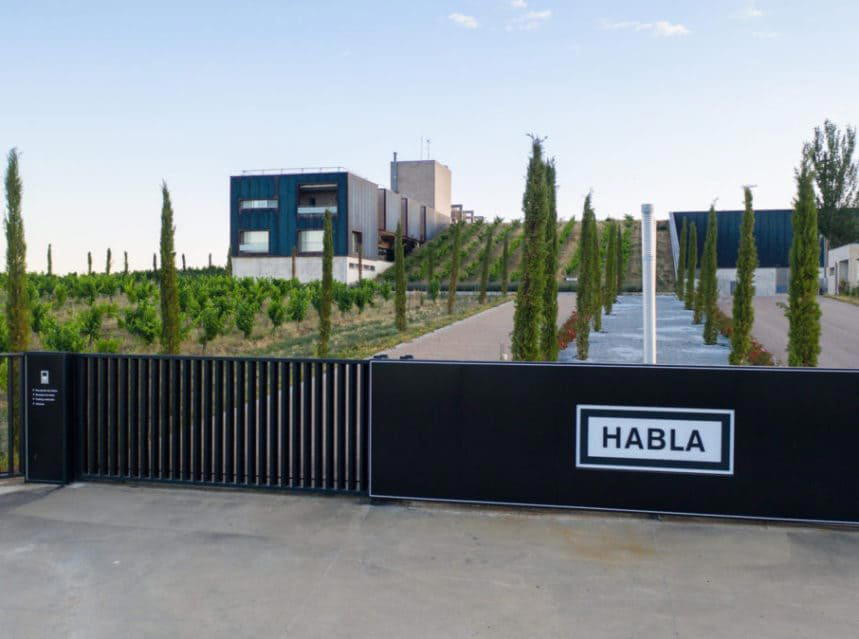
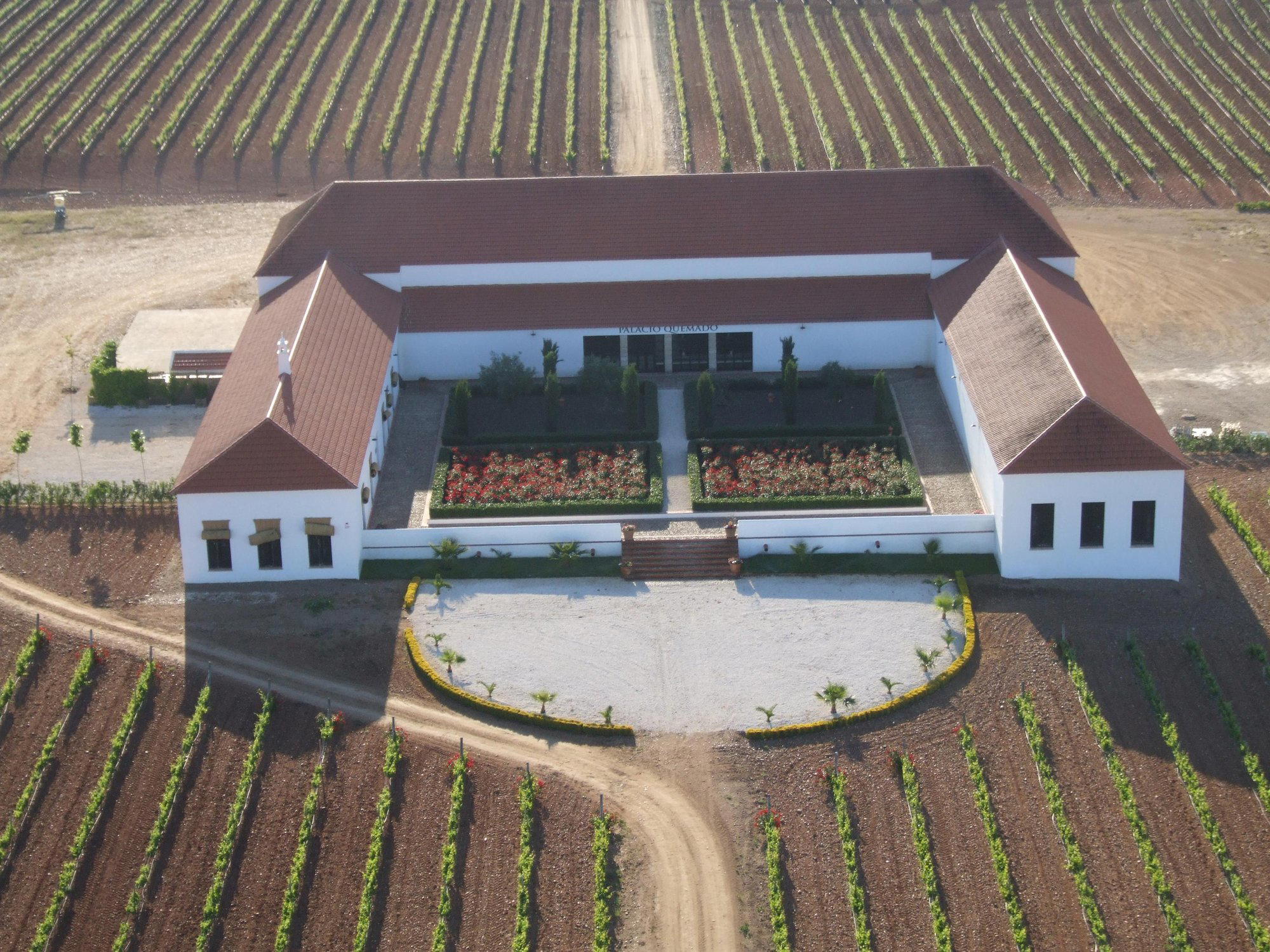
Details
- Elegant
- Intimate
- Rustic
- Date Night
- Special Occasion
- Hotel Restaurant
- Local Sourcing
- Garden
- Tasting Menu
Current opening hours
- Monday
- Closed
- Tuesday
- Closed
- Wednesday
- Closed
- Thursday
- Closed
- Friday
- 1:15–3:15 PM
- Saturday
- 1:15–3:15 PM
- Sunday
- 1:15–3:15 PM
Hours can change for holidays and private events. Hours as of .
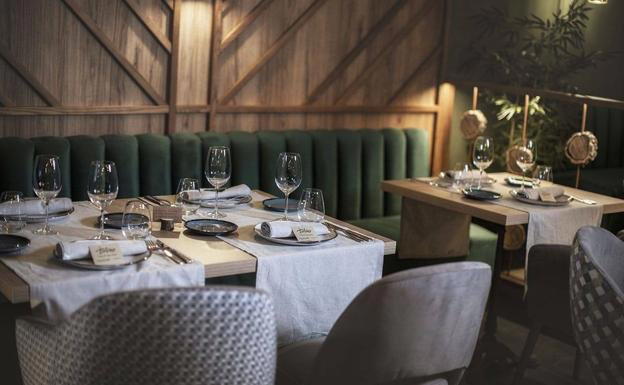
Sophisticated rural setting within a hotel complex, emphasizing Extremaduran flavors in an elegant atmosphere.