

Macarfi 7.3 Food Rating · Guía Repsol 1 Sol
Our verdict
El Bar Old School Food belongs to Mérida’s smaller, sharper restaurant tier, where Extremaduran produce matters more than decorative excess. Its 1 Sol distinction in Guía Repsol 2026 gives the room a clear external signal, but the interest is broader: how a historic city with Roman gravity is making space for contemporary, ingredient-led cooking.

Pearl is the En Primeur Club membership app — saves, bookings, and concierge access live there. Same editors, same standards.
- Address
- C. San Salvador, 4, 06800 Mérida, Badajoz, Spain
- Hours
- Mon–Wed ClosedThu 9 PM–12 AMFri–Sat 2:30–5 PM, 9 PM–1 AMSun Closed
- Directions
- Get directions
The menu
What to order
- Bacalao (cod)
- Calamari sandwich reinterpretation
- Seasonal tasting menu
Approaching dinner in Merida has a particular rhythm: stone façades, narrow streets, Spanish dining hours, and the sense that the city’s Roman inheritance is never far from the table. In that setting, El Bar Old School Food reads less as a trophy reservation than as part of a local conversation, one concerned with how a serious meal can feel rooted without turning the experience into folklore.
That distinction matters in Merida. The city is not one of Spain’s larger, more internationally amplified dining capitals, where attention can flatten restaurants into status bookings. Here, a serious table has to work closer to the ground: regional habits, local demand, and the pragmatic expectations of inland dining. The interest is not novelty for its own sake, but whether a restaurant can make the place feel current without sanding off its weight.
Regional identity, handled with a contemporary instinct
The phrase “old school” can be misleading in Spain, where nostalgia often gets used as a shortcut for familiar formulas. The stronger reading here is different: a restaurant working from recognisable local foundations while accepting that modern diners often want precision, pace, and a room with less ceremony than a formal destination address. That places El Bar Old School Food in a useful middle ground between everyday local dining and award-noted cooking.
The 1 Sol recognition from Guía Repsol 2026 is the clearest trust signal. In Spain, Repsol’s Soles tend to reward restaurants that express place with clarity, not only those chasing international tasting-menu codes. For Merida, that matters because the city’s dining identity is often overshadowed by its archaeological pull. A Repsol-listed address gives the food scene a marker that visitors can read quickly: this is not only a city of ruins and plazas, but also one with kitchens worth planning around.
Ingredient angle is still a useful lens, even without reducing the restaurant to a fixed formula. The broader regional pantry is assertive by nature, and a contemporary kitchen in Merida succeeds when it resists two traps: museum-piece rusticity on one side and anonymous metropolitan plating on the other. El Bar Old School Food sits in that tension, where the sourcing logic and the confidence of the experience have to carry the argument.
Compared with regional peers such as Tuétano, the Merida address occupies a less narrowly declared category. That can be an advantage for diners who want the meal to reflect the region without committing to a single format before sitting down. It also makes the Repsol signal more useful: the award does not tell the diner what dish to order, but it does place the restaurant inside Spain’s wider map of regionally literate cooking.
A Merida table for diners who want context, not theatre
Merida changes the way a restaurant is read. In a resort town, the question is often leisure; in a capital, status; in a pilgrimage food city, comparison. Here the stronger question is fit. A restaurant has to belong to a place where the Roman theatre, temple remains, and the scale of the old centre already supply plenty of drama. Dinner does not need to compete with the city. It needs to give the evening a local argument after the daytime cultural circuit has done its work.
That is why the contemporary, less ceremonial register is important. Spain’s better casual dining rooms have moved beyond the old divide between “serious” tasting menus and informal counters. They can serve as evening anchors: flexible enough for a shorter meal, credible enough for diners tracking awards, and grounded enough for residents rather than only visitors. El Bar Old School Food belongs to that more useful category, particularly for travellers who want Merida’s food culture to be part of the trip rather than an afterthought after the monuments.
The city’s scale also sharpens expectations. In larger Spanish dining centres, a restaurant can survive as a specialist, built around a tightly defined category or mood. In Merida, range and confidence matter more. The cooking has to speak to local habits while still giving a visitor a reason to choose it over a simpler tavern. Guía Repsol’s 2026 listing suggests that the balance has registered beyond the province, which is a meaningful signal in a market with fewer international headlines.
For a wider Spanish restaurant frame, compare how regional identity is handled across other dining rooms in Spain, from compact city addresses to destination-led regional restaurants. Outside Spain, tightly defined formats can shape a different kind of city dining decision, but El Bar Old School Food is best understood through Merida itself rather than through a borrowed metropolitan template.
How to read the reservation decision
The case for prioritising this table is strongest for travellers who want a Merida dinner with regional substance and some external validation, without defaulting to a formal destination-restaurant script. The Repsol Sol matters, but it should not be read as the whole story. The better reason to go is the category it represents: contemporary, place-aware cooking in a city better known globally for antiquity than for restaurant culture.
That makes El Bar Old School Food especially useful on a short Merida itinerary. After a day built around Roman sites, the restaurant gives the evening a local food focus rather than a generic Spanish meal. The smart expectation is not spectacle. It is a grounded, place-aware dinner in which the city’s inland identity has room to speak.
Frequently asked questions
Would El Bar Old School Food be comfortable with kids?
El Bar Old School Food is in Merida, and families should check directly with the restaurant about current suitability, timing, and reservation options. As with many serious Spanish dining rooms, the atmosphere may feel more adult-leaning later in the evening.
What's the overall feel of El Bar Old School Food?
It reads as a contemporary Merida restaurant with external validation from Guía Repsol’s 1 Sol in 2026. The appeal is less about ceremony than about a confident, place-aware meal in a city where restaurants sit in the shadow of major historic context.
When can I go to El Bar Old School Food?
Check directly with El Bar Old School Food for current opening times and reservation availability, as schedules can change.
How do I find El Bar Old School Food?
Merida.
Comparison Snapshot
Comparable venues by cuisine and price in the same metro.
| Venue | Cuisine | Price | Awards | Notes |
|---|---|---|---|---|
| El Bar Old School FoodThis venue — the venue you are viewing | Creative seasonal gastropub with Spanish and international influences | $30–50 | Macarfi 7.3 Food Rating · Guía Repsol 1 Sol | Not listed |
| Tuétano | Modern Spanish Meats and Grills | $50–100 | Michelin Plate · Macarfi 7.3 Food Rating | Meats and Grills |
Recognition history
Dated appearances from independent guides and award organizations, with the underlying list record or original source where available.
Guía Repsol 1 Sol
Guía Repsol
Macarfi 7.3 Food Rating
Macarfi
Continue exploring
More in Merida
Restaurants in Merida
Browse all →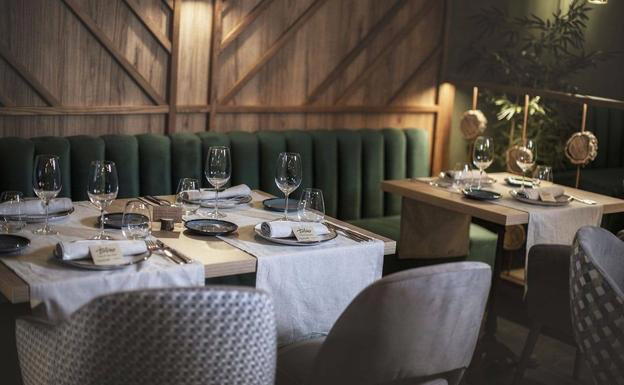
El Bar Old School Food
The wine
- Wine program
- Curated wine list
- Extensive wine list
Details
- Trendy
- Cozy
- Intimate
- Lively
- Date Night
- Casual Hangout
- Solo
- Celebration
- Group Dining
- Chefs Counter
- Open Kitchen
- Standalone
- Extensive Wine List
- Local Sourcing
- Tasting Menu
- Small Plates
- Counter Dining
- A La Carte
- Wine
- Vegetarian Friendly
Current opening hours
- Monday
- Closed
- Tuesday
- Closed
- Wednesday
- Closed
- Thursday
- 9 PM–12 AM
- Friday
- 2:30–5 PM, 9 PM–1 AM
- Saturday
- 2:30–5 PM, 9 PM–1 AM
- Sunday
- Closed
Hours can change for holidays and private events. Last verified .
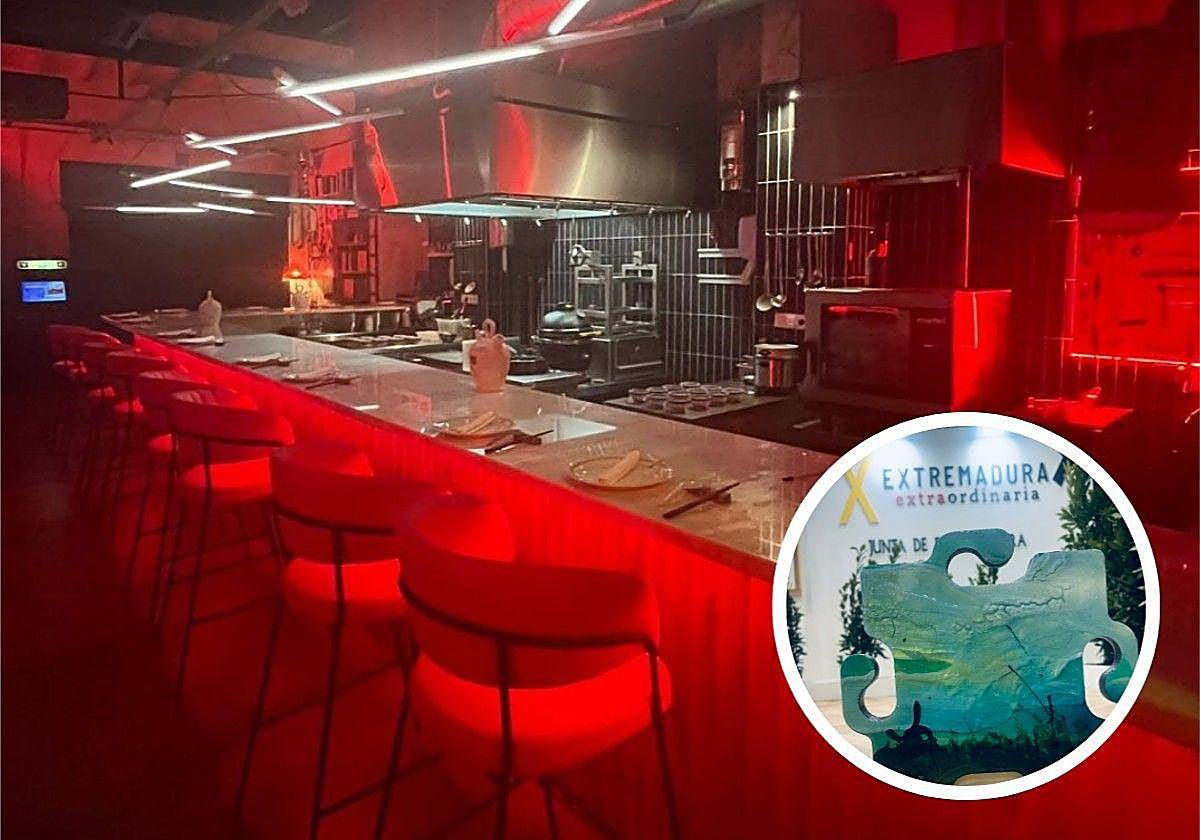
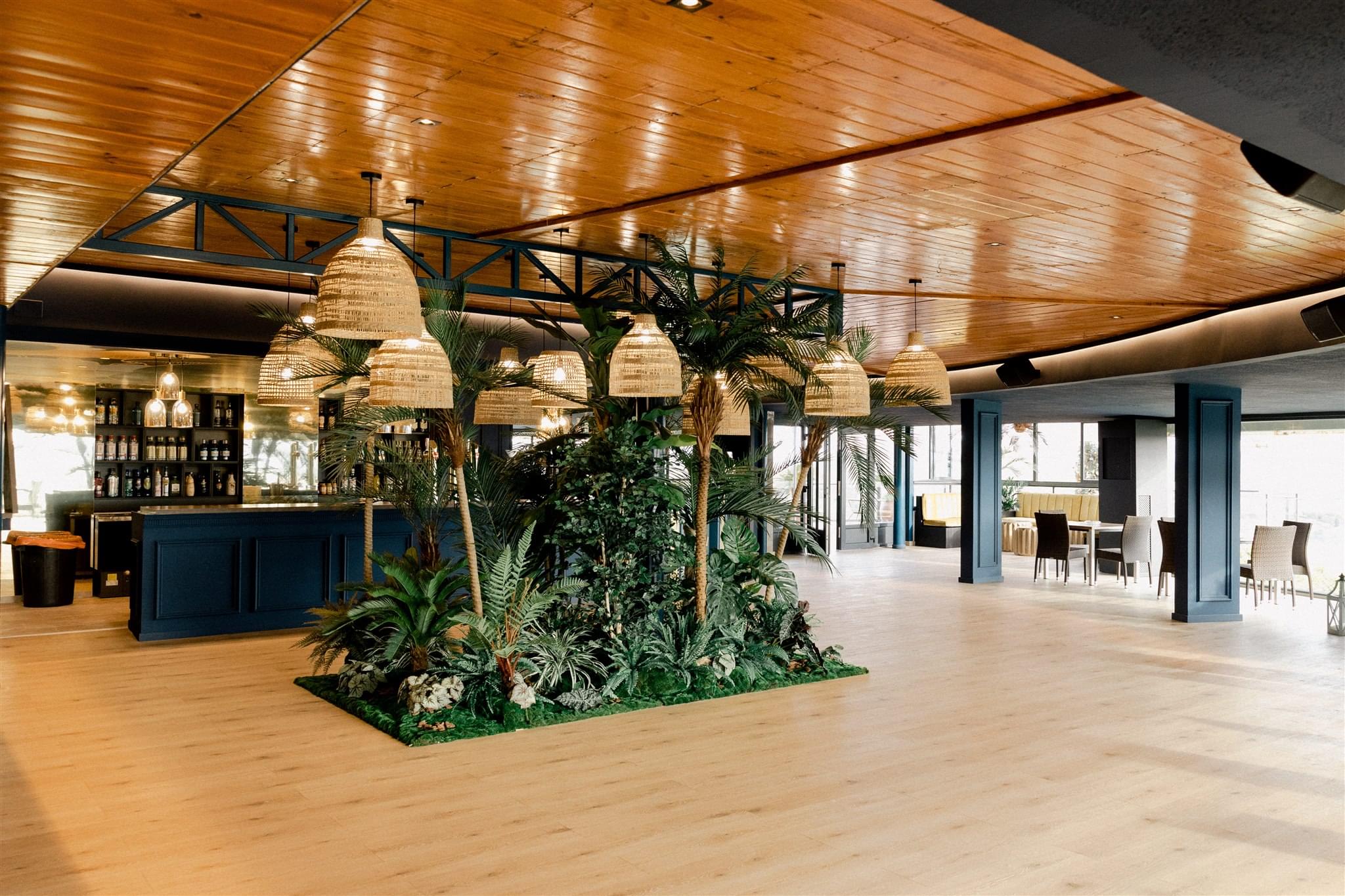
A small, original bar-gastropub space in central Mérida with an open kitchen feel, bar seating around the pass, warm and attentive service, and an atmosphere focused on sensory, high-end yet unpretentious dining.