Macarraca


In Villanueva de la Serena, Macarraca revives a near-forgotten Extremaduran dish as a name and as a manifesto. Chefs Josemi Martínez and Mercedes Rincón bring regional produce into sharp modern focus across an à la carte menu and two tasting formats, with the multi-award-winning smoked cheese tart drawing attention well beyond Badajoz province.
Pearl is the En Primeur Club membership app — saves, bookings, and concierge access live there. Same editors, same standards.
- Address
- C. Navegante Juan Patiño, 78, Bajo, 06700 Villanueva de la Serena, Badajoz, Spain
- Phone
- +34 613 09 52 91
- Website
- macarraca.com
- Directions
- Get directions
 Saves & bookings on Pearl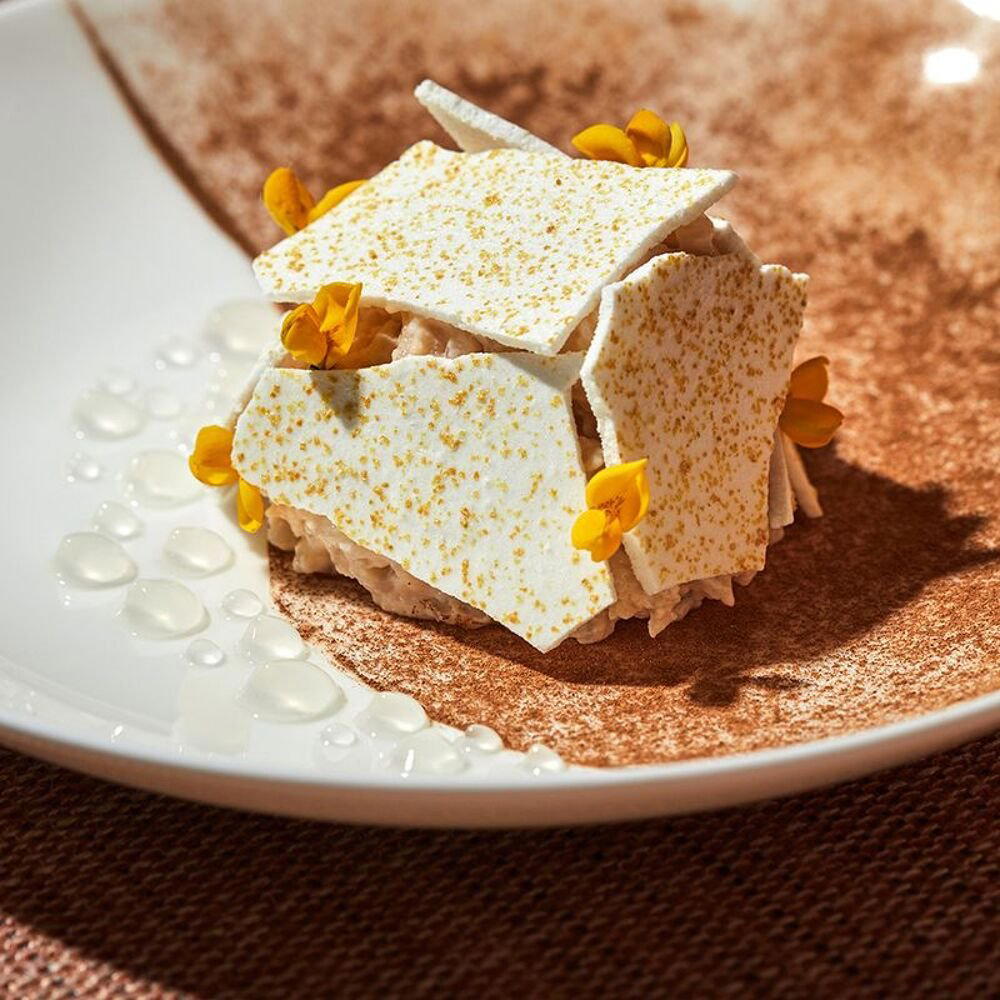
Where Extremadura's Larder Becomes the Argument
Villanueva de la Serena sits in the agricultural heartland of Badajoz, a province that feeds much of Spain without receiving much of the credit. Extremadura's pantry runs deep: Retinto and Verato cattle breeds, hand-harvested seasonal vegetables, and a cheesemaking tradition that predates any modern denomination. For most of the twentieth century, the leading of these ingredients left the region to appear on restaurant menus in Madrid or San Sebastián. Macarraca is a restaurant in Villanueva de la Serena serving modern Extremaduran Spanish cuisine, with a price point of about $40 per person.
The name itself is a signal. Macarraca is a traditional Extremaduran preparation, and naming the restaurant after it reads as a deliberate act of recovery. That positioning places this address in a recognisable current within Spanish gastronomy, though operating at a different register from the multi-Michelin rooms that defined the movement: think Arzak in San Sebastián or El Celler de Can Roca in Girona, where regional identity and modern technique were first fused at scale. Macarraca operates on a more intimate plane, in a smaller city, but the underlying argument is the same: local ingredients deserve to be treated with precision and ambition.
The Sourcing Logic Behind the Menu
Spain's most discussed creative restaurants, from Disfrutar in Barcelona to Quique Dacosta in Dénia, have built reputations partly on the specificity of their sourcing territories. Extremadura offers a distinct set of raw materials: the Verato-Retinto crossbreed produces kid with a flavour profile shaped by the dehesa, the open oak-woodland ecosystem that also supports Iberian pigs. The boneless kid on Macarraca's menu is not simply a local ingredient dressed in technique; it is a statement about what this particular landscape produces when given careful attention.
The smoked cheese tart carries a multi-award credential, which in the context of a small restaurant in a mid-sized Extremaduran city is a meaningful signal. Award recognition at this tier typically requires consistent execution, a traceable sourcing story, and a dish identity strong enough to be judged against regional and national competitors. The cheese tradition in Badajoz and Cáceres provinces runs through several protected denominations, and a tart built around smoked local cheese sits at the intersection of preservation and transformation that defines the better end of regional cuisine in Spain today.
The grilled Extremaduran ensaimada offers a further demonstration of the kitchen's method. The ensaimada is associated primarily with Mallorca in the popular imagination, but regional variants exist across the peninsula, and the Extremaduran version, handled here over direct heat, becomes something with a different texture register and a stronger connection to the flavours of the south-west. It is the kind of decision that requires both historical research and practical confidence.
Modern Technique in a Traditional Frame
Spain's broader conversation about regional cooking has, over two decades, moved through several phases. The first wave, exemplified by Mugaritz in Errenteria and Martin Berasategui in Lasarte-Oria, was primarily about technique at the frontier. The current phase increasingly asks what technique should be deployed in service of, and for many younger Spanish chefs the answer is local memory. Aponiente in El Puerto de Santa María has done this with Andalusian marine ingredients; Azurmendi in Larrabetzu with Basque agricultural terroir; Ricard Camarena in València with Valencian horticultural produce. Extremadura, with its distinct livestock breeds and preserved culinary vocabulary, has lagged behind in national attention, which makes the work at Macarraca timely rather than derivative.
Josemi Martínez and Mercedes Rincón bring professional formation that extends beyond Spain, and that experience shows in their approach to sourcing and precision. The commitment to seasonal local produce here is therefore both philosophical and practical.
Format and Planning
The menu structure at Macarraca offers two tasting formats alongside an à la carte option. The shorter Corto menu suits guests who want a representative cross-section without committing to a full evening; the Festival format gives the kitchen more room to move through the breadth of the region's seasonal produce. Both sit within a simple room on Calle Navegante Juan Patiño 78, Bajo, in Villanueva de la Serena's central streets. The address is navigable on foot from the town's main square and from the rail connection that links Villanueva to Mérida and Badajoz. For those building a wider Extremadura itinerary, Atrio in Cáceres, an hour north-west, occupies the other end of the regional dining register. Macarraca operates without that level of infrastructure but with the immediacy that a small independent project in a working market town allows.
Those interested in how Spain's most technically ambitious rooms have handled the intersection of international training and local produce can follow the thread through DiverXO in Madrid, and for a point of comparison outside Europe entirely, the approach to sourcing specificity at Atomix in New York City and Le Bernardin in New York City demonstrates how ingredient provenance has become a primary editorial language in fine dining globally.
Quick Comparison
Comparable venues nearby, for context on price, style, and recognition.
| Venue | Cuisine | Price | Awards | Notes |
|---|---|---|---|---|
| MacarracaThis venue — the venue you are viewing | Modern Extremaduran Spanish | $$$ | Bib Gourmand | Not listed |
| Mandukar | Creative Spanish with Mediterranean influence | $$ | Not listed | Badajoz |
| Casa Dirección | Modern Spanish Farm-to-Table | $$$ | Michelin Plate | Valverde del Camino |
| Bambú | Modern Spanish Tapas & Grilled Meats | $$$ | Bib Gourmand | Plaza Mayor |
| Ivantxu Espacio Bistronómico | Modern Spanish Bistro with Basque Influences | $$$ | Michelin Plate | Los Remedios |
| Marcano | Basque-Inspired Spanish Tapas | $$$ | Michelin Plate | Ibiza |
Recognition history
Dated appearances from independent guides and award organizations, with the underlying list record or original source where available.
Macarfi 7.7 Food Rating
Macarfi
Michelin Bib Gourmand
Michelin
Continue exploring
More in Villanueva de la Serena
Restaurants in Villanueva de la Serena
Browse all →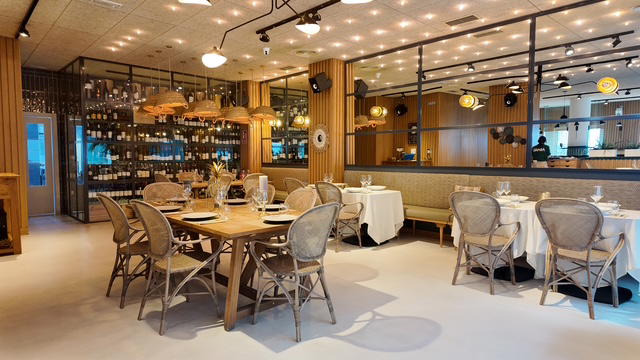
Wineries in Villanueva de la Serena
Browse all →
At a Glance
- Cozy
- Elegant
- Rustic
- Intimate
- Special Occasion
- Date Night
- Celebration
- Open Kitchen
- Local Sourcing
Current opening hours
- Monday
- Closed
- Tuesday
- Closed
- Wednesday
- 1:30–4 PM
- Thursday
- 1:30–4 PM, 9–11 PM
- Friday
- 1:30–4 PM, 9–11 PM
- Saturday
- 1:30–4 PM, 9–11 PM
- Sunday
- 1:30–4 PM
Hours can change for holidays and private events. Last verified .
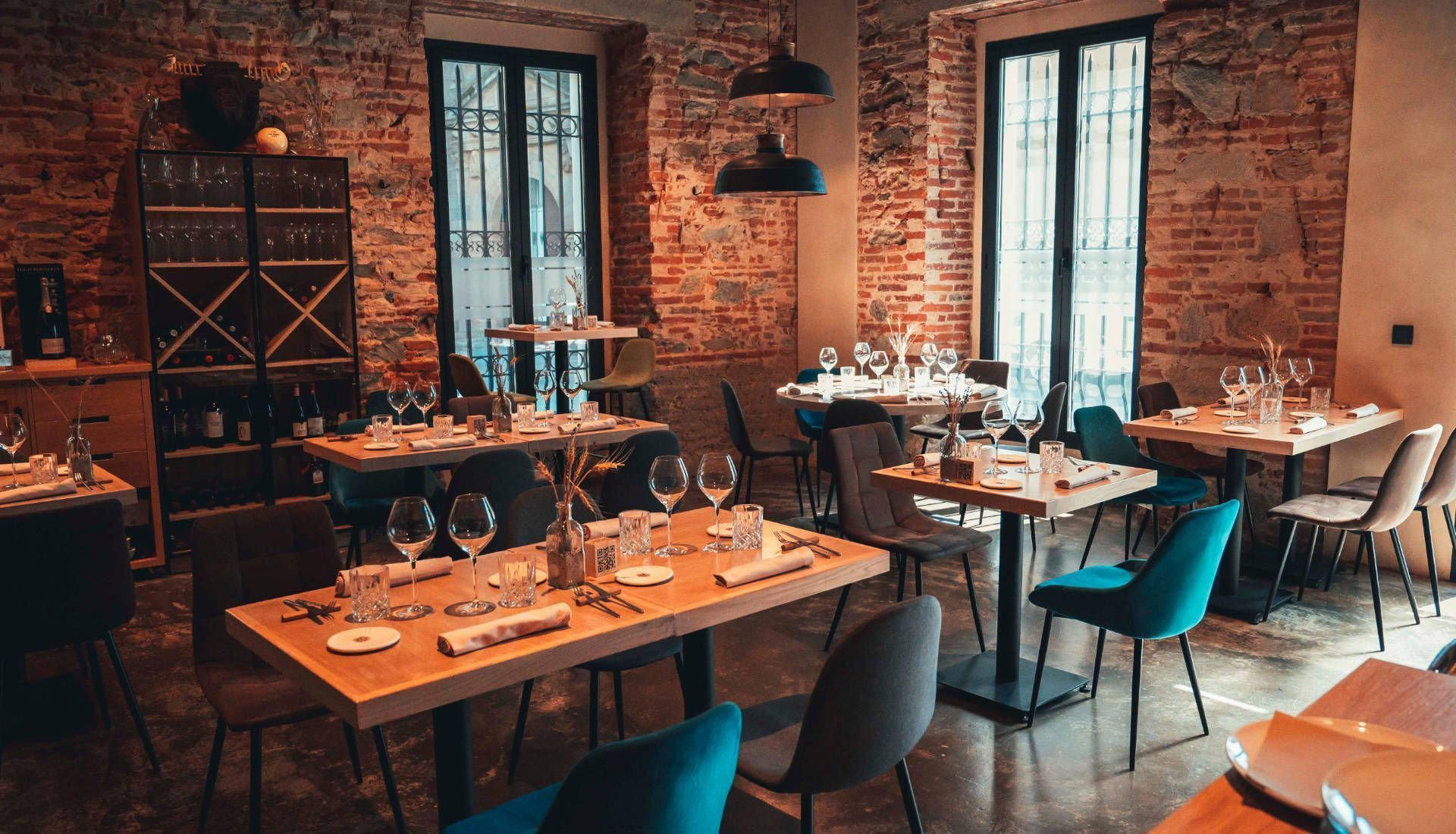
Cozy and elegant with beautiful design, handmade pieces, open kitchen, warm lighting, and an atmosphere steeped in culinary art and regional culture.