

Guía Repsol 1 Sol · Macarfi 7.4 Food Rating
Our verdict
La Fabiola belongs to the newer Cáceres conversation around produce-led dining rather than monument-facing ceremony. Its 1 Sol in the Guía Repsol Soles 2026 places it in a practical middle ground: serious enough for a planned meal, relaxed enough to read as part of the city’s everyday restaurant culture.

Pearl is the En Primeur Club membership app — saves, bookings, and concierge access live there. Same editors, same standards.
- Address
- Av. París, 19, Oeste, 10004 Cáceres, Spain
- Hours
- Mon–Sat 1–6 PM, 8 PM–12 AMSun 1–6 PM
- Directions
- Get directions
The menu
What to order
- Sea bass ceviche
- Red prawn rice
- Steak tartare over bone marrow
- Roasted suckling lamb shoulder
- Cannelloni
- Artichokes
Cáceres carries a different rhythm from the stone-lane image many visitors arrive expecting. The approach to La Fabiola is working-city rather than postcard medieval, which matters: meals here sit closer to how Extremadura actually eats, with market cadence, local larder and regular custom shaping the table before ceremony does. La Fabiola fits that side of Cáceres, away from the heaviest tourist gravity and inside a dining scene increasingly defined by where ingredients come from.
Cáceres has an unusually clear split for a small Spanish city. The monumental centre gives visitors the drama, while the restaurant map stretches into areas where Extremaduran produce can be handled with less performance. At the high-formality end, Atrio sets the city’s luxury benchmark; Javier Martín and Borona Bistró occupy other contemporary territory. La Fabiola’s 1 Sol in the Guía Repsol Soles 2026 places it in that serious but not grandstanding tier, where sourcing and control matter more than theatre.
Extremaduran produce, without old-quarter costume
The strongest way to understand Cáceres dining is through the region around it. Extremadura’s pantry is not subtle in raw material: Iberian pork from dehesa country, cheeses with depth and salt, paprika traditions, game, river fish in season and vegetables from a landscape that can be both austere and generous. A restaurant does not need to announce regionalism loudly for that geography to frame the meal. In this city, produce-led cooking often reads as restraint: fewer flourishes, more pressure on timing, sourcing and the confidence to leave ingredients legible.
That is the useful context for La Fabiola. The recognition from Guía Repsol, Spain’s road-and-table guide with a strong regional lens, is a trust signal for travellers trying to separate neighbourhood competence from destination-level intent. A single Sol is not a luxury coronation; it usually points to a kitchen worth planning around within its local dining map. For Cáceres, that distinction is important because the city’s reputation can be swallowed by one or two headline addresses. The more revealing meals are often those that connect the region’s products to a contemporary room without turning dinner into a lecture on heritage.
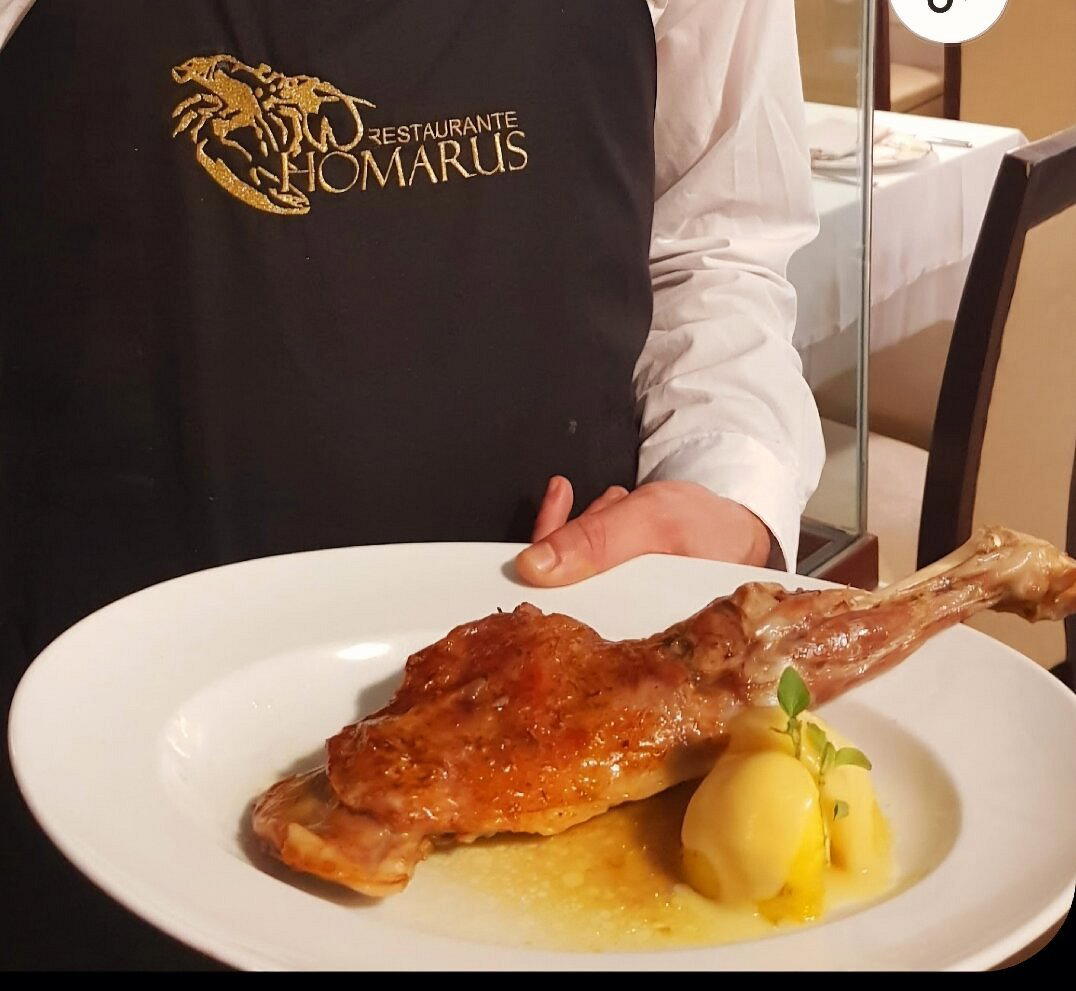
Comparisons should be made by purpose rather than hierarchy. Homarus gives another local reference point, while other Cáceres dining rooms broaden the view beyond contemporary formats. Travellers building a longer route through Spanish restaurant culture can also look generically at how regional identity changes from one Spanish city to another, from coastal dining to urban tasting-room ambition. Those contrasts clarify why Cáceres rewards attention: its cooking is less about display and more about the authority of the supply chain.
Where the room fits in the Cáceres dining map
The practical distinction between central spectacle and neighbourhood seriousness is useful for choosing the meal. Cáceres visitors often arrive with a short stay, a historic-centre walk and one major dinner slot. That plan can flatten the city. La Fabiola asks for a slightly broader map: the reward is not a castle-wall backdrop but a clearer reading of how a 2026 Cáceres restaurant can be ambitious while staying close to local eating patterns.
Public price detail is not part of the available record here, so the smarter assessment comes from format signals rather than assumptions. La Fabiola is best read through its confirmed guide recognition and its place in Cáceres rather than through invented brackets or menu claims. In a city where visitors may be comparing it with Atrio’s high-end bracket or Borona Bistró’s contemporary comfort, La Fabiola sits in the zone for diners who want recognition, regional grounding and a lower level of formality than the city’s grandest tables.
For broader planning, the useful move is to treat Cáceres as a compact but layered food stop rather than a single reservation problem. Our full Cáceres restaurants guide helps position the table against the city’s wider restaurant mix; the companion Cáceres hotels guide, Cáceres bars guide, Cáceres wineries guide and Cáceres experiences guide are better read together, because the city’s strongest days combine architecture, regional food and unhurried movement rather than a single trophy booking.
How to read the award signal
A 1 Sol rating in 2026 gives the restaurant national visibility without pushing it into the same category as Spain’s heavily exported fine-dining names. That is precisely why it is useful for travellers. Guía Repsol has long been attentive to regional Spain, and its Soles often point to restaurants that make sense on the ground before they make sense on an international list. In Cáceres, that means produce, consistency and a clear relationship to place carry more weight than imported luxury cues.
The broader Spanish map shows how different regional restaurants solve the same problem. Capital-city density, Andalusian informality and northern product culture each create different expectations around product and structure. The same editorial principle applies across regions: a venue is easier to judge when its local supply logic is visible and when the guide signal is read in the context of the place rather than as an abstract ranking.
The verdict is practical rather than breathless. La Fabiola is the Cáceres choice for diners who want the regional pantry treated with intent but do not need the city’s grandest dining room to validate the evening. Its strongest case is contextual: a Repsol-recognised restaurant in a province where ingredients carry real authority, positioned between everyday local eating and the higher-pressure tables that dominate outside attention.
Frequently asked questions
Is La Fabiola suitable for children?
La Fabiola is in Cáceres. For families, the sensible move is to check current service times directly before planning, then choose a full meal slot rather than treating it as a quick stop.
How would you describe the vibe at La Fabiola?
La Fabiola’s confirmed public profile places it in Cáceres and gives it a 1 Sol in Guía Repsol 2026.
How do I find La Fabiola?
Cáceres.
What is La Fabiola known for?
Its clearest public credential is a 1 Sol in Guía Repsol 2026. In Cáceres, that puts La Fabiola on the national guide’s radar without shifting the description into unsupported claims about cuisine, pricing, ownership or ranking.
What if I have allergies at La Fabiola?
The practical move is to state the allergy clearly before ordering, then confirm each dish with the team at the table. For any detailed dietary need, contact La Fabiola in Cáceres directly before visiting.
Comparison Snapshot
Comparable venues by cuisine and price in the same metro.
| Venue | Cuisine | Price | Awards | Notes |
|---|---|---|---|---|
| La FabiolaThis venue — the venue you are viewing | Modern Extremaduran & Mediterranean Spanish | $50–100 | Guía Repsol 1 Sol · Macarfi 7.4 Food Rating | Not listed |
| Homarus | Modern seafood-focused Spanish restaurant | $30–50 | Macarfi 7.4 Food Rating · Guía Repsol 1 Sol | Not listed |
| Torre de Sande | Traditional Spanish Regional | $50–100 | Michelin Plate · Macarfi 7.8 Food Rating | Traditional Cuisine |
| Atrio | Modern Spanish Fine Dining with Iberian Pork Focus | $200–300 | 3 Michelin Stars · La Liste Top Restaurants | Contemporary Spanish, Creative |
| Borona Bistró | Modern Spanish Extremaduran Tasting Menu | $50–100 | Michelin Plate · Macarfi 7.5 Food Rating | Contemporary |
| Javier Martín | Modern Spanish Fine Dining | $50–100 | Michelin Plate · Macarfi 7.6 Food Rating | Contemporary |
Recognition history
Dated appearances from independent guides and award organizations, with the underlying list record or original source where available.
Guía Repsol 1 Sol
Guía Repsol
Macarfi 7.4 Food Rating
Macarfi
La Fabiola
The wine
- Wine program
- Curated wine list
- Extensive wine list
Details
- Romantic
- Modern
- Elegant
- Cozy
- Trendy
- Date Night
- Group Dining
- Business Dinner
- Celebration
- Special Occasion
- Terrace
- Standalone
- Extensive Wine List
- Tasting Menu
- A La Carte
- Set Menu
- Wine
- Vegetarian Friendly
- Gluten Free Options
- Allergy Accommodating
Current opening hours
- Monday
- 1–6 PM, 8 PM–12 AM
- Tuesday
- 1–6 PM, 8 PM–12 AM
- Wednesday
- 1–6 PM, 8 PM–12 AM
- Thursday
- 1–6 PM, 8 PM–12 AM
- Friday
- 1–6 PM, 8 PM–12 AM
- Saturday
- 1–6 PM, 8 PM–12 AM
- Sunday
- 1–6 PM
Hours can change for holidays and private events. Last verified .
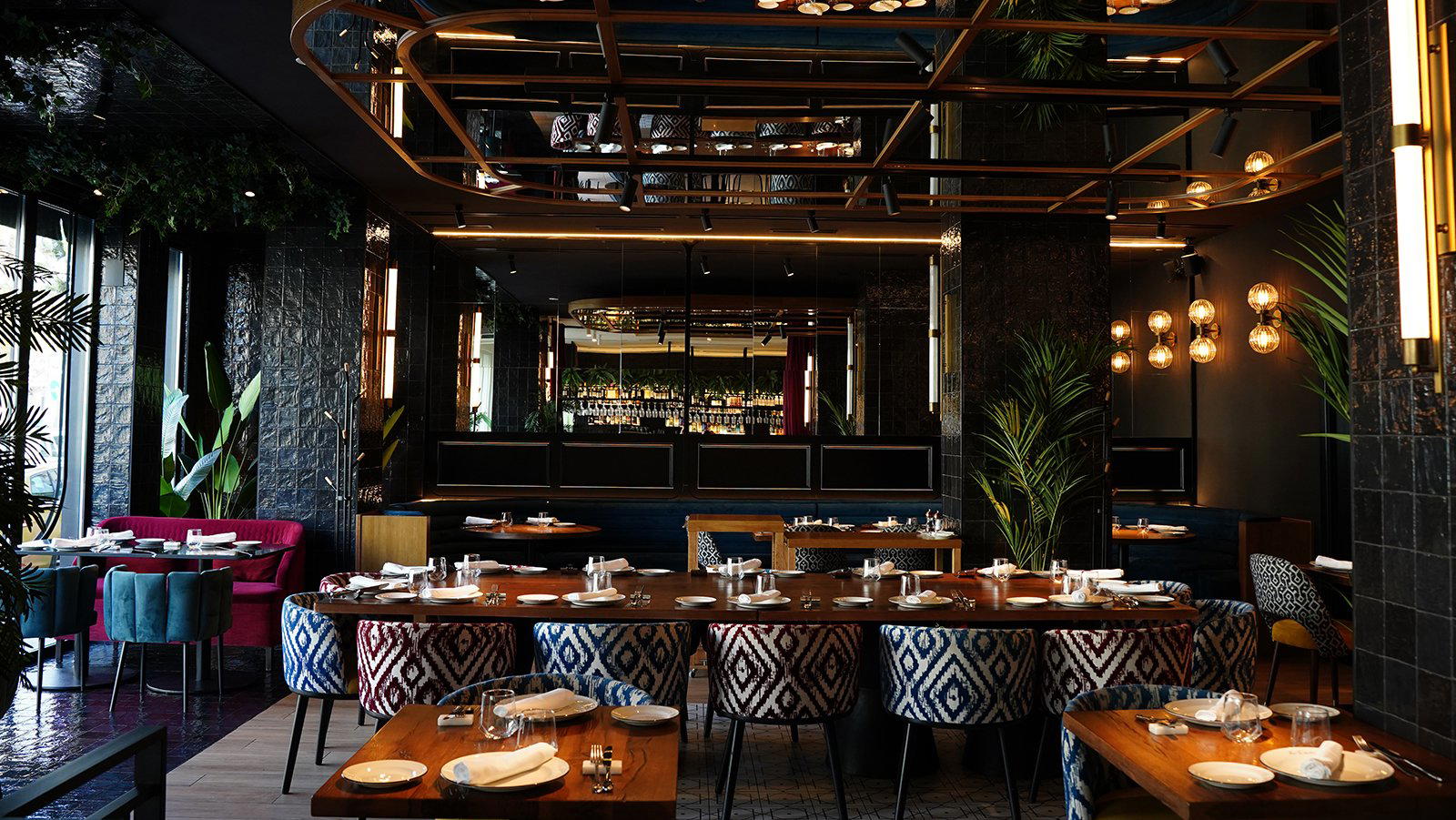
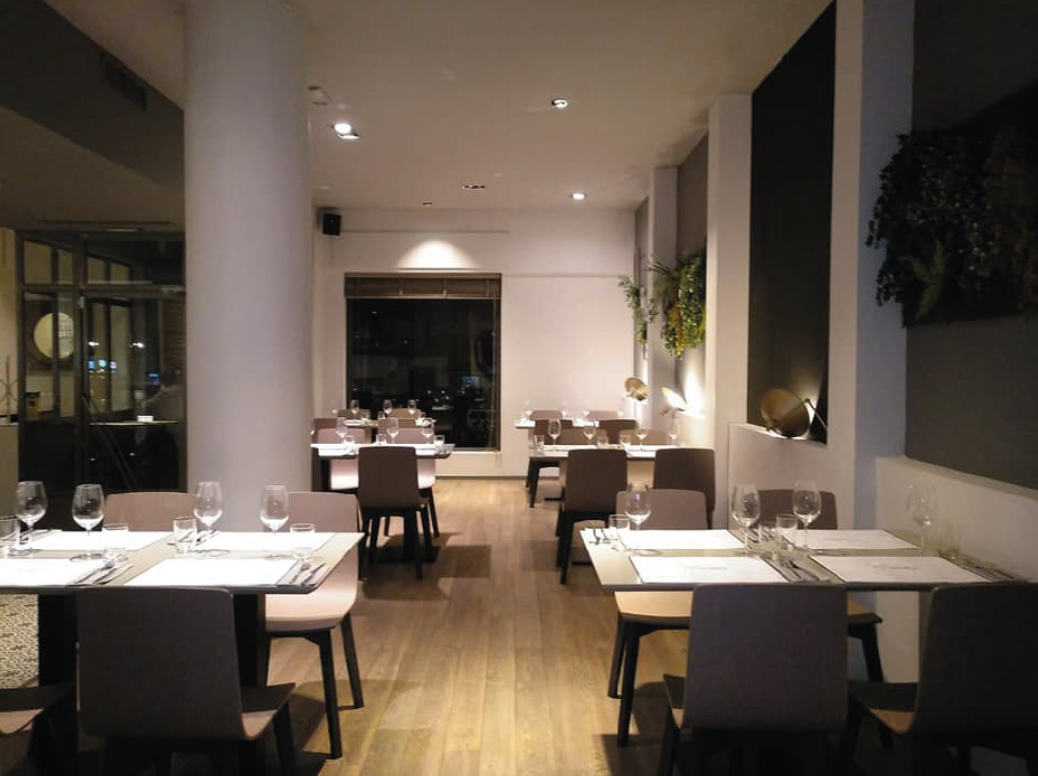
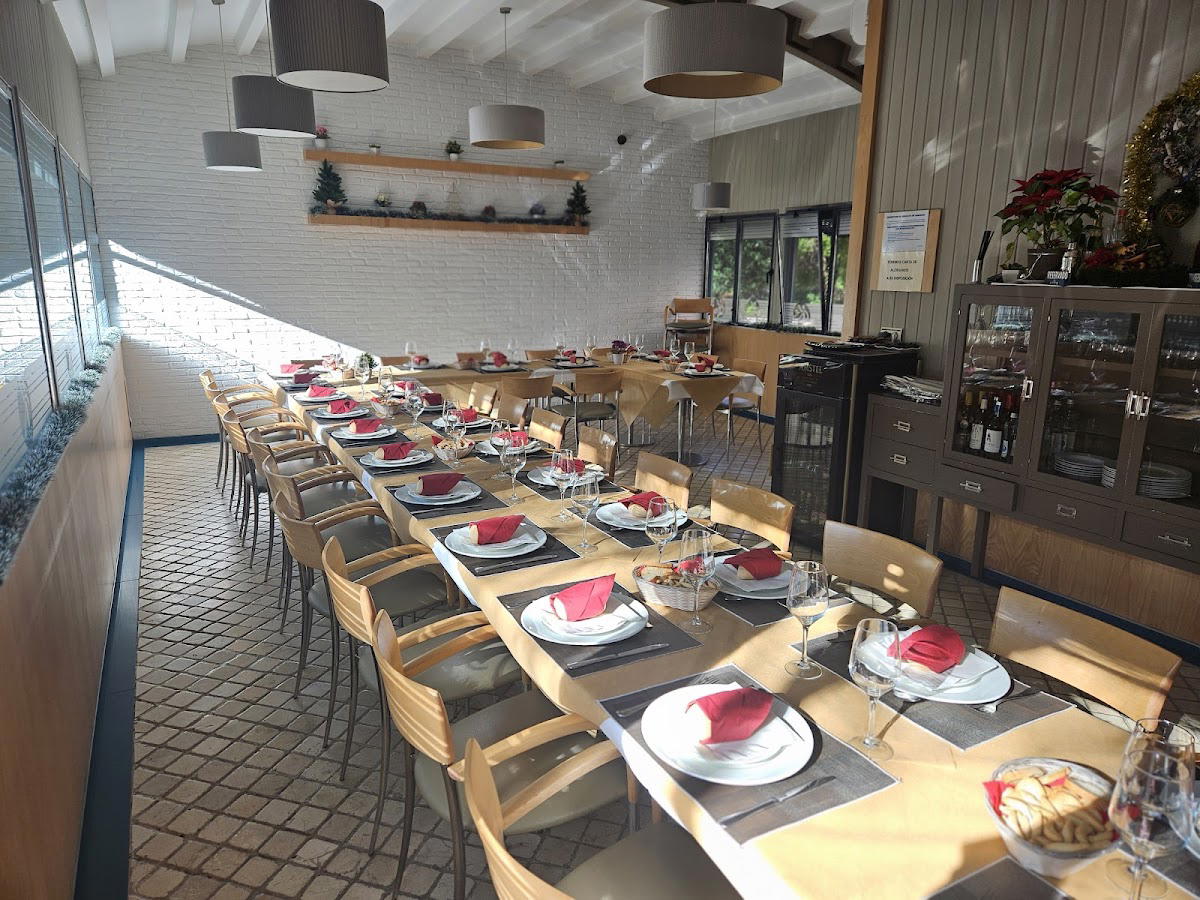
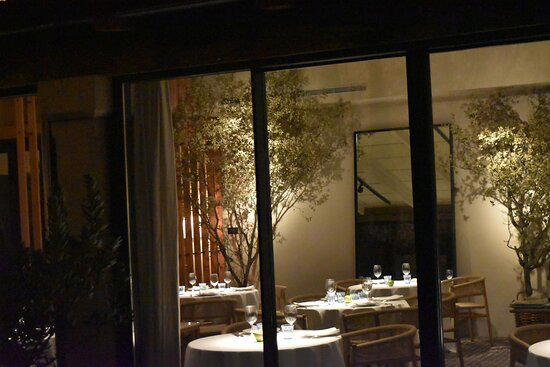
Cosmopolitan and well-decorated dining room with a warm, comfortable atmosphere, suitable both for romantic dinners and relaxed conversations, supported by attentive but relaxed service rather than a formal fine-dining feel.