Our verdict
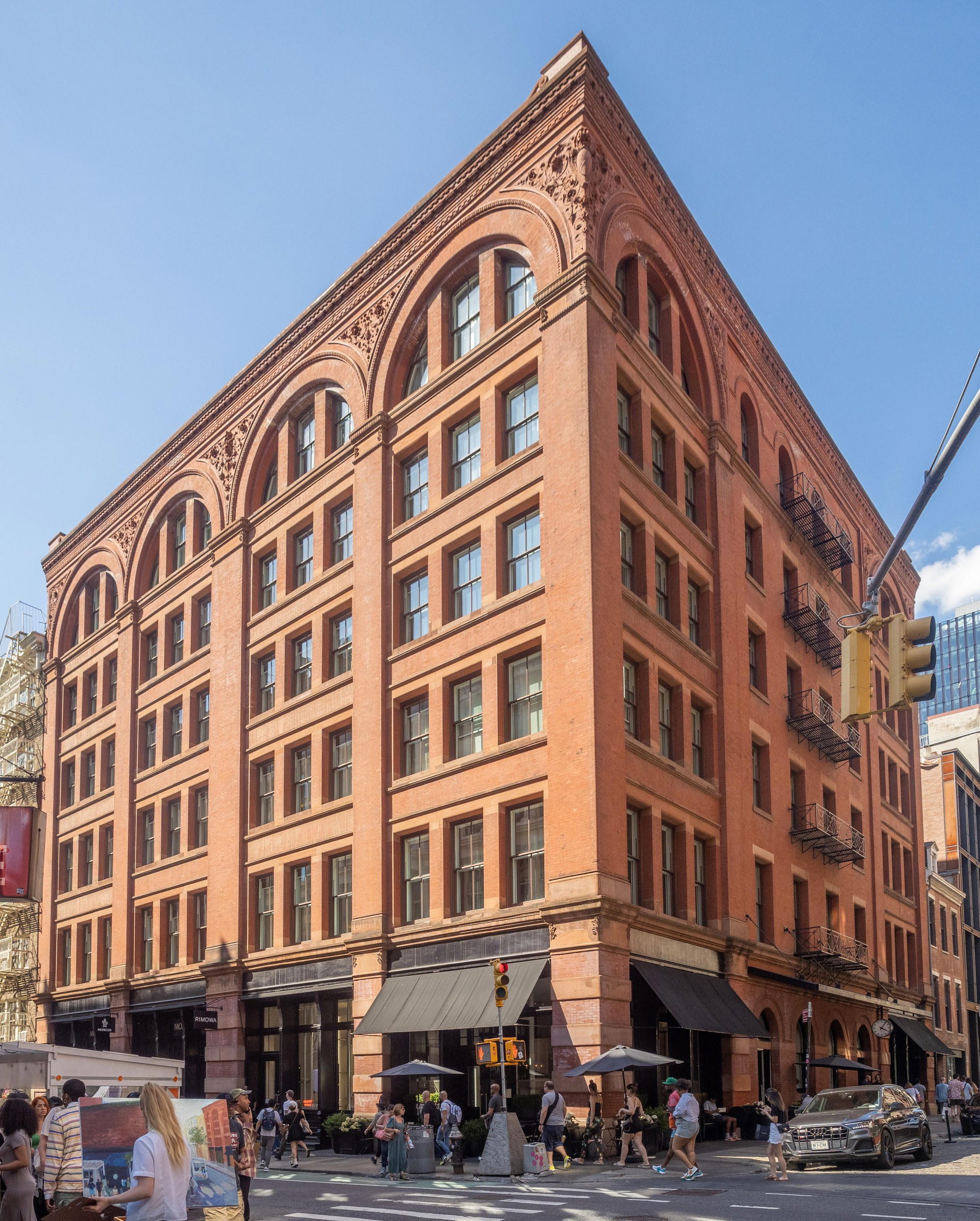
Located at 3 Greenwich Ave in the West Village, Tue occupies a corner of New York's most competitive fine-dining zip code. The restaurant sits within a neighbourhood that has produced some of the city's most debated tasting menus, where course sequencing and kitchen pedigree tend to matter more than room size or press volume. Reservation windows and format details are best confirmed directly with the venue.

Pearl is the En Primeur Club membership app, where members save venues, book tables and use the concierge.
Greenwich Ave and the West Village Tasting Menu Circuit
If there is one neighbourhood in New York where a serious tasting menu earns its context most legibly, it is the West Village. The streets around Greenwich Ave have become home to a particular kind of dining ambition: small rooms, deliberate course structures, kitchens that treat sequencing as the primary editorial statement of an evening. Tue, at 3 Greenwich Ave, sits inside that tradition. The address alone places it in a competitive set where the meal's architecture, how one course prepares the palate for the next, is the lens through which diners tend to evaluate the experience.
This matters because New York's upper tier of progressive dining has fragmented considerably over the past decade. The city's flagship French houses, places like Le Bernardin and Per Se, occupy one bracket of the conversation. The Korean progressive wave, represented by counters such as Atomix and Jungsik New York, has claimed another. Between and around those established poles, a smaller cohort of West Village and downtown rooms operates with less institutional history but sharper focus on course-by-course progression. Tue belongs to that cohort, at least in terms of geography and format expectation.
The Logic of the Progression
Progressive tasting menus in New York have undergone a recognisable shift over the past several years. The format that once prioritised spectacle, architectural plating, theatrical reveals, foam-forward modernism borrowed from Spanish avant-garde, has given way to a quieter grammar. The better rooms now think in terms of pacing and accumulation: lighter, more acid-driven early courses that open the palate, proteins arriving at a point of calibrated weight, and dessert sequences that resolve rather than overwhelm. This is the dominant language in the tier of dining that Tue's address suggests.
The sequencing logic in this style of kitchen treats each course as a structural decision rather than a standalone dish. An amuse-bouche cluster at the opening functions as tonal framing, not as generosity signalling. Mid-meal courses carry the argumentative weight of the kitchen's point of view. The closer, whether sweet or savoury-sweet, earns its position only if the earlier courses have built toward it. New York diners who move regularly between Masa and the West Village tasting circuit have become literate readers of this grammar, and kitchens in this part of the city are aware of that literacy.
Nationally, the same progression-forward sensibility has defined the most discussed tasting rooms of the past decade. Alinea in Chicago pushed the format into explicit theatricality. Lazy Bear in San Francisco collapsed the boundary between communal dinner party and composed tasting. Single Thread Farm in Healdsburg built its progression around ingredient provenance as a structural principle. The French Laundry in Napa and Providence in Los Angeles have maintained classical course architecture across years of format evolution. What connects all of them is the same underlying discipline: the meal has an arc, and the arc is the product.
West Village Positioning and What It Implies
The West Village has a specific character within New York's dining map. It is not Midtown's expense-account register, nor is it the Lower East Side's density of trend-forward openings. It occupies a position closer to considered neighbourhood dining at a serious price point, rooms where the audience tends to be self-selecting and the booking cycle reflects genuine demand rather than novelty traffic. Venues in this part of the city that build durable reputations do so through consistency of execution over time, not through press cycles tied to opening weeks.
For context on how this positioning plays out in practice, it is useful to look at the national fine-dining picture. Blue Hill at Stone Barns in Tarrytown built a category-defining identity around farm-to-table sequencing that influenced a generation of tasting menus across the country. The Inn at Little Washington demonstrated that longevity and regional specificity could anchor a destination-level reputation outside major metropolitan centres. Bacchanalia in Atlanta and Addison in San Diego each hold significant recognition in their respective markets while operating outside the New York-centric media conversation. The lesson across all of them: address matters less than the clarity of a kitchen's editorial position, expressed night after night through how courses are ordered and why.
Internationally, the same principle holds. 8 1/2 Otto e Mezzo Bombana in Hong Kong and Alain Ducasse's Louis XV in Monte Carlo operate in premium dining environments where the progression of the meal is treated as a form of argument, not just a delivery mechanism for individual dishes. That same sensibility, the meal as composed arc, is what distinguishes the serious operators in the West Village tier from the surrounding noise.
Planning a Visit
Tue is located at 3 Greenwich Ave, New York, NY 10014, in the West Village. Given the neighbourhood's booking patterns, where demand at progressive tasting rooms often runs several weeks ahead, lead time is worth factoring in. For a broader orientation to the city's dining options across price points and format types, the EP Club New York City restaurants guide covers the full range. Visitors planning a multi-stop itinerary in the region might also consider Emeril's in New Orleans as part of a wider American fine-dining circuit.
Frequently asked questions
What's Tue's location?
Tue is located at 3 Greenwich Ave, New York, NY 10014, New York City.
How does Tue's West Village location affect the dining experience?
Situated at 3 Greenwich Ave in the West Village, Tue sits within one of New York City's most concentrated corridors for serious tasting menu dining. The neighbourhood's residential scale and lower foot traffic compared to Midtown tend to shape the atmosphere at rooms in this area toward a more considered, less transactional pace.
What's the signature dish at Tue?
Within the West Village tasting menu tier at addresses like 3 Greenwich Ave, signature courses typically function as structural anchors in a kitchen-led progression rather than standalone menu items. For current course details, check the venue's official channels or check their reservation platform.
Do they take walk-ins at Tue?
Tasting menu rooms in the West Village generally operate on advance reservations, with same-day seats rare at most formats in that neighbourhood. Reaching out to the venue before arriving without a booking is advisable.
What has Tue built its reputation on?
Tue operates at 3 Greenwich Ave in the West Village, a block that carries considerable weight in New York's progressive dining circuit. Reputation in this tier is typically built on course sequencing discipline, kitchen pedigree, and format consistency rather than single dishes or décor.
Is Tue allergy-friendly?
Across the West Village tasting menu tier, kitchens vary considerably in how they handle dietary restrictions, with some offering full substitution tracks and others accommodating only the most common intolerances. Contacting Tue in advance of booking is the practical approach for any specific dietary requirement.
Is Tue good value for money?
Until pricing is confirmed, the address at 3 Greenwich Ave signals a mid-to-upper tier positioning within New York's progressive dining map.
Price and Recognition
A quick peer list to put this venue’s basics in context.
| Venue | Cuisine | Price | Awards | Notes |
|---|---|---|---|---|
| TueThis venue (the venue you are viewing) | Not listed | Not listed | Not listed | Not listed |
| Le Bernardin | French Seafood Fine Dining | $300–500 | 3 Michelin Stars · World's 50 Best #13 | French, Seafood |
| Atomix | Modern Korean Tasting Menu | $300–500 | 2 Michelin Stars · World's 50 Best #11 | Modern Korean, Korean |
| Masa | Traditional Japanese Omakase | $500+ | 2 Michelin Stars · World's 50 Best #27 | Sushi, Japanese |
| Per Se | French Fine Dining Tasting Menu | $300–500 | 3 Michelin Stars · World's 50 Best #40 | French, Contemporary |
| Jungsik New York | Modern Korean Fine Dining | $200–300 | 3 Michelin Stars · World's 50 Best #18 | Progressive Korean, Korean |
Continue exploring
More in New York City
Restaurants in New York City
All restaurants in New York City →
Bars in New York City
All bars in New York City →
Details
Current opening hours
- Monday
- 11:30 AM–3:45 PM, 5–11 PM
- Tuesday
- 11:30 AM–3:45 PM, 5–11 PM
- Wednesday
- 11:30 AM–3:45 PM, 5–11 PM
- Thursday
- 11:30 AM–3:45 PM, 5–11 PM
- Friday
- 11:30 AM–3:45 PM, 5–11 PM
- Saturday
- 11:30 AM–3:45 PM, 5–11 PM
- Sunday
- 11:30 AM–3:45 PM, 5–11 PM
Hours can change for holidays and private events. Hours as of .