
Tabelog 100 #28
Our verdict
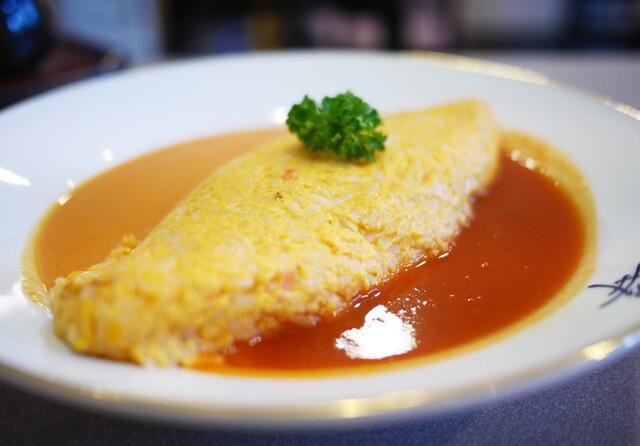
Tokyo’s yoshoku tradition has always sat between home cooking and restaurant craft, and Tsutsui belongs to the old-school side of that conversation: omelette rice, hamburger steak, wine, and a room built for regular meals rather than ceremony. Its Tabelog 100 Yoshoku EAST 2025 selection gives it a clear signal in a category where comfort dishes are judged with unusual seriousness.

Pearl is the En Primeur Club membership app, where members save venues, book tables and use the concierge.
The menu
What to order
- Omurice (omelette rice)
- Hamburg steak
- Hashed beef rice
- Beef curry
- Crab cream croquette
- House demi-glace sauce dishes
Tokyo does not always perform for diners as destination dining theatre. Around Tsutsui, the appeal is more practical: office routines, side streets, and the easy rhythm of a restaurant built for regular use rather than spectacle. That suits yoshoku. This is food born from adaptation: Western forms translated through Japanese rice, demi-glace, frying, egg work, and portion sense. Tsutsui sits inside that tradition, where the room matters less as spectacle than as a reliable stage for hot plates, rice dishes, and the low clatter of a Tokyo restaurant.
That context matters because Tokyo’s restaurant conversation can lean too heavily toward sushi counters, kaiseki rooms, and tasting-menu precision. Yoshoku asks for a different critical lens. Omurice and hamburger steak are not luxury shorthand; they are tests of texture, sauce control, timing, and nostalgia without collapse into sentimentality. A Tabelog 100 Yoshoku EAST 2025 selection places Tsutsui among a more specific competitive group than the city’s broader restaurant field, closer in spirit to category specialists than to high-formal dining.
Yoshoku judged by comfort, not ceremony
Tokyo’s yoshoku houses occupy a useful middle tier: accessible by price, exacting in execution, and deeply local in expectation. The category rewards consistency more than novelty. Omurice, hamburger steak, and Japanese-style Western cooking are listed here as the core vocabulary, which tells the reader where the kitchen’s reputation is being tested. The point is not reinvention. The point is whether familiar forms retain enough discipline to justify a cross-town trip.
Compared with Tokyo’s sharper genre specialists, the value equation is different. Japanese Supaisu Curry Karisshu and Cuit Bonne point to other everyday genre-led meals; Ushiko Honten and Sushi Dai belong to different dining grammars altogether, where the format and expectations change the meal. Tsutsui’s lane is the yoshoku table: less formal than more occasion-led rooms such as Le Jardin de Kamo, more structured than quick casual dining, and judged by how well the kitchen handles comfort dishes that many Tokyo diners already know intimately.
For readers mapping the city by category rather than neighbourhood, this is where a broader Tokyo itinerary becomes useful. A meal here pairs naturally with other genre-led addresses in Our full Tokyo restaurants guide, from grilled formats to the sharper nightlife-adjacent energy of other Tokyo dining rooms. Those are not direct substitutes; they show how Tokyo rewards diners who choose by format rather than by a single prestige ladder.
The room belongs to Tokyo's practical dining culture
The practical details point to a restaurant designed for use, not performance. The listed categories keep attention on Yoshoku, omurice, and hamburger steak rather than on a luxury-hotel style of occasion. In Tokyo terms, that places the experience closer to a dependable local address than a hushed special-occasion room.
The sensory appeal of this kind of yoshoku is modest but specific: sauce, egg, rice, grill, table settings, and the rhythm of tables turning around set-piece dishes. No single dish needs to be mythologised for the category to make sense. The pleasure comes from recognisable forms treated with enough care that they feel restaurant-worthy, which is why omurice and hamburger steak remain durable measures of a kitchen’s touch.
Tokyo visitors often over-index on rarity. The smarter move is to leave space for categories that locals use constantly. Yakitori counters, curry specialists, and café culture all tell different stories about the city’s appetite for highly defined formats. Tsutsui’s story is quieter: yoshoku as an urban habit with enough critical recognition to rise above mere convenience.
How to place it in a wider Japan itinerary
For travellers building a Japan trip around food rather than monuments, this address works as a calibration point. It shows how Tokyo treats imported culinary ideas after decades of local absorption: not as foreign dining, but as a Japanese genre with its own expectations. That makes it useful before or after meals in other cities, whether the itinerary moves toward other dining rooms in Kyoto, Osaka, Kumamoto, or Sapporo.
The address also suits a Tokyo stay that is not only restaurant-driven. The meal sits within the practical orbit of Tokyo rather than resort-style escape. Pair planning through Our full Tokyo hotels guide, Our full Tokyo bars guide, Our full Tokyo wineries guide, and Our full Tokyo experiences guide for a city read by district, format, and time of day.
Beyond Tokyo, the comparison becomes cultural rather than culinary. Other Japanese restaurants may frame beef, international cooking, or casual formats through different lenses, while overseas addresses show how Japanese formats travel abroad. Tsutsui is useful because it anchors the original urban context: a Tokyo yoshoku room where comfort food is evaluated with the seriousness usually reserved for higher-price categories.
Frequently asked questions
What part of town is Tsutsui in?
Tokyo.
What does dinner at Tsutsui typically cost?
Dinner at Tsutsui is listed at JPY 2,000 - JPY 2,999; lunch is listed at JPY 1,000 - JPY 1,999.
What's the best way to book Tsutsui?
The clearest route is to call +81-3-3551-4759 before visiting. The restaurant is a Tabelog 100 Yoshoku EAST 2025 selection, so planning ahead is sensible.
What do critics highlight about Tsutsui?
The main signal is the Tabelog 100 Yoshoku EAST 2025 selection, alongside a Tabelog score of 3.57. Critics and diners place it in Tokyo’s practical yoshoku tier, with omurice and hamburger steak among the listed categories and prices at JPY 1,000–2,999 depending on meal.
Do they accommodate allergies at Tsutsui?
The safest approach is to raise any allergy concerns directly by phone at +81-3-3551-4759. Calling ahead gives that conversation a clear moment before visiting Tsutsui in Tokyo.
Is Tsutsui a family-friendly restaurant?
Tsutsui’s listed categories include Yoshoku, omurice, and hamburger steak, which can suit mixed-age dining in Tokyo. Check the venue's official channels for the latest details.
Just the Basics
Comparable venues by cuisine and price in the same metro.
| Venue | Cuisine | Price | Awards | Notes |
|---|---|---|---|---|
| TsutsuiThis venue (the venue you are viewing) | Traditional Yoshoku (Japanese Western cuisine) | $30–50 | Tabelog 100 #28 | Not listed |
| Japanese Supaisu Curry Karisshu | Japanese Spice Curry | $1–10 | Tabelog 100 #40 | JPY 1,000 - JPY 1,999 |
| Ushiko Honten | Japanese Hotpot | Not listed | Tabelog 100 #42 | JPY 8,000 - JPY 9,999 JPY 4,000 - JPY 4,999 |
| Sushi Dai | Toyosu Market Omakase Sushi | $30–50 | The Best Chef Two Knives | Sushi |
| Cuit Bonne | Japanese European-style curry & dining bar | $10–20 | Tabelog 100 #7 | JPY 1,000 - JPY 1,999 JPY 1,000 - JPY 1,999 View spending breakdown |
| Le Jardin de Kamo | Modern Southern French | $150–200 | Michelin Plate | French |
Recognition history
Dated appearances from independent guides and award organizations, with the underlying list record or original source where available.
Tabelog 100 #28 · No. 28
Tabelog · Tabelog 100 - Yoshoku - EAST - 2025
Continue exploring
More in Tokyo
Restaurants in Tokyo
All restaurants in Tokyo →






Details
- Classic
- Cozy
- Well Known
- Solo
- Family
- After Work
- Casual Hangout
- Group Dining
- Historic Building
- Standalone
- A La Carte
- Set Menu
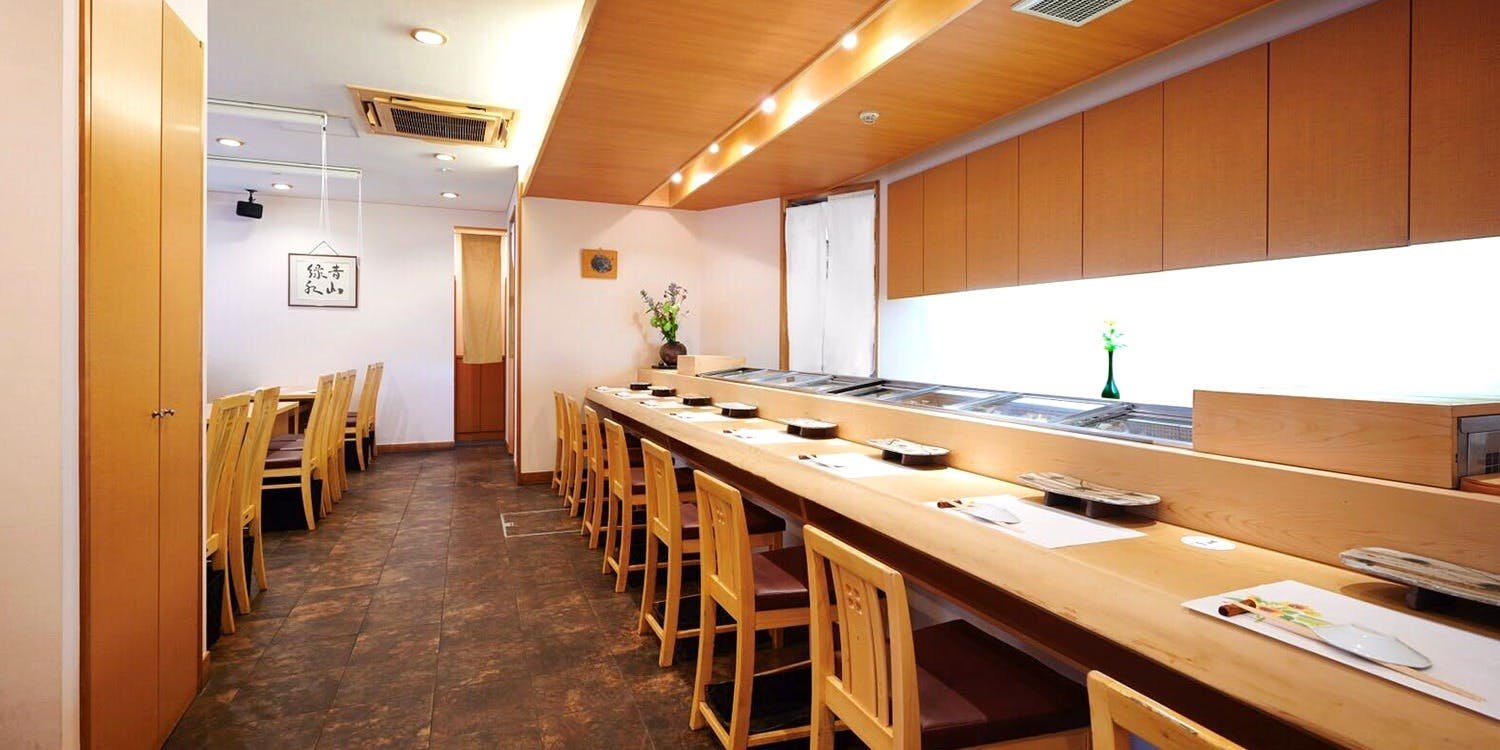
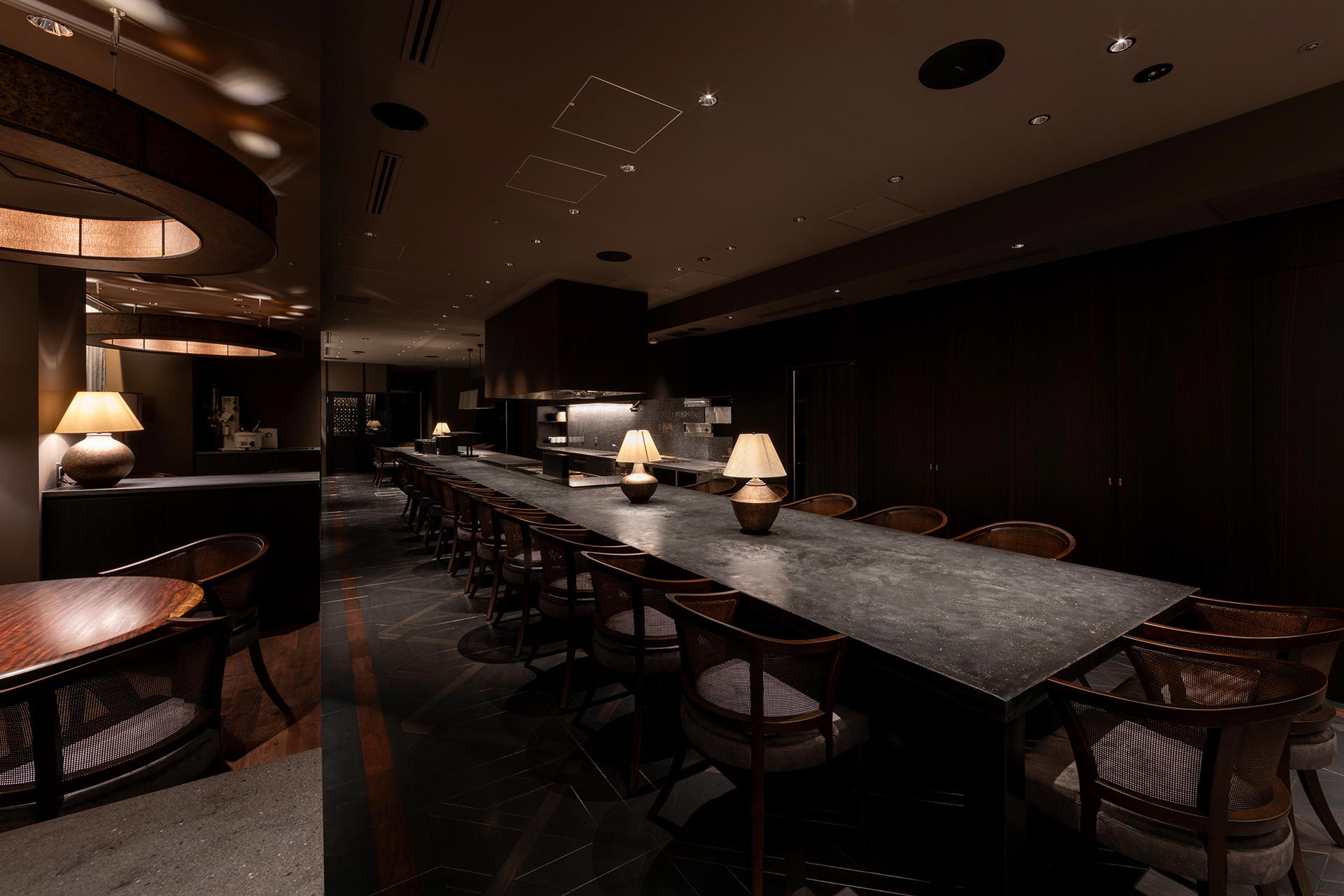
Warm, nostalgic neighborhood yoshoku house with a classic Shōwa‑era feel, simple table seating, and a relaxed, welcoming atmosphere that emphasizes comfort over design showmanship.