
Tabelog 100 #9
Our verdict
Tsujiya places Seki’s eel culture in a serious regional frame: a house-style unagi restaurant with Tabelog 100 Unagi selections across 2018, 2019, 2022 and 2024. The appeal is less about spectacle than sourcing discipline, grill craft and a room built for families, small groups and local regulars who treat eel as a meal with rules.

Pearl is the En Primeur Club membership app, where members save venues, book tables and use the concierge.
The menu
What to order
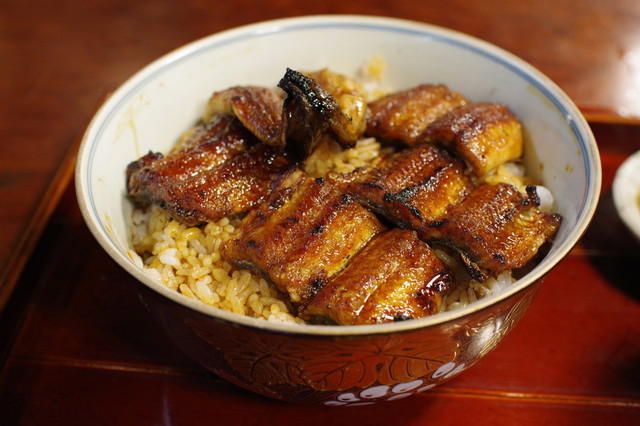
- Unagi donburi (eel bowl)
- Charcoal-grilled unagi with secret sauce
- Unagi set meals
Seki does not announce itself with the theatre of a capital-city dining quarter. The approach is quieter: a practical city setting, a focused restaurant, and the expectation that the meal will be judged by heat, timing and the quality of eel rather than by design language. In Gifu, unagi belongs to the category of food where repetition matters. The product is narrow, the margin for error is small, and the difference between an ordinary bowl and a serious one sits in preparation and the confidence of the grill.
That is the useful way to read Tsujiya. Its selection for Tabelog 100 Unagi in 2024 places it inside a national conversation about eel specialists rather than simply the local lunch circuit. The Tabelog score of 3.80 gives another public signal, but the more telling detail is category focus: Unagi (Eel), not a broad washoku menu using eel as a seasonal accessory. In a country where eel restaurants can range from everyday neighborhood counters to destination houses, a Hyakumeiten record matters because the dish is so technique-dependent.
Seki's eel table is about product, smoke and patience
Unagi in Japan is often discussed through regional sauce styles and grill methods, but the deeper issue is consistency. Eel is fatty, delicate and expensive enough that poor handling shows quickly. The diner is not paying for novelty. The diner is paying for an ingredient that has been cooked and sauced with enough control that the rice, lacquer and flesh behave as one plate rather than three components competing for attention.
Tsujiya sits in that older grammar. The available confirmed details point to a restaurant whose public identity is built around Unagi (Eel), which is exactly the kind of focus many serious unagi meals still prefer: enough clarity to make the ingredient central, enough restraint to keep the food in charge. Without leaning on decorative claims or chef mythology, the appeal rests on whether the eel itself carries the meal.
In Seki’s restaurant mix, that focus gives the restaurant a clear role. Shige Yoshi, Sushi Konno and Tokiwa 1921 help show that Seki is not only a transit stop or craft town; it has a layered dining economy. Eel here is not presented as a generic meal. It is a focused local choice where ingredient quality and grill tradition carry the check.
Why the sourcing question matters more than menu breadth
Eel specialists live or die by procurement because the menu leaves few places to hide. A broad restaurant can correct a weak dish by moving the diner toward another section of the menu. An unagi house has a smaller promise. The eel must justify the visit, and the kitchen’s discipline has to show through doneness, sauce balance and rice handling rather than through a parade of courses.
That narrowness is why awards in this category should be read differently from awards for tasting-menu restaurants. Tabelog’s Unagi 100 list is not rewarding architectural drama or multi-course ambition; it is sorting specialists in a field where regulars often know exactly what they want before they sit down. For Tsujiya, the public signals are simple but meaningful: a 2024 Hyakumeiten listing, a 3.80 Tabelog score and a category that stays squarely with eel. That changes the experience. It is less about hushed exclusivity and more about whether a specialist can keep standards intact.
The Seki setting also matters. This is not Ginza pricing with destination-dining choreography, and it is not a casual snack stop. In the local context, the listed budgets, Dinner: JPY 3,000 - JPY 3,999; Lunch: JPY 4,000 - JPY 4,999, put eel in a considered category: accessible enough to understand as local dining, serious enough that the ingredient has to perform. Unagi is often celebratory in Japan, but not always formal; the format here reads closer to a focused local meal than a chef-led counter aimed at collectors.
How to place it in a Seki itinerary
For travelers building a Seki day around knives, craft and regional food, this is the sort of restaurant that works when lunch or dinner should be anchored by a local specialty rather than a generic station-area meal. The confirmed location should be understood simply as Seki, which keeps the planning frame broad and practical. As with any specialist restaurant, timing remains relevant, especially for visitors planning a short stop rather than an overnight stay.
Because the public record supplied here is strongest on category, recognition, score and budget, the practical decision-making should stay equally grounded. Treat Tsujiya as an eel-focused stop in Seki rather than as a venue defined by unverified room features or booking mechanics. The safest approach is to confirm current operating details directly before going, then allow enough flexibility for a meal built around a single specialty.
The critical argument for Tsujiya is not that it rewrites unagi. It is that Seki’s dining map needs places where a single ingredient tradition is handled with enough seriousness to merit a detour inside the city. For broader planning, use our full Seki restaurants guide alongside our full Seki hotels guide, our full Seki bars guide, our full Seki wineries guide and our full Seki experiences guide. Readers comparing Japanese dining formats beyond Gifu can also look generically to other dining rooms in major Japanese cities and beyond, but Tsujiya’s clearest comparison set remains Seki’s own focused local restaurants.
Frequently asked questions
Is Tsujiya suitable for children?
The supplied public record does not confirm specific children-focused details. For family meals in Seki, check the venue's official channels for the latest guidance.
What's the overall feel of Tsujiya?
It reads as a focused Seki restaurant whose public category is Unagi (Eel). The Tabelog 100 Unagi selection for 2024 confirms its recognition in that category.
What's the price range at Tsujiya?
Pricing at Tsujiya is listed as JPY 3,000 - JPY 3,999 JPY 4,000 - JPY 4,999 View spending breakdown.
What time does Tsujiya open and close?
Check the venue's official channels before visiting.
How do I find Tsujiya?
Tsujiya is located in Seki.
A Quick Peer Check
Comparable venues by cuisine and price in the same metro.
| Venue | Cuisine | Price | Awards | Notes |
|---|---|---|---|---|
| TsujiyaThis venue (the venue you are viewing) | Traditional Unagi (Freshwater Eel) Restaurant | $20–30 | Tabelog 100 #9 | Not listed |
| Tokiwa 1921 | Japanese yoshoku (omurice & hamburger steak) | $10–20 | Tabelog 100 #27 | Imojiya, Seki |
| Shige Yoshi | Japanese Unagi (Eel) | Not listed | Tabelog 100 #59 | Sannodori |
| Sushi Konno | Modern Seasonal Sushi Omakase | $100–150 | Tabelog 100 #84 | Seki |
| カドヤ食堂 本店 | Japanese Ramen | $10–20 | Tabelog 100 #24 | Nishi-Ku / Nishi-Nagahori |
| やまざと | Traditional Japanese Soba | Not listed | Not listed | 西祖谷山村 |
Recognition history
Dated appearances from independent guides and award organizations, with the underlying list record or original source where available.
Tabelog 100 #9 · No. 9
Tabelog · Tabelog 100 - Unagi - 2024
Continue exploring
More in Seki
Restaurants in Seki
All restaurants in Seki →

Details
- Classic
- Well Known
- Rustic
- Family
- Group Dining
- Celebration
- Special Occasion
- Casual Hangout
- Private Event
- Historic Building
- Private Dining
- Standalone
- Local Sourcing
- A La Carte
- Set Menu
- Pescatarian Friendly
Current opening hours
- Monday
- Closed
- Tuesday
- 11 AM–2 PM, 5–8 PM
- Wednesday
- 11 AM–2 PM, 5–8 PM
- Thursday
- 11 AM–2 PM, 5–8 PM
- Friday
- 11 AM–2 PM, 5–8 PM
- Saturday
- 11 AM–2 PM, 5–8 PM
- Sunday
- 11 AM–2 PM, 5–8 PM
Hours can change for holidays and private events. Last verified .
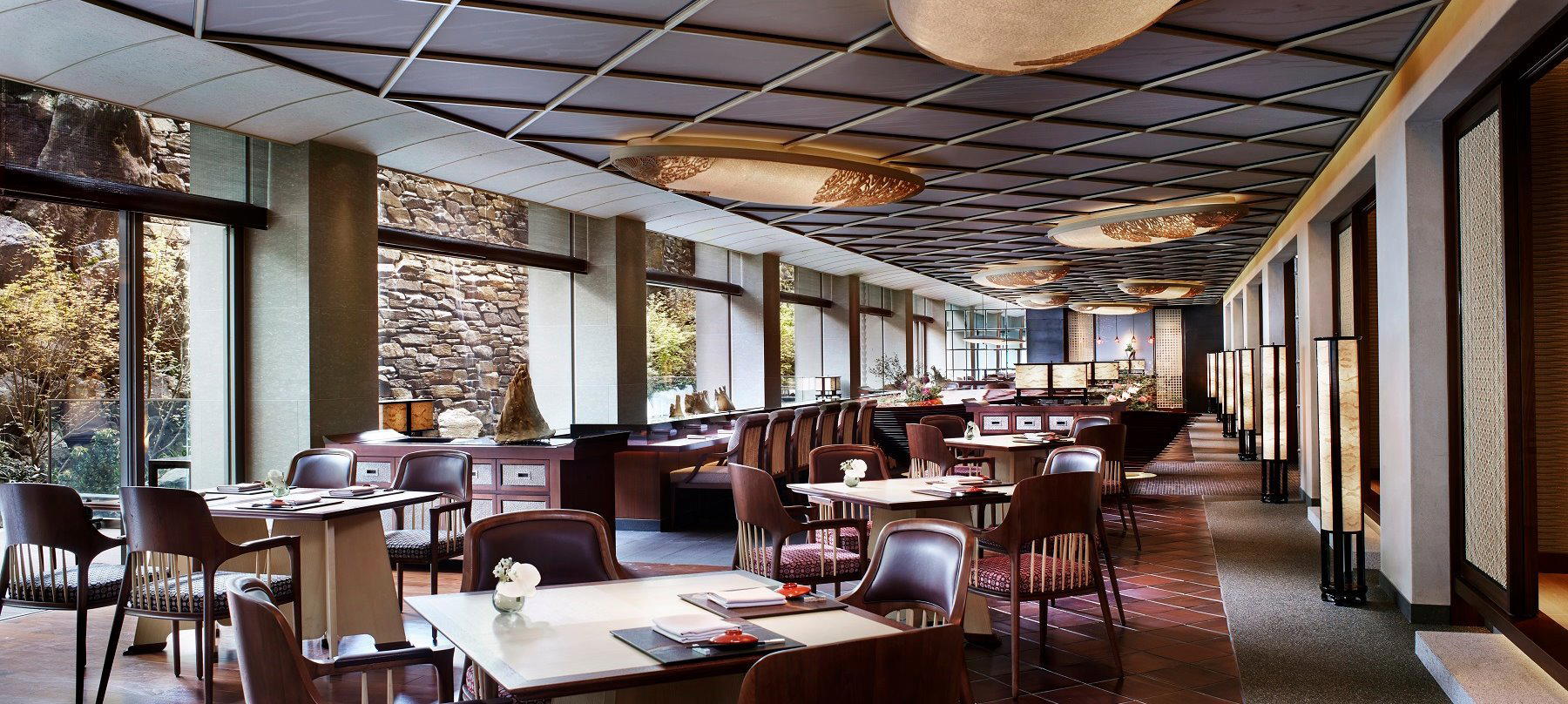
Traditional, old-town Japanese eel house with a calm, classic atmosphere, charcoal aromas, and spacious tatami and table seating suited to both everyday meals and celebratory gatherings.